
Indulge in an extraordinary dessert experience with this exquisite Lemon Rosemary Olive Oil Cake. This recipe masterfully combines the bright, zesty notes of fresh lemon, the aromatic, earthy undertones of rosemary, and the rich, smooth essence of olive oil to create a cake that is truly unforgettable. Each slice promises a beautifully moist texture and a symphony of flavors, delicately enhanced by a light rosemary and lemon syrup, and a final dusting of powdered sugar. It’s a sophisticated yet incredibly approachable dessert that will captivate your taste buds.
For more delectable citrus-infused treats, be sure to explore our recipes for lemon pound cake loaf, lemon blueberry cake, and lemon raspberry cupcakes.

There’s a magical alchemy that occurs when certain flavors are paired, and few combinations are as unexpectedly delightful as lemon and rosemary. The inherent brightness and tang of citrus beautifully cut through and complement the deep, piney, and slightly peppery notes of fresh rosemary. This unique duo evokes the sun-drenched landscapes of the Mediterranean, offering a refreshing yet comforting profile that elevates any dish, especially a tender cake.
This Lemon Rosemary Olive Oil Cake is a testament to that incredible flavor synergy. It boasts an incredibly soft and moist crumb, a characteristic brought forth by the generous use of quality olive oil. The cake is bursting with vibrant lemon flavor, perfectly balanced by subtle hints of fragrant rosemary that linger pleasantly on the palate. The beauty of this recipe lies in its simplicity; the batter comes together in approximately 10 minutes, requiring minimal effort and no special equipment. A quick, aromatic rosemary simple syrup is then brushed over the warm cake, sealing in moisture and adding another layer of herbaceous citrus, followed by a light dusting of powdered sugar for an elegant finish. Simple, exquisite, and utterly delicious – it truly doesn’t get much better than this.
Table of Contents
- Why You’ll Love This Lemon Rosemary Olive Oil Cake
- Essential Ingredients for Your Olive Oil Cake
- Helpful Recipe Substitutions
- How to Bake the Perfect Lemon Rosemary Olive Oil Cake
- Expert Baking Tips for Success
- Serving Suggestions for Olive Oil Cake
- Lemon Rosemary Olive Oil Cake FAQs
- More Delicious Cake Recipes
- Full Lemon Rosemary Olive Oil Cake Recipe
Why You’ll Love This Lemon Rosemary Olive Oil Cake
- Effortless Baking Experience: Forget about wrestling with a stand mixer or a hand mixer! This delightful olive oil cake recipe requires only a large mixing bowl, a saucepan for the syrup, and a springform pan. It’s incredibly easy to prepare, making it perfect for both novice bakers and seasoned pros looking for a fuss-free dessert. Cleanup is also a breeze!
- A Versatile Treat for Any Occasion: This Lemon Rosemary Olive Oil Cake is wonderfully adaptable, fitting perfectly into any part of your day. Enjoy a slice with your morning coffee or tea for a sophisticated breakfast, or serve it warm with a scoop of vanilla bean ice cream or a dollop of fresh whipped cream for an elegant dessert. Its unique flavor profile makes it a standout for brunches, afternoon tea, or even as a light finale to a dinner party.
- Achieve an Unrivaled Soft and Moist Texture: The secret to this cake’s melt-in-your-mouth texture lies in the use of olive oil. Unlike butter, olive oil contributes a unique tenderness and moisture that keeps the cake incredibly soft for days. Each bite is rich, velvety, and delightfully moist, a true pleasure for the senses.
- Easily Customizable to Your Preference: This recipe serves as a fantastic base for customization. Feel free to enhance the citrus kick with extra lemon zest or deepen the herbal notes with additional fresh rosemary. Furthermore, with a few simple ingredient swaps (detailed below), you can easily adapt this cake to be dairy-free, gluten-free, or even vegan, ensuring everyone can enjoy a slice of this Mediterranean-inspired delight.
Essential Ingredients for Your Olive Oil Cake

- High-Quality Extra Virgin Olive Oil: This is the star ingredient! Using a superior quality extra virgin olive oil is paramount to achieving the distinctive, subtle fruity and earthy flavors that define this cake. Choose an olive oil that is cold-pressed and boasts a “truly extra virgin” seal for authenticity. We highly recommend using Corto olive oil for its beautiful full-bodied flavor profile. Any leftover olive oil can be used for our lemon poppyseed cake!
- Fresh Rosemary: For the most aromatic and authentic rosemary flavor, fresh sprigs are essential. Dried rosemary can be overpowering and lacks the vibrant essence that fresh herbs impart. Chop it finely to ensure an even distribution of flavor throughout the cake.
- Fresh Lemons: You’ll be utilizing both the zest and fresh juice from bright, ripe lemons. The zest provides intense citrus oil and aroma, while the juice adds tartness and moisture. If available, Meyer lemons offer a slightly sweeter, more floral citrus note, creating an even more blended and mellow flavor profile.
- Large Eggs: Ensure your eggs are at room temperature. This is crucial for proper emulsification with the olive oil and other wet ingredients, leading to a smoother batter and a more evenly baked, tender cake.
- Granulated Sugar: Provides sweetness and helps create a tender crumb.
- Buttermilk: Adds a lovely tang and contributes to the cake’s incredible moisture and softness. Its acidity also reacts with the baking soda, aiding in leavening.
- Dry Ingredients: A precise blend of all-purpose flour, ground ginger (which beautifully enhances the lemon flavor), baking powder, baking soda, and a touch of kosher salt forms the cake’s structure. The leavening agents ensure a light and airy texture, while salt balances the sweetness.
Helpful Recipe Substitutions
- For a Dairy-Free Option: Easily substitute the buttermilk with your favorite dairy-free milk (such as almond, soy, or oat milk). To mimic buttermilk’s acidity, simply add one tablespoon of white vinegar or apple cider vinegar to the dairy-free milk and let it sit for 5-10 minutes until it slightly curdles before using.
- For a Vegan-Friendly Cake: Combine the dairy-free buttermilk option mentioned above with a flax egg substitute for the regular eggs. To make one flax egg, whisk together 1 tablespoon of ground flaxseed meal with 3 tablespoons of water and let it sit for 5 minutes until it thickens. For this recipe, you would need three flax eggs.
- For a Gluten-Free Option: Achieve a delicious gluten-free olive oil cake by replacing the all-purpose flour with an equal amount of a 1-to-1 gluten-free baking flour blend. Ensure your chosen blend contains xanthan gum for optimal texture.
How to Bake the Perfect Lemon Rosemary Olive Oil Cake
- Prepare Your Pan and Oven: Begin by preheating your oven to 350 degrees Fahrenheit (175 degrees Celsius). Lightly spray a 9-inch springform pan with a nonstick baking spray, ensuring all sides and the bottom are coated. Set the prepared pan aside.
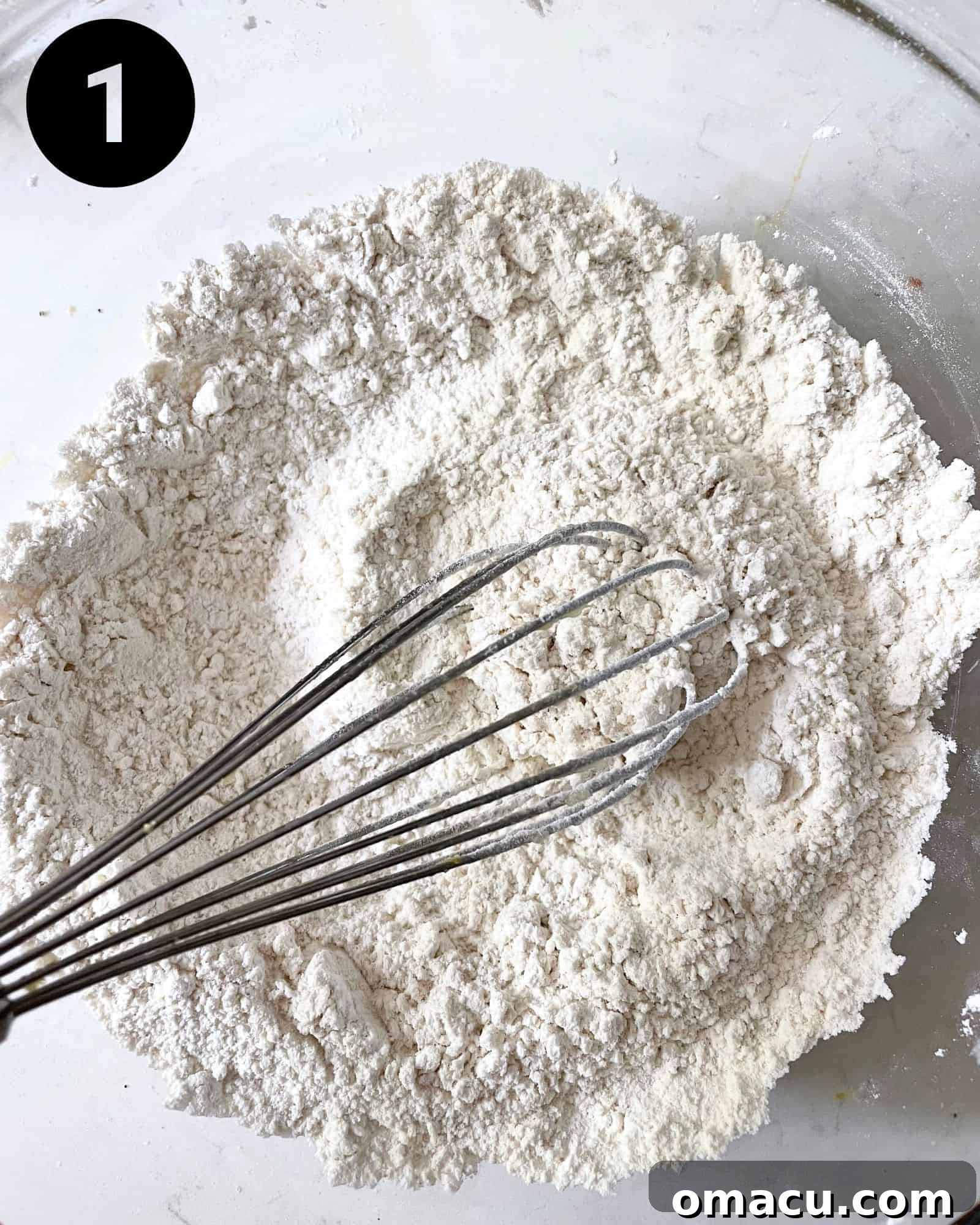
- Combine Dry Ingredients: In a large mixing bowl, combine the all-purpose flour, ground ginger, baking powder, baking soda, and kosher salt. Whisk these dry ingredients together thoroughly to ensure they are well combined and free of lumps. This step helps distribute the leavening agents evenly. Set the bowl aside.
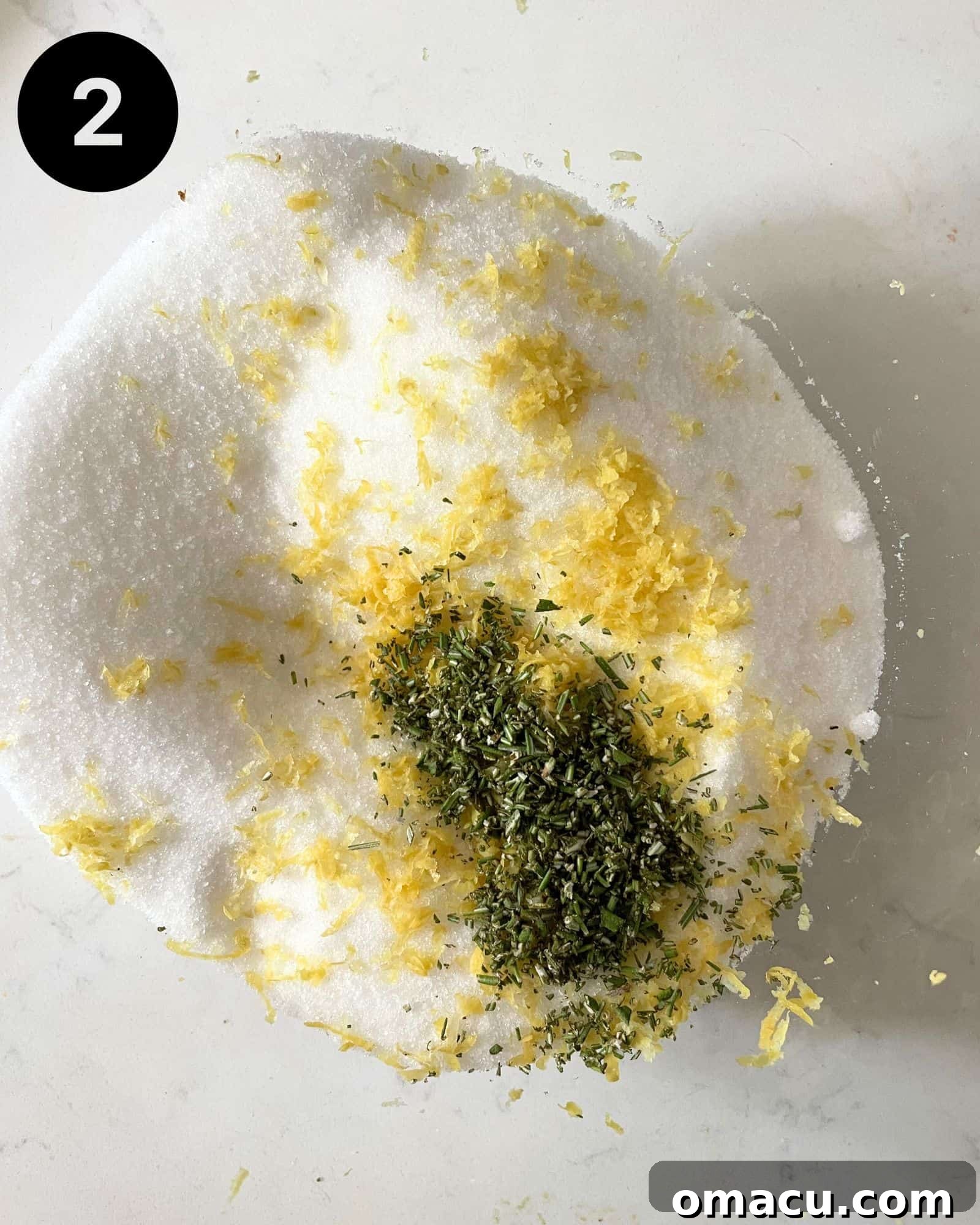
- Infuse the Sugar with Aromatics: In a separate, medium-sized bowl, combine the finely chopped fresh rosemary, fresh lemon zest, and granulated sugar. Using your fingertips, gently rub these ingredients together for about 3-5 minutes. This crucial step releases the fragrant essential oils from the lemon zest and rosemary, infusing them deeply into the sugar. You’ll notice the sugar becoming wonderfully fragrant and taking on a slightly yellowish tint.
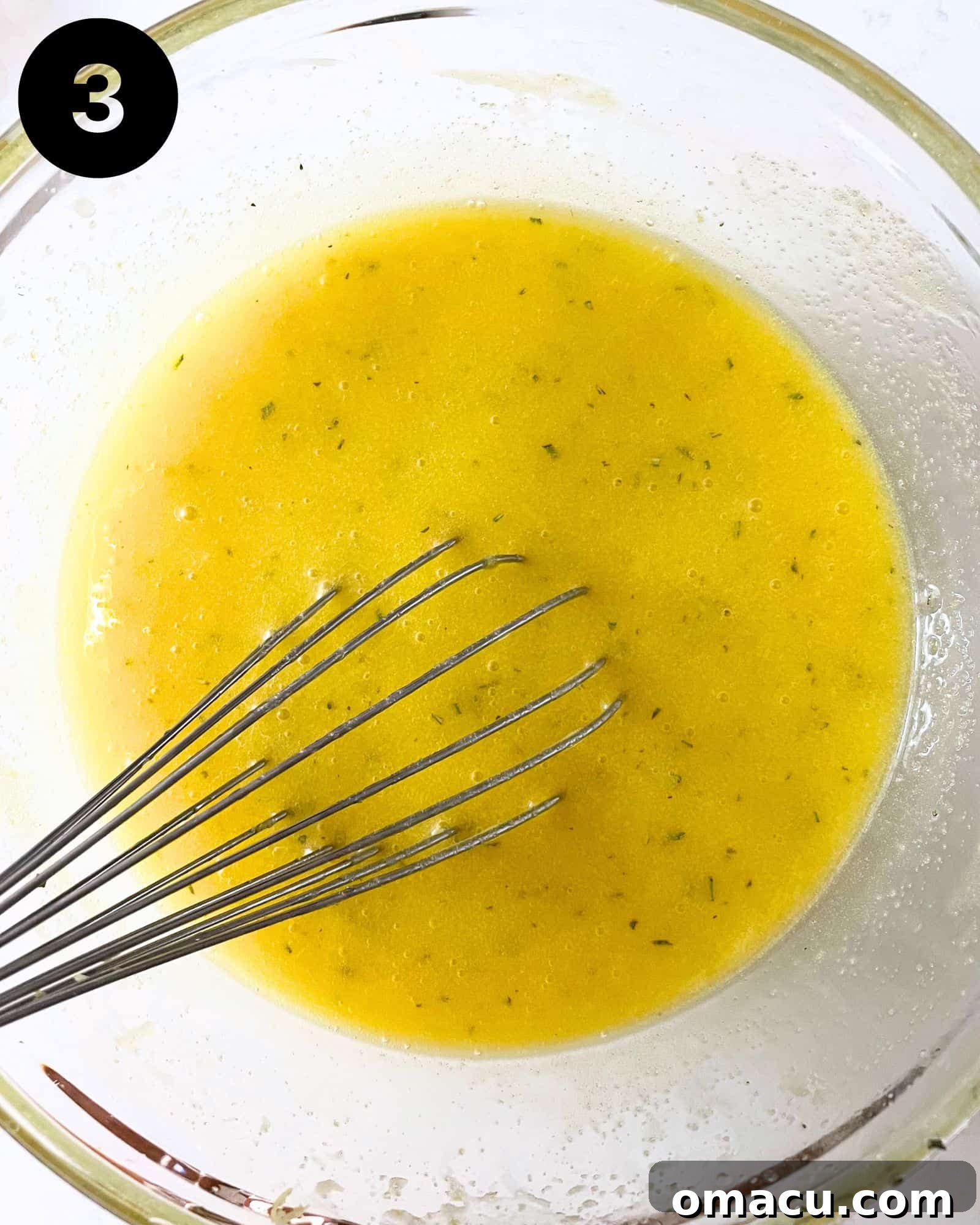
- Incorporate Wet and Dry Ingredients: Pour the olive oil, room temperature eggs, and fresh lemon juice into the fragrant sugar mixture. Whisk vigorously for 3-5 minutes until all the wet ingredients are fully incorporated and the mixture is smooth and slightly emulsified. Next, add half of the dry ingredient mixture to the wet ingredients and mix gently until just combined. Then, pour in the buttermilk, followed by the remaining half of the dry ingredients. Continue to mix until the batter is smooth and no streaks of flour remain, being careful not to overmix.
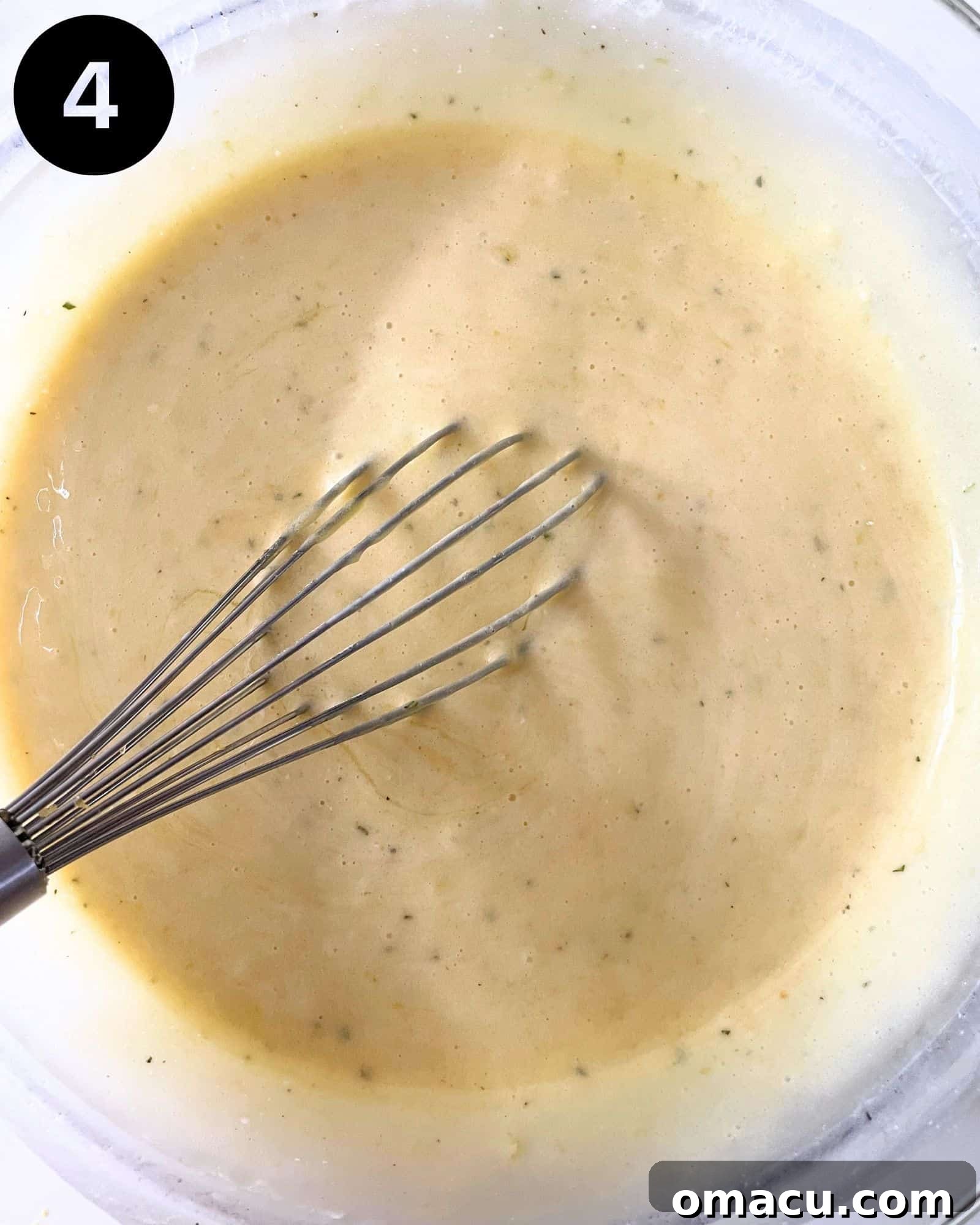
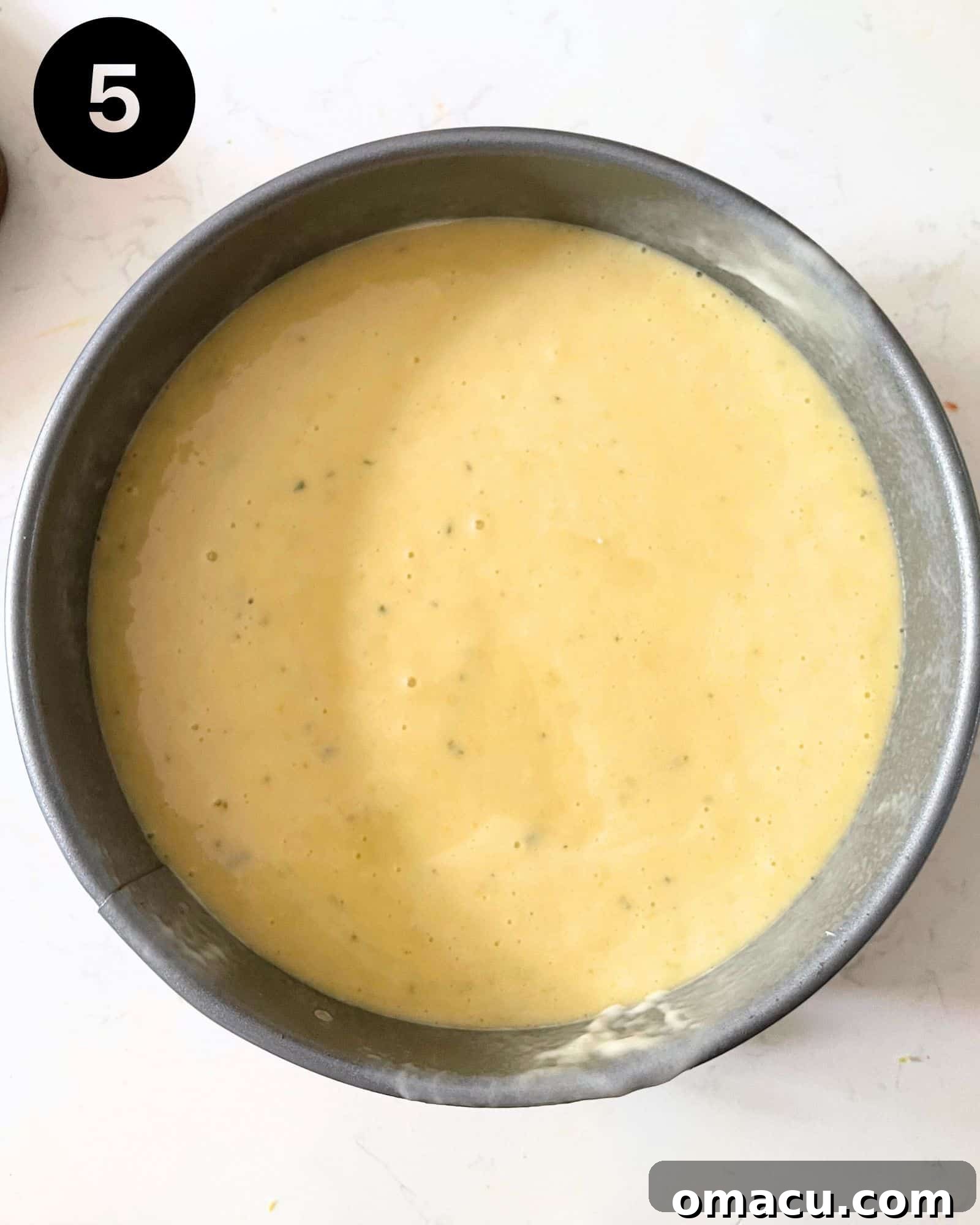
- Bake the Cake: Pour the prepared cake batter evenly into the greased springform pan. Transfer to the preheated oven and bake for approximately one hour, or until the top is beautifully golden brown and a wooden toothpick or cake tester inserted into the center comes out clean or with only a few moist crumbs attached.
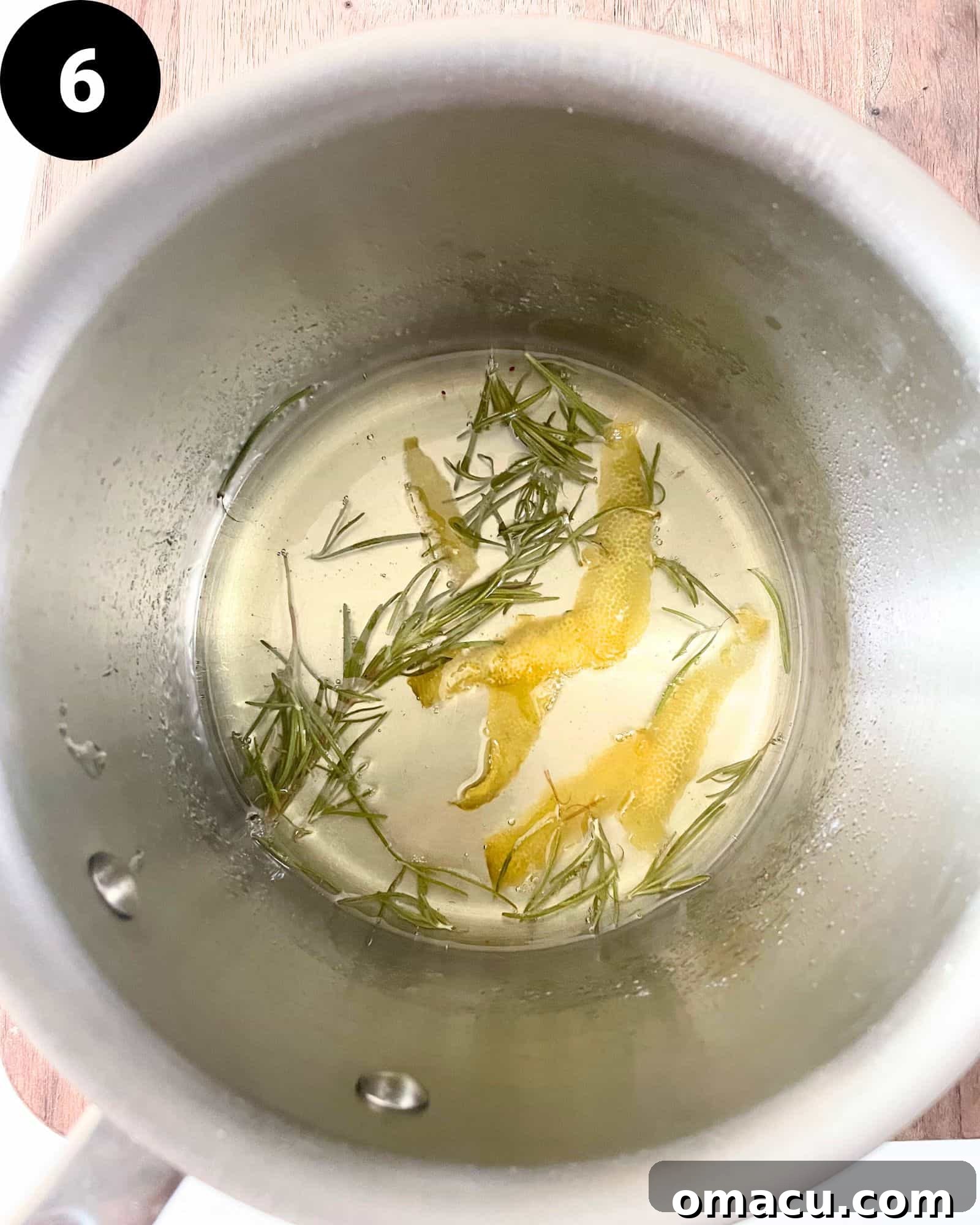
- Prepare the Rosemary Lemon Simple Syrup: While the cake is baking, prepare the aromatic simple syrup. In a small saucepan, combine sugar, water, two sprigs of fresh rosemary, and the peels from half a lemon. Place over medium-low heat, stirring occasionally, and allow to simmer gently for about 5-10 minutes until the sugar is fully dissolved and the flavors have melded. Remove the saucepan from the heat and carefully remove the rosemary sprigs and lemon peels. Stir in the fresh lemon juice slowly. Set the syrup aside to cool completely.
- Finish and Serve: Once the cake is baked, remove it from the oven. While still warm, gently brush the entire top surface of the cake with the cooled rosemary lemon simple syrup. Allow the cake to cool completely in the pan before removing. Once cool, dust generously with powdered sugar just before serving. Enjoy this moist and flavorful treat!
Expert Baking Tips for Success

- Measure Ingredients with Precision: Baking is a science, and accurate measurements are key to achieving consistent results. Use a kitchen scale for flour and sugar if possible, or employ the “spoon and level” method for flour (spoon flour into a measuring cup, then level off with a straight edge) to prevent a dense cake. Precise measurements ensure the perfect balance of moisture, texture, and flavor.
- Embrace Room Temperature Ingredients: Allowing refrigerated ingredients like eggs and buttermilk to come to room temperature before mixing is essential. Room temperature ingredients emulsify more effectively, creating a smoother, more uniform batter. This leads to a better rise and a more evenly textured cake.
- Properly Whisk or Sift Dry Ingredients: Before combining, thoroughly whisk or sift your dry ingredients (flour, baking powder, salt, etc.) together. This crucial step removes any lumps, aerates the flour, and ensures that the leavening agents and salt are evenly distributed throughout the mixture. A smooth, lump-free dry mixture contributes to a consistently textured cake.
- Mix Gently to Prevent Toughness: When incorporating the wet and dry ingredients, mix them together with a light hand until just combined. Overmixing the batter can overdevelop the gluten in the flour, resulting in a denser, tougher cake. Stop mixing as soon as no visible streaks of flour remain in the batter.
- Serve with Thoughtful Companions: Olive oil cakes possess a unique flavor profile that pairs beautifully with a variety of accompaniments. Consider serving your cake with fresh berries, a dollop of crème fraîche or whipped cream, a scoop of complementary sorbet, or a drizzle of lemon curd. These additions can enhance the cake’s flavors and add an inviting visual appeal.
Serving Suggestions for Olive Oil Cake
The presentation of this cake is almost as delightful as its taste! I love to garnish the cooled cake with a sprinkle of powdered sugar and a few thin slices of fresh lemon or small rosemary sprigs for an elegant touch. After that, the possibilities for pairing are truly endless!
Enjoy a generous slice of this Lemon Rosemary Olive Oil Cake as a standalone treat with a steaming cup of your favorite tea or a robust coffee. For a more indulgent experience, serve it as a refined dessert after a special meal, perhaps alongside a scoop of creamy vanilla ice cream, a dollop of freshly whipped cream, or a bright and tangy lemon curd. For an unexpected savory twist, a small piece can even be enjoyed with a light cheese platter, as the olive oil and herbaceous notes can beautifully complement certain cheeses. This cake truly shines in any setting.
The Lemon Rosemary Olive Oil Cake is more than just a dessert; it’s an experience. It stands as a delicious testament to the simple yet vibrant ingredients that, when combined with care, create a truly memorable and delightful culinary journey.
Lemon Rosemary Olive Oil Cake FAQs
Yes, using a high-quality extra virgin olive oil in baking imparts a wonderfully subtle, slightly earthy, and often fruity flavor to the cake. However, its primary contribution is to the cake’s texture, making it exceptionally tender, moist, and often giving it a longer shelf life compared to butter-based cakes. The flavor is usually not overtly “olivey” but adds a nuanced depth that complements other ingredients beautifully.
Olive oil cake is incredibly versatile! Common toppings include a light dusting of powdered sugar, fresh fruit (especially berries or citrus slices), a drizzle of honey, a dollop of whipped cream or crème fraîche, or a complementary citrus glaze (like the lemon rosemary syrup in this recipe). For a minimalist approach, it’s delicious on its own.
Generally, no. Olive oil cakes tend to retain their moisture and flavor best when stored in an airtight container at room temperature. Refrigeration can sometimes cause the cake to dry out slightly and firm up the olive oil, which can affect the tender texture. If you live in a very warm climate or the cake contains perishable fillings/frostings, a short period in the fridge might be necessary, but bring it back to room temperature before serving for the best experience.
The type and quality of olive oil you use significantly impact the cake’s flavor. For a pronounced yet pleasant olive flavor, opt for a quality extra virgin olive oil that is cold-pressed, free of additives, and carries an “extra virgin” seal to confirm its authenticity. Lighter, more fruity olive oils (like those made from Arbequina olives) are often preferred for baking as they offer a delicate taste that won’t overpower the dessert. For a comprehensive guide on selecting the best olive oil for your baking needs, refer to resources like this informative post.
More Delicious Cake Recipes to Try
- Almond Snack Cake with Whipped Mascarpone Frosting
- Bright and Tangy Lemon Curd Cake
- Indulgent Strawberry Crunch Cake
- Classic Philadelphia No Bake Cheesecake
- Delightful Strawberry Jam Cake
- Comforting Peach Cobbler Pound Cake
Want to discover more delicious and beautiful recipes? Subscribe to our newsletter to receive the latest seasonal creations and culinary inspiration directly in your inbox as soon as they’re released!
If you create this incredible recipe, we would absolutely love to see your beautiful creations! Please leave a star rating on the recipe card below and share your thoughts in the comments. You can also tag @BritneyBreaksBread on Instagram and use the hashtag #britneybreaksbread so we can celebrate your baking triumphs!
Lemon Rosemary Olive Oil Cake
Britney
20 mins
1 hr
1 hr 20 mins
12 slices

Print Recipe
Equipment
-
9-inch springform pan
-
Mixing Bowls
Ingredients
- 2 cups (250 g) All Purpose Flour
- 1/2 tsp (1 g) Ground Ginger
- 1/2 tsp (2 g) Baking Powder
- 1/2 tsp (2 g) Baking Soda
- 1 tsp (6 g) Kosher Salt
- 1 tbsp (2 g) Fresh Rosemary, (diced)
- 1 tbsp (6 g) Lemon Zest
- 1 3/4 cups (350 g) Sugar
- 1 cup (216 g) Olive Oil
- 3 Large (150 g) Eggs
- 1/4 cup (61 g) Lemon Juice
- 1 cup (240 g) Buttermilk
Lemon Rosemary Simple Syrup
- 1/3 cup (82 g) Sugar
- 1/3 cup+ 2 tbsps (80 g) Water
- 2 sprigs Fresh Rosemary
- 1/2 Lemon, (peels only, see instructions)
- 1 tsp (5 g) Lemon Juice
Instructions
-
Preheat the oven to 350 degrees F (175°C). Spray a 9-inch springform pan with nonstick baking spray and set aside.
-
In a large bowl, combine flour, baking powder, baking soda, kosher salt, and ground ginger. Whisk together until well combined and set aside.
-
In a separate bowl, combine chopped rosemary, lemon zest, and sugar. Use your fingers to rub everything together for 3-5 minutes to infuse the oils of the lemon and rosemary into the sugar until it is fragrant and slightly yellow.
-
Add the wet ingredients. Pour olive oil, room temperature eggs, and lemon juice into the sugar mixture and whisk for 3-5 minutes, until everything is fully incorporated and slightly emulsified. Then add half of the dry ingredients and mix gently. Pour in the buttermilk, then the remaining half of the dry ingredients, mixing until just combined and no streaks of flour remain.
-
Pour batter into the prepared cake pan and bake for one hour, or until the top is golden brown and a toothpick inserted into the center comes out clean or with just a few moist crumbs.
-
While the cake is baking, prepare the rosemary lemon simple syrup. Add sugar, water, 2 sprigs of rosemary, and lemon peels from half of a lemon to a small saucepan over medium-low heat, stirring occasionally, for about 5-10 minutes. Remove from heat and take out the rosemary sprigs and lemon peels. Add lemon juice and whisk together slowly. Set aside to cool.
-
Once the cake is finished baking, remove from the oven and brush the top of the warm cake with the rosemary lemon simple syrup. Allow the cake to cool completely in the pan. Dust with powdered sugar before serving and enjoy!
Notes
Substitutions
Dairy-free option: Use your favorite dairy-free milk and add a tablespoon of vinegar or apple cider vinegar to replace the buttermilk (let sit 5-10 minutes to curdle).
Vegan option: Use the dairy-free milk option to replace the buttermilk and also use flax eggs (1 tbsp ground flax + 3 tbsp water per egg) in place of regular eggs.
Gluten-free option: Use a 1-to-1 gluten-free flour blend (ensure it contains xanthan gum) to replace the all-purpose flour.
Pro Baking Tips
- Measure accurately: Use precise measurements for ingredients. Baking is a science; follow the recipe closely for best results.
- Use room temperature ingredients: Allow eggs, milk, and other refrigerated items to come to room temperature. This ensures better mixing and even baking.
- Whisk or sift the dry ingredients: Combine flour, baking powder, salt, etc., together to remove lumps and distribute evenly, ensuring a smooth texture.
- Mix gently: When combining wet and dry ingredients, mix only until just combined. Overmixing can lead to a denser cake.
- Serve with something complementary! Olive oil cakes pair wonderfully with fresh fruit, a dusting of powdered sugar, whipped cream, or a citrus glaze for extra flavor and visual appeal.
Nutrition Information
Calories: 379kcal,
Carbohydrates: 47g,
Protein: 4g,
Fat: 20g,
Saturated Fat: 3g,
Polyunsaturated Fat: 2g,
Monounsaturated Fat: 14g,
Trans Fat: 0.01g,
Cholesterol: 49mg,
Sodium: 297mg,
Potassium: 76mg,
Fiber: 1g,
Sugar: 30g,
Vitamin A: 106IU,
Vitamin C: 3mg,
Calcium: 45mg,
Iron: 1mg
Nutrition information is automatically calculated and should only be used as an approximation.
Tried this recipe?Mention @BritneyBreaksBread or tag #BritneyBreaksBread!