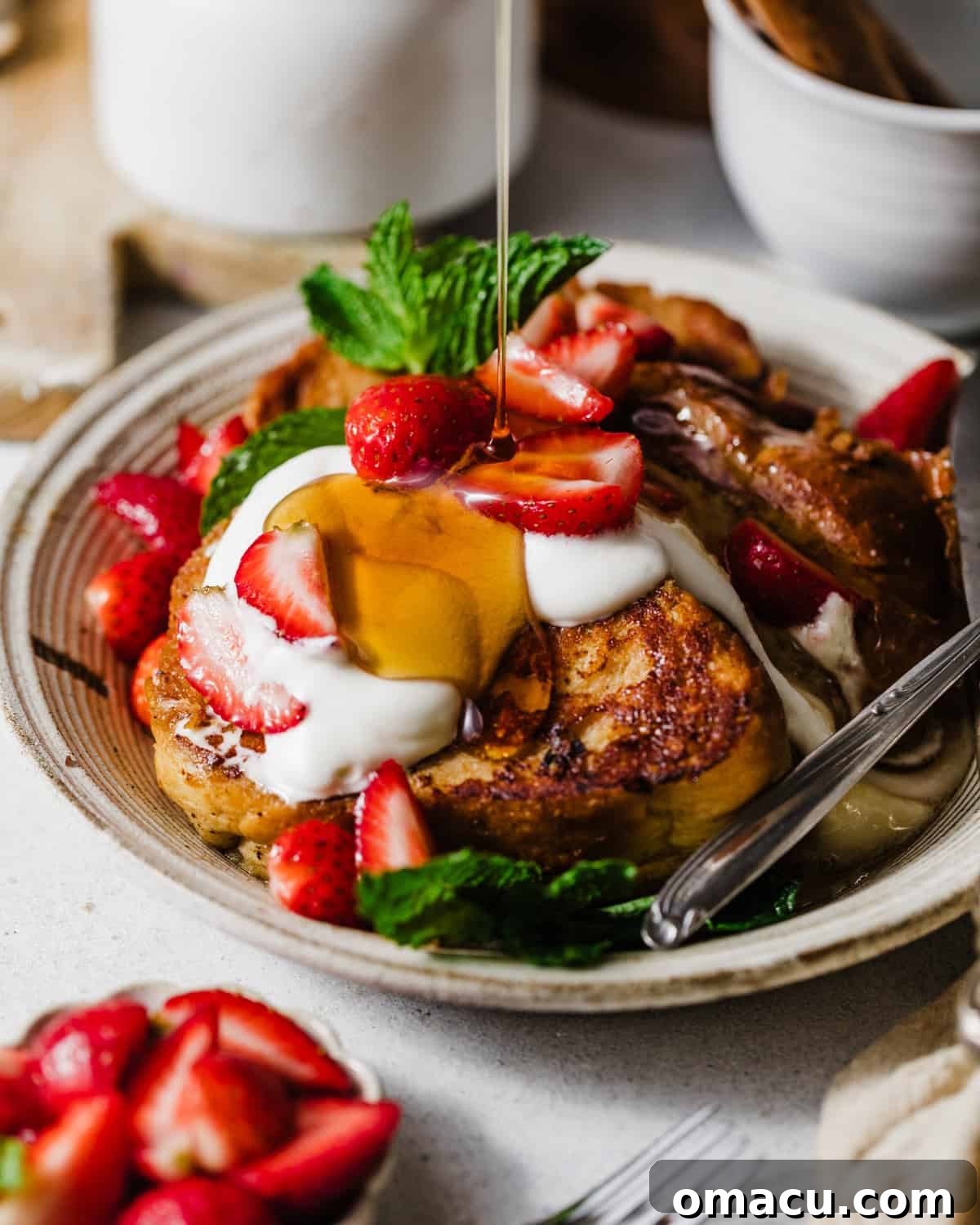
Transform your breakfast or brunch into an unforgettable culinary experience with this extraordinary Buttermilk French Toast recipe. Often hailed as the monarch of morning meals, French toast receives a decadent upgrade when prepared with the creamy, tangy goodness of buttermilk. This isn’t just any French toast; it’s a gourmet delight that promises a fluffy interior and an irresistibly golden-brown, crisp exterior, making you feel like royalty with every single bite.
Whether you’re planning a lavish Sunday brunch, a special holiday breakfast, or simply treating yourself to a well-deserved morning indulgence, this recipe will quickly become your go-to. The unique properties of buttermilk infuse the bread with a richness and subtle tang that ordinary milk simply can’t replicate, creating a depth of flavor that will make you wonder how you ever made French toast without it. Prepare to elevate your breakfast game to an entirely new level!
For those who love exploring delightful breakfast creations, don’t miss out on my other fantastic recipes, such as the comforting Brioche French Toast Casserole and the wonderfully fruity Strawberry French Toast Casserole. They offer diverse ways to enjoy this classic dish, perfect for any occasion.
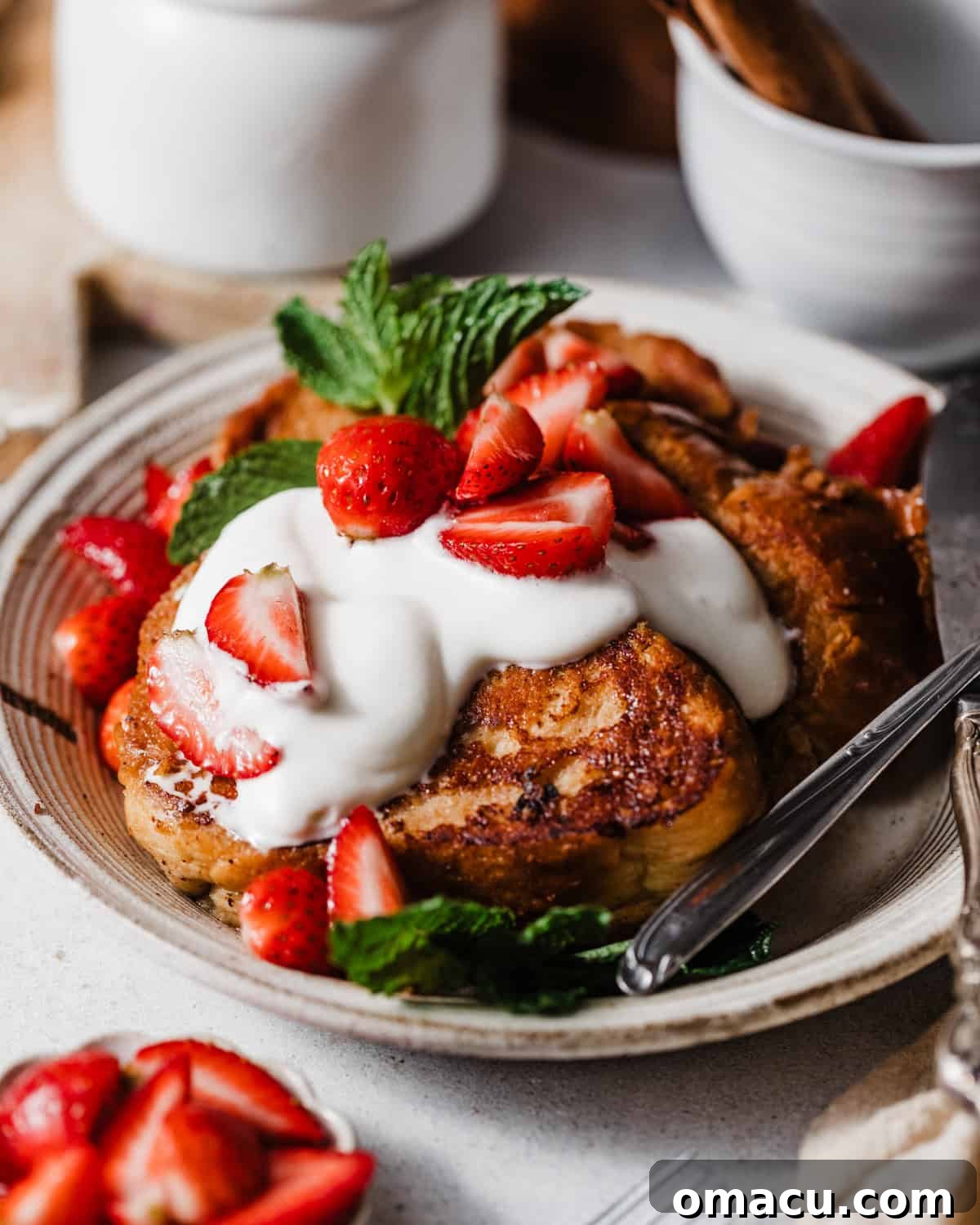
What makes this Buttermilk French Toast truly stand out is the exquisite balance it strikes between texture and flavor. The fluffy buttermilk batter guarantees an unbelievably soft and moist interior that melts in your mouth, while the pan-frying process creates that coveted golden-brown crisp on the outside. This delightful contrast is key to the ultimate French toast experience. And the best part? Achieving this perfection is far simpler than you might imagine, requiring just a few straightforward steps.
While I typically favor lighter morning meals, this Buttermilk French Toast is an exception I gladly make time and time again. There’s something about its comforting warmth and complex flavors that makes it impossible to resist. Imagine pairing this luxurious French toast with a steaming cup of maple-infused coffee, perhaps even topped with a luscious pumpkin cold foam. It’s truly the ideal way to kickstart any day, especially when you’re seeking a touch of indulgence. When I say this recipe is incredible, I genuinely mean it – it’s a revelation for your taste buds!
Beyond its incredible taste, this recipe is celebrated for its simplicity. It relies on readily available, wholesome ingredients that come together with minimal effort, making it a perfect choice not just for a special occasion like Thanksgiving morning, but for any moment you crave something truly extraordinary. The sheer ease of preparation belies the sophisticated flavors and textures it delivers.
The visual appeal alone is enough to tempt anyone: slices of golden-brown toast, generously drizzled with rich maple syrup, adorned with vibrant fresh fruit and a cloud of whipped cream. This combination is not just good; it’s an experience. Prepare yourself for what might very well be the best French toast you will ever create in your own kitchen.
Table of Contents
- The Magic of Buttermilk: Understanding Your Ingredients
- Crafting Perfection: Step-by-Step Buttermilk French Toast
- Pro Tips for the Ultimate Buttermilk French Toast
- Topping Creations for Your Buttermilk French Toast
- Frequently Asked Questions About Buttermilk French Toast
- Explore More Delectable Breakfast Recipes
- Buttermilk French Toast: The Full Recipe
The Magic of Buttermilk: Understanding Your Ingredients
Every single ingredient in this recipe plays a crucial role in creating the perfect Buttermilk French Toast. From the choice of bread to the spices, each component contributes to the rich flavor and sublime texture. Below is a detailed look at what you’ll need and precisely why each item is indispensable for achieving breakfast perfection. You’ll find the complete list, including precise measurements, in the dedicated recipe card further down.
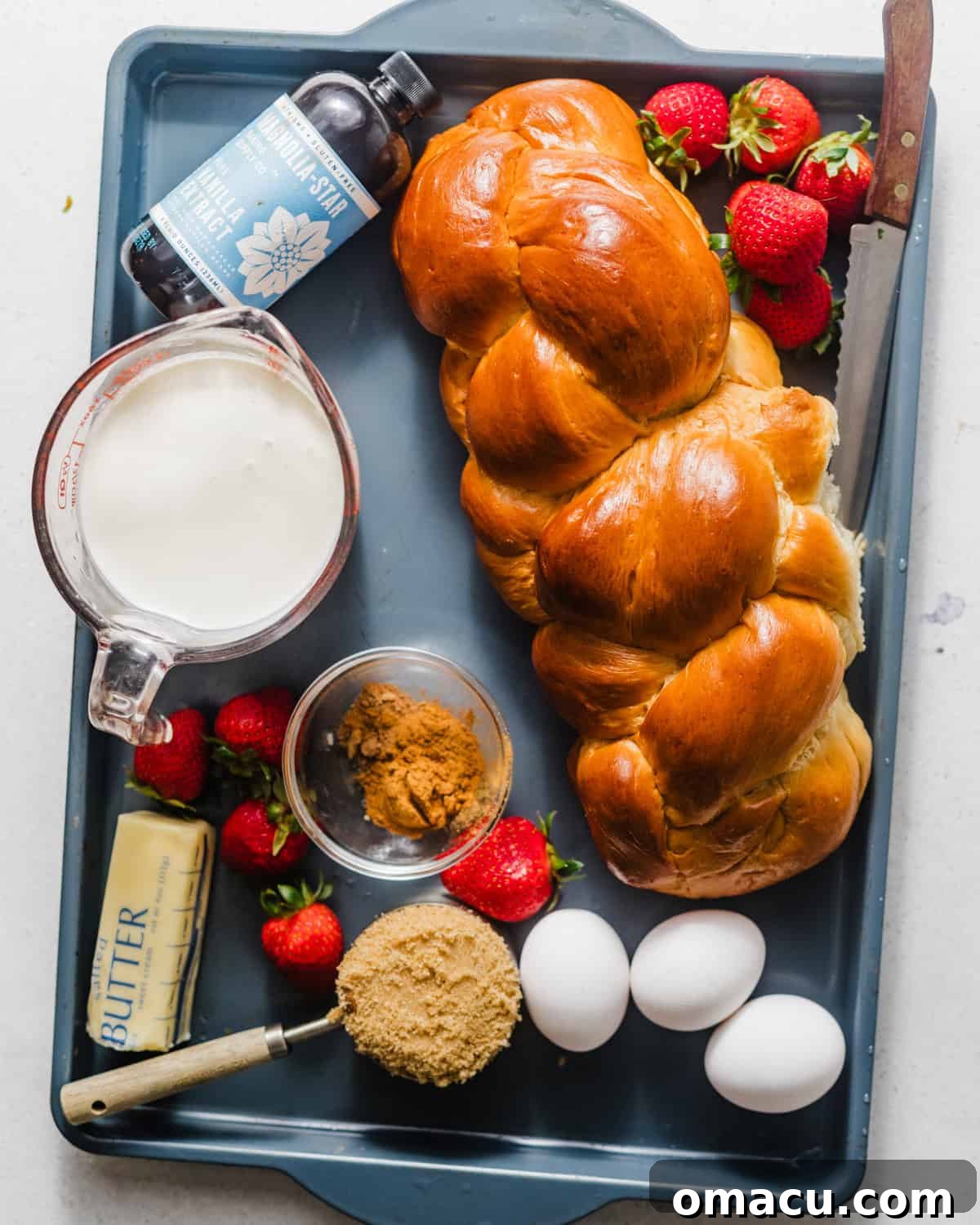
- Challah or Brioche Bread: The foundation of exceptional French toast begins with the right bread. You need a sturdy yet tender loaf that can gracefully absorb the rich buttermilk mixture without disintegrating. Challah and brioche are ideal choices due to their rich crumb and slight sweetness. Day-old or slightly stale bread is actually preferred, as it’s less prone to becoming soggy and can soak up more of the flavorful custard. While standard sandwich bread can work in a pinch, its softer texture might not hold up as well. For a delightful twist, consider using sourdough bread to make Sourdough French Toast, offering a pleasant tangy contrast.
- Buttermilk: This is the secret ingredient that truly elevates our French toast. Buttermilk provides a signature tanginess and contributes significantly to the incredibly soft, fluffy texture of the interior. Its slightly acidic nature also helps tenderize the bread, ensuring it remains moist on the inside while allowing the exterior to crisp beautifully. You can easily purchase buttermilk from any grocery store, or for an even fresher touch, learn how to make your own homemade buttermilk with just two ingredients.
- Large Eggs: Eggs act as the essential binder in our batter, creating a rich custard that coats the bread slices evenly. They help the bread absorb the vanilla-buttermilk mixture without falling apart, ensuring each piece cooks to a consistent, delightful texture.
- Vanilla Extract: A splash of good quality vanilla extract adds a beautiful aromatic sweetness that is simply indispensable. It’s one of the simplest yet most effective ways to introduce warmth and elevate the overall flavor profile of your French toast, transforming it from good to truly gourmet.
- Brown Sugar: We’re aiming for that gorgeous, caramelized golden perfection on the exterior. Brown sugar not only sweetens the batter but also caramelizes wonderfully as it cooks, creating a slightly sticky, incredibly flavorful crust that adds another layer of texture and taste.
- Ground Cinnamon and Nutmeg: These classic spices are crucial for that comforting warmth and spiced flavor synonymous with traditional French toast. Cinnamon, especially, provides an inviting aroma and a familiar, cozy taste that makes any breakfast feel special. A hint of nutmeg adds a subtle complexity, rounding out the spice blend perfectly.
- Heavy Cream: Adding heavy cream to the batter contributes to an even richer, more luxurious custard. It enhances the creamy mouthfeel of the French toast and helps create that tender, custardy interior that everyone loves.
- Butter: A touch of butter in the pan is non-negotiable. Not only does it prevent sticking, but it also imparts a nutty flavor and helps the bread toast up to that enviable golden, buttery crisp. It’s essential for achieving the perfect sizzle and color.
Crafting Perfection: Step-by-Step Buttermilk French Toast
With all your quality ingredients carefully selected and lined up, you’re ready to embark on the journey of creating this magical breakfast. Follow these clear and easy steps to achieve flawless Buttermilk French Toast every time.
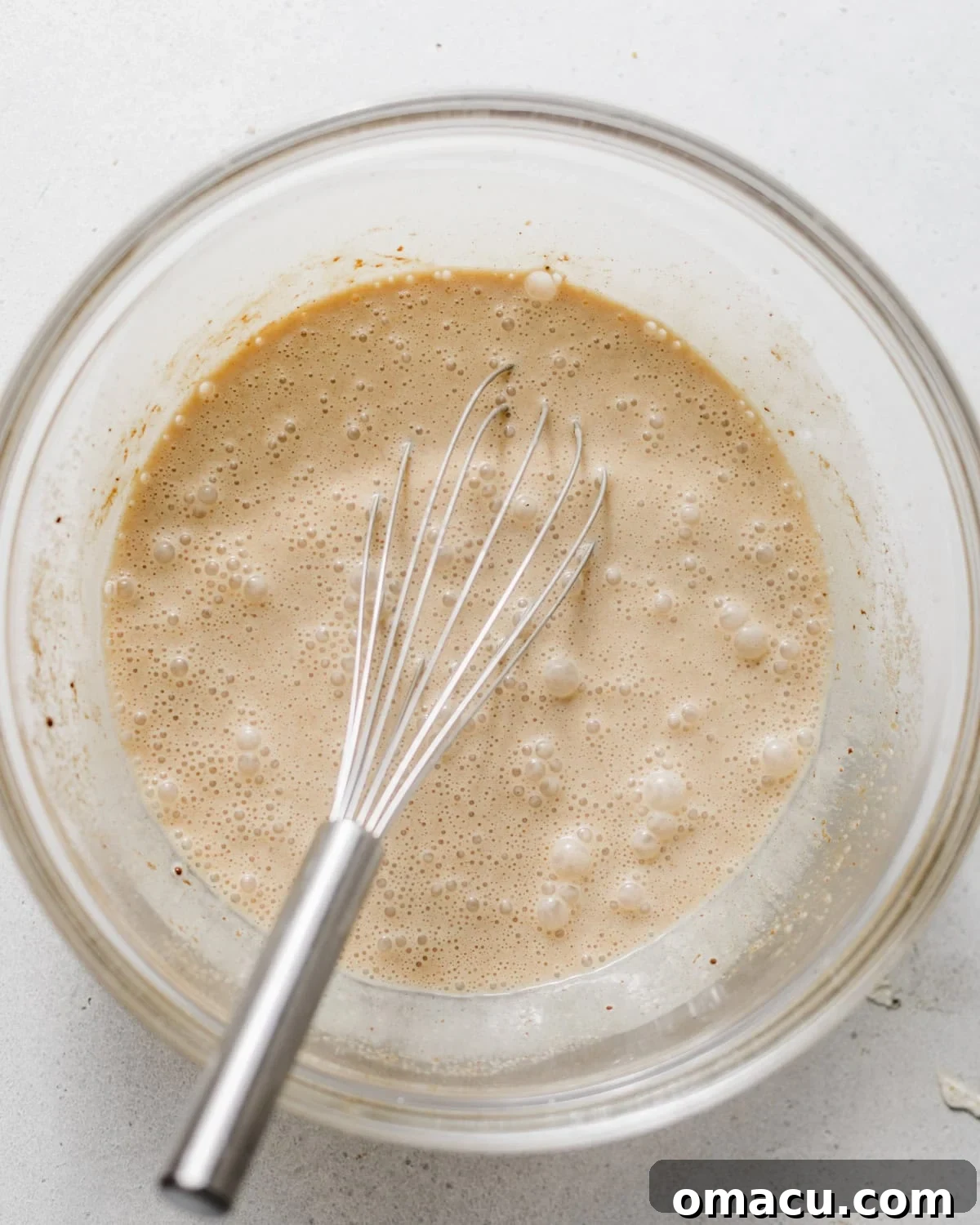
Step 1: Prepare the Custard. In a large mixing bowl, combine the large eggs, a touch of bourbon (if using, for a hint of sophisticated flavor), buttermilk, rich vanilla extract, brown sugar, ground cinnamon, and nutmeg. Whisk all these ingredients vigorously until the mixture is completely smooth and well-combined. This is your French toast batter—the heart and soul of the dish. A smooth batter ensures every slice of bread is evenly coated, leading to consistent flavor and texture.
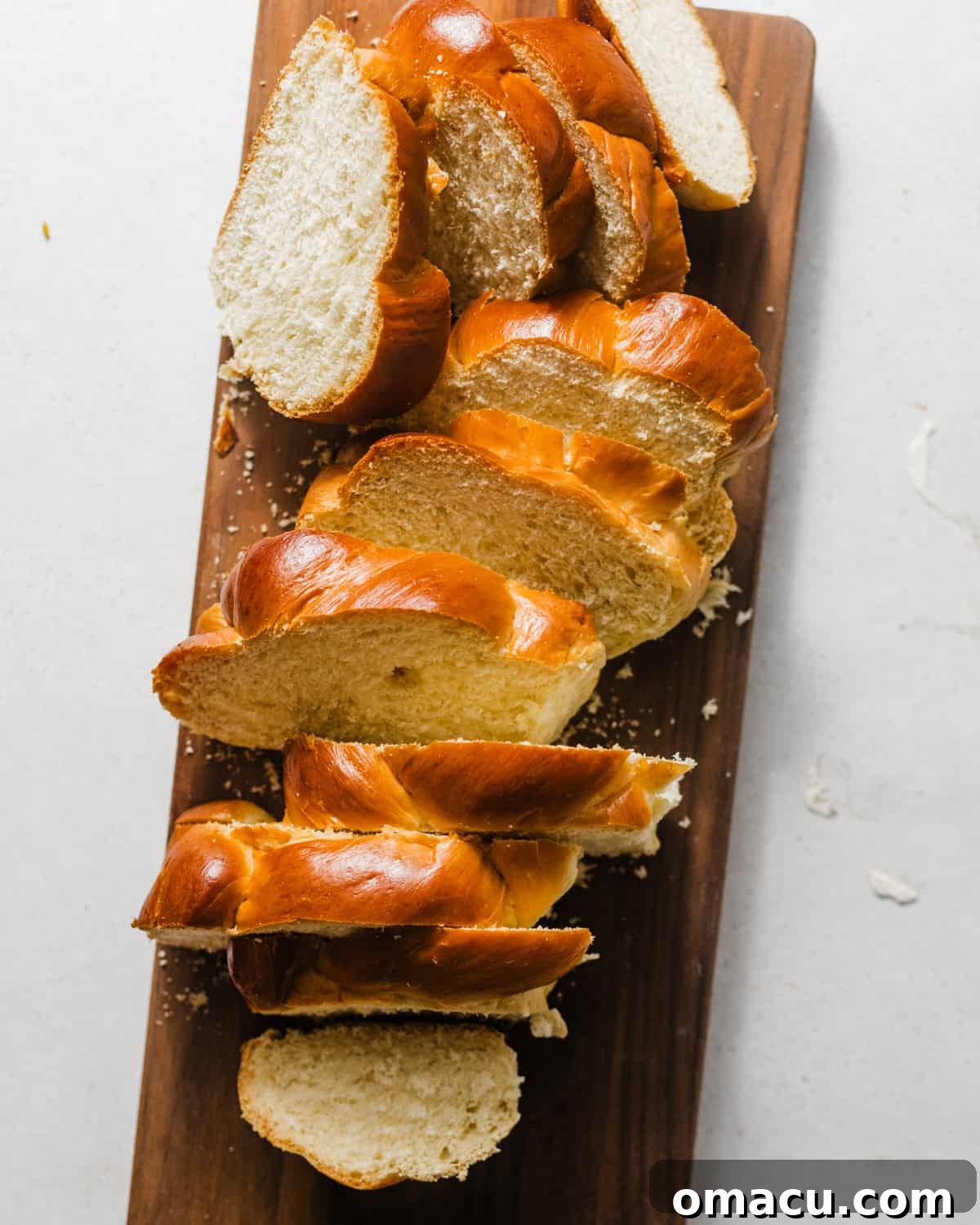
Step 2: Slice Your Bread. Carefully cut your challah or brioche bread into thick 1-inch slices. The thickness is crucial here; thinner slices tend to become soggy and fall apart, while thicker slices absorb the custard beautifully and maintain their structure, delivering a truly custardy interior.
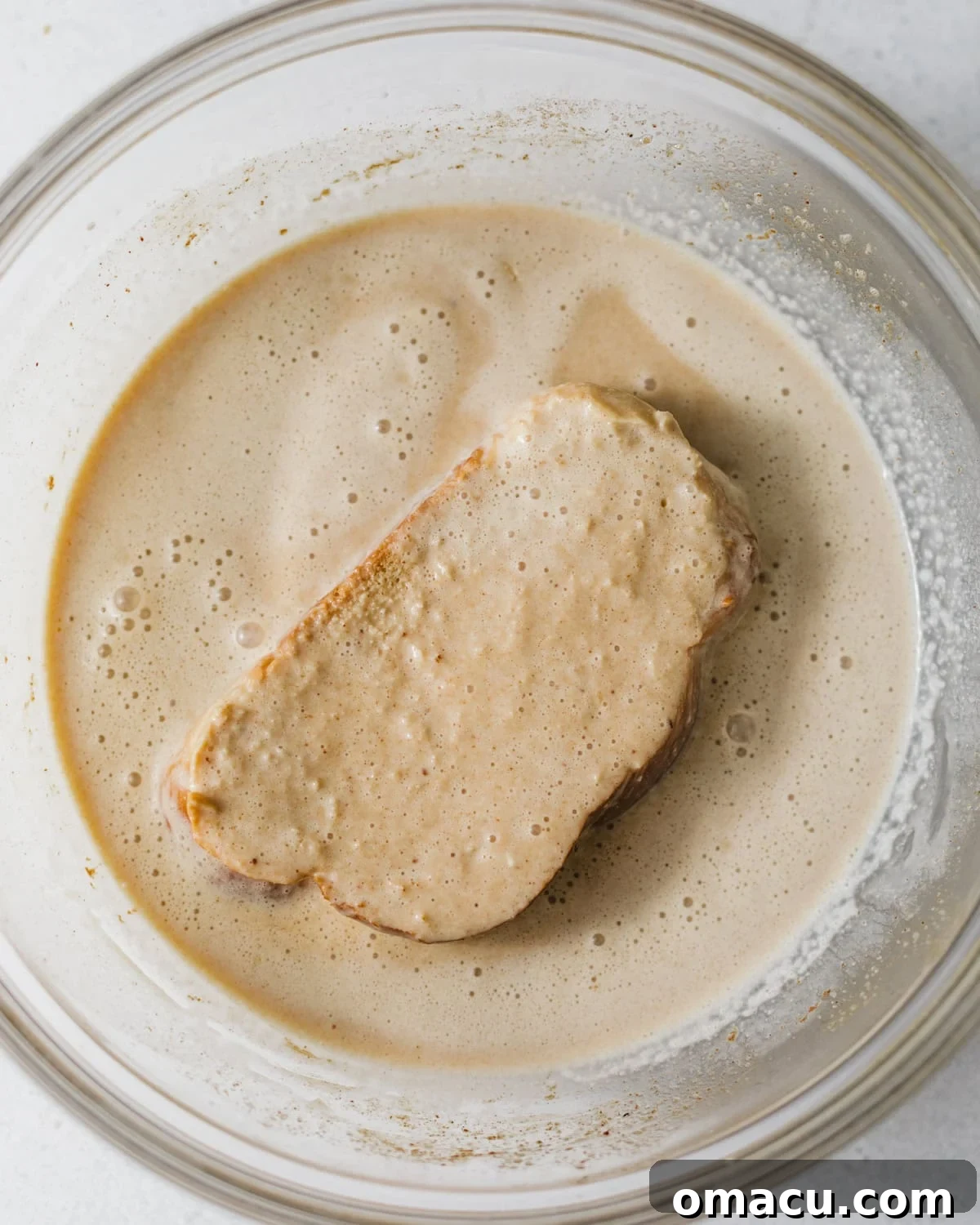
Step 3: Begin Soaking the Bread. Take each thick slice of bread and gently immerse it into the prepared buttermilk mixture. Allow each side to soak for approximately 20-30 seconds. The goal is for the bread to absorb as much of the rich batter as possible without becoming overly saturated or mushy. This step ensures a moist and flavorful interior once cooked.
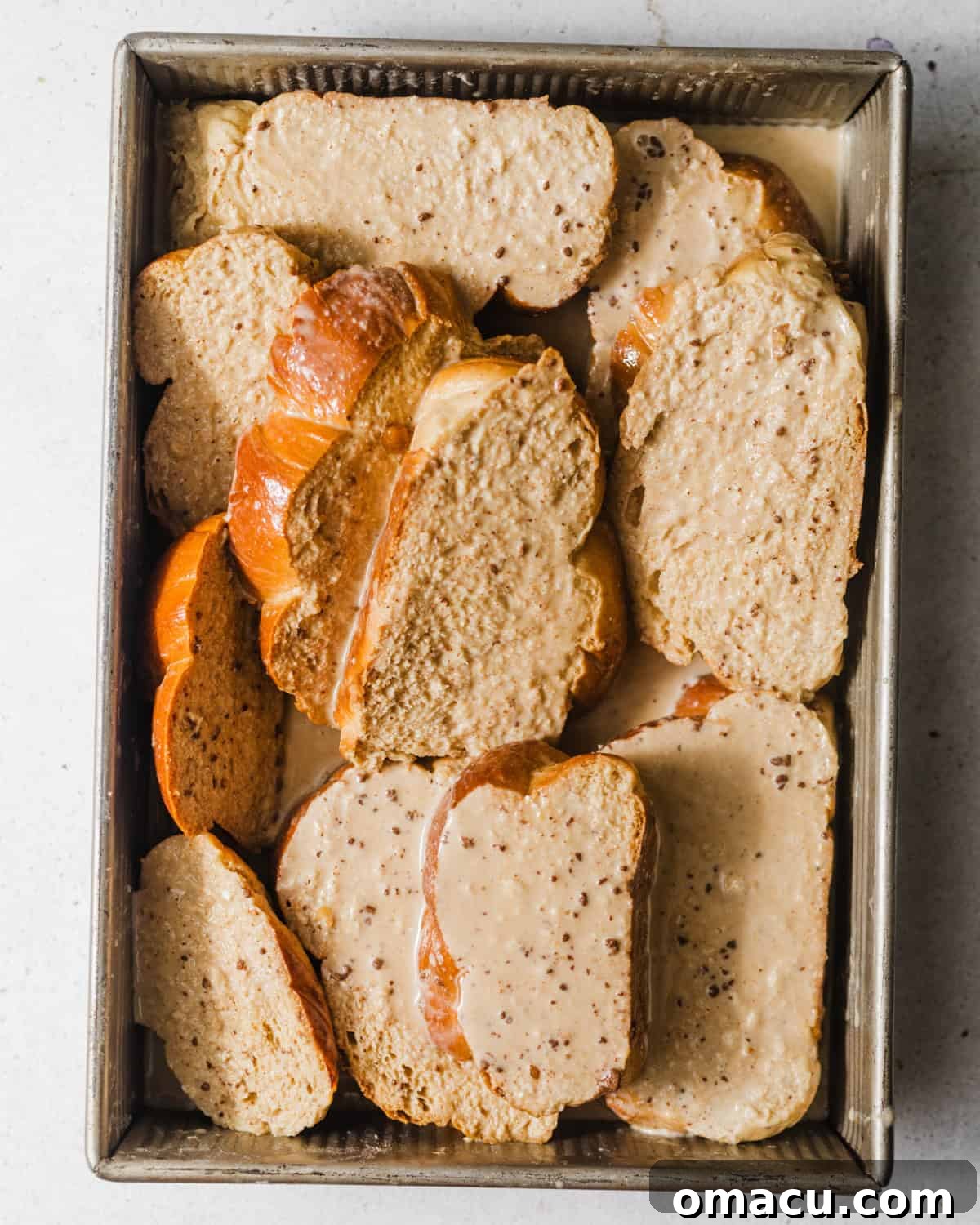
Step 4: Continue Soaking for Optimal Absorption. After dipping, carefully transfer the soaked bread slices into a large baking dish, arranging them in a single layer if possible, or slightly overlapping if space is tight. Pour any remaining custard evenly over the top of the bread. Let the bread sit and soak in the custard for an additional 20-30 minutes. This extended soak is key to achieving that incredibly tender, custardy center that truly defines exceptional French toast.
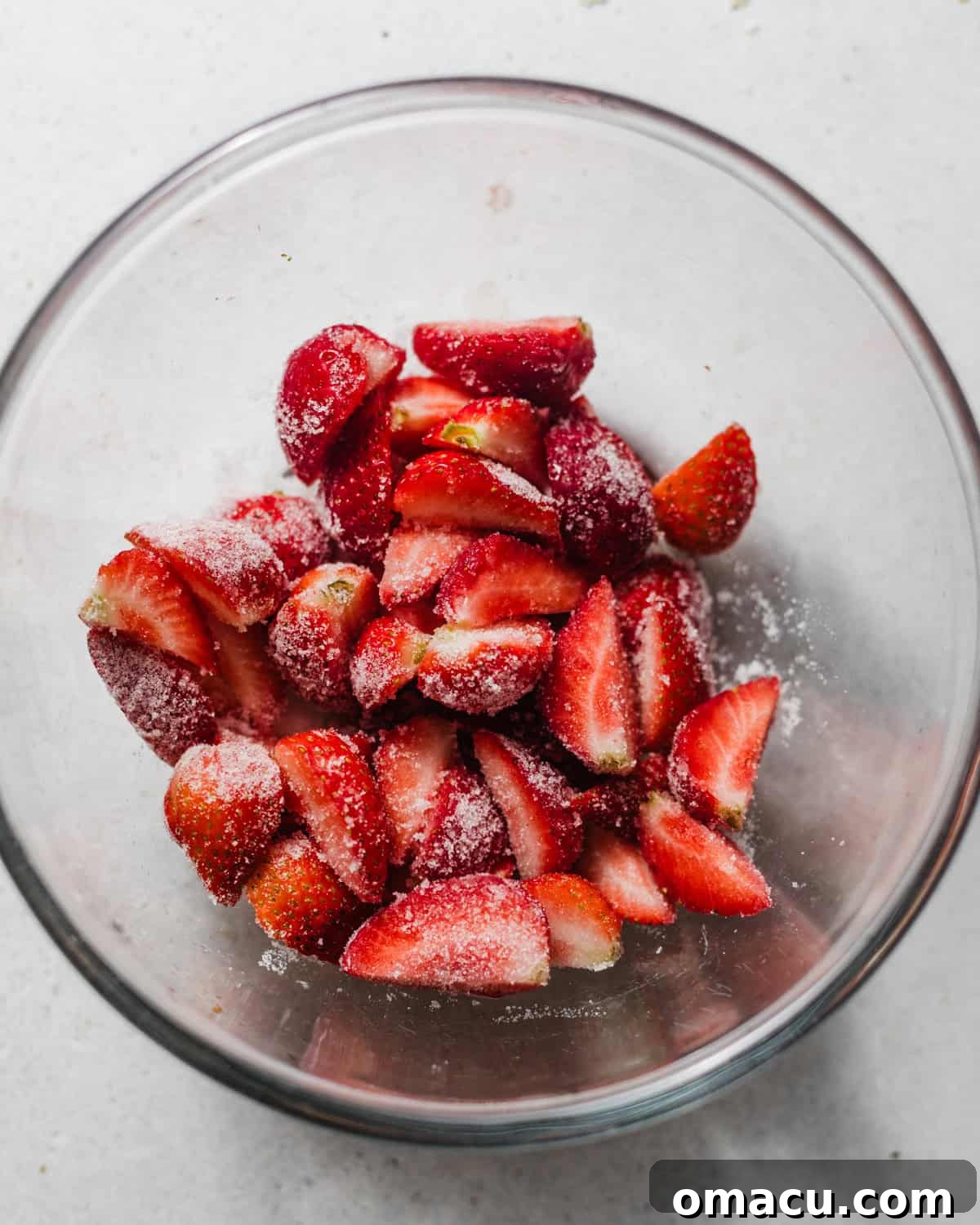
Step 5: Prepare Macerated Strawberries. While your French toast soaks, take this time to prepare a simple, yet elegant topping. Halve or slice your fresh strawberries and place them in a small bowl. Sprinkle them with a bit of sugar and gently toss to combine. Set these aside; the sugar will draw out the natural juices, creating a delicious, syrupy macerated strawberry topping that adds a burst of freshness.
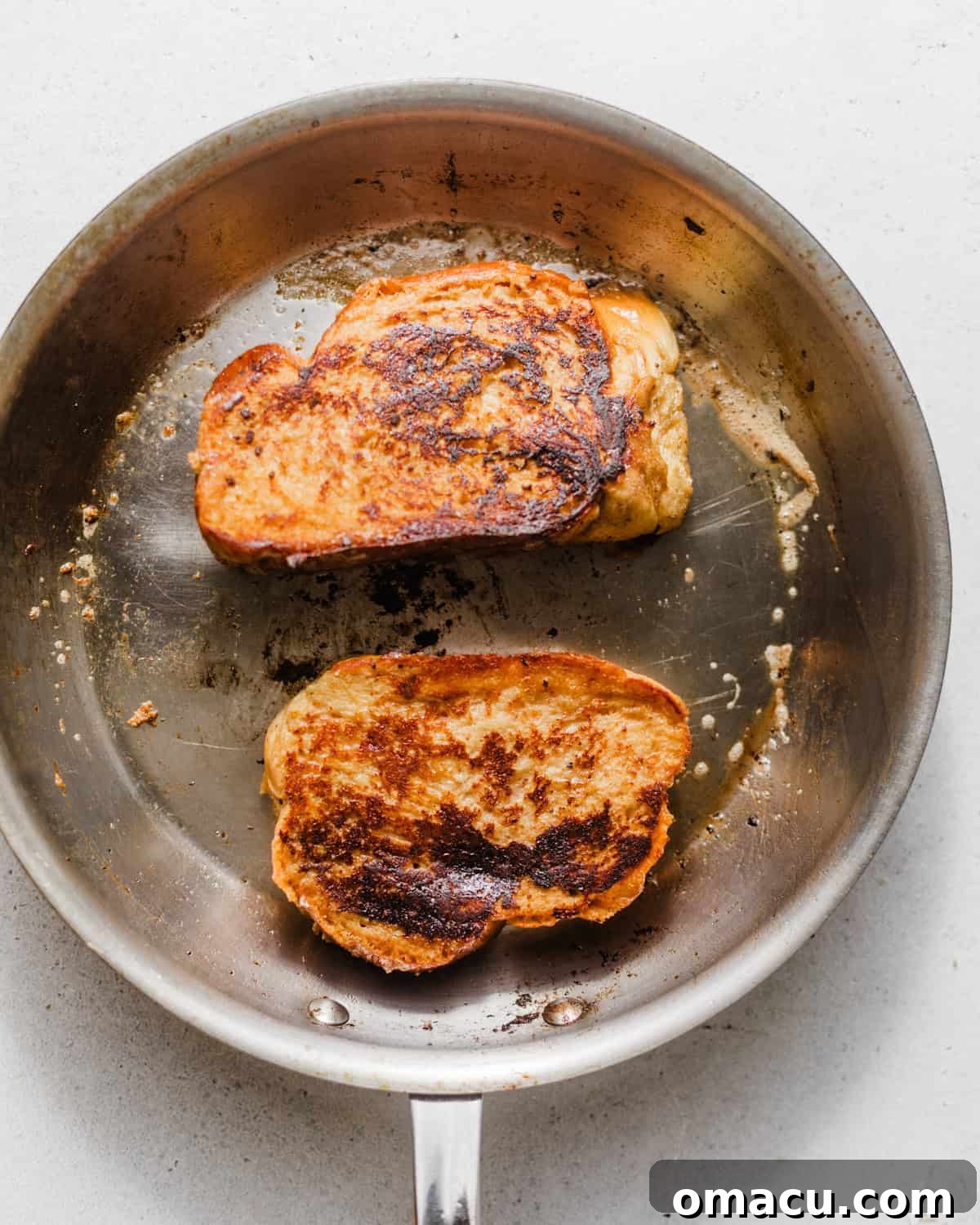
Step 6: Cook to Golden Perfection. Heat a non-stick skillet or griddle over medium heat. Add about 1-2 tablespoons of melted butter, ensuring it coats the surface. The butter should foam gently but not burn—this is crucial for achieving that beautiful golden-brown crust without a bitter taste. Before placing the bread, gently lift each slice from the baking dish, allowing any significant excess liquid to drip off. Place the soaked bread slices onto the hot skillet and cook for 2-3 minutes per side, or until each side develops a perfect golden-brown hue and a satisfying crispness. Maintain a medium-low to medium heat to ensure the French toast cooks evenly all the way through, resulting in a crispy outside and a soft, fluffy interior.
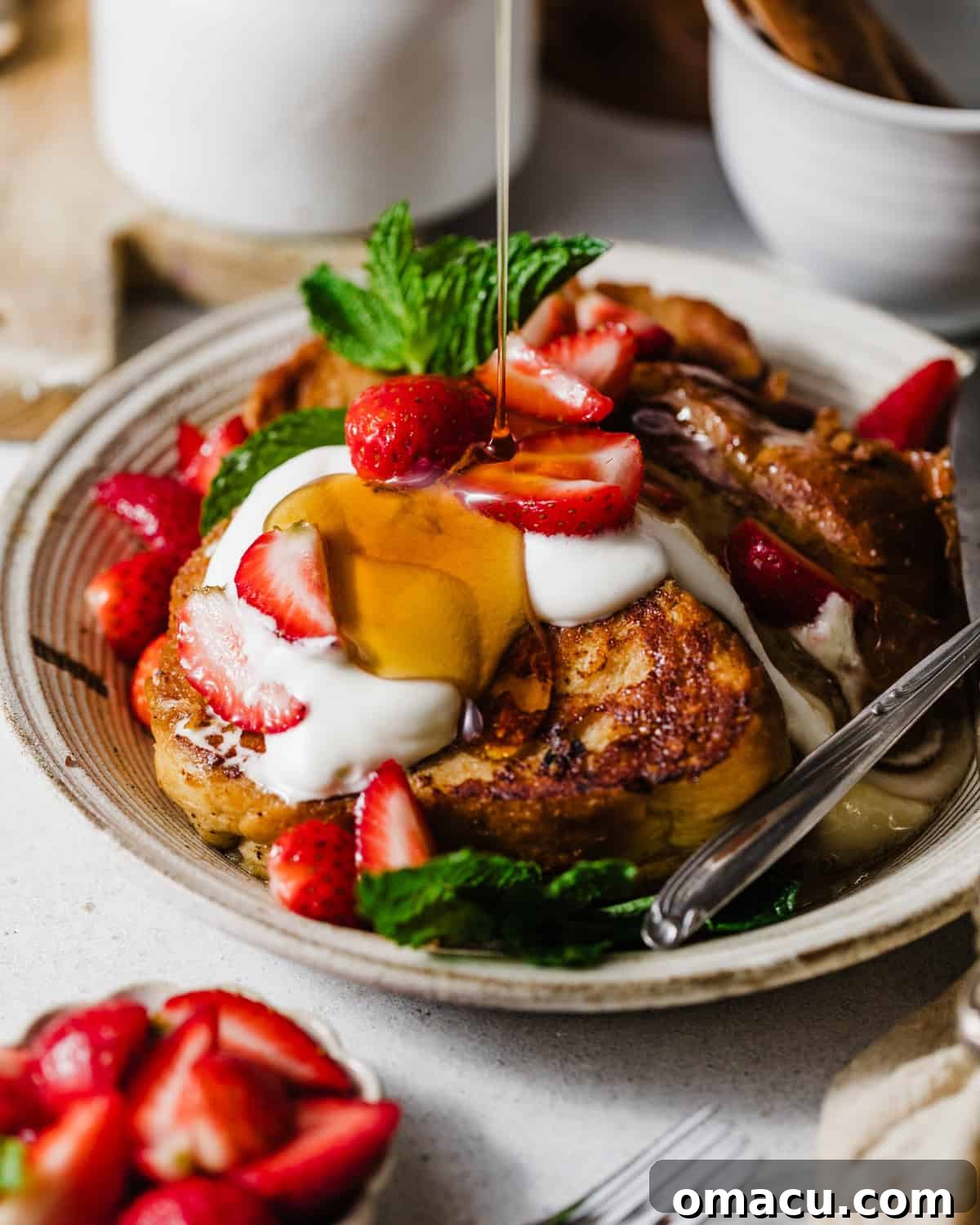
Once your glorious Buttermilk French Toast slices are cooked to perfection, serve them immediately to enjoy them at their best. Crown your warm toast with your favorite toppings—whether it’s the macerated strawberries you prepared, a generous pour of warm maple syrup, a dollop of freshly whipped cream, or a delicate dusting of powdered sugar. For an extra touch of decadence, feel free to drizzle a little extra melted butter on top!
Pro Tips for the Ultimate Buttermilk French Toast
Achieving French toast nirvana is easy with a few expert tricks up your sleeve. These tips will help you avoid common pitfalls and ensure your buttermilk French toast is consistently spectacular.
- Choose the Right Bread for Structure and Absorbency: The type of bread you use makes all the difference. Opt for dense, rich loaves like Brioche, Challah, or even thick-cut Texas Toast. These varieties are sturdy enough to absorb a substantial amount of custard without becoming overly soggy. Crucially, slightly stale or day-old bread is superior to fresh bread. Stale bread has lost some moisture, making it more porous and capable of soaking up the custard more effectively without falling apart during cooking.
- Soak, Don’t Just Dunk: Give it Time: This is a key distinction. Instead of a quick dip, allow each slice of bread adequate time to thoroughly absorb the rich buttermilk custard. Let the bread sit submerged for approximately 20-30 seconds per side, and then allow it to rest in a baking dish with the remaining custard for another 20-30 minutes. This extended soaking time ensures that the bread becomes wonderfully custardy on the inside, rather than just coated on the surface.
- Master the Art of Cooking Fat: Butter and Oil for Best Results: While butter offers unparalleled flavor, it has a low smoke point and can burn quickly, leading to dark, bitter crusts. To achieve that beautiful golden-brown exterior without burning, use a combination of butter and a neutral oil, such as canola or vegetable oil. The oil raises the smoke point of the butter, allowing it to brown beautifully and evenly. This technique is also fantastic for my Sweet Cream Pancakes!
- Preheat the Pan Properly and Maintain Consistent Heat: Patience is a virtue when preheating your cooking surface. Start by heating your non-stick skillet or griddle over medium-low to medium heat. A properly preheated pan ensures even cooking and prevents the French toast from sticking. If the pan is too hot, the exterior will cook and potentially burn too quickly, leaving the interior raw or soggy. Conversely, a pan that isn’t hot enough will result in greasy French toast that struggles to brown.
- Serve Immediately or Keep Warm: French toast is best enjoyed fresh off the griddle when it’s hot and crispy. If you’re cooking for a crowd or preparing a large batch, you can keep the cooked slices warm in a low-temperature oven, around 200°F (95°C), on a wire rack set over a baking sheet. This prevents them from becoming steamy and maintains their crispness until you’re ready to serve.
- Don’t Overcrowd the Pan: Cook French toast in batches to avoid overcrowding the skillet. Too many slices at once will lower the pan’s temperature, leading to steamed rather than properly browned French toast.
- Adjust Sweetness to Taste: The recipe includes brown sugar in the batter, but you can always adjust the sweetness level based on your preference. Consider the sweetness of your toppings when deciding.
Topping Creations for Your Buttermilk French Toast
The beauty of Buttermilk French Toast lies not only in its exquisite flavor but also in its versatility. It serves as the perfect canvas for an endless array of toppings, allowing you to customize each serving to suit any craving. Here are some of my favorite ideas to truly make this dish shine:
- Fresh Fruit: A classic for a reason! Bright, vibrant berries (strawberries, blueberries, raspberries), sliced bananas, peaches, or even a medley of seasonal fruits add natural sweetness, a delightful tang, and a pop of color.
- Maple Syrup: Can you truly call it French toast without a generous drizzle of this golden elixir? Always opt for real maple syrup for the best, most authentic flavor. Its complex sweetness is the quintessential companion to French toast.
- Whipped Cream: A light, airy dollop of freshly whipped cream elevates every bite, making the meal feel like a special occasion. For an extra touch, infuse it with vanilla or a hint of cinnamon.
- Nutella: For mornings when you’re feeling extra decadent and craving a chocolate-hazelnut dream. Spread it warm over the toast for a delightful gooey indulgence.
- Chopped Nuts: Add a wonderful textural contrast and nutty flavor with a sprinkle of chopped pecans, walnuts, almonds, or even pistachios. Toast them lightly beforehand to enhance their aroma and crunch.
- Powdered Sugar: A simple dusting of confectioners’ sugar adds an elegant finish and a subtle touch of sweetness.
- Fruit Compotes or Sauces: Homemade berry compotes, apple cinnamon sauce, or a quick peach preserve can add a gourmet touch and deeper fruit flavor.
- Citrus Zest: A finely grated zest of orange or lemon can add a surprising burst of freshness that beautifully cuts through the richness of the French toast.
- Chocolate Chips: For the ultimate sweet treat, sprinkle on some mini chocolate chips while the toast is still warm, allowing them to melt slightly.
- Caramel Sauce or Dulce de Leche: For an intensely sweet and creamy topping, these sticky, rich sauces are hard to beat.
Frequently Asked Questions About Buttermilk French Toast
The absolute best type of bread to use for buttermilk French toast is a thick, sturdy, and slightly dense loaf that can hold its shape while soaking up the rich custard. Brioche and Challah are top contenders due to their rich, buttery crumb and ability to absorb liquid without becoming too soggy. French bread is another excellent choice, and for those who enjoy a subtle tangy note, sourdough bread can also be fantastic. The key is to avoid thin, overly soft sandwich bread, as it tends to fall apart in the batter and can result in a mushy texture. Using day-old or slightly stale bread is often recommended, as it absorbs the custard even better than fresh bread.
Yes, this recipe is wonderfully convenient for make-ahead preparation! You can soak the bread slices in the buttermilk custard and then store them in an airtight container or a baking dish covered tightly with plastic wrap in the refrigerator overnight. This allows the bread to fully absorb the flavors and tenderize, making for an even more delicious French toast. In the morning, simply take the soaked bread out of the fridge, let it come to room temperature for about 15-20 minutes, and cook it fresh on your skillet or griddle. This method makes quick work of a luxurious breakfast, perfect for busy mornings or when hosting guests.
Leftover buttermilk is a fantastic ingredient to have on hand, thanks to its versatility in baking and cooking! Don’t let it go to waste. It’s perfect for whipping up a batch of incredibly fluffy buttermilk pancakes, tender biscuits, or even moist muffins and scones. Its acidity reacts with baking soda to create light and airy textures. You can also use it in marinades for chicken or pork, as the acid helps to tenderize the meat, or even in creamy salad dressings. You can also freeze buttermilk in ice cube trays for later use in recipes.
Using buttermilk instead of regular milk is a game-changer for French toast for several compelling reasons. Firstly, buttermilk’s natural acidity reacts with the leavening agents (like baking powder in some batters, or simply through interaction with the eggs) to create an incredibly tender and fluffy interior. This acidity also helps to tenderize the bread itself, resulting in a more delicate texture. Secondly, buttermilk introduces a subtle, pleasant tang that beautifully balances out the sweetness from the sugar and maple syrup, preventing the dish from being overly sweet and adding a layer of sophisticated flavor. This tangy richness is what sets buttermilk French toast apart, creating a more complex and ultimately more satisfying breakfast experience. Trust me, once you experience the difference, you’ll understand why it’s the perfect way to truly level up your breakfast game!
Yes, absolutely! Frozen bread works wonderfully for French toast. In fact, it’s often preferred because, once thawed, its slightly drier texture makes it even better at absorbing the custard without becoming soggy, similar to stale bread. Just make sure to thaw the bread completely before slicing and soaking. This is a great way to use up bread that might otherwise go to waste.
Soggy French toast is a common complaint, but it’s easily avoidable with a few techniques. First, use the right kind of bread (Challah, Brioche, or Texas Toast) and ensure it’s day-old or slightly stale. Second, while you want to soak the bread thoroughly, avoid over-soaking, especially with softer breads. A good soak time is 20-30 seconds per side, followed by a brief rest in the custard. Third, ensure your pan is properly preheated to medium-low to medium heat. If the pan isn’t hot enough, the bread will absorb too much oil/butter and become greasy rather than crispy. Finally, don’t overcrowd the pan; cook in batches to maintain consistent heat and allow for proper browning.
Explore More Delectable Breakfast Recipes
If you’ve enjoyed this Buttermilk French Toast, you’ll be thrilled to discover more delicious ways to start your day. Here are some other delightful breakfast and brunch recipes that are sure to impress.
Breakfast
Pumpkin Pie Spice Pancakes
Breakfast
Bacon Mushroom Spinach Quiche
Desserts
Cinnamon Rolls with Cream Cheese Icing
Breakfast
Blueberry Coffee Cake
Want more delicious and beautiful recipes delivered straight to your inbox? Subscribe to my newsletter to receive the latest seasonal creations as soon as they’re released! You’ll get exclusive tips, new recipes, and inspiration to make every meal special.
If you try this incredible Buttermilk French Toast recipe, please consider leaving a star rating on the recipe card below and sharing your thoughts in the comments! Your feedback is invaluable. You can also tag @BritneyBreaksBread on Instagram and use the hashtag #britneybreaksbread so I can see and celebrate your beautiful creations!
Buttermilk French Toast

Equipment
-
Skillet or Griddle
-
Large Mixing Bowl
-
Baking Dish (casserole dish)
Ingredients
- 3 large Eggs
- 2 tbsp Bourbon, (optional)
- 2 tsp Vanilla Extract
- 2 tsp Ground Cinnamon
- 1/2 tsp Nutmeg
- 1/2 cup Brown Sugar
- 1/2 cup Heavy Cream
- 1 cup Buttermilk
- 1 lb Challah or Brioche Bread, (approx. 16 oz, day-old preferred)
- 4 tbsp Salted Butter, (plus more for cooking)
- 1/2 lb Strawberries, (fresh, for topping, optional)
- 2 tbsp Sugar, (for strawberries, optional)
- Maple Syrup, (for serving)
- Powdered Sugar or Whipped Cream, (for serving, optional)
Instructions
-
Prepare the Custard: In a large bowl, whisk together the eggs, bourbon (if using), vanilla extract, ground cinnamon, nutmeg, brown sugar, heavy cream, and buttermilk until thoroughly combined and smooth.
-
Slice and Soak Bread: Slice the challah or brioche bread into thick 1-inch slices. Dip both sides of each bread slice into the prepared custard mixture, ensuring it absorbs the liquid for about 20-30 seconds per side. Place the soaked slices into a large casserole or baking dish. (If the dish gets crowded, you can slightly overlap the slices.)
-
Extended Soak: Pour any remaining custard evenly over the bread in the baking dish. Allow the bread to sit and soak in the custard for an additional 20-30 minutes. This extended soaking time is crucial for developing a truly custardy interior.
-
Prepare Strawberries: While the bread is soaking, cut the fresh strawberries in half or slice them. Toss them gently with sugar in a separate bowl and set aside to macerate.
-
Cook the French Toast: Heat 1-2 tablespoons of butter (and optionally a bit of neutral oil) in a non-stick skillet or griddle over medium heat. Once the butter is melted and gently foaming, carefully lift 1-2 slices of the soaked bread from the baking dish, letting any excess liquid drip off. Place the slices onto the hot skillet and cook for 2-3 minutes per side, or until each side is beautifully golden brown and crispy. Add more butter as needed between batches.
-
Serve and Enjoy: Once cooked, transfer the French toast to plates. Top immediately with the freshly macerated strawberries, a generous drizzle of warm maple syrup, a dusting of powdered sugar, or a dollop of whipped cream, as desired.
Notes
- Choose the Right Bread: Brioche, Challah, or Texas Toast are excellent choices because they are thick and absorb the custard effectively without becoming soggy. Using day-old or slightly stale bread works best, as it absorbs more liquid and maintains its structure.
- Soak, Don’t Dunk: Allow each slice of bread ample time to soak up the custard. Let the bread sit in the custard for about 20-30 seconds per side, then transfer to a baking dish and let it soak for another 20-30 minutes for a truly custardy interior.
- Use Butter and Oil for Cooking: For that perfect golden-brown exterior without burning, use a mix of butter and a neutral oil (like canola or vegetable oil). The oil increases butter’s smoke point.
- Preheat the Pan Properly: Cook on medium-low to medium heat. Ensure your pan is preheated to cook each slice evenly and prevent scorching. Patience is key here; if the pan is too hot, the outside will cook too quickly, leaving the inside uncooked or soggy.
Nutrition
Nutrition information is automatically calculated and is an approximation. Values may vary based on specific ingredients and preparation methods.