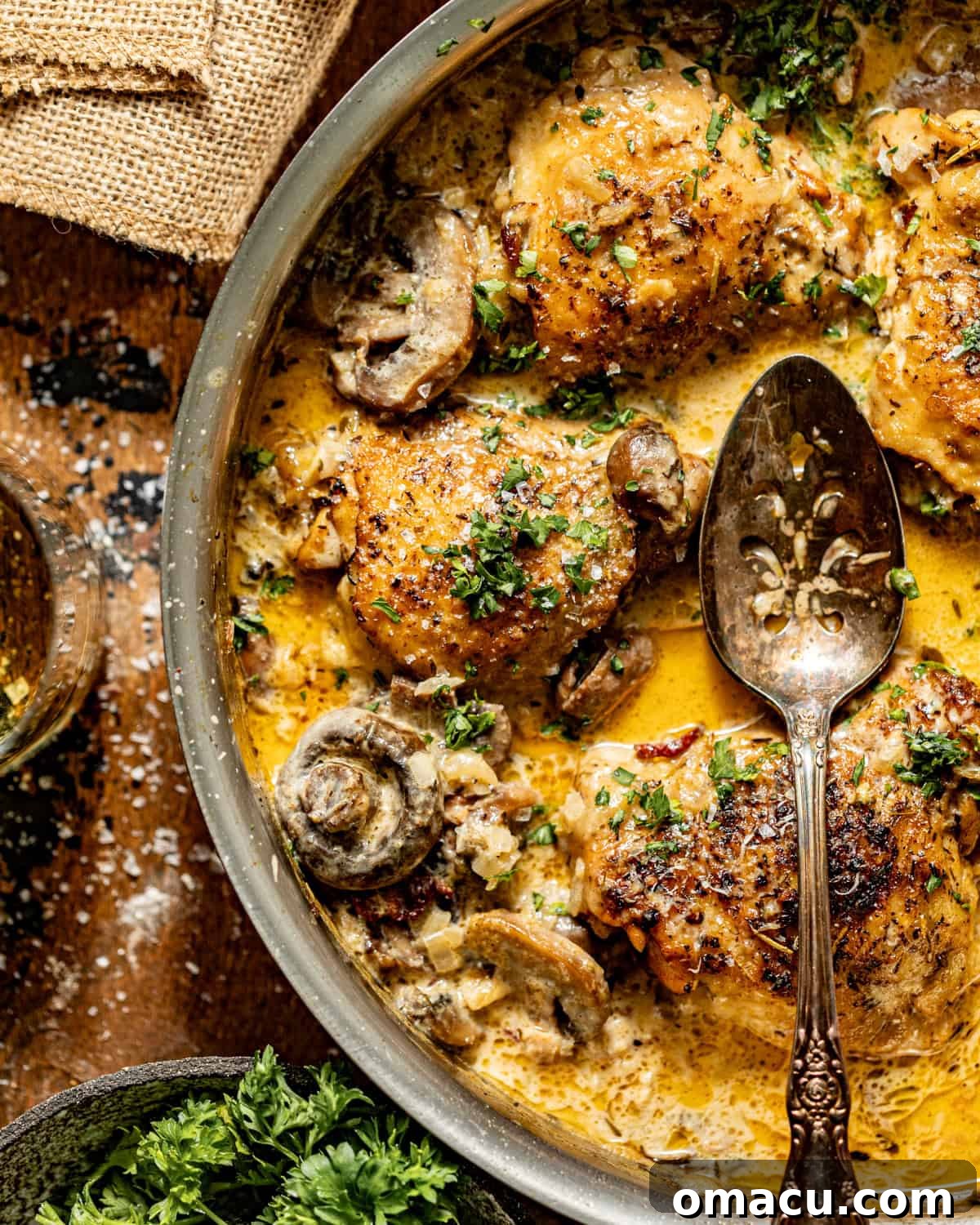
Coq au Vin Blanc is a culinary masterpiece that brings an unparalleled level of comfort and elegance to your table. Imagine tender, succulent chicken pieces, slow-cooked to perfection in a rich, velvety white wine sauce, infused with the smoky essence of bacon, the aromatic notes of garlic and onions, and a medley of fresh herbs. Each bite delivers a harmonious blend of flavors, truly soaking up the magic of French country cooking. The sauce, made luxurious with a generous splash of cream, a hint of Dijon mustard, and the subtle tang of Parmesan, is simply divine. This exquisite dish is ideally served alongside creamy brown butter mashed potatoes or with slices of crusty French bread, perfect for savoring every drop of that incredible sauce. This isn’t just a meal; it’s an experience, elevated to the next level!
For those who appreciate hearty, flavorful chicken dishes that are both satisfying and easy to prepare, you might also enjoy my Maple Dijon Chicken or the robust Brown Stew Chicken. They are perfect additions to any weeknight repertoire or special occasion.
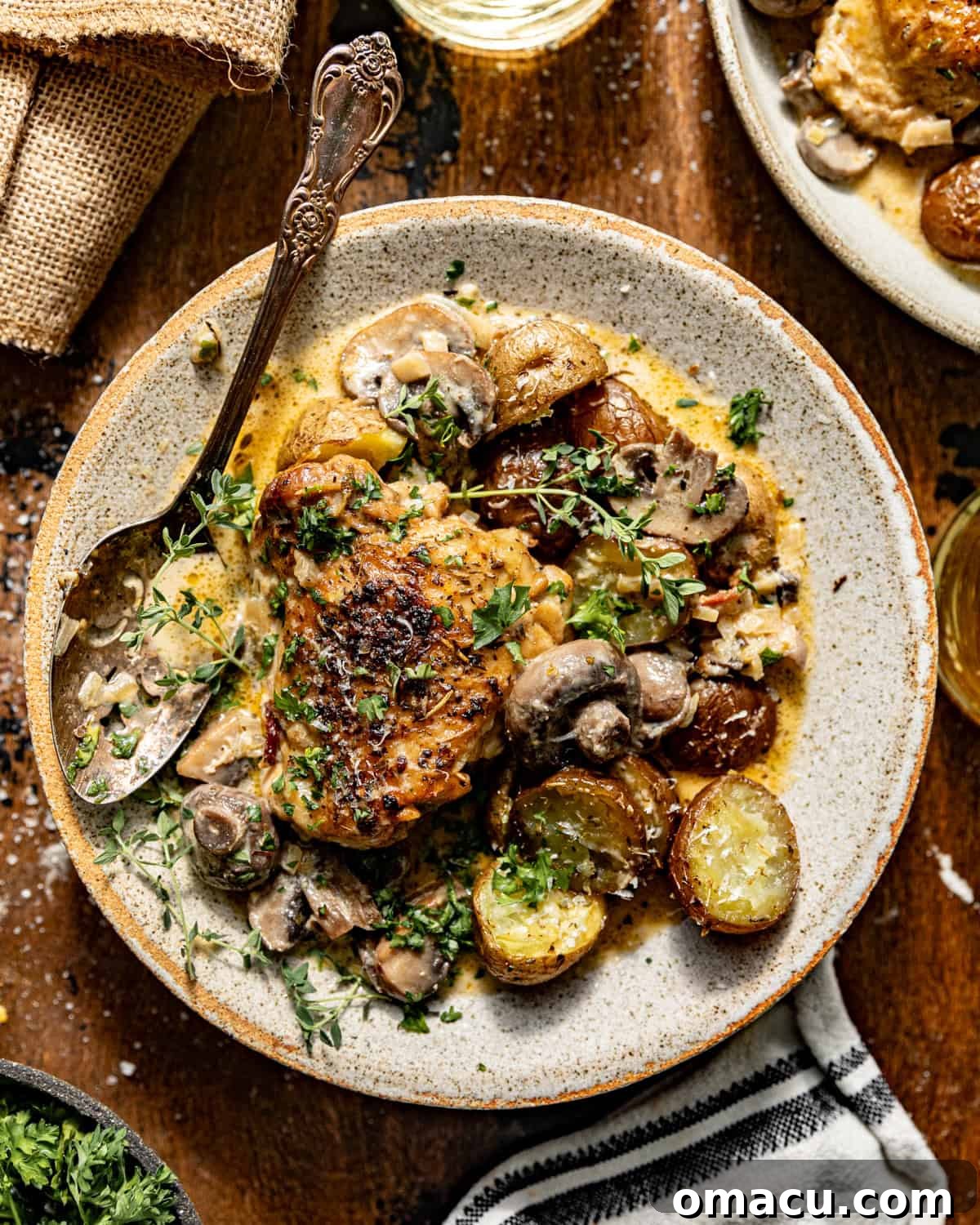
There are some dishes that simply transcend the ordinary, and Coq au Vin Blanc is undoubtedly one of them. It stands as a testament to the timeless appeal of elegant comfort food. Envision plump chicken pieces gently simmering in a fragrant dry white wine, absorbing the vibrant flavors of sautéed garlic, sweet onions, and fragrant fresh herbs. As the dish slowly braises, the ingredients meld together, creating a depth of flavor that is truly remarkable.
The magic truly happens in the final stages, where fresh mushrooms are introduced, adding an earthy, meaty texture, followed by a touch of rich cream. This transforms the simmering liquid into a velvety, luscious sauce that coats every piece of chicken and vegetable. It’s an unbelievably delicious sauce that begs to be spooned over buttery mashed potatoes or sopped up with warm, crusty bread. A plate of Coq au Vin Blanc isn’t just dinner; it’s a comforting embrace, a moment of pure culinary bliss!
While sharing a name with its more famous red wine counterpart, Coq au Vin Blanc offers a distinctly lighter and creamier profile, yet remains equally sophisticated and satisfying. It features many of the beloved staples of the classic version, such as crispy bacon, earthy mushrooms, and tender sweet onions, but substitutes the traditional red wine with a crisp, dry white wine, finished with a generous swirl of cream. This adaptation creates a milder, yet profoundly flavorful, French chicken stew.
This dish exemplifies French cuisine at its finest – a perfect balance of rustic charm and refined taste. Forget what you think you know about complex French cooking; with a good bottle of dry white wine and this recipe, you’re ready to indulge in the art of creating a truly memorable meal. Julia Child might have popularized French cooking, but this contemporary classic ensures everyone can enjoy a taste of France in their own kitchen!
Why You’ll Adore This Coq au Vin Blanc Recipe
This Coq au Vin Blanc recipe isn’t just another chicken dish; it’s a culinary journey that delivers impressive results with surprising ease. Here’s why it’s destined to become a staple in your kitchen:
- Effortlessly Elegant Using Simple Ingredients: Despite its sophisticated name and exquisite taste, this creamy Coq au Vin Blanc is incredibly straightforward to prepare. Beyond a few basic pantry staples, the process involves a simple sequence of searing, sautéing, and simmering. It’s a largely hands-off affair, allowing the flavors to develop beautifully with minimal intervention, making it perfect for both novice and experienced cooks looking for a show-stopping dish without the fuss.
- A Masterpiece That’s Even Better Made Ahead: While undeniably delicious when served immediately, Coq au Vin Blanc truly shines the next day. The overnight rest allows the diverse flavors of the wine, herbs, bacon, and chicken to meld and deepen, resulting in an even richer, more complex taste. This makes it an ideal choice for meal prepping or, more fittingly, as the star dish for hosting a dinner party. Prepare it in advance, and simply reheat before your guests arrive, allowing you to enjoy their company without last-minute kitchen stress.
- Explosive Layers of Flavor in Every Bite: This isn’t just a flavorful dish; it’s a symphony of tastes. The combination of smoky bacon, tender chicken, earthy mushrooms, fragrant aromatics, a tangy touch of Dijon, and the luxurious white wine cream sauce creates an incredibly impressive flavor profile. Each ingredient contributes a distinct layer, culminating in a dish that tastes complex and gourmet, belying its relatively simple preparation. It’s the kind of meal that elicits “oohs” and “aahs” around the table.
What is Coq Au Vin Blanc? Understanding the Classic Twist
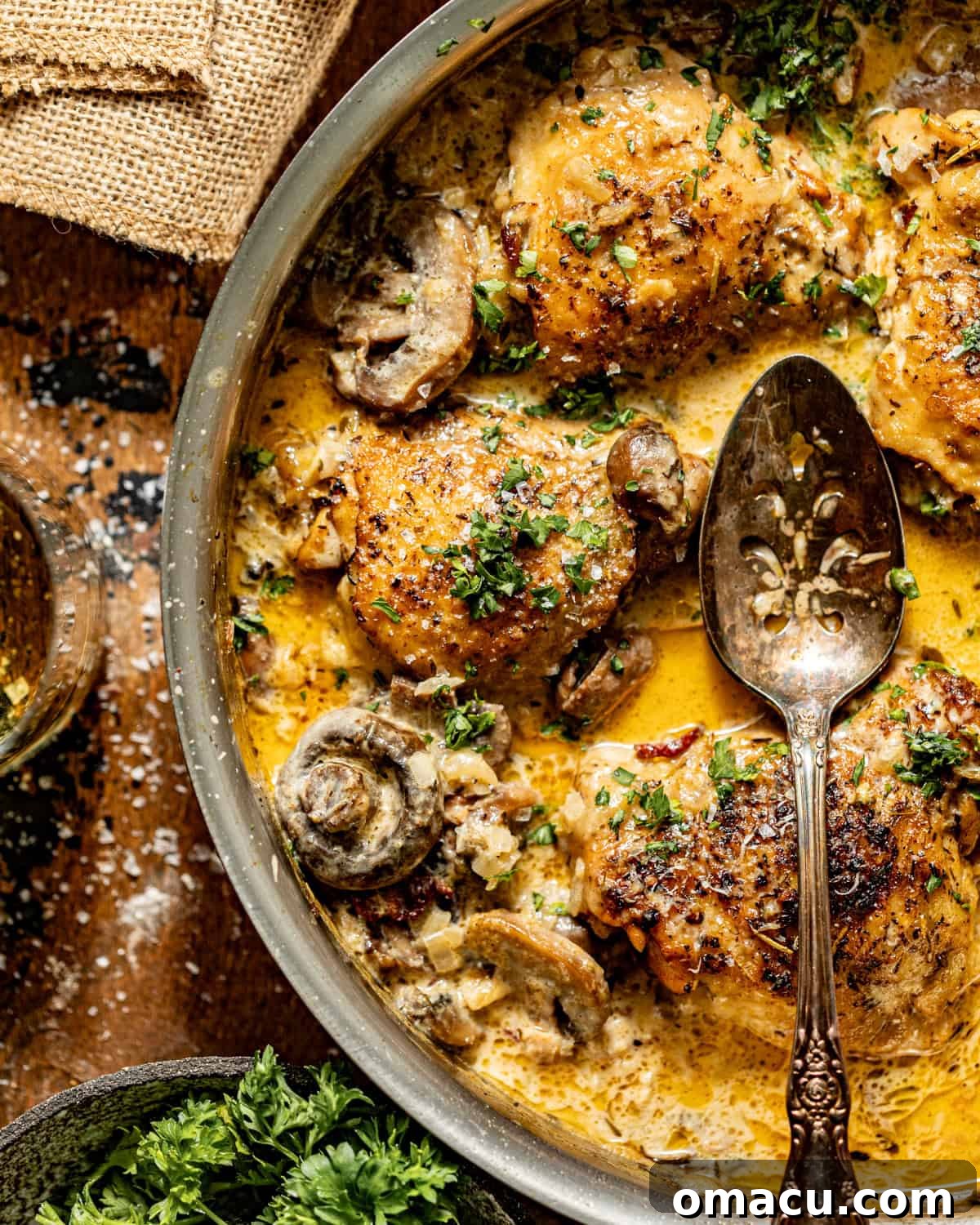
Coq au Vin Blanc is a captivating and elegant twist on the traditional French chicken stew, Coq au Vin. The key distinction, as its name suggests (“blanc” meaning white in French), lies in the use of white wine instead of red. This simple substitution dramatically alters the flavor profile, creating a delicate yet profoundly flavorful sauce that is often creamier and less intensely robust than its red wine counterpart. It’s the perfect choice for those who appreciate a nuanced wine flavor in their cooking or prefer a lighter, brighter stew.
The iconic Coq au Vin literally translates to “rooster in wine,” and its origins are deeply rooted in French culinary history. This rustic dish began as a resourceful way for French peasants to tenderize and flavor older, tougher roosters. Slow-braising the chewy meat in red wine, often for hours, not only softened the poultry but also masked any gamey flavors, transforming an otherwise unpalatable bird into a delicious meal. Over time, as ingredients became more accessible, Coq au Vin evolved into a celebrated staple of French country cooking, often made with more tender chickens.
Coq au Vin Blanc retains the comforting essence of this heritage but adapts it for modern palates, offering a beautiful alternative that is equally satisfying. It showcases the versatility of French cooking techniques and ingredients, proving that a classic can always be reimagined. If you enjoy exploring French chicken recipes, you might also appreciate a lighter dish like this chicken paillard recipe, which demonstrates another facet of elegant French poultry preparation.
Key Ingredients for a Perfect Coq Au Vin Blanc
Creating an exceptional Coq au Vin Blanc relies on selecting quality ingredients that build layers of flavor and texture. Here’s a closer look at what you’ll need to make this French classic shine:
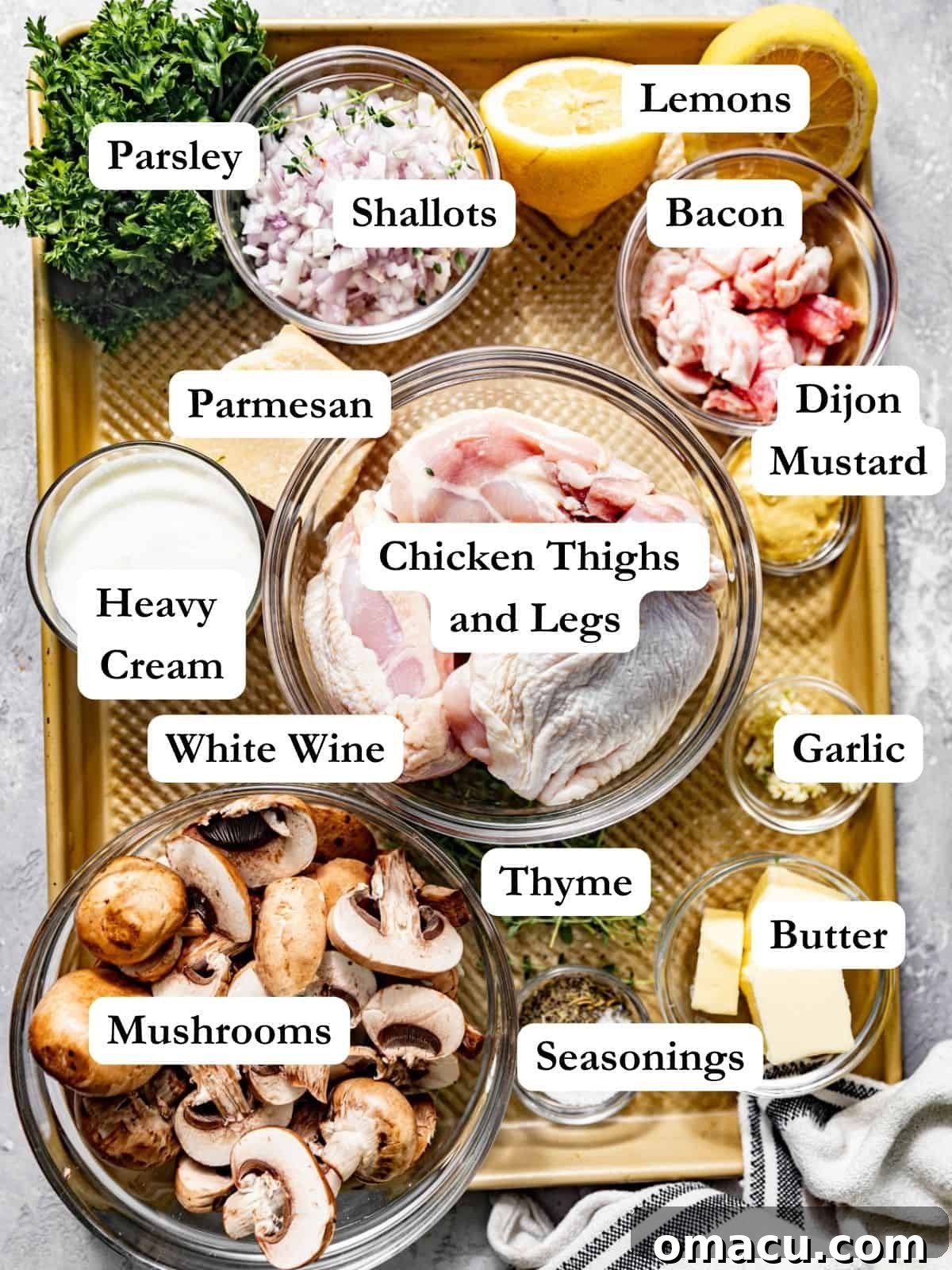
- Variety of Chicken Pieces: For the most flavorful and succulent results, opt for bone-in, skin-on chicken thighs and legs. The bone imparts extra flavor to the sauce, while the skin helps to keep the meat moist and develops a beautiful crispiness during searing. These cuts also stand up well to the slow braising process, ensuring tender chicken that practically falls off the bone. While you could use a whole chicken if you’re comfortable breaking it down, chicken breasts tend to dry out more easily and aren’t typically recommended for this recipe.
- Dry White Wine: The “blanc” in Coq au Vin Blanc refers to the white wine, which is a foundational ingredient that adds immense depth and a delicate acidity to the sauce. It’s crucial to select a dry white wine, such as Chardonnay (unoaked), dry Riesling, Pinot Grigio, or Sauvignon Blanc. These varieties offer the right balance without making the dish overly sweet as the wine reduces. Choose a wine you enjoy drinking, as its flavor will concentrate in the stew.
- Bacon: Bacon is a non-negotiable ingredient, providing a rich, smoky foundation for the entire dish. The rendered bacon fat is used to sear the chicken, infusing it with incredible savory flavor from the very start. The crispy bacon bits are then stirred back into the stew at the end, adding a delightful textural contrast and bursts of intense flavor. It’s pure decadence and a hallmark of traditional Coq au Vin.
- Mushrooms: Meaty white button mushrooms or cremini mushrooms are ideal for this recipe. They absorb the rich flavors of the sauce beautifully and provide a wonderful earthy depth and a satisfying, textural contrast to the tender chicken. Sliced mushrooms become incredibly savory and tender as they simmer, adding body and umami to the stew.
- Heavy Cream: This is where the “creamy” aspect of Coq au Vin Blanc truly comes into play. A generous splash of heavy cream is added towards the end of cooking, mellowing any sharp edges from the wine and enriching the sauce. It transforms the liquid into a silky, luxurious, and utterly irresistible concoction that coats the palate beautifully.
- Dijon Mustard: Just a tablespoon of Dijon mustard adds a crucial tangy, peppery kick that cuts through the richness of the white wine cream sauce. It provides a bright counterpoint, preventing the dish from becoming too heavy and enhancing the overall complexity of the flavors without overpowering them.
- Aromatics: A classic combination of finely diced garlic cloves and shallots forms the aromatic backbone of this French chicken recipe. Sautéed until fragrant, they infuse the sauce with their sweet, pungent notes. Fresh sprigs of thyme and bay leaf are added during simmering, releasing their herbaceous essence and ensuring every single bite is bursting with flavor. A sprinkle of fresh parsley as a garnish brightens the dish and adds a final flourish.
- Herbes de Provence: This traditional French dried herb blend, typically comprising thyme, savory, rosemary, marjoram, oregano, and sometimes lavender, is essential for seasoning the chicken and flavoring the sauce. It evokes the sun-drenched landscapes of Southern France and contributes an authentic, aromatic character to the Coq au Vin Blanc.
Smart Substitutions to Adapt Your Coq Au Vin Blanc
While the original recipe for Coq au Vin Blanc yields exceptional results, sometimes you need to adapt based on what you have on hand or dietary preferences. Here are some thoughtful substitutions that can still deliver a delicious and satisfying dish:
- Bacon: If bacon isn’t available, or you’re looking for an alternative, pancetta is an excellent stand-in. This Italian cured pork belly offers a similar salty, savory richness and renders beautifully to create a flavorful fat for searing. For a poultry-based alternative, you could use smoked turkey bacon, though it might yield a slightly different flavor profile.
- Heavy Cream: For a different kind of richness, crème fraîche provides a thicker, slightly tangy, and wonderfully luxurious texture. Sour cream or even mascarpone cheese can also work, offering similar creaminess with varying degrees of tang. If you’re aiming for a lighter sauce, half-and-half or evaporated milk can be used; just be mindful that they are less rich and may require a bit more simmering to achieve the desired consistency.
- Herbes de Provence: If you don’t have this specific blend, a good quality Italian seasoning blend can serve as a suitable replacement, offering a similar mix of savory herbs. Alternatively, if you have fresh herbs, a few sprigs of fresh thyme, rosemary, and oregano tied together can create a lovely aromatic infusion. The goal is to bring those earthy, aromatic notes to the dish.
- Veggies: This one-pot meal is incredibly versatile and welcomes additional vegetables. Feel free to incorporate your favorites or what’s in season. Carrots, cut into rounds or chunks, add sweetness and color. Sliced celery brings a subtle crispness and aromatic depth. Frozen peas or fresh spinach can be stirred in towards the end of cooking for a pop of green and added nutrients, without overcooking.
How to Master Coq Au Vin Blanc: A Step-by-Step Guide
Crafting this elegant French classic is simpler than you might think. Follow these steps for a perfect Coq au Vin Blanc every time:
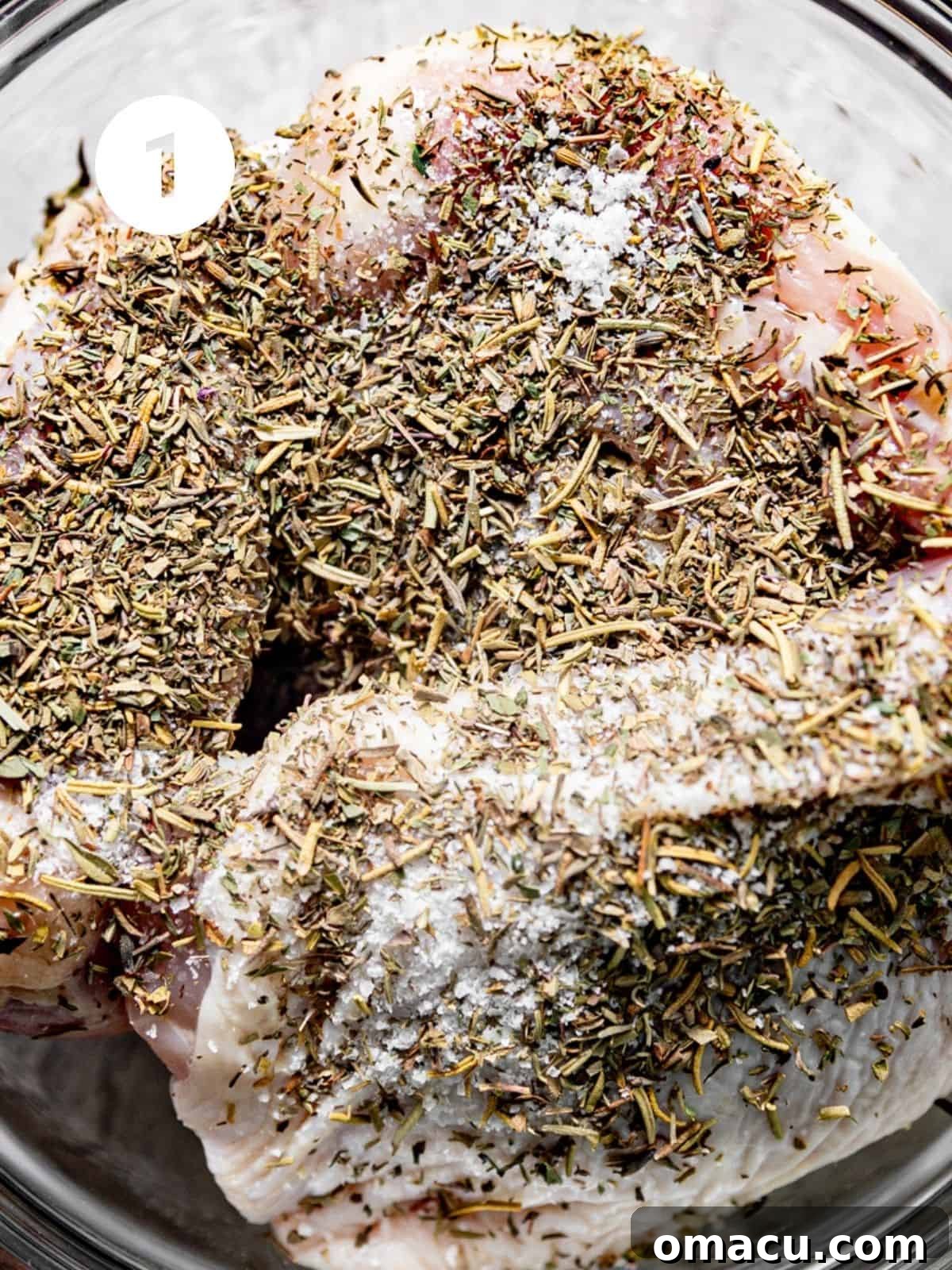
Step 1: Season the Chicken for Flavor Infusion. Begin by thoroughly patting your chicken pieces dry with paper towels. This crucial step ensures a crispier skin when searing. Once dry, generously season the chicken with the aromatic Herbes de Provence, a sprinkle of smoked paprika for warmth, freshly ground black pepper, and kosher salt. Toss the chicken pieces gently to ensure every surface is evenly coated with the seasoning blend. This preliminary step is vital for building deep flavor from the outset.
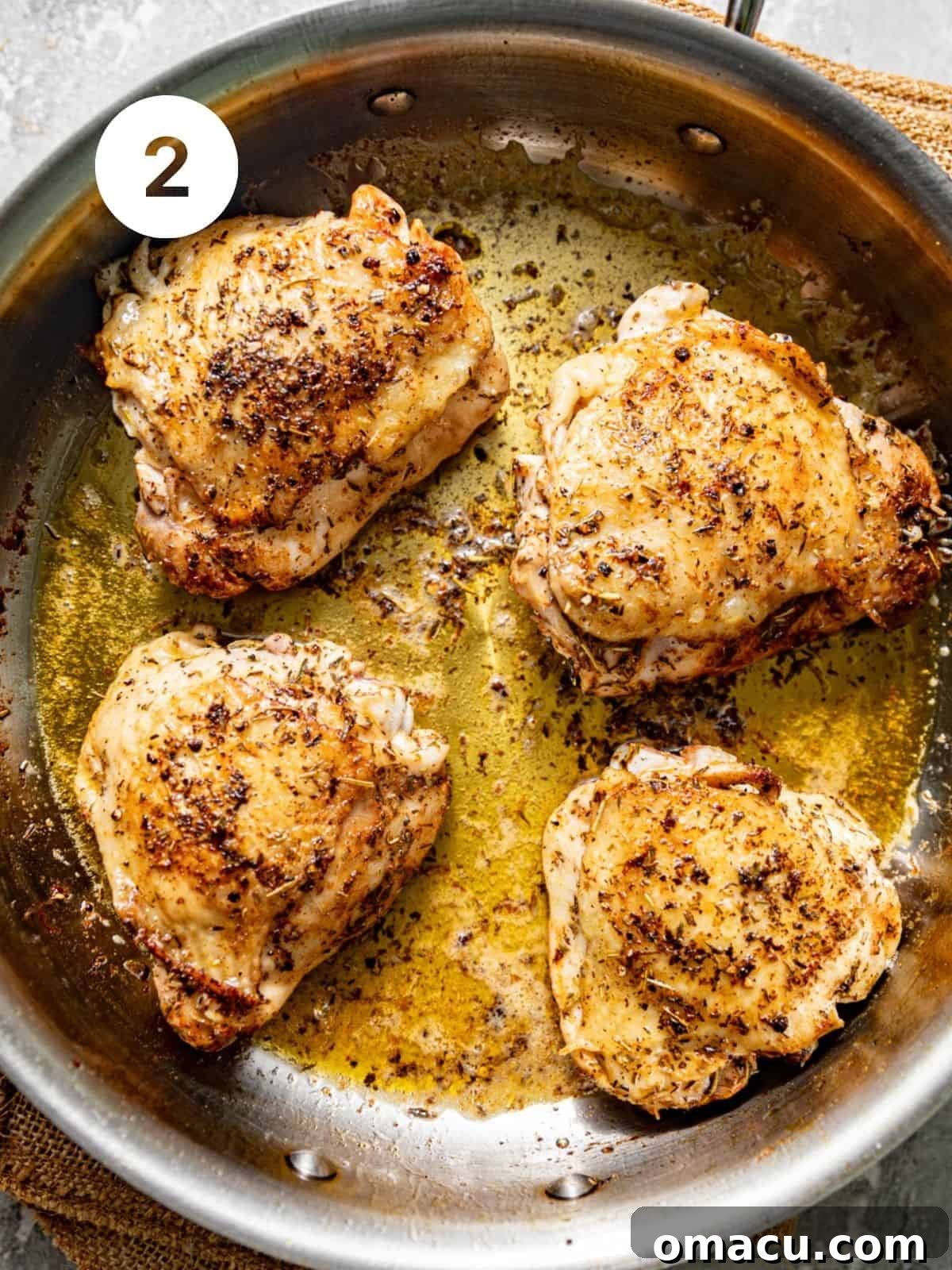
Step 2: Sear the Chicken to Golden Perfection. In a large, heavy-bottomed skillet or Dutch oven (a 12-inch pan is ideal), melt the salted butter with the olive oil over medium-high heat. Once the fat is shimmering and hot, carefully add the seasoned chicken pieces, skin-side down first if applicable, ensuring not to overcrowd the pan. Sear the chicken for approximately 5 minutes per side, or until a beautiful golden-brown crust forms. This searing process, known as the Maillard reaction, develops incredible flavor and locks in juices. Remove the browned chicken from the pan and set it aside on a clean plate; it will finish cooking in the sauce.
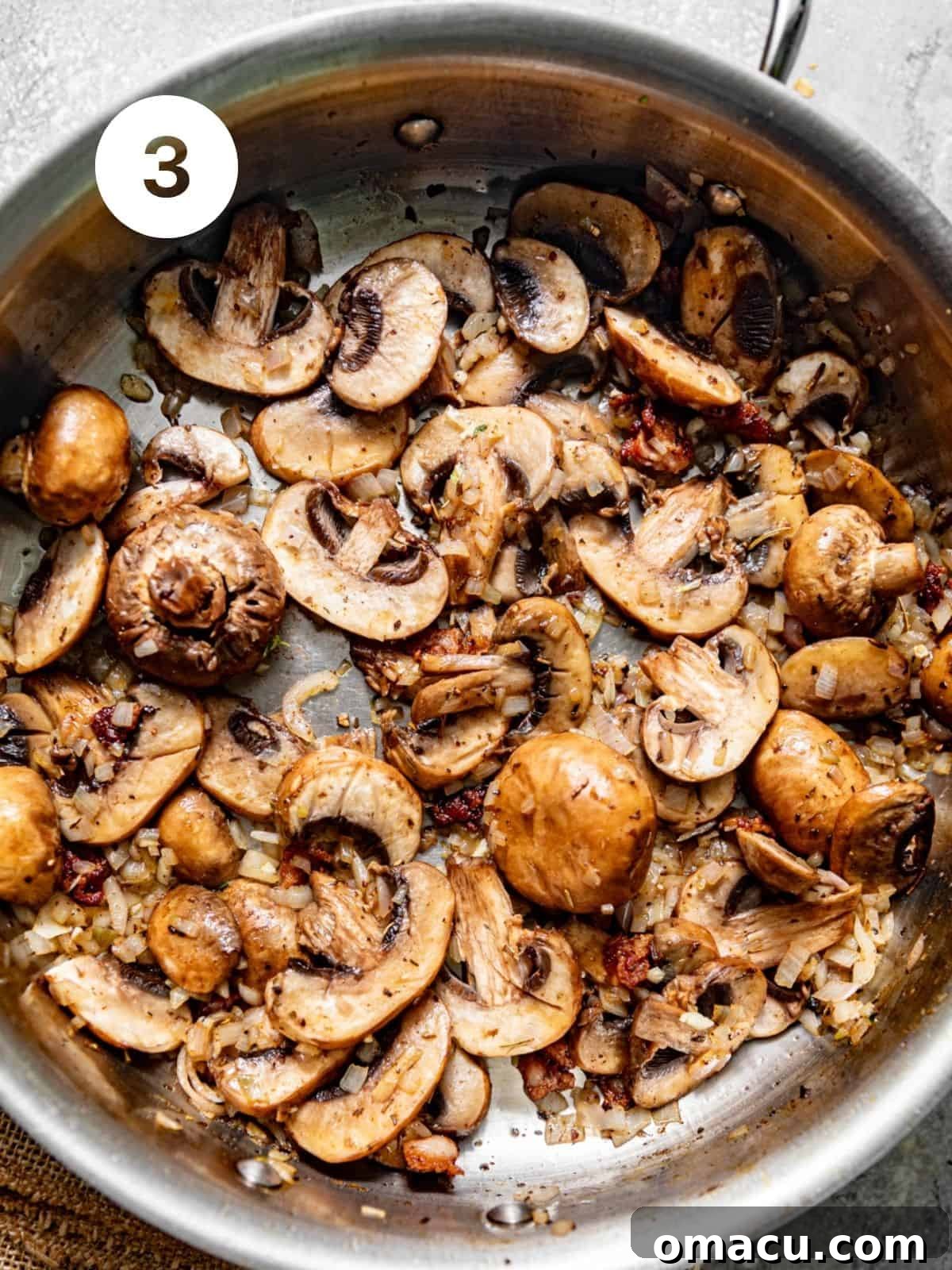
Step 3: Cook Bacon and Sauté the Aromatics. Return the skillet to medium heat. Add the chunks of bacon and cook until they are wonderfully crispy and their fat has fully rendered, typically 8-10 minutes. Remove the crispy bacon bits with a slotted spoon and set aside, leaving the flavorful bacon fat in the pan. Reduce the heat to medium. Add the diced shallots and sliced mushrooms to the bacon fat, and sauté for about 5 minutes until the mushrooms begin to soften and release their moisture, and the shallots are translucent. Then, add the minced garlic and continue to cook for another 2-3 minutes until fragrant, being careful not to burn the garlic.
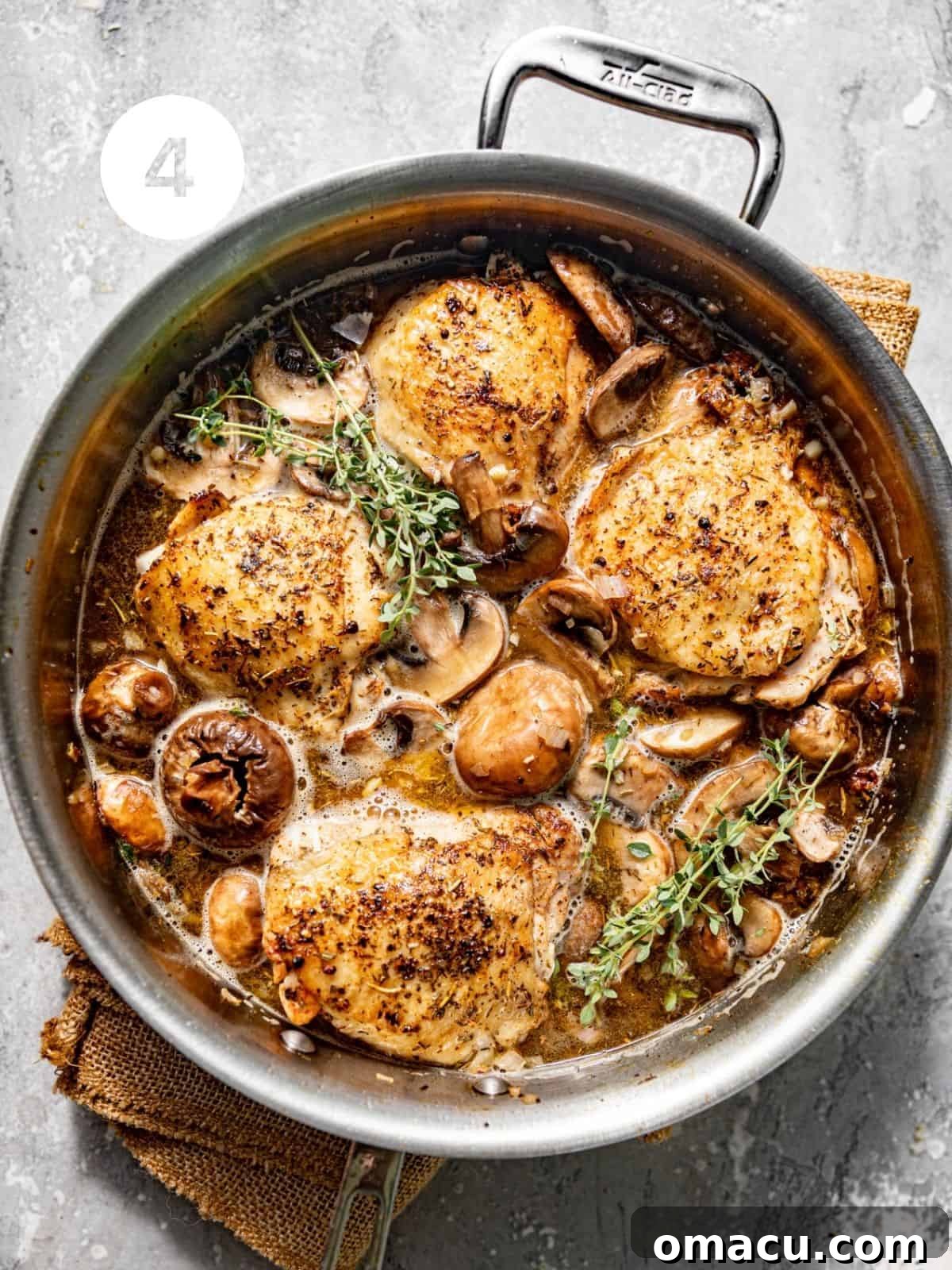
Step 4: Braise the Chicken and Finish the Sauce. Return the seared chicken pieces to the pan, nestling them among the sautéed aromatics. Pour the dry white wine over everything. Immediately use a wooden spoon to scrape up all the delicious brown bits (fond) stuck to the bottom of the pan – this is where all the concentrated flavor resides! Add the fresh thyme sprigs and bay leaf to the juices. Bring the liquid to a gentle boil, then reduce the heat to low, cover the pan with a lid, and let it simmer for 20-25 minutes, or until the chicken is cooked through and tender. Once cooked, remove the lid. Stir in the heavy cream, Dijon mustard, and fresh lemon juice, along with about 1/4 cup of grated Parmesan cheese. Continue to cook, uncovered, for another 10-20 minutes, allowing the sauce to gently thicken to a luxurious consistency. Before serving, remove and discard the bay leaf and thyme sprigs. Finally, stir in the remaining Parmesan and chopped fresh parsley. Taste and season with additional salt and pepper as needed, balancing the flavors perfectly.
Pro Tips for Crafting the Ultimate Coq Au Vin Blanc
Elevate your Coq au Vin Blanc from delicious to unforgettable with these expert tips:
- Stick to Dry White Wines: This is a golden rule for Coq au Vin Blanc. As the wine simmers and reduces, its sugars become more concentrated. Using sweet or off-dry wines would result in a dish that is cloyingly sweet and unbalanced. Dry varieties like Chardonnay, Pinot Grigio, or Sauvignon Blanc provide the necessary acidity and depth without overwhelming the other ingredients.
- Marinate for Maximum Flavor: For an extra layer of flavor that penetrates deep into the chicken, consider marinating it. After seasoning as directed, let the chicken sit in the herbs and spices for at least 2 hours, or even overnight in the refrigerator. This allows the aromatics to really infuse the meat, making it even more tender and flavorful.
- Embrace Slab Bacon for Texture: If possible, seek out slab bacon from your local butcher. Unlike thinly sliced bacon, slab bacon can be cut into thick batons or lardons. This ensures that the bacon pieces maintain their structure and chewiness after cooking, leaving you with substantial, smoky chunks throughout your Coq au Vin Blanc, rather than disappearing into the sauce.
- Slow Cooker Adaptation: For a convenient, largely hands-off preparation, this Coq au Vin Blanc recipe adapts beautifully to a crock pot. Simply follow all the initial searing and sautéing steps in a skillet as described. Once the chicken, bacon, and aromatics are prepared, transfer them to your slow cooker, add the white wine, herbs, and seasonings (reserving the cream, Dijon, lemon, and Parmesan for later). Cook on low for 6-8 hours, or on high for 3-4 hours, until the chicken is fork-tender. In the last 30 minutes, stir in the cream, Dijon, lemon juice, and Parmesan, allowing the sauce to thicken slightly.
- Achieving the Perfect Sauce Consistency: If your sauce seems too thin after the final simmer, don’t fret. You can easily thicken it by removing a few tablespoons of the sauce into a small bowl, stirring in a teaspoon of cornstarch (or flour) to create a slurry, then whisking it back into the main pot. Simmer for a few more minutes until thickened. Conversely, if the sauce becomes too thick, simply add a splash of chicken broth or white wine until it reaches your desired consistency.
What to Serve with Coq Au Vin Blanc: Completing Your French Feast
The beauty of Coq au Vin Blanc lies in its versatility, pairing wonderfully with a range of side dishes that enhance its rich flavors. Here are some ideal companions to complete your French-inspired meal:
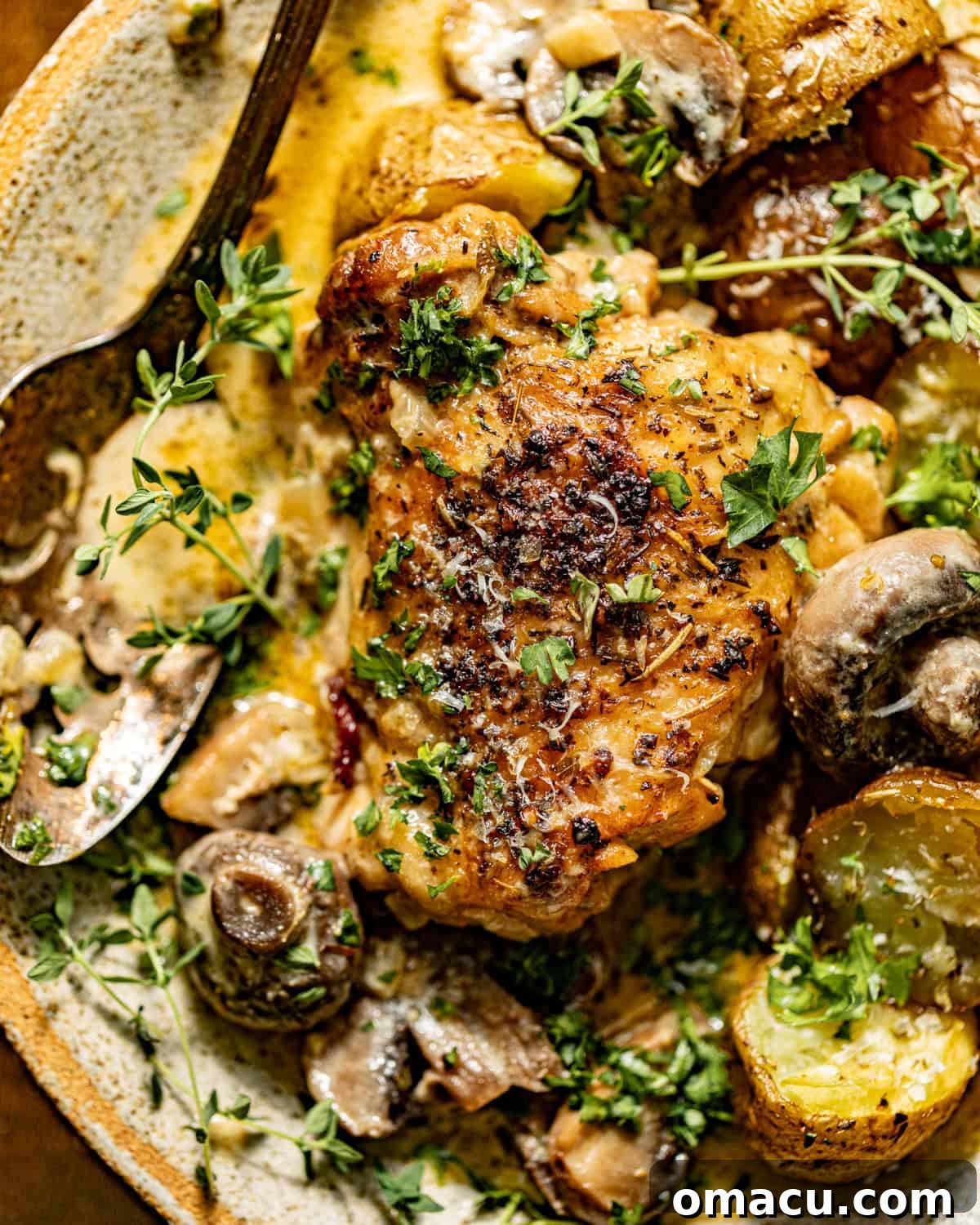
My absolute favorite way to serve Coq au Vin Blanc is, in true French bistro style, with plenty of crusty baguettes. The airy, chewy interior and crisp crust are perfect for soaking up every last drop of that incredible creamy sauce. It’s also exceptionally delicious spooned over broad egg noodles, which provide a tender, comforting base, or with a light and flavorful Lemon Garlic Pasta for an unexpected twist.
For the ultimate comforting experience, pair it with creamy brown butter mashed potatoes. Their smooth texture and rich flavor create a luxurious foundation for the chicken and sauce. If you prefer something on the lighter side to balance the richness, a crisp house salad with a simple vinaigrette is always a refreshing choice.
And of course, no French meal is truly complete without a delightful dessert! Conclude your elegant dinner on a sweet note with equally sophisticated treats such as a tangy key lime pie with graham cracker crust, a rich and smooth creamy cherry cheesecake, or delicate French salted caramel macarons.
Wine Pairing Suggestions:
To complement the delicate flavors of Coq au Vin Blanc, consider serving a dry white wine that mirrors the one used in the cooking, such as a crisp Sauvignon Blanc, an un-oaked Chardonnay, or a Pinot Grigio. These wines will enhance the creamy sauce without overpowering the chicken.
Creative Leftover Ideas for Coq Au Vin Blanc
One of the many joys of Coq au Vin Blanc is that it tastes even better the next day, and its versatility extends to fantastic leftover creations. Don’t let a single bite go to waste!
Transforming your leftover Coq au Vin Blanc into new meals is both easy and delicious. Try shredding the tender chicken directly into the rich, creamy sauce, then tossing it with freshly cooked pasta for a quick and satisfying lunch or a simple weeknight dinner. The pasta will absorb all the wonderful flavors of the sauce, creating a complete meal.
For a hearty and comforting lunch, pile the warm chicken and its sauce onto a crusty baguette or a soft brioche roll. A satisfying sandwich like this makes for an elevated mid-day meal. You can even take your leftovers to the next level by reinventing them as a rustic pot pie. Simply transfer the chicken and sauce into a baking dish, top it with a sheet of puff pastry (store-bought works perfectly), and bake until the pastry is golden brown and flaky. It’s a delightful way to enjoy the rich flavors in a whole new form.
Storing and Reheating Coq Au Vin Blanc for Best Results
Proper storage and reheating are key to enjoying your Coq au Vin Blanc long after it’s initially made. Its flavors actually deepen and improve with time, making it an excellent make-ahead dish.
Storing: Allow any leftover Coq au Vin Blanc to cool completely at room temperature before transferring it to an airtight container. Store it in the refrigerator for up to 3-4 days. For longer storage, this dish freezes exceptionally well. Portion the cooled Coq au Vin Blanc into freezer-safe containers or heavy-duty freezer bags, removing as much air as possible to prevent freezer burn. It can be frozen for up to three months. Thaw frozen Coq au Vin Blanc overnight in the refrigerator before reheating.
Reheating: To reheat, the best method is gently on the stovetop. Transfer the Coq au Vin Blanc to a saucepan or Dutch oven over medium-low heat. Add a splash of chicken broth or white wine to loosen the sauce if it has thickened too much in the fridge. Stir occasionally, bringing it to a gentle simmer until it’s warmed through. Avoid boiling vigorously, as this can cause the cream to separate. If using a microwave, reheat in 15-second bursts, stirring well after each interval to ensure even heating and prevent the sauce from burning or curdling. Adjust seasoning if necessary after reheating.
Coq Au Vin Blanc: Frequently Asked Questions
The preference for red or white wine in Coq au Vin is entirely subjective and depends on individual taste! I wholeheartedly recommend trying both versions. The white wine chicken Coq au Vin Blanc recipe, with its creamy, herby sauce, tends to be more approachable and familiar to many palates. The traditional red wine Coq au Vin offers a richer, more robust, and sometimes more intense flavor profile, which can be an acquired taste for some. However, I believe every food enthusiast should experience this quintessential French stew, in both its red and white variations, at least once to discover their personal favorite!
A bitter taste in Coq au Vin most commonly occurs when the alcohol hasn’t been cooked off sufficiently. When adding the wine, it’s crucial to allow it to simmer vigorously for several minutes, or until it reduces by about half, before incorporating the remaining ingredients. This process allows the alcohol to evaporate, leaving behind only the concentrated, mellow flavors of the wine. If the alcohol isn’t cooked out, its raw, sharp notes can impart an unpleasant bitterness to the final dish.
Yes, absolutely! While the original Coq au Vin often calls for Burgundy wine, Merlot is an excellent choice for a red wine Coq au Vin. Its medium-bodied, fruit-forward characteristics make it a popular and highly suitable option. Other fantastic medium-bodied red wines that work beautifully include Pinot Noir and Zinfandel. When choosing, always pick a wine you would enjoy drinking, as its flavor will be concentrated in the sauce.
The majority of the alcohol will evaporate during the slow cooking and braising process, especially during the initial simmering of the wine. However, it’s important to note that it’s highly unlikely for 100% of the alcohol to cook out completely. Trace amounts of alcohol can, and often do, remain in the finished Coq au Vin, contributing to its complex flavor profile. For those who need to avoid alcohol entirely, non-alcoholic chicken broth can be substituted for the wine, though the flavor will differ significantly.
Yes, this Coq au Vin Blanc recipe can easily be adapted to be gluten-free. The primary concern is usually the thickening agent. If a roux (butter and flour) is used to thicken the sauce, you would substitute regular flour with a gluten-free all-purpose flour blend or cornstarch. In this specific recipe, the sauce thickens naturally through reduction and the addition of cream and Parmesan, which are naturally gluten-free. Always double-check ingredient labels for hidden gluten, especially for bacon and broths.
More Delightful Chicken Recipes to Explore
If you’ve enjoyed the rich flavors of Coq au Vin Blanc, you’ll surely love these other enticing chicken dishes from my collection:
Main Course
Marry Me Chicken Pasta
Main Course
Chicken Pot Pie with Cheddar Bay Biscuits
Main Course
Asiago Tortelloni Alfredo with Grilled Chicken
Main Course
Creamy Mushroom Chicken
Hungry for more delicious and inspiring recipes? Make sure to subscribe to my newsletter to receive the latest seasonal creations and culinary delights straight to your inbox as soon as they’re released!
If you try this Coq au Vin Blanc recipe and fall in love with its exquisite flavors, please take a moment to leave a star rating on the recipe card below and share your thoughts in the comments! Your feedback is invaluable. You can also tag @BritneyBreaksBread on Instagram and use the hashtag #britneybreaksbread so I can celebrate your beautiful culinary creations!
Coq Au Vin Blanc
Equipment
-
12-inch skillet or Dutch oven
Ingredients
- 4 Chicken Thighs
- 4 Chicken Drumsticks
- 2 tsp Herbs de Provence
- 1/2 tsp Smoked Paprika
- 1/2 tsp Kosher Salt
- 1 tsp Black Pepper
- 2 tbsp Salted Butter
- 1 tbsp Olive Oil
- 2 slices Bacon, (cut into chunks)
- 2 Shallots, (diced)
- 4 cloves Garlic , (diced)
- 2 cups Mushrooms, (sliced)
- 2 cups Dry White Wine
- 3 sprigs Fresh Thyme
- 1 Bay Leaf
- 1 cup Heavy Cream
- 1 tbsp Dijon Mustard
- 1 tbsp Lemon Juice
- 1/2 cup Parmesan, (freshly grated, divided)
- 2 tbsp Fresh Parsley, (chopped)
Instructions
-
Pat chicken dry and season with herbs de Provence, smoked paprika, black pepper, and kosher salt. Toss to ensure the chicken is fully coated.
-
Add butter and olive oil to a large skillet (12 inch) over medium heat. Add chicken to the skillet and brown on both sides, about 5 minutes per side, then remove from the pan. Set aside.
-
Add bacon to the pan and cook until the fat has rendered, about 8 minutes. Remove crispy bacon and set aside. Then add shallots and mushrooms; continue to cook for an additional 5 minutes. Add garlic and continue to cook for 2-3 minutes.
-
Add the chicken back into the pan and pour white wine on top. Use a wooden spoon to scrape up the brown bits off the bottom of the pan. Place thyme and bay leaf into the juices and bring to a boil, then reduce heat to low and cover with a lid. Cook over low heat for 20-25 minutes, until the chicken is cooked through.
-
Remove the lid, add the cream, Dijon mustard, lemon juice, and 1/4 cup of parmesan. Stir to combine and continue to cook for 10-20 minutes, until the sauce thickens. Remove the bay leaf and thyme sprigs.
-
Add remaining Parmesan, crispy bacon, and parsley. Season with salt and pepper to taste.
Notes
- Only use dry white wines – As the wine cooks down, the sugars get more concentrated, so the dish would be too sweet if you use other types of wine.
- Infuse the chicken with more flavor by marinating it in seasonings and herbs for at least 2 hours.
- Get slab bacon if you can, then slice it into thick batons. This way it doesn’t disappear into the sauce and you’re left with chunks of bacon in your Coq au Vin Blanc!
- To make this Coq au Vin recipe in your crock pot, just follow the searing and sautéing steps, then cook on low for 6-8 hours or high for 3-4 hours, adding cream and Parmesan in the last 30 minutes.
Nutrition
Nutrition information is automatically calculated, so should only be used as an approximation.