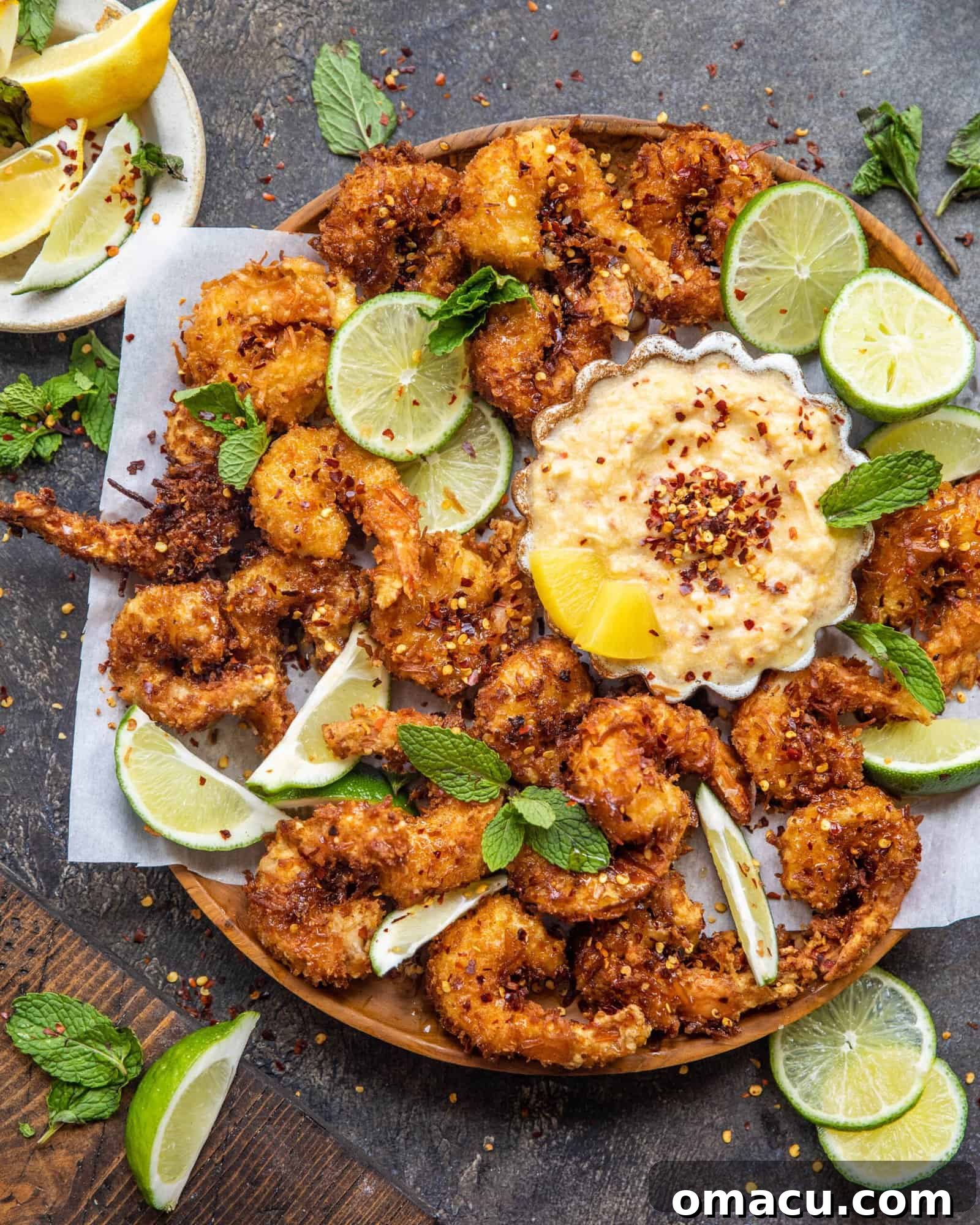
Ultimate Crispy Coconut Shrimp: Your New Favorite Homemade Appetizer
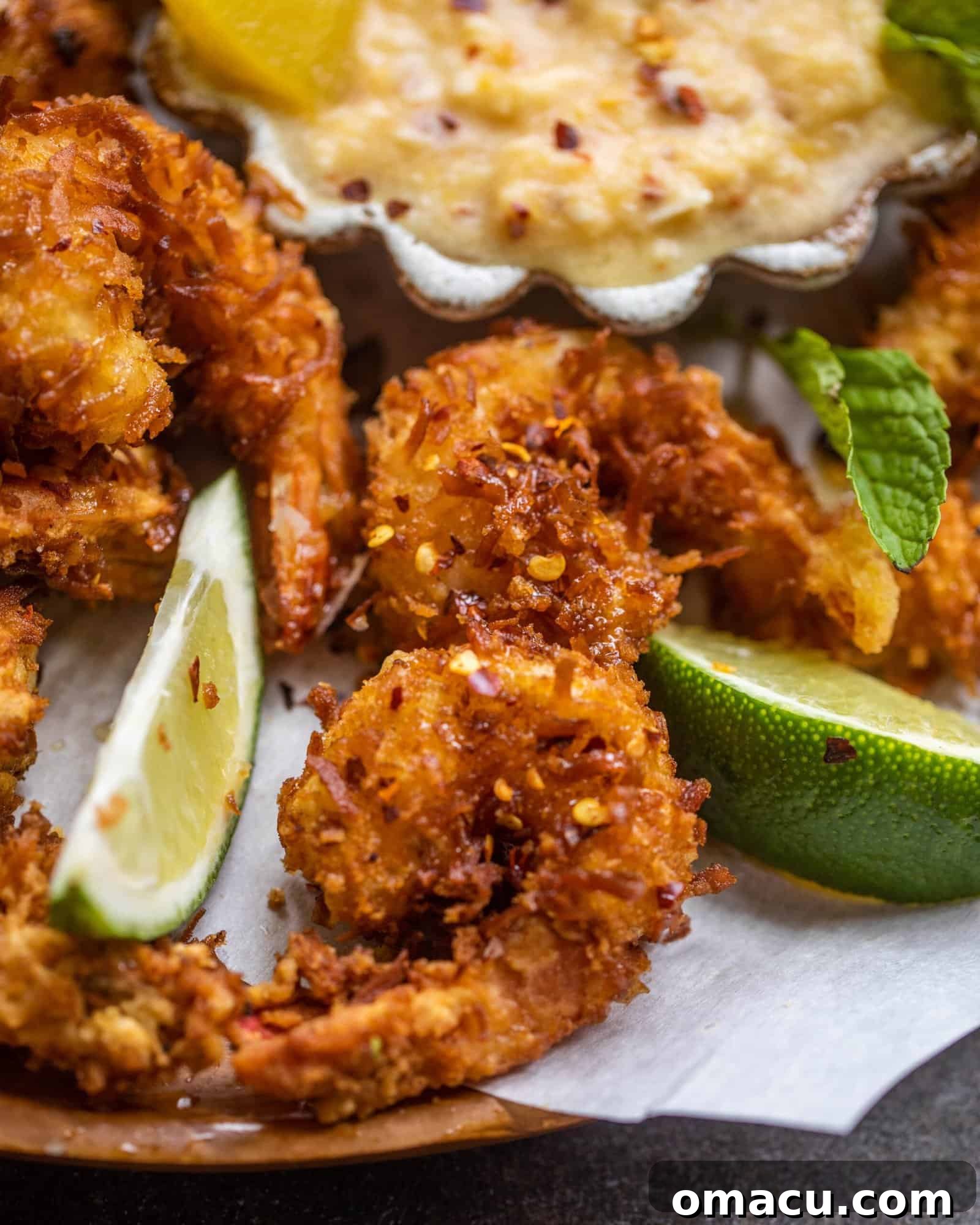
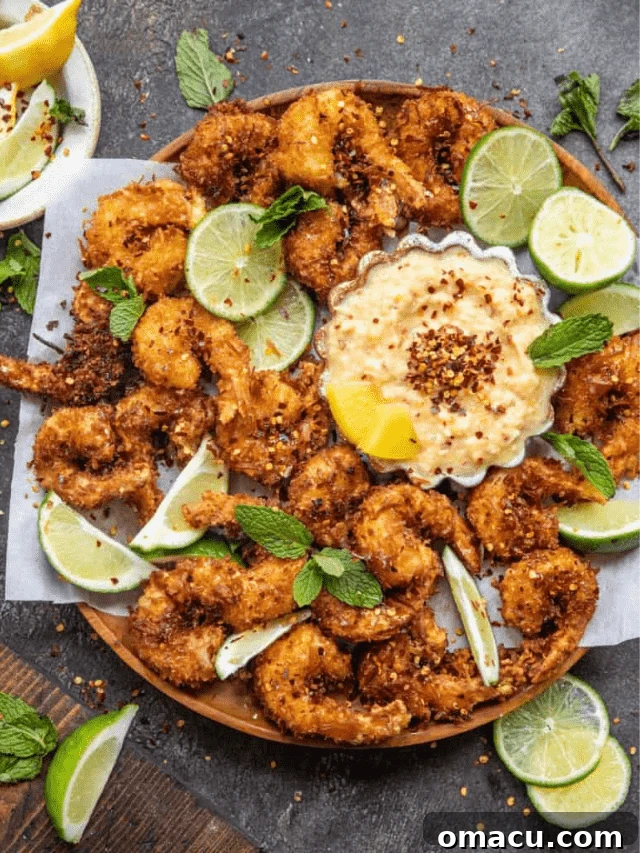
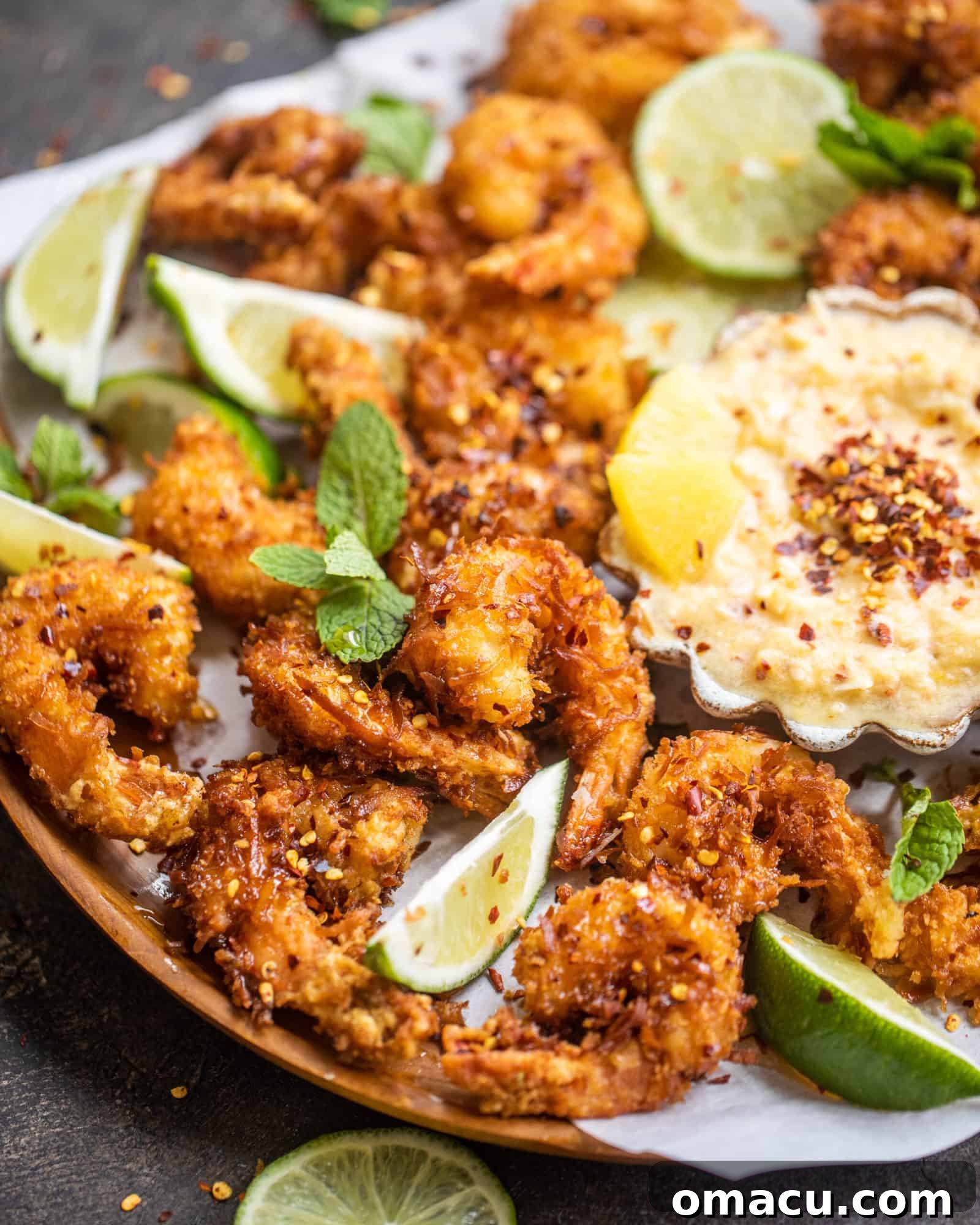
Imagine biting into a perfectly golden-brown, irresistibly crispy coconut crust, followed by the succulent sweetness of perfectly cooked shrimp. This isn’t just a dream from your favorite restaurant menu; it’s a culinary delight you can effortlessly create in your own kitchen in under 20 minutes! This easy-to-make fried coconut shrimp recipe is destined to become your go-to appetizer, promising a symphony of textures and flavors that will impress even the most discerning palates.
Served alongside a vibrant, sweet, and tangy dipping sauce, this homemade crispy shrimp recipe is not just a dish; it’s an experience. It’s guaranteed to be a crowd-pleaser at any gathering, from casual weeknight dinners to special occasions.
Craving more tantalizing shrimp creations? Don’t miss these other fantastic recipes: Crispy Shrimp Po’boys, our classic Salt and Pepper Shrimp Recipe, and the universally adored Crab Rangoon Egg Rolls!
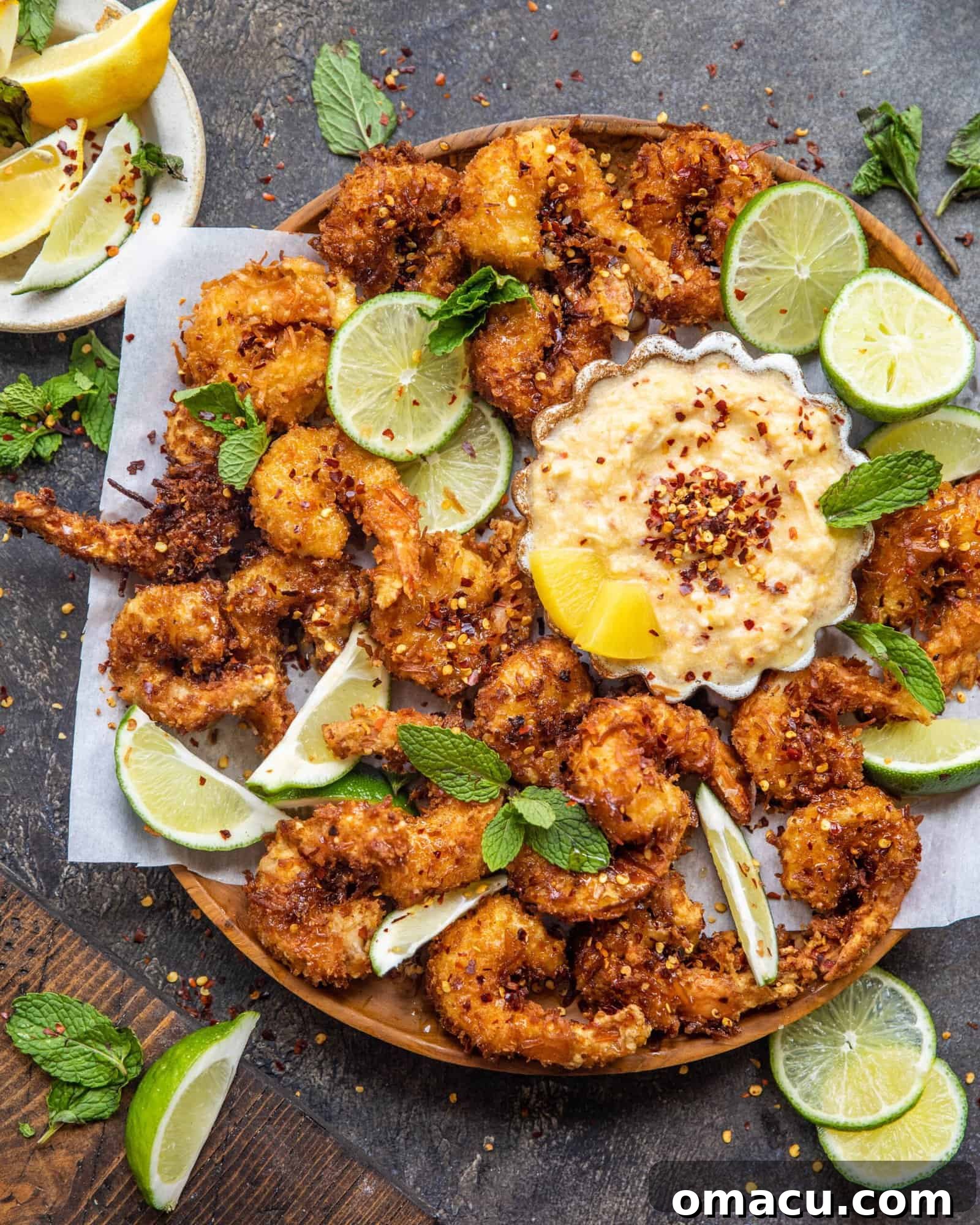
Why Homemade Coconut Shrimp Outshines Restaurant Favorites
Coconut Shrimp holds a special place in my heart; it’s one of those appetizers I simply can’t resist ordering whenever I spot it on a restaurant menu. That deep-fried, perfectly crispy coconut coating enveloping tender shrimp is truly a culinary masterpiece. Often, I’ll even opt for it as my main course! However, the thought of recreating this restaurant-quality dish at home used to feel daunting.
To my pleasant surprise, I discovered that these delightful treats are incredibly simple to prepare in a home kitchen. Forget the waiting lists, the inflated prices, and the uncertainty of ingredient quality. With this recipe, you can enjoy fresh, piping hot, perfectly seasoned coconut shrimp whenever the craving strikes. Your home kitchen is ready to transform simple ingredients into these crispy, golden wonders, making restaurant visits an optional luxury rather than a necessity for your coconut shrimp fix.
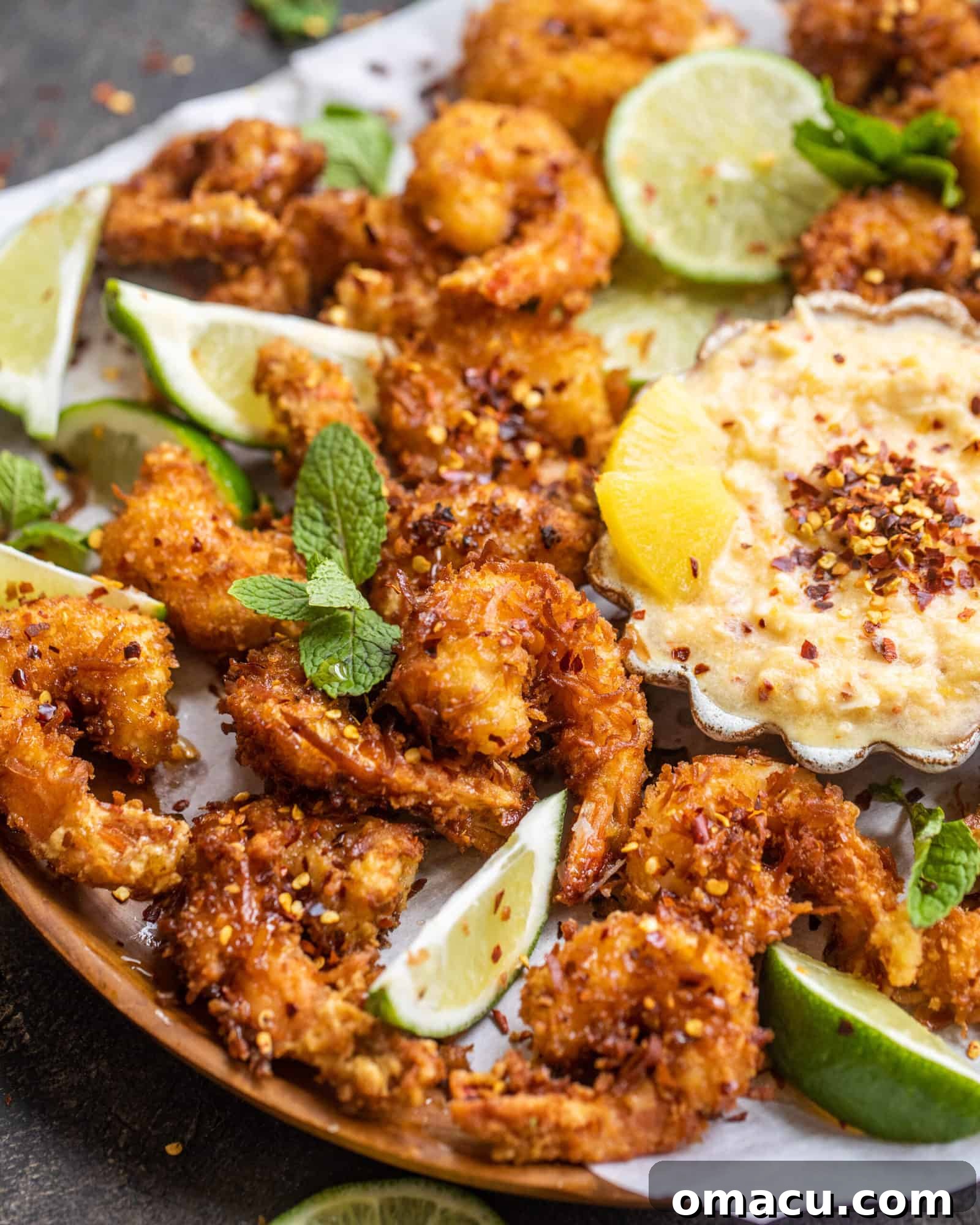
Crafting the Perfect Coconut Shrimp: Ingredients & Preparation
Let’s dive into the essentials! To achieve that ideal balance of crispy exterior and juicy interior, selecting the right ingredients is key. Starting with quality jumbo shrimp is paramount. Ensure your workspace is organized for a smooth breading process.
What You’ll Need for the Shrimp:
- Jumbo Shrimp: Approximately 2 lbs, thawed. Always opt for raw shrimp that are peeled and deveined, preferably with the tails on for presentation and easy handling.
- Milk: 1 cup, for a brief soak that tenderizes the shrimp and helps the flour adhere.
- Eggs: 3 large eggs, whisked to form the liquid binder for the breading.
- All-Purpose Flour: 1 cup, the initial coating layer.
- Seasonings: 2 tsp Red Pepper Flakes (adjust to your heat preference), 2 tsp Onion Powder, 1 tsp Garlic Powder, and a generous pinch of Salt and Pepper to taste. These seasonings infuse the shrimp and coating with incredible flavor.
- Panko Breadcrumbs: 1 cup. Panko is crucial here for its superior crispiness compared to regular breadcrumbs.
- Sweetened Coconut Flakes: 1 cup, providing that signature sweet, tropical crunch. (You can use traditional breadcrumbs if panko is unavailable, but the texture won’t be quite the same.)
- Vegetable Oil: For deep frying. Ensure you have enough to fill your pot with at least 3 inches of oil.
- Honey: 3 tbsps, for drizzling over the finished shrimp. This simple addition beautifully enhances the coconut flavor and adds a touch of gourmet sweetness.
For the Irresistible Sweet Dipping Sauce:
A phenomenal coconut shrimp deserves an equally phenomenal dipping sauce. This sweet and tangy concoction perfectly complements the fried shrimp. You’ll need:
- Coconut Cream: 1/4 cup. This is essential for a rich, thick, and creamy sauce. Canned coconut cream, not coconut milk, is critical for the right consistency.
- Crushed Pineapples: 1/2 cup, adding natural sweetness and a lovely tropical tang.
- Red Pepper Flakes: 1 tsp, for a subtle hint of warmth.
- Lemon Juice: 1/4 cup, and 1 tsp Lemon Zest, to brighten the flavors and add acidity.
- Sweetened Coconut Flakes: 3 tbsps, to further enhance the coconut profile.
- Powdered Sugar: 3 tbsps, for additional sweetness and smooth texture.
- Pinch of Salt: To balance the flavors.
If you prefer a savory kick, these crispy fried shrimp are also fantastic with a zesty Boom Boom Sauce!
Now that we’ve gathered all our ingredients, let’s get cooking and transform these simple items into a sensational dish!
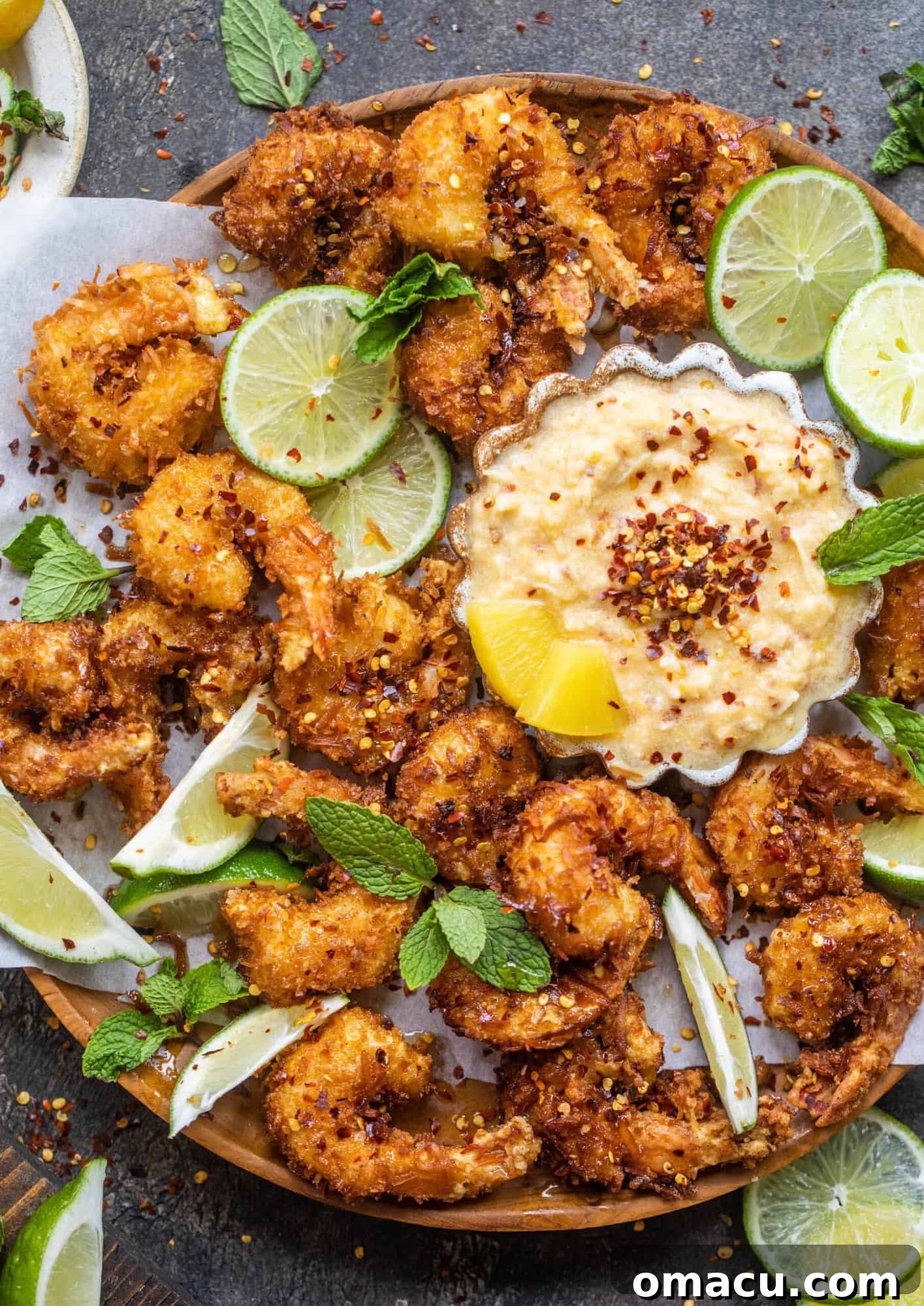
Step-by-Step Guide: Achieving Golden-Crisp Perfection
Follow these instructions carefully to ensure your coconut shrimp turn out perfectly crispy and juicy every time.
- Prepare the Shrimp: Begin by rinsing your thawed jumbo shrimp thoroughly under cold water. Pat them completely dry with paper towels – this is crucial for the coating to stick properly. Submerge the shrimp in a bowl of milk for 10-15 minutes. This brief soak helps tenderize the shrimp and aids in the adherence of the flour coating.
- Heat the Oil: While the shrimp are soaking, begin heating your frying oil. Fill a sturdy pot with about 3 inches of vegetable oil. Heat the oil over medium heat until it reaches a temperature of 340-360 degrees Fahrenheit (170-182°C). Using a deep-fry thermometer is highly recommended for accuracy.
- Set Up Breading Stations: Prepare three separate shallow mixing bowls.
- Bowl 1 (Dry): Combine the all-purpose flour, red pepper flakes, onion powder, garlic powder, salt, and pepper. Whisk well to ensure the seasonings are evenly distributed.
- Bowl 2 (Wet): Crack the eggs into this bowl and whisk them thoroughly with a fork until smooth.
- Bowl 3 (Crispy Coating): In the third bowl, combine the panko breadcrumbs and the sweetened coconut flakes. Mix them together gently.
- Breading the Shrimp: Remove the shrimp from the milk, shaking off any excess. Dredge each shrimp first in the flour mixture, ensuring it’s fully coated on all sides. Gently shake off any excess flour. Next, submerge the flour-coated shrimp into the whisked egg mixture, allowing any extra egg to drip off. Finally, thoroughly coat the shrimp in the panko and sweetened coconut flakes mixture, pressing gently to ensure a thick, even layer of breading. Place the breaded shrimp on a cooling rack (or a baking sheet lined with parchment paper) and repeat the process for all remaining shrimp.
- Chill for Crispiness: For the absolute crispiest results, place the breaded shrimp in the freezer for 20 minutes. This helps the coating set and prevents it from falling off during frying, resulting in a more golden and robust crust.
- Fry the Shrimp: Carefully add the chilled shrimp to the hot oil, frying 3-4 pieces at a time to avoid overcrowding the pot and lowering the oil temperature. Fry until the shrimp turn a beautiful golden brown and the coconut coating is crispy, which typically takes about 3-5 minutes per batch.
- Drain and Serve: Using a slotted spoon or spider, remove the fried shrimp from the oil and transfer them to a cooling rack placed over paper towels to drain any excess oil. Once all shrimp are fried, arrange them on a serving dish and generously drizzle honey over the top. Gently toss to coat for an extra touch of sweetness that perfectly complements the coconut flavor.
Crafting the Perfect Sweet Dipping Sauce
This sweet and tangy dipping sauce is the ideal accompaniment for your crispy coconut shrimp. Its bright flavors cut through the richness of the fried shrimp, creating a harmonious bite.
To make the sauce, simply combine the crushed pineapples, coconut cream, red pepper flakes, lemon juice, sweetened coconut flakes, powdered sugar, and lemon zest in a food processor or a small blender. Pulse until all ingredients are well combined and the sauce is smooth. It’s truly that simple and easy, yet incredibly delicious and bursting with tropical flavor!
Pro Tips for Flawless Coconut Shrimp
- Thawing is Key: Always ensure your shrimp are completely thawed prior to cooking. For the best texture and results, I highly recommend using frozen jumbo shrimp, which often retain more freshness than “fresh” shrimp that may have been previously frozen.
- Efficient Breading Station: To streamline the cooking process and maintain cleanliness, meticulously set up your three-bowl breading station in a logical order: flour, then egg, then panko/coconut flakes. This minimizes mess and ensures a consistent coating.
- Oil Temperature Control: Maintaining an oil temperature of approximately 340-360 degrees F (170-182°C) is crucial. If the oil is too hot, the coconut flakes will burn before the shrimp cooks through. If it’s too cool, the shrimp will absorb too much oil and become greasy. A deep-fry thermometer is your best friend here.
- Don’t Overcrowd the Pot: Fry the shrimp in small batches (3-4 at a time). Overcrowding the pot significantly lowers the oil temperature, leading to soggy, oily shrimp rather than crispy ones.
- Fresh Citrus Boost: A squeeze of fresh lime juice over the finished shrimp just before serving adds a wonderful burst of acidity and brightness that perfectly complements the rich flavors. It’s a small touch that makes a big difference!
- Prep Ahead: You can bread the shrimp a few hours in advance and keep them refrigerated on a baking sheet until you’re ready to fry. The freezer chill step can be done even longer, ensuring maximum crispiness.
Frequently Asked Questions About Coconut Shrimp
It is important to use canned coconut cream – not coconut milk – for this dipping sauce. Coconut cream is significantly thicker and richer, which is essential for achieving the desired creaminess, body, and texture in the sauce. Coconut milk will result in a much thinner consistency.
For the best results with coconut shrimp, I highly recommend using either large or jumbo shrimp. These larger sizes provide a more substantial canvas for the coconut breading to adhere to, resulting in a satisfyingly crispy exterior and a juicy, tender interior. Make sure they are already peeled and deveined, with the tails still on for easy handling and presentation. You can find more details about shrimp sizing here!
Absolutely, using frozen shrimp is not only acceptable but often preferred! Many “fresh” shrimp at the seafood counter have already been frozen and thawed, so buying them frozen can ensure optimal freshness until you’re ready to cook. To thaw, simply place the frozen shrimp in a colander under cold running water, shaking occasionally. Let them thaw in cold water for 10-20 minutes until completely pliable. Avoid using hot water, as it can start cooking the shrimp.
I strongly advise against reheating coconut shrimp in the microwave! Microwaving will inevitably turn the shrimp rubbery and completely destroy its crispy coating. To properly reheat, I recommend placing the shrimp on a baking sheet and warming them in a preheated oven at 350 degrees F (175°C) for a few minutes, until they are heated through and the coating regains some crispness.
While sweetened coconut flakes are ideal for this recipe’s flavor and texture, if you need a substitute to enhance coconut flavor, you could consider unsweetened coconut flakes (adjust sugar in sauce accordingly), a tiny bit of coconut extract, or even a splash of coconut water or milk in other recipes where moisture is needed. For the coating, the flakes are primarily for texture and visible coconut, so panko alone would be the closest textural substitute, though the coconut flavor would be reduced.
Yes, it’s entirely possible to make this coconut shrimp recipe gluten-free! Simply replace the all-purpose flour with a 1-to-1 gluten-free baking flour, such as Bob’s Red Mill Gluten-Free 1-to-1 Baking Flour. You can use the same quantities as regular flour, so no complicated conversions are needed.
Absolutely! For a lighter alternative, you can bake or air fry coconut shrimp. Follow all the recipe steps for preparing and breading the shrimp. Instead of heating oil:
- To Bake: Preheat your oven to 425 degrees F (220°C). Arrange the breaded shrimp in a single layer on a baking sheet lined with parchment paper. Drizzle lightly with olive oil or spray with cooking spray. Bake for approximately 8-12 minutes, flipping halfway, until they are golden brown and crispy.
- To Air Fry: Preheat your air fryer to 400 degrees F (200°C). Place the breaded shrimp in a single layer in the air fryer basket, ensuring not to overcrowd it. Cook for about 10-15 minutes, shaking the basket or flipping the shrimp halfway through, until they are golden and crispy.
While baked/air-fried shrimp will be delicious, they may not achieve the exact same level of crispiness as deep-fried.
Cooked shrimp will turn pink and opaque. The tails will often curl up into a C-shape. Be careful not to overcook, as shrimp cook very quickly and can become rubbery if left in the heat for too long.
For deep frying, choose an oil with a high smoke point and neutral flavor. Good options include vegetable oil, canola oil, sunflower oil, or peanut oil. These oils can withstand the high temperatures needed for frying without burning or imparting undesirable flavors to your shrimp.
Explore More Easy Shrimp Recipes!
If you’ve enjoyed making this delicious coconut shrimp, you’re sure to love these other fantastic shrimp-centric recipes:
- Shrimp Remoulade
- Classic Low Country Boil
- Cajun Shrimp Tacos with Garlic Lime Ranch
- Quick Sheet Pan Shrimp and Steak Fajitas
- Flavorful Cajun Seafood Boil with Garlic Butter Sauce
- Crispy Shrimp Po’boy with Old Bay Sauce
- Elegant Spring Risotto with Garlic Butter Shrimp
- Refreshing Shrimp Salad Rolls
- Bright Avocado Citrus Shrimp Salad
Want more delicious and beautiful recipes delivered straight to your inbox? Subscribe to my newsletter to receive the latest seasonal creations and culinary inspiration as soon as they’re released!
If you make this incredible Crispy Coconut Shrimp recipe, please share your culinary triumphs! Leave a star rating and comment below to let me know how it turned out. You can also tag @BritneyBreaksBread on Instagram and use the hashtag #britneybreaksbread so I can celebrate your beautiful creations!
Crispy Coconut Shrimp with Sweet Dipping Sauce
Equipment
- Pot (for frying)
- Mixing Bowls (3 shallow bowls)
- Deep-fry thermometer (recommended)
- Cooling Rack
Ingredients
- 2 lbs jumbo shrimp, thawed, peeled, and deveined (tails on)
- 1 cup milk
- 3 eggs, whisked
- 1 cup all-purpose flour
- 2 tsp red pepper flakes (adjust to taste)
- 2 tsp onion powder
- 1 tsp garlic powder
- Salt and pepper to taste
- 1 cup panko breadcrumbs
- 1 cup sweetened coconut flakes
- Vegetable oil, for frying (approx. 3 inches deep in pot)
- 3 tbsps honey, for drizzling
Sweet Dipping Sauce
- 1/4 cup coconut cream (canned, not milk)
- 1/2 cup crushed pineapples
- 1 tsp red pepper flakes
- 1/4 cup lemon juice
- 3 tbsps sweetened coconut flakes
- 3 tbsps powdered sugar
- 1 tsp lemon zest
- Pinch of salt
Instructions
- Prepare Shrimp & Oil: Rinse shrimp and soak in milk for 10-15 minutes. While shrimp soaks, begin heating oil. Fill a pot with 3 inches of vegetable oil and heat until about 340-360 degrees F (170-182°C).
- Set Up Breading Stations: Gather three mixing bowls. In one bowl, add flour, red pepper flakes, onion powder, garlic powder, salt, and pepper. In the second bowl, add eggs and whisk with a fork. In the third bowl, combine panko and sweetened coconut flakes.
- Breading Process: Remove shrimp from milk, pat dry. Dredge shrimp in the flour mixture, ensuring it’s coated on both sides, then submerge in the egg, then dredge thoroughly in the panko/coconut flakes mixture, pressing gently. Add to a cooling rack and repeat for all shrimp. Freeze for 20 minutes to set the coating.
- Fry Shrimp: Fry shrimp, 3-4 at a time, until golden brown and crispy, about 3-5 minutes. Remove from oil and place on a cooling rack or paper towel to drain excess oil.
- Serve: Add to a serving dish and drizzle honey on top. Gently toss to coat.
- Make Dipping Sauce: To make the sweet dipping sauce, combine all dipping sauce ingredients in a food processor and blend until smooth. Serve alongside the warm coconut shrimp.
Notes
- Do not allow oil to become too hot, or else the coconut flakes will char quickly.
- If sensitive to spice, reduce the amount of red pepper flakes in both the shrimp coating and the dipping sauce.
- For the sweet dipping sauce, it is critical to use canned coconut cream (the thick, solid part that separates in the can), not coconut milk, as the creaminess and texture are vital for the sauce’s consistency.
Nutrition
Carbohydrates: 13g,
Protein: 7g,
Fat: 4g,
Saturated Fat: 3g,
Polyunsaturated Fat: 1g,
Monounsaturated Fat: 1g,
Trans Fat: 1g,
Cholesterol: 67mg,
Sodium: 253mg,
Potassium: 117mg,
Fiber: 1g,
Sugar: 6g,
Vitamin A: 183IU,
Vitamin C: 2mg,
Calcium: 43mg,
Iron: 1mg
Nutrition information is automatically calculated, so should only be used as an approximation.
Tried this recipe?
Mention @BritneyBreaksBread or tag #BritneyBreaksBread!