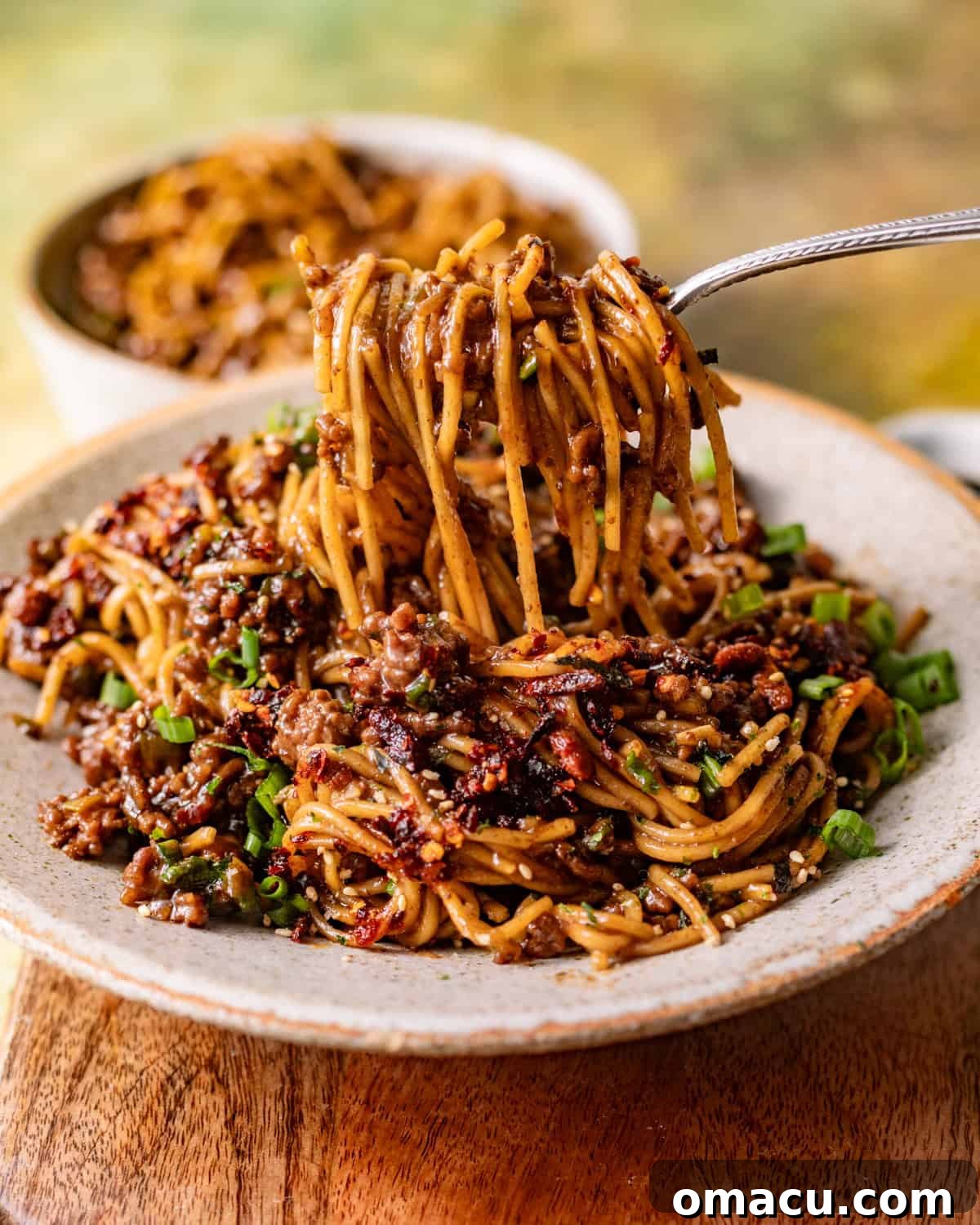
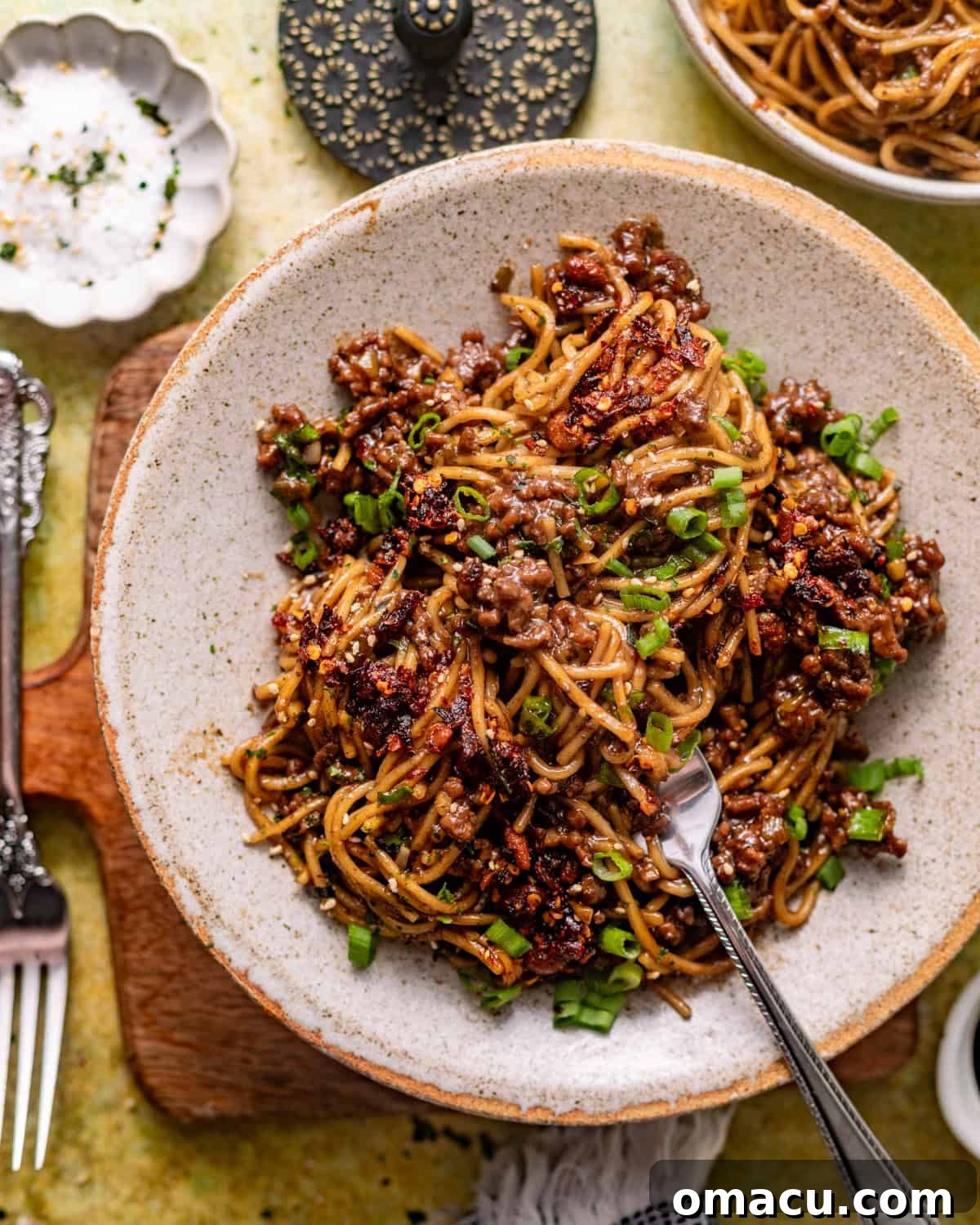
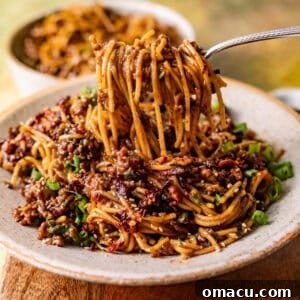
Prepare for an explosion of flavor with these incredible Mongolian Ground Beef Noodles! This recipe delivers a perfectly balanced symphony of taste, featuring savory, crispy ground beef, wonderfully tender noodles, and a luxurious, glossy garlic-soy sauce that clings to every single strand. Best of all, this crowd-plepleasing dish comes together in under 30 minutes, using readily available ingredients – making it the absolute ideal choice for those hectic weeknights when you crave something truly delicious without spending hours in the kitchen.
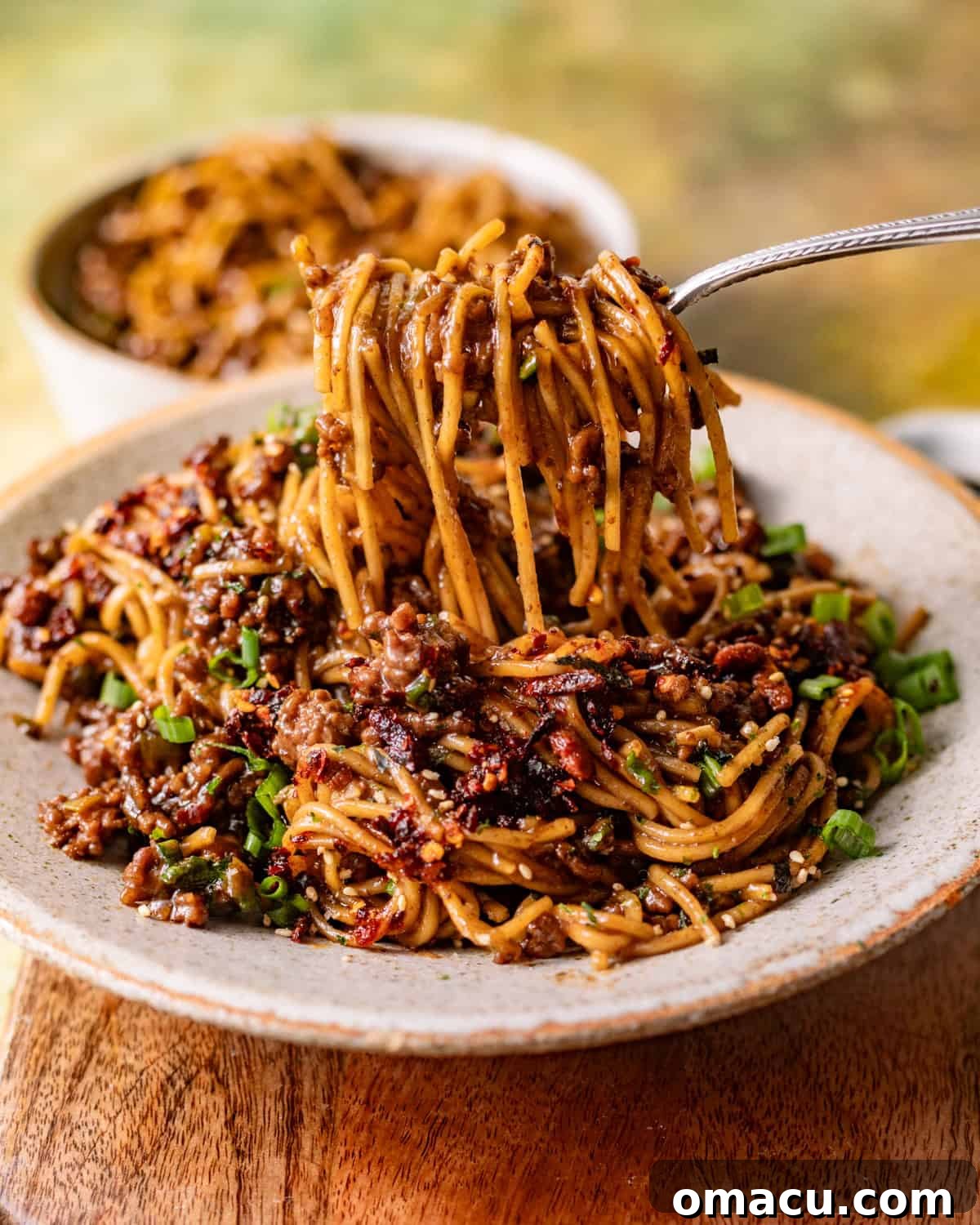
This is the ultimate answer to those dinner dilemmas where you desire robust, restaurant-quality flavor without the mountain of dishes or complex steps. Picture this: succulent ground beef infused with rich Mongolian flavors, perfectly cooked noodles, all coated in a glistening, irresistible sauce. It’s a culinary triumph that’s quick to prepare and always hits the spot. Expect low effort, maximum reward, and as always, an abundance of unforgettable taste!
Mongolian Ground Beef Noodles: At a Glance
- 🥒 Prep Time: 8 mins – Minimal chopping, maximum efficiency.
- 🍳 Cook Time: 20 mins – From raw ingredients to a ready-to-eat meal.
- 🕛 Ready In: 28 mins – Faster than takeout!
- 👥 Serves: 4-5 – Perfect for family dinners or meal prepping.
- 🔥 Cook Method: Skillet browned beef, pan-tossed noodles – Simple, one-pan friendly approach.
- 🥣 Flavor Profile: A delightful blend of savory and sweet, with prominent garlicky notes and a subtle, warming hint of fresh ginger.
- ⭐ Difficulty: Very Easy! – Ideal for beginners and seasoned cooks alike.
Why You’ll Love This Mongolian Ground Beef Noodles Recipe
- Unbeatable Flavor: This dish truly punches above its weight in terms of taste. The combination of savory beef, aromatic garlic and ginger, and a perfectly balanced sweet and salty sauce creates a flavor profile that’s utterly addictive and reminiscent of your favorite Asian takeout.
- Lightning-Fast: With a prep time of just 8 minutes and a cook time of 20, you can have a hearty, delicious meal on the table in under half an hour. It’s the ultimate solution for those busy weeknights when time is of the essence.
- Simple Ingredients: You won’t need any exotic specialty items for this recipe. All the ingredients are easily found at your local grocery store, making it a convenient and accessible meal to prepare anytime.
- Minimal Cleanup: Cooked primarily in one large skillet, this recipe significantly cuts down on dishwashing, allowing you more time to enjoy your meal and less time scrubbing pots and pans.
- Family Favorite: The sweet and savory notes appeal to almost everyone, making it a surefire hit with kids and adults alike. It’s a great way to introduce new flavors in a familiar noodle format.
- Customizable: Easily adapt this recipe to your preferences by adding your favorite vegetables, adjusting the spice level, or swapping out proteins. It’s versatile and forgiving!
If you’re on the hunt for more quick and easy weeknight meals that don’t skimp on flavor, be sure to try my Steak Fried Rice or my irresistible Crispy Chili Beef!
Table of Contents
- Mongolian Ground Beef Noodles: At a Glance
- Why You’ll Love This Mongolian Ground Beef Noodles Recipe
- Key Ingredients Explained
- Substitutions and Variations
- How To Make Mongolian Beef Noodles: Step-by-Step
- Expert Tips for Success
- Serving Suggestions
- Recipe FAQs
- More Asian Inspired Recipes
Key Ingredients Explained
(A comprehensive list of all ingredients with exact measurements can be found in the detailed recipe card at the bottom of this post.)
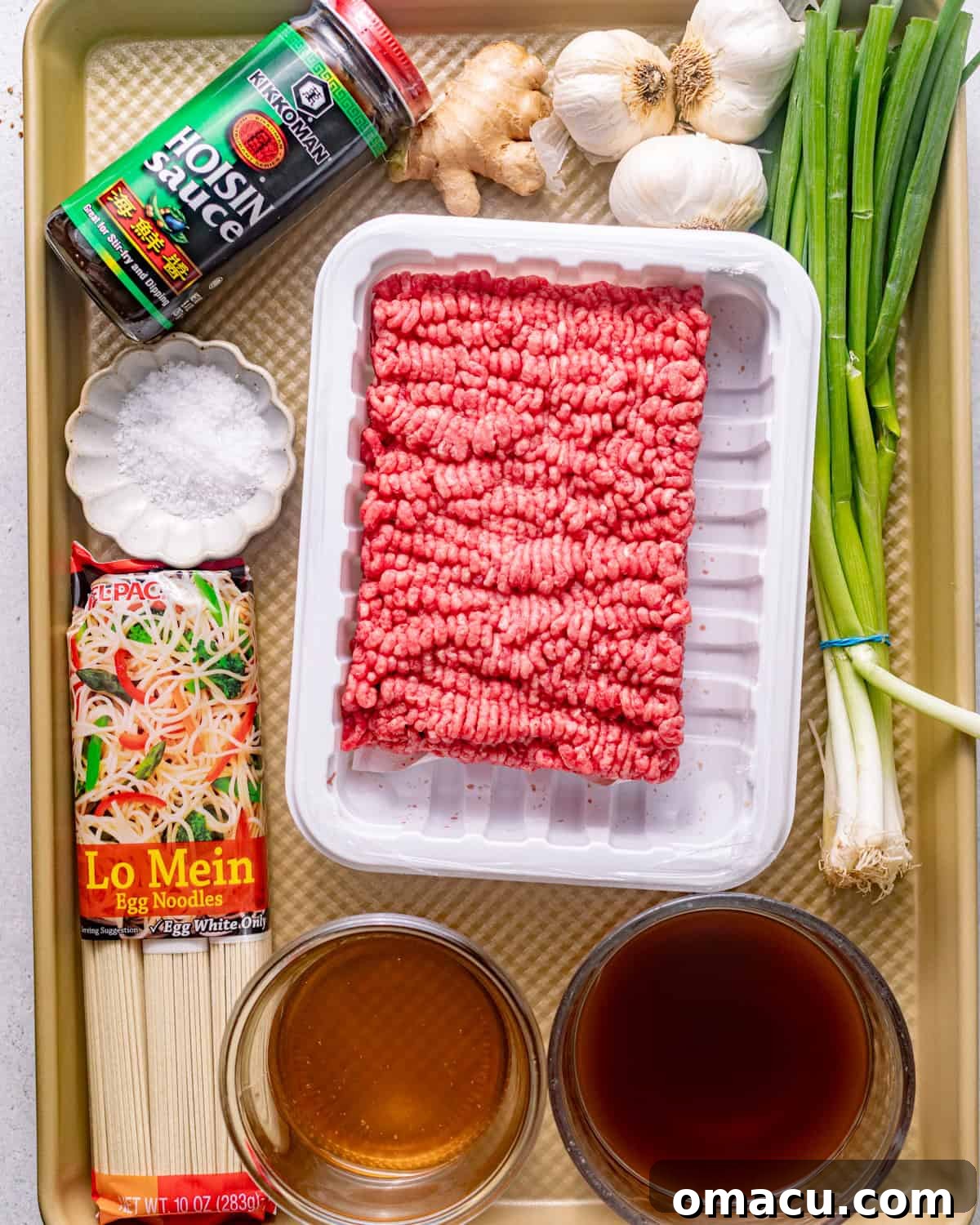
- Ground Beef: The star of the show! Ground beef is a fantastic choice here because it cooks quickly and efficiently, readily absorbing all the delicious flavors of the sauce. It provides a rich, savory foundation without requiring extensive marinating time, making it perfect for a fast-paced recipe. I prefer 80/20 ground beef for a good balance of flavor and texture.
- Soy Sauce: A foundational element in Asian cuisine, soy sauce is indispensable for its umami depth. It brings a profound savory note that elevates the entire sauce, contributing to its bold and complex character.
- Fresh Ginger: This aromatic root is crucial for adding warmth, a subtle peppery bite, and a delightful freshness. Ginger expertly cuts through the richness of the beef and the sweetness of the sauce, ensuring the dish remains vibrant and prevents it from tasting heavy or one-dimensional. Using fresh ginger is key for the best flavor.
- Hoisin Sauce: This thick, fragrant, and wonderfully complex sauce is what gives Mongolian beef its signature salty-sweet profile. It’s a blend of fermented soybeans, garlic, vinegar, and various spices, providing an unparalleled depth of flavor.
- Honey: Essential for balancing the inherent saltiness of the soy and hoisin sauces. Honey introduces that classic Mongolian-style sweetness, while also aiding in the caramelization process when the sauce is cooked, resulting in an even richer flavor and a beautiful, glossy sheen.
- Lo Mein Noodles: These soft, chewy wheat noodles are absolutely perfect for soaking up the luscious sauce. Their mild flavor ensures that the robust beef and sauce remain the focal point, while their delightful texture offers that satisfying, slurp-worthy experience characteristic of great noodle dishes.
- Cornstarch: The secret to a perfectly thick and glossy sauce. Cornstarch acts as a thickening agent, ensuring the sauce coats every piece of beef and every noodle, rather than separating and pooling at the bottom of the bowl. It creates that desirable sticky, cohesive texture.
- Garlic: Freshly minced garlic is a must for its pungent aroma and robust flavor, forming the backbone of the savory sauce.
- Scallions (Green Onions): Used both in cooking and as a garnish, scallions add a mild oniony flavor and a pop of freshness and color. The white parts are cooked with the beef for flavor, while the green tops are sprinkled on top for a fresh finish.
- Onion Powder: Provides an additional layer of savory onion flavor that complements the garlic and ginger.
- Beef Broth: Used to thin out the sauce to the perfect consistency and add another layer of savory richness, deepening the overall beefy flavor.
- Beef Bouillon: A concentrated beef flavor enhancer that truly amplifies the savory notes in the sauce.
- Red Pepper Flakes (Optional): For those who enjoy a hint of heat, red pepper flakes introduce a gentle warmth that can elevate the overall flavor profile without overpowering it.
- Sesame Seeds (for garnish): A simple yet effective garnish that adds a subtle nutty crunch and visual appeal to the finished dish.
Substitutions and Variations
This Mongolian Ground Beef Noodles recipe is incredibly versatile and can be easily adapted to suit your dietary needs or ingredient availability. Don’t be afraid to get creative!
- Noodle Alternatives: While lo mein noodles are ideal for their texture and sauce-absorbing qualities, you have several excellent alternatives. Rice noodles offer a gluten-free option and a different textural experience. Ramen noodles (just the noodles, discard the seasoning packet) can work in a pinch for a quick fix. Some adventurous cooks even use everyday pasta like linguine or spaghetti for a similar long-strand noodle effect. Remember, the goal is a noodle that can hold its own against the robust sauce.
- Sweetener Swap: If honey isn’t available or you prefer an alternative, brown sugar is a fantastic substitute. I recommend using about 1/2 cup of brown sugar to achieve a similar level of sweetness and help with sauce caramelization. You can adjust this to your taste.
- Protein Power-Ups: Not a fan of ground beef, or simply looking for a change? This recipe works beautifully with other ground meats. Ground turkey or ground chicken are excellent lean substitutes that will still soak up the savory sauce wonderfully. For a vegetarian option, consider firm or extra-firm tofu, pressed and crumbled, or even a plant-based ground meat alternative.
- Gluten-Free Option: Making this dish gluten-free is simple! Ensure you use your favorite gluten-free noodles (like rice noodles or dedicated GF pasta). For the sauce, swap out regular soy sauce for tamari, which is a gluten-free soy sauce alternative, or coconut aminos for a soy-free, gluten-free option with a slightly milder flavor. Always double-check ingredient labels for hidden gluten.
- Spice It Up or Down: The recipe includes optional red pepper flakes for a gentle warmth. If you love heat, feel free to increase the amount or add a dash of sriracha or chili garlic sauce to your serving. For a milder dish, simply omit the red pepper flakes.
- Add Vegetables: Boost the nutrition and visual appeal by incorporating your favorite vegetables! Bell peppers (any color), broccoli florets, snap peas, shredded carrots, mushrooms, or baby spinach are all fantastic additions. Stir-fry them with the ground beef or add them in during the last few minutes of sauce simmering until tender-crisp.
- Citrus Brightness: A squeeze of fresh lime juice or a tiny bit of rice vinegar at the very end can add a bright, acidic finish that cuts through the richness and enhances the overall flavor.
- Nutty Notes: A drizzle of sesame oil or a sprinkle of chopped peanuts or cashews can add another layer of flavor and texture.
How To Make Mongolian Beef Noodles: Step-by-Step
Expert Tips for Success
Achieve perfect Mongolian Ground Beef Noodles every time with these valuable insights:
- Finely Mince Aromatics: For the best texture and flavor distribution, make sure your fresh ginger and garlic are very finely minced. This ensures they blend seamlessly into the sauce without creating chunky bits, allowing their flavors to infuse beautifully into every bite.
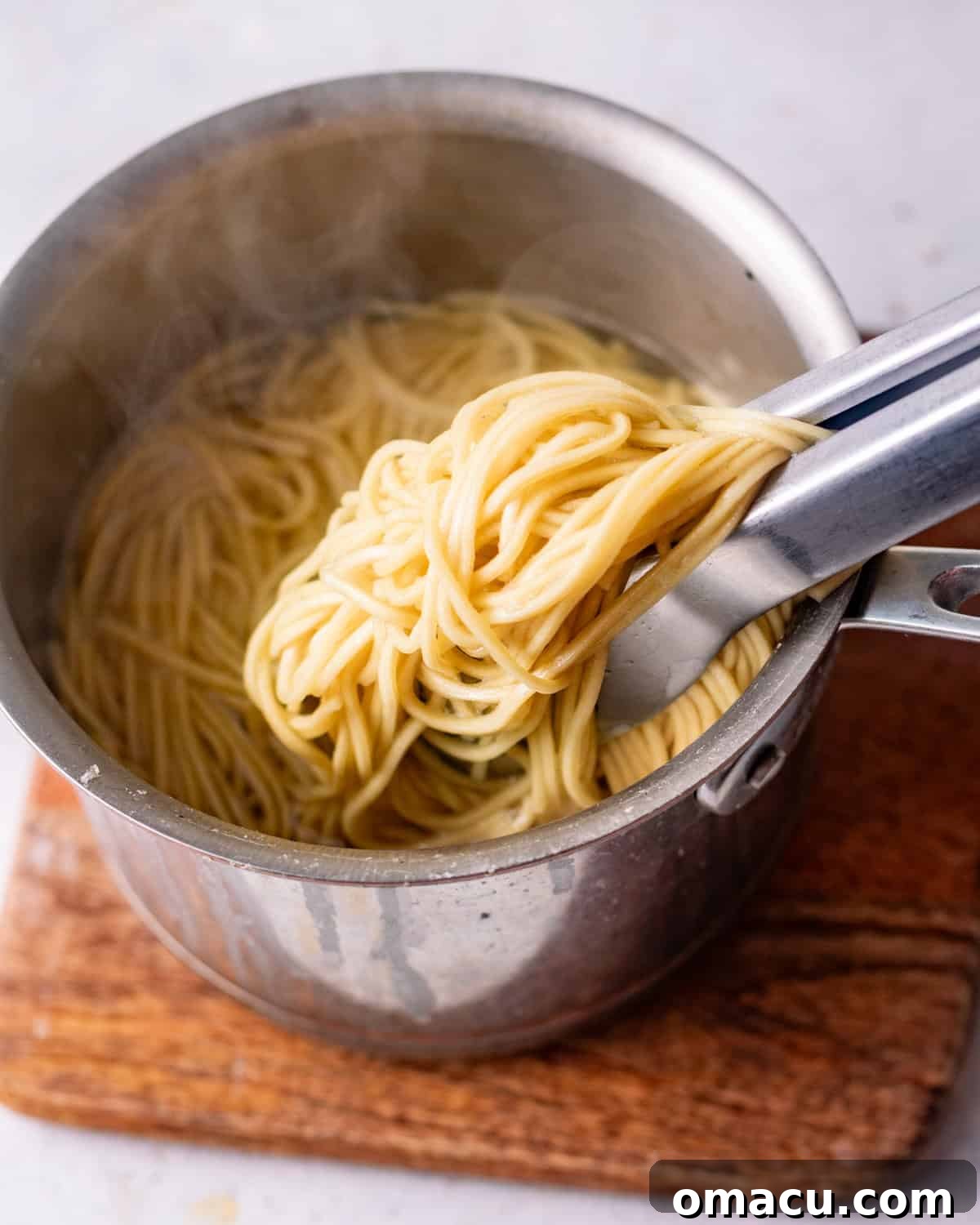
- Timing is Key for Noodles: Start cooking your noodles towards the end of the beef cooking process. Noodles can become stiff and clumpy if they sit out for too long after draining. The goal is to cook them until al dente, drain them immediately, and then add them directly to the simmering sauce. This prevents them from drying out and allows them to finish cooking gently in the flavorful sauce, absorbing all the goodness without becoming mushy.
- Don’t Overcook Noodles: Always cook your lo mein noodles (or any chosen noodle type) just until al dente. They will continue to cook slightly when tossed with the hot sauce, so taking them off the heat when they still have a slight bite will ensure they remain perfectly textured, never soggy.
- Taste and Adjust: The beauty of cooking is being able to tailor it to your palate. Before serving, always taste the finished dish. If you desire more depth and savory flavor, add a splash more soy sauce. For a sweeter balance, a drizzle of extra honey will do the trick. If the sauce has become too thick, a small splash of hot water or beef broth can help loosen it to the perfect consistency.
- Hot Skillet for Crispy Beef: Ensure your skillet is adequately hot before adding the ground beef. A hot pan helps to quickly brown the beef, creating those desirable crispy bits that add texture and flavor. Don’t overcrowd the pan; cook in batches if necessary, though 1 lb typically fits well in a large skillet.
- Keep Stirring the Sauce: Once the cornstarch-thickened sauce is added, stir frequently. This prevents the sauce from sticking to the bottom of the pan and ensures it thickens evenly to that beautiful, glossy consistency.
- Fresh Ingredients Matter: While convenience is great, using fresh garlic and ginger will significantly enhance the flavor profile compared to powdered alternatives (though onion powder is used for depth).
Serving Suggestions
Mongolian ground beef noodles are a complete meal on their own, but they pair wonderfully with fresh, crunchy, or light sides that complement their bold, savory, and sweet flavors. Here are some ideas to elevate your dining experience:
- Simple Green Salad: A crisp green salad with a light vinaigrette offers a refreshing contrast to the rich noodles.
- Steamed or Roasted Vegetables: Think vibrant green sides like perfectly steamed broccoli, blanched asparagus, or roasted green beans. These add essential nutrients and a satisfying crunch. Our Steamed Broccoli recipe is a perfect pairing!
- Crispy Fried Tofu: For added protein or a vegetarian side, crunchy fried tofu offers a delightful textural contrast and can soak up any extra sauce.
- Edamame: Steamed and lightly salted edamame pods are a simple, healthy, and fun appetizer or side.
- Cucumber Salad: A quick Asian-inspired cucumber salad, perhaps with a touch of sesame oil and rice vinegar, would provide a cool and tangy counterpoint.
- For the Full Takeout Experience: Go all out with these takeout-style pairings! Serve your noodles alongside delectable Crab Rangoon Egg Rolls and a comforting bowl of Miso Soup. This combination will make you feel like you ordered from your favorite restaurant.
- Additional Garnishes: Don’t forget extra fresh scallions, a drizzle of chili oil for heat, or a sprinkle of toasted sesame seeds for an extra nutty flavor and visual appeal.
Recipe FAQs
Lo mein noodles or rice noodles are truly ideal for this dish because of their excellent texture and ability to absorb the rich sauce. However, you have plenty of flexibility! Other great options include udon noodles for a chewier bite, ramen noodles (without the seasoning packet) for a quick alternative, or even standard spaghetti or linguine if that’s what you have on hand. The most important factor is choosing a noodle that can effectively hold onto the savory sauce without becoming mushy or breaking apart easily.
It’s important to note that this dish is an *inspired* take, not a traditional Mongolian cuisine. “Mongolian” in this context refers to the bold, savory-sweet flavor profile commonly found in Americanized Chinese takeout dishes, drawing on key ingredients like soy sauce, garlic, ginger, and a rich, slightly caramelized sauce. It’s a style that offers a fantastic umami kick and a satisfying balance of flavors, designed for maximum deliciousness and ease of preparation.
Absolutely, and it’s highly recommended for added nutrition and texture! Bell peppers (red, green, or yellow), crisp broccoli florets, vibrant snap peas, thinly shredded carrots, sliced mushrooms, or even a handful of baby spinach are all fantastic additions. You can stir-fry harder vegetables like broccoli or carrots with the ground beef, or add softer vegetables like bell peppers or spinach during the last few minutes of the sauce simmering so they become tender-crisp. They pair perfectly with the bold flavors of the sauce.
Storing leftovers is simple. Transfer any cooled Mongolian ground beef noodles to an airtight container and refrigerate them for up to 3-4 days. To reheat, you can gently warm them on the stovetop in a skillet over medium heat, adding a splash of water or beef broth to help loosen the sauce and prevent the noodles from drying out. Alternatively, microwave them in 30-second intervals, stirring in between, until heated through. The flavors often deepen beautifully overnight!
Certainly! If you enjoy a kick of heat, you can increase the amount of red pepper flakes in the sauce. For an even more fiery experience, consider adding a dash of sriracha or chili garlic sauce directly to the skillet when tossing the noodles, or offer them as condiments at the table for individual customization.
More Asian Inspired Recipes to Explore
Main Course
Orange Chicken with Rice
Main Course
Sweet and Sour Chicken Recipe
Main Course
Chinese Fried Chicken Wings
Main Course
Teriyaki Chicken Bowl
Want more delicious and beautiful recipes delivered straight to your inbox? Subscribe to my newsletter to receive the latest seasonal creations as soon as they’re released and never miss a mouth-watering meal idea!
If you make this incredible Mongolian Ground Beef Noodles recipe, please consider leaving a star rating on the recipe card below and sharing your thoughts in the comments section! Your feedback is invaluable. You can also proudly tag @BritneyBreaksBread on Instagram and use the hashtag #britneybreaksbread so I can celebrate your beautiful culinary creations!
Mongolian Ground Beef Noodles
Britney
8
20
28
4-5
Equipment
-
Large Skillet (preferably non-stick)
-
Mixing Bowls
-
Whisk
-
Large Pot (for noodles)
Ingredients
Main Ingredients
- 1 lb Ground Beef, (I used 80/20 ground beef)
- 2 tsp Onion Powder
- 1 tbsp Fresh Ginger, (peeled and minced)
- 5 cloves Garlic, (minced)
- Salt and Black Pepper, (to taste)
- 10 oz Lo Mein Noodles
- 1 bunch Scallions, (chop and separate white onion bottom from green top)
- Sesame Seeds, (for garnish)
Sauce Ingredients
- 1/2 cup Soy Sauce
- 1/2 cup Beef Broth, (or water)
- 1/2 tsp Beef Bouillon
- 3 tbsp Hoisin Sauce
- 1/3 cup Honey
- 1 tsp Red Pepper Flakes, (optional, adjust to taste)
- 2 tbsp Cornstarch
Instructions
-
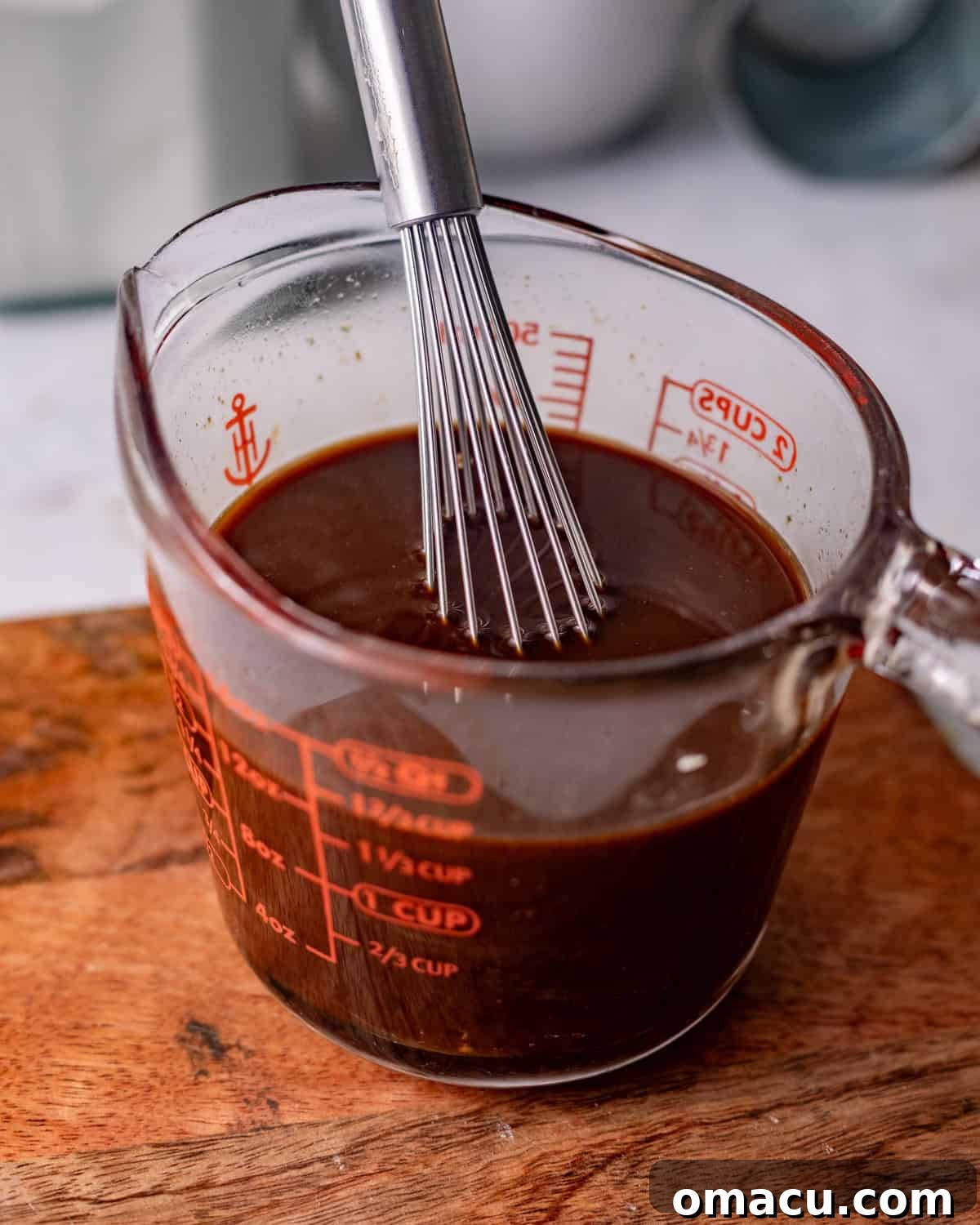
In a medium-sized bowl, whisk together the sauce ingredients: 1/2 cup Soy Sauce, 1/2 cup Beef Broth, 1/2 tsp Beef Bouillon, 3 tbsp Hoisin Sauce, 1/3 cup Honey, 1 tsp Red Pepper Flakes (if using), and 2 tbsp Cornstarch. Whisk until smooth and the cornstarch is completely incorporated. Set aside.
-
Chop 1 bunch Scallions, separating the white onion bottom sections from the green top sections. The white parts will be cooked, and the green tops used as garnish.
-
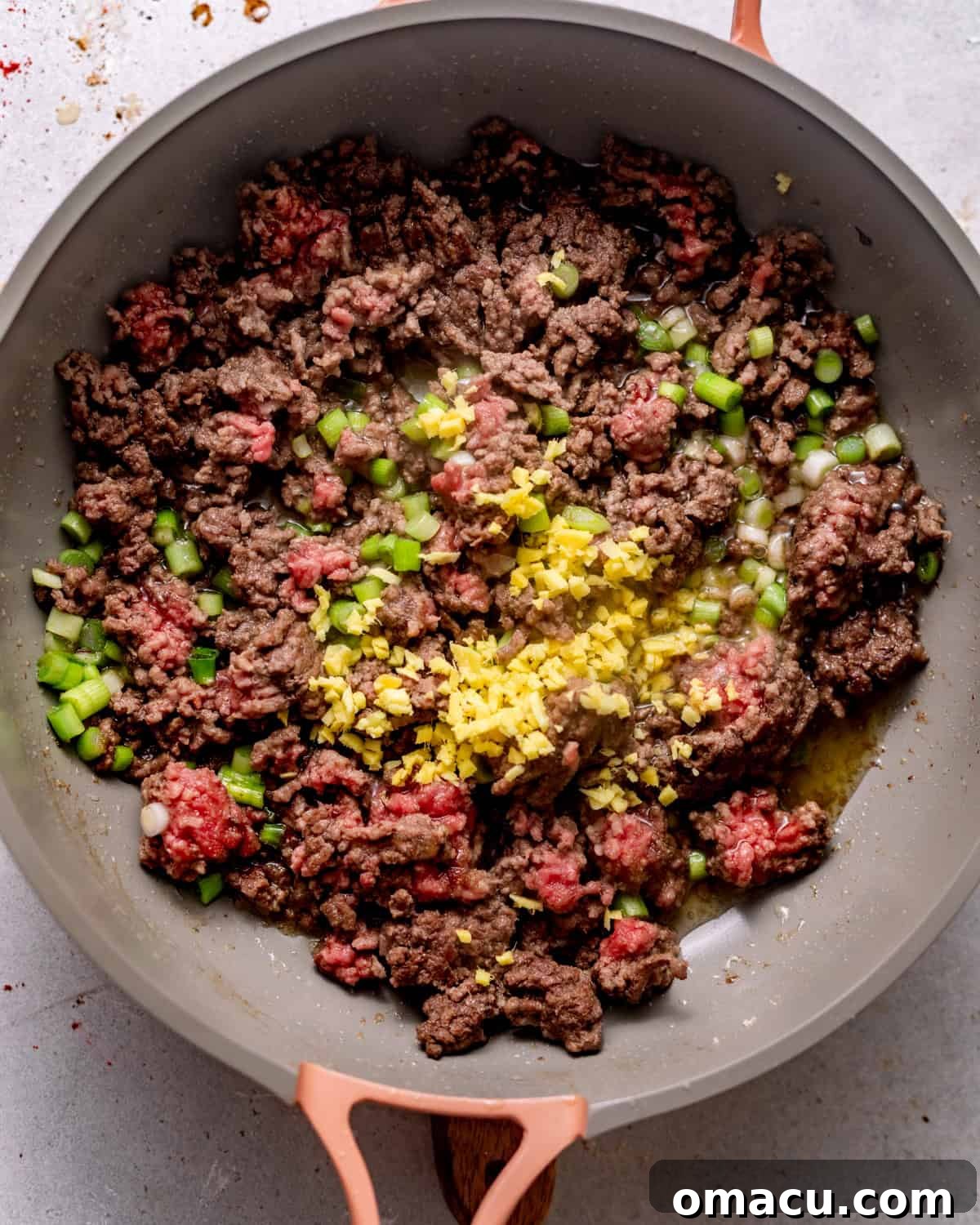
In a large skillet over medium-high heat, add 1 lb Ground Beef and the white part of the scallions. Cook for 2-3 minutes, breaking the meat apart with a spoon. Then, add 2 tsp Onion Powder, 1 tbsp Fresh Ginger (minced), 5 cloves Garlic (minced), and Salt and Black Pepper to taste. Continue to cook, stirring frequently, until the beef is no longer pink and fully cooked through, about 7-10 minutes.
-
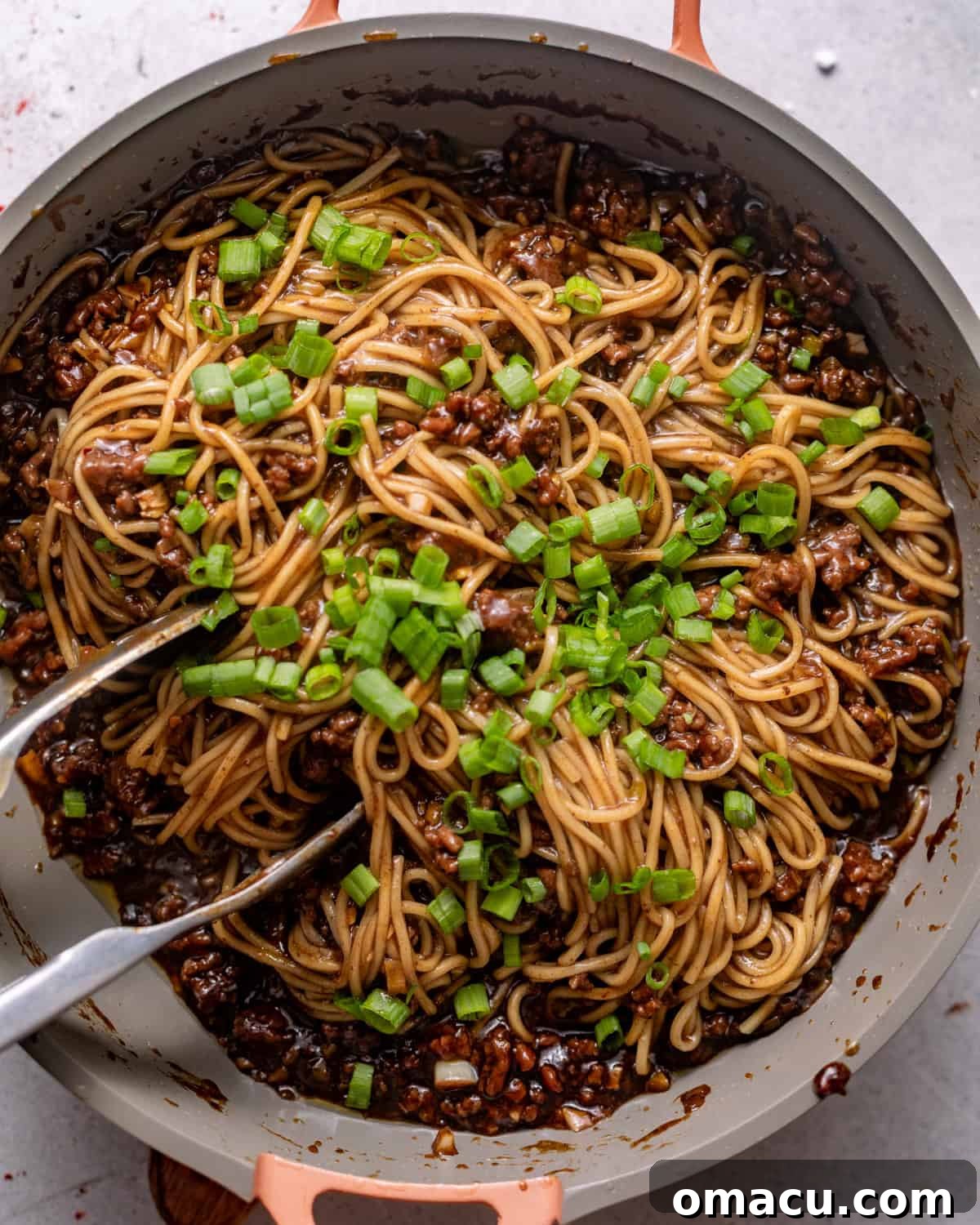
Pour the prepared sauce mixture into the skillet with the cooked beef. Cook, stirring frequently, until the sauce thickens to a glossy consistency, which should take approximately 5-7 minutes.
-
While the beef and sauce are cooking, bring a large pot of water to a boil. Add 10 oz Lo Mein Noodles and cook according to package instructions until al dente. Drain the noodles thoroughly and immediately add them to the ground beef mixture in the skillet. Toss everything together until the noodles are well coated. Serve hot, topped with the chopped green scallions and a sprinkle of Sesame Seeds. Enjoy your delicious, homemade Mongolian Ground Beef Noodles!
Notes
- Mince the ginger and garlic really well so that the sauce isn’t chunky and the flavors are evenly distributed.
- The noodles should be cooked towards the end of the beef and sauce preparation. Cook them just until al dente, drain immediately, and add them right to the sauce to prevent them from drying out or becoming stiff from starches.
- Cook lo mein noodles just until al dente so they finish cooking perfectly in the sauce without getting mushy.
- Taste and adjust at the end: add more soy sauce for depth, additional honey for balance and sweetness, or a splash of water or beef broth if the sauce becomes too thick.
- Consider adding a handful of your favorite stir-fry vegetables, such as bell peppers or broccoli florets, during the last few minutes of cooking the sauce for an extra boost of nutrition and color.
Nutrition
Carbohydrates: 88g,
Protein: 30g,
Fat: 25g,
Saturated Fat: 9g,
Polyunsaturated Fat: 1g,
Monounsaturated Fat: 10g,
Trans Fat: 1g,
Cholesterol: 81mg,
Sodium: 1817mg,
Potassium: 523mg,
Fiber: 3g,
Sugar: 27g,
Vitamin A: 209IU,
Vitamin C: 3mg,
Calcium: 54mg,
Iron: 3mg
Nutrition information is automatically calculated and should only be used as an approximation. Values may vary based on specific ingredients and cooking methods.
Tried this recipe?
Mention @BritneyBreaksBread or tag #BritneyBreaksBread!