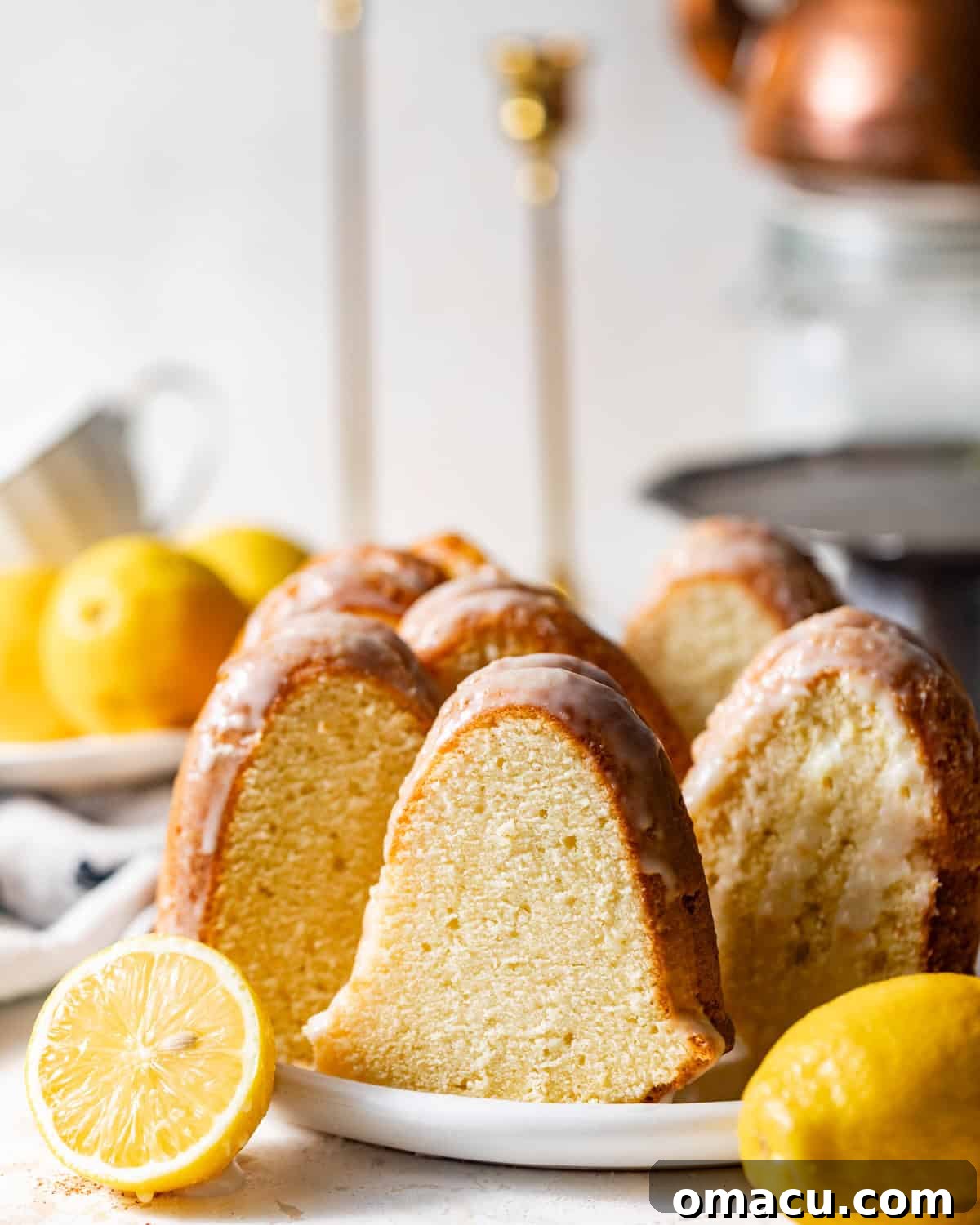
The Ultimate Moist & Buttery Lemon Buttermilk Pound Cake
Prepare to bake the most exquisite lemon buttermilk pound cake you’ve ever tasted! This classic dessert boasts an incredibly buttery, moist, and tender crumb, infused with vibrant, fresh lemon flavor. Our foolproof recipe ensures every slice is a pure delight, reminiscent of a treasured family recipe passed down through generations. Made with rich buttermilk and fragrant lemon juice, then brushed with a bright lemon syrup, this cake reaches new heights of citrus perfection. To crown this masterpiece, a tart lemon glaze adds the final flourish, creating a dessert that is both elegant and comforting.
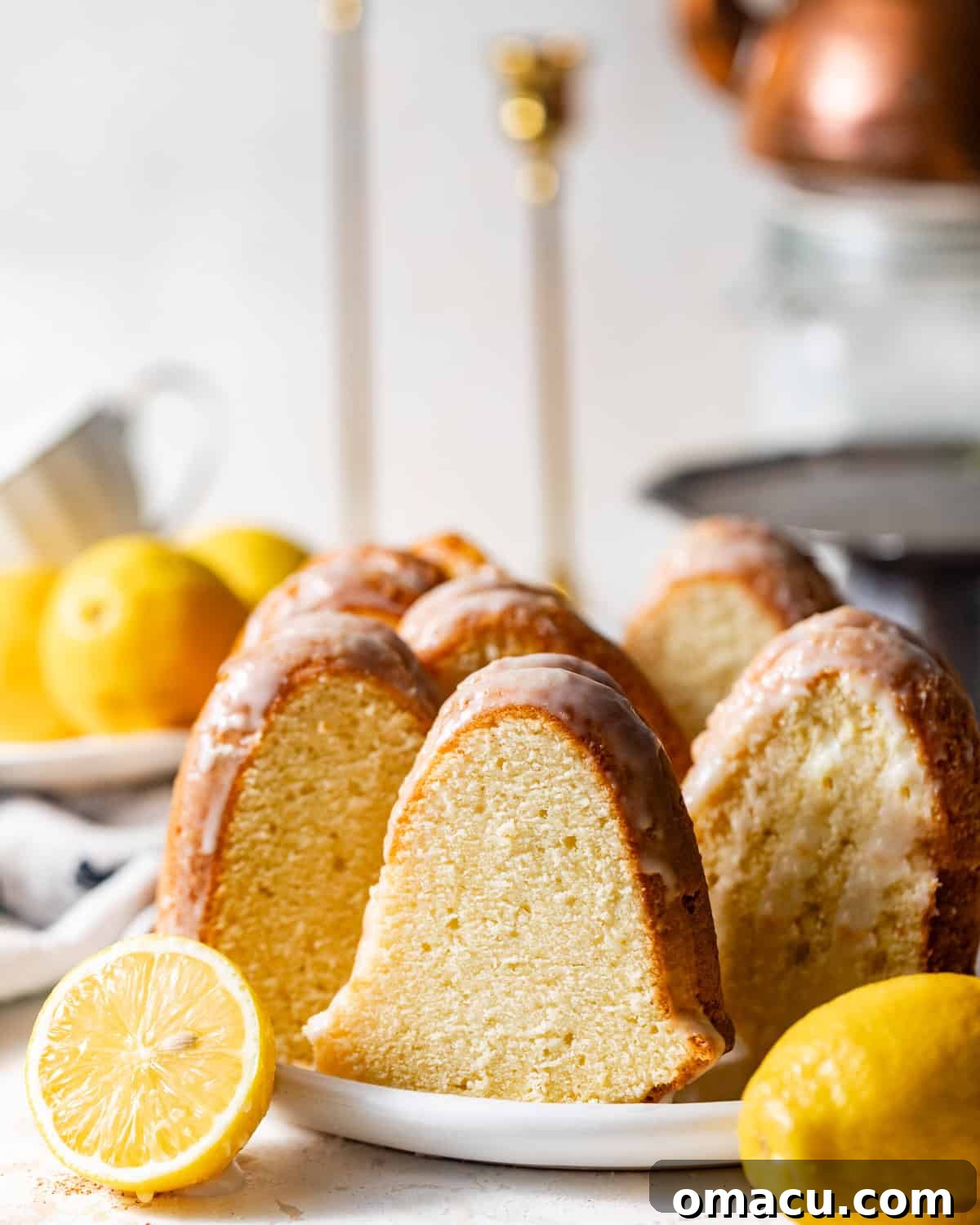
Why This Lemon Buttermilk Pound Cake Recipe is Unbeatable
What makes this particular lemon buttermilk pound cake stand out from the rest? It’s a combination of time-honored techniques and carefully selected ingredients that guarantee a consistently perfect bake. Here’s a deeper dive into the secrets behind its undeniable charm:
- Unrivaled Tenderness from Buttermilk: Buttermilk isn’t just an ingredient; it’s a secret weapon in achieving an incredibly soft and delicate cake crumb. Its gentle acidity works magic by tenderizing the gluten in the flour, preventing the cake from becoming tough. This acidity also reacts beautifully with the baking powder, providing an extra boost of leavening that results in a taller, fluffier cake. The slight tang of buttermilk also enhances the bright lemon notes, creating a complex flavor profile that keeps the cake tasting fresh and moist for days.
- Intense Lemon Flavor Through Zest Infusion: For a truly aromatic lemon cake, don’t skip the crucial step of rubbing fresh lemon zest directly into the granulated sugar. This simple yet powerful technique releases the essential oils trapped within the lemon peel, infusing the sugar with potent citrus aroma and flavor. As the sugar and butter cream together, this lemon-infused sugar permeates every inch of the batter, ensuring an even and intense lemon flavor throughout the entire cake, from the first bite to the last. This creates a depth of flavor that a simple splash of lemon juice alone cannot achieve.
- Achieving That Perfect Sky-High Rise: A hallmark of a classic pound cake is its impressive stature. This recipe achieves a beautiful, lofty rise primarily through the diligent creaming of butter and sugar. This process isn’t just about combining ingredients; it’s about incorporating countless tiny air pockets into the mixture. As the cake bakes, these trapped air pockets expand, lifting the batter and giving the pound cake its characteristic tall and plush texture, while still maintaining that dense, rich consistency expected from a traditional pound cake.
If you’re captivated by the bright flavors of lemon and the comforting texture of pound cake, you’ll also adore my Lemon Cream Cheese Pound Cake for an extra rich twist, and the timeless simplicity of my Vanilla Buttermilk Pound Cake.
Essential Ingredients for Your Lemon Buttermilk Pound Cake
Crafting the perfect lemon buttermilk pound cake begins with understanding the role of each ingredient. Below is a breakdown of the key components that come together to create this delectable dessert. (Find the full, detailed ingredient list with precise measurements in the recipe card below.)
- Salted Butter: More than just a fat, butter is the backbone of any good pound cake. It provides incredible richness, contributes to a tender crumb, and imparts that quintessential, luxurious buttery flavor that defines a true pound cake. Using it at room temperature is key for proper creaming.
- Granulated Sugar: This isn’t just for sweetness. Sugar plays a vital role in creating a soft, moist crumb by attracting and retaining moisture. When creamed with butter, it also helps incorporate air, which is essential for the cake’s structure and rise.
- Large Eggs: Eggs are crucial for structure, binding the ingredients together and providing stability. They also contribute to the cake’s rich flavor, tender texture, and golden color. Using room temperature eggs ensures they emulsify better with the butter and sugar, leading to a smoother, more uniform batter.
- Buttermilk: The star ingredient for moisture and tang! Buttermilk’s acidity tenderizes the cake, interacts with leavening agents for a superior rise, and adds a subtle, pleasant tang that beautifully complements and enhances the fresh lemon flavor without being overpowering.
- Vegetable Oil: While butter provides flavor, a small amount of vegetable oil (just 2 tablespoons!) adds an extra boost of moisture, ensuring the cake remains incredibly soft and tender even after cooling. It contributes to a moist texture without adding excess density.
- Lemon Emulsion (or Extract): This is where the lemon flavor truly shines! Lemon emulsions are water-based, making their flavor more robust and less prone to baking off compared to oil-based extracts. If you want that bright, “punchy” lemon flavor that stands up to baking, an emulsion is your best bet. If an emulsion isn’t available, high-quality lemon extract can be used as a substitute, though you might need a bit more to achieve the same intensity.
- Fresh Lemons (Zest and Juice): For an authentic and natural lemon flavor, both the zest and freshly squeezed juice are indispensable. The zest, as mentioned, carries the concentrated citrus oils for aroma, while the juice provides the tartness and adds essential liquid to the batter and glazes.
- Cake Flour: The secret to a delicate, bakery-style crumb. Cake flour has a lower protein content than all-purpose flour, which results in less gluten development. This means a softer, more tender, and melt-in-your-mouth cake texture, distinct from the chewier texture that higher protein flours might yield.
How to Bake the Perfect Lemon Buttermilk Pound Cake: A Step-by-Step Guide
Follow these detailed steps to create a lemon buttermilk pound cake that will impress everyone!
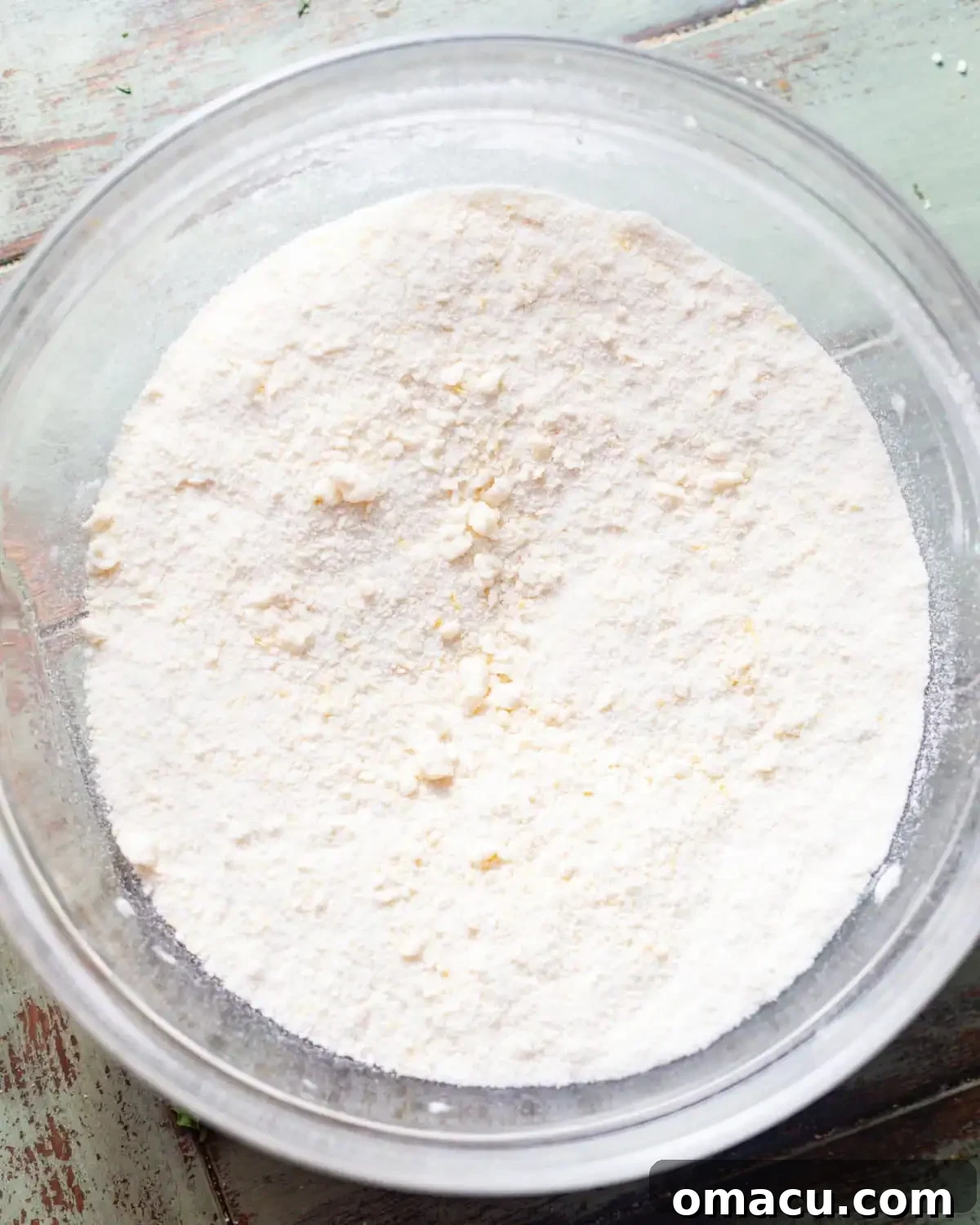
Prepare Your Lemon-Infused Sugar: In a large mixing bowl, combine the granulated sugar and fresh lemon zest. Use your fingertips to rub the zest into the sugar for about 2-3 minutes. You’ll notice the sugar turn a pale yellow and become intensely fragrant as the natural oils from the zest are released. This foundational step is key to a truly lemony cake.
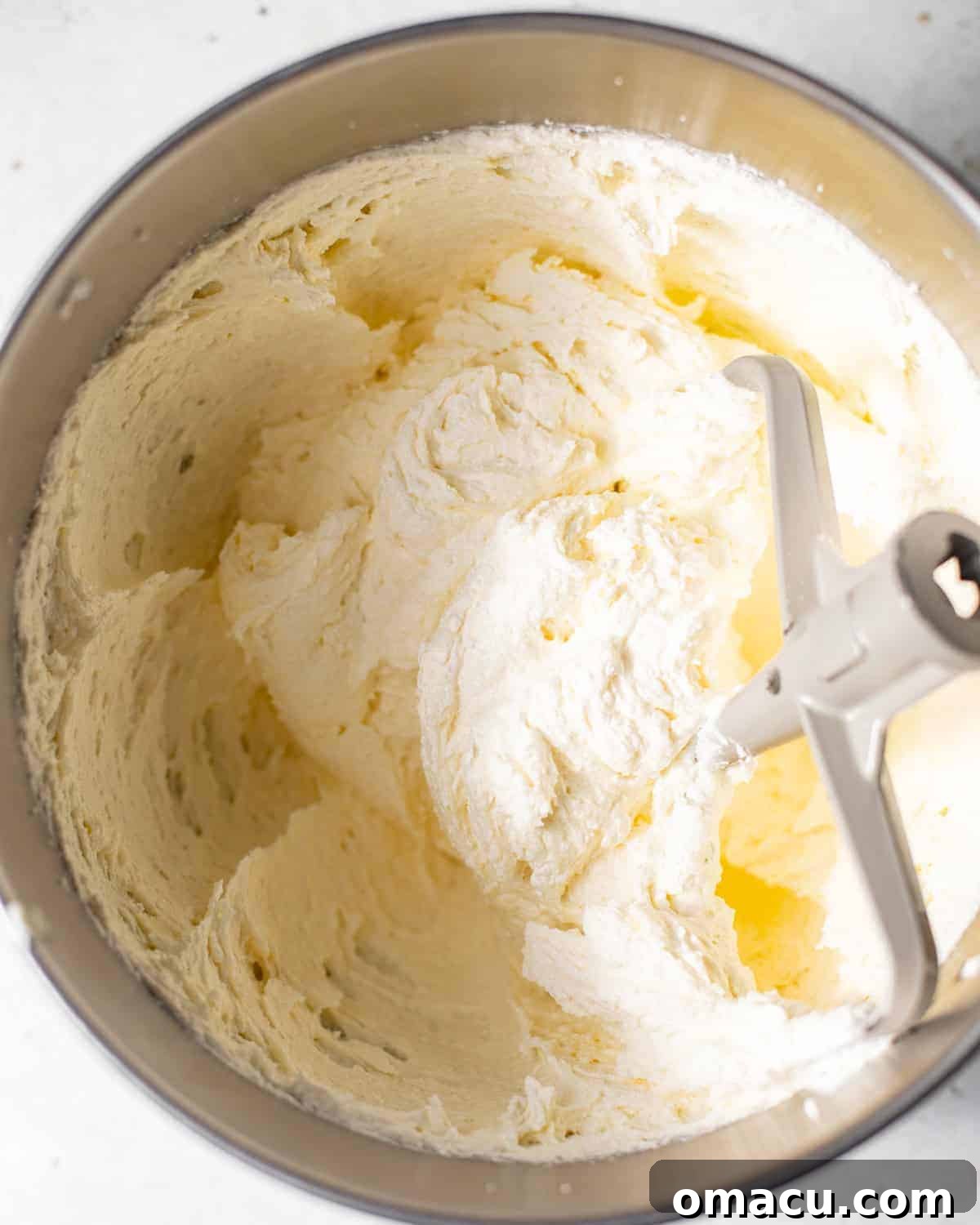
Cream Butter and Sugar to Perfection: Using a stand mixer fitted with the paddle attachment (or an electric hand mixer), beat the room temperature butter, the lemon-infused sugar, and vegetable oil together on medium speed for at least 5 minutes. The mixture should become visibly lighter in color and fluffy in texture. Scrape down the sides of the bowl midway through. Next, add the eggs one at a time, beating well after each addition until fully incorporated, ensuring a smooth and cohesive batter.
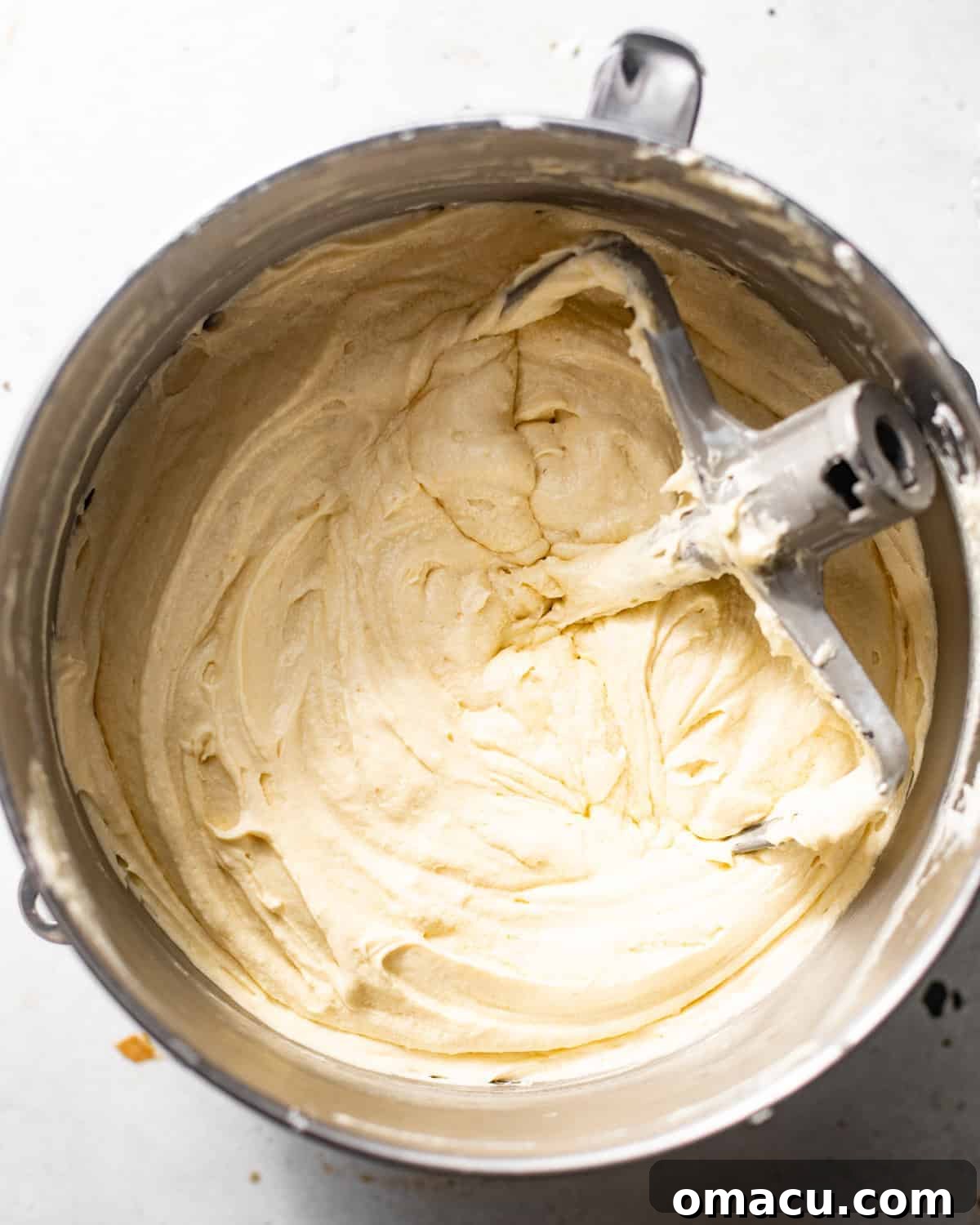
Assemble Your Batter: Gradually add the dry ingredients and the liquid ingredients (buttermilk, lemon juice, lemon emulsion, and vanilla/almond extracts) to the creamed mixture in alternating additions. Begin and end with the dry ingredients. Mix on low speed just until combined after each addition to prevent overmixing. The goal is a smooth, thick batter. Once combined, pour the batter evenly into your thoroughly greased 12-cup bundt pan. Bake in a preheated oven until the cake is golden brown and a toothpick inserted into the center comes out with only a few moist crumbs, indicating it’s perfectly cooked.
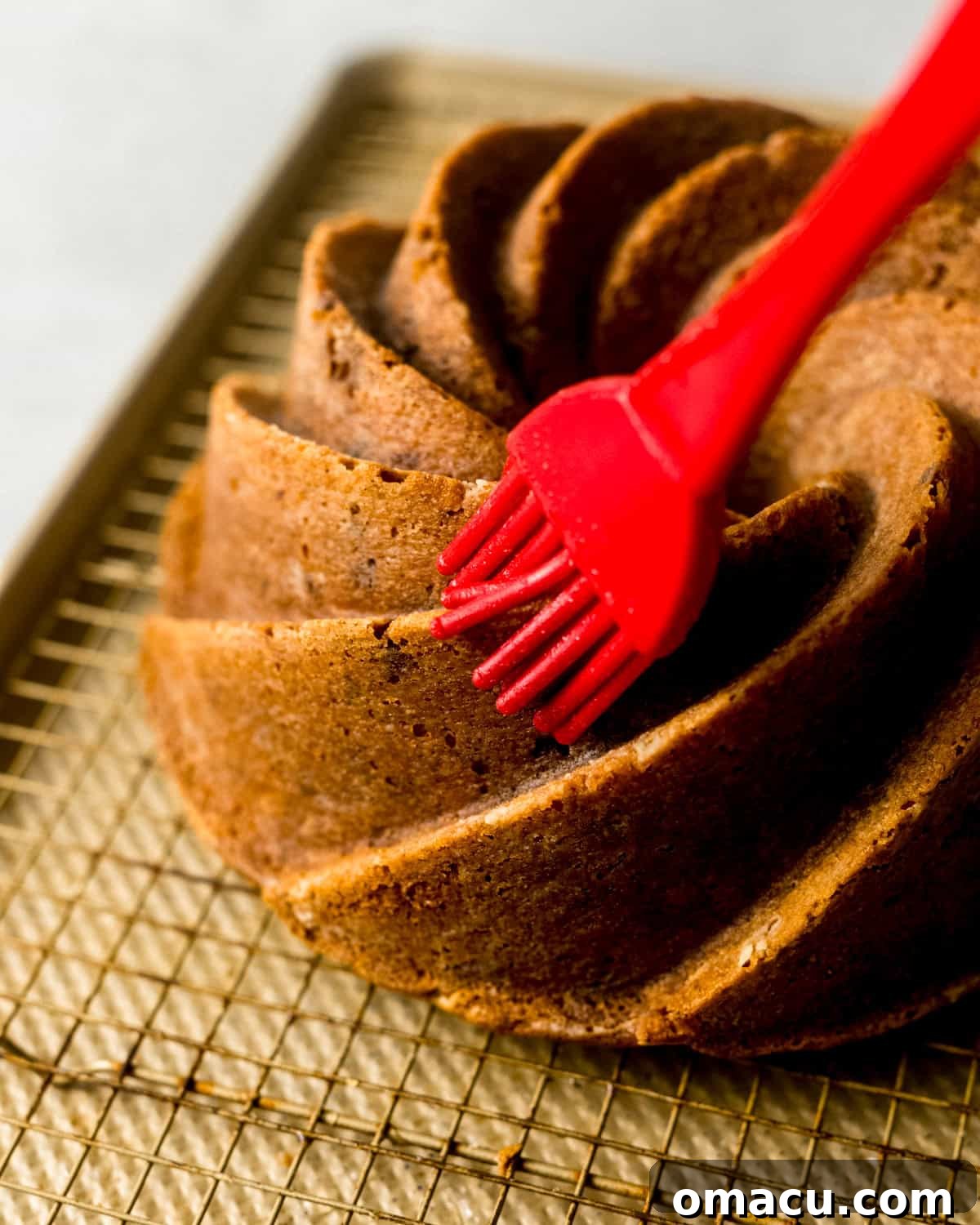
Prepare and Apply Lemon Simple Syrup: While the cake is still warm from the oven, prepare the lemon simple syrup by gently heating water and sugar until the sugar dissolves. Stir in the lemon juice. As soon as the cake is out of the oven, generously poke holes all over its surface with a skewer or toothpick. Drizzle about half of the warm lemon syrup evenly over the cake. Allow the cake to rest in the pan for 10-15 minutes, then carefully invert it onto a wire cooling rack. Brush the remaining lemon syrup over the entire cake, ensuring maximum absorption and flavor. Let the cake cool completely before glazing.
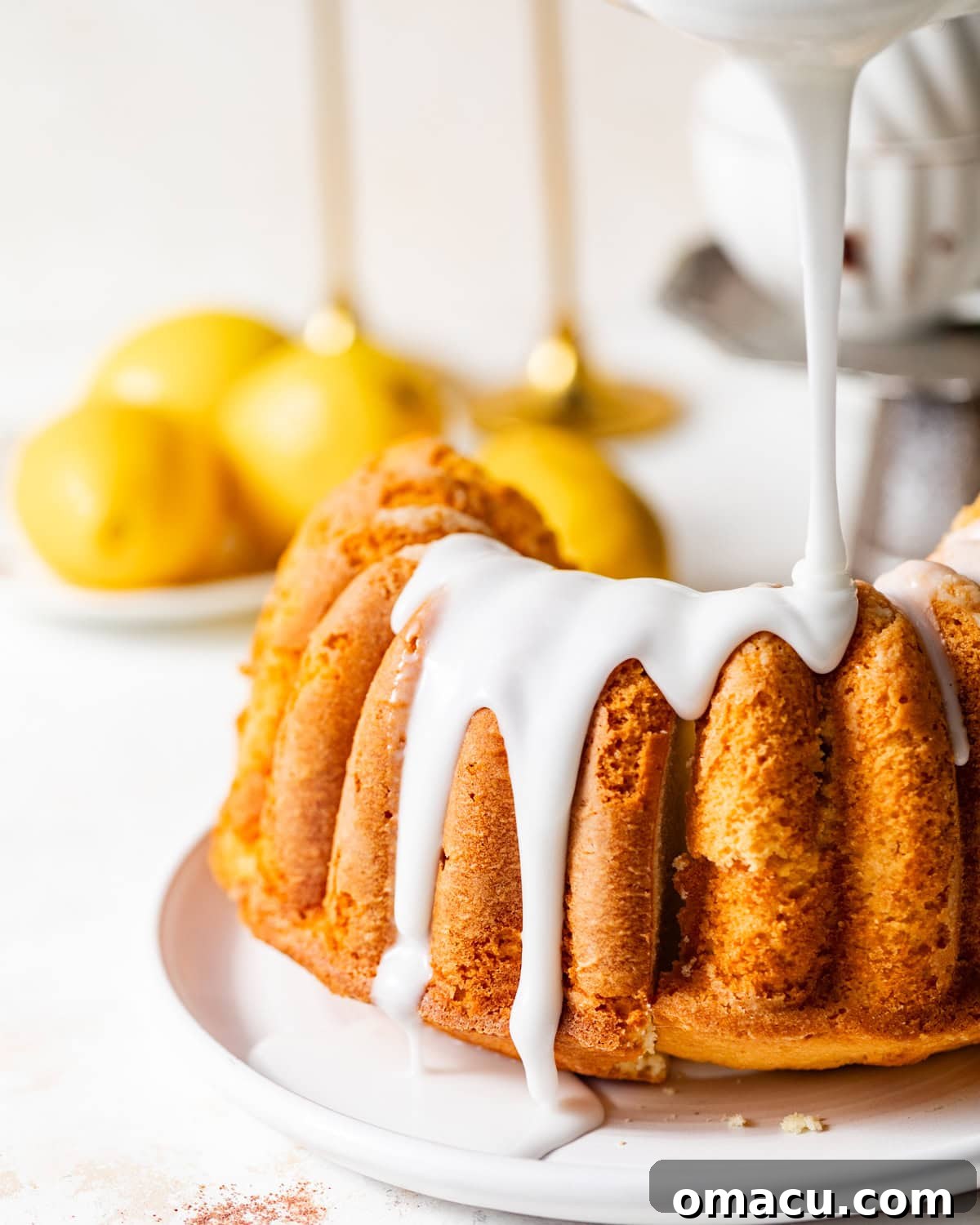
Glaze Your Masterpiece: Once your lemon buttermilk pound cake has completely cooled, prepare the lemon glaze. In a medium bowl, whisk together confectioners’ sugar, melted butter, and fresh lemon juice until smooth and pourable. Start with 2 tablespoons of lemon juice and add more, a teaspoon at a time, until you reach your desired consistency – thick enough to cling but thin enough to drizzle. Drizzle this vibrant glaze generously over the cooled cake, allowing it to cascade down the sides. Allow the glaze to set slightly before slicing and serving.
Professional Baking Tips & Common Mistakes to Avoid
Achieving a bakery-quality pound cake is within reach with these expert tips:
- Always Use Room Temperature Ingredients: This is perhaps the most crucial tip for pound cakes. Butter, eggs, and buttermilk that are at room temperature emulsify smoothly with each other, creating a uniform, lump-free batter. Cold ingredients will cause the batter to curdle or become stiff, resulting in a dense or uneven cake texture. Plan ahead and take your ingredients out 1-2 hours before baking.
- Do Not Overmix the Batter: Once you add the flour to your wet ingredients, mix only until the flour streaks disappear. Overmixing develops the gluten in the flour too much, which can lead to a tough, dry, and chewy cake instead of the desired tender and moist crumb. A few seconds of gentle mixing is all it takes after the last addition of flour.
- Measure Ingredients Accurately with a Kitchen Scale: Baking is a science, and precision matters! Too much flour, for instance, is a common culprit for dry cakes. Investing in a kitchen scale for measuring dry ingredients (especially flour) by weight (grams) is the most accurate method. If you don’t have a scale, use the “spoon and level” method for flour: spoon flour lightly into your measuring cup, then level it off with a straight edge, rather than scooping directly from the bag.
- Thoroughly Grease Your Bundt Pan: Pound cakes are notorious for sticking, especially in intricate bundt pans. A well-greased pan is your best defense. You can use a high-quality nonstick baking spray with flour, or make your own “cake release” paste by combining equal parts softened butter (or shortening), flour, and vegetable oil, then brushing it into every crevice of the pan. Ensure complete coverage!
- Properly Cream the Butter and Sugar: This step is foundational for the cake’s structure and texture. Under-creaming means you haven’t incorporated enough air, leading to a denser, heavier cake. Cream the butter, sugar, and oil together for the full recommended time (usually 5-7 minutes), until the mixture is light in color and fluffy in texture. This creates the essential air pockets needed for a lofty and tender cake.
- Don’t Rush the Cooling Process: It’s tempting to glaze and slice a warm cake, but patience is key. The cake continues to set as it cools, and applying glaze to a warm cake will cause it to melt and absorb rather than form a beautiful, even coating. Ensure the cake is completely cool before adding the glaze for the best presentation and texture.
- Check for Doneness Properly: A toothpick or skewer inserted into the center of the cake should come out with a few moist crumbs, not wet batter. If it comes out completely clean, the cake might be slightly overbaked. Trust your judgment and your oven.
Lemon Buttermilk Pound Cake: Your Questions Answered
Yes, you absolutely can! If you don’t have cake flour on hand, you can create a suitable substitute using all-purpose flour. For every cup of all-purpose flour, remove 2 tablespoons of flour and replace it with 2 tablespoons of cornstarch. Sift this mixture together thoroughly before using it in the recipe to mimic the lower protein content and finer texture of cake flour.
Several factors contribute to a moist pound cake. Firstly, the use of buttermilk is critical as its acidity tenderizes the cake and locks in moisture. Secondly, properly creaming the butter and sugar creates a stable emulsion that keeps the cake tender. Thirdly, incorporating a small amount of vegetable oil adds extra moisture. Finally, brushing the cake with lemon simple syrup after baking provides an additional layer of moisture and flavor, helping it stay fresh and delicious for days. Storing it properly at room temperature, wrapped tightly, also plays a big role.
Absolutely! Lemon pound cake freezes wonderfully. Once the cake has cooled completely (and preferably without the glaze, which can get sticky upon thawing), wrap it tightly in several layers of plastic wrap, then an additional layer of aluminum foil. This prevents freezer burn. You can freeze the entire cake or individual slices for up to three months. Thaw it overnight in the refrigerator, then bring it to room temperature before glazing and serving.
Yes, you can easily adapt this recipe for loaf pans. Divide the batter evenly between two standard 8×4 inch loaf pans (ensure they are well-greased and floured). The baking time will be shorter; start checking for doneness around 50-60 minutes by inserting a wooden skewer into the center – it should come out clean. Once baked and cooled slightly, brush with the lemon simple syrup, and then top with the same zesty lemon glaze from this recipe.
To keep your pound cake fresh and moist, store it at room temperature in an airtight container. If you have a cake dome, that works perfectly. If not, cover it tightly with plastic wrap to prevent it from drying out. It will stay delicious for 3-4 days. For longer storage, see the freezing instructions above.
Yes! For a milder lemon flavor, you can reduce the amount of lemon zest or omit the lemon emulsion/extract, relying primarily on the fresh lemon juice. For an even more intense lemon flavor, you can increase the zest by an extra tablespoon and add a touch more lemon emulsion. The lemon simple syrup and glaze are also great places to fine-tune the tartness – add more juice for a tarter finish.
More Zesty Lemon Desserts to Love
If you’re a fan of the bright and refreshing flavor of lemon, you’ll love exploring these other delightful lemon-infused recipes:
Desserts
Lemon Olive Oil Loaf with Lavender Mascarpone
Desserts
Lemon Blackberry Cake
Desserts
Lemon Ricotta Pound Cake
Desserts
Moist Lemon Cake with Lemon Curd
Want more delicious and beautiful recipes delivered straight to your inbox? Subscribe to my newsletter to receive the latest seasonal creations as soon as they’re released!
If you try this incredible lemon buttermilk pound cake recipe, please don’t forget to leave a star rating on the recipe card below and share your thoughts in the comments section! Your feedback is invaluable. You can also tag @BritneyBreaksBread on Instagram and use the hashtag #britneybreaksbread so I can celebrate your beautiful creations!
Lemon Buttermilk Pound Cake Recipe Card

Equipment
-
12 cup bundt pan
-
Stand Mixer (or electric hand mixer)
-
Mixing Bowls
-
Small Saucepan
Ingredients
- 3 1/4 cups (406 g) Cake Flour
- 1 tsp (5 g) Baking Powder
- 1 tsp (3 g) Kosher Salt
- 4 tbsps Lemon Zest, (zest from about 3 lemons)
- 2 1/2 cups (500 g) Sugar
- 1 1/2 cups (340 g) Salted Butter, (room temperature)
- 1 tbsp (14 g) Vegetable Oil
- 5 large (250 g) Eggs, (room temperature)
- 3/4 cup (180 g) Buttermilk
- 2 tbsp (20 g) Lemon Juice
- 1 tbsp (15 g) Lemon Emulsion
- 1/2 tbsp (8 g) Butter Vanilla Emulsion, (or vanilla extract)
- 1/2 tsp Almond Extract
Lemon Simple Syrup
- 1/2 cup (120 g) Water
- 1/2 cup (100 g) Sugar
- 2 tbsp (30 g) Lemon Juice
Lemon Glaze
- 2 cups (250 g) Powdered Sugar
- 4 tbsp (56 g) Salted Butter, (melted)
- 2-3 tbsp (30 g) Lemon Juice
Instructions
-
Preheat your oven to 325 degrees F (160 degrees C). Prepare your 12-cup bundt pan by generously greasing it. You can use a nonstick baking spray with flour or create your own pan release: mix 2 tbsp butter-flavored shortening, 2 tbsp all-purpose flour, and 2 tbsp vegetable oil until smooth, then use a pastry brush to coat the entire inside of the bundt pan, ensuring every crevice is covered to prevent sticking.
-
In a medium mixing bowl, whisk together the dry ingredients: 3 1/4 cups Cake Flour, 1 tsp Baking Powder, and 1 tsp Kosher Salt. Set this mixture aside.
-
In the bowl of a stand mixer, combine 2 1/2 cups Sugar and 4 tbsps Lemon Zest. Rub the zest into the sugar with your hands for 2-3 minutes until the sugar is pale yellow and highly fragrant. Add 1 1/2 cups room temperature Salted Butter and 1 tbsp Vegetable Oil to the bowl. Attach the paddle attachment and beat on medium speed for about 5 minutes until the mixture is light, fluffy, and pale. Scrape down the sides of the bowl once or twice during this process to ensure even creaming.
-
Add the 5 large room temperature Eggs one at a time, beating well after each addition until fully incorporated. After adding the third egg, scrape down the sides of the bowl thoroughly. Continue until all eggs are added. Then, mix in 1 tbsp Lemon Emulsion (or extract), 1/2 tbsp Butter Vanilla Emulsion (or vanilla extract), and 1/2 tsp Almond Extract for about 30 seconds until just combined.
-
With the mixer on low speed, add about half of the dry ingredients to the wet batter and mix until just combined (around 15 seconds). Next, add 3/4 cup Buttermilk and 2 tbsp Lemon Juice, mixing until just combined (another 15 seconds). Finally, add the remaining dry ingredients and mix for about 20 seconds. Scrape down the sides and bottom of the bowl one last time to ensure all ingredients are well incorporated, then give it a final mix for about 5 seconds. Be careful not to overmix at this stage.
-
Pour the finished batter into your prepared bundt pan, spreading it evenly. Bake for 1 hour and 15 to 25 minutes, or until the top of the cake is beautifully golden brown and a wooden skewer or toothpick inserted into the center comes out with only a few moist crumbs attached.
-
While the cake is baking, prepare the Lemon Simple Syrup. In a small saucepan, combine 1/2 cup Water and 1/2 cup Sugar over medium-low heat. Stir constantly until the sugar is completely dissolved. Remove from heat and stir in 2 tbsp Lemon Juice. Set aside.
-
Immediately upon removing the cake from the oven, use a skewer or toothpick to poke numerous holes all over the warm cake. Generously pour about half of the prepared lemon simple syrup over the cake, allowing it to soak in. Let the cake rest in its pan for 10 minutes before carefully inverting it onto a wire cooling rack. Brush the top and sides of the cake with the remaining lemon simple syrup. Allow the cake to cool completely on the rack before proceeding to the glaze.
-
To make the Lemon Glaze, combine 2 cups Powdered Sugar, 4 tbsp melted Salted Butter, and 2-3 tbsp Lemon Juice in a bowl. Whisk until the mixture is smooth and lump-free. Start with 2 tablespoons of lemon juice; if you prefer a thinner glaze, add the third tablespoon gradually until desired consistency is reached.
-
Once the lemon buttermilk pound cake is completely cooled, pour or drizzle the lemon glaze evenly over the top, letting it drip down the sides. Allow the glaze to set for a bit before slicing and serving. Enjoy your homemade, delightful lemon pound cake!
Nutrition
Carbohydrates: 96g,
Protein: 7g,
Fat: 31g,
Saturated Fat: 18g,
Polyunsaturated Fat: 2g,
Monounsaturated Fat: 8g,
Trans Fat: 1g,
Cholesterol: 150mg,
Sodium: 489mg,
Potassium: 103mg,
Fiber: 1g,
Sugar: 71g,
Vitamin A: 965IU,
Vitamin C: 5mg,
Calcium: 66mg,
Iron: 1mg
Nutrition information is automatically calculated and should be used as an approximation only.
Tried this recipe?
Mention @BritneyBreaksBread or tag #BritneyBreaksBread!