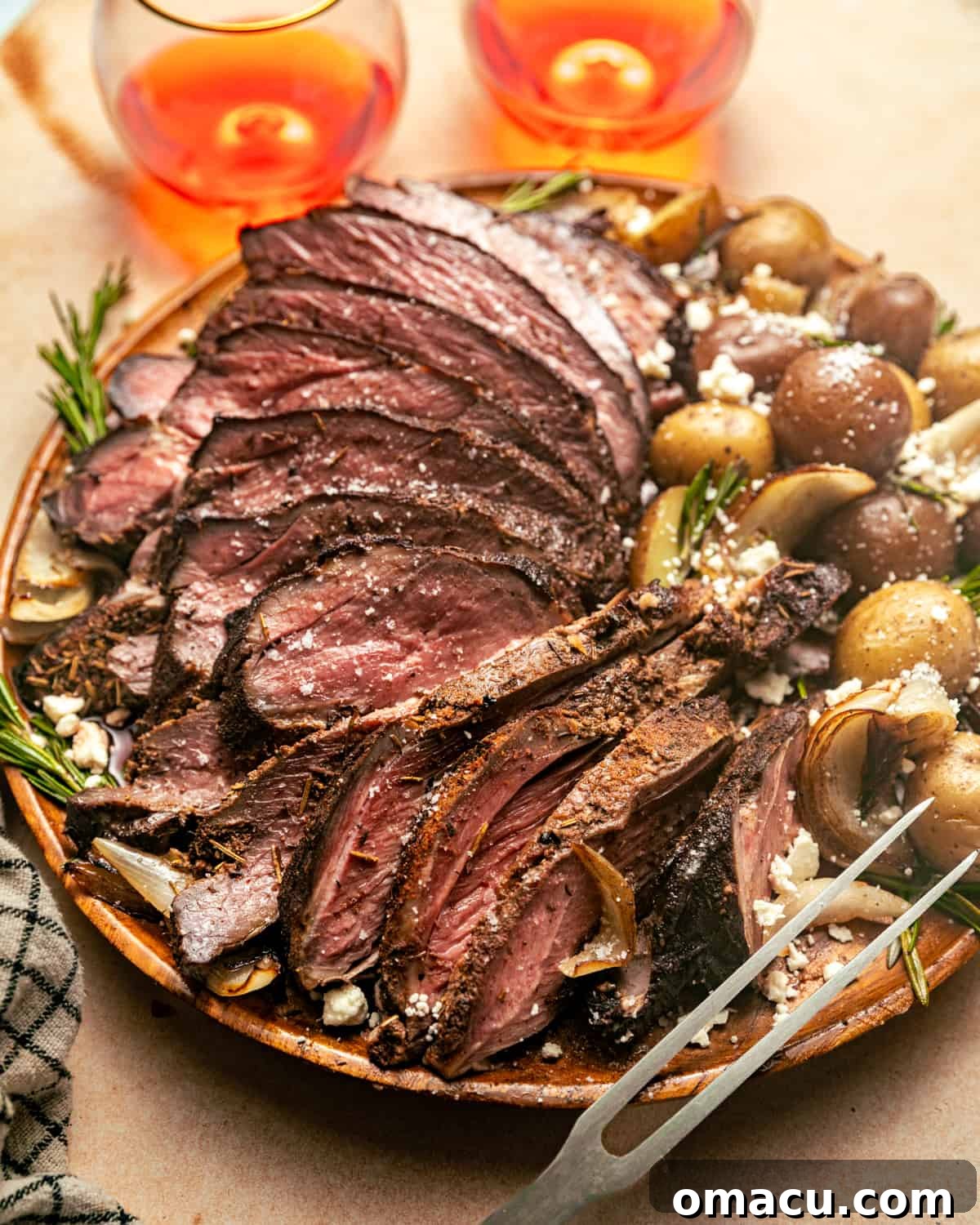
If you’re searching for a truly show-stopping centerpiece for your dinner table, look no further than this incredible Smoked Leg of Lamb Recipe. This dish promises a melt-in-your-mouth tender and incredibly juicy lamb, infused with a rich, smoky flavor that will impress even the most discerning palates. Best of all, it’s surprisingly easy to achieve at home with just a few simple steps and a homemade dry rub featuring fresh herbs and aromatic garlic. Perfect for holiday gatherings, Easter dinner, or any special occasion, this impressive lamb roast is a guaranteed crowd-pleaser.
Looking for more delicious smoker recipes? Be sure to check out our Smoked Chicken Thighs and Smoked Mac and Cheese for more smoky goodness!
This post may contain affiliate links, meaning I may earn a small commission if you make a purchase through my links, at no extra cost to you.
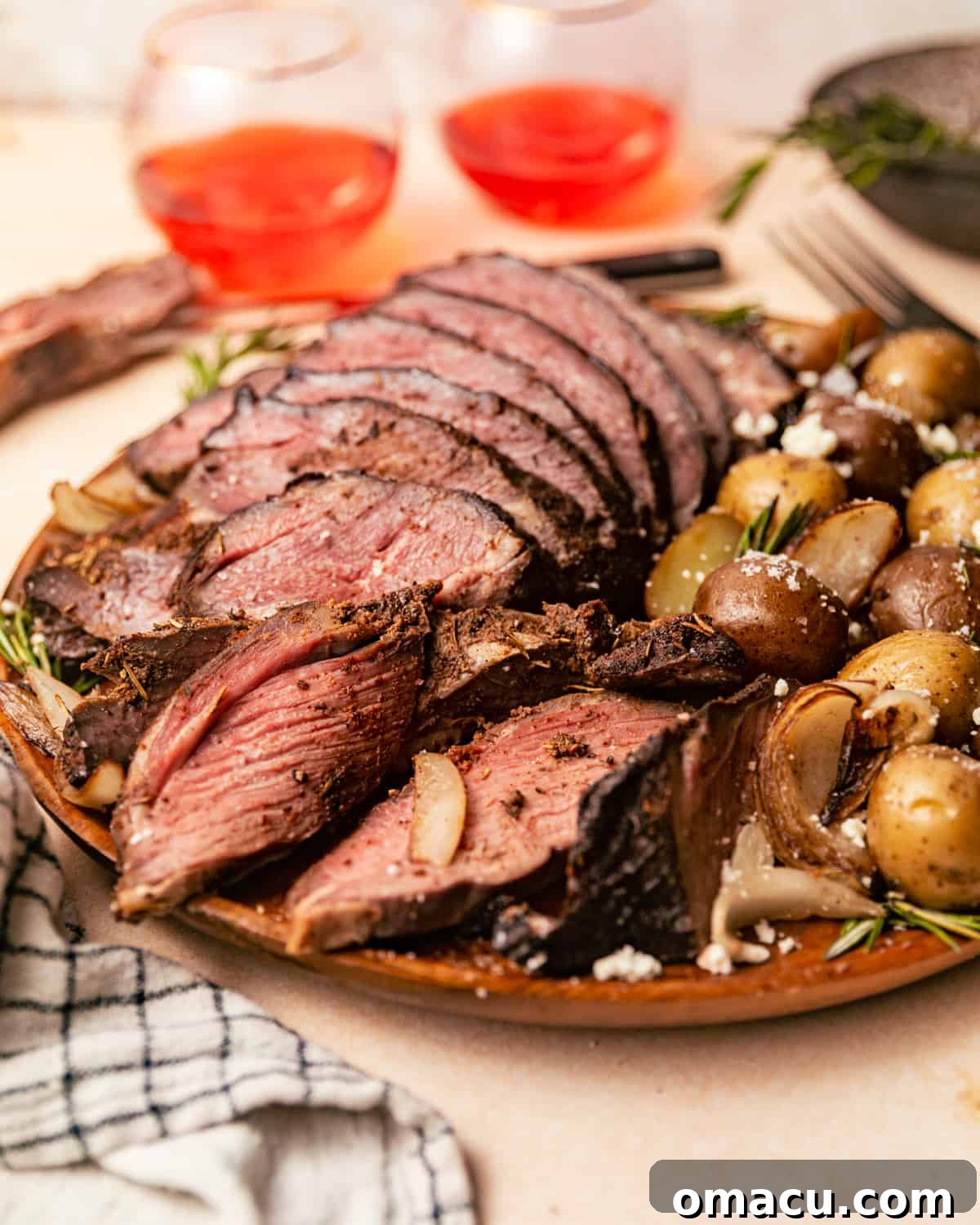
Table of Contents
- Why You’ll Love this Smoked Lamb Recipe
- Key Ingredients for Flavorful Smoked Lamb
- Essential Equipment for Smoking Lamb
- What Type of Wood Chips to Use for Smoking Lamb
- How to Choose the Perfect Leg of Lamb
- Expert Tips for Smoking Leg of Lamb
- How to Smoke a Leg of Lamb: Step-by-Step Guide
- How Do You Know When Your Lamb is Done?
- What to Serve with Smoked Leg of Lamb
- Smoked Leg of Lamb Recipe Card
- Storing and Reheating Smoked Lamb Leftovers
- Common Smoking Challenges and Solutions
Many home cooks might feel intimidated by the idea of preparing lamb, especially smoking it, but I’m here to assure you that it’s far simpler than you imagine. The process of smoking lamb is remarkably straightforward, and the delicious results are incredibly rewarding. The gentle, consistent heat of a smoker combined with aromatic wood chips infuses the lamb with an unparalleled depth of flavor. This smoky essence, along with a carefully chosen blend of fresh herbs and savory seasonings, beautifully complements the lamb’s natural taste, effectively mellowing any perceived “gamey” notes to create a truly exquisite meal.
In our family, a perfectly smoked leg of lamb has become a cherished tradition. It often graces our table for significant occasions like Easter dinner, offering a delightful alternative or complement to other holiday favorites like Dutch Oven Prime Rib. It’s customary for either my husband or I to take on the smoking duties, bringing the beautifully prepared lamb to my mom’s house, where it’s joyfully shared and devoured by everyone.
Why You’ll Love this Smoked Lamb Recipe
- Feeds a Crowd Effortlessly: A whole leg of lamb is an excellent choice when you’re hosting a family gathering, a holiday feast, or a dinner party. A single roast can generously serve 10-12 people, making entertaining easy and ensuring there’s plenty for everyone. It also makes fantastic leftovers for meal prep throughout the week or can be frozen for future enjoyment, offering incredible versatility.
- Surprisingly Easy to Make: Don’t let the impressive appearance fool you; this recipe requires minimal hands-on effort. With just a few simple steps – preparing the rub, letting it marinate, and then letting your smoker do the work – you’ll achieve a culinary masterpiece. When you slice into that perfectly cooked, juicy, and tender meat, you’ll feel like a seasoned home chef without the stress!
- Unrivaled Flavor Profile: The magic of smoking transforms a leg of lamb into something truly special. The slow cooking process tenderizes the meat beautifully, while the aromatic wood smoke penetrates deep into the fibers, adding layers of complex flavor. This, combined with our carefully crafted dry rub of fresh herbs and garlic, enhances the lamb’s natural richness and cuts through any “gamey” notes, creating an undeniably delicious and memorable dish that stands out from typical roasted lamb.
Key Ingredients for Flavorful Smoked Lamb
Crafting the perfect smoked leg of lamb begins with high-quality ingredients. Here’s what you’ll need for our simple yet incredibly flavorful recipe:
- Boneless Leg of Lamb: I prefer using a boneless lamb leg for this recipe because it generally cooks more quickly and is significantly easier to carve into uniform slices once done. If you opt for a bone-in leg of lamb, remember that it will require a slightly longer cooking time to reach the desired internal temperature.
- Homemade Dry Rub Seasonings: We’re keeping our seasoning blend simple yet potent, focusing on ingredients that complement and enhance lamb’s natural flavor. You’ll need:
- Garlic Powder: Provides a foundational savory depth that permeates the meat.
- Oregano: Adds earthy, slightly peppery notes that pair wonderfully with lamb.
- Cumin: Introduces a warm, aromatic spice that beautifully cuts through the richness of the lamb.
- Smoked Paprika: This is a key ingredient, as it amplifies the smoky flavor from the smoker and adds a beautiful reddish hue to the crust.
- Kosher Salt & Black Pepper: Essential for seasoning the meat thoroughly and bringing out all the other flavors.
- Fresh Aromatics – Garlic and Herbs: While the dry rub provides a great base, fresh ingredients elevate the flavor to another level.
- Freshly Diced Garlic Cloves: Offers a pungent, vibrant garlic flavor that’s distinct from garlic powder.
- Fresh Thyme & Rosemary: These classic Mediterranean herbs are perfect partners for lamb, infusing it with fragrant, herbaceous notes that brighten and complement the smoky profile.
Essential Equipment for Smoking Lamb
To ensure a successful and enjoyable smoking experience, having the right tools is key. Here’s the equipment you’ll need for this recipe:
- A Reliable Meat Thermometer with a Probe: This is arguably the most crucial piece of equipment. An instant-read thermometer with a leave-in probe will allow you to constantly monitor the internal temperature of the lamb without opening the smoker frequently, ensuring perfect doneness and preventing over or undercooking.
- Heavy-Duty Aluminum Foil: Essential for tightly wrapping the lamb during its resting period after smoking. This helps retain juices and allows for carryover cooking, ensuring a tender and moist result.
- Smoker (Electric, Pellet, or Charcoal): I personally use an electric smoker for its ease of use and consistent temperature control, which is fantastic for beginners. However, any type of smoker will work effectively for this recipe, including a pellet smoker (also known as a pellet grill) or a traditional charcoal smoker. Choose the smoker you are most comfortable operating and maintaining a steady low temperature with.
- Wire Rack and Baking Sheet: A sturdy wire rack placed over a baking sheet is ideal for preparing and seasoning the lamb, allowing for even air circulation. It’s also useful for transferring the lamb to and from the smoker.
- Water Pan (optional but recommended): Many smokers come with a water pan, or you can place a heat-safe pan of water inside your smoker. This adds moisture to the smoking environment, helping to keep the lamb from drying out during the long cook time.
What Type of Wood Chips to Use for Smoking Lamb
The type of wood you choose for smoking significantly impacts the final flavor of your lamb. Different woods impart distinct smoky notes, ranging from mild and fruity to bold and robust. Here’s a guide to help you select the best wood chips for your smoked leg of lamb:
- Mild and Fruity Wood Chips: For a lighter, sweeter smoke flavor that won’t overpower the delicate taste of lamb, consider:
- Apple: Offers a subtle, sweet, and fruity smoke that pairs beautifully with lamb and poultry.
- Cherry: Provides a mild, sweet, and slightly tart smoke, often imparting a beautiful reddish hue to the meat.
- Maple: Delivers a gentle, sweet, and slightly nutty smoke flavor.
- Bold and Robust Wood Chips: If you prefer a more pronounced, stronger smoky flavor, these options are excellent:
- Hickory: A classic choice for smoking, hickory produces a strong, savory, and slightly bacon-like smoke flavor. Use sparingly if you’re new to hickory, as it can be intense.
- Mesquite: Known for its very strong, earthy, and intense smoke. Mesquite is best for those who love a deep, robust smoky flavor and should be used cautiously to avoid bitterness.
Recommendation: For this smoked leg of lamb recipe, a blend of a mild wood (like apple or cherry) with a touch of a bolder wood (like hickory) can create a wonderfully balanced and complex flavor profile. Experiment to find your personal favorite!
How to Choose the Perfect Leg of Lamb
Selecting the right cut of lamb is crucial for achieving the best results in your smoked leg of lamb. Understanding the different options and what to look for will make a big difference in the tenderness, juiciness, and overall flavor of your roast.
- Boneless vs. Bone-in Leg of Lamb:
- For this recipe, I’ve chosen a boneless leg of lamb roast. Its primary advantages are faster and more even cooking, as well as significantly easier carving. This makes it a great option for entertaining.
- A bone-in leg of lamb can also be used and some argue it adds more flavor and moisture. However, it will require a longer cooking time and will be more challenging to carve. If you choose bone-in, ensure you adjust your cooking time accordingly.
- Understanding the Cut – Shank vs. Sirloin:
- A whole leg of lamb is typically divided into two main sections: the lamb shank (the lower part, from the ankle to the calf bone) and the sirloin end (the upper part, from the hip to the knee).
- I generally prefer the sirloin end for roasting and smoking. This section tends to have more tender and juicy meat, often featuring a nice, even layer of fat. Its more uniform shape also contributes to more even cooking, which is ideal for a large roast.
- Tips for Selecting Quality Lamb at the Grocery Store:
- Color: Look for lamb that is light reddish-pink in color. Avoid any cuts that appear dark red, grey, or brown, as this can indicate older meat or improper handling.
- Fat Marbling: A good leg of lamb should have a thin, even layer of white fat on top (known as the fat cap) and some intramuscular marbling. This fat is essential for moisture, flavor, and tenderness as it renders during the smoking process.
- Texture: The meat should feel firm to the touch, not mushy or slimy.
- Source: If possible, choose lamb from a reputable butcher or grocery store known for its fresh meat selection.
Expert Tips for Smoking Leg of Lamb
Smoking a leg of lamb is a truly rewarding experience, and these expert tips will help you achieve the best possible results: tender, juicy, and bursting with flavor every single time.
- Do Not Trim the Fat Off: This is a crucial tip for optimal flavor and moisture. As the lamb slowly cooks in the smoker, the fat cap on top will gradually render, basting the meat and infusing it with incredible richness. This natural basting process ensures the meat stays wonderfully juicy and tender, contributing significantly to the overall deliciousness.
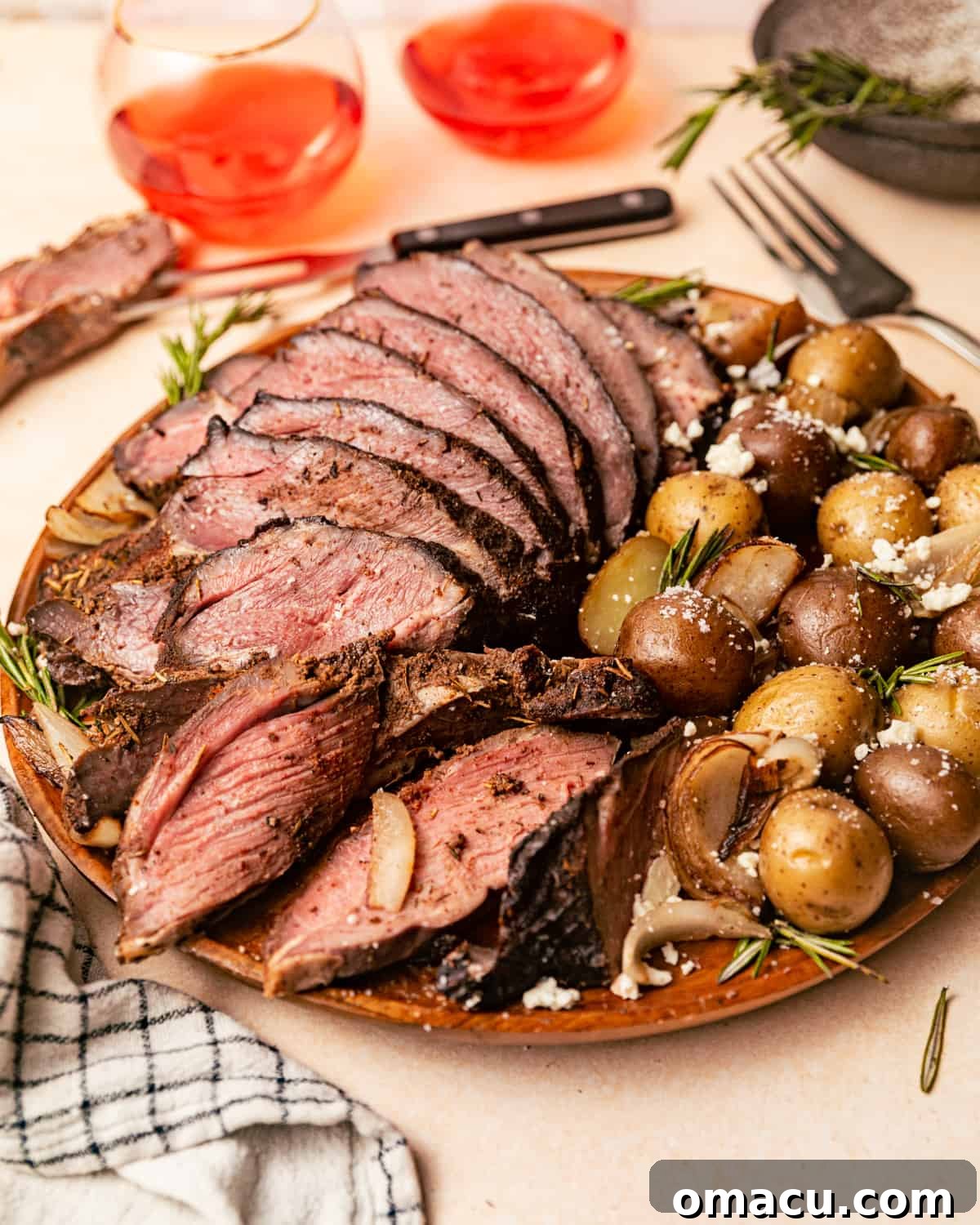
- Always Cut Against the Grain: Once your lamb is smoked and rested, proper carving is essential for maximum tenderness. Always slice the meat against the grain (perpendicular to the direction of the muscle fibers). This shortens the fibers, making each bite incredibly tender and easy to chew.
- Bring Lamb to Room Temperature Before Smoking: For the most even cooking and best results, allow your leg of lamb to sit out at room temperature for about 30-60 minutes before placing it in the smoker. This helps the meat cook more uniformly from edge to center, preventing the outside from overcooking while the inside struggles to reach temperature.
- Utilize a Meat Thermometer with a Probe: This cannot be stressed enough. A reliable leave-in meat thermometer is your best friend when smoking. It allows you to accurately monitor the internal temperature of the lamb, preventing both overcooking (which leads to dry meat) and undercooking (which can be unsafe). Insert the probe into the thickest part of the lamb, avoiding the bone if using a bone-in cut.
- Account for Carryover Cooking: Remember that meat continues to cook even after it’s removed from the heat source. This phenomenon is called “carryover cooking.” The internal temperature of your lamb will rise by approximately 5-10 degrees Fahrenheit during the resting period. To achieve your desired doneness, remove the lamb from the smoker when its internal temperature is about 10 degrees lower than your target final temperature.
- Rest the Meat Properly: After removing the lamb from the smoker, resist the urge to slice into it immediately. Cover it loosely with heavy-duty aluminum foil and allow it to rest for at least 30 minutes to an hour. This resting period is critical; it allows the muscle fibers to relax and reabsorb the juices that have been pushed to the center of the roast during cooking, resulting in a significantly juicier and more tender final product.
- Maintain Consistent Smoker Temperature: Consistency is key in smoking. While fluctuations are normal, try to keep your smoker’s temperature as steady as possible at 225°F (107°C). Frequent opening of the smoker door will cause temperature drops and extend cooking time, so trust your thermometer and avoid peeking too often.
How to Smoke a Leg of Lamb: Step-by-Step Guide
Smoking a leg of lamb is a process that yields incredible results with minimal fuss. Follow these steps for a tender, juicy, and aromatic roast.
- Step 1: Prepare the Dry Rub & Season the Lamb
In a small bowl, combine all the dry rub seasonings: garlic powder, smoked paprika, oregano, cumin, kosher salt, and black pepper. Add the freshly diced garlic cloves, fresh rosemary, and fresh thyme to the bowl and mix everything together thoroughly. Pat the leg of lamb completely dry with paper towels – this helps the rub adhere better and promotes a better bark. Generously coat the entire surface of the lamb roast with the seasoning blend, ensuring every crevice is covered. Gently massage the rub into the meat for maximum flavor penetration.
- Step 2: Marinate for Maximum Flavor
Once seasoned, place the lamb on a wire rack set over a baking sheet. This allows for air circulation around the entire roast. Transfer the lamb to the refrigerator and let it marinate for at least 12 hours, with an optimal marinating time of 24 hours. This extended period allows the dry rub to work its magic, drawing out moisture, enhancing the flavor, and beginning the tenderizing process.
- Step 3: Preheat Your Smoker & Add Moisture
About 30-60 minutes before you plan to smoke, remove the lamb from the refrigerator to allow it to come closer to room temperature. While the lamb is resting, preheat your smoker to a consistent temperature of 225°F (107°C). Once the smoker reaches the target temperature, add your chosen wood chips (see our guide above for suggestions). If your smoker has a water pan, or if you’re using a separate heat-safe pan, fill it with water and place it inside the smoker. This added moisture helps prevent the lamb from drying out during the long smoking process and contributes to a more tender result.
- Step 4: Smoke the Lamb to Perfection
Insert the probe of your meat thermometer into the thickest part of the leg of lamb, making sure it’s not touching any bone. Carefully place the lamb on the grates of your preheated smoker. Close the lid and smoke until the internal temperature reaches at least 145°F (63°C) for a medium-rare roast. Keep in mind that when you pull the lamb out of the smoker, it will continue to cook and its temperature will rise by about 5-10 degrees Fahrenheit (carryover cooking). Therefore, remove the lamb from the smoker when its internal temperature is 5-10 degrees lower than your desired final doneness.
- Step 5: Rest and Carve
Once the lamb reaches the target temperature, carefully remove it from the smoker and place it on a clean cutting board. Cover the lamb loosely with heavy-duty aluminum foil. Allow the lamb to rest for a minimum of 30 minutes, and ideally up to an hour, before slicing. This crucial resting period ensures that the juices redistribute evenly throughout the meat, resulting in an exceptionally tender and juicy roast. After resting, slice the lamb against the grain and serve immediately.
How Do You Know When Your Lamb is Done?
Achieving the perfect doneness for your smoked leg of lamb is all about monitoring its internal temperature. Using a reliable meat thermometer is the only way to ensure safety and desired tenderness. Remember the carryover cooking effect, and remove the lamb from the smoker when it’s approximately 5-10 degrees Fahrenheit below your target temperature.
According to the American Lamb Board, here are the recommended internal temperatures for various degrees of doneness:
- Medium Rare: 145°F (63°C) – This will be pink in the center, very tender and juicy.
- Medium Doneness: 160°F (71°C) – Slightly less pink, but still very moist.
- Well Done: 170°F (77°C) – Cooked through with no pink, firmer texture.
Crucial Reminder: When you pull the lamb out of the smoker, its internal temperature will continue to rise by about 5-10 degrees Fahrenheit during the resting period. To ensure you hit your desired doneness, remove the lamb from the smoker when it’s 10 degrees lower than your target temperature. For example, if you aim for medium-rare (145°F), pull the lamb when it reaches 135-140°F (57-60°C).
What to Serve with Smoked Leg of Lamb
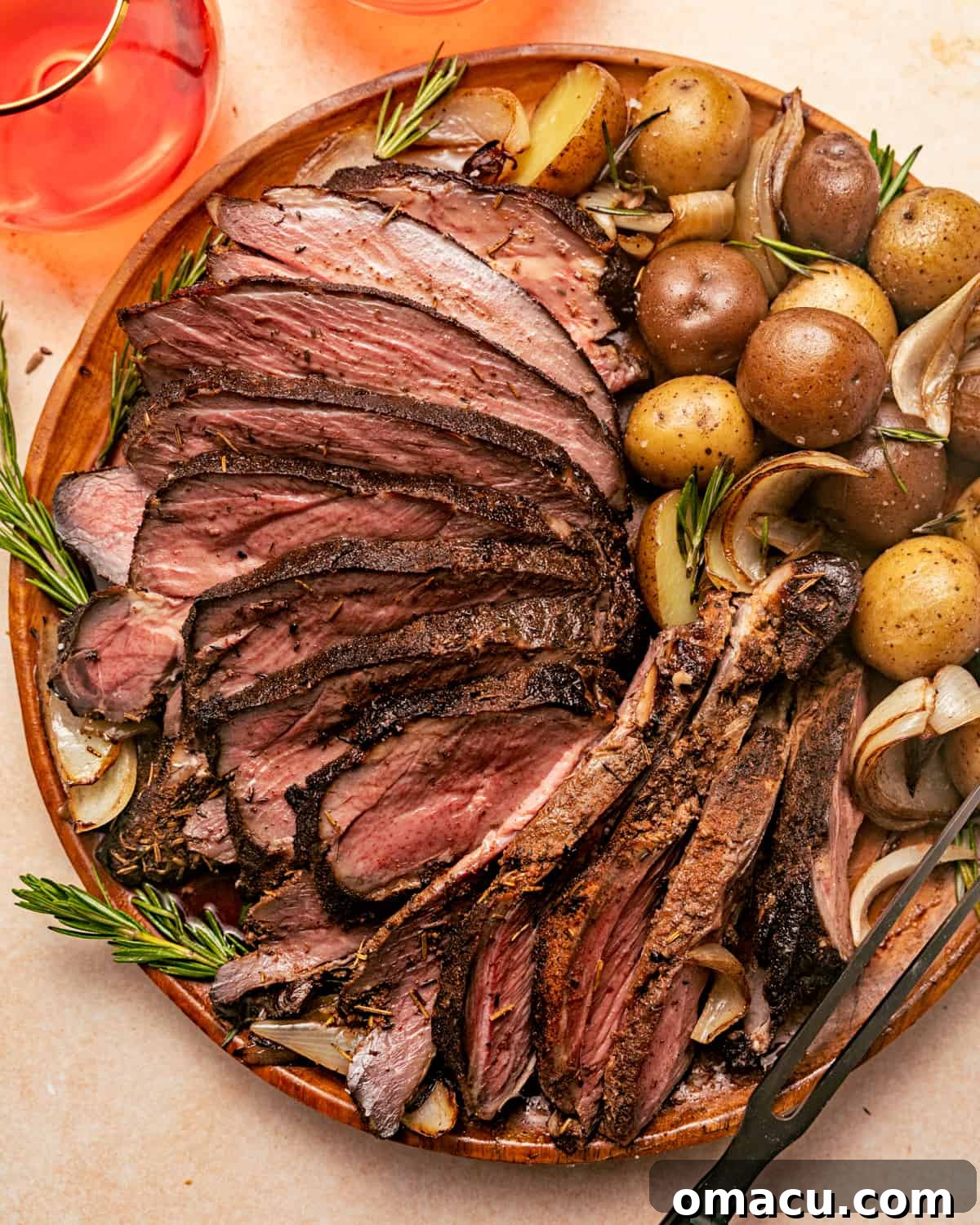
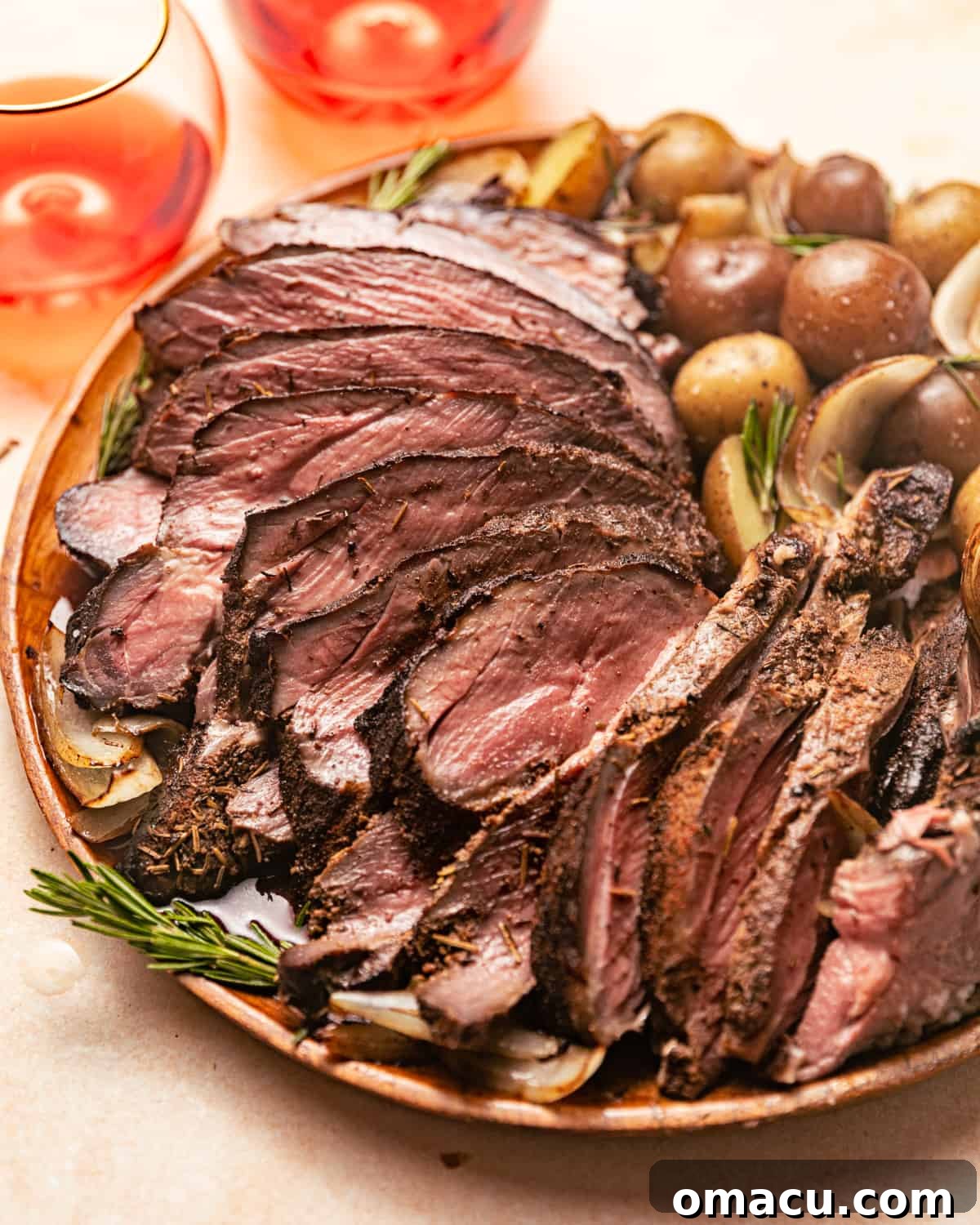
A beautifully smoked leg of lamb deserves equally delicious side dishes to complete the meal. The rich, savory, and smoky flavors of the lamb pair wonderfully with a variety of accompaniments. Here are some of my favorite side dishes that perfectly complement this boneless lamb roast:
- Potatoes, Glorious Potatoes:
- Crispy Smashed Potatoes with Whipped Herb Ricotta: The crispy texture and creamy, herby ricotta provide a fantastic contrast to the tender lamb.
- Brown Butter Garlic and Herb Mashed Potatoes: A classic, comforting choice that soaks up all the delicious lamb juices.
- Roasted Root Vegetables: Think carrots, parsnips, and sweet potatoes roasted with herbs and a touch of olive oil. Their natural sweetness balances the savory lamb.
- Fresh and Vibrant Greens:
- Honey Sriracha Brussels Sprouts: For a touch of sweet and spicy, these add a delightful crunch.
- Vegan Kale Caesar Salad with Roasted Chickpeas: A fresh, zesty salad provides a refreshing counterpoint to the rich meat.
- Grilled Vegetables: Asparagus, bell peppers, zucchini, and onions, lightly charred, enhance the smoky theme of the meal.
- Artisan Breads:
- Rosemary Dinner Rolls with Garlic Butter: Perfect for soaking up any remaining juices or just enjoying alongside the meal.
- Crusty French Bread: A simple, rustic bread is always a good choice.
- Other Inspired Pairings:
- Mint Sauce or Chimichurri: A classic pairing with lamb, adding brightness and a herbaceous kick.
- Couscous or Rice Pilaf: Light and fluffy grains can make a wonderful base for the lamb.
Want more delicious and beautiful recipes? Subscribe to my newsletter to receive the latest seasonal creations as soon as they’re released!
If you make this recipe, please leave a star rating on the recipe card and comment below! You can also tag @BritneyBreaksBread on Instagram and hashtag #britneybreaksbread so I can celebrate your beautiful creations!
Smoked Leg of Lamb
By Britney
Prep Time: 1 Day (24 hours for best results)
Cook Time: 3 Hours
Total Time: 1 Day 3 Hours
Servings: 12
If you’re looking for a show-stopping dish for your dinner table, this Smoked Leg of Lamb Recipe is it! It’s tender, juicy, and surprisingly easy to make! It’s seasoned with a homemade dry rub with fresh herbs and flavorful garlic for maximum flavor in every bite. Save this impressive dish for holiday meals or any special occasion for an easy recipe that everyone will love!
Equipment
- Meat Thermometer (with probe)
- Smoker (electric, pellet, or charcoal)
- Wire Rack
- Baking Sheet
- Heavy-Duty Aluminum Foil
- Water Pan (optional)
Ingredients
- 5-7 lb Boneless Leg of Lamb
- 1 tbsp Garlic Powder
- 1 tsp Smoked Paprika
- 1/2 tsp Oregano
- 1 tsp Cumin
- 4 cloves Garlic, diced
- 1 tbsp Fresh Rosemary, diced
- 1 tbsp Fresh Thyme, diced
- 1 tbsp Kosher Salt
- 1 tsp Black Pepper
Instructions
- Combine the garlic powder, smoked paprika, oregano, cumin, kosher salt, black pepper, diced fresh garlic, fresh rosemary, and fresh thyme in a small bowl and mix together thoroughly to create your dry rub. Pat the leg of lamb completely dry with paper towels, then generously coat the entire lamb roast with the seasoning blend, ensuring all surfaces are covered and gently massaging it into the meat.
- Place the seasoned lamb on a wire rack set over a baking sheet. Refrigerate the lamb for at least 12 hours, and ideally 24 hours. This dry brining process enhances flavor and tenderizes the meat.
- About 30-60 minutes before smoking, remove the lamb from the refrigerator to allow it to come closer to room temperature. Preheat your smoker to a consistent 225°F (107°C) and add your chosen wood chips. Place an additional pan of water inside the smoker (if not built-in) to help keep the lamb moist during the long cook.
- Insert the probe of an instant-read meat thermometer into the thickest part of the lamb, ensuring it doesn’t touch any bone. Place the lamb in the smoker. Smoke until the internal temperature reaches at least 145°F (63°C) for a medium-rare roast. (Note: Remember carryover cooking! The internal temperature will rise 5-10°F after removal. Pull the lamb when it’s 5-10°F below your desired final doneness.)
- Once the lamb reaches your target temperature, carefully remove it from the smoker. Place it on a cutting board, cover loosely with heavy-duty aluminum foil, and allow it to rest for 30 minutes to 1 hour before slicing. This resting period is crucial for the juices to redistribute, ensuring a tender and juicy roast. Slice against the grain and serve.
Nutrition
Calories: 157kcal, Carbohydrates: 1g, Protein: 25g, Fat: 5g, Saturated Fat: 2g, Polyunsaturated Fat: 1g, Monounsaturated Fat: 2g, Cholesterol: 76mg, Sodium: 656mg, Potassium: 367mg, Fiber: 0.3g, Sugar: 0.04g, Vitamin A: 119IU, Vitamin C: 1mg, Calcium: 15mg, Iron: 3mg
Nutrition information is automatically calculated and should only be used as an approximation.
Storing and Reheating Smoked Lamb Leftovers
If you’re lucky enough to have leftover smoked leg of lamb, proper storage and reheating will ensure it remains delicious for future meals.
- Storage: Allow any leftover lamb to cool completely before storing. Once cool, slice the lamb and place it in an airtight container or wrap it tightly in plastic wrap or aluminum foil. Store in the refrigerator for up to 3-4 days. For longer storage, you can freeze sliced lamb in an airtight, freezer-safe container or freezer bags for up to 2-3 months. Thaw frozen lamb in the refrigerator overnight before reheating.
- Reheating: To maintain moisture and flavor, avoid high-heat reheating methods.
- Oven: Preheat your oven to 275-300°F (135-150°C). Place the sliced lamb in an oven-safe dish, add a splash of beef broth or water to keep it moist, and cover tightly with aluminum foil. Heat for 15-25 minutes, or until warmed through.
- Skillet: For smaller portions, gently reheat sliced lamb in a skillet over medium-low heat with a small amount of broth or water, covered, until warm. Be careful not to overcrowd the pan.
- Microwave: While convenient, the microwave can dry out lamb quickly. Use it for very small portions on a low-power setting, checking frequently, and adding a little moisture if possible.
Common Smoking Challenges and Solutions
Even experienced smokers can encounter occasional challenges. Here are a few common issues you might face when smoking a leg of lamb and how to address them:
- Lamb is Dry:
- Cause: Overcooked, not enough moisture in the smoker, or fat trimmed too aggressively.
- Solution: Always use a meat thermometer and adhere to temperature guidelines, accounting for carryover cooking. Ensure your smoker has a water pan. Do not trim off the fat cap before smoking, as it renders and bastes the meat. Proper resting after cooking is also critical for juiciness.
- Uneven Cooking:
- Cause: Lamb not at room temperature before smoking, uneven smoker temperature, or improperly placed thermometer.
- Solution: Allow the lamb to come to room temperature for 30-60 minutes before smoking. Calibrate your smoker’s thermometer and ensure consistent heat. Insert the meat probe into the thickest part of the meat, away from any bone, for the most accurate reading. If using a charcoal smoker, rotate the lamb halfway through.
- Too Much Smoke Flavor (Bitter Taste):
- Cause: Using too much wood, wrong type of wood, or “dirty” smoke (thick white/grey smoke).
- Solution: Start with smaller amounts of wood, especially with strong woods like mesquite or hickory. Aim for “thin blue smoke” – this is clean smoke that imparts good flavor. Avoid thick, white, acrid smoke. If using an electric smoker, don’t continuously add chips; allow some burning time before adding more.
- Lamb Doesn’t Have a Good “Bark”:
- Cause: Too much moisture, not enough seasoning, or removing from smoker too early.
- Solution: Ensure the lamb is patted thoroughly dry before seasoning. The dry rub contributes to the bark. While a water pan is good for moisture, too much humidity can hinder bark formation. Some prefer to remove the water pan for the last hour of cooking to allow the bark to crisp up. Ensure adequate cooking time for bark development.
Tried this recipe? Mention @BritneyBreaksBread or tag #BritneyBreaksBread!