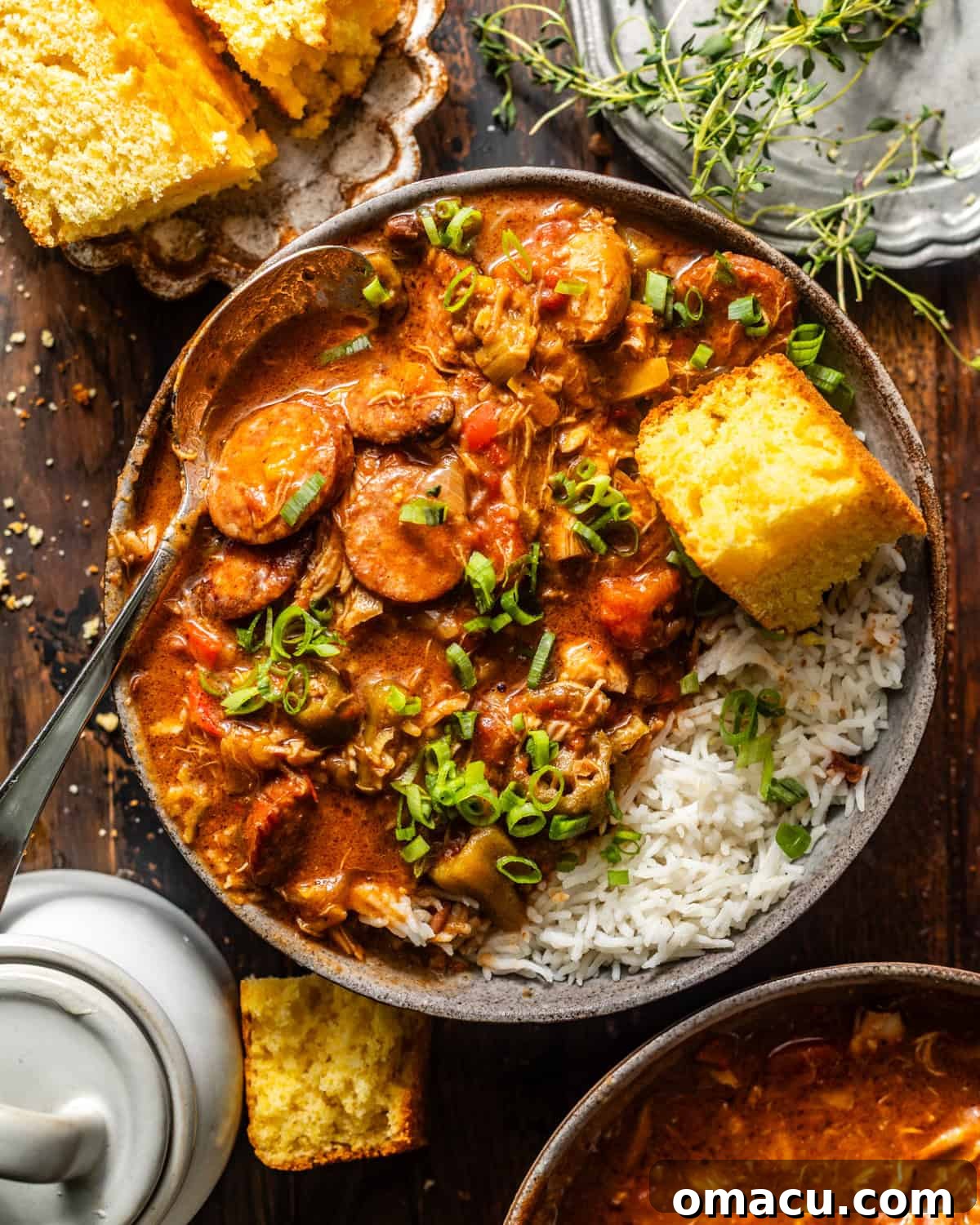
This Chicken And Sausage Gumbo recipe is more than just a meal; it’s a culinary embrace, a spoonful of Southern tradition that warms you from the inside out. Imagine the deep, earthy aroma of a perfectly crafted dark roux mingling with the smoky spice of Andouille sausage and the comforting tenderness of slow-cooked chicken. All these rich flavors unite in a single pot, creating a hearty, soulful stew that’s made for gathering and sharing. Ladled generously over a bed of fluffy white rice, this authentic Cajun Gumbo is a true taste of Louisiana comfort, guaranteed to become a cherished favorite in your home.
If you’re a connoisseur of vibrant Cajun and Creole flavors, don’t stop here! Be sure to explore my Seafood Gumbo for another classic take, or dive into my Chicken and Sausage Jambalaya for a different but equally satisfying one-pot wonder that celebrates the heart of Louisiana cooking.
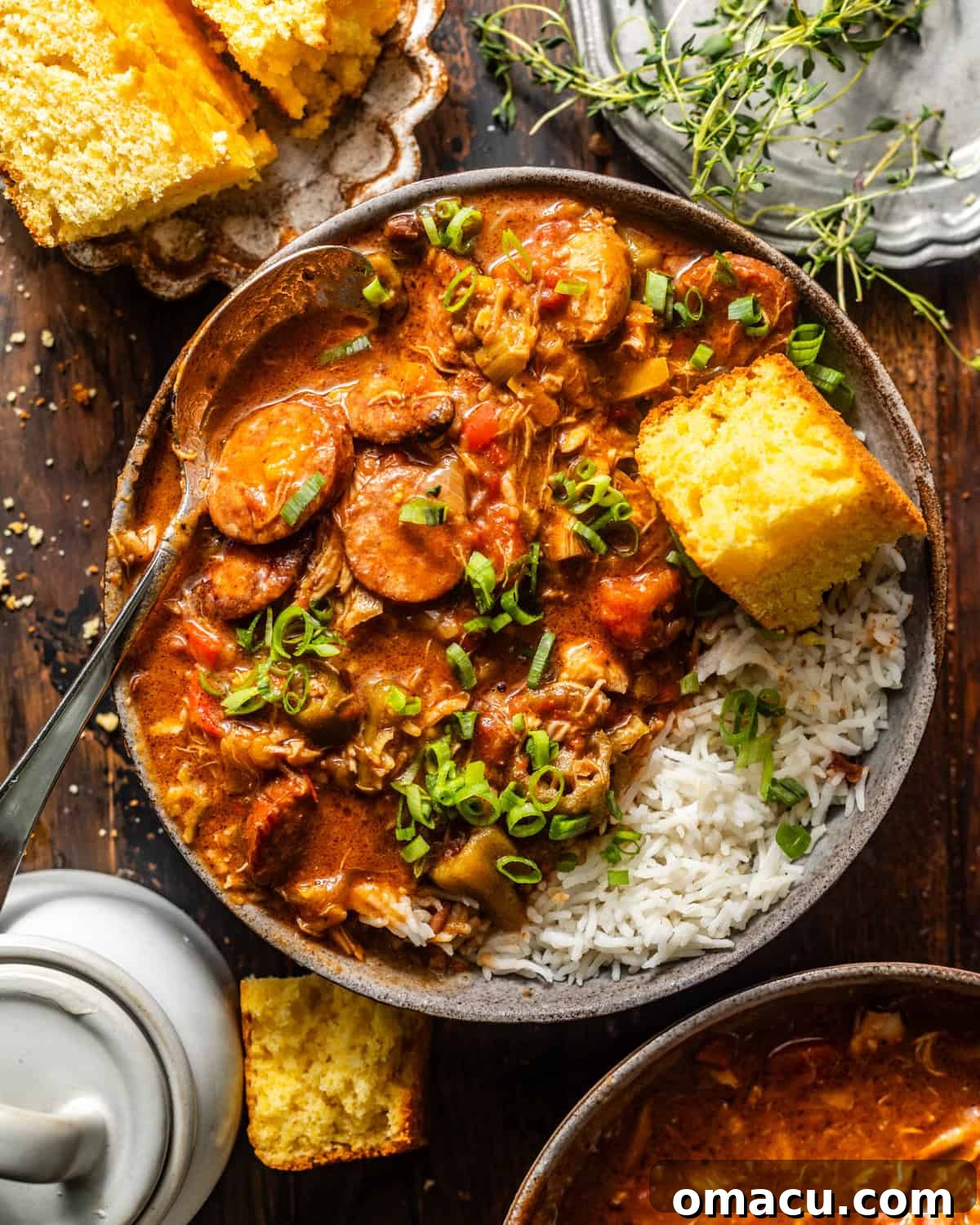
There’s something uniquely comforting about a bowl of chicken and sausage gumbo. It instantly evokes a sense of home, hearth, and heritage. Each spoonful offers a symphony of smoky, savory, and profoundly rich flavors, meticulously built layer by layer. The secret lies in that deep, dark roux—the true foundation of any great gumbo—which provides an unparalleled depth. Complementing this are succulent pieces of tender chicken and perfectly spiced slices of Andouille sausage, creating a texture and taste experience that is simply irresistible.
This dish is the epitome of cozy and soulful, offering a warmth that truly “sticks to your ribs” in the most delightful way. It’s the perfect antidote to a chilly evening, a celebration of good company, or simply a moment of pure culinary bliss. The velvety broth, infused with spices and slow-simmered vegetables, coats every ingredient, while the sausage delivers a bold punch of authentic Cajun spice. The chicken, cooked to perfection, practically melts into the pot, ensuring tender bites throughout.
Hearty enough to satisfy even the biggest appetites and feed a joyful crowd, this gumbo is so exceptionally delicious, you might just be tempted to keep it all to yourself! It’s comfort food with an unmistakable kick, a recipe destined to have everyone asking for seconds. And as many a Southern grandma will tell you, the magic truly deepens overnight. “It tastes even better the next day,” they say, “once all those beautiful flavors have had time to cozy up together and truly meld.” This rich, flavorful stew is a testament to timeless culinary traditions, promising a taste of Louisiana in every bite.
Table of Contents
- Why You’ll Love This Delicious Gumbo Recipe
- The Essence of Gumbo: Key Ingredients
- Substitutions and Variations for Your Gumbo
- How To Make The Best Chicken and Sausage Gumbo
- Expert Tips For A Perfect Chicken Gumbo
- How To Serve Gumbo
- Recipe FAQs
- More Cajun Recipes
- Chicken and Sausage Gumbo Recipe Card
Why You’ll Love This Delicious Gumbo Recipe
This isn’t just another recipe; it’s an invitation to experience the rich culinary heritage of Louisiana, right in your own kitchen. Here’s why this Chicken and Sausage Gumbo will quickly become a cherished favorite:
- Unrivaled Deep, Rich Flavor: The heart of this gumbo lies in its painstakingly crafted dark roux, which, combined with the spicy Andouille sausage, aromatic seasonings, and fresh vegetables, develops a profound depth of flavor that is simply irresistible. Every spoonful is a testament to patience and layering, resulting in an exceptionally delicious and complex taste profile.
- Soul-Warming Comfort in Every Bite: There’s a reason gumbo is often called “comfort in a bowl.” This dish delivers a warmth that goes beyond physical heat, enveloping you in a cozy, satisfying embrace. It’s the perfect meal for crisp autumn evenings, cold winter nights, or any time you need a little extra love and solace.
- Generously Feeds a Crowd: Gumbo is intrinsically a communal dish. It’s designed not for a solitary meal, but for bringing people together—family, friends, or anyone who drops by your kitchen. This large-batch recipe ensures there’s plenty to go around, fostering connections and creating lasting memories over a shared, hearty meal.
- Develops Even Better Flavor Overnight: One of the most magical qualities of gumbo is how its flavors deepen and harmonize with time. Just as grandma always insisted, “baby, let it rest overnight and it’ll taste like heaven times two.” The ingredients get a chance to truly marry, resulting in an even more robust and integrated flavor profile on the second day. Prepare it a day in advance for an even more spectacular culinary experience.
- A True Taste of Authentic Southern Tradition: With every spoonful, you’re not just eating a meal; you’re savoring a piece of Creole cooking history. This recipe connects you to generations of cherished Southern traditions, offering an authentic taste of Louisiana’s vibrant culinary soul. It’s a journey into a rich cultural narrative, expressed through exceptional food.
The Essence of Gumbo: Key Ingredients
Crafting an outstanding chicken and sausage gumbo begins with selecting the right ingredients. Each component plays a vital role in building the layered flavors and achieving that signature gumbo authenticity. Here’s a closer look at the stars of this recipe:
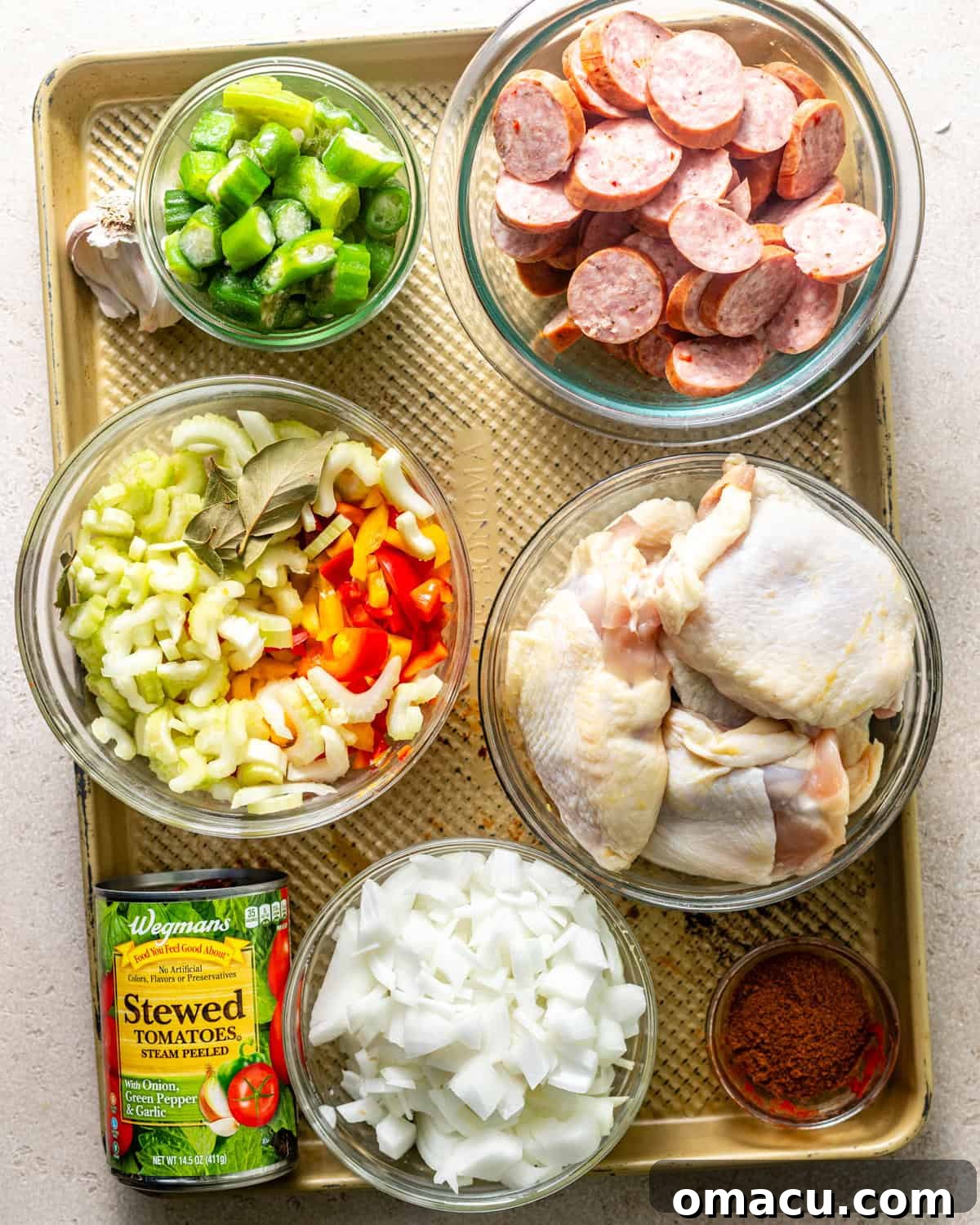
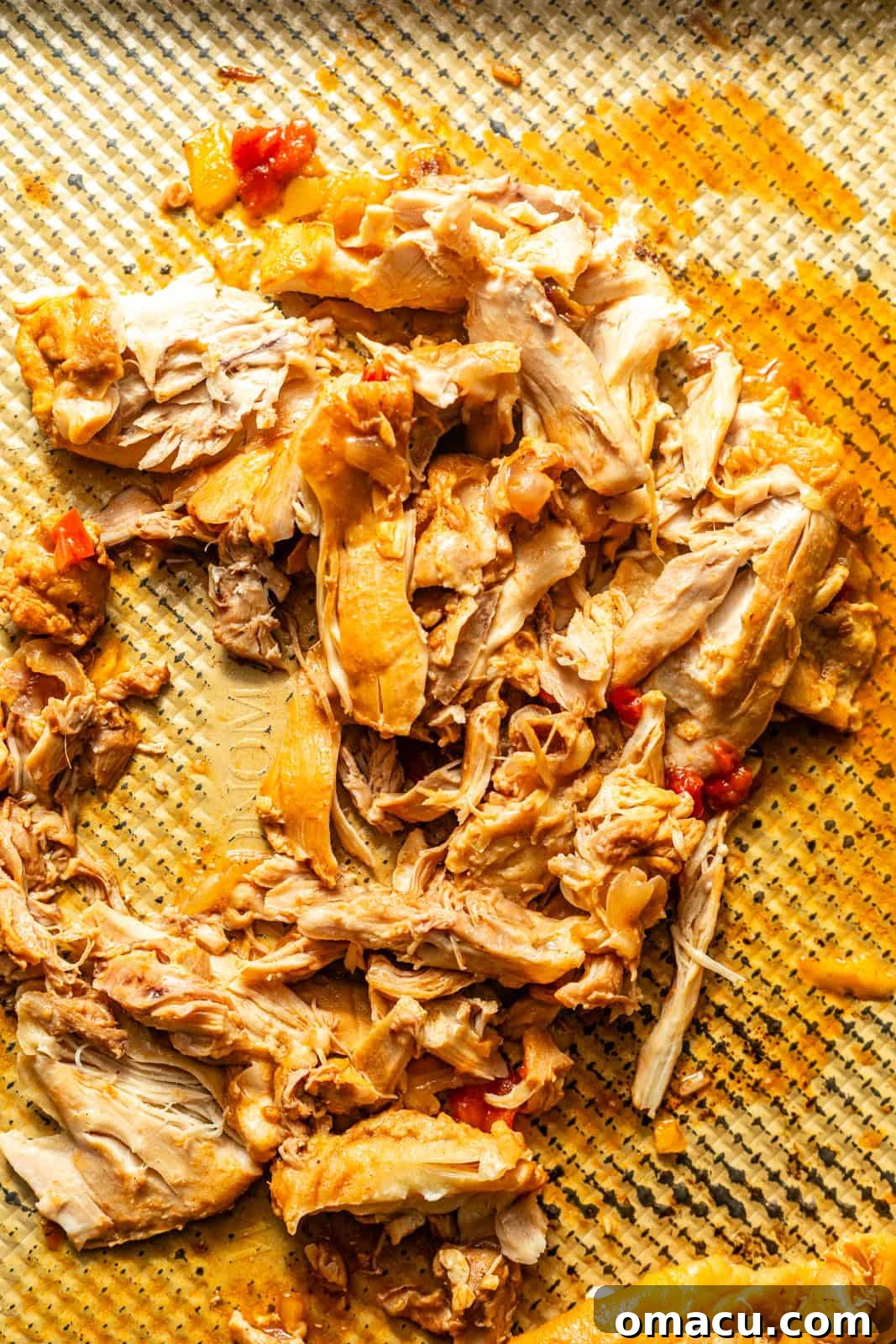
- Bone-In Chicken Thighs: For unparalleled flavor and tenderness, bone-in chicken thighs are a must. The bones slowly release their richness into the simmering broth, contributing significantly to the gumbo’s deep, savory character. Dark meat chicken also remains incredibly juicy and moist throughout the long cooking process, preventing it from drying out. Shredding the cooked chicken at the end ensures that every spoonful boasts tender, succulent bites, making the gumbo truly hearty and soulful.
- Smoky Andouille Sausage: This is arguably the soul of your gumbo, and it’s where you absolutely should not skimp on quality. Authentic Andouille sausage brings a distinctive smoky depth and a bold, spicy kick that perfectly seasons the entire pot. Its unique flavor is what distinguishes a true gumbo from a mere chicken stew, delivering that unmistakable taste of Louisiana.
- The Holy Trinity (Celery, Bell Pepper, Onion): This aromatic triumvirate is the flavor bedrock of countless Cajun and Creole dishes, and gumbo is no exception. Diced celery, bell pepper (green is traditional, but any color works), and onion provide foundational flavor, texture, and a wonderful aromatic base that deepens as it cooks down into the roux.
- Filé Powder: Derived from ground sassafras leaves, filé powder is a traditional thickening agent for gumbo, offering a unique earthy, slightly woodsy, and herbaceous flavor. It’s typically stirred in at the very end of cooking or added directly to individual bowls at the table, contributing to the gumbo’s characteristic silky texture and rich taste.
- High-Quality Chicken Stock: Consider chicken stock your liquid gold in this recipe. A good quality stock is crucial for infusing every spoonful with savory, robust flavor, providing the necessary body and richness. Whether homemade or a premium store-bought, a superior stock elevates your gumbo from “good” to an unforgettable culinary experience that makes you close your eyes in pure enjoyment with the first bite.
- Vegetable Oil or Canola Oil: These neutral, high-smoke-point oils are essential for creating the roux. Their lack of distinct flavor allows the nutty, toasted notes of the flour to shine through, forming the foundation of your gumbo’s body and color.
- Cajun or Creole Seasoning: This spice blend is the backbone of your gumbo’s vibrant personality. It’s a carefully balanced mix of spices that brings that unmistakable Louisiana soul, awakening all the other ingredients and tying them together into a cohesive, flavorful whole. Adjust to your preferred level of heat and savoriness.
- Stewed Tomatoes: While some gumbos are purely brown, stewed tomatoes add a subtle sweetness and a tangy acidity that beautifully balances the richness and depth of the dark roux. They introduce a bright counterpoint, enhancing the overall complexity of the dish without overpowering it.
- Frozen Okra: A classic gumbo ingredient, frozen okra works just as beautifully as fresh and is often more accessible. It contributes a delicate grassy flavor and naturally helps to thicken the broth. As it cooks down, the okra softens and blends seamlessly with the chicken, sausage, and rice, adding to the gumbo’s luxurious texture.
Substitutions and Variations for Your Gumbo
While this recipe offers an authentic and incredibly delicious take on chicken and sausage gumbo, cooking is all about adaptability. Here are some thoughtful substitutions and variations you can make to tailor the dish to your preferences or what you have on hand:
- Fresh Okra vs. Frozen: If you’re fortunate enough to find fresh okra in your local market, absolutely use it! It can offer a slightly brighter, more distinct flavor. However, frozen okra is a perfectly acceptable and convenient alternative, performing just as beautifully in terms of thickening and flavor contribution. Don’t stress if fresh isn’t available; frozen is a fantastic standby.
- Chicken Breast as an Alternative: If bone-in chicken thighs aren’t your preference, you can substitute boneless, skinless chicken breasts. To prevent them from drying out during the long simmer, shred the cooked chicken breasts and incorporate them into the pot later in the cooking process, typically when you add the okra and filé powder. This ensures the chicken remains tender and moist.
- Time-Saving Rotisserie Chicken: For those days when time is of the essence, a pre-cooked rotisserie chicken can be a brilliant shortcut. Simply shred the meat and stir it into the gumbo during the final 15-20 minutes of simmering, allowing it to warm through and absorb the incredible flavors without overcooking.
- Omitting Filé Powder: While filé powder adds a distinct earthy flavor and traditional thickening, your gumbo will still be wonderfully delicious without it. The roux and okra (if used) will provide ample thickening. If you omit filé, consider it a minor tweak rather than a fundamental change to the dish’s integrity.
- Adding Seafood: For a “land and sea” gumbo, consider adding shrimp, crab, or oysters during the last 10-15 minutes of cooking. This transforms the dish into an even richer, more complex experience, blending the best of both worlds.
- Vegetarian Gumbo Base: While not traditional, you can adapt the base by using vegetable stock, omitting the meats, and adding plant-based sausages, mushrooms, or extra okra for a hearty vegetarian version.
- Spice Level Adjustment: Feel free to adjust the amount of cayenne pepper or the heat level of your Cajun/Creole seasoning to match your preference. For more heat, add a dash of your favorite hot sauce at the table. For less, reduce the cayenne or use a milder seasoning blend.
How To Make The Best Chicken and Sausage Gumbo
Creating an authentic and flavorful Chicken and Sausage Gumbo is a labor of love that rewards patience and attention to detail. Follow these steps carefully to achieve a truly unforgettable dish:
Preparation Steps:
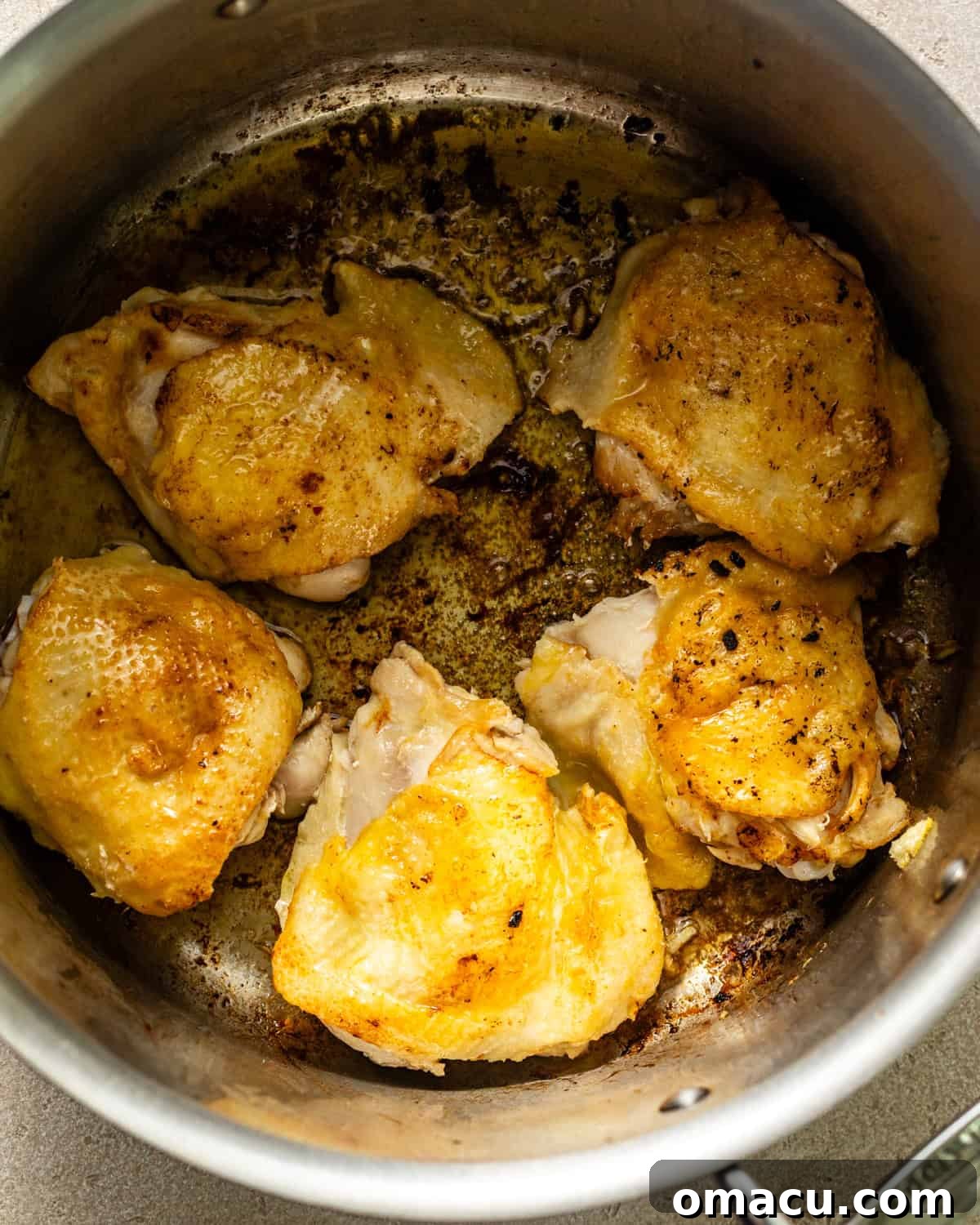
Prep: Begin by carefully removing the skin from your bone-in chicken thighs. This helps to reduce excess fat in the gumbo and allows the seasonings to penetrate the meat more effectively. Season the chicken thighs generously with a good quality Cajun seasoning, kosher salt, and freshly ground black pepper. Set aside while you prepare your pot.
Expert Tips For A Perfect Chicken Gumbo
Creating an exceptional gumbo is an art, and these expert tips will guide you to a dish that tastes like it came straight from a Louisiana kitchen:
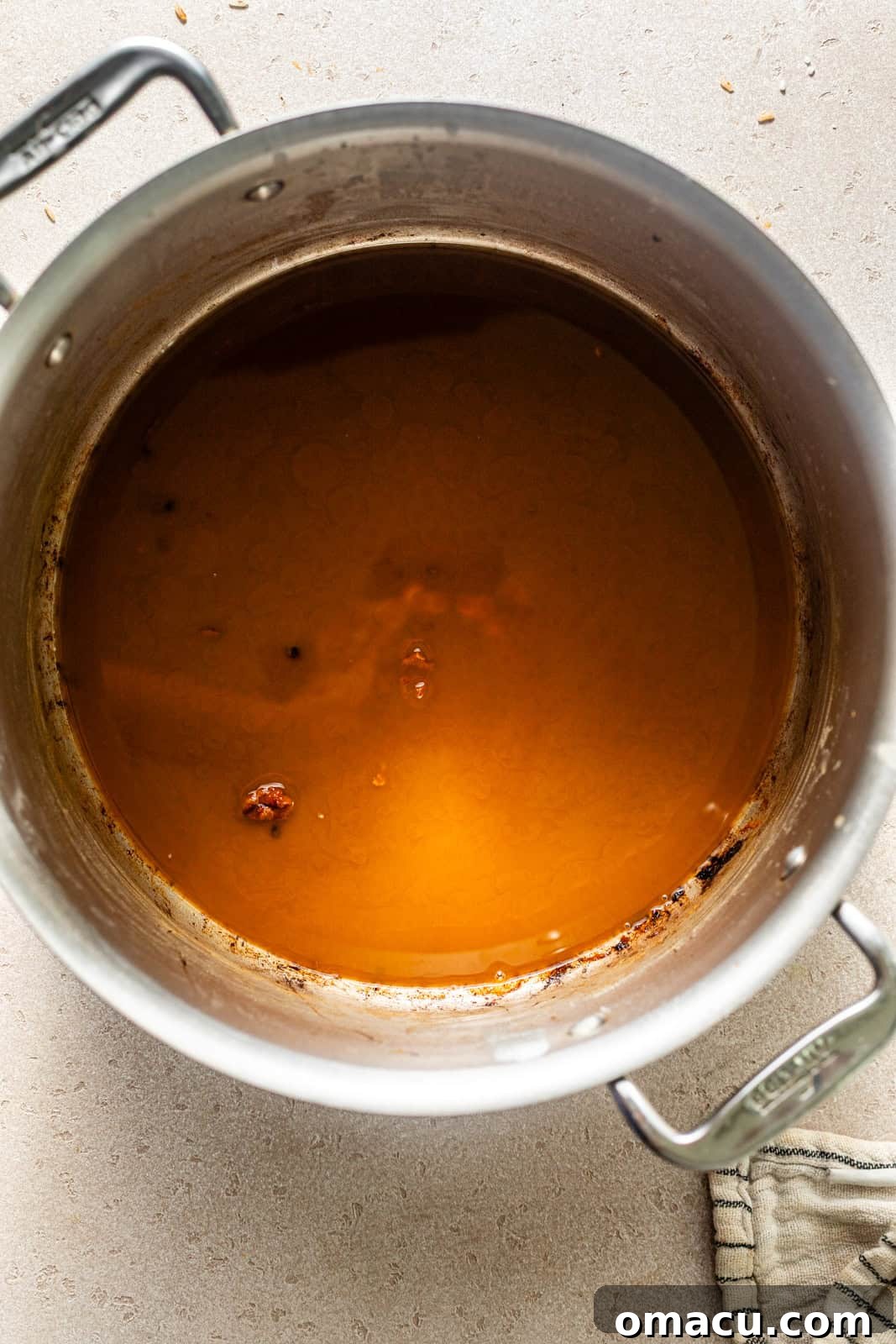
- Master the Roux – It’s Your Foundation: The roux is the soul of your gumbo, and patience is paramount here. Don’t rush it! The goal is a dark brown, almost chocolate-colored roux, which provides deep, nutty flavor and thickening without tasting floury. Use low to medium-low heat and stir constantly with a whisk or wooden spoon. If you scorch it, even slightly, it will taste bitter, and you’ll have to start over. Take your time, focus, and enjoy the process of watching it transform.
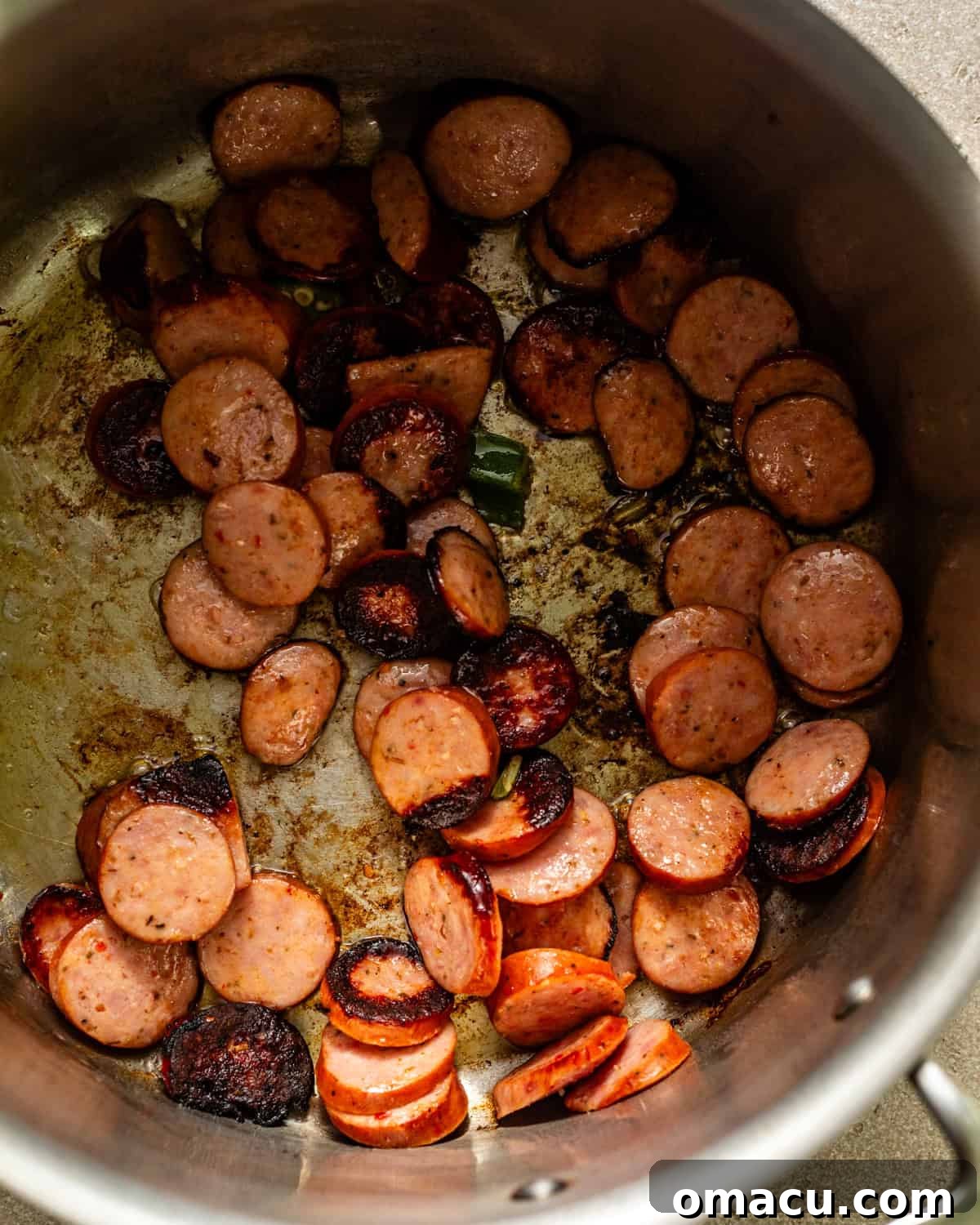
- Build Layers of Flavor from the Start: Great gumbo is all about layered flavors. Begin by searing your Andouille sausage and chicken thighs thoroughly. This step not only cooks the meats but, more importantly, creates a flavorful “fond” – the browned bits stuck to the bottom of the pot. This fond is liquid gold! When you deglaze the pot with vegetables and stock, these caramelized bits will dissolve and infuse the entire gumbo with incredible depth.
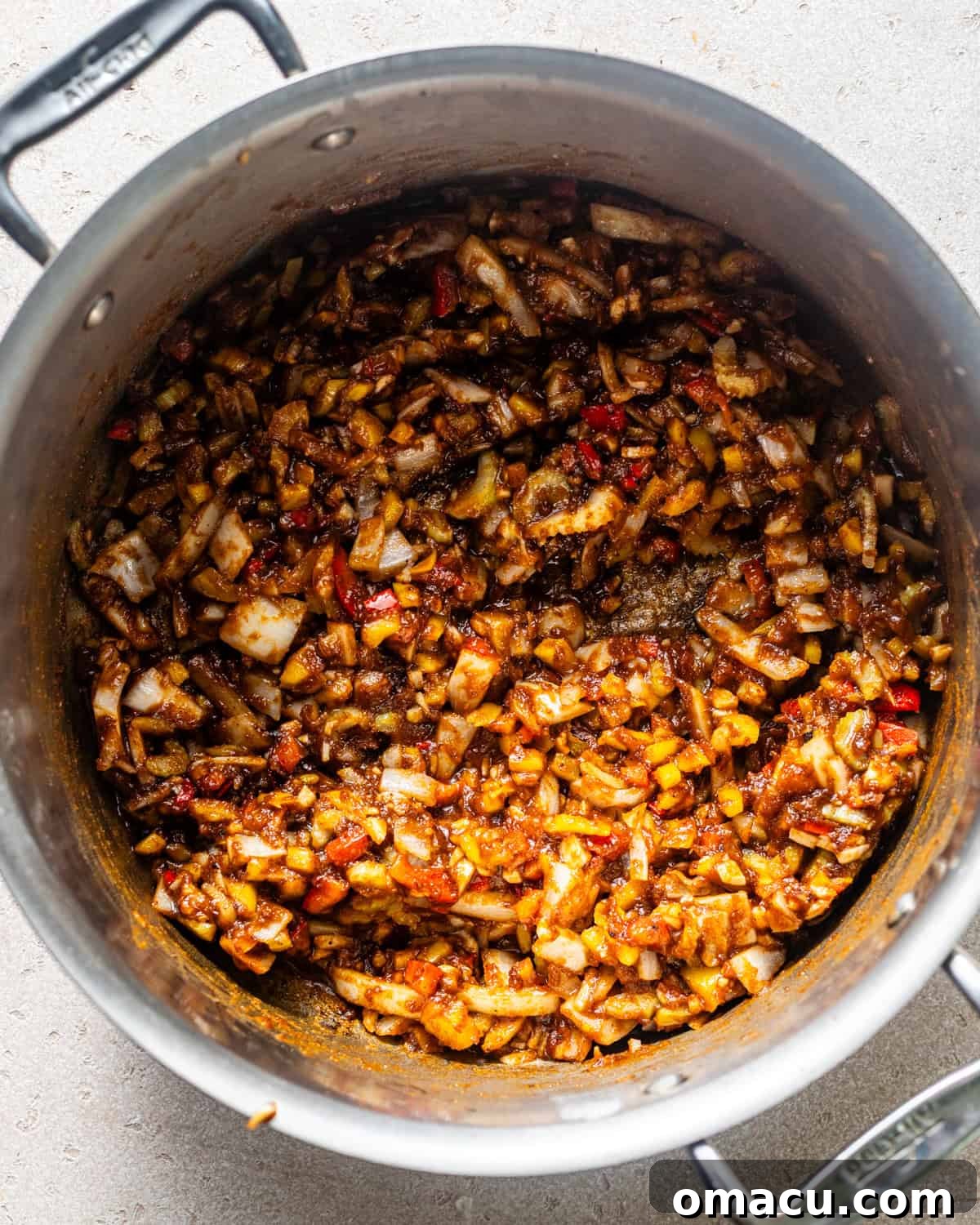
- The Holy Trinity is Non-Negotiable: The combination of diced onion, bell pepper, and celery is the aromatic backbone of Cajun and Creole cuisine. These vegetables need to be sweated down until soft and translucent, but be careful not to caramelize them too much. You want their savory depth, not excessive sweetness, to complement the roux.
- Always Use Stock, Never Water: Gumbo thrives on richness and body. Using plain water will dilute the flavors and result in a thin, unsatisfying broth. Homemade chicken stock is always the best choice for its robust flavor and gelatinous texture. If homemade isn’t an option, opt for a high-quality, low-sodium store-bought chicken stock to ensure your gumbo has the savory depth it deserves.
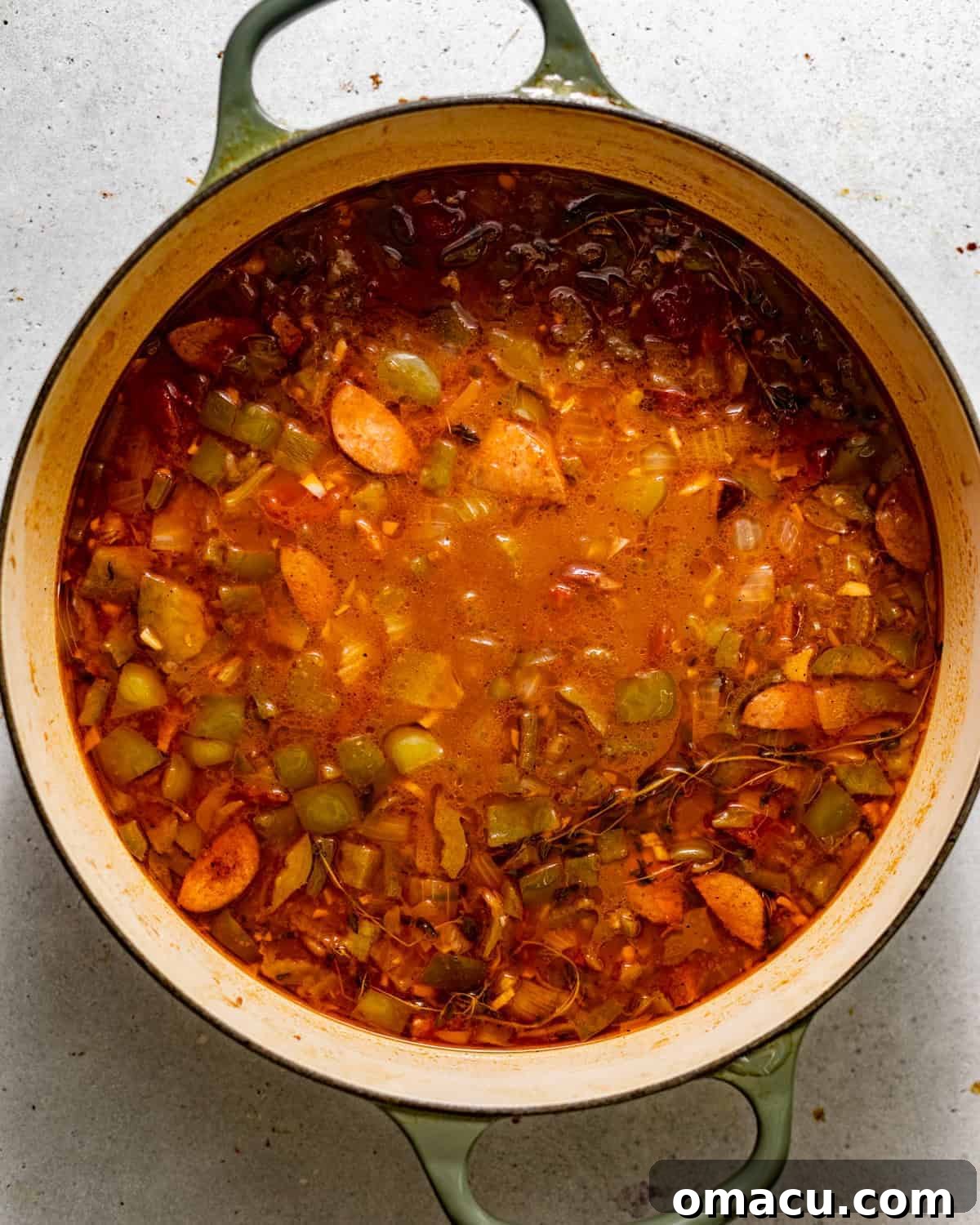
- Low and Slow Simmering is Key: After all the ingredients are in the pot, let your gumbo simmer gently over low heat for an extended period. This slow cook allows all the flavors to meld and deepen beautifully. Periodically skim off any excess fat that rises to the surface for a cleaner, richer finish. Taste as you go, adjusting seasonings as needed. Remember, gumbo thickens naturally from the roux, vegetables, and okra (if using), not from added cornstarch or artificial thickeners.
- Adjust Seasoning to Your Taste: Cajun and Creole seasonings can vary widely in salt and heat levels. Start with the recommended amounts, but don’t be afraid to taste and adjust towards the end of cooking. You might want a pinch more cayenne for extra kick, or a touch more salt to balance the flavors.
- Consider a Heavy-Bottomed Pot: A sturdy Dutch oven or a heavy-bottomed pot is ideal for making gumbo. Its even heat distribution is crucial for consistently browning the meats and, especially, for patiently cooking the roux without scorching it.
How To Serve Gumbo
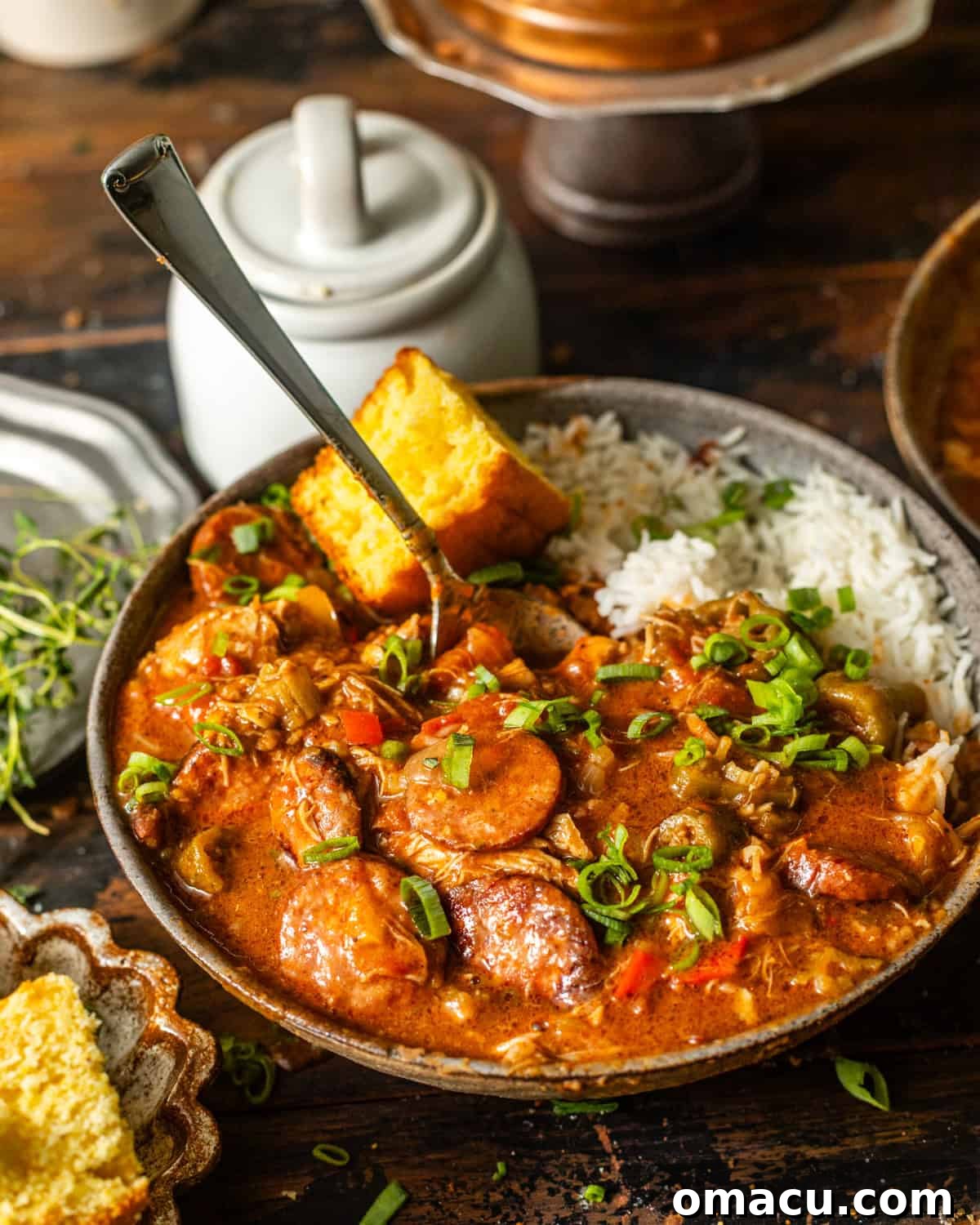
Once you’ve got a steaming pot of rich chicken and sausage gumbo, the serving possibilities are delightfully simple yet impactful. The beauty of gumbo is that it’s a complete meal in itself, but a few well-chosen accompaniments can elevate it to a true Southern feast.
Fluffy white rice is an absolute non-negotiable. Its neutral flavor and soft texture make it the perfect vehicle for soaking up every drop of that smoky, spicy, and deeply flavorful broth. It’s not just a side; it’s an integral part of the gumbo experience. Beyond the rice, consider rounding out your meal with a basket of warm, tender buttermilk cornbread or flaky homemade biscuits. These are excellent for dipping into the luxurious broth, adding another layer of comforting texture.
For an even more authentic New Orleans or Louisiana vibe, you might serve your gumbo alongside a scoop of creamy potato salad or a batch of crispy, savory hush puppies. And don’t forget the essentials: a bottle of your favorite hot sauce for those who crave an extra kick, and a crusty loaf of French bread to truly complete the experience!
Recipe FAQs
While you can use chicken breasts, bone-in chicken thighs are generally preferred for gumbo. The dark meat in thighs remains incredibly juicy and tender throughout the long simmering process, which is crucial for gumbo’s texture. Chicken breasts, being leaner, can sometimes dry out. Furthermore, bone-in thighs contribute significant depth and flavor to the stock as they cook, enhancing the overall richness of the gumbo.
Okra is a traditional ingredient in many gumbos and serves a dual purpose: it adds a subtle, earthy flavor and acts as a natural thickening agent. If you’re not a fan of okra or can’t find it, you can certainly skip it. In that case, make sure you use filé powder (ground sassafras leaves) at the end of cooking, or add it to individual bowls, as it will help provide a similar thickening effect and traditional flavor. Many recipes, including this one, use both for a superior silky finish.
Cajun and Creole seasonings are indeed similar, both delivering that iconic Louisiana flavor. However, there are subtle differences. Creole seasoning typically incorporates a broader array of herbs like oregano, basil, and bay leaf, often leaning slightly more towards a “city” style. Cajun seasoning, on the other hand, is usually more spice-heavy, often with a stronger emphasis on paprika and cayenne, delivering a more robust heat typical of “country” cooking. Both blends work beautifully in gumbo; it ultimately comes down to your personal preference for herbaceousness versus spice.
Absolutely! Gumbo is one of those magical dishes that truly benefits from being made ahead. The flavors have ample time to “marry” and deepen, resulting in an even more complex and satisfying taste the next day. Simply allow the gumbo to cool completely, then store it in an airtight container in the refrigerator for up to 3-4 days. Reheat gently on the stovetop over low heat, stirring occasionally, until warmed through.
For an authentic Chicken and Sausage Gumbo, smoked Andouille sausage is the traditional and highly recommended choice. Its unique smoky, spicy profile is integral to the signature flavor of the dish. If Andouille is unavailable, you can use another high-quality smoked sausage, but be aware that the taste will differ slightly. Ensure it’s a smoked variety to still get that essential depth of flavor.
More Cajun Recipes
If you’ve fallen in love with the bold flavors of this Chicken and Sausage Gumbo, then you’re in for a treat! The rich culinary landscape of Cajun and Creole cuisine offers an endless array of delicious dishes to explore. From vibrant seafood boils to hearty rice dishes and comforting pasta, there’s always something new to discover. Here are some more of my favorite Cajun-inspired recipes that promise to bring the spirit of Louisiana to your table:
Main Course
Cajun Seafood Boil Recipe with Garlic Butter Sauce
Main Course
Easy Cajun Chicken and Rice
Main Course
Cajun Salmon Pasta
Main Course
Cajun Shrimp and Sausage Pasta
Want more delicious and beautiful recipes? Subscribe to my newsletter to receive the latest seasonal creations as soon as they’re released!
If you make this recipe, please leave a star rating on the recipe card below and share your comments! You can also tag @BritneyBreaksBread on Instagram and hashtag #britneybreaksbread so I can celebrate your beautiful creations!
Chicken and Sausage Gumbo
Britney
25 mins
2 hrs
2 hrs 30 mins
10

Print Recipe
Chicken and sausage gumbo is the kind of dish that feels like a hug from the inside out. Smoky sausage, tender chicken, and that deep, rich roux come together in one pot of pure comfort. Ladled over fluffy white rice, it’s hearty, soulful, and made for sharing.
Equipment
- Large Pot (preferably a Dutch oven)
- Mixing Bowls
- Whisk or Wooden Spoon
Ingredients
- 1 lb Andouille Sausage, (sliced)
- 2 lbs Bone-In Chicken Thighs
- 1 tbsp Cajun Seasoning
- 1/2 tsp Black Pepper
- 1 tsp Kosher Salt, **add salt if the Cajun Seasoning Blend is salt free
Gumbo Ingredients
- 1/2 cup Vegetable Oil
- 1/2 cup All Purpose Flour
- 1 large Yellow Onion, (diced)
- 2 Bell Peppers, (diced) – any color bell pepper works
- 4 Celery Stalks, (diced)
- 6 cloves Garlic, (minced)
- 2 1/2 tbsp Cajun Seasoning
- 2 tsp Garlic Powder
- 1 tbsp Chicken Bouillon Paste
- 1 tsp Cayenne Pepper, (more or less as desired)
- 4 cups Chicken Broth
- 2 14.5 oz Canned Stewed Tomatoes, (do not drain)
- 2 Bay Leaves
- 4 sprigs Fresh Thyme
- 2 tsp Filé Powder
- 2 cups Frozen Okra
- 2 tbsp Worcestershire Sauce
- Green Onions or Fresh Parsley, (for garnish)
- Cooked White Rice, (for serving)
Instructions
-
Remove the skin from the chicken thighs and season lightly with Cajun seasoning, kosher salt, and black pepper.
-
Place a large, heavy-bottomed pot over medium-high heat. Add the sliced smoked sausage and cook until just browned, about 5 minutes. Remove the sausage from the pot and set aside. If the pan becomes dry, add a small amount of olive oil. Sear the seasoned chicken thighs on both sides for about 5 minutes per side, until golden brown. Remove the chicken and set aside with the sausage.
-
Pour out any excess rendered fat from the pot, leaving behind about 1/2 cup (or adding oil to reach this amount). Return the pot to the stove over medium-low heat. Add the vegetable oil and warm for 3-5 minutes, until hot. Gently stir in the all-purpose flour and continue to whisk constantly until combined and all lumps are gone. Continue to cook, stirring constantly, until a dark brown roux forms – it should be a deep chocolate brown color. This crucial step takes about 30-45 minutes; do not rush it, and do not walk away. If the roux scorches, you must start over.
-
Once the roux is beautifully dark, add the diced onion, green bell peppers, and celery. Cook for 5-7 minutes, stirring frequently, until the vegetables are slightly softened. Then, stir in the minced garlic, garlic powder, additional Cajun seasoning, chicken bouillon paste, and cayenne pepper. Continue to cook, stirring everything together, for 3-4 minutes, until the mixture is well combined and wonderfully fragrant.
-
Pour in the chicken broth and canned stewed tomatoes (do not drain). Add the bay leaves, fresh thyme sprigs, seared chicken thighs, and cooked sausages into the pot. Bring the gumbo to a boil, then cover with a lid and reduce the heat to low. Simmer gently for 1 to 1 1/2 hours, or until the chicken is incredibly tender and easily falling off the bone.
-
Carefully remove the chicken from the pot. Shred the chicken meat from the bones, discarding the bones. Return the shredded chicken to the pot. Stir in the frozen okra, filé powder, and Worcestershire sauce. Cook uncovered for another 15-20 minutes over low heat, allowing the flavors to meld and the gumbo to reach its desired consistency.
-
Garnish generously with sliced green onions or fresh parsley. Serve hot over cooked fluffy white rice and enjoy this truly soulful Louisiana comfort food.
Notes
- Build your roux like it’s your foundation. Don’t rush the roux! A dark, chocolate brown color is the goal. Use low and steady heat, stirring constantly with a whisk or spoon. If you scorch it, you’ll need to start over!
- Layer flavors early. Sear the chicken and sausage first to develop flavorful fond on the bottom of the pot. Deglazing with stock will incorporate this richness into your gumbo.
- Holy Trinity = non-negotiable. Cook onion, bell pepper, and celery until soft, but don’t caramelize them. You want savory depth, not sweetness.
- Use stock, not water. Homemade chicken stock is best, but a good-quality low-sodium store-bought stock works. Gumbo needs richness and body.
- Let it simmer low and slow. Skim off any excess fat as it cooks, and taste as you go. Gumbo should thicken naturally from the roux and vegetables, not from cornstarch.
Nutrition
Carbohydrates: 14g,
Protein: 22g,
Fat: 26g,
Saturated Fat: 6g,
Polyunsaturated Fat: 9g,
Monounsaturated Fat: 9g,
Trans Fat: 0.2g,
Cholesterol: 93mg,
Sodium: 1172mg,
Potassium: 564mg,
Fiber: 3g,
Sugar: 4g,
Vitamin A: 1586IU,
Vitamin C: 27mg,
Calcium: 56mg,
Iron: 3mg
Nutrition information is automatically calculated, so should only be used as an approximation.
Tried this recipe?
Mention @BritneyBreaksBread or tag #BritneyBreaksBread!