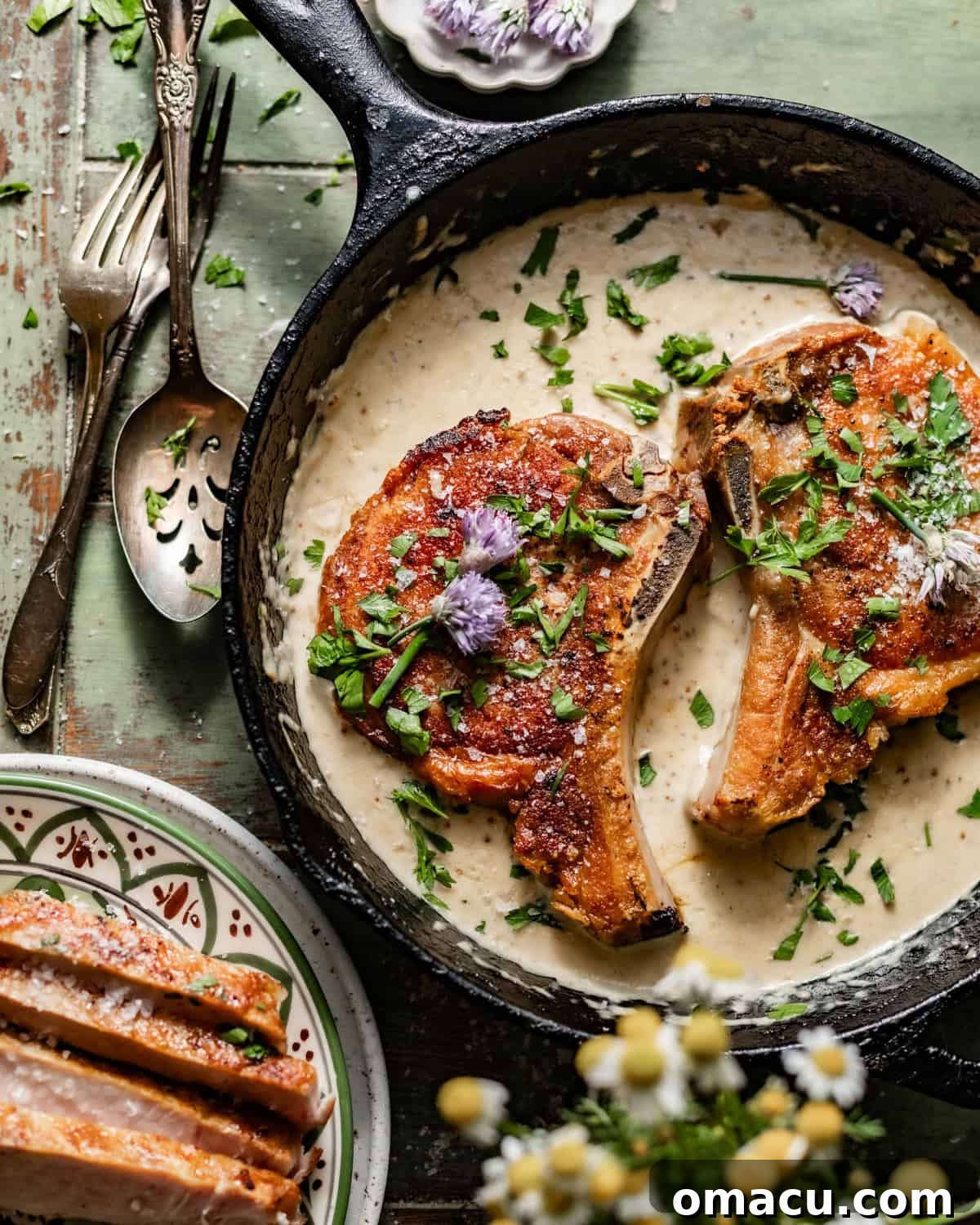
Unlock the secrets to perfectly cooked pork chops every single time with these **game-changing tips** for succulent, pan-seared deliciousness. Forget dry, tough meat – we’re talking a golden, irresistible crust on the outside and a tender, moist center that practically melts in your mouth. This guide will walk you through an easy, restaurant-quality method, culminating in a rich garlic butter pan sauce spooned generously over the top. Prepare to impress with foolproof pork chops that hit all the right notes of flavor and texture, leaving no room for guesswork or dryness.
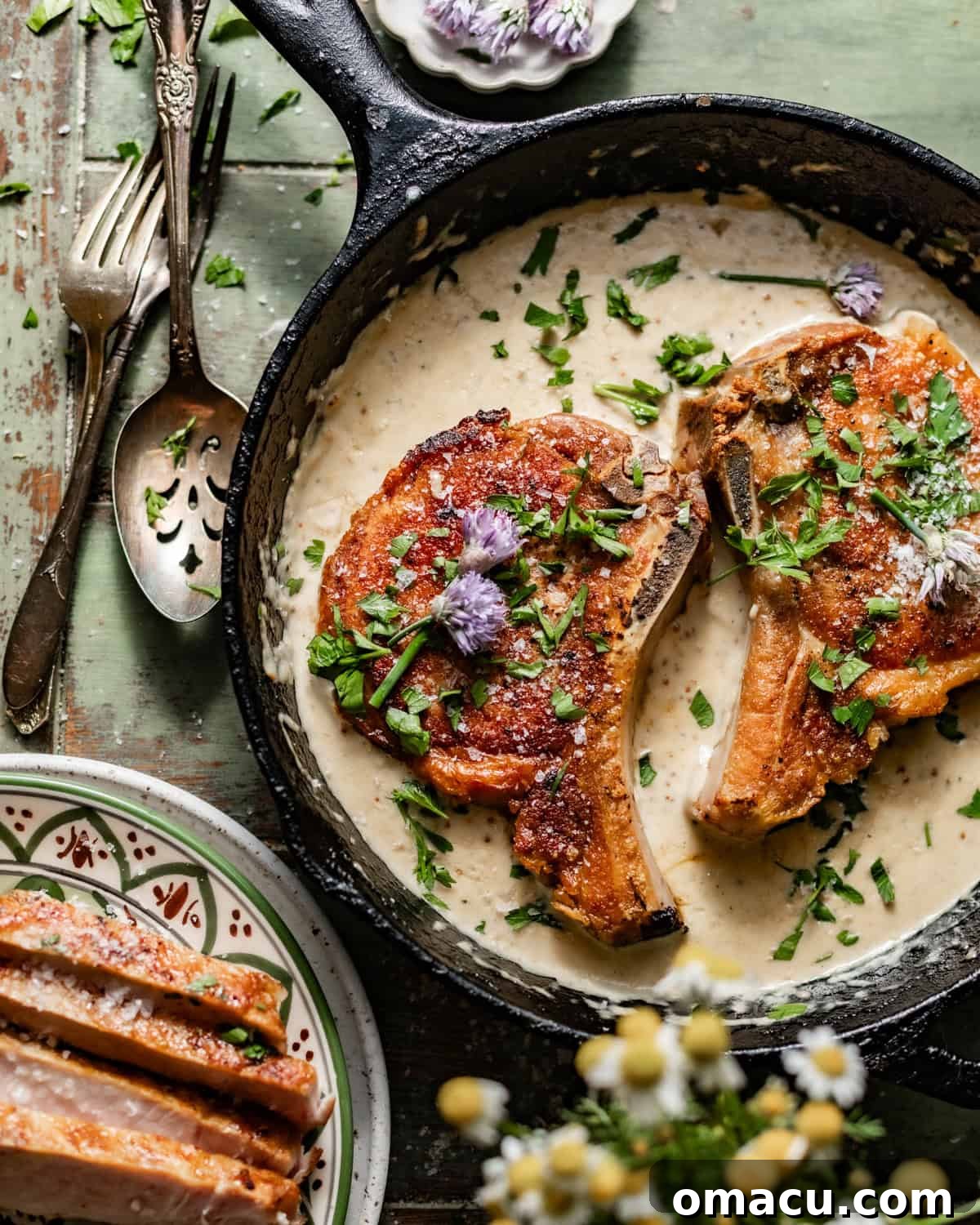
Mastering Easy Pan-Seared Pork Chops: A Guide to Juicy Perfection
Have you ever experienced the disappointment of serving or eating dry, tough pork chops? It’s a culinary rite of passage many of us have faced, and the primary culprit is almost always overcooking. But fear not! This comprehensive guide is designed to transform your pork chop cooking experience from frustrating to fantastic. We’ll demystify the process, ensuring you achieve perfectly juicy, pan-seared pork chops with a delectable golden crust and a tender, moist interior – yes, a slight blush in the center is not just acceptable, it’s a sign of perfection!
To elevate these already incredible pork chops, we’ll finish them with a rich, aromatic garlic butter pan sauce. This simple addition brings a burst of savory flavor that complements the pork beautifully, making every bite an absolute delight. With easy-to-find ingredients and a straightforward method, you’re guaranteed consistently delicious, juicy pork chops that will become a staple in your home cooking repertoire.
Table of contents
- Mastering Easy Pan-Seared Pork Chops
- Choosing The Right Cuts for Pan Searing
- Essential Techniques for Perfect Pan-Seared Pork Chops
- Optimal Pan-Searing Times for Pork Chops (By Thickness)
- Common Mistakes to Avoid for Flawless Pork Chops
- Serving Suggestions
- Recipe FAQs
- More Delicious Pork Recipes
Choosing The Right Cuts for Pan Searing
The foundation of a truly delicious pan-seared pork chop lies in selecting the right cut. While personal preference plays a role, certain cuts are inherently better suited for achieving that ideal balance of flavor and tenderness. For the juiciest and most flavorful results, aim for **thick-cut pork chops, at least 1 inch thick**. Thinner cuts cook too quickly and are highly susceptible to drying out. Bone-in chops, often favored for their superior flavor and moisture retention, also tend to yield a more robust result. The bone acts as an insulator, slowing down the cooking process slightly and distributing heat more evenly, leading to a juicier outcome. However, boneless pork chops can still be incredibly tender and delicious when cooked with proper technique and attention.
Here’s a breakdown of common pork chop cuts and how they perform with pan searing:
- Bone-In Rib Chop: Often considered the crème de la crème of pork chops, this cut boasts excellent fat marbling and the attached bone. This combination contributes to exceptional flavor and ensures the chop remains incredibly juicy. It’s a fantastic choice for pan searing, developing a beautiful crust while staying tender, making it ideal for pairing with a rich garlic butter sauce.
- Bone-In Center-Cut Loin Chop: Widely available in most grocery stores, this cut is slightly leaner than the rib chop but still offers a good balance of tenderness and flavor. It’s a versatile, all-purpose pork chop that performs admirably when pan seared, resisting dryness better than thinner, leaner alternatives. Its bone still provides a degree of protection against overcooking.
- Boneless Pork Loin Chop: These are convenient and cook relatively quickly due to the absence of the bone. They are also quite lean, meaning they demand a bit more attention during cooking to prevent them from becoming dry. If choosing boneless, ensure they are at least 1 inch thick and consider brining them beforehand for extra moisture.
- Thin-Cut Pork Chops: Chops under a 1/2 inch thick are best avoided for pan searing. Their thinness means they cook extremely rapidly, making them highly prone to overcooking and drying out before a proper sear can even form. If you must use them, reduce the cook time significantly (e.g., 1-2 minutes per side) and monitor them constantly with a thermometer.
Essential Techniques for Perfect Pan-Seared Pork Chops
Achieving that coveted golden crust and succulent interior isn’t complicated, but it does rely on a few key techniques. These steps are crucial for transforming ordinary pork chops into a culinary masterpiece:
- Prepping the Pork Chops for Success: Before they even touch the pan, proper preparation is vital.
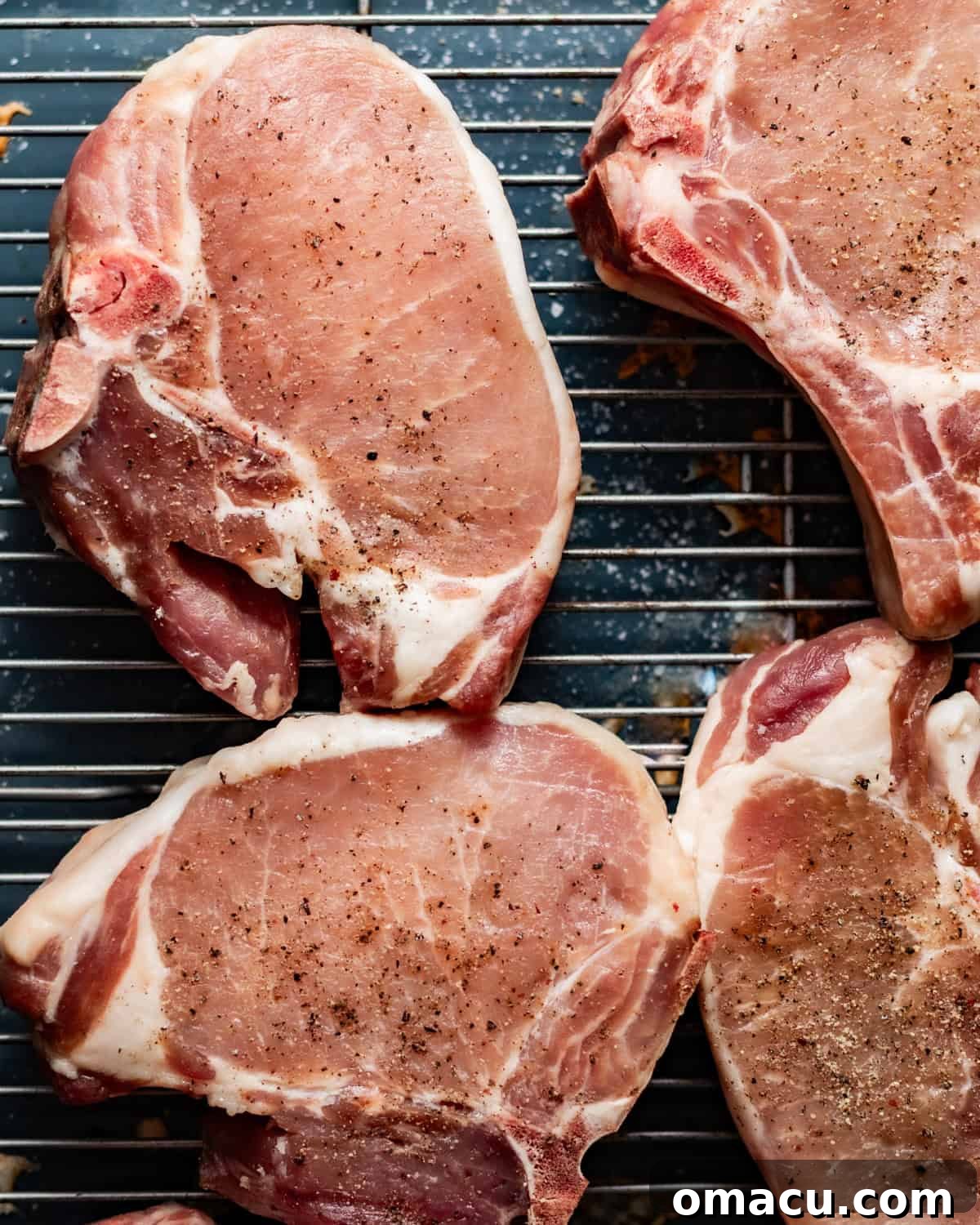
- First, remove your pork chops from the refrigerator and let them come to **room temperature** for about 20-30 minutes. This ensures more even cooking from edge to center, preventing a cold interior from slowing down the searing process.
- Next, **pat them thoroughly dry** with paper towels. Excess moisture on the surface will steam rather than sear, preventing that beautiful, crispy crust from forming. The drier the surface, the better the sear.
- Finally, if your chops have a visible fat cap, use a sharp knife to make 3-4 small, shallow **slits along the fat cap**. This simple step is a game-changer; it prevents the pork from curling up in the hot pan, ensuring the entire surface of the chop makes contact with the skillet for an even, consistent sear. It also helps render out some of that delicious fat.
- Mastering the Sear: Heat is Your Ally: The secret to an incredible crust is a hot pan.
- **Use a large, heavy-bottomed skillet**, preferably a cast-iron skillet, placed over medium-high heat. Cast iron is excellent because it retains and distributes heat evenly, which is critical for a uniform sear.
- Allow the pan to heat for at least 5 minutes, or until you see a **slight wisp of smoke** rising from the pan. This indicates it’s hot enough.
- Once the chops are in the pan, **do not move them or peek underneath** for the first few minutes. Resist the urge to fiddle! Let that golden-brown crust develop undisturbed. Moving the chops too early will prevent proper browning.
- Choosing the Best Oil for Searing: High Smoke Point is Key: Not all oils are created equal for high-heat cooking.
- **Always use a high smoke point oil!** Olive oil, particularly extra virgin olive oil, has a lower smoke point and will burn at the temperatures needed for searing, imparting a bitter, unpleasant flavor to your pork chops.
- My favorite high smoke point oils for searing include **avocado oil, vegetable oil, or peanut oil**. These oils can withstand high heat, allowing you to achieve that perfect sear without burning.
- Keeping the Chops Juicy with Flavorful Basting: After the initial sear, it’s time to infuse more flavor and moisture.
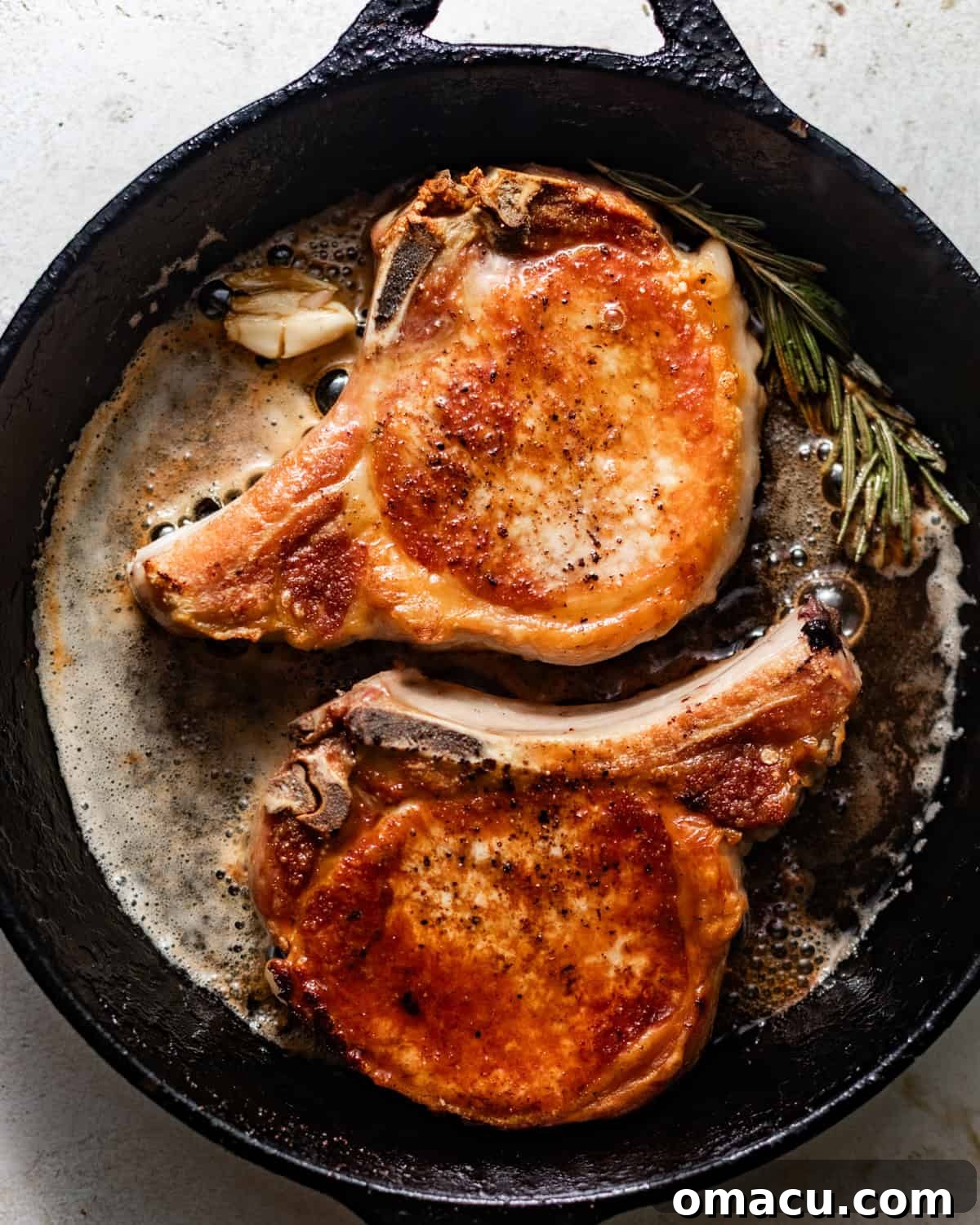
- Begin by **searing the fat side** of the pork chops. This renders out some of the fat, making the meat more tender and adding delicious flavor to the pan that will form the base of your sauce.
- Then, we’ll **butter baste** the chops. After flipping the chops and adding butter to the pan, throw in aromatics like garlic cloves and a sprig of fresh rosemary or thyme. Tilt the pan slightly and continuously spoon the melted, fragrant butter over the cooking chops. This technique not only adds incredible flavor but also helps keep the meat incredibly moist as it finishes cooking.
- The Crucial Resting Period: This step is often overlooked but is absolutely essential for juicy pork chops.
- Once the pork chops are cooked, **remove them from the pan and let them rest** on a cutting board or plate, loosely tented with foil, for at least 5-10 minutes.
- As the meat rests, its internal temperature will continue to rise (this is called carryover cooking), and the muscle fibers will relax, allowing the juices to redistribute throughout the meat. Skipping this step means all those delicious juices will simply run out onto your cutting board, leaving you with dry pork. Every bite will be tender, juicy, and full of flavor thanks to this short rest.
Optimal Pan-Searing Times for Pork Chops (By Thickness)
Cooking times are a guideline and can vary based on your stove, pan, and the exact thickness of your chops. The most reliable way to ensure perfectly cooked pork chops is to use an instant-read meat thermometer, aiming for an internal temperature of 145°F (63°C). Always remember to factor in carryover cooking, pulling the chops off the heat a few degrees before the target temperature.
- 1-inch thick chops: Sear for approximately 4-5 minutes per side. This should yield a beautiful golden crust and a tender interior, reaching the target internal temperature after resting.
- 3/4-inch chops: Cook for about 3-4 minutes on the first side, then flip and cook for an additional 2-3 minutes. These thinner chops cook faster, so watch them closely.
- 1/2-inch chops: These cook very quickly, usually around 2-3 minutes per side. It’s crucial not to walk away, as they can go from perfectly cooked to overdone in a matter of seconds. As mentioned, these are generally less ideal for pan-searing.
- Extra thick chops (over 1 inch): For very thick chops (1.25 to 1.5 inches), sear for 5-6 minutes per side. After searing, you might need to transfer them to a preheated oven (around 375°F/190°C) for a few minutes to finish cooking through to the desired internal temperature without over-browning the exterior.
Common Mistakes to Avoid for Flawless Pork Chops
Even with the best cuts and techniques, certain pitfalls can derail your quest for perfect pan-seared pork chops. Being aware of these common mistakes will help you avoid them and consistently achieve delicious results.
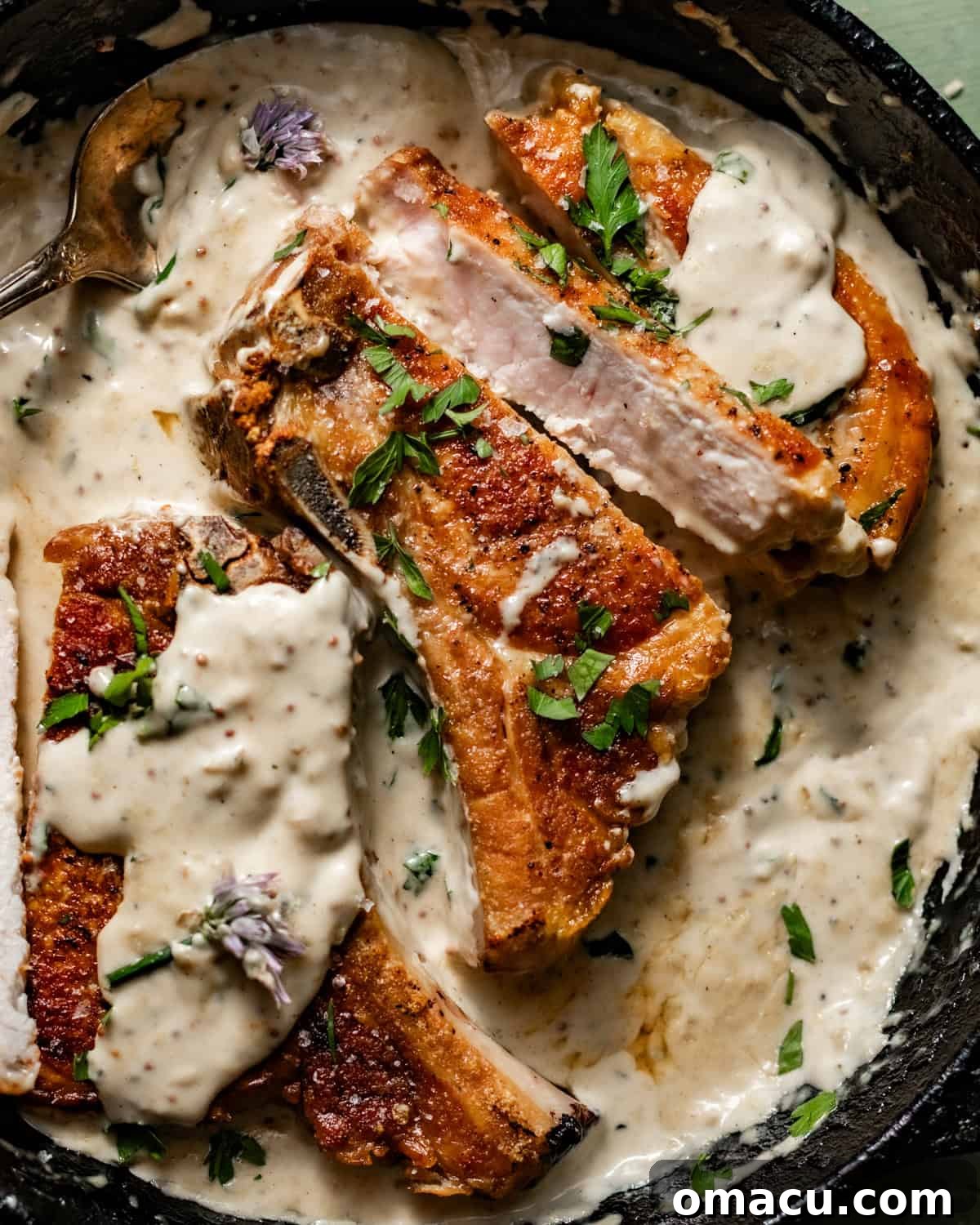
- How to Keep Pork Chops from Drying Out: The Overcooking Trap:
The absolute main culprit behind dry, tough pork chops is overcooking. Modern pork is lean and cooks quickly, so it’s easy to push it past its prime.- **Use a reliable instant-read meat thermometer for best results.** This is your best friend in the kitchen for preventing overcooked meat.
- Pork chops are officially safe and delicious when they reach an internal temperature of 145°F (63°C). However, because of **carryover cooking**, they will continue to cook after being removed from the heat. Therefore, it’s best to **pull the pork chops from the heat when they hit 135-140°F (57-60°C)**. They will continue to rise to the perfect 145°F while resting.
- As mentioned, **avoid thin chops** (under 1/2 inch) as they cook so rapidly they are incredibly prone to overcooking before you can even react.
- Keep the Seasonings Minimal and Smart for Searing:
While robust seasoning is great, when pan searing at high temperatures, certain ingredients can burn and turn bitter.- **Stick with simple seasonings:** For searing, I prefer a straightforward blend of plain salt, black pepper, a touch of Italian seasoning, and garlic powder. These spices add ample flavor without burning quickly.
- **Avoid rubs with a high sugar content or finely chopped fresh herbs** during the initial searing phase, as sugars caramelize and burn too quickly, and delicate herbs can char, adding off-flavors. These can be added later during the butter basting or sauce-making process.
- Don’t Overcrowd the Skillet: Give Your Chops Space:
This is a crucial mistake many home cooks make, often in an effort to speed up cooking.- When too many chops are crammed into a pan, the temperature of the skillet drops significantly. Instead of searing, the meat will begin to steam in its own juices. This prevents the formation of that desirable golden-brown crust and can lead to a less flavorful and less appealing texture.
- **Always cook in batches if needed.** Ensure there’s enough space between each chop for proper air circulation and direct contact with the hot pan. This allows the heat to stay high and encourages a perfect, crispy crust on every piece.
Following these avoidance tips, alongside the proper techniques, will pave your way to consistently perfect pan-seared pork chops.
Serving Suggestions
Once your juicy pan-seared pork chops are ready, complete the meal with delightful side dishes. The rich garlic butter pan sauce pairs wonderfully with a variety of classic accompaniments, making every dinner a home run.
For a traditional and hearty meal, serve your chops with comforting classics like creamy garlic mashed potatoes, a vibrant side of crispy roasted green beans, or tender sweet honey-glazed carrots. These options complement the savory pork and rich sauce beautifully.
If you’re looking for something lighter or quicker, a fresh homemade house salad with a bright vinaigrette offers a refreshing contrast, cutting through the richness of the butter sauce. You could also pair them with a simple rice pilaf or roasted asparagus for an elegant touch.
Recipe FAQs
Pork chops are best cooked to an internal temperature of 145°F (63°C). To account for carryover cooking, remove them from the heat when they reach 135-140°F (57-60°C). They will continue to cook as they rest, reaching the perfect temperature. A slight blush of pink in the center is perfectly normal and indicates a tender, juicy, and safely cooked chop.
Both bone-in and boneless pork chops can yield excellent results, but bone-in chops generally tend to be juicier and more flavorful due to the bone’s insulation and fat content. Boneless chops are leaner and cook faster, so they require closer monitoring to prevent overcooking and drying out. Always opt for thick-cut varieties (at least 1 inch) regardless of whether they are bone-in or boneless.
A poor sear is typically caused by two main factors: a pan that isn’t hot enough or pork chops that are too wet. Ensure your skillet (preferably cast iron) is searing hot—to the point of a slight wisp of smoke—before adding the oil and then the pork. Also, always pat the pork chops thoroughly dry with paper towels to remove all surface moisture, which prevents steaming and promotes browning.
To reheat pork chops while maintaining their moisture, avoid the microwave if possible. Instead, gently warm them in a skillet over low heat with a splash of chicken broth, water, or extra sauce. Cover the skillet to trap moisture and allow the chops to warm through slowly. This method helps prevent them from becoming dry and tough.
Yes, absolutely! According to the USDA, it is perfectly safe for pork chops to have a slight pinkness in the center, as long as they have reached an internal temperature of 145°F (63°C). That light blush is actually an indicator of a perfectly cooked, juicy, and tender chop, rather than an underdone one. Overcooking until completely white will result in dry pork.
It’s generally recommended to use fresh or fully thawed pork chops for pan searing. If using frozen chops, make sure they are completely thawed in the refrigerator before proceeding with the recipe. Attempting to sear partially frozen chops will result in uneven cooking, with the outside potentially burning before the inside is cooked through.
More Delicious Pork Recipes
Main Course
Honey Soy Garlic Pork Chops
Main Course
Slow Cooker BBQ Pulled Pork
Main Course
Shake and Bake Pork Chops
Main Course
Slow Cooker Pork Roast
Want more delicious and beautiful recipes? Subscribe to my newsletter to receive the latest seasonal creations as soon as they’re released and elevate your home cooking!
If you make this incredible recipe, please take a moment to leave a star rating on the recipe card below and share your thoughts in the comments! You can also tag @BritneyBreaksBread on Instagram and use the hashtag #britneybreaksbread so I can celebrate your beautiful culinary creations!
Pan Seared Pork Chops with Creamy Garlic Butter Pan Sauce
Pin
Equipment
-
12-inch cast iron skillet (or large stainless steel skillet)
Ingredients
- 4 Bone-in Pork Chops, (about 1 inch thick)
- Salt and Black Pepper, (to taste)
- 2 tsp Italian Seasoning
- 2 tbsp Vegetable Oil, (any high smoke point oil)
- 3 tbsp Salted Butter
- 1 Sprig Fresh Rosemary
- 1 clove Garlic
Creamy Garlic Butter Sauce
- 3 tbsp Salted Butter
- 4 cloves Garlic, (diced)
- 2 tbsp All Purpose Flour , (use cornstarch if gluten free)
- 1 Sprig Rosemary, (diced)
- 1/2 cup Heavy Cream
- 1/2 cup Chicken Broth
- 1 tbsp Dijon Mustard
- Salt and Black Pepper, (to taste)
Instructions
-
Remove the pork chops from the refrigerator and allow them to come to room temperature for about 20-30 minutes, which promotes even cooking. Pat the pork chops thoroughly dry with a paper towel, then season generously on both sides with salt, black pepper, and Italian seasoning. 4 Bone-in Pork Chops Salt and Black Pepper 2 tsp Italian Seasoning
-
Using a sharp knife, make 3-4 small, shallow slits into the fat side of the pork chops. This technique helps prevent the chops from curling up in the hot pan and ensures a more even sear across the entire surface.
-
Place a large, heavy-bottomed skillet (preferably cast-iron) on the stove over medium-high heat. Allow the pan to heat for at least 5 minutes, until you see a slight wisp of smoke, indicating it’s searing hot. Add vegetable oil to the hot pan, then carefully place the pork chops in a single layer. Sear for 4-5 minutes (for 1-inch thick pork chops) without moving them, allowing a golden crust to form. Flip and continue to cook for another 3-4 minutes. Finally, sear the fat side for about 1 minute, until lightly browned and rendered. 2 tbsp Vegetable Oil
-
Briefly remove the chops from the pan and carefully wipe out any excess grease with a paper towel (be cautious, the pan is hot). Add butter to the pan. Once melted, add a fresh garlic clove and a sprig of rosemary. Return the pork chops to the pan and use a spoon to continuously baste the melted, aromatic butter over the chops for about 2 minutes, until an instant-read meat thermometer inserted into the thickest part of the meat reads approximately 135°F (57°C). 3 tbsp Salted Butter 1 Sprig Fresh Rosemary 1 clove Garlic
-
Transfer the pork chops to a plate, loosely cover them with foil, and let them rest for 5-10 minutes. During this resting period, the internal temperature will rise to the safe and juicy 145°F (63°C), and the juices will redistribute throughout the meat, ensuring maximum tenderness and flavor.
-
While the chops rest, carefully wipe out any remaining excess oil from the skillet, leaving only the flavorful browned bits (fond) stuck to the bottom. This step ensures a cleaner tasting sauce.
-
Reduce the stove heat to medium. Add butter and diced garlic to the pan and cook for 2-3 minutes until fragrant. Stir in the diced rosemary and all-purpose flour (or cornstarch for a gluten-free option) and cook for another 2 minutes, stirring constantly, until the mixture thickens and the raw flour taste has cooked off. Gradually whisk in the heavy cream and chicken broth, stirring until smooth. Continue to cook, stirring occasionally, until the sauce slightly thickens, about 4-5 minutes. Remove from heat and stir in the Dijon mustard. Taste the sauce and adjust seasonings with salt and black pepper as needed. Pour the creamy garlic butter sauce generously over the rested pork chops just before serving. 2 tbsp All Purpose Flour 3 tbsp Salted Butter 4 cloves Garlic 1 Sprig Rosemary 2 tbsp All Purpose Flour 1/2 cup Heavy Cream 1/2 cup Chicken Broth 1 tbsp Dijon Mustard Salt and Black Pepper
Nutrition
Nutrition information is automatically calculated, so should only be used as an approximation.