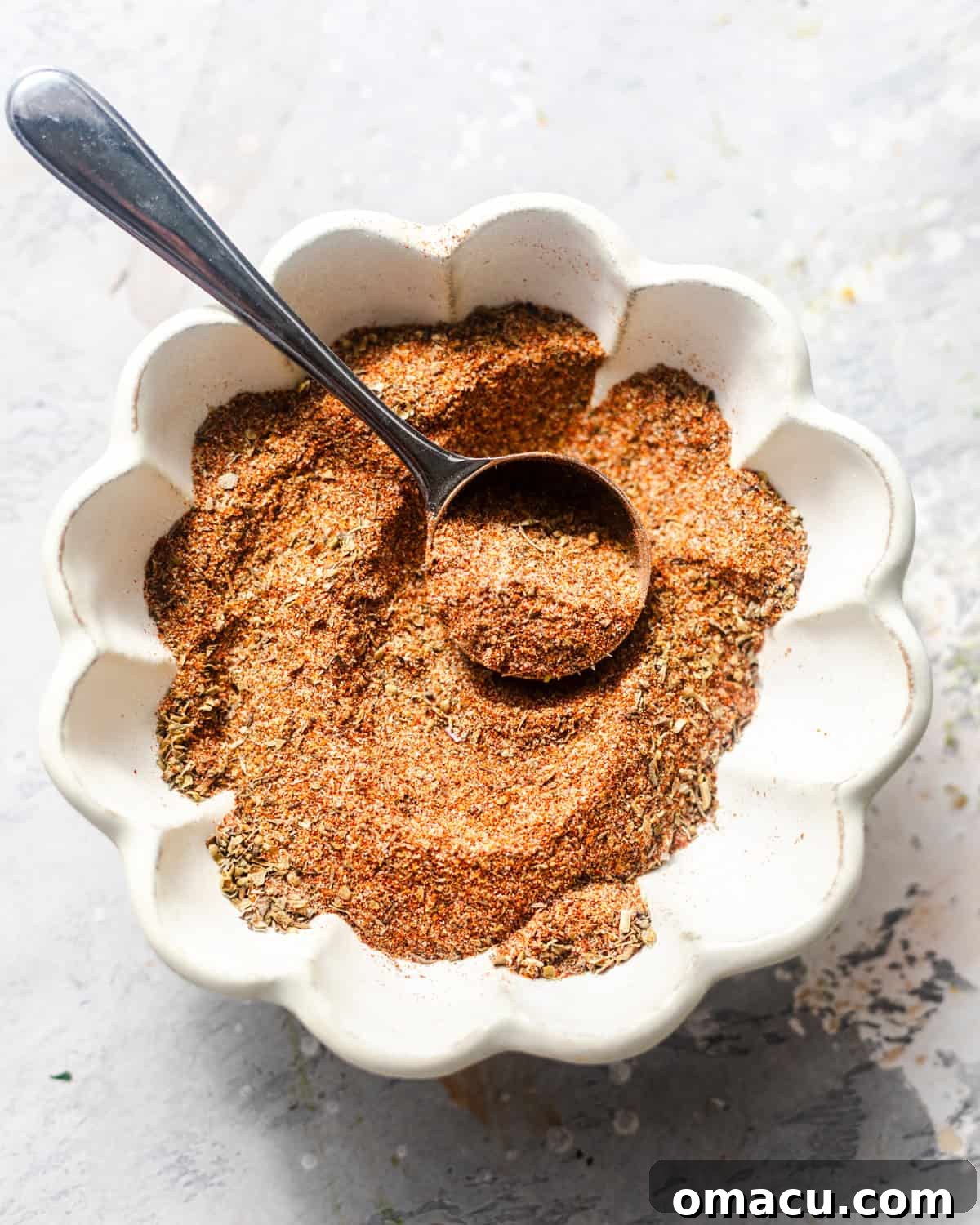
Transform your cooking with this vibrant, aromatic, and easy-to-make homemade Cajun seasoning recipe. Bursting with the authentic flavors of Louisiana, this blend delivers a delightful balance of smoky, savory, and spicy notes. Forget bland meals; this perfect mix is designed to elevate everything from succulent shrimp and tender chicken to roasted vegetables and crispy french fries. Creating your own spice blends at home is not just economical; it’s a gateway to customizing flavors to suit your palate and ensuring the freshest ingredients.
If you enjoy crafting your own flavorful mixes, be sure to explore my other popular homemade spice blends like Pot Roast Seasoning and Chicken Taco Seasoning!
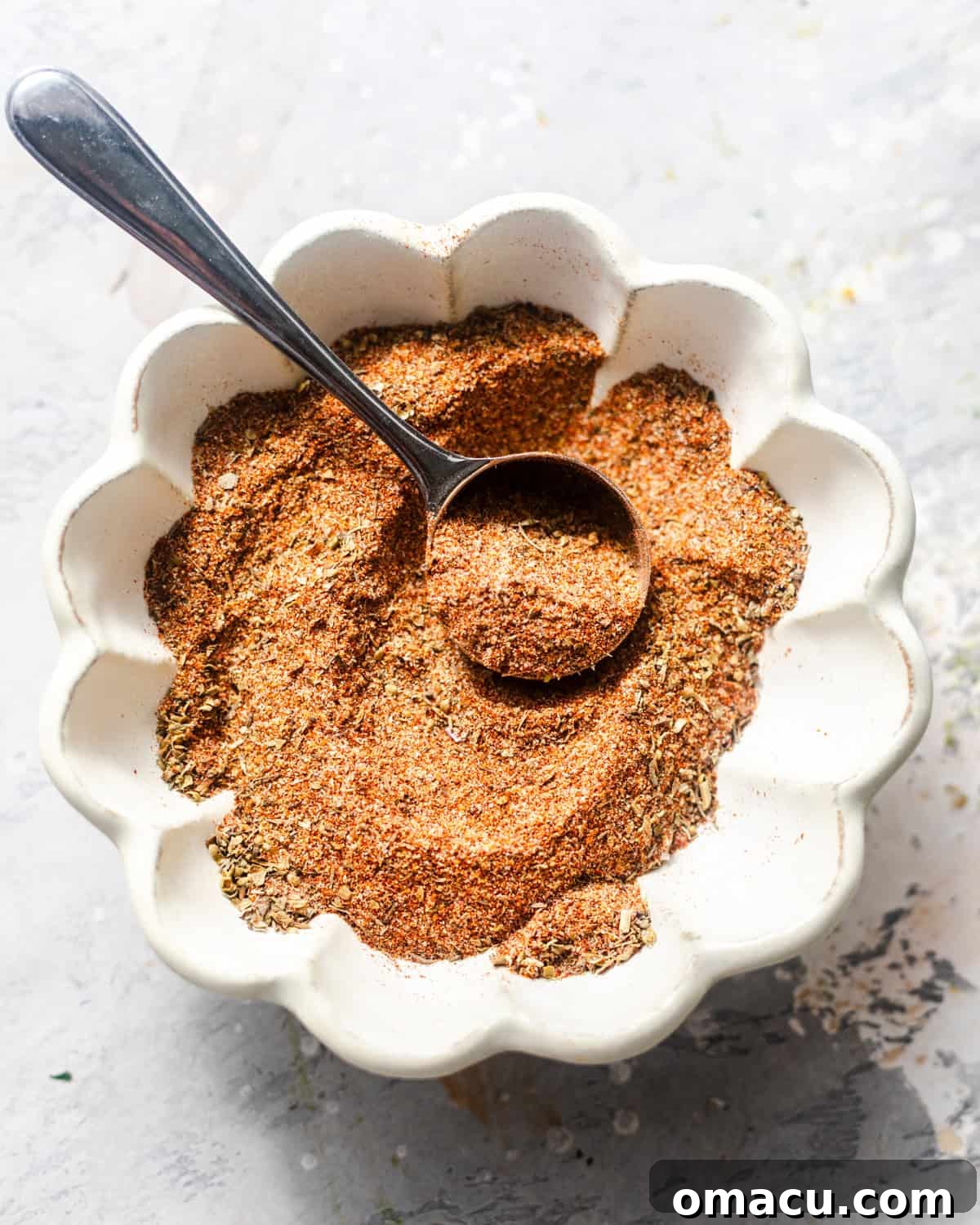
There’s an undeniable joy in making your own spice blends. Not only does it give you complete control over the flavor profile and heat level, but it also ensures you’re using the freshest, highest-quality ingredients, free from the anti-caking agents and excessive sodium often found in store-bought varieties. This particular homemade Cajun seasoning recipe calls for a collection of common spices that you probably already have stocked in your pantry, making it incredibly convenient. The result is a blend that is far superior in taste, vibrancy, and aroma compared to anything you’d find on a supermarket shelf – and I stand by that claim wholeheartedly!
Having a deep appreciation for Cajun cuisine, I live for bold and unapologetic flavors. This carefully curated blend of spices provides an exquisite punch that harmonizes beautifully with an astonishing array of dishes. It’s more than just a seasoning; it’s an invitation to infuse your everyday meals with the rich, soulful essence of Louisiana cooking. Whether you’re a seasoned chef or a home cook looking to explore new tastes, this blend promises to be a versatile and indispensable addition to your culinary repertoire.
Beyond its traditional uses in classic Cajun dishes, this versatile spice mix is phenomenal sprinkled on french fries, perhaps with a dash of hot sauce for an extra kick. It brings incredible depth to comforting recipes like Cajun Chicken and Rice or even adds a gourmet touch to simple crab legs. Its adaptability means there are virtually no limits to where you can use it. So, get ready to unlock a world of flavor; open up your spice drawer, and let’s create your new favorite seasoning blend!
Essential Spices for Authentic Cajun Seasoning
Crafting the perfect homemade Cajun seasoning relies on a precise combination of readily available spices, each playing a crucial role in building its signature profile. Here’s a closer look at the key ingredients you’ll need for this vibrant blend:
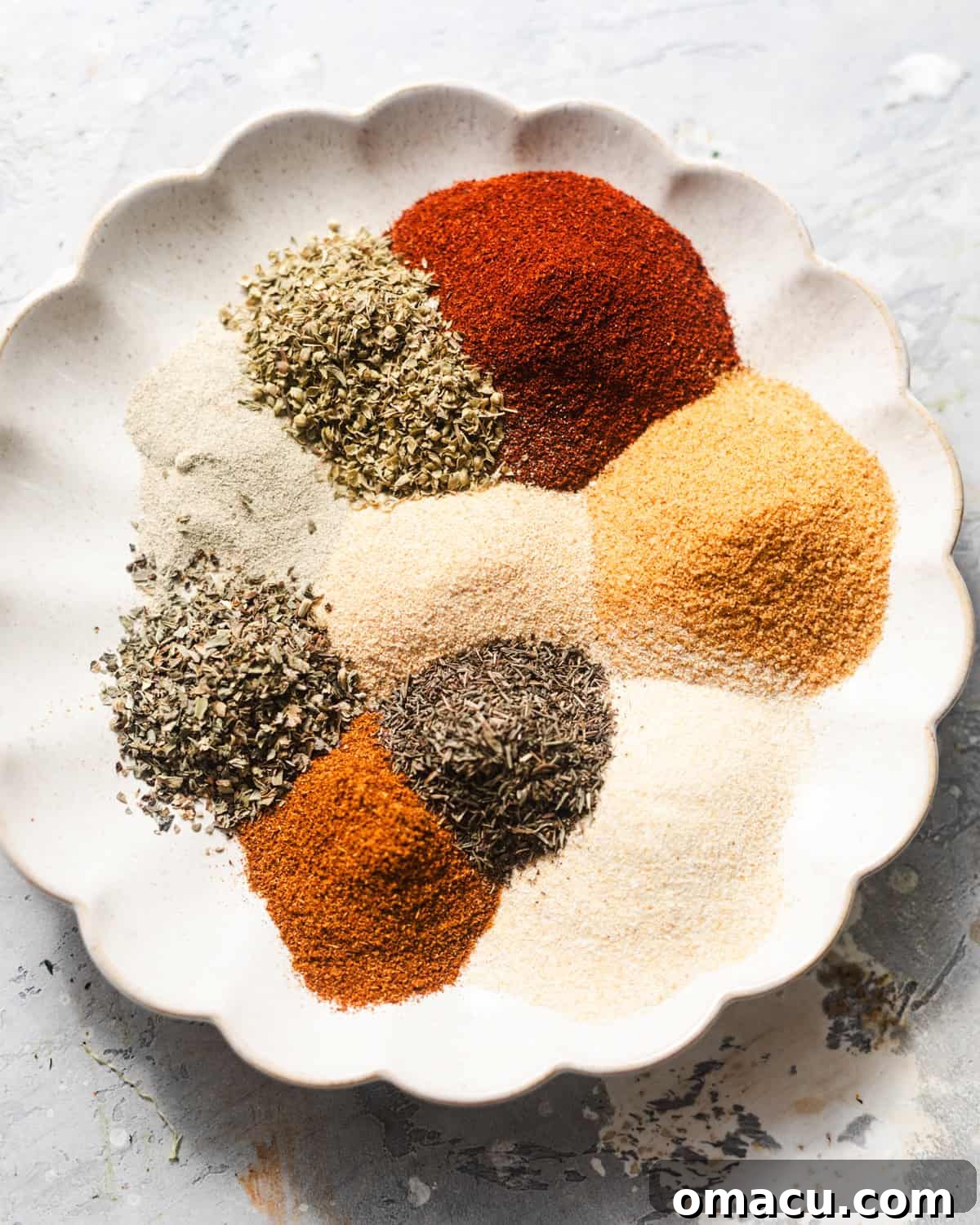
(Exact quantities for each spice are conveniently listed in the full recipe card below)
- Smoked Paprika: This foundational spice is indispensable, lending a beautiful, deep red hue and a rich, sweet-smoky backbone to the blend. It provides that earthy warmth synonymous with authentic Cajun spice mixes and helps to round out the fiery heat from other peppers. Look for a good quality smoked paprika for the best results.
- Seasoned Salt: More than just a source of salinity, seasoned salt provides a complex, savory base that intricately weaves all the other flavors together. Its unique blend of spices offers a depth of flavor that a simple kosher or iodized salt cannot replicate, enhancing the overall profile of the seasoning.
- Onion Powder: A strong aromatic, onion powder contributes a subtle sweetness and umami depth. It’s a crucial element in balancing the more assertive flavors and providing a well-rounded savory profile that defines Cajun cuisine.
- Garlic Powder: Delivering that quintessential pungent, savory punch, garlic powder is a cornerstone of Cajun food. It works hand-in-hand with onion powder to build a robust aromatic foundation that makes this seasoning irresistibly flavorful.
- Cayenne Pepper: This is the primary source of the characteristic fiery kick in Cajun seasoning. The amount of cayenne pepper you add directly controls the overall spice level of your mix. Feel free to adjust it to your personal preference, starting with a conservative amount and adding more if you desire a hotter blend.
- White Pepper and Black Pepper: The combination of these two peppers is key to achieving a nuanced heat without overpowering the other spices. While black pepper offers a familiar, sharper pungency, white pepper introduces an earthy undertone and a slightly floral note, adding complexity and a lingering warmth.
- Oregano: A vital herb in both Cajun and Creole seasoning, oregano contributes an earthy, slightly peppery bitterness that brilliantly balances the smokiness and spice. It’s a familiar, robust flavor that grounds the blend.
- Dried Thyme: With its subtle, woodsy, and minty notes, dried thyme is a classic Southern herb. It pairs wonderfully with oregano and basil, contributing to the distinct herbal character that is a hallmark of this regional seasoning.
- Basil: Dried basil adds a layer of freshness and a touch of sweet, peppery aroma. It helps to soften the sharper edges of the bolder spices, creating a more harmonious and inviting flavor profile.
Customizing Your Cajun Seasoning: Substitutions and Variations
One of the greatest advantages of making your own spice blends is the freedom to customize. This homemade Cajun seasoning recipe is incredibly versatile, allowing you to adapt it to your taste preferences or whatever ingredients you have on hand:
- Adjust the Heat Level: The amount of cayenne pepper is entirely up to you. If you adore spicy food, don’t hesitate to increase the quantity. For those who prefer a milder flavor, begin with just a ½ teaspoon of cayenne and gradually add more until you reach your desired kick. Remember, it’s always easier to add more heat than to take it away! This is your personalized seasoning, so tailor it to your exact heat tolerance.
- Low Sodium Option: To manage your sodium intake, you can completely omit the seasoned salt from the recipe. This allows you to control the exact amount of salt in your finished dish, salting it separately to taste. You can also replace seasoned salt with plain salt (like kosher salt) and add a pinch more of onion and garlic powder for flavor.
- Smoked Paprika Alternatives: If you don’t have smoked paprika available, you can substitute it with an equal amount of sweet paprika or regular paprika. While the smoky depth might be slightly less pronounced, the blend will still be incredibly flavorful. For a hint of smokiness, consider adding a tiny pinch of chipotle powder if you have it.
- Add a Citrusy Brightness with Lemon Zest: For an unexpected yet delicious twist, consider incorporating some dried lemon zest into your blend. While not traditional in Cajun cuisine, the bright, tangy notes of lemon zest beautifully complement the dried herbs and spices, particularly when used with seafood.
- White Pepper Substitute: If white pepper isn’t in your spice cabinet, simply replace it with an equal amount of black pepper. The overall flavor will still be robust and peppery, although you might miss the subtle earthy and floral nuances that white pepper provides.
Effortless Preparation: How to Make Homemade Cajun Seasoning
Making your own Cajun seasoning is surprisingly simple and quick, requiring minimal effort for maximum flavor. Here’s a straightforward guide to preparing this staple blend:
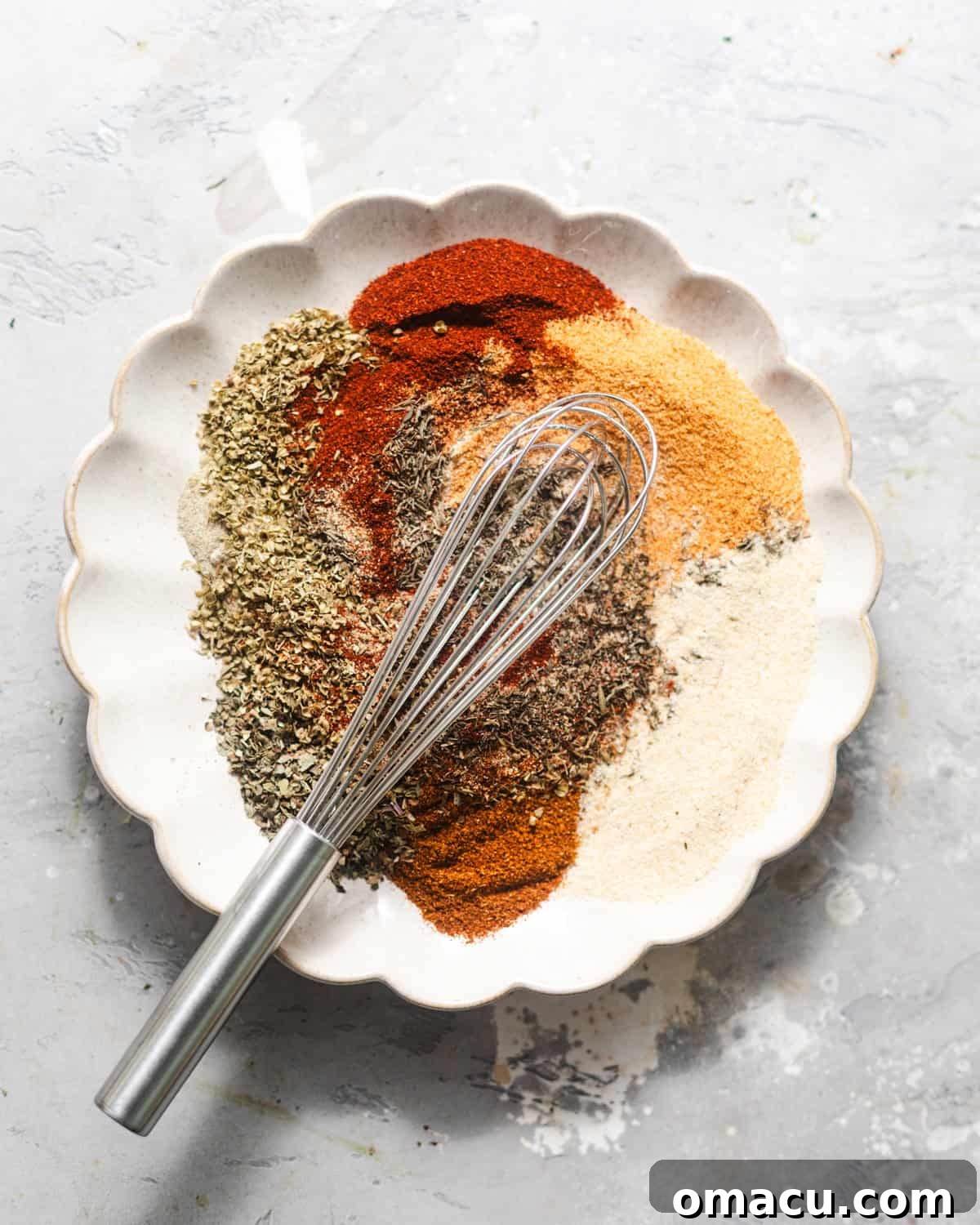
Gather all your measured spices: smoked paprika, seasoned salt, onion powder, garlic powder, cayenne pepper, white pepper (or additional black pepper if substituting), oregano, dried thyme, and basil. In a small bowl, combine all these ingredients. Use a whisk or a spoon to mix everything thoroughly, ensuring that the spices are evenly distributed and there are no clumps. Once well combined, transfer your fresh homemade Cajun seasoning into an airtight container. For optimal flavor retention, store this container in a cool, dark place, such as your spice cabinet, for up to 6 months. Proper storage is key to preserving the potency and aroma of your blend.
Unleashing Flavor: How to Use Homemade Cajun Seasoning
Once you’ve made your batch of homemade Cajun seasoning, you’ll quickly discover its incredible versatility. I personally find myself sprinkling this bold blend on almost everything, and for good reason—it adds an instant burst of complex flavor! Here are just a few ways to incorporate this amazing spice mix into your cooking:
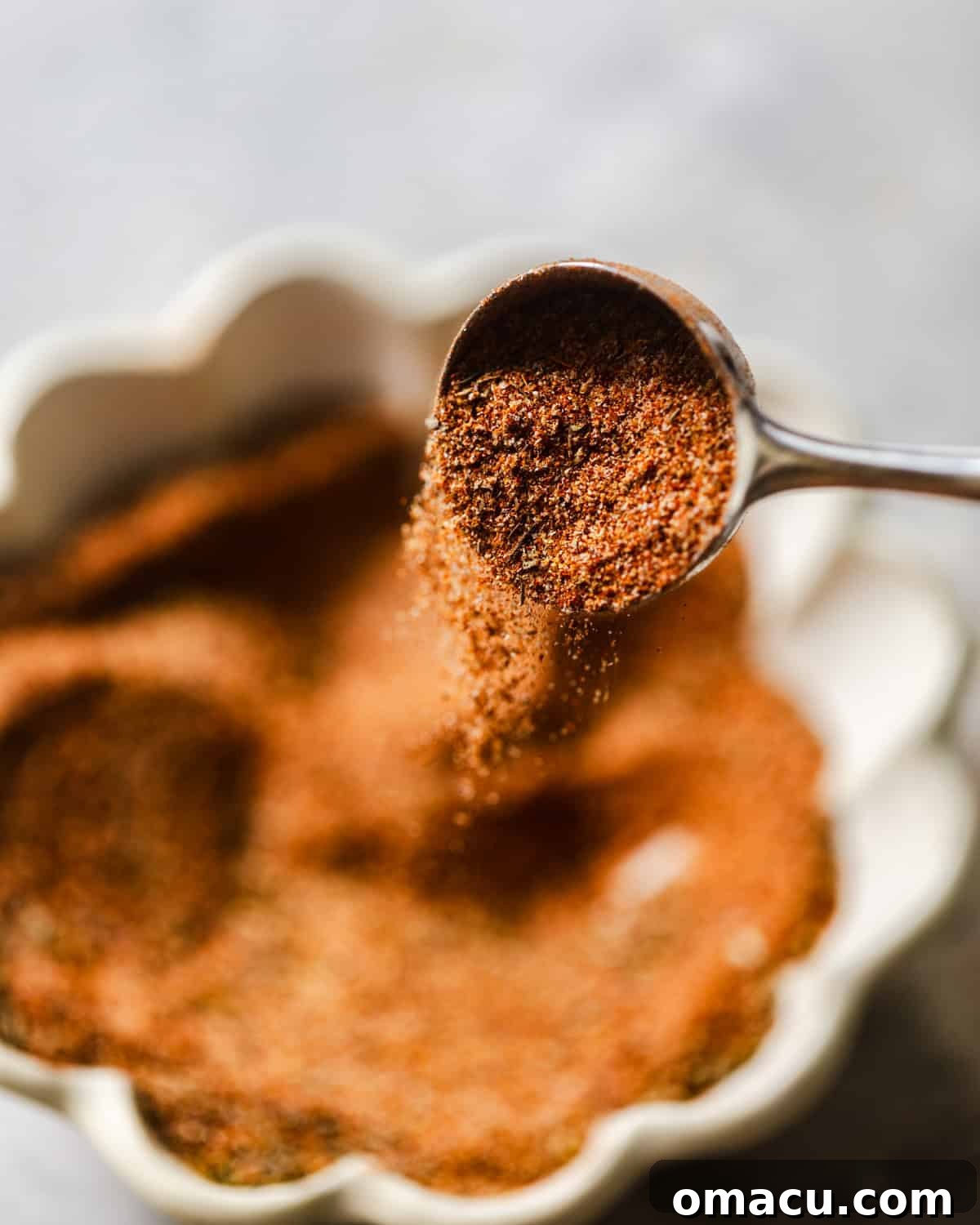
This seasoning is the secret ingredient in many of my beloved Cajun and Southern-inspired recipes. It brings unparalleled depth to my Seafood Gumbo and Chicken and Sausage Gumbo, provides the perfect kick for a celebratory Cajun Seafood Boil, and elevates the classic flavors of Shrimp Creole and Cajun Shrimp and Grits. I even love to use it to infuse a little extra zest into my Hot Honey Chicken Wings.
But its uses extend far beyond traditional Cajun fare. For a quick weeknight dinner, a simple sprinkle over grilled chicken, roasted potatoes, or scrambled eggs can completely transform the dish. When you’re looking to infuse deeper flavor, consider using it as a dry rub for meats before grilling, baking, or pan-searing. For example, adding a tablespoon to the marinade for something like my Buttermilk Fried Chicken truly amps up the flavor, allowing it to seep into every succulent bite. You can also mix it into breading for fried fish or chicken, or stir it into soups, stews, and chili for an extra layer of warmth and spice. It’s fantastic on popcorn, in salad dressings, or even blended into mayonnaise for a zesty dipping sauce. The best part? You can confidently add this incredible blend to almost any savory dish to impart a wonderfully spicy and complex kick. There are truly countless delicious ways to enjoy this homemade Cajun seasoning!
Expert Tips for Your Homemade Cajun Seasoning
To ensure your homemade Cajun seasoning is the best it can be, keep these helpful tips in mind:
- Prioritize Fresh Spices: For the most vibrant and potent flavor, always start with fresh spices. Older spices tend to lose their aroma and intensity, resulting in a less impactful seasoning blend. Check the expiration dates on your spice jars and replace any that are past their prime.
- Achieve Uniform Texture with a Spice Grinder: While hand-mixing works perfectly well, using a dedicated spice grinder (or a clean coffee grinder) can help you achieve a more uniform and finely ground texture. This ensures that all the flavors are evenly distributed and that the seasoning clings better to your food.
- Store It Right: Proper storage is crucial for maintaining the freshness and potency of your homemade seasoning. Always keep it in an airtight jar or container to prevent moisture and air from degrading the spices. Store it in a cool, dark place, such as inside a pantry or a spice cabinet. Avoid storing your seasoning near the stove, as the fluctuating heat and light can cause spices to fade their flavor much faster.
Homemade Cajun Seasoning: Frequently Asked Questions
Absolutely! If you prefer to control the salt content in your cooking, you can simply omit the seasoned salt entirely from the recipe. You can then season your dish with plain salt separately, adjusting it precisely to your taste preferences during cooking.
If smoked paprika isn’t available, you have a couple of good options. Sweet paprika (also known as regular paprika) works well as a direct substitute, providing color and mild flavor. For a touch of smokiness, you can combine sweet paprika with a very small pinch of chipotle powder, which will help to mimic the depth of smoked paprika.
While spices don’t technically “go bad” in a way that makes them unsafe to eat, they do lose their flavor and potency over time. You’ll know your Cajun seasoning is past its prime if its vibrant color has faded, the aroma is noticeably weak, or it tastes flat and lacks its characteristic punch. When this happens, it’s time to whip up a fresh batch for the best results.
When stored correctly in an airtight container in a cool, dark place (like a pantry or spice cabinet), your homemade Cajun seasoning will maintain its peak flavor and aroma for approximately 6 months. Beyond this period, it will still be safe to use, but its intensity may gradually diminish.
As a general guideline, start with 1 to 1 ½ teaspoons of Cajun seasoning per pound of meat or seafood. This provides a good baseline flavor. From there, you can adjust the amount to your personal taste. For dishes that call for a bolder, more intense flavor, such as blackened fish (like blackened salmon), you can generously use up to 1 tablespoon per pound.
Absolutely! Customizing the heat level is one of the best parts of making your own blend. To create a mild Cajun seasoning, simply reduce the amount of cayenne pepper to ½ teaspoon, or even omit it entirely. You can then increase the amount of smoked paprika slightly to ensure the blend still has plenty of color and rich flavor without the intense heat.
Yes, this homemade Cajun seasoning recipe is naturally both gluten-free and vegan, as it consists entirely of dried herbs and spices. It’s a fantastic way to add flavor to a wide variety of diets without worrying about hidden ingredients.
Explore More Homemade Seasoning Blends
Thanksgiving
Hearty Pot Roast Seasoning
Main Course
Zesty Chicken Taco Seasoning
Main Course
Savory Homemade Blackened Seasoning
Desserts
Fragrant Pumpkin Pie Spice
Want more delicious and beautiful recipes delivered straight to your inbox? Subscribe to my newsletter to receive the latest seasonal creations as soon as they’re released!
If you make this incredible homemade Cajun seasoning recipe, please consider leaving a star rating on the recipe card below and sharing your thoughts in the comments section! You can also proudly tag @BritneyBreaksBread on Instagram and use the hashtag #britneybreaksbread so I can celebrate your beautiful culinary creations!
Homemade Cajun Seasoning Recipe
Equipment
-
Small Bowl
-
Airtight Container
Ingredients
- 2 tbsp Smoked Paprika
- 1 1/2 tbsp Seasoning Salt
- 1 tbsp Onion Powder
- 1 tbsp Garlic Powder
- 2 tsp Oregano
- 2 tsp Cayenne Powder, (more or less as desired)
- 2 tsp Dried Thyme
- 1 tsp Basil
- 1 tsp White Pepper
- 1 tsp Black Pepper
Instructions
-
Combine smoked paprika, seasoning salt, onion powder, garlic powder, cayenne pepper, white pepper (or black pepper), oregano, dried thyme, and basil in a small bowl. Mix together and add to an airtight container. Store in at room temperature in a dark place (spice cabinet) for up to 6 months.
Notes
Use a spice grinder to mix everything together for a more uniform texture.
Store It Right – Keep in an airtight jar in a cool, dark place. Avoid storing near the stove, as the heat and light make spices fade faster.
Nutrition
Nutrition information is automatically calculated, so should only be used as an approximation.