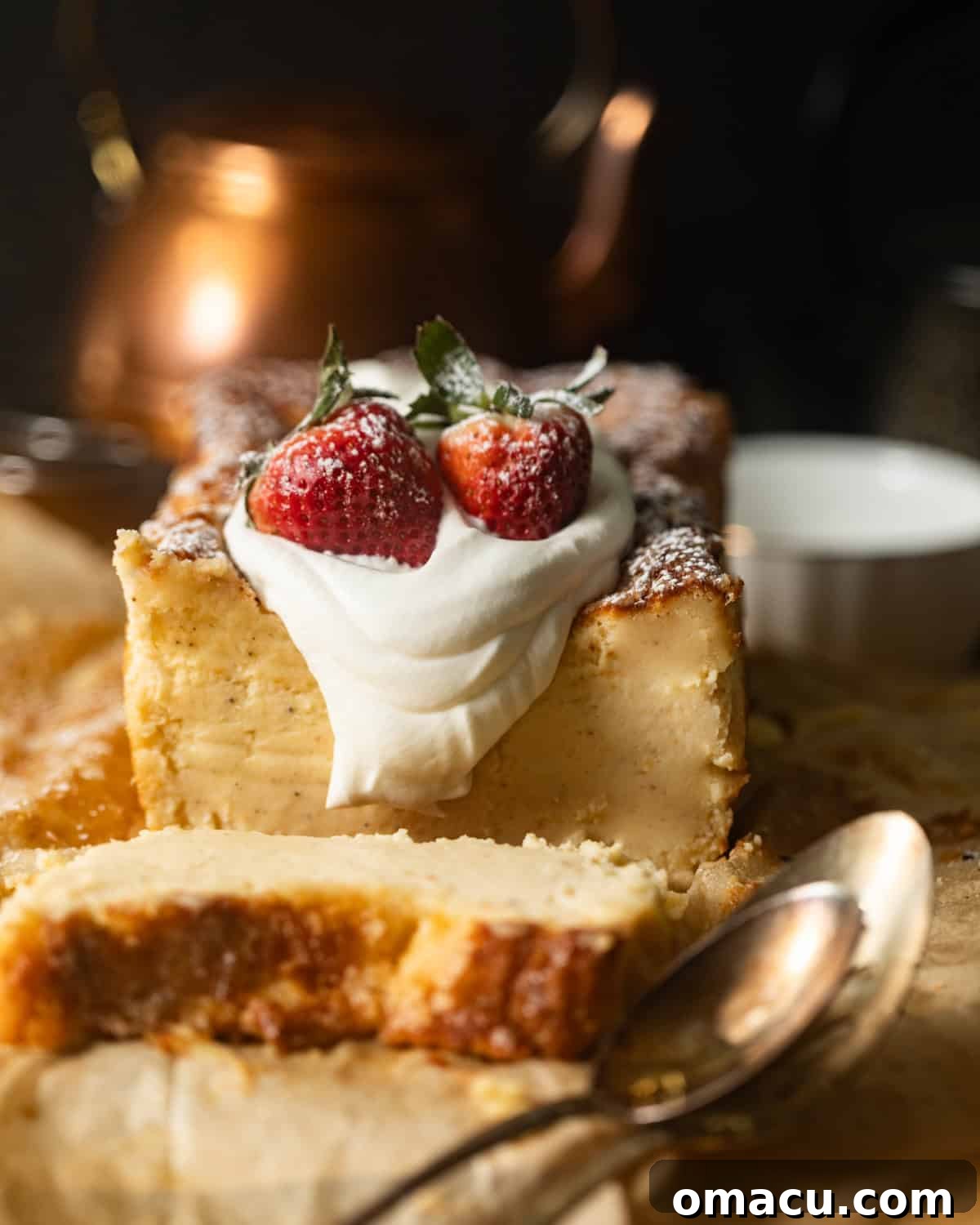
Craving the rich, custardy delight of a classic Basque cheesecake but don’t want the commitment of baking a giant one? Say hello to your new favorite dessert: this incredibly easy loaf pan Basque cheesecake! It’s perfectly caramelized on top, irresistibly rich, and boasts that signature creamy, melt-in-your-mouth interior, all in a convenient, smaller size that’s perfect for intimate gatherings or a special personal treat. Forget the fuss of traditional cheesecakes; this recipe simplifies the process without sacrificing any of the iconic flavor or texture.
If you’re a cheesecake enthusiast, be sure to explore more of our decadent recipes, including our mascarpone cheesecake, cherry cheesecake, and strawberry cheesecake recipe for every occasion!
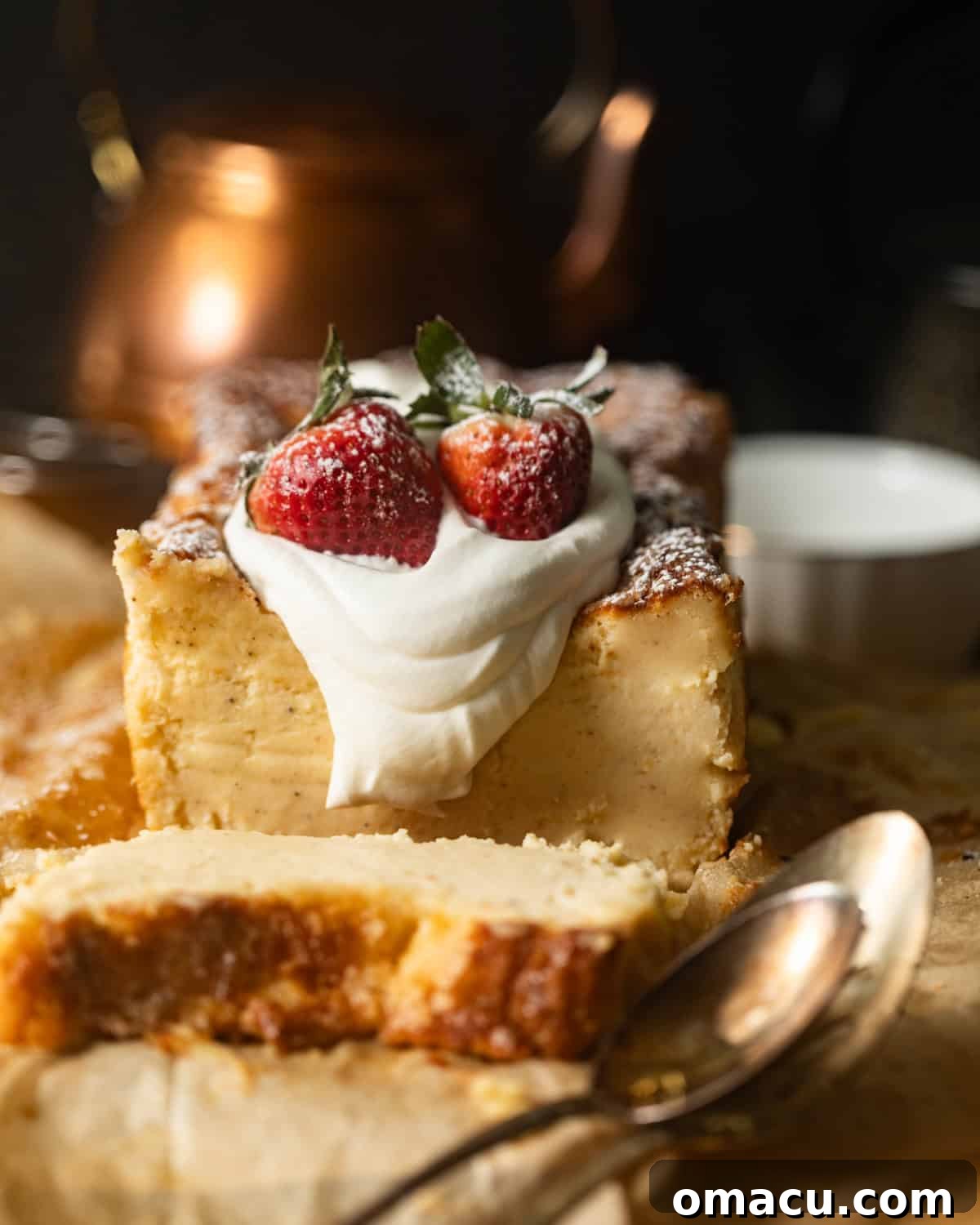
Once you experience the unique charm of this recipe, you’ll instantly understand why the iconic Basque cheesecake has captured hearts worldwide. Its distinct “burnt” exterior gives way to a surprisingly delicate and creamy interior, creating a textural contrast that is simply unforgettable. Prepare to be amazed and quickly come to two delicious conclusions: this is undoubtedly one of the best Basque cheesecakes you’ll ever taste, and you’ll find yourself eager to bake another even before the first one is entirely gone!
We’ve elevated this recipe beyond the ordinary by incorporating a subtle blend of sour cream, a bright touch of lemon juice, and aromatic vanilla bean paste. These additions introduce layers of complex flavor and an even richer texture, setting this apart from your typical basic cheesecake. It’s not just good; it’s truly exceptional.
Adding to its allure is a delicate sprinkle of sugar on top just before baking. This simple step creates a beautifully crunchy, caramelized crust during the high-heat baking process—a textural masterpiece that perfectly complements the luscious, custardy center. It’s these thoughtful details that transform a simple dessert into an extraordinary culinary experience.
Perhaps the best part about this particular recipe is its remarkable simplicity. Unlike traditional cheesecakes that often demand a multitude of steps, specialized equipment, and a dreaded water bath, this loaf pan Basque cheesecake streamlines the entire process. It’s made entirely in a standard 9×5-inch loaf pan, requiring no water bath, food processor, or springform pan. This makes it an ideal recipe for both seasoned bakers and beginners looking for a show-stopping dessert with minimal fuss.
Table of Contents
- What Makes Basque Cheesecake So Special?
- Why a Loaf Pan? The Perfect Personal-Sized Indulgence
- Our Unique Twist: Elevated Flavors for an Unforgettable Treat
- Key Ingredients for Success
- Step-by-Step Guide: How to Make Loaf Pan Basque Cheesecake
- Mastering Your Bake: Essential Tips
- Creative Serving Suggestions
- Basque Cheesecake FAQs
- More Decadent Cheesecake Recipes
- Loaf Pan Basque Cheesecake Recipe
What Makes Basque Cheesecake So Special?
Originating from La Viña restaurant in San Sebastián, Spain (the Basque Country), Basque cheesecake, often called “burnt Basque cheesecake,” defies conventional cheesecake rules. Instead of a traditional crumb crust and a perfectly smooth, unblemished surface, it embraces a dramatically caramelized, almost burnt top and a wonderfully rustic, often sunken appearance. This intense caramelization delivers a bitter-sweet complexity that perfectly balances the incredibly creamy, custard-like interior. Baked at a high temperature, it quickly forms its distinct dark crust while leaving the center delightfully soft and jiggly – a truly unique and irresistible dessert experience.
Why a Loaf Pan? The Perfect Personal-Sized Indulgence
Opting for a loaf pan for your Basque cheesecake comes with a host of benefits. Firstly, it eliminates the need for a springform pan, which can sometimes leak, and a water bath, a common requirement for traditional cheesecakes that adds extra steps and potential mess. A loaf pan makes this recipe incredibly approachable. Secondly, it creates a perfectly portioned cheesecake, ideal for smaller households, intimate dinners, or when you simply want to enjoy a luxurious dessert without having an entire large cake. The loaf pan format also allows for easy slicing and serving, ensuring every piece is just right.
Our Unique Twist: Elevated Flavors for an Unforgettable Treat
While the classic Basque cheesecake is glorious on its own, our recipe introduces a few subtle additions that truly enhance its flavor profile. A touch of sour cream lends an extra layer of tangy richness, deepening the creamy base. Fresh lemon juice provides a bright, zesty counterpoint, preventing the cheesecake from being overly sweet and adding a refreshing lift. Finally, using vanilla bean paste (or high-quality extract) infuses the entire dessert with an exquisite, aromatic vanilla essence that shines through every bite. These elements combine to create a Basque cheesecake that is familiar yet distinctly superior, with a balanced and sophisticated taste.
Key Ingredients for Success
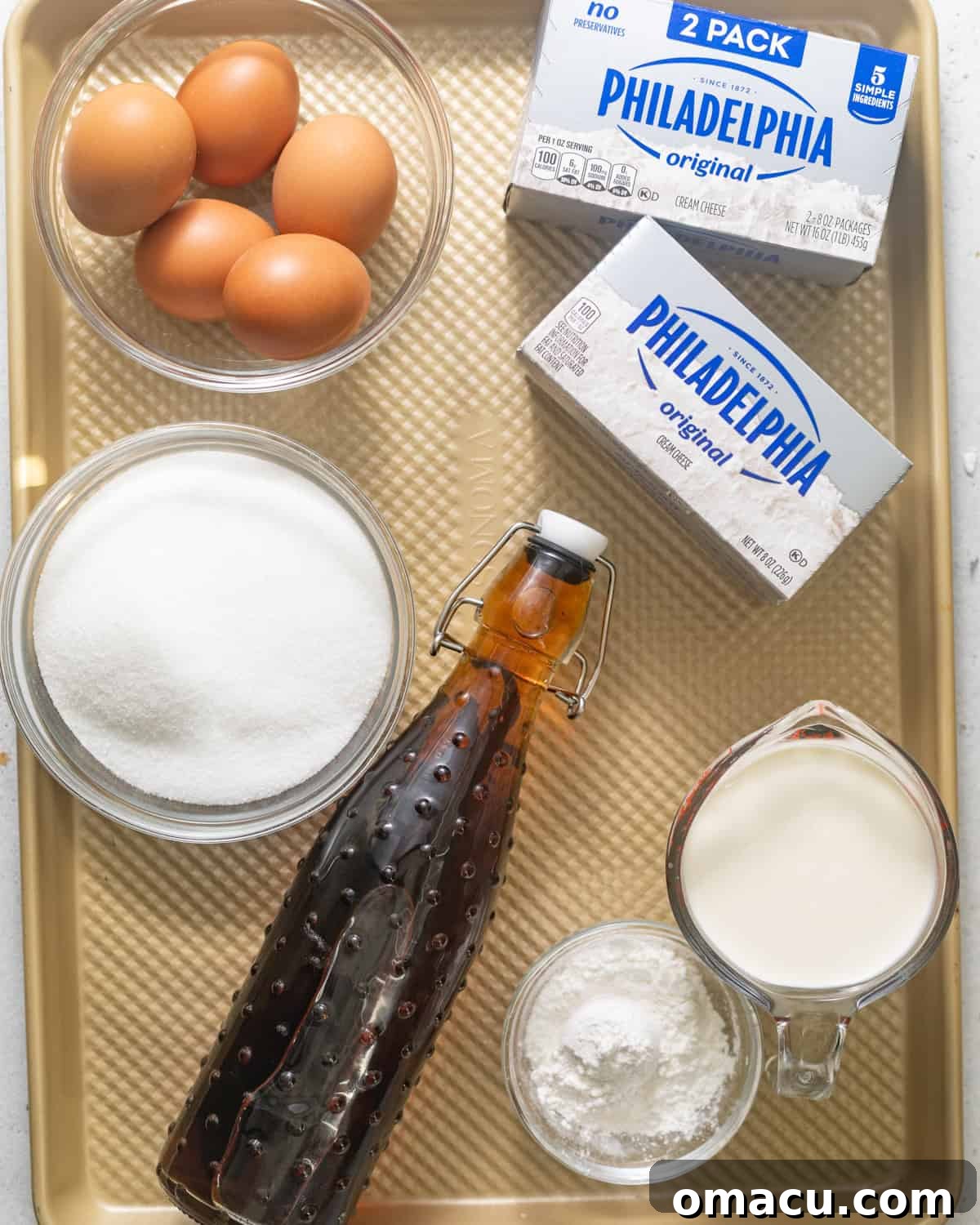
The magic of this Basque cheesecake lies in the quality and balance of its core ingredients. Here’s a closer look at what makes each component essential for achieving that perfect, creamy, caramelized delight:
-
Full-Fat Cream Cheese
This is the undisputed foundation of your cheesecake. Using full-fat cream cheese is crucial for delivering that signature tangy flavor and the incredibly smooth, velvety texture that Basque cheesecake is famous for. It ensures your cheesecake holds its shape while maintaining a luxurious, rich creaminess that melts in your mouth.
-
High-Quality Vanilla Bean Paste or Extract
Since the beauty of Basque cheesecake often lies in its simplicity, the vanilla flavor truly needs to shine. We highly recommend using vanilla bean paste for its intense, complex flavor and visible vanilla specks. If using extract, opt for a really high-quality pure vanilla extract to achieve the best possible aromatic depth. This seemingly small detail makes a significant difference.
-
Granulated Sugar
Sugar provides the essential sweetness to perfectly balance the tang of the cream cheese. Beyond flavor, we also use a sprinkle of sugar on top of the batter before baking. This creates that wonderfully crunchy, beautifully caramelized crust that is a hallmark of Basque cheesecake, adding an incredible textural contrast.
-
The Secret Ingredient: Sour Cream
While not traditionally found in Basque-style cheesecake, we’ve added sour cream to this recipe for a reason. It contributes an extra layer of tangy richness and moisture, enhancing the cheesecake’s depth of flavor and creating an even more luxurious, tender crumb.
-
Large Eggs
Eggs are vital for providing structure and stability to the cheesecake batter, allowing it to set beautifully while still retaining its signature creamy, custard-like consistency. They also contribute fats and help incorporate air into the mixture, which is essential for that rich flavor and silky smooth texture.
-
Cornstarch and All-Purpose Flour
To achieve the ideal custardy yet stable texture, we use a balanced mix of cornstarch and all-purpose flour. The cornstarch works to keep the cheesecake silky smooth and tender, contributing to that desirable custardy center. The touch of flour adds just enough structure to hold everything together without making the cheesecake dense or heavy.
-
Fresh Lemon Juice
A splash of fresh lemon juice adds a bright, subtle tang that cuts through the richness of the cream cheese and heavy cream. It’s a key balancing agent that elevates the overall flavor profile, making each bite refreshing and complex.
-
Heavy Cream
Heavy cream is the ultimate indulgence in this recipe, contributing significantly to the cheesecake’s luxurious richness and its incredibly smooth, almost ethereal texture. It helps create that signature creamy consistency that distinguishes Basque cheesecake.
-
Kosher Salt
A pinch of kosher salt is crucial for balancing all the sweet and tangy flavors, enhancing the overall taste without making the cheesecake salty. It brings out the best in all the other ingredients.
Step-by-Step Guide: How to Make Loaf Pan Basque Cheesecake
Creating this stunning Basque cheesecake is surprisingly straightforward. Follow these steps for a perfectly burnt exterior and an irresistibly creamy interior every time.
Step 1: Prepare Your Pan and Preheat Oven
Preheat your oven to a high 450 degrees F (232 degrees C). This high heat is essential for achieving the signature burnt, caramelized crust. Liberally line a standard 9×5-inch loaf pan with two sheets of parchment paper, ensuring there’s about a 2-inch overhang on all sides. This generous overhang acts as handles, allowing for incredibly easy removal of the cheesecake from the pan once it’s baked and cooled. It also helps create those beautifully rustic, crinkled edges.
Step 2: Cream Cheese Base
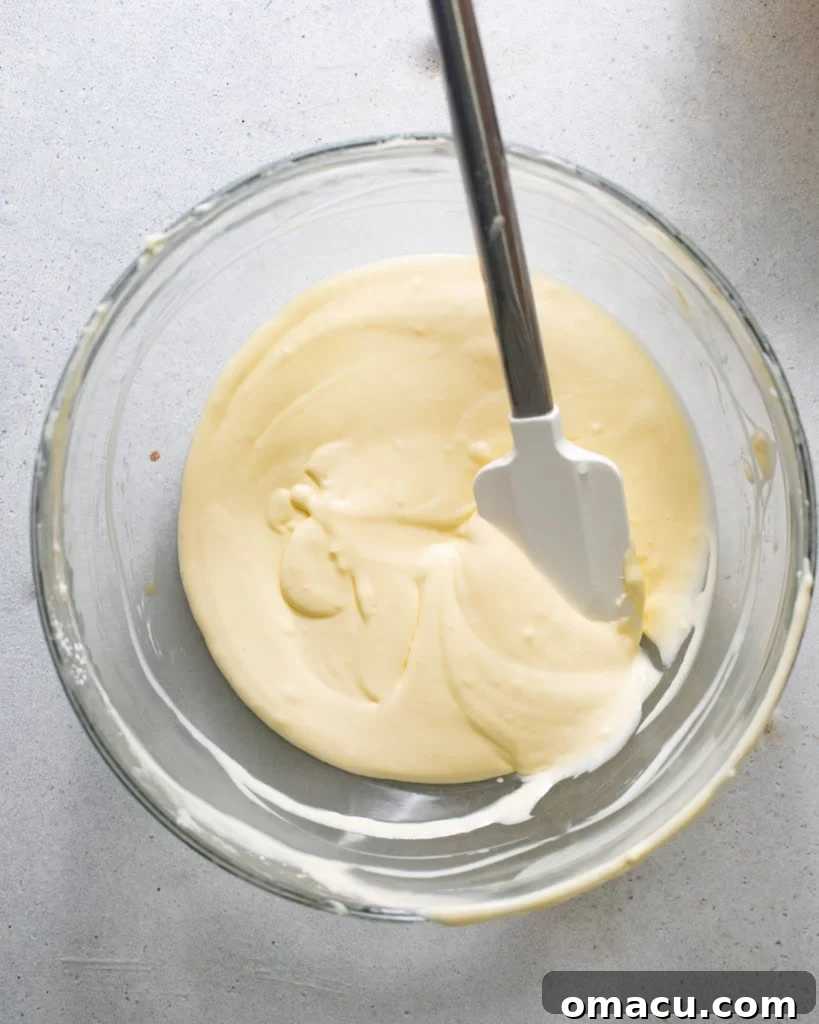
In the bowl of a stand mixer fitted with the paddle attachment (or using a hand mixer), add your softened full-fat cream cheese and room temperature sour cream. Mix together on medium-low speed for 2-3 minutes until the mixture is completely smooth and lump-free. Then, add the granulated sugar, cornstarch, and all-purpose flour. Continue mixing on low speed for about 1 minute until all ingredients are just combined, being careful not to overmix.
Step 3: Incorporate Eggs and Flavorings
Add the large eggs, one at a time, ensuring that each egg is fully incorporated into the batter before adding the next. This step is crucial for maintaining the emulsion and preventing a lumpy batter. After adding the second egg, and again after all eggs are incorporated, take a moment to scrape down the sides and bottom of the bowl with a rubber spatula to ensure everything is thoroughly combined. Next, pour in the lemon juice, vanilla bean paste, kosher salt, and heavy cream. Mix on low speed until everything is just combined and the batter is smooth. If you notice any small lumps of cream cheese that haven’t fully mixed, you can carefully run the batter through a fine-mesh sieve before pouring it into the pan.
Step 4: Bake to Golden Perfection
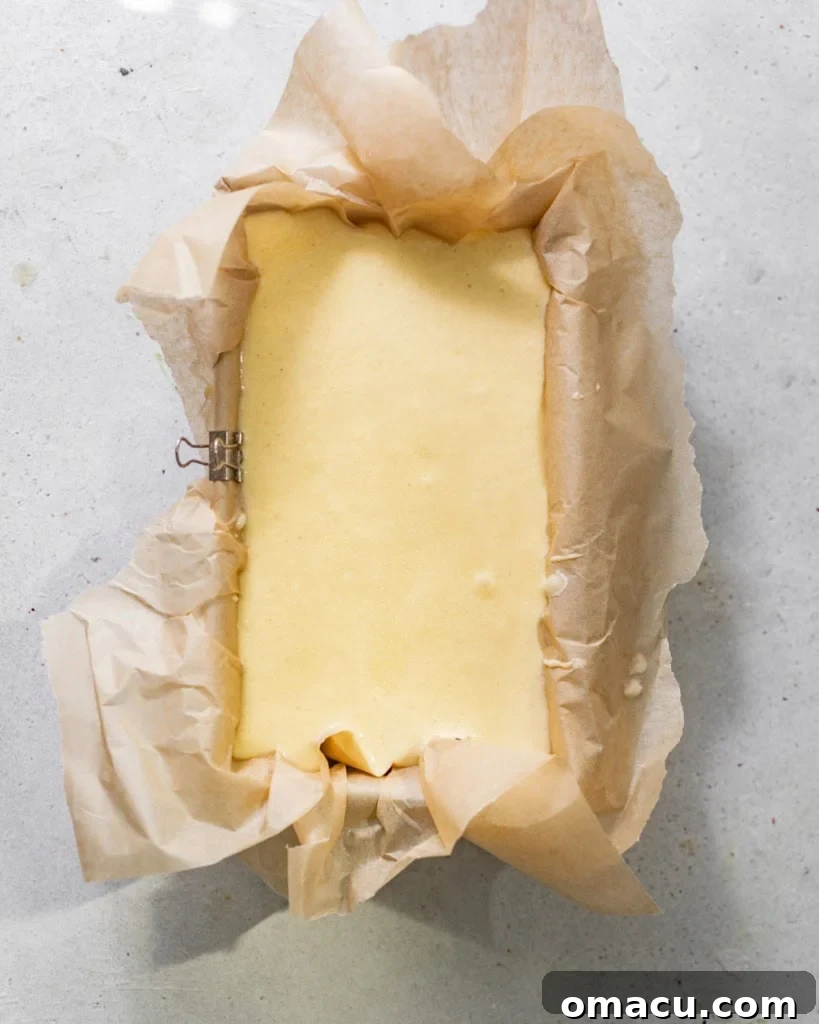
Carefully pour the creamy cheesecake batter into your prepared loaf pan. For that extra crunchy, caramelized top, sprinkle 2 teaspoons of granulated sugar evenly over the surface of the batter. Place the loaf pan into the preheated oven. Immediately reduce the oven temperature to 425 degrees F (218 degrees C) and bake for 40-50 minutes. The cheesecake is ready when the top is a deep, rich golden brown, almost blackened in spots, and the center still has a distinct jiggle when gently shaken. This jiggle is key to its custardy interior.
Step 5: Cool and Chill
Once baked, remove the cheesecake from the oven. Allow it to cool completely to room temperature on a wire rack for approximately 2 hours. During this time, the cheesecake will settle and its flavors will begin to develop. After reaching room temperature, cover the loaf pan with plastic wrap and transfer it to the refrigerator to chill and set for a minimum of 4 hours, or ideally, overnight. This chilling period is crucial for the cheesecake to firm up and for its creamy texture to fully mature.
Mastering Your Bake: Essential Tips for the Perfect Loaf Pan Basque Cheesecake
Achieving the perfect Basque cheesecake is simple when you follow a few key guidelines. These expert tips will help ensure your loaf pan version comes out beautifully every time:
-
Room Temperature Ingredients: The Golden Rule
This is arguably the most important tip! Ensure your full-fat cream cheese, sour cream, and eggs are at room temperature. Cold ingredients will not emulsify properly, leading to a lumpy batter and an unevenly baked cheesecake. Room temperature ingredients blend seamlessly, creating a smooth, homogenous batter that bakes evenly and results in a wonderfully creamy texture.
-
Don’t Skimp on Parchment Paper
Generously lining your loaf pan with two sheets of parchment paper is crucial. Let it overhang by at least 2 inches on all sides. This serves two vital purposes: it prevents the cheesecake from sticking and overflowing, making it incredibly easy to lift the finished cheesecake out of the pan. The overhanging parchment also creates those beautiful, rustic, crinkled edges that are characteristic of Basque cheesecake.
-
Trust Your Oven Thermometer
An oven thermometer is an invaluable tool for any baker, especially with high-heat recipes like Basque cheesecake. Ovens can be notoriously inaccurate, and ensuring your oven is at the correct temperature (450°F initially, then 425°F) is critical. This prevents both burning and underbaking, guaranteeing that perfect caramelized crust and custardy interior.
-
The Jiggle Test: Understanding Doneness
Do not overbake your Basque cheesecake! The center should still have a distinct, fluid jiggle when you gently shake the pan. It will continue to cook slightly and firm up as it cools. The goal is a deep golden brown, almost blackened top, with a creamy, nearly molten center. As soon as you achieve that deep caramelized color and the signature jiggle, remove it from the oven.
-
Patience is Key: Cooling and Chilling
Allow the cheesecake to cool completely at room temperature for about two hours before placing it in the refrigerator. This gradual cooling process helps the cheesecake set properly and prevents cracking. A minimum of 4 hours (preferably overnight) in the fridge is essential for the cheesecake to fully firm up, allowing its complex flavors and exquisite texture to fully develop.
-
Gentle Mixing is Best
When preparing your batter, mix on medium-low speed and avoid overmixing, especially once the eggs and wet ingredients have been added. Excessive mixing can incorporate too much air into the batter, which can lead to a puffier cheesecake that might crack or sink excessively during cooling. A smooth, well-combined batter is the goal, not an airy one.
Creative Serving Suggestions
To truly appreciate the unique texture and flavor of your loaf pan Basque cheesecake, ensure it’s thoroughly cooled and chilled. Slice it like a pound cake – thick, creamy slices that beautifully showcase that gorgeous caramelized top and luscious interior. While it’s absolutely divine on its own, here are some ideas to elevate your serving experience:
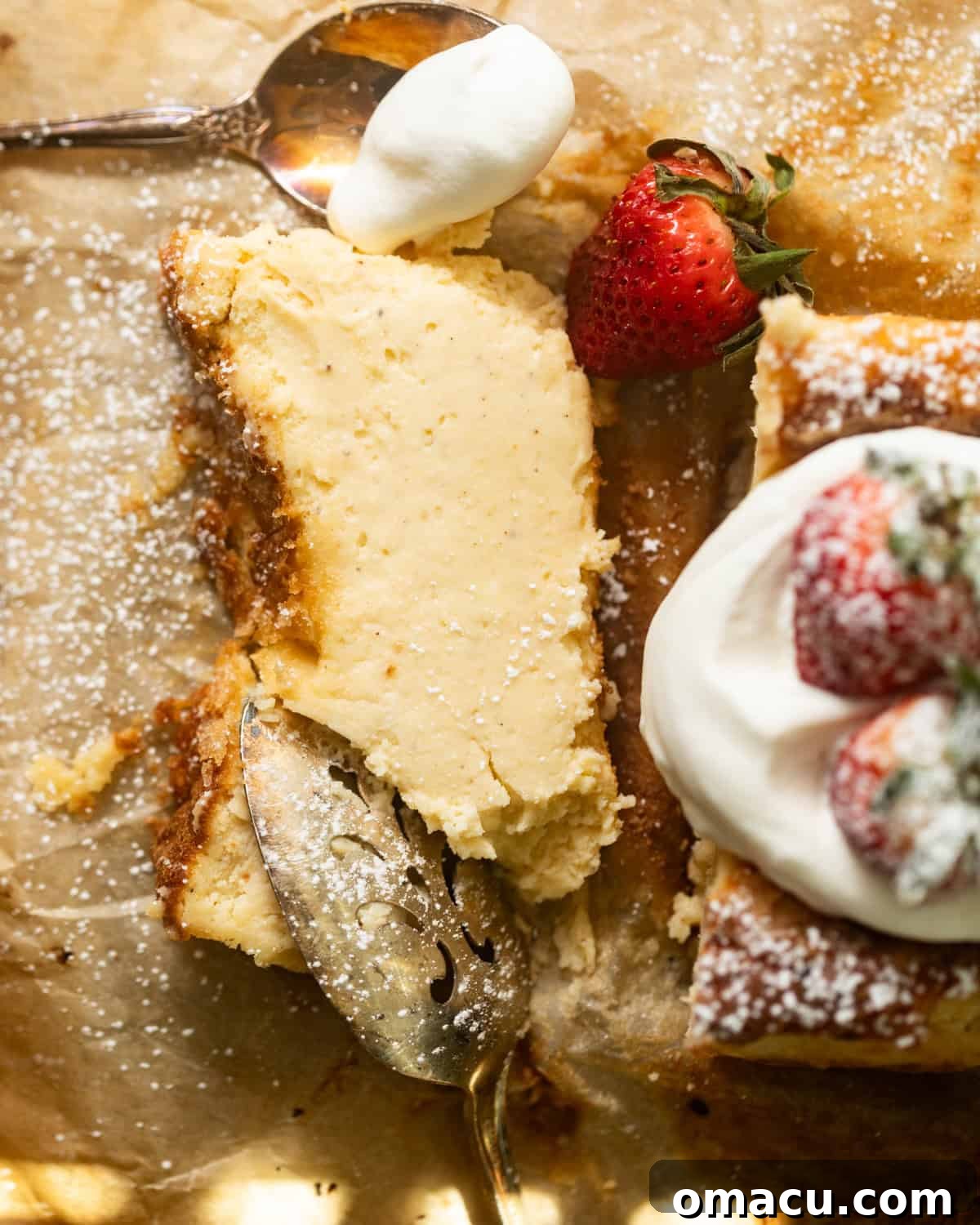
- **Fresh Berries:** A vibrant medley of fresh strawberries, raspberries, blueberries, or blackberries provides a lovely tart contrast to the cheesecake’s richness, as shown in the pictures.
- **Whipped Cream:** A generous dollop of freshly whipped cream adds a cloud-like lightness and extra creaminess.
- **Chocolate Drizzle:** A warm fudge sauce or a simple dark chocolate ganache can add a decadent layer of flavor.
- **Honey or Caramel Drizzle:** A delicate drizzle of honey or a rich caramel sauce can enhance the caramelized notes of the crust.
- **Powdered Sugar:** A simple dusting of powdered sugar can add a touch of elegance.
- **Espresso or Coffee:** Serve alongside a strong espresso, latte, or a glass of dessert wine for a sophisticated pairing.
- **Citrus Zest:** A sprinkle of fresh orange or lemon zest can brighten up each bite.
Experiment with your favorite toppings to customize your Basque cheesecake experience!
Basque Cheesecake FAQs
You will need a standard 9×5-inch (23×13 cm) loaf pan for this recipe. This size is crucial for achieving the correct height and baking time for that perfect custardy center and caramelized top.
Absolutely! Lining the pan generously with 2 sheets of parchment paper, leaving a significant overhang (about 2 inches on all sides), is essential for the success of this recipe. The parchment paper not only prevents the cheesecake from sticking and potentially overflowing but also makes it incredibly easy to lift the finished cheesecake out of the pan. It also contributes to the signature rustic, crinkled edges.
Basque burnt cheesecake stands apart from traditional cheesecakes in several key ways. It is famously crustless, baked at a much higher temperature, which leads to its distinctive caramelized, often “burnt,” top. This high heat creates a beautiful textural contrast with its incredibly creamy, custard-like interior. Traditional cheesecakes, on the other hand, typically feature a crumb crust, are baked at a lower temperature for a longer period, often with a water bath, and aim for a smooth, unblemished surface.
Store the cooled cheesecake in the refrigerator, tightly covered with plastic wrap, for up to 3-4 days. To enjoy its optimal texture and flavor, allow it to sit at room temperature for about 15-20 minutes before serving. This brief warm-up enhances its creaminess.
Unlike regular cheesecakes where cracks are often a sign of overbaking, a slight sinking or cracking in the middle is perfectly normal and even expected for a Basque cheesecake! When it bakes at a high temperature, it puffs up significantly. As it cools, it naturally deflates a little and the center sinks as the custardy interior begins to set. Embrace its rustic charm!
Originating from the Basque Country in Spain, specifically from the restaurant La Viña in San Sebastián, Basque cheesecake is a hugely popular, unique dessert. It’s a crustless cheesecake that’s baked at a very high temperature, giving it a characteristic dark, caramelized, almost “burnt” exterior. This intense cooking method results in a wonderfully rich, creamy, and jiggly custard-like center that perfectly contrasts the bitter-sweet crust.
Yes, this Basque cheesecake is an excellent make-ahead dessert! In fact, it tastes even better the next day after the flavors have had a chance to meld and deepen during the chilling period. Bake it a day in advance, allow it to cool, then chill it overnight in the refrigerator. This ensures the best possible texture and flavor.
While it’s best enjoyed fresh, you can freeze Basque cheesecake. Wrap individual slices or the entire cooled cheesecake tightly in plastic wrap, then again in aluminum foil. Freeze for up to 1 month. Thaw overnight in the refrigerator before serving. The texture might be slightly different after freezing, but it will still be delicious.
More Decadent Cheesecake Recipes
If you loved this loaf pan Basque cheesecake, you’ll definitely want to try these other fantastic cheesecake creations:
Desserts
No Bake Oreo Cheesecake
Desserts
Pineapple Cheesecake
Desserts
Chocolate Chip Cheesecake
Desserts
Philadelphia No Bake Cheesecake
Want more delicious and beautiful recipes? Subscribe to my newsletter to receive the latest seasonal creations as soon as they’re released!
If you make this recipe, please leave a star rating on the recipe card and comment below! You can also tag @BritneyBreaksBread on Instagram and hashtag #britneybreaksbread so I can celebrate your beautiful creations!
Loaf Pan Basque Cheesecake
Britney
20 mins
40 mins
4 hrs
5 hrs
8
Equipment
-
9×5 loaf pan
-
Stand Mixer or Hand Mixer
-
Rubber Spatula
-
Parchment Paper
Ingredients
-
20 oz
(565 g) Cream Cheese, (2 1/2 blocks), room temperature - 2 tbsp Sour Cream, room temperature
-
1 1/2 cups
(300 g) Granulated Sugar, (plus 2 tsp for sprinkling on top) - 2 tbsp Cornstarch
- 2 tbsp All-Purpose Flour
-
3 large
(150 g) Eggs, room temperature - 1 tbsp Lemon Juice
- 1 tbsp Vanilla Bean Paste
- 1 tsp Kosher Salt
-
1 1/2 cup + 2 tbsp
(390 g) Heavy Cream, room temperature
Instructions
-
Preheat the oven to 450 degrees F (232°C). Line a 9×5-inch loaf pan generously with 2 sheets of parchment paper, ensuring about 2 inches of overhang on all sides. This allows for easy removal of the cheesecake from the pan.
-
In the bowl of a stand mixer fitted with the paddle attachment (or using a hand mixer), combine the room temperature cream cheese and sour cream. Mix on medium-low speed for 2-3 minutes until completely smooth and lump-free. Add the granulated sugar, cornstarch, and all-purpose flour; mix until just combined, about 1 minute.
-
Add the large eggs, one at a time, ensuring each egg is fully incorporated before adding the next. Scrape down the sides and bottom of the bowl with a rubber spatula after adding the second egg, and again after all eggs are incorporated.
-
Then, add the lemon juice, vanilla bean paste, kosher salt, and heavy cream. Mix on low speed until combined and the batter is smooth. (If any small lumps persist, you can carefully strain the batter through a fine-mesh sieve.)
-
Pour the cheesecake batter into the prepared loaf pan. Evenly sprinkle 2 teaspoons of granulated sugar on top of the batter to create a beautifully browned and caramelized crust. Place the pan into the preheated oven. Immediately reduce the oven temperature to 425 degrees F (218°C) and bake for 40-50 minutes, or until the top of the cheesecake is a deep golden brown (almost blackened in spots) and the center still has a distinct jiggle.
-
Remove the cheesecake from the oven and allow it to cool completely to room temperature on a wire rack for about 2 hours. Once cooled, cover the loaf pan with plastic wrap and refrigerate for at least 4 hours, or ideally overnight, to allow it to fully set and for flavors to develop.
Notes
Use parchment paper generously – Let it overhang the sides of the pan to easily lift the cheesecake out and create those rustic ridges in the cheesecake.
Using an oven thermometer can be super helpful in ensuring your oven is at the correct temperature! This is key because it’ll ensure that your cake doesn’t burn and also prevents underbaking too!
Let it cool completely – It sets up as it cools, and the flavor develops even more after a chill in the fridge.
Don’t overbake – The center should still jiggle when you take it out; it will firm up as it cools. As soon as it has the deep golden brown color, remove it from the oven and allow it to cool to room temperature before placing in the refrigerator.
Nutrition
Carbohydrates: 47g,
Protein: 8g,
Fat: 44g,
Saturated Fat: 26g,
Polyunsaturated Fat: 2g,
Monounsaturated Fat: 12g,
Trans Fat: 0.01g,
Cholesterol: 197mg,
Sodium: 554mg,
Potassium: 174mg,
Fiber: 0.1g,
Sugar: 43g,
Vitamin A: 1778IU,
Vitamin C: 1mg,
Calcium: 115mg,
Iron: 1mg
Nutrition information is automatically calculated, so should only be used as an approximation.
Tried this recipe?
Mention @BritneyBreaksBread or tag #BritneyBreaksBread!