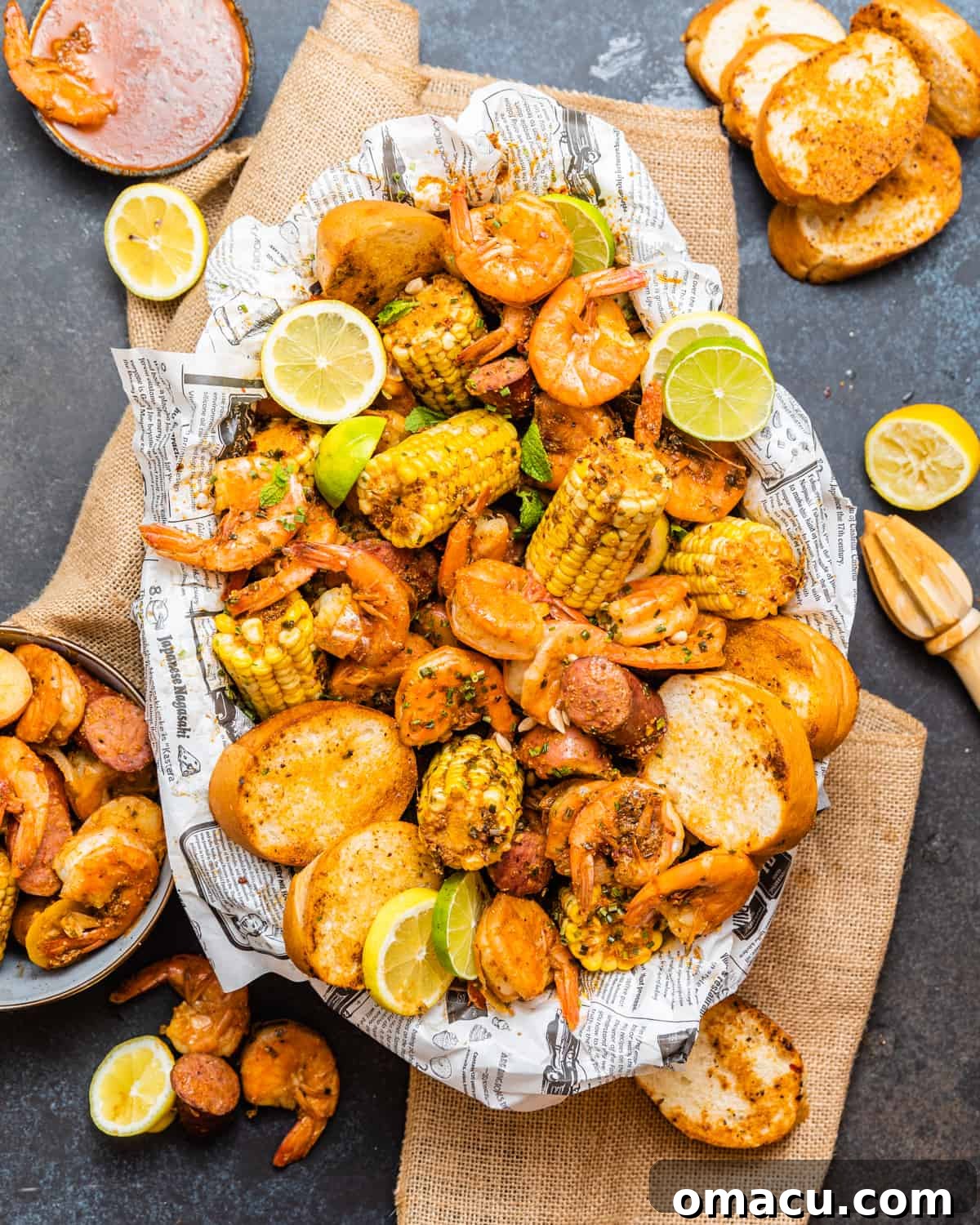
Immerse yourself in the vibrant flavors and communal spirit of the American South with this authentic Low Country Boil recipe. This delightful one-pot meal is a true celebration, generously loaded with succulent fresh shrimp, savory smoky sausage, sweet corn on the cob, and tender, perfectly cooked potatoes. Each component is infused with a rich, seasoned broth and then gloriously drenched in a luscious, garlic-infused melted butter sauce, making every bite an unforgettable experience. It’s more than just a meal; it’s an invitation to gather with friends and family, break bread, and create cherished memories.
Hailing from the picturesque coastal regions of South Carolina, this classic Southern recipe is renowned for its ease of preparation and its ability to feed a crowd. Forget complicated dishes; this is a straightforward, incredibly flavorful culinary adventure that promises to be a hit with everyone at your table. So, grab the largest stockpot you can find – a true necessity for this feast – and prepare to dive into a tradition that epitomizes Southern hospitality and deliciousness!
If you’re captivated by the allure of seafood boils, be sure to explore my other popular recipes: my comprehensive Seafood Boil with Garlic Butter Sauce, perfect for a grand feast, and my aromatic Old Bay Shrimp Boil, a tribute to classic flavors!
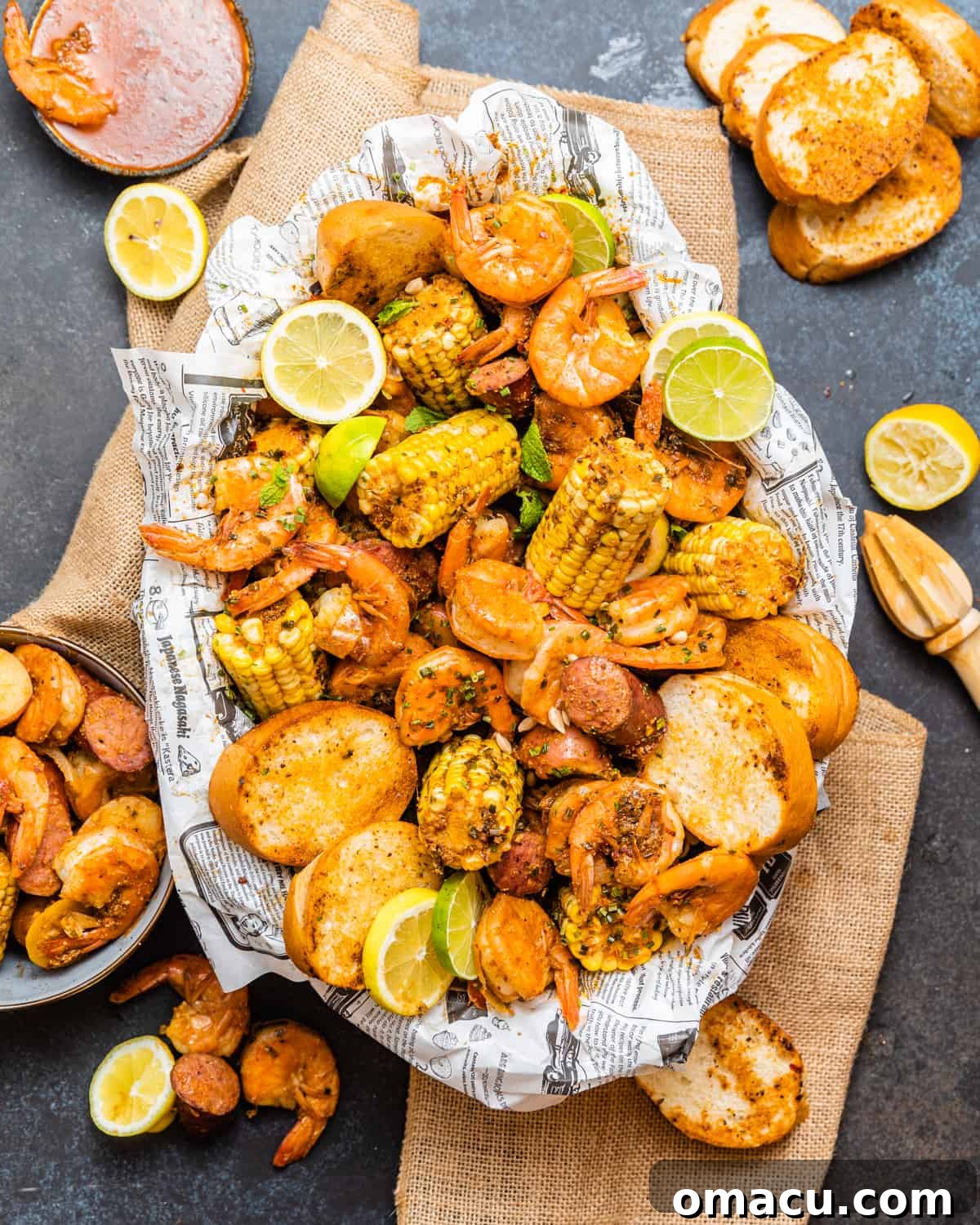
Imagine this: a warm evening, a long picnic table spread with newspaper, and a steaming platter piled high with mouth-watering seafood and vegetables. That’s the essence of a Low Country Boil party, a gathering where tender shrimp, fresh corn, spicy sausage, and soft potatoes take center stage. For an extra touch of decadence, don’t hesitate to toss in some crab legs or other shellfish – they cook beautifully right alongside the rest of the ingredients!
My own journey with Low Country Boils began as a child during a family trip to Hilton Head, South Carolina. En route, we made a memorable stop in Charleston for dinner. I vividly recall the waiter presenting us with an enormous platter of seafood, accompanied by a stack of bibs and an abundance of napkins. We spent hours savoring every bite, the sheer joy of the experience lingering so much that we even reheated some leftovers the following day. It was a feast for the senses and a true communal dining experience.
The culinary adventure continued as we reached Hilton Head and took a day trip to St. Helena Island. There, I gained a deeper appreciation for the rich history and cultural tapestry behind Southern cuisine, particularly the profound African influence on what is known as “low country food.” I learned how Low Country Boils, often referred to as Frogmore Stew, were not just meals but significant celebratory foods, vital for keeping the vibrant Gullah-Geechee traditions alive. This profound connection to heritage and community made the experience truly beautiful and deeply meaningful, cementing my love for this incredible dish.
Table of Contents
- What is a Low Country Boil?
- The Essential Equipment
- Key Ingredients for Your Low Country Boil
- Customizing Your Boil: Substitutions and Variations
- Expert Tips for a Flawless Low Country Boil
- How to Make a Low Country Boil
- Serving Suggestions: What to Eat with a Low Country Boil
- How to Store and Reheat Your Low Country Boil
- FAQs
- More Seafood Recipes!
- Low Country Boil Recipe Card
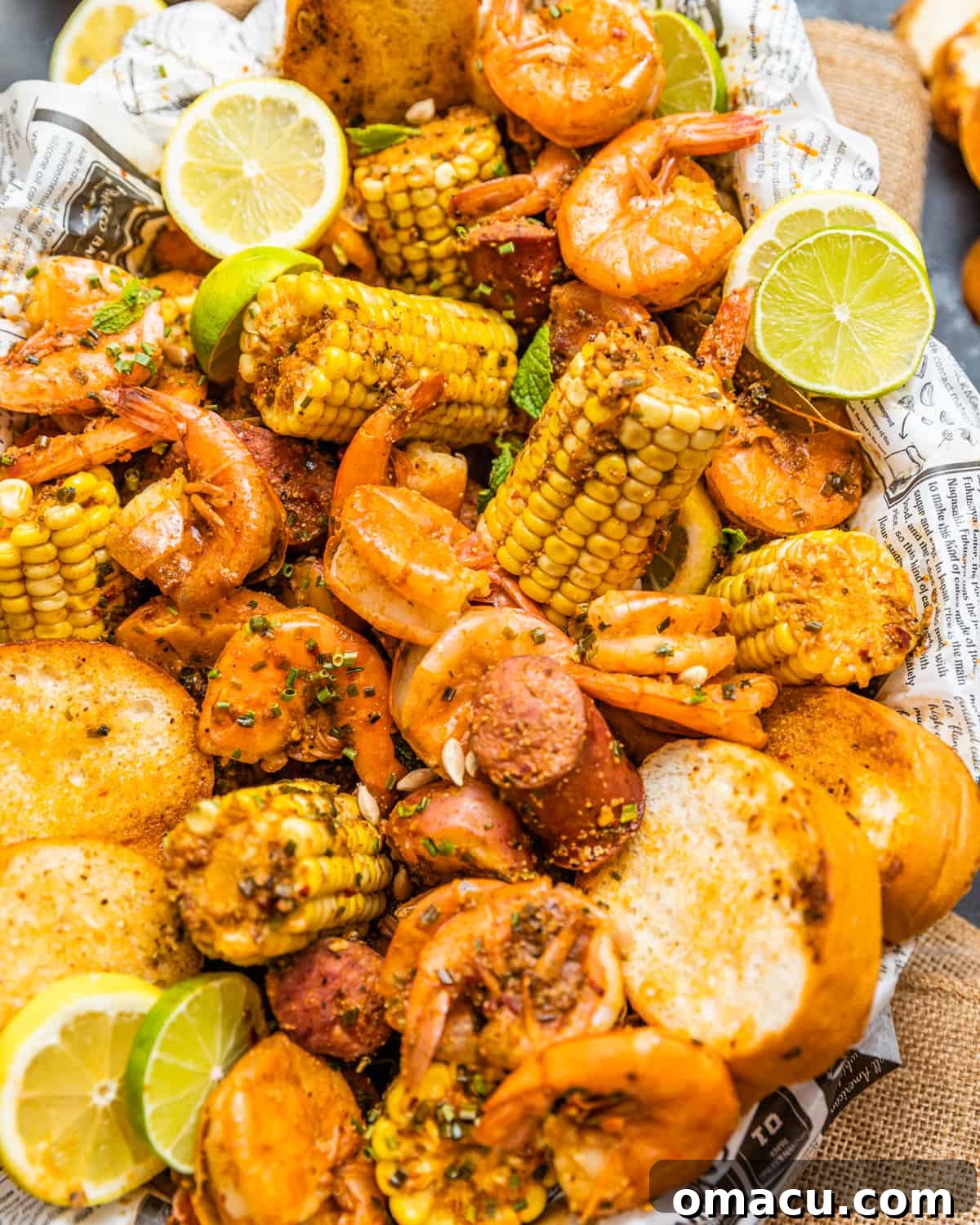
Years later, as I embarked on the exciting journey of starting a food blog (still an incredible thing to say!), recreating this low country boil recipe became a priority. It was not just about developing a delicious dish, but also about honoring and reliving those cherished childhood memories. This recipe is my heartfelt attempt to capture that authentic flavor and communal joy.
What makes this Low Country Boil truly stand out is its efficiency and incredible flavor. It comes together in under an hour, making it the perfect choice for effortlessly feeding a large gathering. The undisputed secret weapon, however, is the rich, aromatic garlic butter sauce. This decadent sauce is generously slathered over the freshly boiled ingredients, elevating the flavors and transforming the dish into something truly extraordinary – a finger-licking good meal that will have everyone reaching for more. If you’re searching for a perfect recipe that delivers both impressive taste and a fantastic communal experience, you’ve absolutely come to the right place!
What is a Low Country Boil?
A Low Country Boil is a distinctive one-pot seafood meal that hails from the coastal region of South Carolina, affectionately known as the Lowcountry. It’s often referred to by several other names, including tidewater boil, Beaufort stew, Beaufort boil, and most famously, Frogmore Stew. Despite its most common moniker, it’s important to note that it’s not a stew at all in the traditional sense, but rather a flavorful boil where ingredients are cooked in a seasoned broth.
The roots of the Low Country Boil are deeply embedded in the culinary traditions of the Gullah-Geechee people, descendants of enslaved Africans who historically inhabited the Lowcountry region of South Carolina and Georgia. This dish was ingeniously created as a celebratory food and a means of fostering community, utilizing the readily available fresh catch from the local bays and estuaries. It served as a vital way to keep their rich African traditions alive, bringing people together around a shared, bountiful meal.
It’s crucial not to confuse a Low Country Boil with a Louisiana-style seafood boil, which typically originates from the Gulf Coast. While both are fantastic communal seafood experiences, a Low Country Boil primarily features shrimp, whereas its Louisiana counterpart commonly centers around crawfish. The beauty of this recipe lies in its adaptability; you can easily customize your Low Country Boil by adding other delicious ingredients like blue crab, crab claws, or extra vegetables to make it truly your own.
The Essential Equipment
To successfully execute a magnificent Low Country Boil, having the right tools is paramount. The scale of this dish demands specific equipment to ensure all your delicious ingredients cook evenly and safely.
- A Large Stockpot: This is arguably the most critical piece of equipment. You’ll need a stockpot that is at least a 20-quart capacity to comfortably accommodate all the ingredients and ample broth. A robust, heavy-bottomed pot made of stainless steel or aluminum is ideal for even heat distribution. If you don’t possess a single pot large enough, a practical solution is to utilize two separate large pots, dividing the ingredients and broth equally between them to ensure everything cooks properly.
- Plenty of Paper Towels: A Low Country Boil is a hands-on, delightfully messy affair. Be sure to have an abundant supply of paper towels on hand for cleaning up as you eat. They are indispensable for wiping buttery hands and serving your guests.
- A Large Platter and/or Newspapers: For an authentic and truly communal Low Country Boil experience, serving is just as important as the cooking. Traditionally, the entire contents of the pot are drained and then ceremoniously spread out directly onto a table covered with several layers of newspaper. This fosters a relaxed, no-fuss atmosphere where everyone gathers around, digging in with their hands. Alternatively, a very large platter or multiple serving trays can also work beautifully for a slightly more formal presentation.
Key Ingredients for Your Low Country Boil
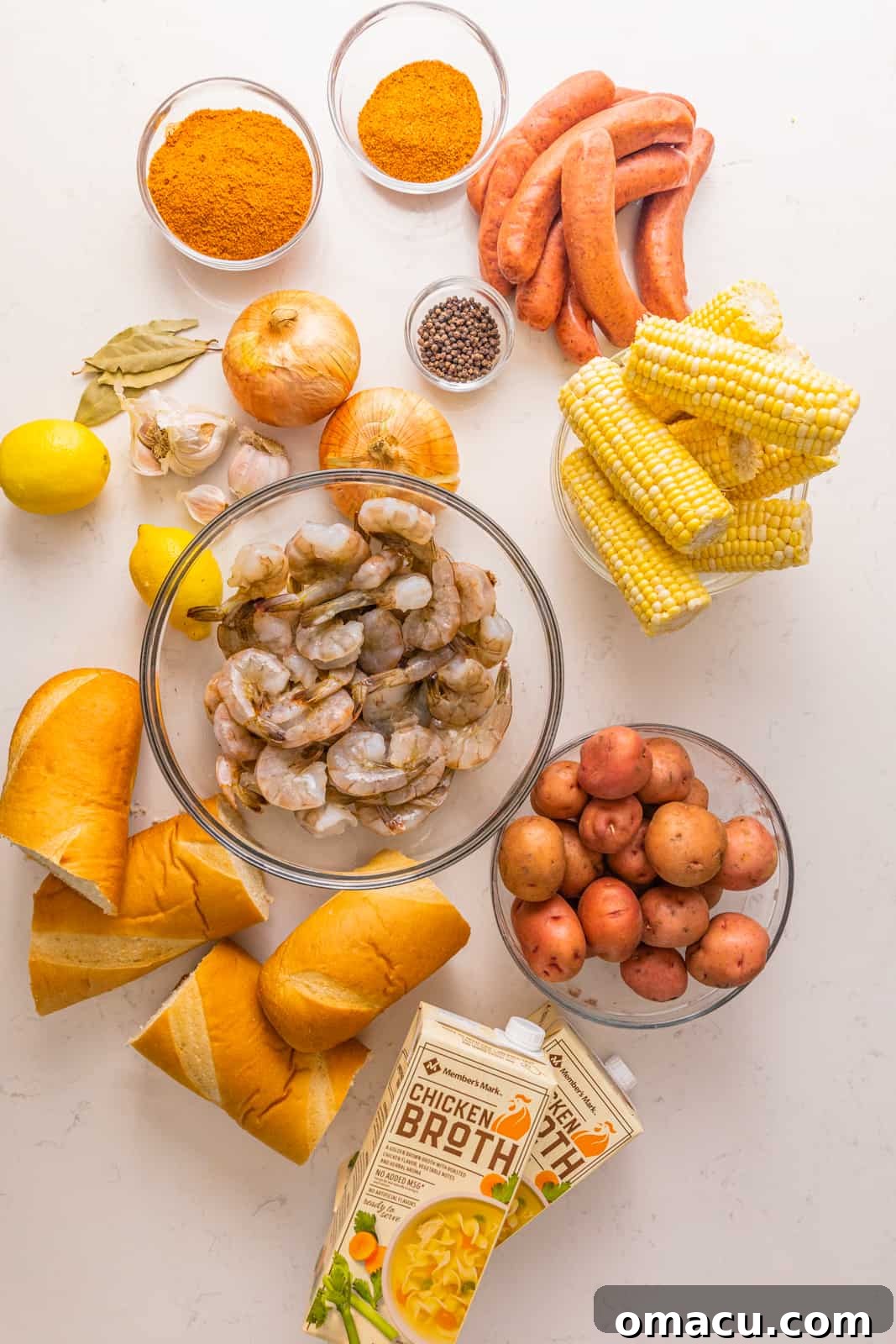
While every Frogmore Stew recipe can have its unique twist, this particular rendition focuses on a balance of classic flavors and fresh, high-quality ingredients to create a truly spectacular Low Country Boil!
- Jumbo Shrimp: Opt for the largest, freshest shrimp you can find! The quality of your shrimp will significantly impact the final taste. I recommend using about 2 pounds of shrimp, which typically serves five people generously. However, feel free to adjust the quantity based on the size of your gathering and your love for shrimp! Ensure they are deveined for the best texture.
- Aromatic Seasonings: The heart of any great boil is its flavorful broth. For this recipe, you’ll need a robust combination of Cajun seasoning, whole peppercorns (or freshly ground black pepper for a slightly milder kick), a generous cup of iconic Old Bay seasoning, and several fragrant bay leaves. These spices create a deeply seasoned, complex broth that infuses every ingredient with incredible taste. Be sure to check your spice cabinet to ensure you have large enough quantities before you begin cooking!
- Fresh Aromatics: Elevate the flavor profile of your broth with fresh onions, bright lemons, and potent garlic bulbs. These ingredients release their essential oils and juices into the simmering liquid, adding layers of deliciousness. For the best results, I highly recommend using Vidalia or other sweet onions, as their mild sweetness complements the savory and spicy elements. Don’t forget to save extra lemon wedges to squeeze over your seafood just before eating – it adds a burst of refreshing acidity!
- Smoky Sausage: A Low Country Boil wouldn’t be complete without a hearty, smoky sausage. Excellent choices include robust beef sausage, spicy Andouille sausage for a bit of heat, or mild Kielbasa sausage. Whichever you choose, ensure it’s a good quality smoked sausage, cut into thick chunks, as it imparts a wonderful depth of flavor and texture to the boil.
- Red Potatoes: Small red potatoes are my preferred choice for their firm texture that holds up well during boiling and their slightly waxy consistency. Alternatively, Yukon Gold potatoes also work wonderfully. Ensure they are halved or quartered to ensure even cooking and to absorb the delicious broth flavors.
- Chicken Stock: While water forms the base, adding chicken stock significantly enhances the savory notes of your broth. For an even richer, deeper seafood flavor, consider using seafood stock if available.
- Sweet Corn on the Cob: No Low Country Boil is complete without sweet, juicy ears of corn. Fresh corn on the cob, cut into smaller pieces, soaks up all the incredible flavors of the broth, adding a delightful sweetness and satisfying crunch.
- Hot Sauce (Optional): For those who love an extra kick, a dash of your favorite hot sauce can be added to the broth or served on the side for individual customization.
Customizing Your Boil: Substitutions and Variations
One of the joys of a Low Country Boil is its flexibility. Feel free to personalize this recipe to suit your taste preferences or to incorporate other fresh seafood available to you:
- Add Crab: For an even more extravagant seafood feast, generously add crab claws or whole blue crabs into your boil. They cook beautifully alongside the shrimp, sausage, and vegetables. Remember to cook them thoroughly; as a general rule of thumb, crab is typically done when its shell turns a vibrant orange-red color and it begins to float in the boiling liquid.
- Beer in the Broth: Elevate the complexity of your broth by adding a few cans of beer. A light lager or a crisp pilsner can add a subtle, malty depth that complements the seafood and spices beautifully. The alcohol content will cook off, leaving behind only the delicious flavor.
- Alternative Seasoning Blends: While Old Bay and Cajun seasoning are classic choices, you can experiment with other fantastic blends. Consider using Zatarain’s shrimp and crab boil seasoning for a distinct New Orleans flair, or opt for a good quality Creole seasoning for a different regional taste profile.
- Add More Vegetables: Beyond corn and potatoes, feel free to add other quick-cooking vegetables like mushrooms, extra onion wedges, or even bell pepper chunks during the final stages of boiling.
Expert Tips for a Flawless Low Country Boil
Achieving a perfectly seasoned and cooked Low Country Boil is simpler than you might think, especially with these helpful tips:
- Prioritize Fresh Seafood: The success of your boil hinges on the quality of your ingredients, especially the shrimp. Always opt for the freshest seafood you can find. Look for shrimp that are firm, translucent, and have a mild, oceanic scent. Avoid any with a strong “fishy” or ammonia-like odor, as this indicates spoilage.
- Size Matters: Your Pot, That Is! As mentioned, a very large stockpot (at least 15-20 quarts) is essential. Trying to cram everything into a smaller pot will lead to uneven cooking and a less flavorful broth. If you don’t have one massive pot, don’t hesitate to use two large pots and divide the ingredients evenly between them. This ensures all components have enough space to cook thoroughly and absorb the rich flavors.
- The Power of Lemon: Beyond being an aromatic in the broth, saving a few fresh lemons to squeeze over the boil just before serving is a game-changer. The bright, zesty acidity of fresh lemon juice cuts through the richness of the butter and seafood, enhancing all the flavors and leaving a wonderfully fresh taste.
- Maintain a Rolling Boil: When adding ingredients to your simmering broth, the temperature of the water will naturally drop. Don’t worry! Simply increase the heat to bring the liquid back to a vigorous, rolling boil before starting your cooking timer for each batch of ingredients. Consistent boiling temperature is key for even cooking.
- Do Not Overcook the Shrimp: Shrimp cooks very quickly, and overcooked shrimp becomes rubbery and unappetizing. Keep a close eye on them; they’re perfectly cooked when they turn opaque and pink and curl slightly into a “C” shape. If they curl into a tight “O” shape, they’ve likely been overcooked. Aim for 5-8 minutes after adding them to the boiling liquid.
- Traditional Serving Style: For an authentic experience, lay down several layers of newspaper on your outdoor table. Once everything is cooked, drain the boil and dump the entire contents directly onto the newspaper. This encourages everyone to gather around, pick their favorite pieces, and enjoy the meal together, fostering a truly communal atmosphere.
How to Make a Low Country Boil
Follow these simple steps to create a show-stopping Low Country Boil that will impress your guests:
- Prepare the Flavorful Broth: Begin by combining 6 quarts of water, 64 ounces of chicken broth (or seafood stock), sliced sweet onions, sliced lemons, smashed garlic cloves, 1 cup of Old Bay seasoning, whole peppercorns, and bay leaves in your large stockpot. Bring this mixture to a strong, rolling boil over high heat. Allow it to simmer for about 10-15 minutes to allow the aromatics and seasonings to fully infuse the liquid, creating a deeply flavorful base.
- Cook the Heartier Ingredients: Once your broth is vigorously boiling, carefully add the halved red potatoes, ears of corn, and chunks of smoked sausage. These ingredients require more cooking time. Boil them for approximately 15 minutes, or until the potatoes are tender when pierced with a fork, but still firm and not mushy.
- Add the Shrimp: After the potatoes are tender, it’s time for the shrimp. Add the jumbo shrimp to the boiling pot. Cook for a short duration, typically 5-8 minutes, until the shrimp turn pink and opaque, curling slightly. Be vigilant to avoid overcooking! Before draining, remember to reserve 1-2 cups of this incredibly flavorful cooking stock – it’s crucial for your garlic butter sauce!
- Prepare the Decadent Garlic Butter Sauce: While the boil is finishing, make your show-stopping garlic butter sauce. In a separate large skillet or saucepan, melt 2 cups of butter over medium-low heat. Add 8 finely diced garlic cloves and cook until fragrant, about 3 minutes, being careful not to brown the garlic. Stir in 2/3 cup of Cajun seasoning, 2 tablespoons of Old Bay seasoning, and 2 tablespoons of onion powder, along with salt to taste. Whisk in 1 cup of the reserved seafood broth from your boil. Simmer on low for 3-5 minutes, stirring occasionally, until the sauce slightly thickens. For a thinner sauce, you can add up to 2 cups of the reserved broth. Finally, stir in 1/4 cup of freshly diced parsley for freshness and color, then remove from heat.
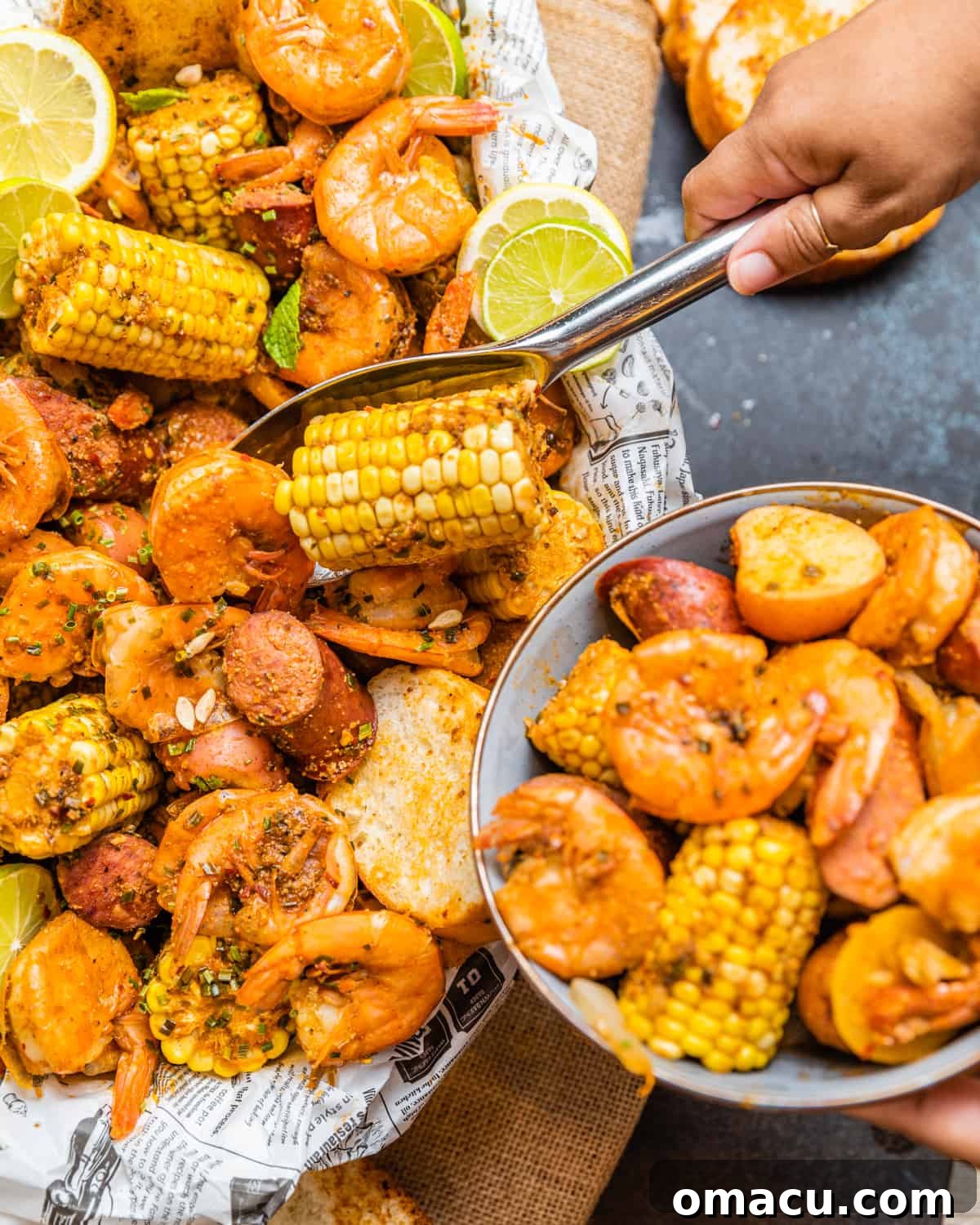
- Serve and Enjoy: Carefully drain the entire contents of the stockpot. Pour the vibrant Low Country Boil onto your prepared serving platter or directly onto a newspaper-covered table. Generously drizzle the warm, aromatic garlic butter sauce all over the seafood, potatoes, and corn. Serve immediately with extra melted butter on the side for dipping, fresh lemon wedges, and a bottle of your favorite hot sauce for an added kick. Get ready to dive in and enjoy!
Serving Suggestions: What to Eat with a Low Country Boil
A Low Country Boil is a complete meal in itself, but a few well-chosen side dishes and accompaniments can truly enhance the experience and complement its rich flavors. The key is to have items that soak up the delicious butter and broth, or offer a refreshing contrast.
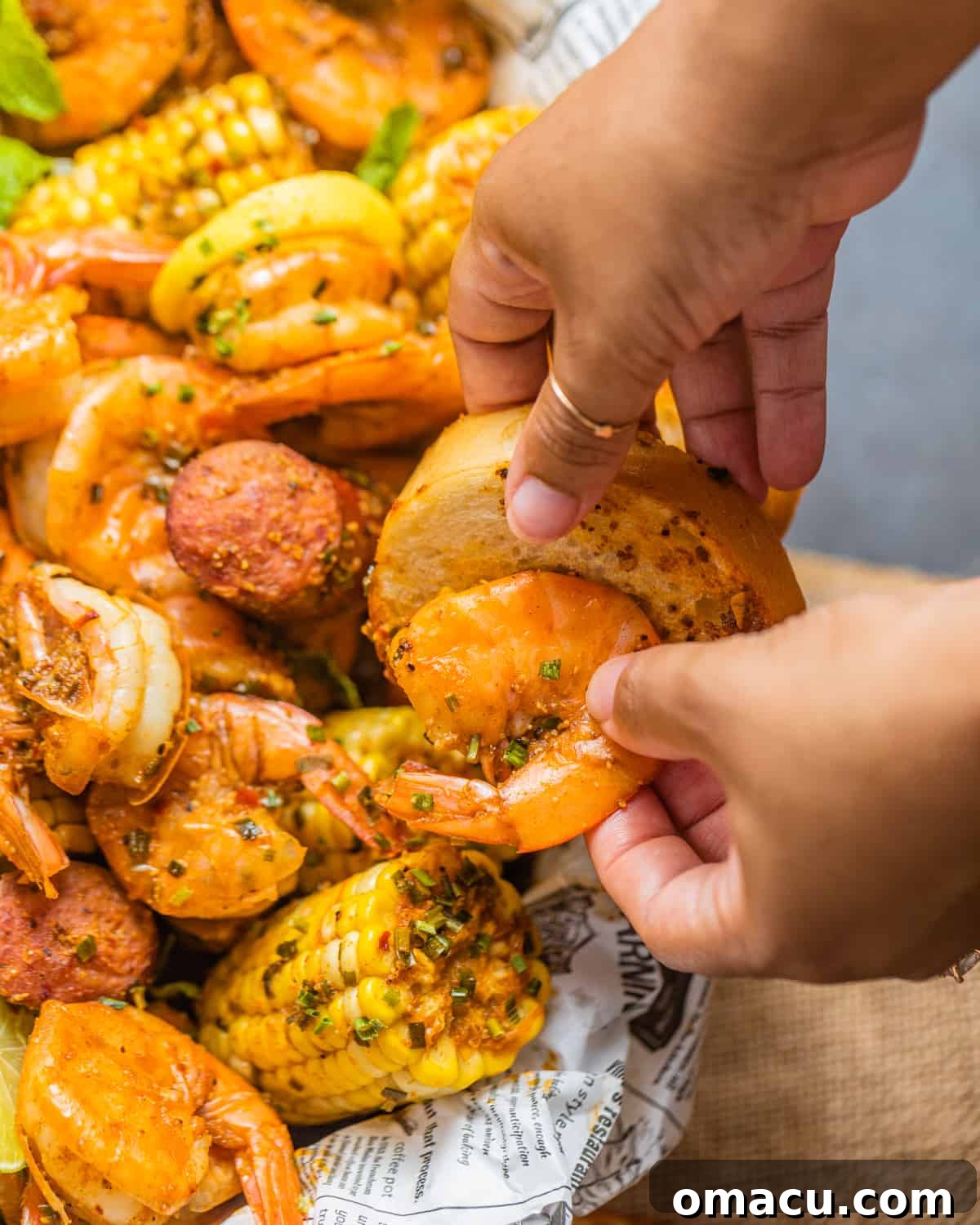
- Crusty Bread: This is an absolute must-have! Sourdough bread or a fresh French roll are perfect for soaking up every last drop of the incredible garlic butter sauce and seasoned broth. You can also make homemade cheesy garlic bread for an extra indulgent treat.
- Hush Puppies: These classic Southern fried cornmeal fritters are a delightful pairing, offering a crunchy texture and slightly sweet counterpoint to the savory boil. Find my delicious hush puppies recipe here.
- Homemade Cocktail Sauce: While the garlic butter is star, a tangy, zesty homemade cocktail sauce provides a refreshing dipping option for the shrimp.
- Coleslaw: A cool, creamy, and slightly tart coleslaw offers a wonderful textural and flavor contrast to the richness of the boil. Try my vibrant Cajun coleslaw for an extra kick.
- Mac and Cheese: For ultimate comfort food, a rich and gooey smoked mac and cheese can be a hearty and satisfying addition.
- Light Salad: A simple house salad with a vinaigrette dressing can provide a light, fresh element to balance the meal.
- Mashed Potatoes: If the boiled potatoes aren’t enough, creamy brown butter garlic and herb mashed potatoes offer another comforting starchy option.
- Cornbread: A warm slice of cast iron skillet buttermilk cornbread is fantastic for soaking up juices.
- Beverages: Complement your Low Country Boil with refreshing drinks. I recommend chilled cocktails, iced tea, or a crisp, cold beer to complete the authentic Southern experience.
How to Store and Reheat Your Low Country Boil
It’s always a treat to have leftovers from a delicious Low Country Boil! Proper storage and reheating are key to enjoying them safely and maintaining their flavor and texture.
- Storage: If you find yourself with a bounty of leftovers, ensure you store them properly to maintain freshness. Transfer all remaining seafood, sausage, corn, and potatoes into an airtight container. Refrigerate promptly, and your leftovers will remain delicious for up to 3 days.
- Reheating: When you’re ready to enjoy your Low Country Boil again, be mindful not to overcook the delicate seafood.
- Microwave Method: For a quick reheat, place a portion of your boil in a microwave-safe dish. Microwave on medium power in short bursts (30-60 seconds), stirring in between, until just warm through. The goal is to warm it, not to cook it further, as overcooked shrimp can become rubbery.
- Oven Method: Preheat your oven to 350°F (175°C). Spread the leftovers evenly on a baking sheet, cover loosely with foil to prevent drying out, and heat for about 10-15 minutes, or until warmed through.
- Cold Option: Surprisingly, many people find leftover Low Country Boil, especially the shrimp and vegetables, to be incredibly tasty enjoyed cold! It’s a refreshing alternative, particularly on a warm day.
Can I freeze my leftovers?
Yes, you can freeze certain components of your Low Country Boil. While the potatoes and sausage freeze well, shrimp and corn can become a bit tougher or lose some texture upon freezing and thawing. If you choose to freeze, store the components in a freezer-safe, airtight container for up to three months. When you’re ready to enjoy, allow the ingredients to thaw completely in the refrigerator overnight before reheating as described above.
FAQs
Perfectly cooked shrimp will turn opaque and pink, and curl gently into a “C” shape. Shrimp cook very quickly, so it’s essential to keep a close eye on them! If your shrimp curl into a tight “O” shape, they are likely overcooked and will have a rubbery texture.
Fresh shrimp should have a very mild, slightly briny or oceanic smell. If the shrimp has a strong, pungent, or ammonia-like odor, it indicates that it has gone bad and should not be consumed. Also, look for any discoloration or sliminess, which are other signs of spoilage.
If you cook shrimp for too long, they will become tough, chewy, and dry. The delicate texture and sweet flavor will be lost, making them significantly less enjoyable. Always aim for that perfect pink “C” shape!
A large, heavy-bottomed stockpot of at least 20-quart capacity is ideal. Stainless steel or aluminum pots are commonly used. Make sure it has a sturdy lid and handles for safe handling.
More Seafood Recipes!
- Crawfish Boil
- Creamy Salmon Pasta
- Seafood Boil Sauce
- Crispy Shrimp Po’Boy
- Coconut Shrimp with Sweet Dipping Sauce
- Salmon New Orleans
Want more delicious and beautiful recipes? Subscribe to my newsletter to receive the latest seasonal creations as soon as they’re released!
If you make this recipe, please leave a star rating on the recipe card and comment below! You can also tag @BritneyBreaksBread on Instagram and hashtag #britneybreaksbread so I can celebrate your beautiful creations!
Low Country Boil Recipe Card

Equipment
- Large Stockpot (at least 20 quarts)
Ingredients
- 6 qts Water
- 64 oz Chicken Broth, (2 32 oz boxes)
- 2 Sweet Onions, , sliced
- 2 Lemons, , sliced
- 10 Garlic Cloves, , smashed
- 1 cup Old Bay Seasoning
- 2 tbsps Whole Peppercorns
- 5 Bay Leaves
- 2 lbs Red Potatoes, , cut in half
- 8 Ears of Corn, , cut in half
- 1 lb Smoked Sausage, , cut into chunks
- 2 lbs Jumbo Shrimp, (deveined)
- 1 loaf Sourdough Bread, , optional
Garlic Butter Sauce for Topping
- 2 cups Butter, , melted
- 8 cloves Garlic, , finely diced
- 2/3 cup Cajun Seasoning
- 2 tbsps Old Bay Seasoning
- 2 tbsps Onion Powder
- 1-2 cups Reserved Seafood Broth from above
- 1/4 cup Fresh Parsley, , diced
- Salt, , to taste
- Hot Sauce, , for serving
Instructions
- Start by making the broth. Add 6 quarts of water, chicken broth, onions, lemons, garlic, old bay seasoning, peppercorns, and bay leaves to a large stock pot. Bring this to a rolling boil and simmer for 10-15 minutes to infuse flavors.
- Add red potatoes, ears of corn, and sausages to boiling water. Boil for 15 minutes, until potatoes become tender, but not mushy. Then add shrimp and cook for 5-8 minutes, until shrimp are pink. Reserve 1-2 cups of the stock.
Make the garlic butter sauce:
- Melt butter over medium low heat in a large sauce pan, then add garlic and cook until fragrant, about 3 minutes.
- Then add cajun seasoning, old bay seasoning, onion powder, and salt. Add 1 cup of the reserved broth and simmer on low for 3-5 minutes, until sauce thickens. (For a thinner sauce, add 2 cups) Add freshly diced parsley and remove from the heat.
- Pour on top of the boil and serve with bread, more melted butter, and hot sauce.
Notes
- Free free to add crab claws or whole crabs into the boil. Just be sure to cook them thoroughly. As a rule of thumb, crab is typically done when it’s orange/red and begins to float.
- For the broth, add in a few cans of beer for added flavor. Also, feel free to give Zatarain’s shrimp and crab boilseasoning to the broth instead of cajun seasoning. You can also try using creole seasoning.
- Make a homemade cocktail sauce to dip the shrimp into.
- Fresh seafood is best! Try to use the freshest ingredients that you can find.
- Remember, you need a large pot for this recipe!
- Save a couple of lemons to squeeze on top of the boil while eating. It makes the boil so bright and fresh tasting!
Nutrition
Nutrition information is automatically calculated, so should only be used as an approximation.