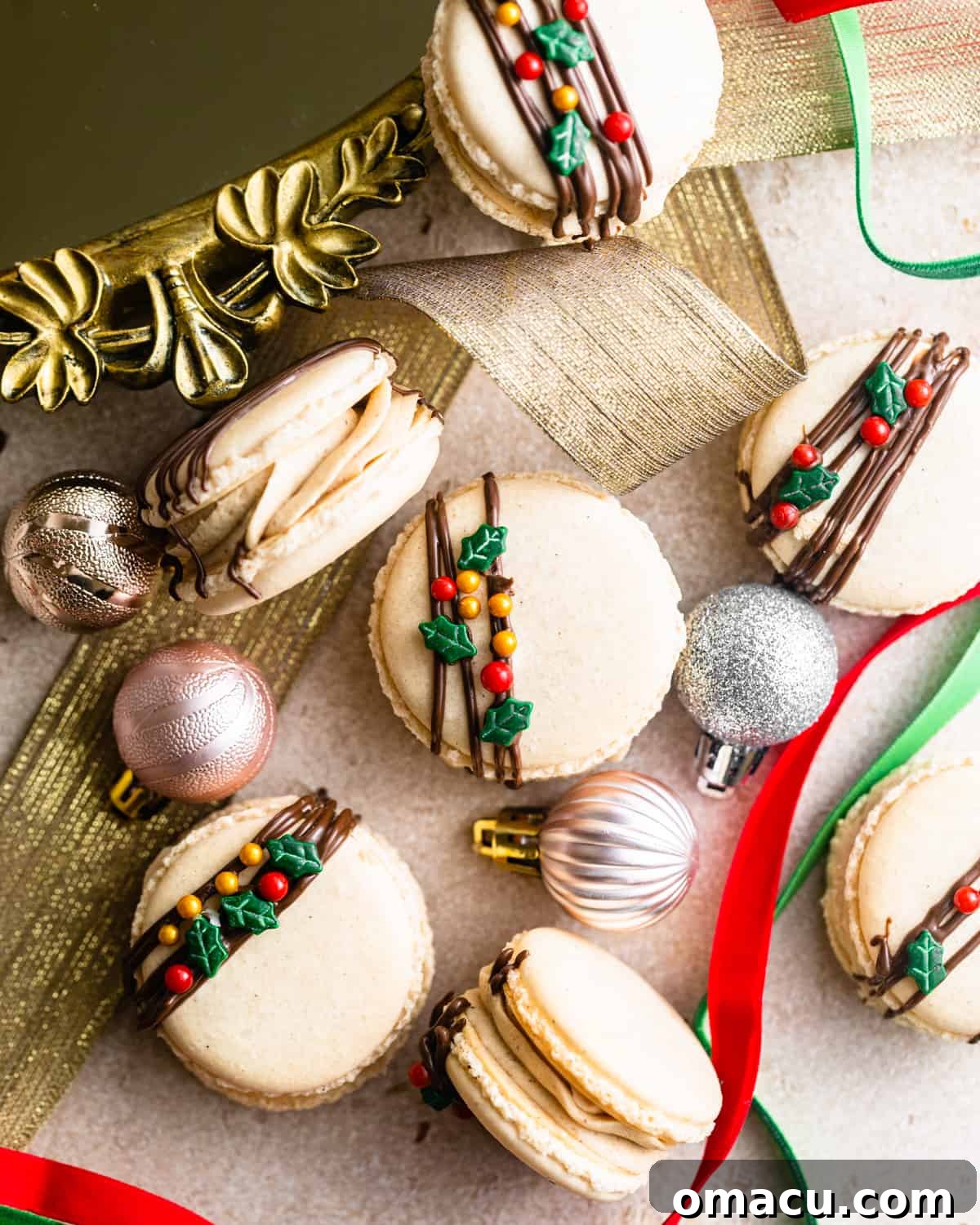
Embrace the enchanting flavors of the holiday season with these delightful **Gingerbread Macarons**! Imagine delicate, spiced macaron shells, perfectly crispy on the outside and wonderfully chewy on the inside, embracing a luscious gingerbread buttercream filling. These aren’t just any ordinary treats; they’re a celebration of festive cheer, combining the beloved warmth of gingerbread cookies with the elegant charm of French macarons. If your heart sings for both of these classic desserts, then this recipe is an absolute must-try for your holiday baking repertoire this year.
As part of our cherished “12 Days of Cookies” series, this gingerbread macaron recipe is number five, and we couldn’t be more excited to share it with you! The holiday season is truly a magical time when we can unwind, enjoy the company of loved ones, and indulge in an abundance of delicious cookies. These macarons embody that spirit perfectly – they are festive, light, and wonderfully cozy. It’s like gingerbread cookies and classic French macarons decided to have the ultimate holiday party, and you’re invited!
Looking for more exquisite macaron creations? Don’t miss out on my Salted Caramel Macarons and Strawberry Macarons for equally impressive flavors. And if you’re aiming to truly surprise Santa with something extraordinary this year, these gingerbread wonders paired with some Gingerbread Crème Brûlée will undoubtedly earn you a spot on the “nice” list!
This post may contain affiliate links, meaning I may earn a small commission if you make a purchase through my links, at no extra cost to you.
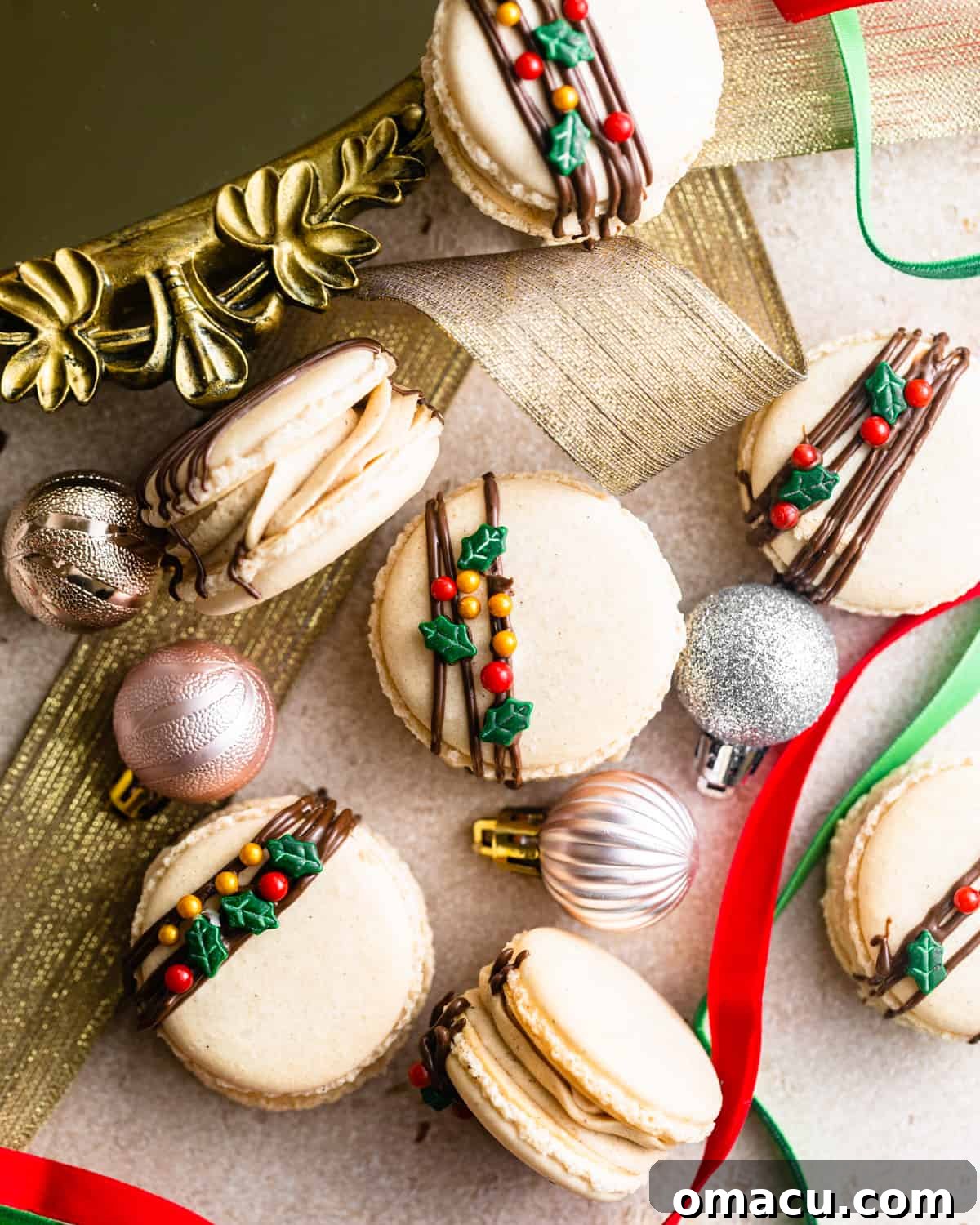
Table of Contents
- Ingredients for Gingerbread Macarons
- Expert Macaron Baking Tips
- How to Make Gingerbread Macarons Step-by-Step
- Storing Your Gingerbread Macarons
- Gingerbread Macaron FAQs
- More Holiday Cookie Recipes
- Gingerbread Macarons Printable Recipe
Essential Ingredients for Perfect Gingerbread Macarons
Crafting exquisite homemade French macarons might seem daunting, but with a few essential ingredients and precise measurements, you’ll be amazed at what you can create. For these gingerbread shells and their spiced buttercream filling, gather the following:
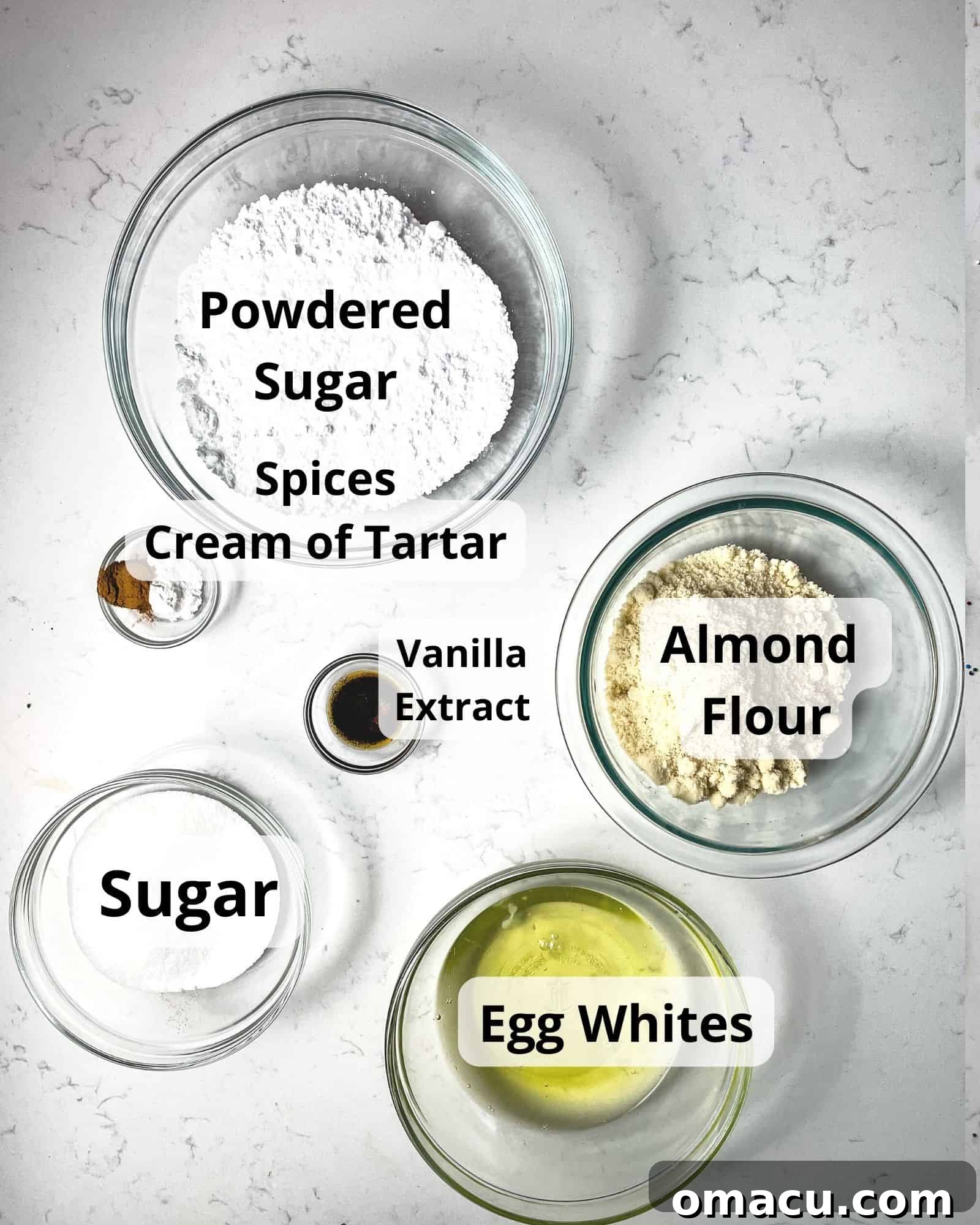
For the Spiced Macaron Shells:
- Egg Whites: Approximately four large egg whites are needed. For best results, use aged egg whites (separated from yolks and left at room temperature for a few hours, or even overnight in the fridge). This helps create a more stable meringue. Don’t discard the yolks – save them for a delicious crème brûlée or custard!
- Granulated Sugar: This fine sugar is crucial for forming a stable and glossy meringue. As you beat the egg whites, the sugar dissolves, contributing to the macaron’s structure and characteristic shiny top. Caster sugar (superfine sugar) is an excellent alternative if you can find it, as it dissolves even more quickly.
- Cream of Tartar: A pinch of cream of tartar acts as a stabilizer for the egg whites, ensuring your meringue reaches and holds those crucial stiff peaks. If you don’t have it on hand, 1 teaspoon of fresh lemon juice or white vinegar can be used instead without affecting the flavor.
- Warming Spices: To infuse our macaron shells with that distinctive gingerbread flavor, we’ll incorporate ground ginger, cinnamon, and allspice directly into the dry ingredients. These aromatic spices deliver a warm, inviting essence.
- Almond Flour: The foundation of any French macaron, superfine almond flour is non-negotiable for achieving smooth shells. Ensure it’s very finely ground and sifted thoroughly to remove any larger granules that could mar the delicate texture.
- Powdered Sugar (Confectioners’ Sugar): Besides adding sweetness, powdered sugar absorbs moisture in the macaron batter, contributing to the crispness of the shells and helping them develop their iconic “feet” during baking.
For the Rich Gingerbread Buttercream Filling:
The heart of these gingerbread macarons is a creamy, spiced buttercream that perfectly complements the delicate shells.
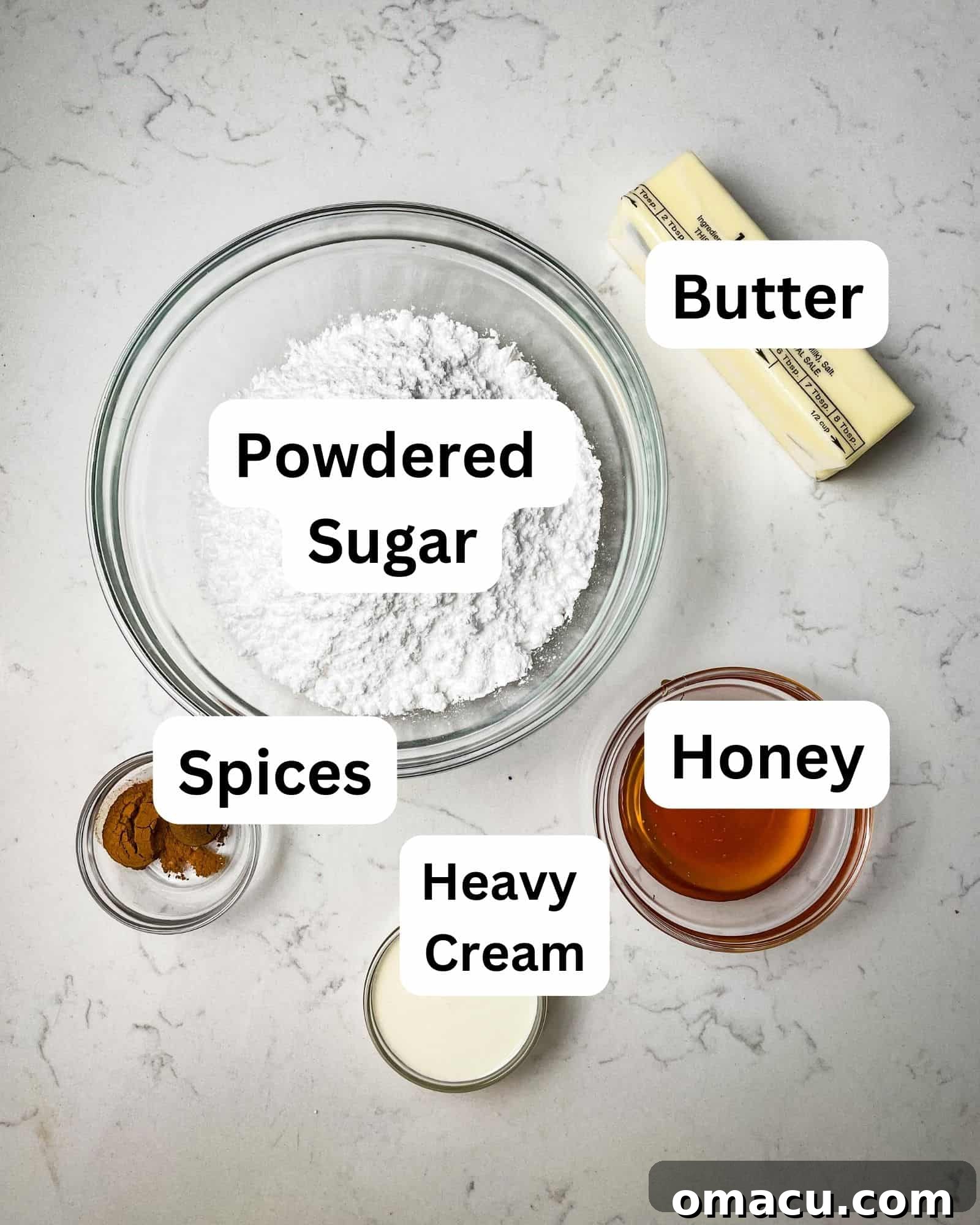
- Salted Butter: Ensure your butter is at room temperature for optimal creaming. Salted butter adds a lovely balance to the sweetness of the filling.
- Powdered Sugar: Essential for a smooth, lump-free buttercream.
- Honey: I chose honey over traditional molasses for a more subtle and pleasant gingerbread sweetness. Molasses can sometimes be quite strong, but if you prefer its robust flavor, feel free to substitute.
- Homemade Gingerbread Spice Blend: For the most authentic and vibrant gingerbread flavor, I recommend making your own blend. You’ll need ground cinnamon, ground ginger, nutmeg, allspice, and ground cloves. This allows you to tailor the intensity to your preference.
- Heavy Cream: A touch of heavy cream helps achieve the perfect creamy consistency for the buttercream, making it smooth and pipeable.
Expert Tips for Foolproof Macarons
Many bakers are intimidated by macarons, often wondering, “Aren’t macarons incredibly difficult to make?” While they have a reputation for being finicky, I’ve discovered that with the right knowledge and a bit of patience, they are surprisingly approachable and incredibly rewarding. My goal is to equip you with foolproof techniques to ensure your gingerbread macarons are a resounding success!
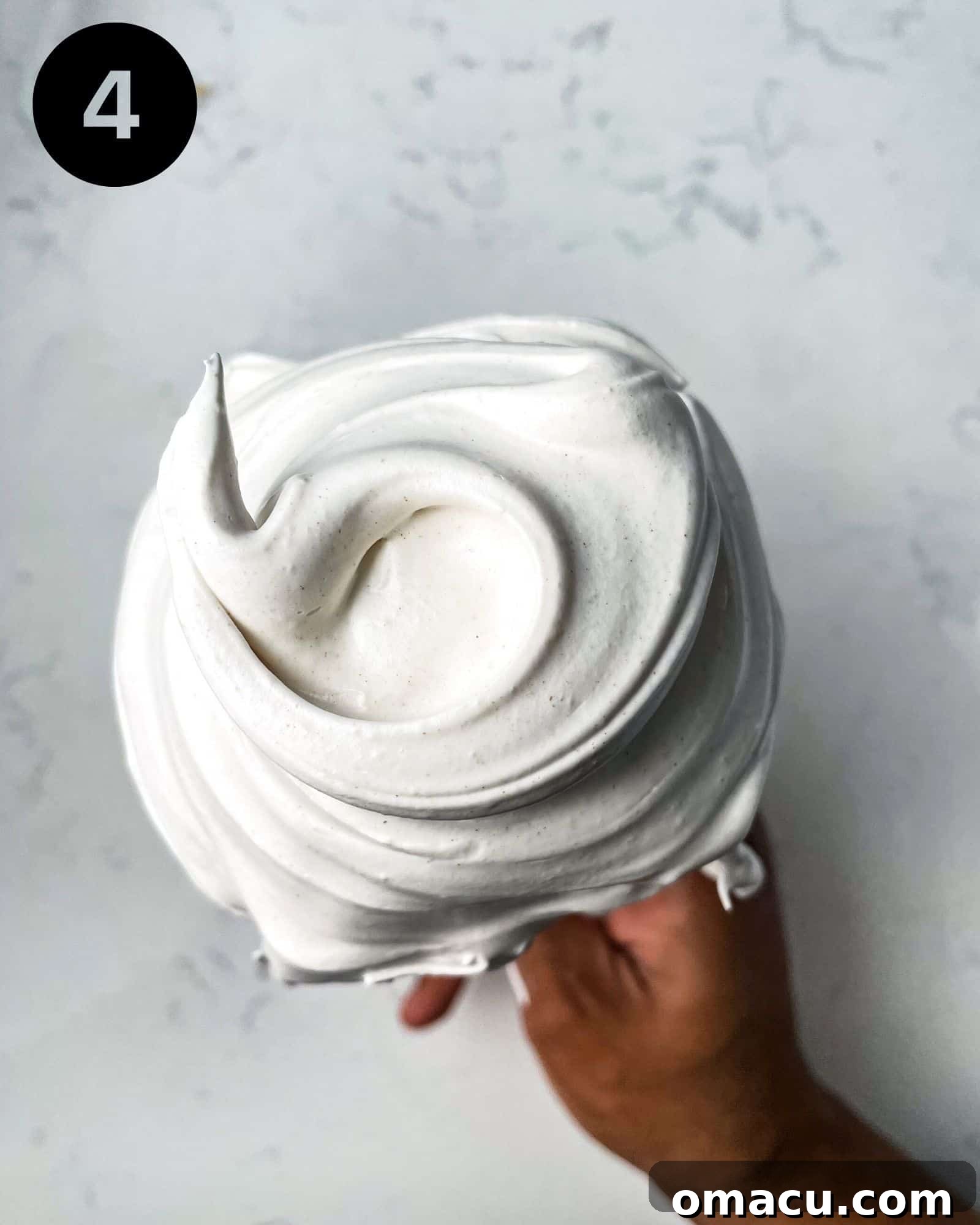
- **The Meringue is Key: Achieve Stiff Peaks!** This is arguably the most critical step. You must beat your egg whites until they form stiff, firm peaks. This means when you lift the whisk, the meringue should stand straight up without drooping, and you should be able to invert the bowl without the meringue moving at all. Be patient during this phase; under-beaten meringue will result in flat macarons, while over-beaten meringue can lead to hollow shells.
- **Mastering Macaronage: The Art of Folding.** Once your meringue is ready, the next crucial step is incorporating the sifted almond flour and powdered sugar. This folding process, known as macaronage, determines the final texture of your shells. You’ll fold until the batter achieves a “lava-like” consistency. A perfect indicator is when you can lift your spatula, and the batter falls off in a continuous ribbon, allowing you to draw a “figure 8” without it breaking. This consistency ensures your macarons are neither too stiff nor too runny, leading to well-formed shells with beautiful feet.
- **Don’t Skip the Drying Step: Form a “Skin”!** This step is absolutely essential for those coveted “feet” and to prevent cracked shells. After piping, let your macarons air dry on the baking sheets until a “skin” forms. Depending on the humidity levels in your kitchen, this can take anywhere from 30 minutes to two hours. You’ll know they’re ready when they lose their glossy appearance and you can gently touch the top of a shell without any batter sticking to your finger.
Here are a few more invaluable pointers to guarantee macaron success:
- **Invest in a Kitchen Scale:** Precision is paramount in macaron making. Baking is a science, and exact ingredient measurements are critical for the delicate balance needed to form perfect shells. A kitchen scale will be your best friend.
- **Verify Your Oven Temperature:** Home ovens can be notoriously inaccurate. An oven that runs too hot will burn your macarons or cause them to crack, while an oven that’s too cool will prevent them from rising properly and developing feet. Use an oven thermometer to ensure your oven is consistently at the correct temperature. This simple test can drastically improve all your baking endeavors, not just macarons!
- **Piping Bag Alternatives:** No pastry bag? No problem! A sturdy ziploc bag with the corner snipped off can work in a pinch for piping your macaron batter. Just be sure the opening is consistently sized.
How to Make Gingerbread Macarons: A Step-by-Step Guide
Follow these detailed instructions to create stunning and delicious gingerbread macarons that will impress everyone.
Step 1: Prepare the Macaron Batter
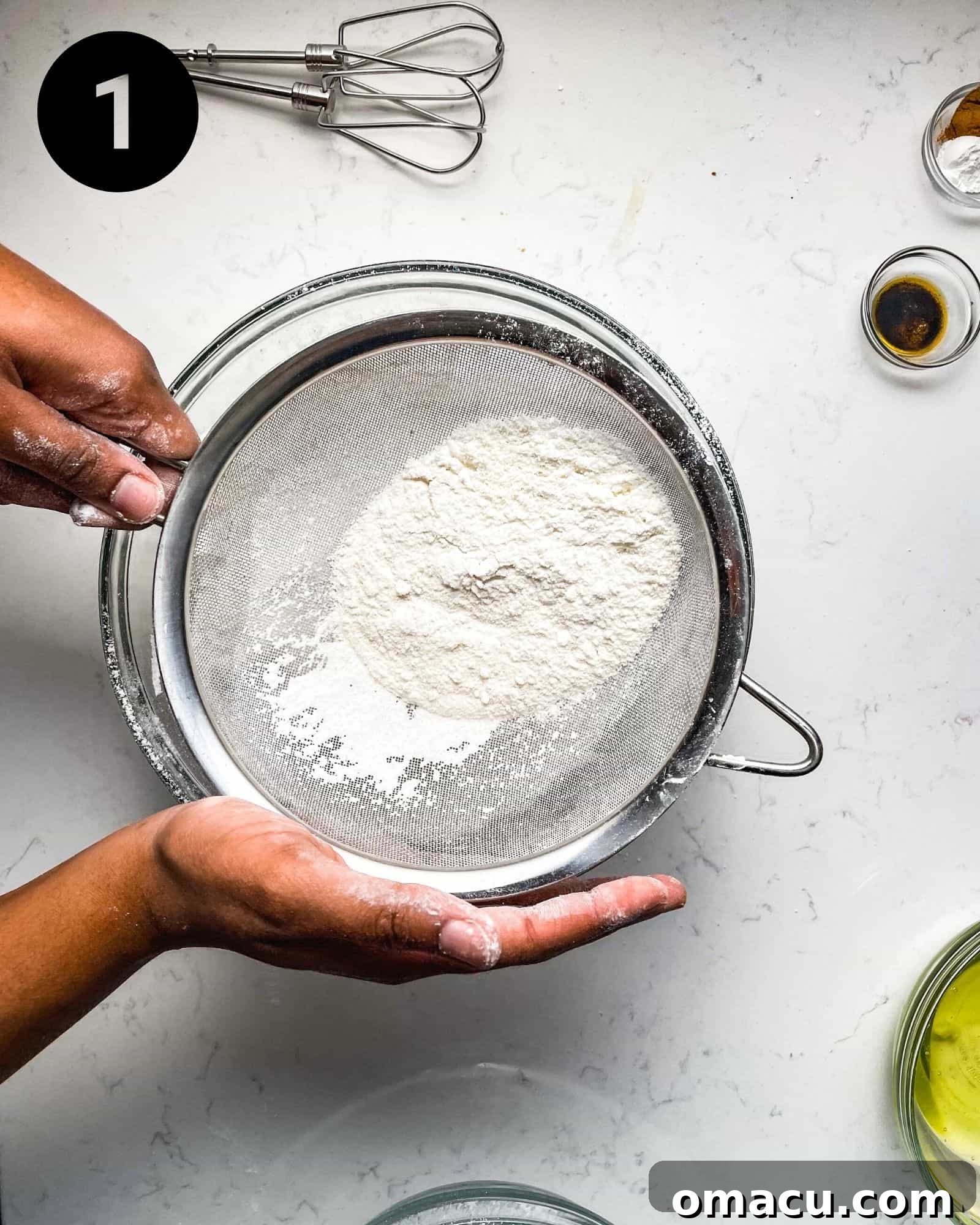
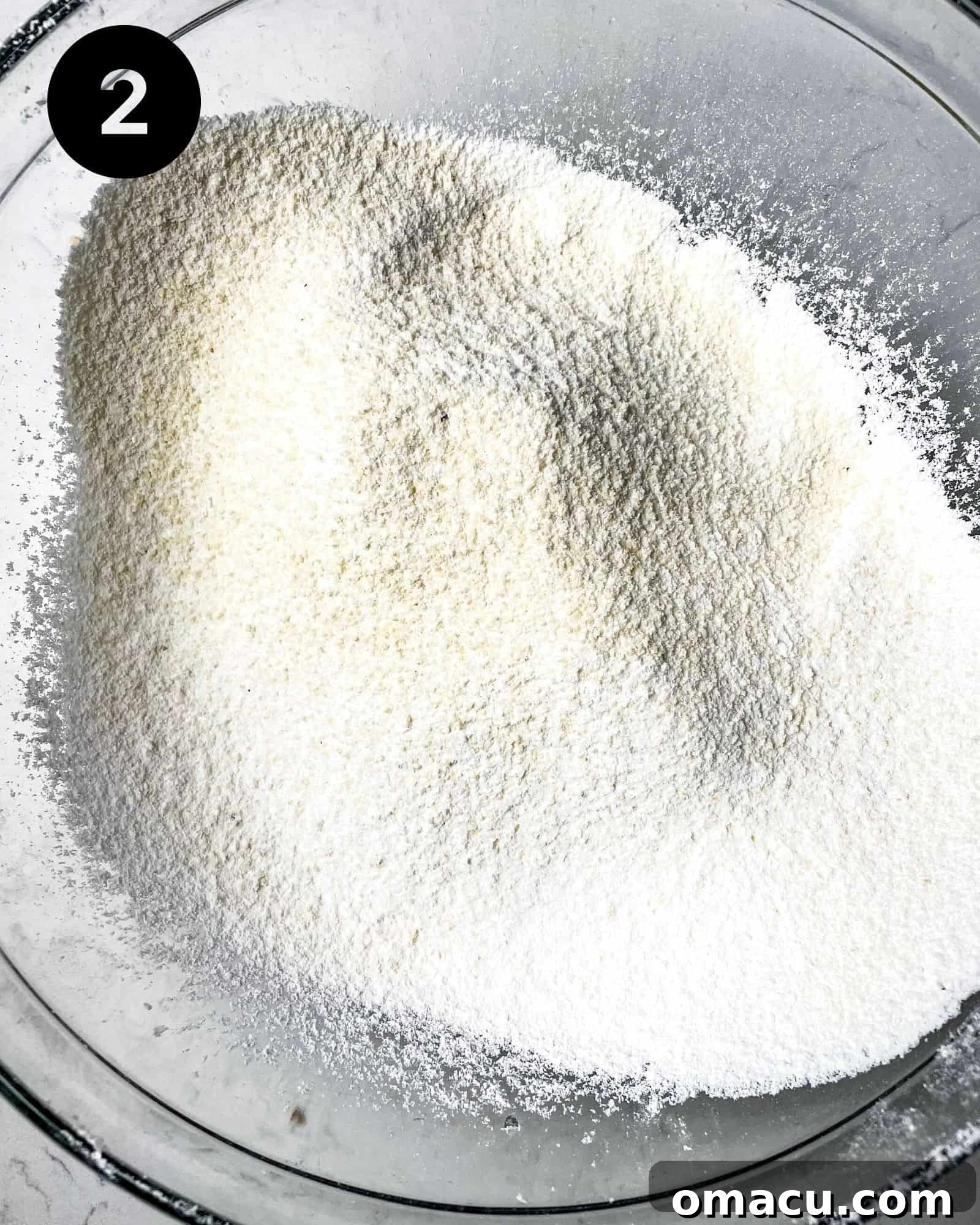
- Begin by combining the almond flour and powdered sugar in a food processor. Pulse for 20-30 seconds to ensure a superfine mixture, then sift it into a large bowl. Sifting at least twice, or even three times, is crucial to eliminate any larger granules and achieve incredibly smooth macaron shells. Next, whisk in your warming spices: ground ginger, cinnamon, and allspice. Mix thoroughly to evenly distribute the festive flavors.
- In a separate large bowl, or the bowl of a stand mixer fitted with the whisk attachment, add your egg whites. Begin beating on low speed, gradually increasing to medium. As the egg whites start to become foamy and opaque, add the cream of tartar. Continue mixing until it’s fully incorporated and the egg whites are white and soft peaks begin to form.
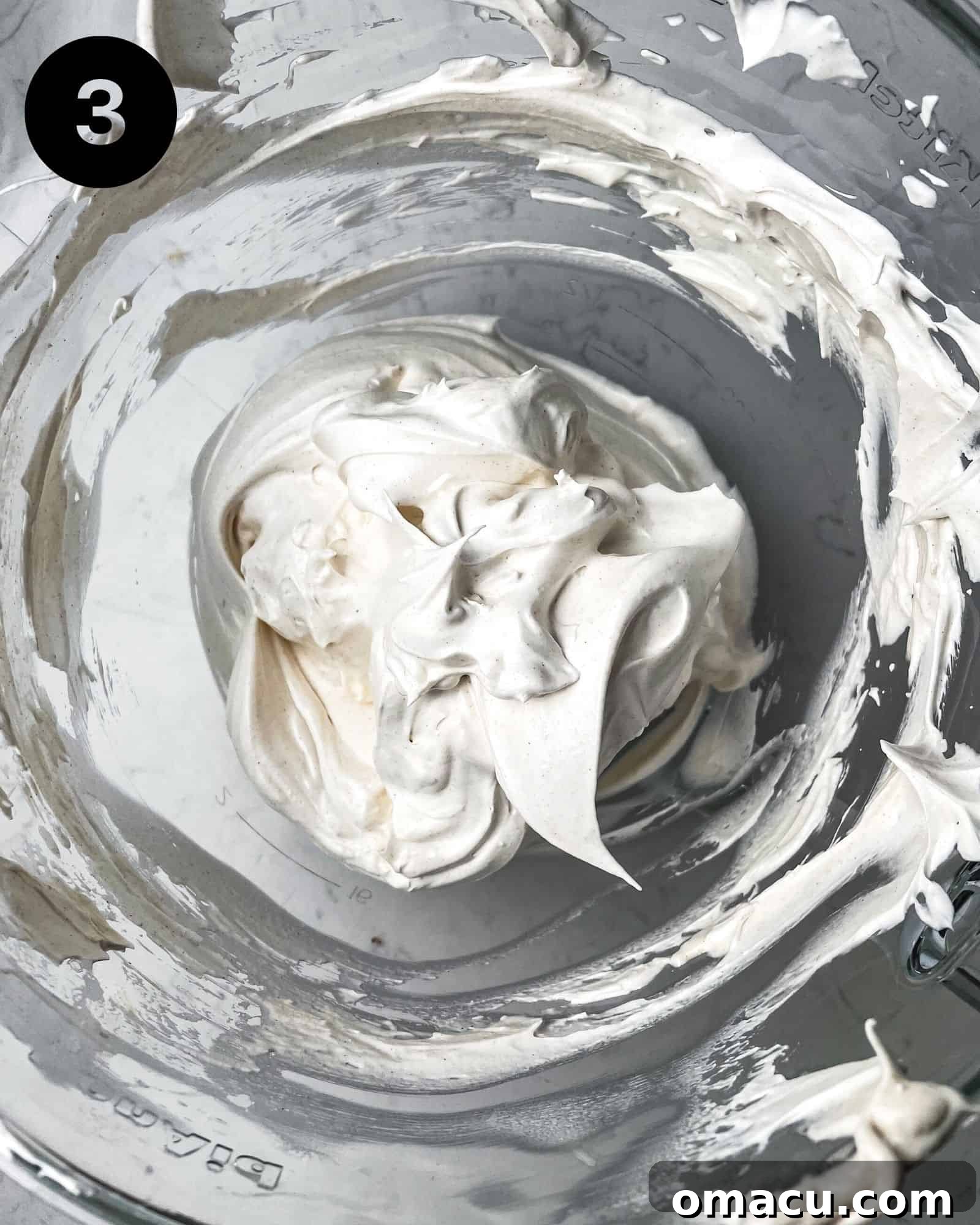
- Now, slowly begin adding the granulated sugar, a tablespoon at a time, while gradually increasing the mixer speed to medium-high. Continue beating until the meringue is incredibly glossy and forms stiff peaks. This means when you lift the whisk, the meringue should stand straight up without falling. If desired, add vanilla extract and brown gel food coloring (for a classic gingerbread man color, though it’s optional).
- Gently add about half of the sifted almond flour and powdered sugar mixture to the meringue. Using a rubber spatula, begin to fold the dry ingredients into the meringue using a “macaronage” technique: scrape down the sides of the bowl, then cut through the center, repeating this motion. Once the first half is mostly incorporated, add the remaining dry ingredients and continue folding.
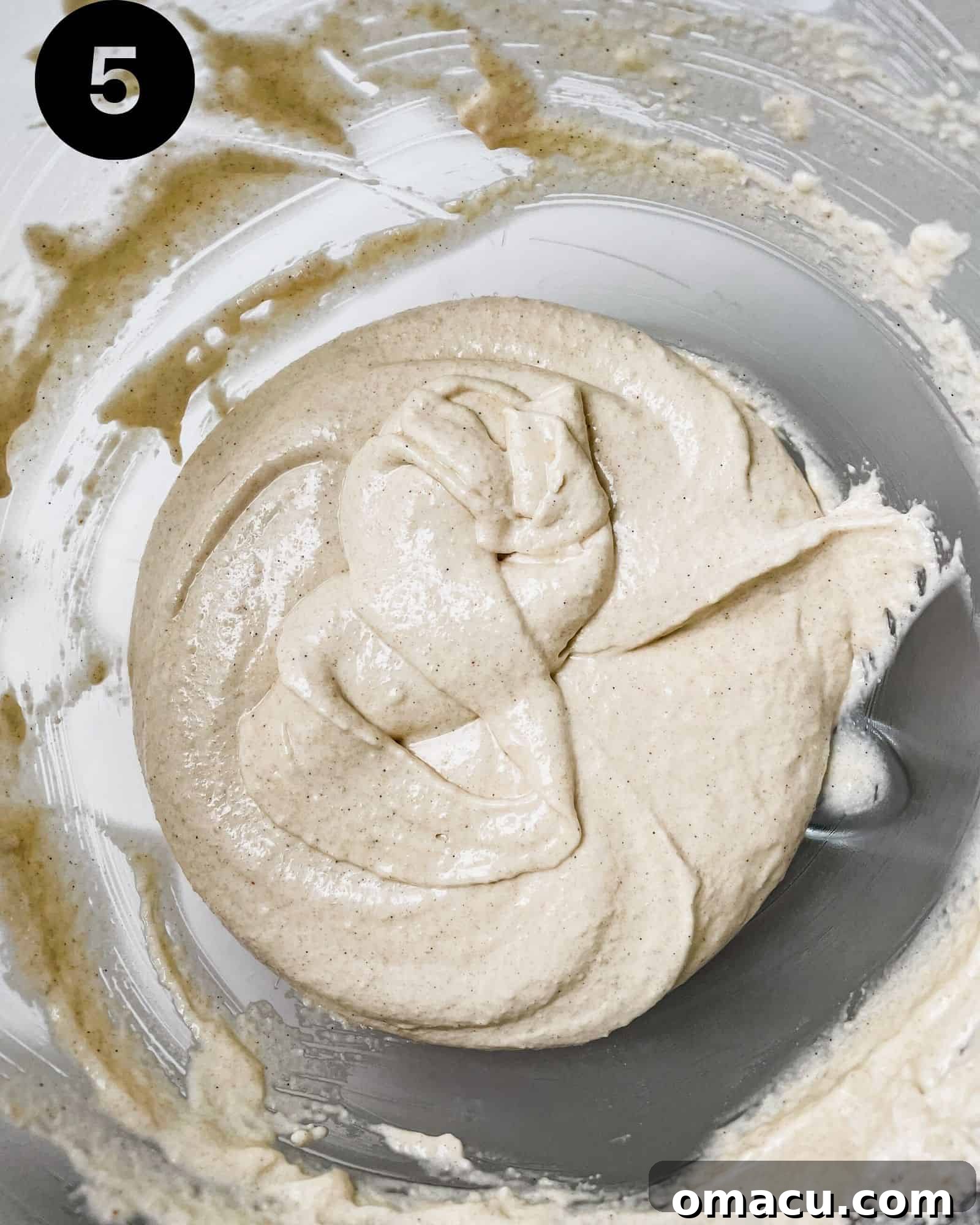
- Mix until the batter achieves a smooth, flowing, lava-like consistency. To test, lift your spatula; the batter should fall off in long, continuous ribbons, allowing you to draw a “figure 8” with the batter without it breaking. This is the precise moment to stop mixing – overmixing will lead to runny batter and flat macarons, while undermixing will result in lumpy shells.
- Transfer the prepared macaron batter to a large piping bag fitted with a large round piping tip (a Wilton 1A tip works wonderfully for uniform shells). Line two baking sheets with either parchment paper or a specialized macaron silicone mat.
- Pipe individual macaron shells, aiming for roughly the size of a quarter. Pipe straight down, then quickly flick the bag up to create a smooth top. Once piped, firmly tap each baking sheet several times on your counter. This crucial step helps release any trapped air bubbles within the batter, which can cause hollow or cracked shells. If any tiny air bubbles rise to the surface, gently pop them with a toothpick.
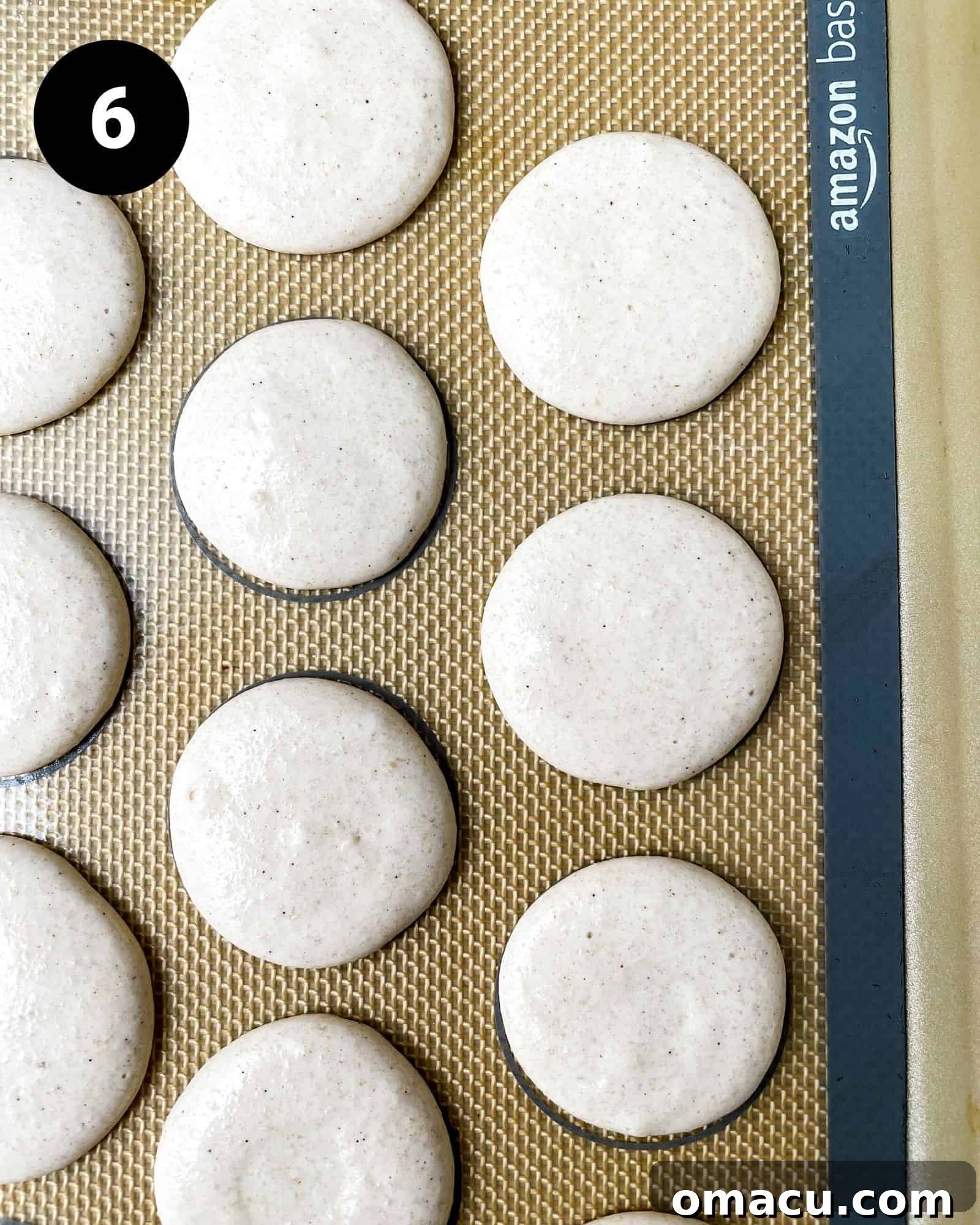
- Allow the piped macarons to “dry” on a flat surface in the prepared baking sheets for approximately one hour, or until a thin skin forms on top. This drying time is vital for developing the characteristic “feet” during baking. You’ll know they’re ready when they no longer appear glossy, and you can gently touch the top of a shell without any batter sticking to your finger.
Step 2: Bake the Macarons to Perfection
- Preheat your oven to 300 degrees F (150 degrees C). Bake the macarons for 14-15 minutes. They are done when they do not wiggle or move on their “feet” when gently nudged. The shells should be firm. Once baked, remove the baking sheets from the oven and allow the macarons to cool completely, undisturbed, on the baking sheets for at least 40 minutes. Attempting to remove them too soon will result in broken shells.
Step 3: Prepare the Gingerbread Buttercream Filling
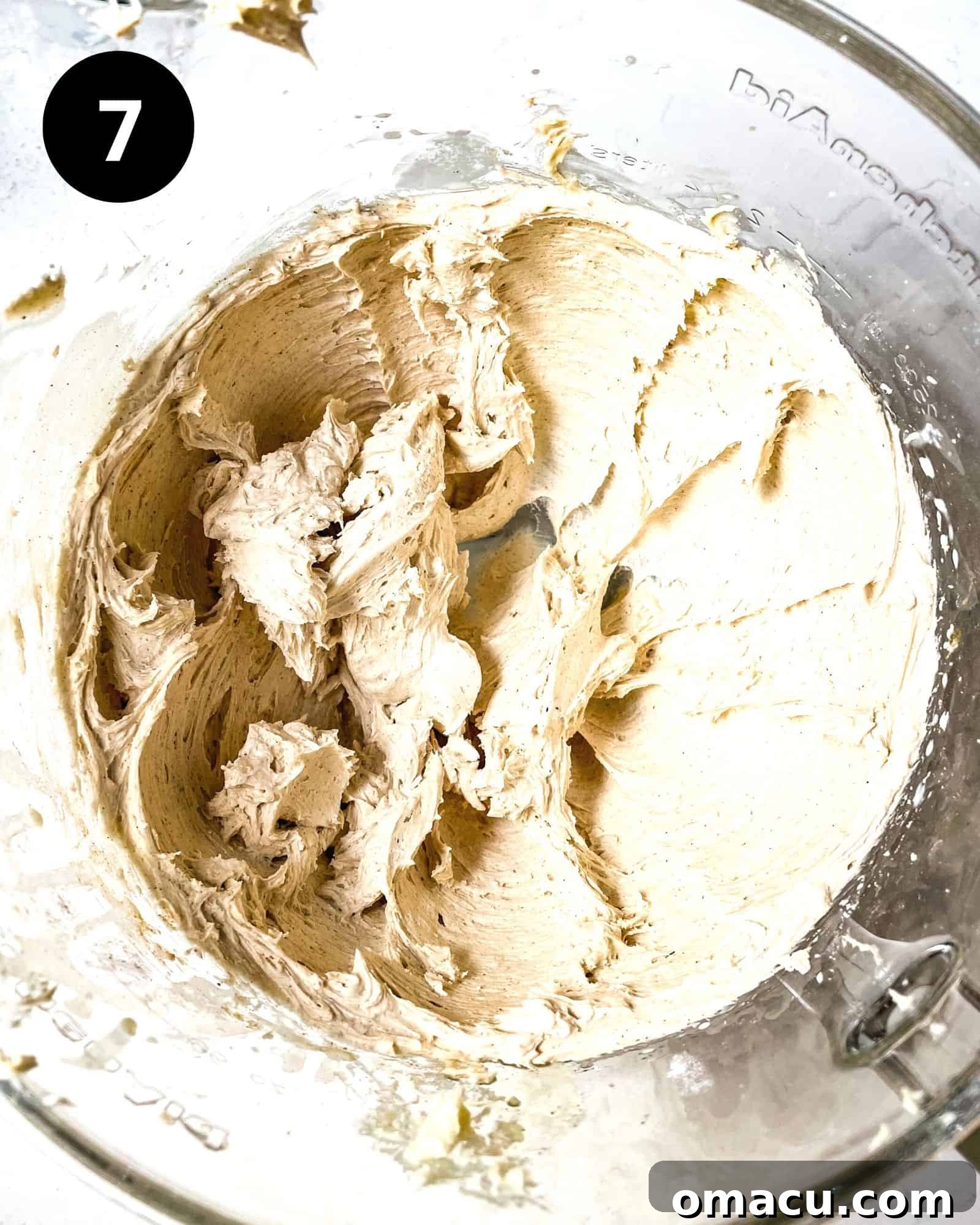
- While your macaron shells are cooling, it’s the perfect time to prepare the gingerbread buttercream filling. In the bowl of an electric mixer fitted with the paddle attachment, beat the room temperature butter on medium speed until creamy and light. Gradually add the powdered sugar, cinnamon, ginger, allspice, clove, nutmeg, vanilla extract, and a pinch of salt. Mix on low speed until combined, then increase to medium. Add the heavy cream, one tablespoon at a time, until the buttercream reaches a smooth, fluffy, and pipeable consistency.
Step 4: Assemble and Decorate Your Festive Macarons
- Once the macaron shells are completely cool, carefully peel them off the parchment paper or silicone mat. Match macaron shells of similar sizes to create uniform pairs. Use a spoon or another piping bag to pipe a generous dollop of gingerbread buttercream onto the flat side of one macaron shell. Gently place a second macaron shell on top, twisting slightly to form a neat cookie sandwich.
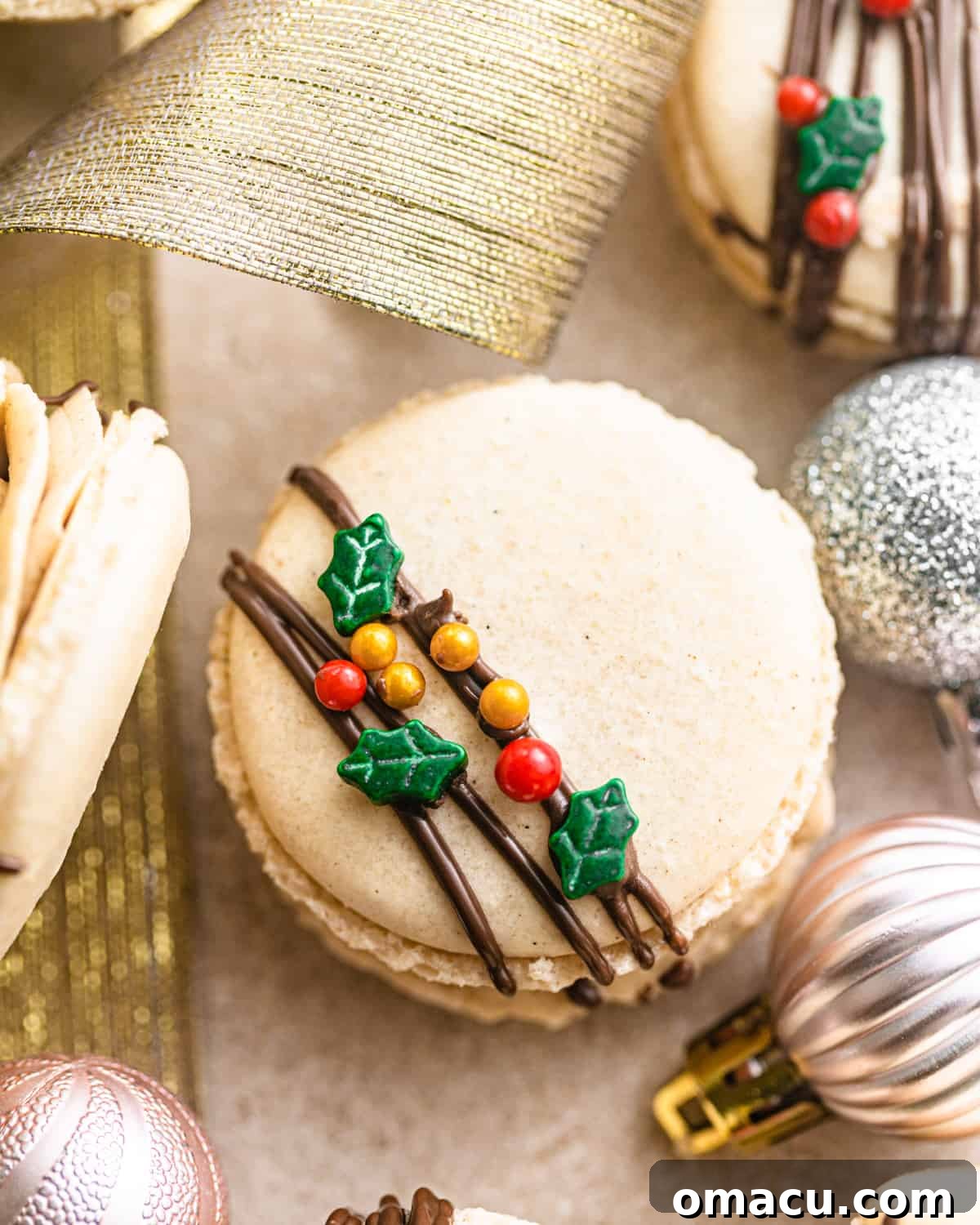
- **Optional Decoration:** For an extra festive touch, you can drizzle a little melted white or dark chocolate over the tops of the assembled macarons and garnish with a few colorful Christmas sprinkles. This adds both visual appeal and a delightful textural contrast.
Storing Your Delicious Gingerbread Macarons
Proper storage is essential to maintain the delicate texture and fresh flavor of your homemade macarons. These little treats actually taste even better the day after they are made, once the filling has had a chance to meld with the shells.
To store them in the **refrigerator**, place the macarons in an airtight container. Layer them carefully, separating each layer with a sheet of parchment paper to prevent sticking and maintain their pristine appearance. Stored this way, your gingerbread macarons can last for up to 7 weeks in the fridge, making them perfect for preparing ahead of holiday gatherings.
For longer storage, **freezing** macarons is an excellent option. Arrange the unfilled or filled macarons in a single layer on a parchment paper-lined baking sheet and place them in the freezer until they are completely solid. Once frozen, transfer them to an airtight freezer-safe container, again using parchment paper between layers. Macarons can be frozen for up to 3 months. To enjoy, simply thaw them in the refrigerator for a few hours or at room temperature until softened.
Gingerbread Macaron FAQs
Yes, classic French macarons are naturally gluten-free! They are made with almond flour instead of traditional wheat-based all-purpose flour, making them a wonderful dessert option for those with gluten sensitivities.
Absolutely! Macarons freeze exceptionally well, which is great for meal prepping or making them ahead for special occasions. Store them in an airtight container and they can be frozen for up to 3 months. Thaw them in the refrigerator before serving for the best texture.
While the macaron shells themselves are typically dairy-free (made from egg whites, almond flour, and sugar), the fillings often contain dairy. Our gingerbread buttercream filling, for example, uses butter and heavy cream. For a dairy-free option, you would need to use a dairy-free buttercream recipe.
The absence of “feet” (the ruffled edge at the base of the macaron) is a common macaron problem. It’s often due to insufficient drying time, over-mixing the batter (macaronage), or an incorrect oven temperature. Ensure your shells form a proper skin, your batter flows like lava, and your oven temperature is accurate with a thermometer.
Yes, macarons are actually fantastic to make ahead! In fact, they often taste better after 24-48 hours in the refrigerator, as the flavors meld and the shells soften slightly. You can prepare them up to a week in advance and store them in an airtight container in the fridge, or freeze them for up to 3 months.
More Delightful Holiday Cookie Recipes
If you’re continuing your holiday baking journey, explore these other delicious cookie recipes perfect for sharing:
- Brown Butter Chai Cookies
- Sparkling Snowflake Cookies
- Vanilla Bean Butter Pecan Cookies
- Pink Peppermint Sugar Cookies
- Festive Sprinkle Sugar Cookies
- Chewy M&M Cookies
- Snickerdoodle Whoopie Pies
Want to receive more delicious and beautiful recipes directly in your inbox? Subscribe to my newsletter to get the latest seasonal creations as soon as they’re released!
If you try this delightful Gingerbread Macaron recipe, please consider leaving a star rating on the recipe card below and sharing your thoughts in the comments. Your feedback means the world to me! You can also tag @BritneyBreaksBread on Instagram and use the hashtag #britneybreaksbread so I can celebrate your beautiful baking creations!
Gingerbread Macarons
Britney
40
14
1
1 54
24 Cookie Sandwiches

Equipment
-
Stand Mixer
-
Baking Sheet
-
Silicone Macaron Baking Sheet
-
Piping Bags
Ingredients
Gingerbread Macarons
- 140 grams Egg Whites
- 120 grams Sugar
- 140 grams Almond Flour
- 240 grams Powdered Sugar
- 1 tsp Ground Ginger
- 1/2 tsp Ground Cinnamon
- 1/4 tsp Allspice
- 1 tsp Vanilla Extract
- 1/2 tsp Cream of Tartar
Gingerbread Buttercream Filling
- 3/4 cup Butter
- 3 1/2 cups Powdered Sugar
- 2 tbsps Honey
- 2 tsp Ground Ginger
- 1 tsp Cinnamon
- 1/2 tsp Allspice
- 1/4 tsp Ground Cloves
- 2 tbsps Heavy Cream
Instructions
-
Begin by adding almond flour and powdered sugar to a food processor and blending for about 20-30 seconds. Then sift the mixture into a large bowl. Sift at least two times to remove any large granules. Then add ginger, cinnamon, and allspice. Mix together.
-
Add egg whites to a large bowl or the bowl of a stand mixer fitted with the whisk attachment and begin beating the egg white on low speed, gradually increasing to medium speed. As the egg whites begin to become foamy, add the cream of tartar and mix until fully incorporated.
-
Slowly, begin adding the granulated sugar and begin to increase the speed to medium-high. Once all sugar is added, beat until stiff peaks form. Once stiff peaks have been reached, add vanilla extract (if you’d like to add brown gel food coloring, add now – this is optional, I didn’t add any to mine but it does add a nice gingerbread man color).
-
Add half of the almond flour mixture and begin to fold into the meringue to form the macaron batter. I recommend using a rubber spatula for best results. Once the almond flour is fully incorporated, add the remainder of the dry ingredients and continue folding together.
-
Fold together until the batter has a lava-like consistency. When lifting your spatula, you should be able pull the spatula out of the batter and form long ribbons of batter that can draw a “figure 8” without breaking. This is how you know it’s time to stop mixing and you’re ready to move to the next step.
-
Transfer batter to a large piping bag or a ziploc bag with a large round piping tip (I used 1a Piping Tip by Wilton). Line two baking sheets with parchment paper or a macaron silicone mat.
-
Pipe each shell until it’s about the size of a quarter and then tap the baking sheet to ensure that all of the air bubbles escape the macaron shells and any larger particles fall to the bottom. If any air bubbles come to the surface, pop them gently with a toothpick.
-
Let the piped macarons “dry” on a flat surface in the prepared baking sheets for about one hour, until a skin forms. You will know that the skin is formed when if you touch the cookies gently, none of the batter sticks to your fingers.
-
Bake the macarons at 300 degrees F for 14-15 minutes. You will know that they are done when you can touch them and they do not move. Allow them to cool completely on the baking sheet (at least 40 minutes undisturbed).
-
While the macarons are resting, make the gingerbread buttercream filling. Add room temperature to the bowl of an electric mixer fitted with the paddle attachment and beat on medium speed. Then add powdered sugar, cinnamon, ginger, allspice, clove, nutmeg, vanilla extract, and a pinch of salt. Mix together and add heavy cream one tablespoon at a time.
-
Match macarons of a similar size together then use a spoon or piping bag to add the buttercream filling to the bottom macaron. Place a second macaron on top to make the cookie sandwich.
-
Optional: if decorating the top of the macarons, I drizzled a little melted chocolate and garnished with a few festive christmas sprinkles.
Notes
- You’ll want to use a kitchen scale for this recipe! It’s imperative that the ingredient measurements are precise.
- Check your oven temperature to make sure it’s accurate. Unfortunately, not all home ovens have accurate temperature readings. You can do so by using an oven thermometer. If your oven temperature is too hot, the macarons will be burn – too cool and they won’t rise properly. This is important for not only this recipe, but it can affect all others as well. It’s worth a test!
- If you don’t have a pastry bag, you can use a ziploc bag instead.
Nutrition
Nutrition information is automatically calculated, so should only be used as an approximation.