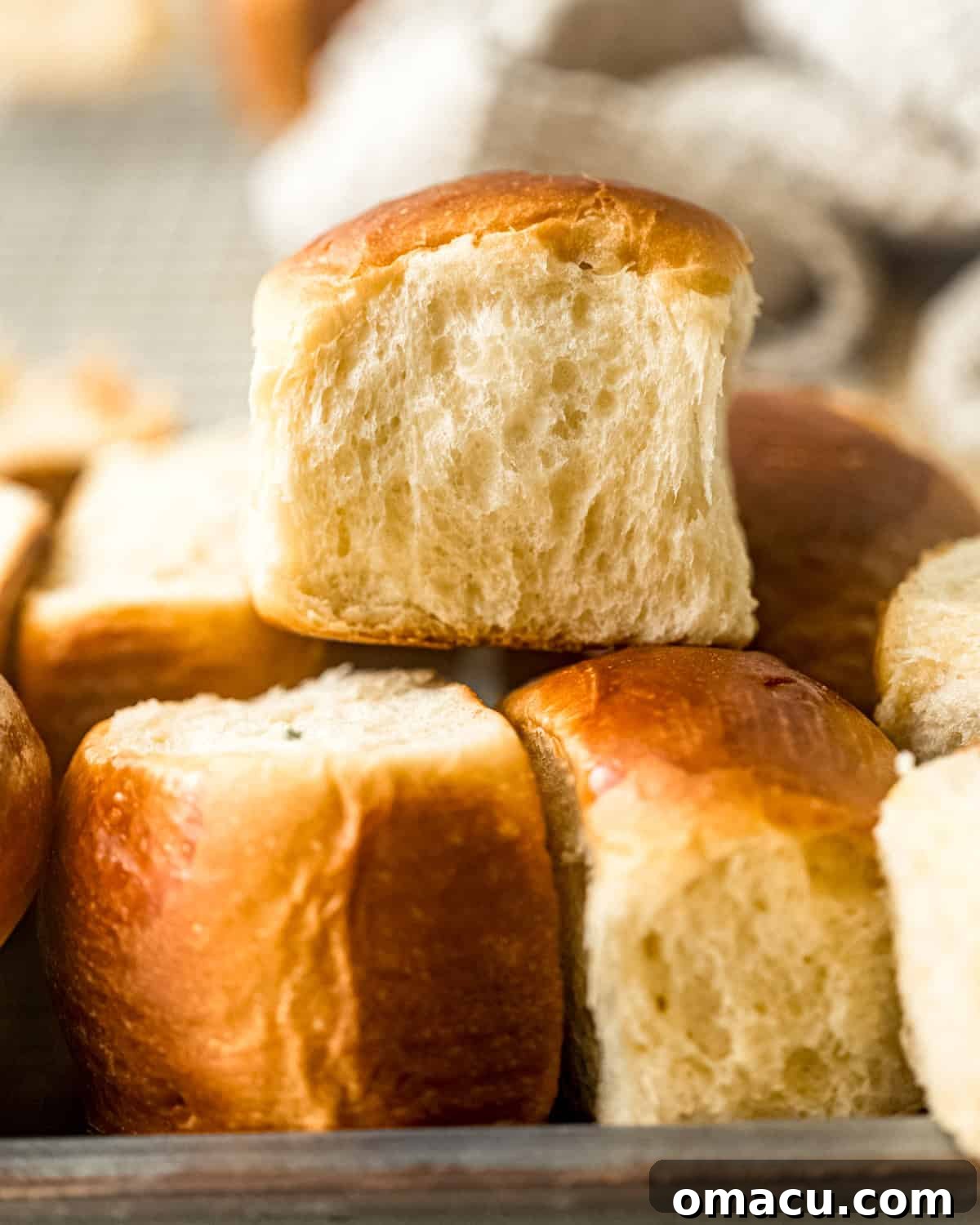
Prepare to elevate your dinner table with these incredible homemade Hawaiian Rolls. They are exceptionally soft, wonderfully fluffy, and perfectly sweet, boasting a rich, buttery crumb that melts in your mouth. Forget the store-bought versions – this recipe delivers fresh, tender, and undeniably superior rolls that are dangerously good!
The journey to perfecting these Hawaiian rolls began with a simple yet ambitious goal: to replicate the beloved King’s Hawaiian Rolls. My approach was straightforward but meticulous. I started by carefully examining the ingredient list on the package, essentially reverse-engineering the recipe to understand the core components that give these iconic rolls their unique flavor and texture. This investigation laid the groundwork for countless hours of experimentation in the kitchen.
Leveraging my expertise with brioche dinner rolls, I refined the recipe, adjusting ratios and techniques until I achieved what I proudly present today: a perfect replica of the classic Hawaiian roll. In fact, many who have tasted them agree: they are even better than the original.
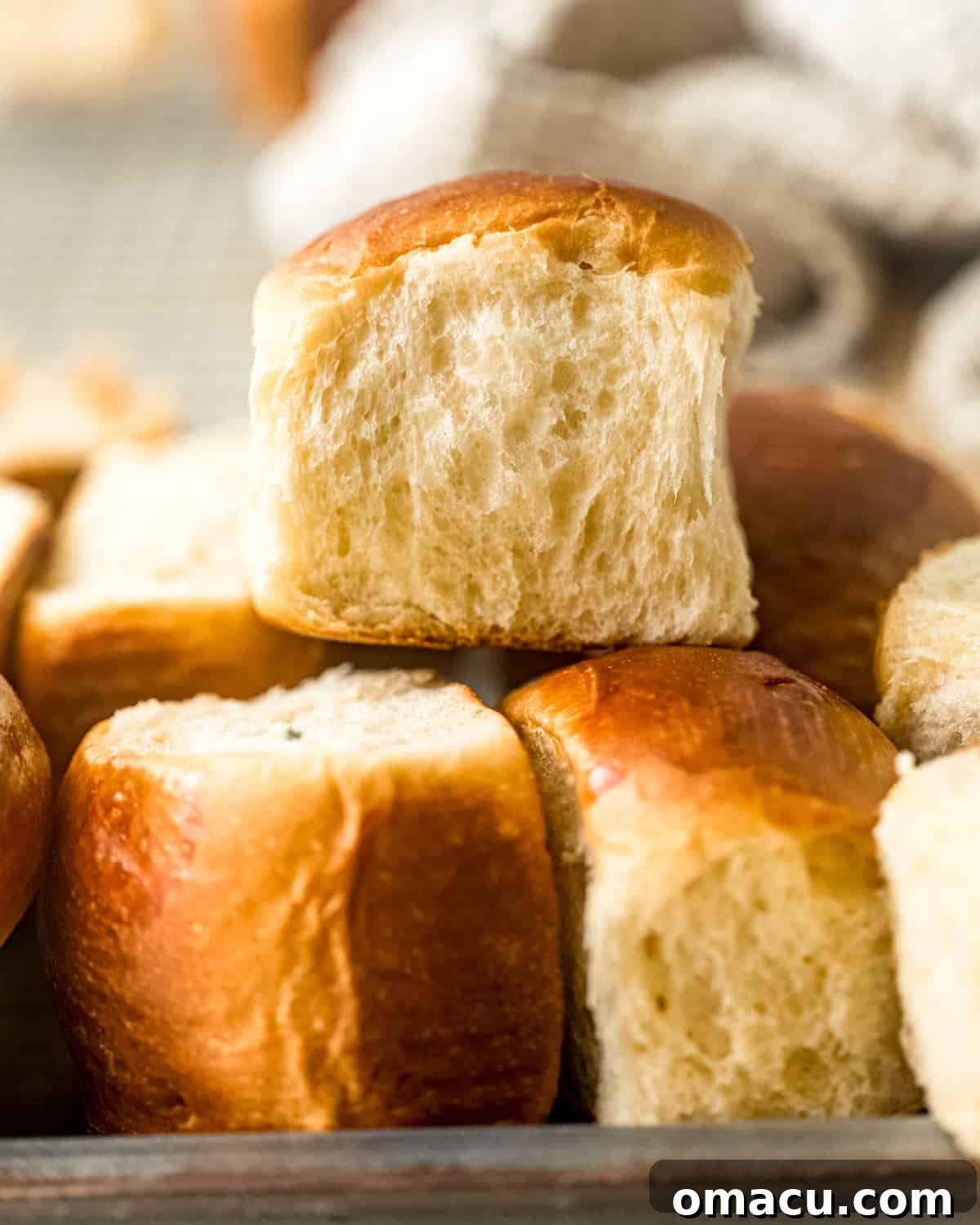
Each bite offers that signature sweet and buttery flavor, complemented by an irresistibly fluffy interior and a pillowy, pull-apart texture that simply dissolves in your mouth. Every delightful characteristic you cherish about King’s Hawaiian rolls is present here, but with an added depth of flavor, unmatched freshness, and the heartwarming satisfaction of being made right in your own kitchen. Once you experience the unparalleled taste and texture of this homemade bread version, you’ll find it impossible to go back to store-bought.
Recipe Highlights: The Sweet & Buttery Hawaiian Rolls
- Prep Time: 10 minutes
- Rise Time: 1 1/2-2 hours (first rise) + 30-45 minutes (second rise)
- Cook Time: 25-30 minutes
- Yields: 16 delightful slider rolls
- Method: Enriched yeast dough with a crucial two-rise process
- Flavor Profile: Wonderfully Sweet and Richly Buttery
- Difficulty: Moderate – achievable for home bakers with some experience!
Explore and Save This Recipe Content:
Table of Contents
- Recipe Highlights: The Sweet & Buttery Hawaiian Rolls
- Explore and Save This Recipe Content:
- The Secret Sauce: Key Ingredients for Authentic Hawaiian Rolls
- Pro Baking Tips for Flawless Hawaiian Rolls
- How To Make Homemade Hawaiian Rolls: A Step-by-Step Guide
- Beyond the Basket: Creative Ways to Use Your Homemade Slider Rolls
- Homemade Hawaiian Rolls: Your Questions Answered
- Expand Your Baking Repertoire: More Dinner Roll Recipes
- Hawaiian Dinner Rolls Recipe Card
The Secret Sauce: Key Ingredients for Authentic Hawaiian Rolls
Crafting the perfect Hawaiian roll requires a thoughtful selection of ingredients. Each component plays a crucial role in achieving that signature sweetness, irresistible fluffiness, and rich texture. Here’s a deeper look into the stars of this recipe:
- Honey: This is a crucial distinction from many copycat recipes that mistakenly use pineapple juice. King’s Hawaiian rolls do not list pineapple juice in their ingredients, and after extensive testing, I found honey to be the superior choice. It imparts the BEST, most authentic sweet flavor, along with essential moisture and a beautiful shine, creating that distinct squishy sweetness reminiscent of a true King’s Hawaiian roll. Leave the pineapple juice for a tropical drink, not your rolls!
- Bread Flour and All-Purpose Flour: The magic lies in the blend. Using a combination of these two flours is absolutely key. Bread flour, with its higher protein content, provides just enough strength and structure to give the rolls their characteristic chew and rise, while all-purpose flour contributes to their incredible softness and tender crumb. This balance prevents the rolls from becoming either too dense or too flimsy.
- Milk Powder: Consider milk powder your unsung hero in this recipe! It’s an indispensable ingredient that significantly enhances the richness and softness of the dough without adding any extra liquid. This precision helps maintain the perfect balance in the dough’s hydration, ensuring a consistently tender and flavorful result.
- Salted Butter: Butter is fundamental for flavor and tenderness. Salted butter introduces a delightful depth of taste and tenderizes the crumb, resulting in that plush, melt-in-your-mouth bite. We also incorporate vegetable oil as a secondary fat. This ingenious addition ensures that your homemade Hawaiian rolls remain incredibly soft and fresh for days, not just hours.
- Eggs and Egg Yolk: This is an enriched dough, and eggs are vital for imparting a luxurious richness. Beyond contributing to structure, eggs add profound flavor, a beautiful golden color, and an enviable silkiness to the dough that truly makes these rolls to die for. The extra yolk boosts richness without adding too much liquid.
- Active Dry Yeast: This is my preferred yeast for most yeasted dough recipes, and it’s particularly well-suited for these sweet rolls. Active dry yeast offers a slightly slower, more controlled rise. This extended proofing time is crucial as it allows for better flavor development in rich, sweet doughs, resulting in a more complex and satisfying taste. However, if you have instant yeast on hand, you can certainly use it! It can be swapped equally 1:1, though you might notice a slightly faster rise.
Pro Baking Tips for Flawless Hawaiian Rolls
- Precision is Key: Use a Kitchen Scale. I cannot emphasize this enough for ALL baking recipes, but especially for enriched doughs like these. A kitchen scale is critical for success as it prevents the common pitfalls of adding too much or too little of any ingredient. Even small discrepancies in flour or liquid can significantly impact the final texture and rise of your rolls. Invest in one; it will transform your baking!
- Embrace the Stickiness: Do Not Add Excess Flour. During the initial mixing stages, this dough will be notably sticky. It’s a common temptation to add more flour to make it easier to handle, but resist this urge! Once the dough is fully kneaded and the gluten has properly developed, it will naturally pull away from the bowl, becoming beautifully smooth and elastic. Adding extra flour will result in dry, dense rolls instead of the light, fluffy ones you desire.
- Patience Pays Off: Don’t Rush the Kneading Process. Full gluten development is paramount. It’s what provides both the essential structure and the incredible softness that defines these Hawaiian rolls. Continue mixing until the dough appears glossy, feels elastic to the touch, and cleanly pulls away from the sides of your stand mixer bowl. This typically takes about 8-10 minutes on medium-high speed. A well-kneaded dough is the foundation of perfect rolls.
- Master the Egg Wash Application. When it’s time to brush your rolls with egg wash, aim for a thin, even layer. This technique ensures a beautiful, golden-brown shine and vibrant color without masking the delicate buttery flavor of the rolls or creating an undesirable eggy crust. A light touch is all you need for that professional finish.
How To Make Homemade Hawaiian Rolls: A Step-by-Step Guide
Creating these heavenly Hawaiian rolls is a rewarding process. Follow these detailed steps to achieve perfect, pillowy results every time.
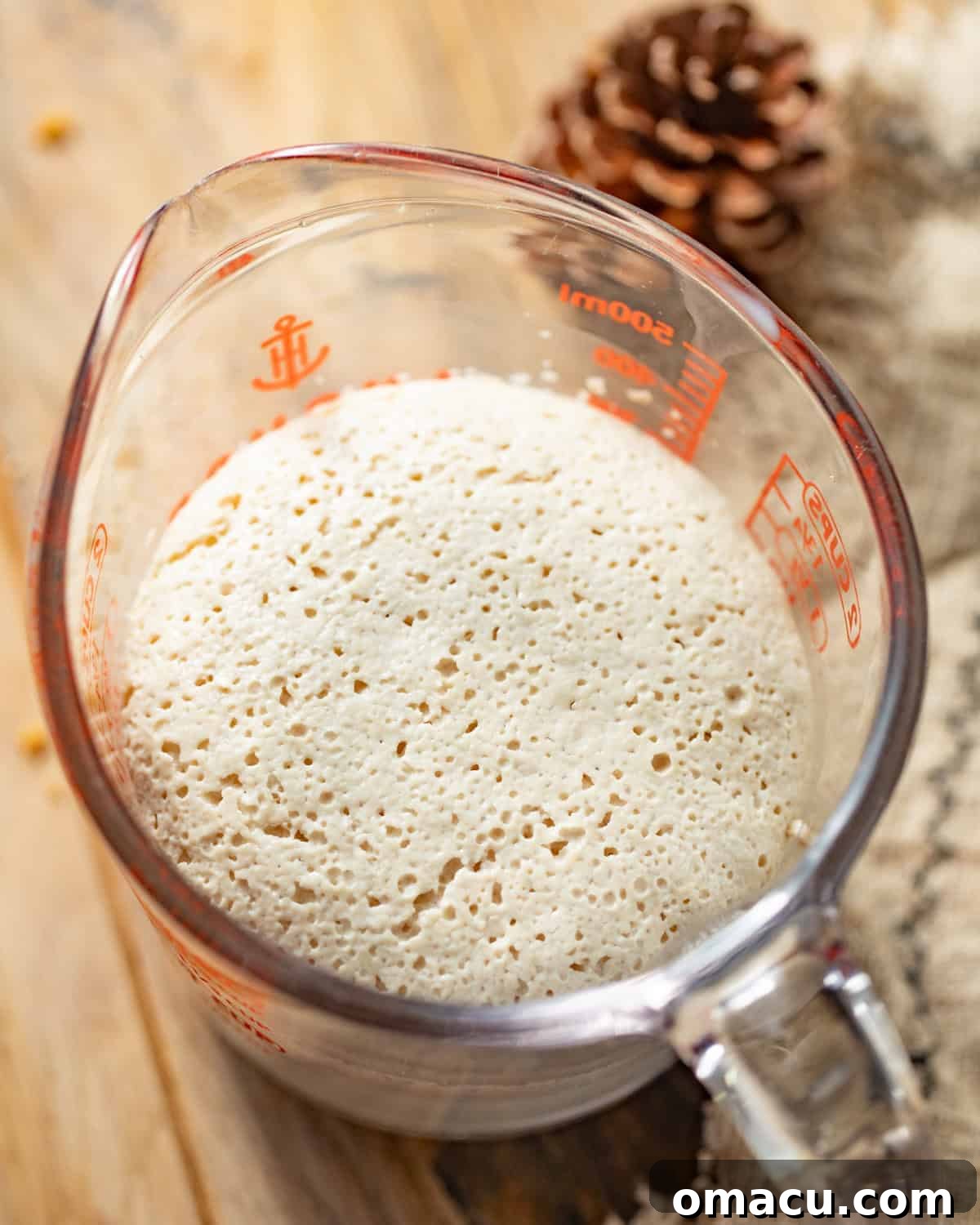
Step 1: Activate the Yeast. In a large measuring cup or medium bowl, combine warm water and evaporated milk. Microwave this mixture for approximately 20-30 seconds, until it reaches a warm temperature (around 105-110 degrees F). Add the active dry yeast and 1 tablespoon of sugar, whisk gently, and let it sit undisturbed for 8-10 minutes. The mixture should become bubbly and foamy, indicating the yeast is active. Next, whisk in the honey, eggs, egg yolk, and vegetable oil until thoroughly combined and smooth.
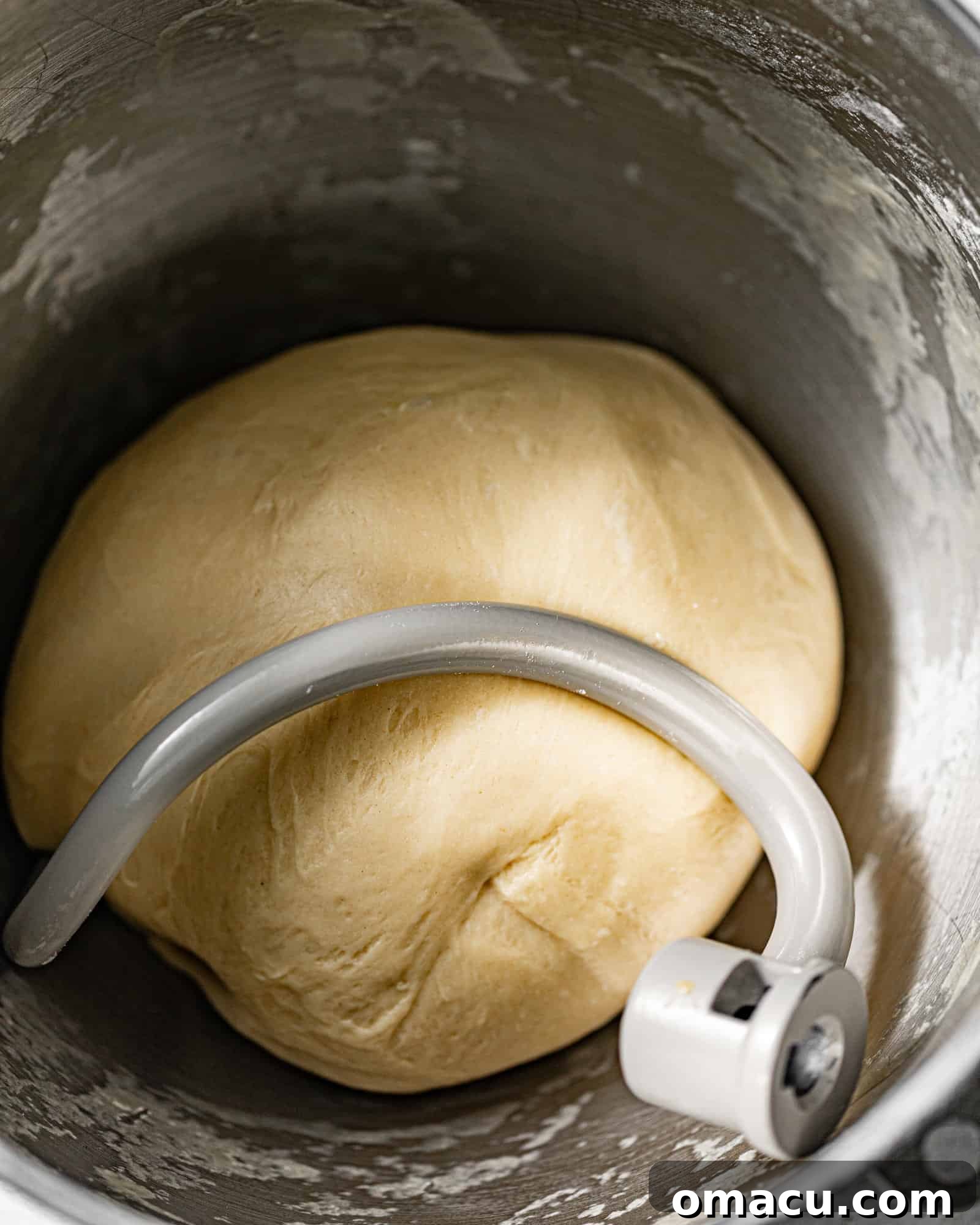
Step 2: Combine Dry Ingredients & Knead the Dough. In the bowl of a stand mixer, whisk together the bread flour, all-purpose flour, milk powder, and kosher salt. Pour the activated yeast and wet ingredient mixture into the dry ingredients. Use a rubber spatula to mix everything until a shaggy, cohesive dough forms. Attach the dough hook to your stand mixer and begin mixing on medium speed for 1-2 minutes. Then, gradually add the room temperature salted butter, one tablespoon at a time, ensuring each addition is fully incorporated before adding the next. Once all the butter is added, increase the mixer speed to medium-high and continue kneading for 8-10 minutes. The dough will transform into a smooth, glossy, and elastic mass that pulls cleanly away from the sides of the bowl. It will remain slightly tacky to the touch, which is perfectly normal. Cover the bowl tightly with plastic wrap and let the dough rise in a warm place until it has doubled in size.
Important Note on Rise Time: The exact rise time can vary considerably depending on the ambient temperature of your kitchen. For optimal proofing, I highly recommend placing the covered dough in a slightly warm environment, such as an oven with just the oven light on (ensure the oven itself is NOT turned on). This creates a gentle warmth that promotes consistent rising. This first rise typically takes between 1 1/2 to 2 hours, but in a colder kitchen, it could extend up to 3 hours.
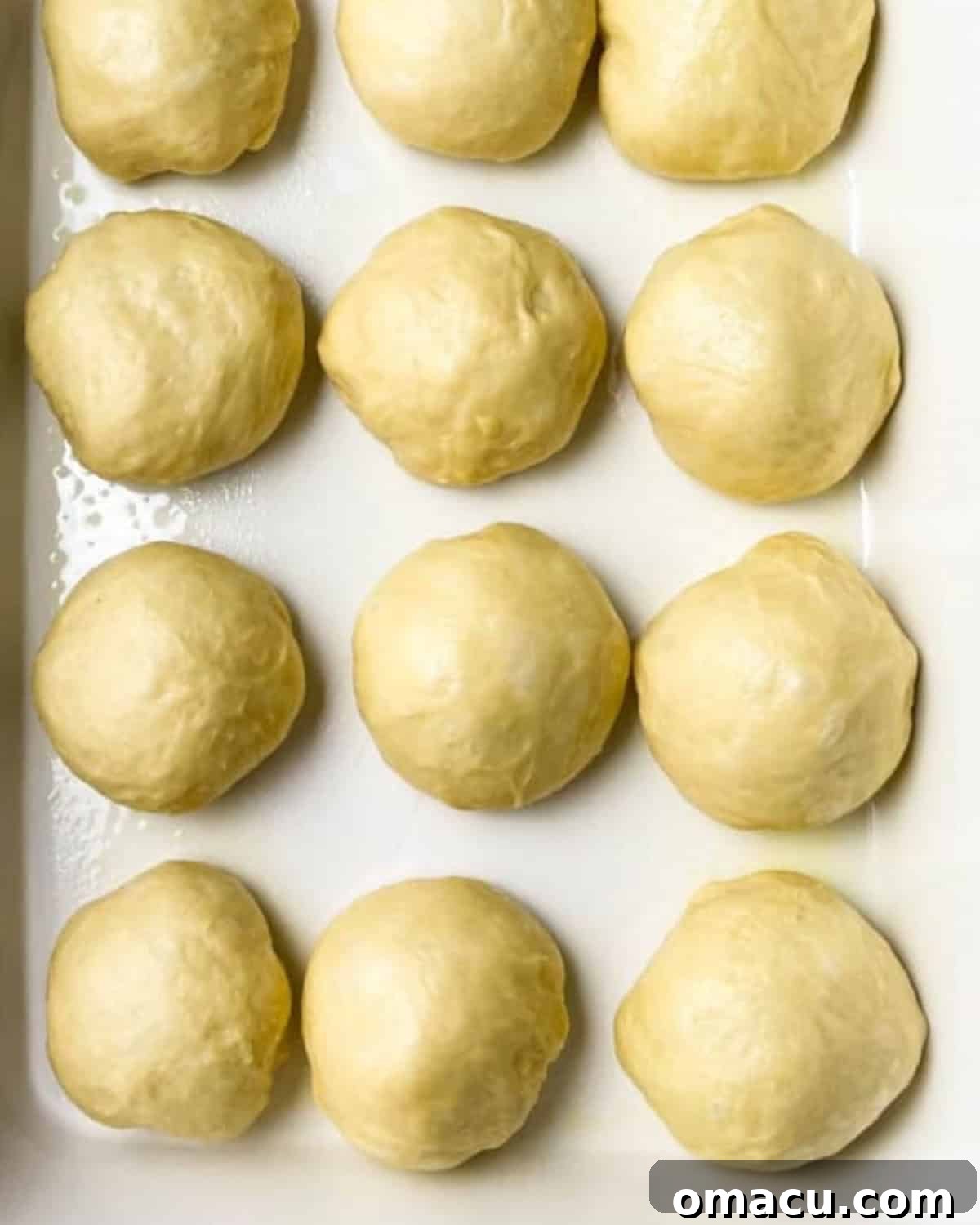
Step 3: Shape the Rolls. Once the dough has doubled, gently punch it down to release the air. Transfer the dough to a lightly floured surface. For uniform rolls, use a kitchen scale to weigh the entire dough and divide the total weight by 16. This will give you the precise weight for each individual roll (typically around 74g). Divide the dough into 16 equal pieces. Roll each piece into a smooth, tight ball, ensuring the seam is tucked underneath. Arrange these shaped rolls snugly into a 9×13 inch baking dish. A metal or ceramic pan works best, and there’s no need to grease it.
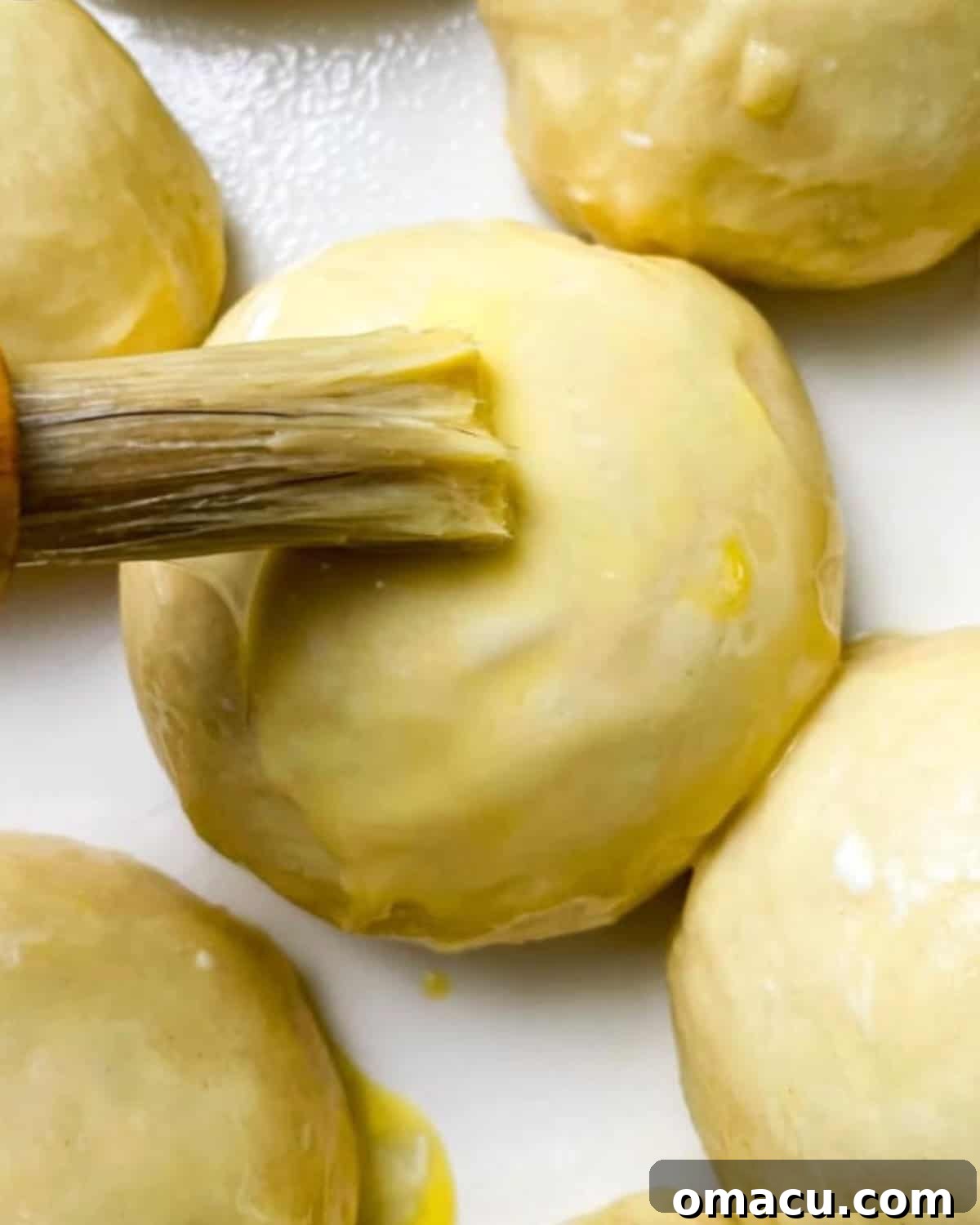
Step 4: Second Rise & Bake. Preheat your oven to 350 degrees F (175 degrees C). While the oven preheats, cover the rolls in the baking dish with plastic wrap and allow them to rise again for about 30-45 minutes, or until they look noticeably puffy and have nearly doubled in size. In a small bowl, whisk together one egg with a tablespoon of water to create an egg wash. Using a pastry brush, gently and thinly brush the tops of the rolls with the egg wash. Be careful not to apply too much, as a thick layer can lead to an eggy crust. Bake for 25-28 minutes, or until the tops are a beautiful golden brown. To confirm doneness, the internal temperature of the rolls should reach between 190-200 degrees F (88-93 degrees C) with an instant-read thermometer. If you don’t have a thermometer, tap the tops of the rolls gently; they should sound hollow like a drum. Immediately after removing them from the oven, brush the warm rolls with about 2 tablespoons of melted butter for an extra touch of richness and shine. Serve warm and enjoy!
Beyond the Basket: Creative Ways to Use Your Homemade Slider Rolls
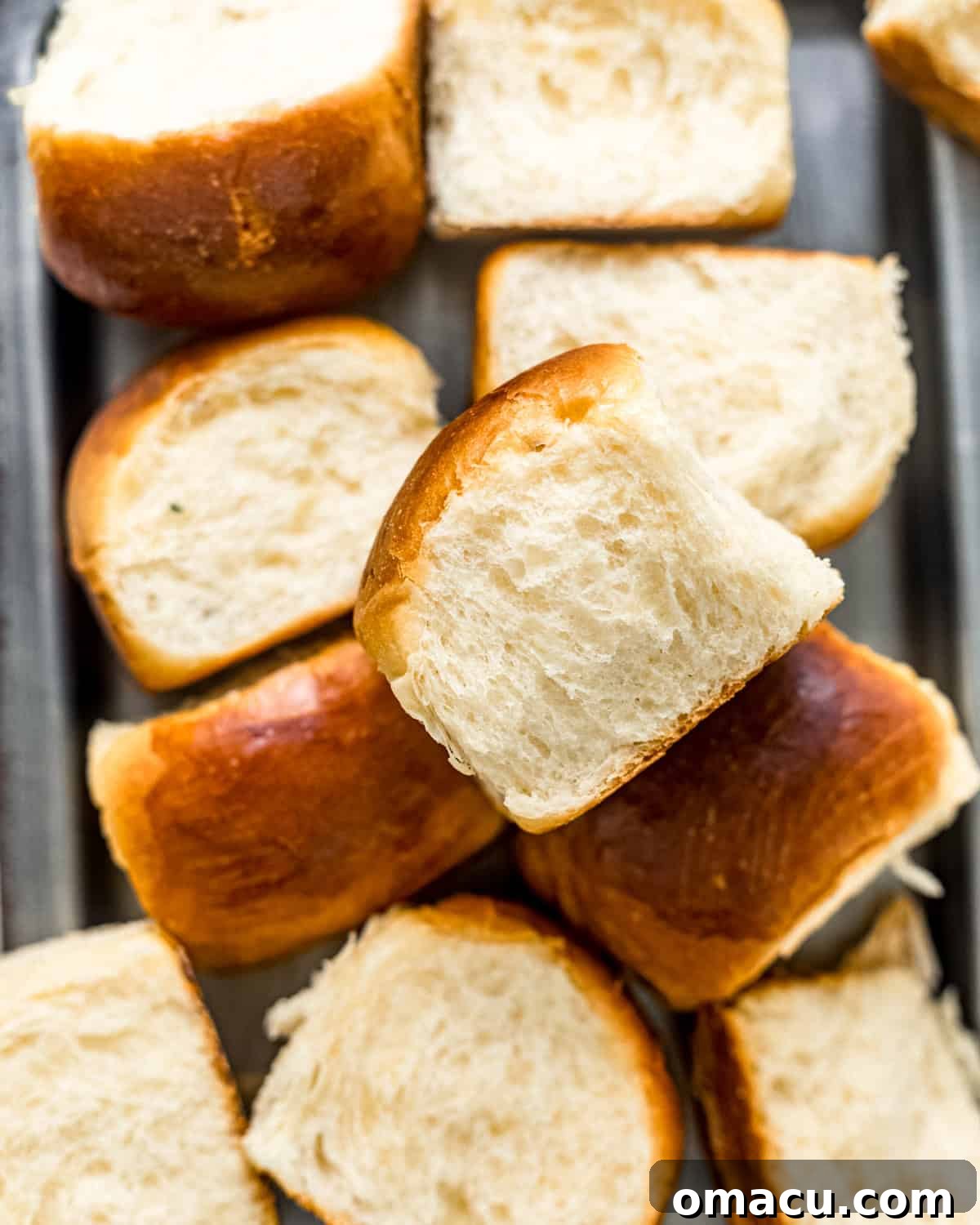
While these homemade Hawaiian rolls are absolutely heavenly enjoyed fresh out of the oven with a generous dollop of melty butter, their versatility extends far beyond a simple side dish. These sweet and fluffy slider buns are the perfect foundation for a myriad of delicious creations, making them a staple in any kitchen.
Transform your rolls into delectable mini-sandwiches! They are ideal for my mouthwatering Philly Cheesesteak Sliders, savory Pulled Pork Sliders, or my crowd-pleasing BBQ Chicken Sliders, just to name a few irresistible options. The slight sweetness of the rolls perfectly balances the rich, savory fillings, creating a harmonious flavor profile.
For a quick yet utterly delicious meal, simply split a roll and add a piece of my crispy buttermilk fried chicken along with some zesty Cajun coleslaw. You’ll have an easy, satisfying sandwich that’s bursting with flavor.
But don’t stop there! The sweet nature of these rolls makes them surprisingly adaptable for dessert-inspired dishes. I’ve seen fellow food enthusiasts use Hawaiian rolls to create incredible French toast bakes and even delightful cinnamon rolls. Their soft texture absorbs liquids beautifully, making them a fantastic shortcut for rich, sweet breakfast or dessert items. Get creative and explore the endless possibilities with these versatile rolls!
Homemade Hawaiian Rolls: Your Questions Answered
Yes, you can substitute instant yeast in an equal amount (1:1 ratio). However, be aware that the rise may happen faster with instant yeast. Active dry yeast is generally preferred for this recipe because it provides a slightly slower and more controlled rise, which allows for better flavor development in this rich, sweet dough. If using instant yeast, keep a close eye on your dough during the proofing stages.
Absolutely! Freezing is a fantastic way to preserve your homemade Hawaiian rolls. Once the rolls have completely cooled after baking, wrap them tightly in plastic wrap, then place them in a freezer-safe bag or airtight container. They will keep well in the freezer for up to 2 months. To serve, thaw them at room temperature, then warm them briefly in a preheated oven (around 200°F/93°C for 8-10 minutes) for the best results, restoring their freshly baked softness.
To maintain their soft, fluffy texture, store cooled homemade Hawaiian rolls in an airtight container at room temperature. They will remain fresh and delicious for up to 3 days. If they start to lose a bit of their softness, a brief reheat in the oven or microwave will quickly restore their delightful texture.
Yes, this dough is excellent for make-ahead convenience! After the first rise, gently punch down the dough and then refrigerate it overnight (up to 24 hours) in a lightly oiled, covered bowl. The cold fermentation can even enhance the flavor slightly. When you’re ready to bake, remove the dough from the refrigerator and let it come to room temperature for about 30-60 minutes, or until it’s pliable. Then, proceed with shaping the rolls and the second rise before baking as directed.
The most reliable indicator is a golden-brown top and an internal temperature of 190–200°F (88-93°C) when measured with an instant-read thermometer inserted into the center of a roll. If you don’t have a thermometer, you can perform the “knock test”: gently tap the top of a roll. If it sounds hollow, similar to tapping on a drum, the rolls are likely fully baked and ready to be removed from the oven.
Expand Your Baking Repertoire: More Dinner Roll Recipes
If you’ve fallen in love with making homemade rolls, you’re in luck! There’s a whole world of delicious dinner rolls waiting for you to explore. From classic to savory, these recipes are perfect for expanding your baking skills and delighting your family and friends.
Appetizers
Classic Brioche Dinner Rolls
Main Course
Convenient Brown and Serve Rolls
Main Course
Aromatic Garlic Butter Rolls
Want more delicious and beautiful recipes delivered straight to your inbox? Subscribe to my newsletter to receive the latest seasonal creations and baking inspirations as soon as they’re released! Don’t miss out on perfecting your home baking.
If you make this recipe for Hawaiian Rolls, please consider leaving a star rating on the recipe card below and sharing your thoughts in the comments section! Your feedback is invaluable. You can also tag @BritneyBreaksBread on Instagram and use the hashtag #britneybreaksbread so I can celebrate your beautiful culinary creations with our community!
Hawaiian Dinner Rolls Recipe Card
By: Britney
Prep Time: 10 mins
Cook Time: 25 mins
Rising Time: 2 hrs (total for two rises)
Total Time: 2 hrs 35 mins
Servings: 16 Rolls
These homemade Hawaiian rolls are soft, fluffy, and perfectly sweet with a rich, buttery crumb. Better than store bought and dangerously good!
Equipment
- Stand Mixer (with Dough Hook Attachment)
- Mixing Bowls
- 9×13 baking dish
- Pastry Brush
- Kitchen Scale (highly recommended for accuracy)
- Instant-Read Thermometer (optional, but helpful for doneness)
Ingredients
- 1/2 cup (60 g) Water, warm (105-110°F)
- 1 tbsp Active Dry Yeast
- 1 tbsp Sugar
- 1/2 cup (180 g) Evaporated Milk, warm (105-110°F)
- 1/2 cup (170 g) Honey
- 2 large (100 g) Eggs, room temperature
- 1 (18 g) Egg Yolk
- 2 tbsp (28 g) Vegetable Oil
- 2 cups (254 g) Bread Flour
- 2 3/4 cups (344 g) All Purpose Flour
- 2 tbsp Milk Powder
- 1 1/2 tsp Kosher Salt
- 6 tbsp (84 g) Salted Butter, room temperature, plus additional 2 tbsp melted butter for brushing on top of the rolls after baking
Instructions
- In a large measuring cup or medium bowl, combine the warm water and evaporated milk. Microwave for about 20-30 seconds, until warm (about 105-110 degrees F). Add the active dry yeast and 1 tbsp of sugar. Whisk together gently and let it sit for 8-10 minutes, until bubbly and foamy.
- Add the honey, 2 large eggs, 1 egg yolk, and vegetable oil to the yeast mixture and whisk until well combined.
- In the bowl of a stand mixer, combine the bread flour, all-purpose flour, milk powder, and kosher salt. Whisk these dry ingredients together.
- Pour the yeast/honey mixture into the dry ingredients. Use a rubber spatula to mix everything together until a shaggy dough forms. Attach the dough hook to your stand mixer.
- Mix on medium speed for 1-2 minutes. Then, begin adding the room temperature salted butter, 1 tbsp at a time, ensuring each tablespoon of butter is fully incorporated into the dough before adding more.
- Once all of the butter is added, increase the mixer speed to medium-high. Mix for 8-10 minutes, until the dough comes together, pulls cleanly from the sides of the bowl, and looks shiny and smooth. (Stay close to your mixer as it might move quite a bit on the countertop).
- Lightly spray a large clean bowl with cooking spray or drizzle with oil. Transfer the dough to this bowl and cover with plastic wrap. Place the dough in a warm spot, such as an oven with just the oven light on, and let it rise for 1 1/2-2 hours, or until doubled in size. This can take longer in a colder kitchen (up to 3 hours).
- Gently punch the dough down to deflate it. Turn the dough out onto a lightly floured surface and divide it into 16 equally sized pieces. (Pro tip: Weigh the entire dough, then divide by 16 to get the precise weight for each roll, typically around 74g).
- Roll each piece into a tight, smooth ball. Place the shaped rolls into an ungreased 9×13 inch metal or ceramic baking dish, arranging them snugly.
- Preheat your oven to 350 degrees F (175 degrees C).
- Cover the rolls in the baking dish with plastic wrap and allow them to rise again for about 30-45 minutes, until they look puffy and increased in size.
- In a small bowl, whisk together one egg and 1 tablespoon of water to create an egg wash. Use a pastry brush to lightly and thinly brush the tops of the rolls with the egg wash. Avoid applying too much to prevent an eggy crust.
- Bake for 25-28 minutes, or until the tops are golden brown and an instant-read thermometer inserted into the center of a roll registers 190-200 degrees F (88-93 degrees C). If you don’t have a thermometer, tap the tops of the rolls; they should sound hollow.
- Immediately after removing them from the oven, brush the warm rolls with 2 tablespoons of melted butter. Serve warm and enjoy!
Notes
- Use a kitchen scale to measure the ingredients. This is crucial for the success of all baking recipes, ensuring accuracy and preventing issues that can impact the final dish.
- This is a sticky dough – do not add more/too much flour with the intent to make it less tacky. Once it’s fully kneaded and the gluten develops, it’ll pull away from the bowl and become nice and smooth.
- Don’t rush the kneading process. Full gluten development is what gives these rolls their essential structure and incredible softness. Mix until the dough is glossy, elastic, and pulls cleanly from the bowl, typically about 8-10 minutes.
- Apply egg wash in a thin, even layer. This gives a beautiful shine and color without masking the buttery flavor or creating an eggy crust.
- To reheat previously baked rolls: Place them into a preheated oven at 200 degrees F (93 degrees C) and heat until warmed throughout, about 8 minutes.
Nutrition
Carbohydrates: 39 g,
Protein: 5 g,
Fat: 7 g,
Saturated Fat: 3 g,
Polyunsaturated Fat: 1 g,
Monounsaturated Fat: 2 g,
Trans Fat: 0.2 g,
Cholesterol: 48 mg,
Sodium: 275 mg,
Potassium: 81 mg,
Fiber: 1 g,
Sugar: 11 g,
Vitamin A: 221 IU,
Vitamin C: 0.2 mg,
Calcium: 42 mg,
Iron: 1 mg
Nutrition information is an approximation and may vary based on ingredients and preparation methods.