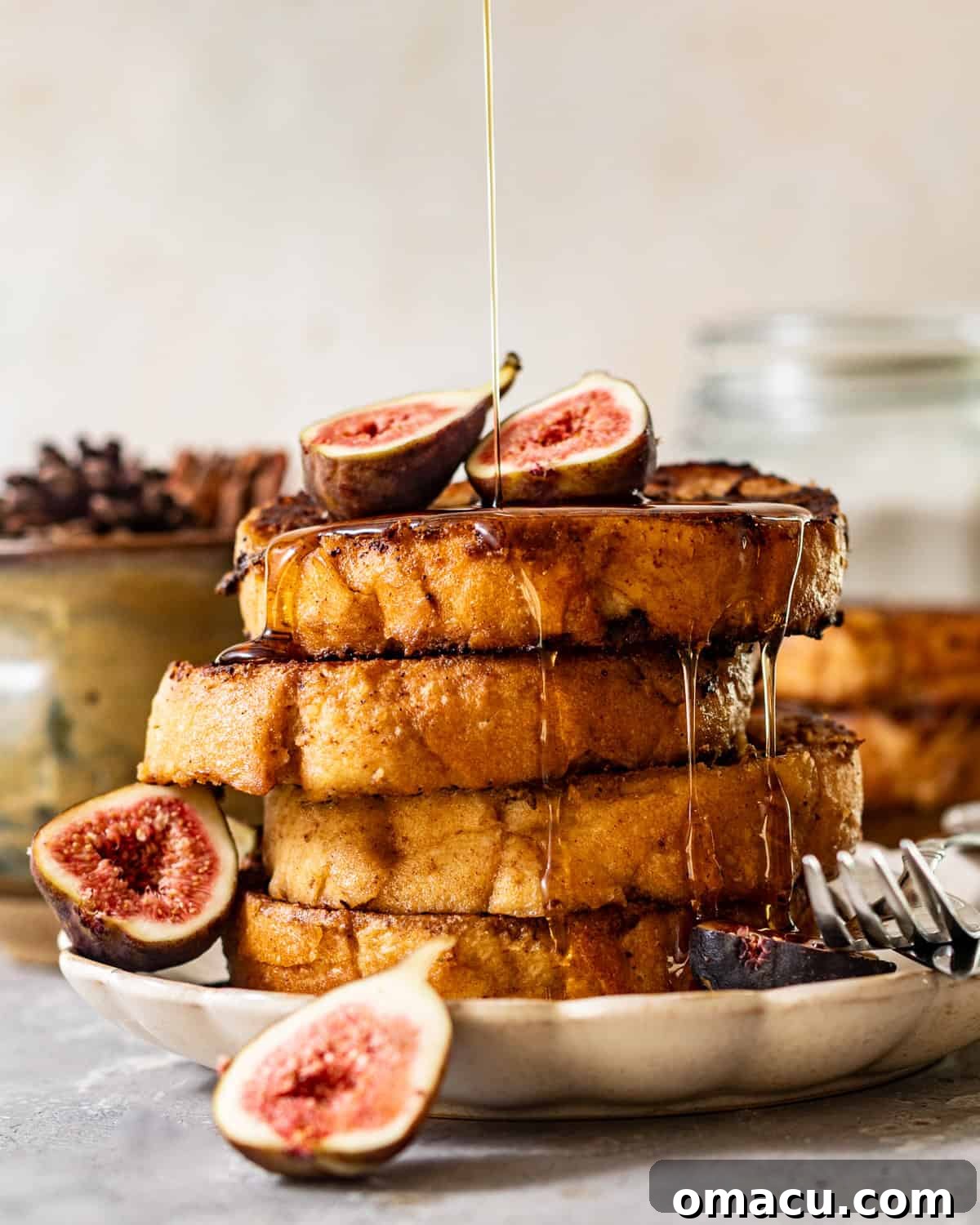
Get ready to elevate your breakfast game with this incredible Sourdough French Toast! Imagine thick, rustic slices of tangy sourdough bread, lovingly bathed in a luxurious, spiced custard. Cooked until golden-brown and perfectly caramelized, each piece boasts a delightfully crispy exterior that gives way to a soft, custardy center. It’s a truly cozy, indulgent, and satisfying meal that will have everyone reaching for another serving. This isn’t just breakfast; it’s an experience, transforming a simple loaf of sourdough into a gourmet delight that promises comfort and rich flavor in every bite.
For more delicious morning meal ideas that are sure to impress, be sure to explore our Brioche French Toast Casserole and discover how to assemble a show-stopping Breakfast Charcuterie Board!
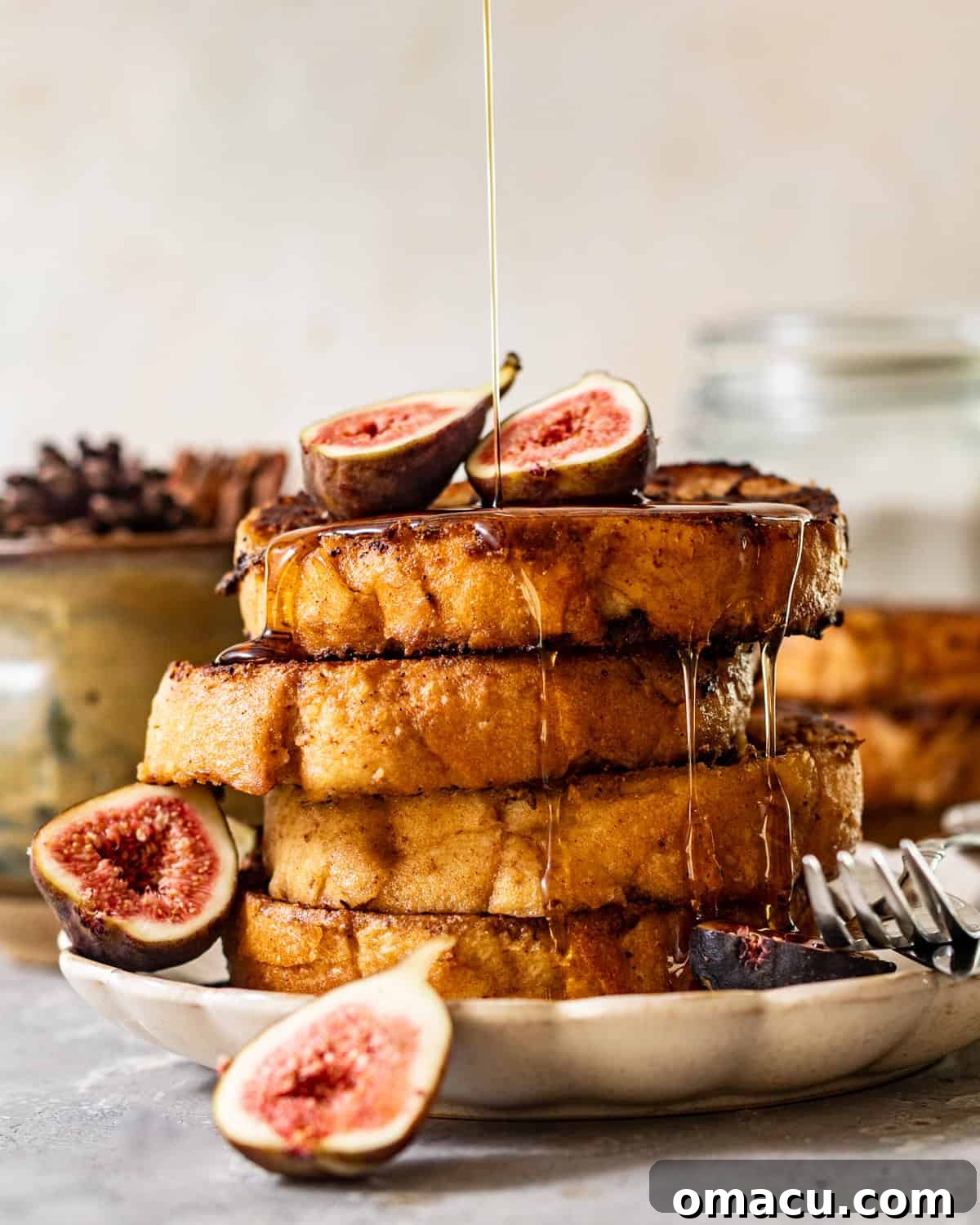
This Sourdough French Toast recipe masterfully blends an elegant, sophisticated feel with surprising ease of preparation. While it certainly looks and tastes fancy enough for a special occasion brunch, it’s secretly one of the simplest gourmet breakfasts you can create at home. My own children consistently declare that my homemade French toast surpasses anything they’ve tasted at restaurants, which is the highest compliment a home cook can receive and a true testament to its irresistible flavor and comforting appeal.
The magic of this recipe truly lies in the choice of sourdough. Its distinctive tang provides a brilliant counterpoint to the sweetness of the rich, creamy custard, creating a perfectly balanced flavor profile in every mouthful. For an added layer of warmth and a touch of sophistication, a hint of bourbon (completely optional, but highly recommended!) introduces subtle caramel and vanilla notes, elevating the overall taste to an exceptional level that’s both comforting and complex.
This homemade French toast is bold, deeply flavorful, and wonderfully indulgent. It’s ideally suited for those crisp, cool mornings when you crave something substantial and comforting to pair with a steaming cup of coffee or a relaxing tea. Serve it simply with a melting pat of butter, a generous pour of pure maple syrup, or a vibrant medley of fresh berries and sliced fruit, and watch it disappear in minutes. It’s a wonderful way to infuse your weekends with a touch of specialness and luxury, all without any added fuss or complicated steps.
Table of Contents
- Why You’ll Adore This Sourdough French Toast Recipe
- The Sourdough Secret: Why It’s the Ultimate Choice for French Toast
- Essential Ingredients for the Perfect Custard
- Customizing Your French Toast: Simple Substitutions and Creative Variations
- How To Make Sourdough French Toast: A Step-by-Step Guide
- Expert Tips for Achieving Flawless French Toast
- Delightful Pairings: What To Serve With Sourdough French Toast
- Sourdough French Toast: Frequently Asked Questions
- More Irresistible Breakfast & French Toast Recipes
- Sourdough French Toast Full Recipe Card
Why You’ll Adore This Sourdough French Toast Recipe
This isn’t just another French toast recipe; it’s a beloved classic elevated to new heights. Here’s why this sourdough version will quickly become a favorite in your household:
- Effortless Ingredients, Gourmet Results: You’ll be pleasantly surprised to find that most of the ingredients required for this delectable recipe are likely already staples in your kitchen. There’s no need for special trips to the grocery store to create this restaurant-worthy breakfast. This incredible convenience makes it a perfect choice for spontaneous weekend brunches, unexpected guests, or simply a delightful weekday treat that feels indulgent without the extra effort.
- The Ultimate Way to Repurpose Sourdough: Do you have a loaf of sourdough bread that’s a few days old, perhaps a little past its prime for fresh sandwiches? This recipe offers its glorious redemption! The sturdy, slightly dry slices of sourdough are absolutely perfect for soaking up the rich, creamy custard without ever becoming soggy. It’s an ingenious and delicious way to transform day-old bread into something truly extraordinary, preventing food waste in the most appetizing way possible.
- Impressive & Easy Elegance: Prepare to dazzle your family and friends! This recipe delivers a brunch special that genuinely tastes like it came from a high-end restaurant, yet it’s remarkably straightforward and easy to master in your own kitchen. It perfectly balances sophisticated, complex flavors with simple, approachable preparation, allowing you to feel like a seasoned chef without any unnecessary fuss or stress.
- An Unforgettable Symphony of Flavor and Texture: Experience the true magic of perfectly cooked French toast: a wonderfully custardy, tender, and moist interior harmoniously encased in a beautifully golden-brown, crispy, and slightly caramelized exterior. Each slice is generously infused with warm, inviting spices, ensuring that every single bite offers a deep sense of comfort and pure indulgence. The subtle, characteristic tang of the sourdough provides a sophisticated counterpoint to the sweet custard, creating a complex and utterly delicious flavor profile that will have you craving more.
The Sourdough Secret: Why It’s the Ultimate Choice for French Toast
While many types of bread can be used for French toast, sourdough truly stands out as the supreme choice. Its unique characteristics make it the ideal canvas for creating French toast perfection:
- Unrivaled Sturdy Structure: Sourdough loaves are renowned for their robust, chewy crumb and thick crust. This inherent strength and internal structure are crucial because they allow the bread to absorb a significant amount of the rich custard without disintegrating or becoming mushy. The result is French toast that maintains its integrity, holds its shape beautifully throughout the cooking process, and offers a satisfying bite.
- Distinctive Tanginess for Flavor Balance: The hallmark flavor of sourdough is its pleasant, subtle sour note, which is a direct result of its natural fermentation process. This unique tanginess provides an exquisite contrast to the sweet, spiced custard. It prevents the French toast from tasting overly sweet and instead adds a sophisticated layer of flavor complexity, making each bite more interesting and balanced.
- Optimal Open Crumb for Custard Absorption: The characteristic open, airy texture of sourdough creates countless small pockets and irregular holes within each slice. These internal pockets act like tiny, natural reservoirs, perfectly capturing and holding the rich, creamy custard. This exceptional absorption capacity ensures a wonderfully moist, tender, and custardy interior after cooking, making every mouthful a luxurious experience.
- Superior Textural Contrast: When cooked on a griddle or skillet, the thick crust of sourdough develops an incredible crispness and a beautiful caramelization. This creates a delightful textural contrast with the soft, custardy interior. This combination of a crunchy exterior and a tender, moist inside is what makes sourdough French toast so uniquely satisfying and utterly addictive.
- Best with Day-Old Bread: Sourdough, especially a loaf that’s a day or two old and slightly stale, performs exceptionally well in French toast. The slight dryness of older bread allows it to soak up even more custard without becoming waterlogged, ensuring a perfectly custardy center and a firm, well-structured slice.
Essential Ingredients for the Perfect Custard
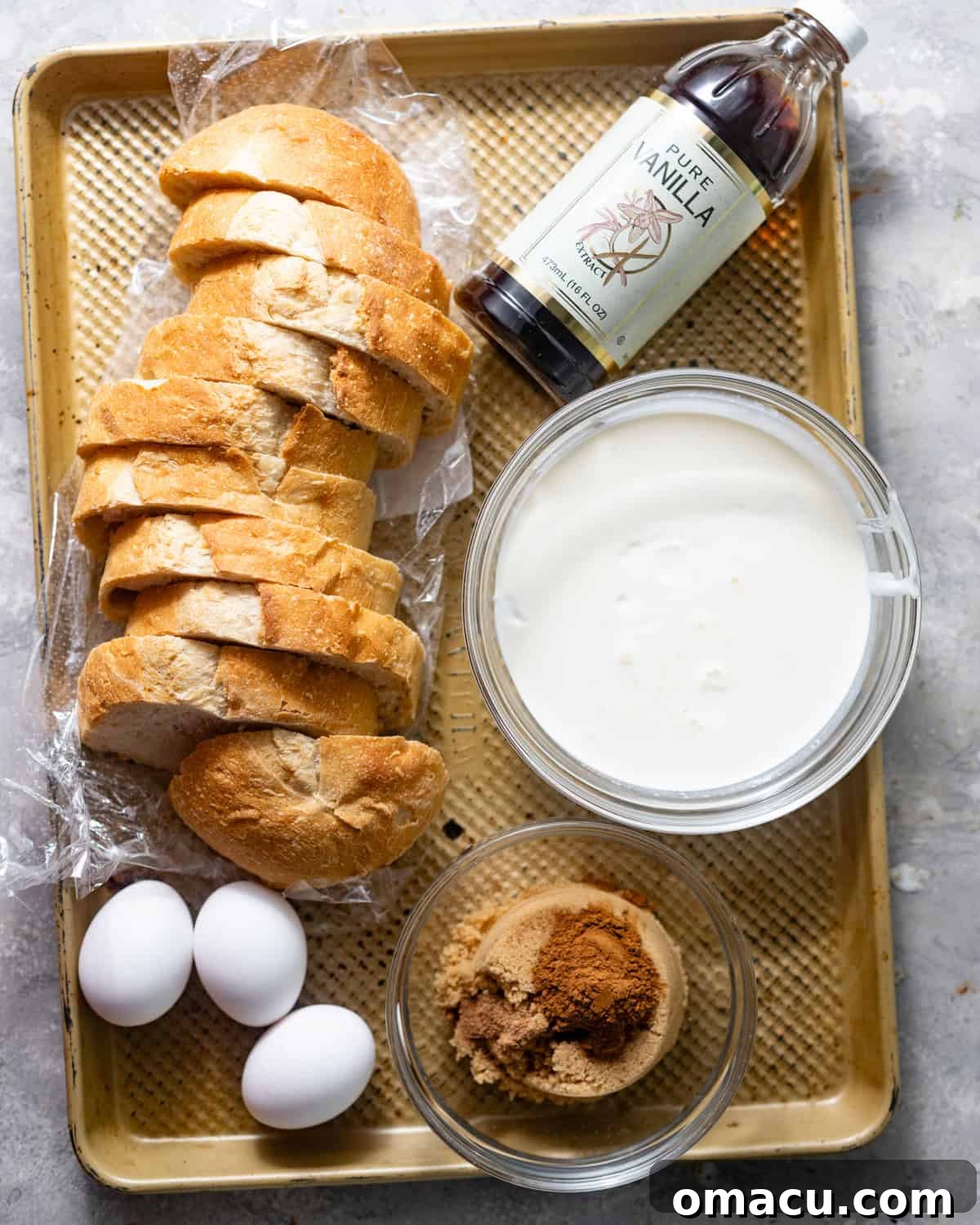
(For a comprehensive list of all ingredients with precise measurements, please refer to the detailed recipe card located at the very end of this article.)
- Crusty Sourdough Bread: As previously highlighted, sturdy, slightly stale sourdough is the foundational element for this recipe. Its robust, chewy texture is ideal for soaking up the rich custard without becoming mushy, while its natural tang provides a sophisticated counterpoint to the sweet components. For the best results, use bread that is a few days old; a slightly dried-out loaf will absorb the custard more efficiently and yield a superior final texture.
- Heavy Cream and Whole Milk: This harmonious blend of dairy creates the luxurious, velvety base of our custard. Whole milk contributes to a lighter texture, ensuring the French toast isn’t overly dense, while heavy cream imparts an unparalleled richness, silky smoothness, and a truly decadent mouthfeel. Together, they create a perfectly balanced custard that is indulgent without being overwhelmingly heavy.
- Brown Sugar: More than just a simple sweetener, brown sugar plays a vital role in both flavor and aesthetics. It introduces a deep, molasses-rich, caramel-like complexity to the custard, which beautifully complements the other ingredients. Crucially, its presence also aids significantly in the stunning caramelization of the French toast as it cooks on the griddle, resulting in that irresistible golden-brown crust.
- Large Eggs: Eggs are indispensable for both structure and richness. They act as the primary binding agent, setting during cooking to give the French toast its signature custardy, tender interior and helping the bread maintain its form. Additionally, eggs contribute a subtle richness and a delicate savory note that perfectly balances the sweetness of the custard.
- Bourbon (Optional, but Highly Recommended!): This particular addition is a delightful game-changer for those who appreciate an extra layer of sophisticated flavor. Bourbon introduces a wonderful warmth, a subtle boozy complexity, and nuanced notes of vanilla and caramel that deeply enhance and round out the overall taste profile. If you prefer to omit alcohol, your French toast will still be incredibly delicious.
- Ground Cinnamon & Nutmeg: These timeless, aromatic spices are absolutely essential for infusing the French toast with its characteristic comforting warmth and inviting aroma. Cinnamon offers a sweet, woody, and slightly spicy note, while nutmeg provides an earthy, gently nutty, and intensely aromatic undertone. Together, they create the quintessential cozy flavor profile that defines classic French toast.
- Vanilla Extract: A generous splash of high-quality vanilla extract acts as the unifying agent in the custard. It brings all the disparate flavors together, harmonizing beautifully with the spices and sugar to deliver a smooth, well-rounded, and fragrant custard that elevates every single bite to pure bliss.
- Kosher Salt: A small but mighty pinch of kosher salt is crucial. It doesn’t make the French toast salty but rather balances the sweetness, prevents the flavors from tasting flat, and effectively enhances all the other ingredients, allowing their best qualities to shine through.
Customizing Your French Toast: Simple Substitutions and Creative Variations
This Sourdough French Toast recipe is wonderfully adaptable, providing ample opportunity to tailor it to your specific dietary needs, ingredient availability, or creative cravings. Feel empowered to experiment and make it uniquely yours!
- Dairy-Free Alternative: For those following a dairy-free diet, a delicious and rich substitute is readily available. Simply replace the whole milk and heavy cream with full-fat canned coconut milk. Its inherent richness will beautifully mimic the creamy texture of dairy, ensuring your French toast remains incredibly decadent. Alternatively, unsweetened almond milk or oat milk can also be used for a lighter option. Remember to use a dairy-free butter substitute or a neutral vegetable oil for frying.
- Exploring Different Bread Choices: While store-bought sourdough works perfectly and is highly recommended, if you are fortunate enough to have access to freshly baked homemade sourdough bread, definitely use it for an even more extraordinary and deeply flavorful result! If sourdough isn’t readily available, fret not. Other sturdy, thick-cut breads such as brioche (for a richer, sweeter profile), challah, or even a good quality French baguette make excellent substitutes. The key is to ensure the bread is sliced thickly and is preferably a day or two old to best absorb the custard without becoming soggy.
- Seasonal Spice Blends for Flair: Infuse your French toast with delightful seasonal flair by experimenting with different spice combinations! During the cozy autumn months, whisk in a tablespoon of a fragrant homemade pumpkin spice blend into the custard for a wonderfully warm, fall-inspired treat. In the winter, try adding a touch of ground cardamom, ginger, or even a tiny pinch of cloves for a festive touch.
- A Bounty of Creative Toppings: This is truly where you can unleash your culinary creativity and personalize your French toast experience! Beyond the beloved classic maple syrup and a dusting of powdered sugar, consider these exciting additions:
- Sweet & Savory Contrasts: Add crispy crumbled bacon or savory breakfast sausage on the side for a fantastic sweet and savory balance.
- Fresh & Fruity Bursts: A vibrant medley of fresh berries (such as strawberries, blueberries, raspberries), sliced ripe bananas, sweet peaches, or even caramelized roasted apples provides a refreshing burst of flavor and a pop of color.
- Creamy Indulgences: A generous dollop of freshly whipped cream, a scoop of vanilla ice cream, or a spoonful of creamy mascarpone cheese adds an extra layer of richness and luxury.
- Nutty Delights: My children absolutely adore their French toast with a smear of creamy peanut butter (and honestly, it’s surprisingly delicious!). Almond butter or cashew butter also work wonderfully, adding protein and a satisfying nutty flavor.
- Textural Crunch: Sprinkle some toasted chopped nuts (pecans, walnuts) or a spoonful of crunchy apple cider granola over the top for an unexpected but delightful textural contrast.
- Decadent Drizzles: A drizzle of warm chocolate sauce, gooey caramel, or a tangy lemon curd can transform your French toast into a luxurious dessert-like experience.
- Aromatic Zests: A hint of freshly grated orange zest or lemon zest can provide a bright, fragrant lift that cuts through the richness.
- Sourdough Brioche for Ultimate Decadence: For an unparalleled, even more decadent experience, especially if you prefer a softer, richer bread, actively seek out or consider making sourdough brioche. This exquisite bread combines the tender, buttery crumb of traditional brioche with the subtle, complex tang of sourdough, creating an unbelievably luxurious and flavorful French toast base.
How To Make Sourdough French Toast: A Step-by-Step Guide
Creating perfect sourdough French toast that’s crispy on the outside and custardy on the inside is simpler than you might imagine. Follow these detailed steps for a truly delicious and satisfying result every time.

Expert Tips for Achieving Flawless French Toast
Mastering the art of perfect French toast involves a few key techniques. These tips will help you achieve that coveted crispy exterior and custardy interior every single time:
- The Undeniable Advantage of Stale Bread: For the absolute best French toast texture, slightly stale bread is your secret weapon. The slight dryness of day-old sourdough allows it to act like a sponge, absorbing a significant amount of the rich custard without becoming mushy. If your sourdough is fresh, don’t worry! Simply slice it and either leave it out on a wire rack at room temperature for a few hours to air dry, or, for a quicker method, pop it into a low oven (around 250°F / 120°C) for 10 to 15 minutes to gently dry it out. This initial drying step is crucial for preventing a soggy center.
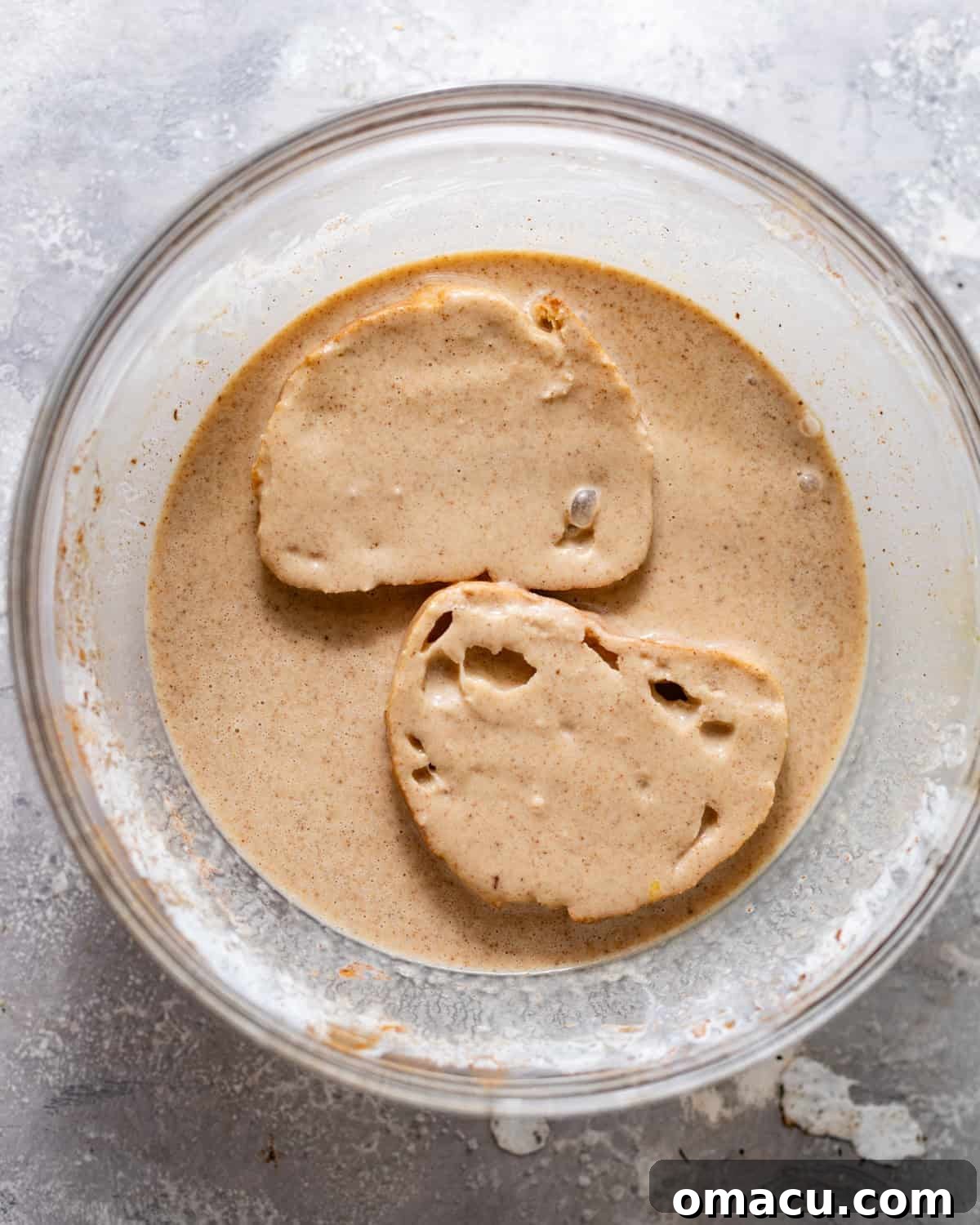
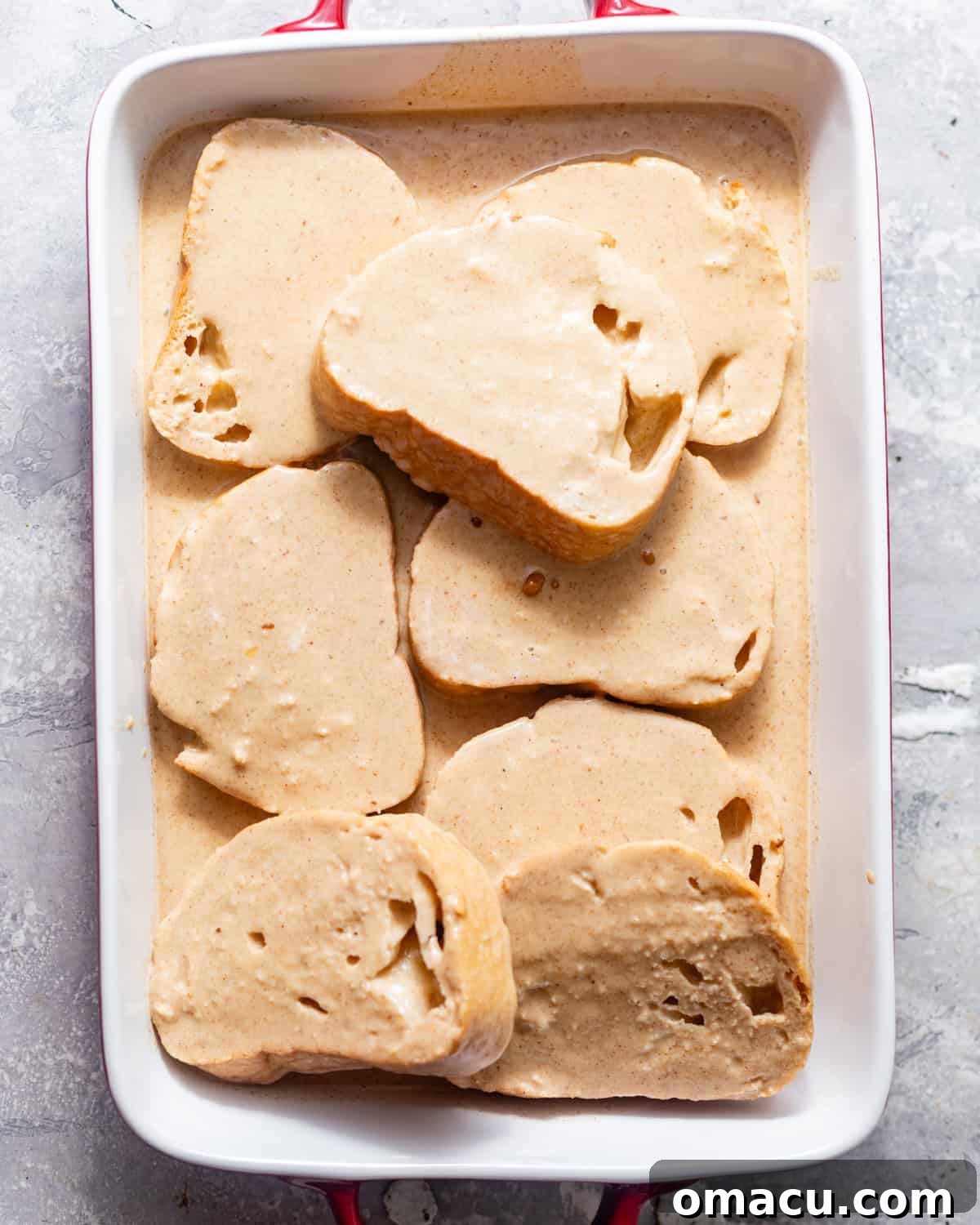
- Mastering the Soak for Maximum Flavor: Do not rush the soaking process. While quick dips might suffice for some thinner, softer breads, sturdy sourdough benefits immensely from a proper, unhurried soak. First, let each slice sit in the custard for at least 20-30 seconds per side, ensuring it’s fully saturated. Then, allow the dipped bread to rest in the baking dish with any remaining custard for an additional 20-30 minutes. This extended soaking period ensures that the bread is thoroughly infused with flavor and moisture, preventing a dry or bland center and resulting in a truly custardy texture throughout.
- The Power Duo: Butter and Oil for Perfect Browning: To achieve that enviable deep golden-brown crust without the risk of burning, always use a combination of unsalted butter and a neutral, high-smoke-point oil. Butter provides incredible rich flavor and aids in beautiful caramelization, but it has a relatively low smoke point and can burn easily. Adding an equal amount of a neutral oil (such as canola, vegetable, or grapeseed oil) raises the overall smoke point of your cooking fat, allowing the French toast to cook evenly, brown beautifully, and develop that irresistible crispness without scorching. This brilliant technique is also excellent for achieving perfectly golden sweet cream pancakes!
- Patience with Pan Preheat is a Virtue: A properly preheated pan or griddle is absolutely non-negotiable for consistently excellent results. Start by preheating your cooking surface over a medium-low to medium heat setting, allowing it to come up to temperature gradually and evenly. This ensures that each slice cooks uniformly and achieves consistent browning. If the pan is too hot, the exterior will brown and potentially burn too quickly, leaving the interior undercooked, cold, or worse, disappointingly soggy. A little patience here will yield perfectly cooked French toast.
- Serve Immediately or Keep Warm with Care: French toast is undeniably at its peak when served piping hot, straight from the griddle. However, if you’re cooking a large batch for a crowd, you can effectively keep finished slices warm without sacrificing their crispy texture. Simply transfer the cooked French toast to a baking sheet and arrange them in a single layer (avoid stacking) in a low-temperature preheated oven (around 200°F / 95°C) until you’re ready to serve everyone. Stacking them can trap steam, making them soft and less appealing.
Delightful Pairings: What To Serve With Sourdough French Toast
Sourdough French toast is a wonderfully versatile dish that serves as an excellent canvas for a wide array of toppings and side dishes. Whether your preference leans towards sweet, savory, or a delightful combination of both, there are endless creative ways to customize and complete your meal, turning a simple breakfast into a memorable feast.
Irresistible Sweet Toppings:
- Classic Maple Syrup & Powdered Sugar: A timeless and universally adored combination. A generous, warm drizzle of pure maple syrup and a delicate dusting of powdered sugar are always a perfect and comforting choice.
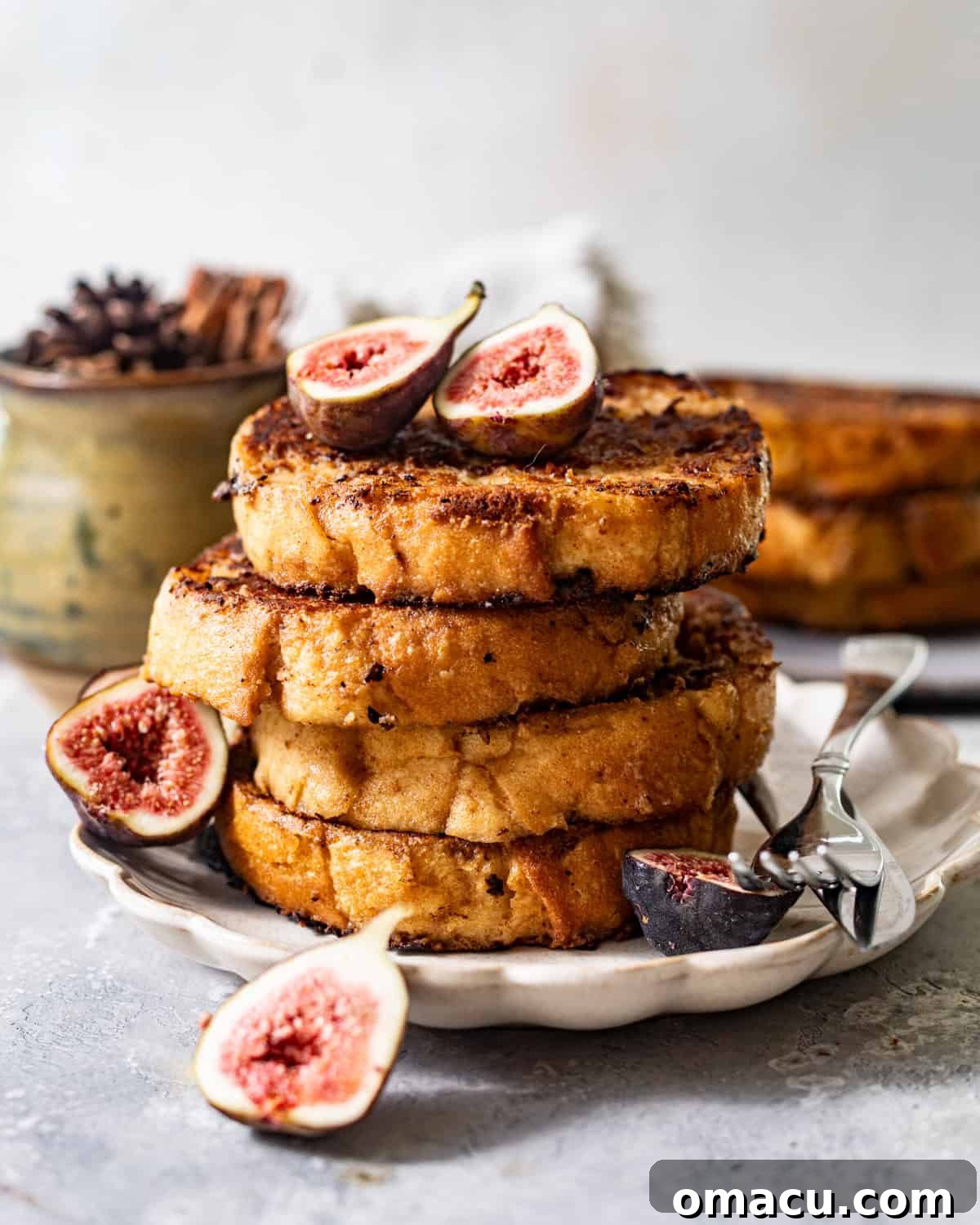
- Fresh Fruit Medley: Introduce a burst of vibrant flavor and natural sweetness with a colorful assortment of fresh, juicy berries (such as strawberries, blueberries, raspberries), thinly sliced bananas, sweet peaches, tender roasted apples, or even a handful of sliced figs (as pictured). These beautifully balance the richness of the French toast.
- Luxurious Whipped Cream or Mascarpone: For an extra touch of decadence and creamy texture, a generous dollop of freshly whipped cream, a scoop of good quality vanilla ice cream, or a spoonful of rich mascarpone cheese is absolutely divine.
- Nut Butters for Added Protein & Flavor: My kids absolutely adore their French toast with a creamy smear of peanut butter (and surprisingly, it’s quite delicious!). Almond butter or cashew butter also work wonderfully, adding a wholesome boost of protein and a satisfying nutty depth of flavor.
- Crunchy Granola for Texture: Sprinkle some toasted chopped nuts (like pecans or walnuts) or a handful of your favorite crunchy granola, such as apple cider granola, over the top for an unexpected but delightful textural contrast.
- Homemade Fruit Compotes or Sauces: Elevate your French toast with homemade berry compote, warm spiced apple sauce, or even a quick chocolate or caramel sauce for an extra indulgent, dessert-like experience.
Satisfying Savory Sides:
- Crispy Bacon or Breakfast Sausage: A quintessential pairing! The salty crunch of perfectly cooked bacon or the savory richness of breakfast sausage provides a fantastic and irresistible contrast to the sweet French toast, creating a balanced meal.
- Hearty Fried Potatoes and Onions: For a more substantial and flavorful side, consider serving your French toast alongside a portion of savory fried potatoes and onions. This adds a satisfying, rustic element to your breakfast spread.
- Fluffy Scrambled Eggs or Omelets: If you’re aiming for a complete breakfast feast, perfectly scrambled eggs or a light, fluffy omelet make excellent companions, providing additional protein and savory goodness.
The Perfect Beverage Pairings:
And of course, no French toast meal is truly complete without the ideal accompanying beverage. A steaming hot cup of freshly brewed coffee or a comforting, spiced cookie butter latte are practically soulmates with French toast, enhancing the cozy flavors. Alternatively, a refreshing glass of fresh orange juice or a soothing herbal tea also make excellent and complementary companions for your delicious meal.
Sourdough French Toast: Frequently Asked Questions
Absolutely! While sourdough is highly recommended for its distinctive tangy flavor and sturdy texture that holds the custard beautifully, you can certainly use other types of bread. Brioche, challah, or a good quality French baguette are all excellent alternatives. The most important thing is to ensure the slices are cut thick (about 1-inch) to prevent them from becoming soggy and to allow for that custardy interior.
Not at all; the bourbon is entirely optional. It adds a wonderful layer of warmth, complexity, and subtle notes of caramel and vanilla that truly elevate the flavor profile. However, if you prefer to omit it, your French toast will still be incredibly delicious. You could also substitute it with a splash of rum or brandy, or for a non-alcoholic alternative, a teaspoon of orange zest for a bright, aromatic lift.
Yes, you can definitely do some prep work in advance. The custard mixture can be prepared the night before and stored in an airtight container in the refrigerator. For the best texture (crispy outside, custardy inside), we generally recommend dipping the bread slices into the custard and soaking them just before cooking. However, you can also let the dipped bread sit in the casserole dish in the fridge overnight for an even deeper flavor, though this might result in a slightly softer final texture upon cooking.
Sogginess is usually due to one of two common reasons: either the bread was soaked for too long, or the bread itself was too soft and couldn’t adequately hold up to the liquid. For ideal results, it’s crucial to use thick-cut, slightly stale sourdough, as its robust structure and drier crumb are perfect for absorbing custard without turning mushy. Additionally, ensure your pan or griddle is properly preheated to medium heat; if the cooking surface is too cool, the bread will steam rather than crisp, leading to a disappointingly soggy texture.
Absolutely! To make this Sourdough French Toast dairy-free, simply swap the whole milk and heavy cream for a full-fat canned coconut milk (for maximum richness and creaminess), or use unsweetened almond milk or oat milk for a lighter version. Remember to also use a dairy-free butter substitute or a neutral vegetable oil (like canola or grapeseed oil) for frying your French toast.
Leftover French toast can be stored in an airtight container in the refrigerator for up to 2-3 days. To reheat, the best methods for restoring its crispy exterior are using a toaster oven, an air fryer, or reheating it in a skillet over medium-low heat until warmed through and crisp. Microwaving is an option for convenience, but it typically results in a softer, less crispy texture.
Yes, French toast freezes wonderfully! Allow your cooked French toast to cool completely. For best results, place individual slices in a single layer on a baking sheet and freeze until solid (this usually takes about 1-2 hours). Once frozen, transfer the solid slices to a freezer-safe bag or airtight container, separating layers with parchment paper to prevent them from sticking together. It can be frozen for up to 1-2 months. To reheat, simply place the frozen slices directly into a toaster, toaster oven, or air fryer until they are heated through and regain their delicious crispiness.
More Irresistible Breakfast & French Toast Recipes
Breakfast
Strawberry French Toast Casserole
Breakfast
Buttermilk French Toast
Breakfast
Brioche French Toast Casserole
Breakfast
Croissant Breakfast Casserole
Want more delicious and beautiful recipes delivered straight to your inbox? Don’t miss out on our latest culinary creations! Subscribe to our newsletter now to receive seasonal delights and inspiring meal ideas as soon as they’re released!
If you try this delightful Sourdough French Toast recipe, we would absolutely love to hear from you! Please consider leaving a star rating on the recipe card below and sharing your thoughts in a comment. You can also share your beautiful culinary creations with us by tagging @BritneyBreaksBread on Instagram and using the hashtag #britneybreaksbread so we can celebrate your amazing efforts!
Sourdough French Toast Full Recipe Card
Author: Britney
Rating: 5 out of 5 stars (Based on 1 vote)
Prep Time: 30 minutes
Cook Time: 10 minutes
Total Time: 40 minutes
Yields: 8 servings

Elevate your breakfast or brunch with this irresistible Sourdough French toast! Enjoy a wonderfully custardy inside and a perfectly golden, crispy outside, enhanced with warm, inviting spices and an optional hint of bourbon for added depth and sophistication. This recipe transforms simple ingredients into an unforgettable meal.
Ingredients
- 1 loaf Sourdough Bread, (preferably day-old or slightly stale, about 12-16 slices cut 1-inch thick)
- 3 large Eggs
- 2 tbsp Bourbon (optional, but recommended for flavor depth)
- 2 tsp Vanilla Extract
- 2 tsp Ground Cinnamon
- 1/2 tsp Ground Nutmeg
- 1/2 cup Packed Light Brown Sugar
- 3/4 cup Whole Milk
- 3/4 cup Heavy Cream
- 1/4 tsp Kosher Salt
- 2 tbsp Unsalted Butter, for cooking
- 2 tbsp Neutral Oil (e.g., canola, vegetable, grapeseed), for cooking
Instructions
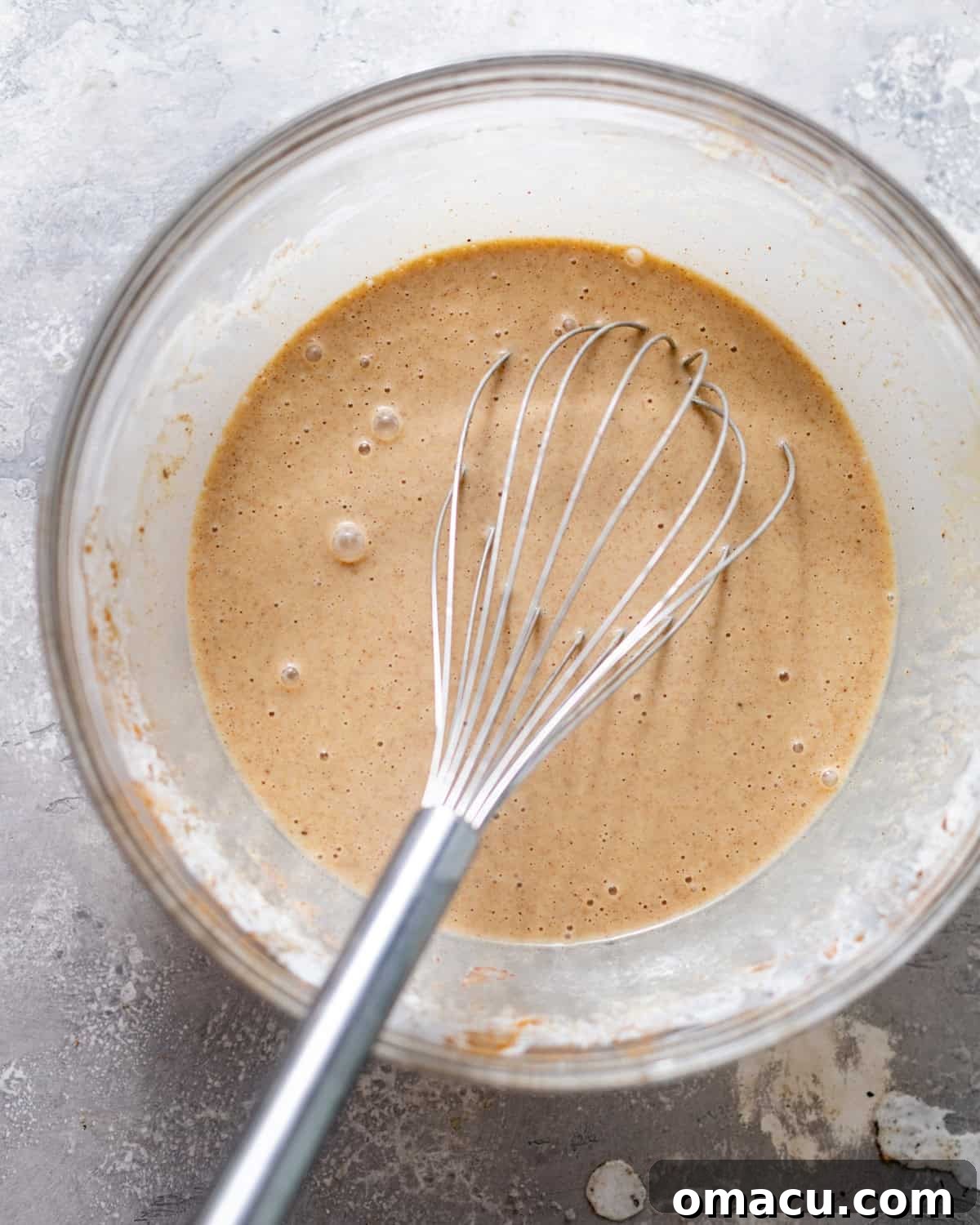
- Prepare the Custard: In a large mixing bowl, combine the 3 large eggs, 2 tbsp bourbon (if using), 2 tsp vanilla extract, 2 tsp ground cinnamon, 1/2 tsp ground nutmeg, 1/2 cup brown sugar, 3/4 cup whole milk, 3/4 cup heavy cream, and 1/4 tsp kosher salt. Whisk all ingredients together vigorously until thoroughly combined, smooth, and the brown sugar has completely dissolved.
- Slice and Dip the Bread: Slice the sourdough bread into approximately 1-inch thick slices. Carefully dip each side of a bread slice into the prepared custard mixture, ensuring it is fully coated and saturated. Place the dipped slices into a large casserole dish or deep baking dish. If space is limited, you may slightly overlap the slices.
- Allow to Soak: Pour any remaining custard mixture evenly over the bread slices in the dish. Let the bread sit and soak up the custard for at least 20-30 minutes at room temperature. This extended soaking time is crucial for achieving a deeply custardy interior.
- Cook the French Toast: Heat a large skillet or griddle over medium heat. Add 1-2 tablespoons of unsalted butter and 1-2 tablespoons of neutral oil. Once the butter is melted and shimmering, carefully place 1-2 soaked bread slices onto the hot cooking surface, ensuring not to overcrowd the pan. Cook for 2-3 minutes per side, or until each side is beautifully golden-brown, caramelized, and cooked through. Repeat with the remaining bread slices, adding more butter and oil as needed for subsequent batches.
- Serve Immediately: Transfer the perfectly cooked Sourdough French Toast to individual plates. Top generously with your favorite fresh fruit, a luscious drizzle of pure maple syrup, a dusting of powdered sugar, or any other desired toppings. Enjoy hot!
Recipe Notes
- Stale Bread is Best: For the ultimate French toast texture, use slightly stale sourdough bread. If your bread is fresh, slice it and let it air dry on a counter for a few hours, or place it in a low oven (around 250°F / 120°C) for 10-15 minutes to dry it out slightly. This helps the bread absorb the custard without becoming soggy.
- Butter and Oil Combo: Combining butter with a neutral oil for cooking helps prevent the butter from burning while still achieving a rich, golden-brown crust and imparting delicious flavor.
- Proper Pan Temperature: Ensure your skillet or griddle is preheated over medium-low to medium heat. Patience with the preheating prevents the exterior from burning before the interior is fully cooked and custardy.
- Keeping Warm: If you’re cooking for a crowd, keep finished French toast slices warm by placing them in a single layer on a baking sheet in a low-temperature oven (around 200°F / 95°C) until you’re ready to serve. Avoid stacking them, as this can lead to a soggy texture.
Nutrition Information (Approximate per serving)
- Calories: 336 kcal
- Carbohydrates: 45 g
- Protein: 10 g
- Fat: 12 g
- Saturated Fat: 6 g
- Polyunsaturated Fat: 1 g
- Monounsaturated Fat: 3 g
- Trans Fat: 0.01 g
- Cholesterol: 98 mg
- Sodium: 459 mg
- Potassium: 170 mg
- Fiber: 2 g
- Sugar: 18 g
- Vitamin A: 468 IU
- Vitamin C: 0.2 mg
- Calcium: 100 mg
- Iron: 3 mg
Disclaimer: Nutrition information is an automatic calculation and should be used as an approximation. Actual values may vary based on ingredients and preparation methods.
Tried this delicious Sourdough French Toast recipe? We’d love to see your creations! Mention @BritneyBreaksBread or tag your photos with #BritneyBreaksBread on Instagram!