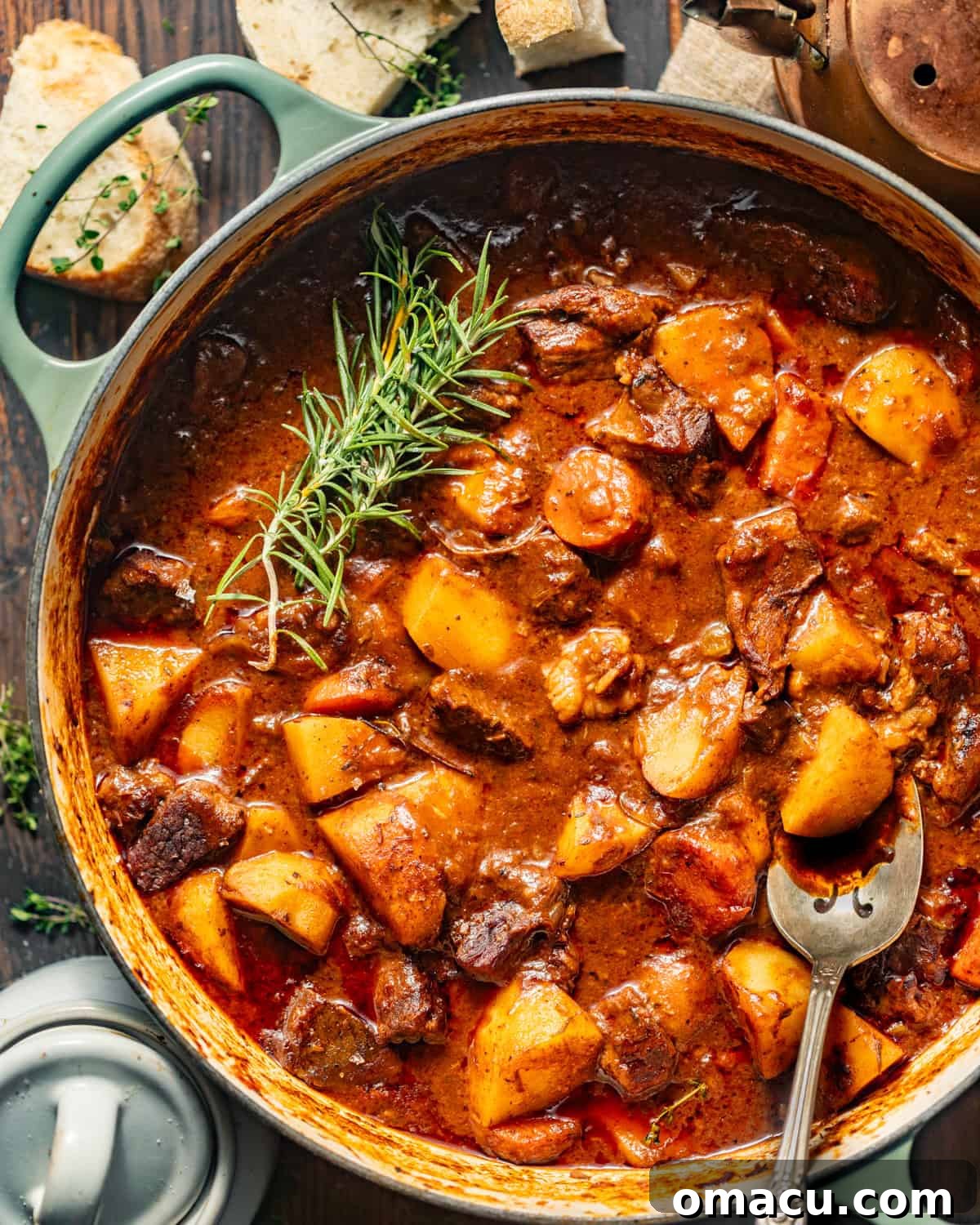
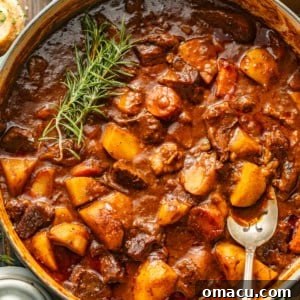
There’s nothing quite like a steaming bowl of homemade beef stew to warm the soul on a chilly day. This easy Stovetop Beef Stew recipe isn’t just a meal; it’s an experience—a symphony of flavors and textures simmered slowly to perfection in a single pot. Imagine tender chunks of succulent beef, rich with savory juices, nestled amongst a vibrant medley of hearty vegetables, all bathed in an aromatic, deeply flavored broth infused with fresh herbs. It’s the kind of classic comfort food that brings everyone to the table, creating cherished memories with every spoonful.
Whether you’re a seasoned cook or new to the kitchen, this guide will walk you through creating a beef stew that rivals your grandma’s best. With minimal fuss and maximum flavor, this one-pot wonder makes cleanup a breeze, leaving you more time to savor the moment. So grab your favorite Dutch oven and get ready to create a meal that will leave you feeling warm, happy, and utterly satisfied. For more cozy meal ideas, be sure to explore my brown stew chicken and chicken and dumplings!
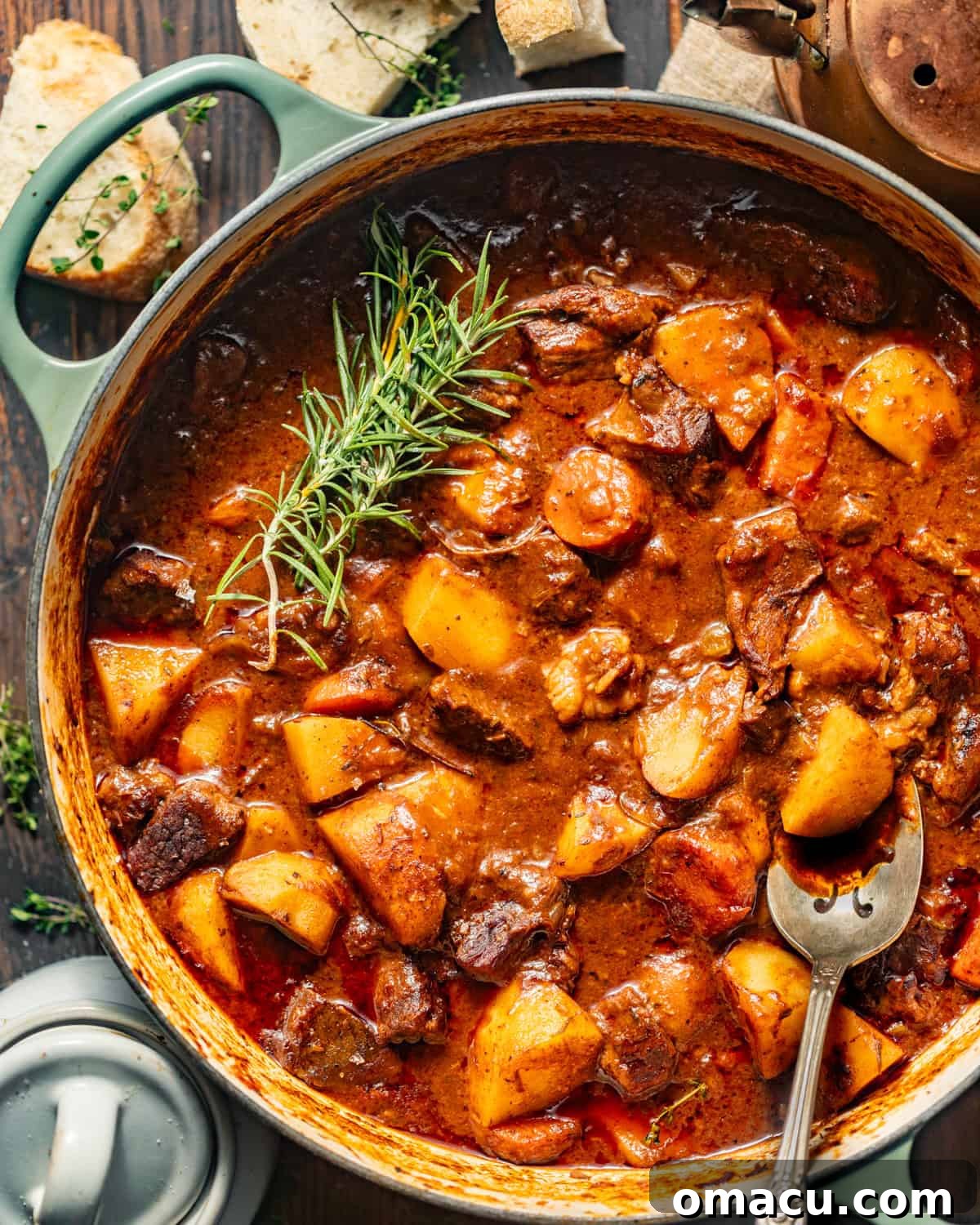
Why This Stovetop Beef Stew is Your Next Go-To Recipe
This isn’t just another beef stew recipe; it’s a testament to timeless cooking that delivers unparalleled comfort and flavor. Inspired by cherished family traditions, this stovetop rendition ensures that every bite is pure bliss. Here’s why it deserves a spot in your weekly rotation:
- Unrivaled Tenderness: We start with high-quality chuck roast, which, when slow-cooked, transforms into incredibly tender, melt-in-your-mouth beef pieces that soak up all the rich broth.
- Deep, Complex Flavor: Layers of savory ingredients, from aromatic vegetables to robust beef broth, red wine, and a bouquet of fresh herbs, create a stew that’s profoundly flavorful and satisfying.
- Hearty and Wholesome: Packed with nutrient-rich vegetables like creamy potatoes, sweet carrots, and savory onions, this stew is a complete meal that will keep you feeling full and nourished.
- Effortless One-Pot Cooking: Everything comes together in a single large pot or Dutch oven, minimizing cleanup and making it an ideal choice for busy weeknights or relaxed weekend cooking.
- The Ultimate Comfort Food: The slow simmering process fills your home with an irresistible aroma, promising a cozy, soul-satisfying experience that’s perfect for colder weather or any time you crave a hug in a bowl.
- Versatile and Customizable: Easily adapt the recipe to your preferences with various vegetable additions or seasoning adjustments, making it a flexible dish for any palate.
Table of Contents
- Key Ingredients for the Ultimate Beef Stew
- Creative Substitutions & Delicious Variations
- Mastering Your Stovetop Beef Stew: Step-by-Step Guide
- Perfect Pairings: How to Serve Your Hearty Beef Stew
- Expert Tips for an Unforgettable Beef Stew
- Frequently Asked Questions
- Explore More Beef Recipes
- The Ultimate Stovetop Beef Stew Recipe Card
Key Ingredients for the Ultimate Beef Stew
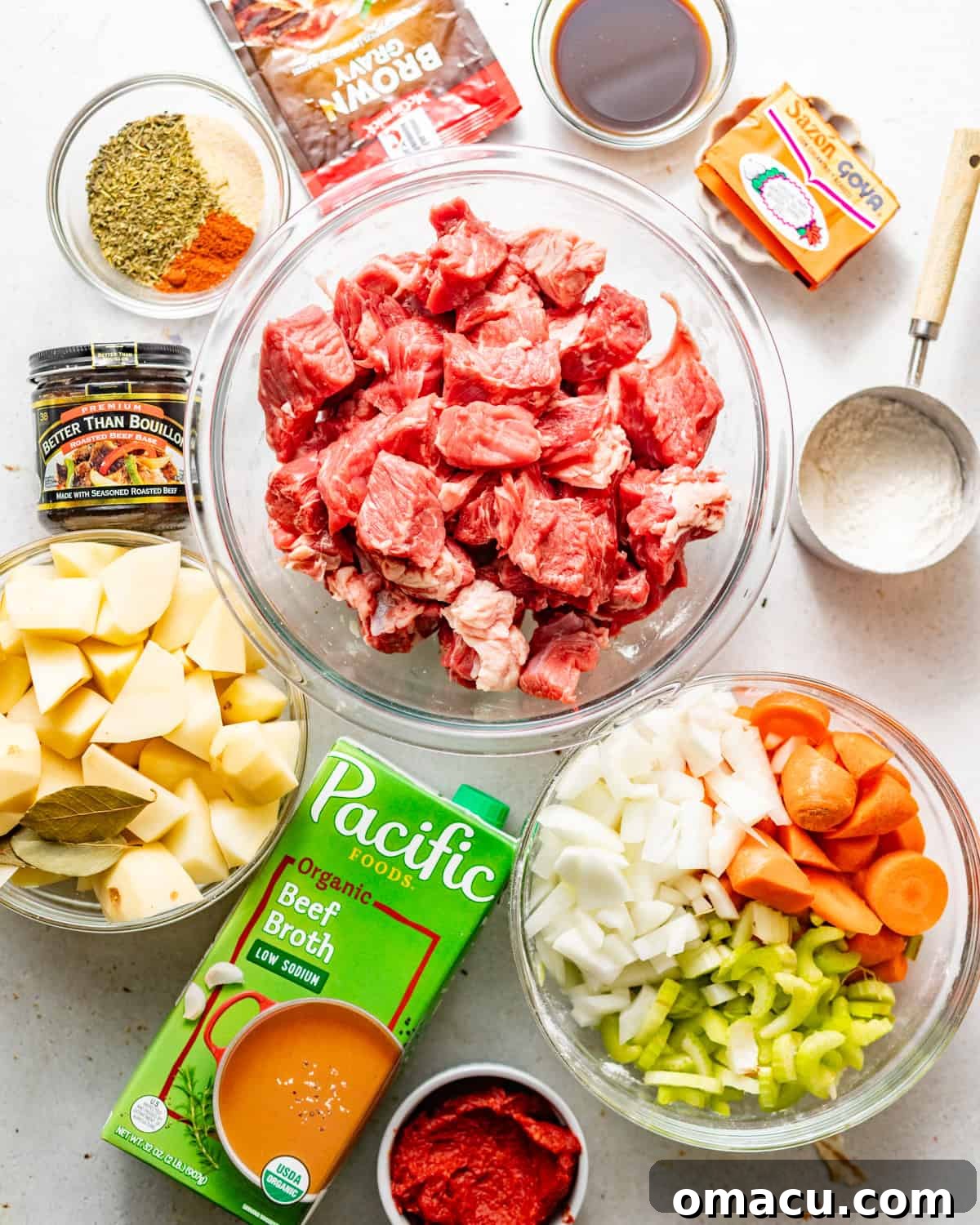
(A full list of ingredients with precise measurements can be found in the comprehensive recipe card below.)
- Chuck Roast: This is the superstar of beef stew. Its rich marbling and abundant connective tissues are perfect for slow cooking. As it gently simmers, the fat renders and the connective tissues break down into gelatin, resulting in incredibly tender, juicy beef chunks that practically melt in your mouth. This process also infuses the broth with a deep, robust beefy flavor. For another fantastic use of this cut, try my oven baked chuck roast.
- Brown Gravy Mix: A secret weapon for achieving depth and a perfect consistency. It adds a layer of savory richness and helps to thicken the broth to a velvety, luxurious texture that beautifully coats the tender beef and vegetables, ensuring every bite is flavorful.
- Russet Potatoes: These starchy potatoes are ideal for stew. As they cook, they absorb the wonderful flavors of the broth and break down slightly, contributing to the stew’s hearty texture and natural creaminess. They also release a bit of starch, naturally helping to thicken the stew and make it more filling.
- Carrots, Onions, and Celery (Mirepoix): This classic aromatic trio forms the fundamental flavor base of the stew. As they slowly cook down, they release their natural sweetness and savory notes, building a complex foundation for the broth and adding essential texture and nutrition.
- Sazón: A versatile Latin American seasoning blend that adds a beautiful, savory punch and a subtle reddish hue to the beef. You can typically find it in the international aisle of most grocery stores. If it’s unavailable, feel free to omit it, or substitute with a pinch of paprika and garlic powder.
- Worcestershire Sauce: This fermented condiment is a powerhouse of umami. Its savory, tangy, and slightly sweet notes add incredible depth and complexity to the stew. If you don’t have Worcestershire sauce on hand, balsamic vinegar can serve as a suitable substitute, offering a similar tangy acidity.
- Tomato Paste: Concentrated tomato paste provides a rich, sweet, and slightly acidic counterpoint to the savory elements of the stew. It deepens the color of the broth and contributes to its overall body and flavor balance.
- Beef Bouillon Paste: For an extra layer of intense beef flavor, bouillon paste is a fantastic addition. It’s more concentrated than granules or cubes, dissolving easily to enhance the robustness of the broth significantly.
- Fresh Rosemary, Thyme, and Bay Leaf: These aromatic herbs are crucial for infusing the stew with earthy, woody, and slightly peppery notes. Fresh herbs provide a brighter, more vibrant flavor profile compared to their dried counterparts, elevating the entire dish.
- Dry Red Wine: A splash of dry red wine, such as Cabernet Sauvignon, Merlot, or Pinot Noir, does wonders for beef stew. Its rich, fruity notes complement the beef, while its acidity helps to tenderize the meat and deglaze the pot, scraping up all those flavorful browned bits (fond) from the bottom. It’s a win-win for flavor and tenderness! If you prefer not to use alcohol, additional beef broth or non-alcoholic red wine can be used.
Creative Substitutions & Delicious Variations
This stovetop beef stew recipe is wonderfully adaptable, allowing you to tailor it to your dietary needs or personal preferences. Don’t hesitate to get creative with these ideas:
- Gluten-Free Option: To make this stew gluten-free, simply swap out the all-purpose flour used to coat the beef. Instead, you can use an equal amount of cornstarch or arrowroot powder. For best results, create a slurry with cold water before adding it to the stew towards the end of cooking to thicken, rather than coating the beef. Alternatively, your favorite 1:1 gluten-free flour blend can also be used to coat the beef as instructed.
- Choose a Different Cut of Beef: While chuck roast is highly recommended for its tenderness and flavor, other cuts of beef can also work beautifully. Cuts like bottom round, top round, or pre-cut “beef stew meat” are excellent choices because they contain enough connective tissue to break down and become incredibly tender when cooked low and slow. These tougher, well-marbled cuts are designed for long braising and will add fantastic richness to the stew’s broth.
- Expand Your Vegetable Medley: The beauty of stew lies in its versatility. Beyond the classic carrots, onions, and potatoes, consider adding other vegetables for extra flavor and nutrition. Stir in frozen peas or corn during the last 15-20 minutes of cooking, alongside the potatoes, for a burst of sweetness and color. Other fantastic additions include parsnips, turnips, mushrooms, green beans, or even diced sweet potatoes for a different flavor profile.
- Herb & Spice Exploration: While rosemary and thyme are quintessential, feel free to experiment with other herbs like marjoram or sage. For a touch of warmth or heat, consider a pinch of red pepper flakes, a dash of smoked paprika (if not already using), or a hint of cayenne pepper.
- Dairy-Free Creaminess: If you enjoy a touch of creaminess without dairy, a splash of full-fat coconut milk (added towards the end of cooking) can lend a subtle richness without overpowering the savory flavors.
Mastering Your Stovetop Beef Stew: Step-by-Step Guide
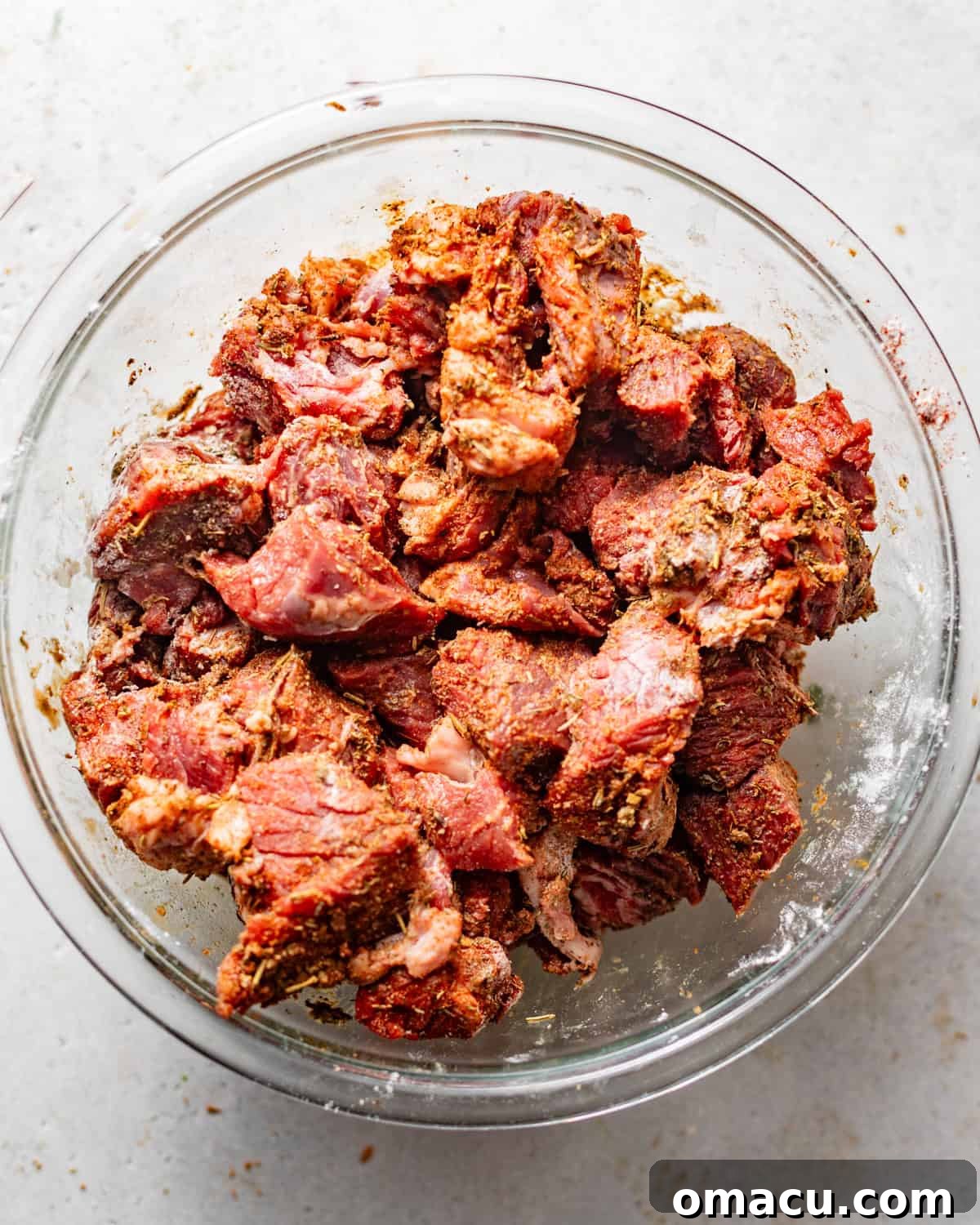
Step 1: Prepare and Season the Beef. Begin by thoroughly patting the chuck roast dry with paper towels. This crucial step helps achieve a beautiful, even sear. Cut the beef into uniform bite-sized chunks, typically about 1.5 to 2 inches. In a large bowl, toss the beef with sazón, black pepper, kosher salt, and all-purpose flour, ensuring every piece is evenly coated. This flour coating aids in browning and later helps to thicken the stew.
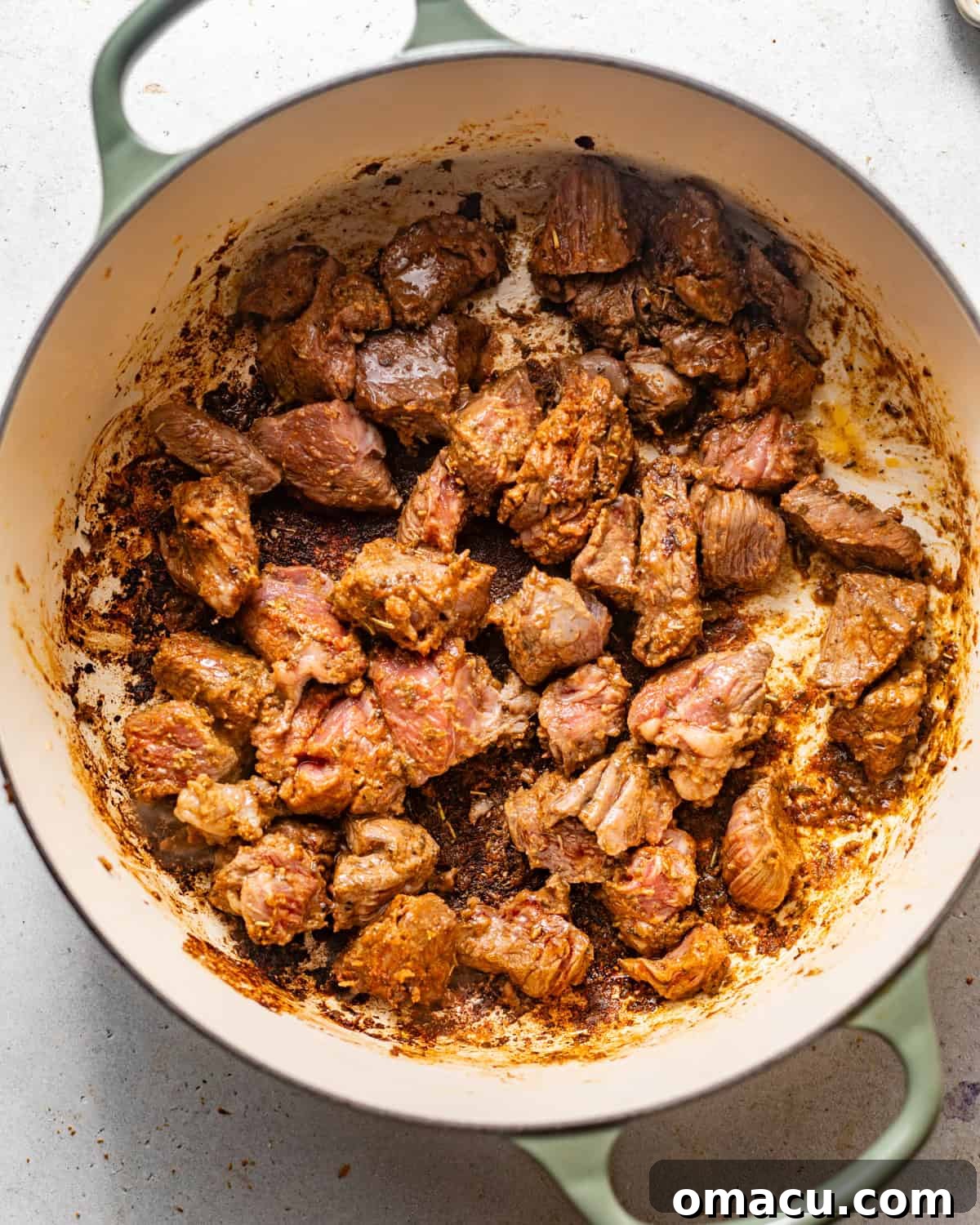
Step 2: Sear the Beef for Deep Flavor. Drizzle olive oil into a large Dutch oven or heavy-bottomed pot and heat over medium-high heat for 3-5 minutes until shimmering. Add the seasoned beef chunks in batches, being careful not to overcrowd the pot. Overcrowding will steam the meat instead of searing it. Sear each batch for 4-5 minutes per side until a deep golden-brown crust forms. This browning (Maillard reaction) is essential for developing rich, complex flavors. Remove the seared beef from the pot and set aside, then reduce the heat to medium.
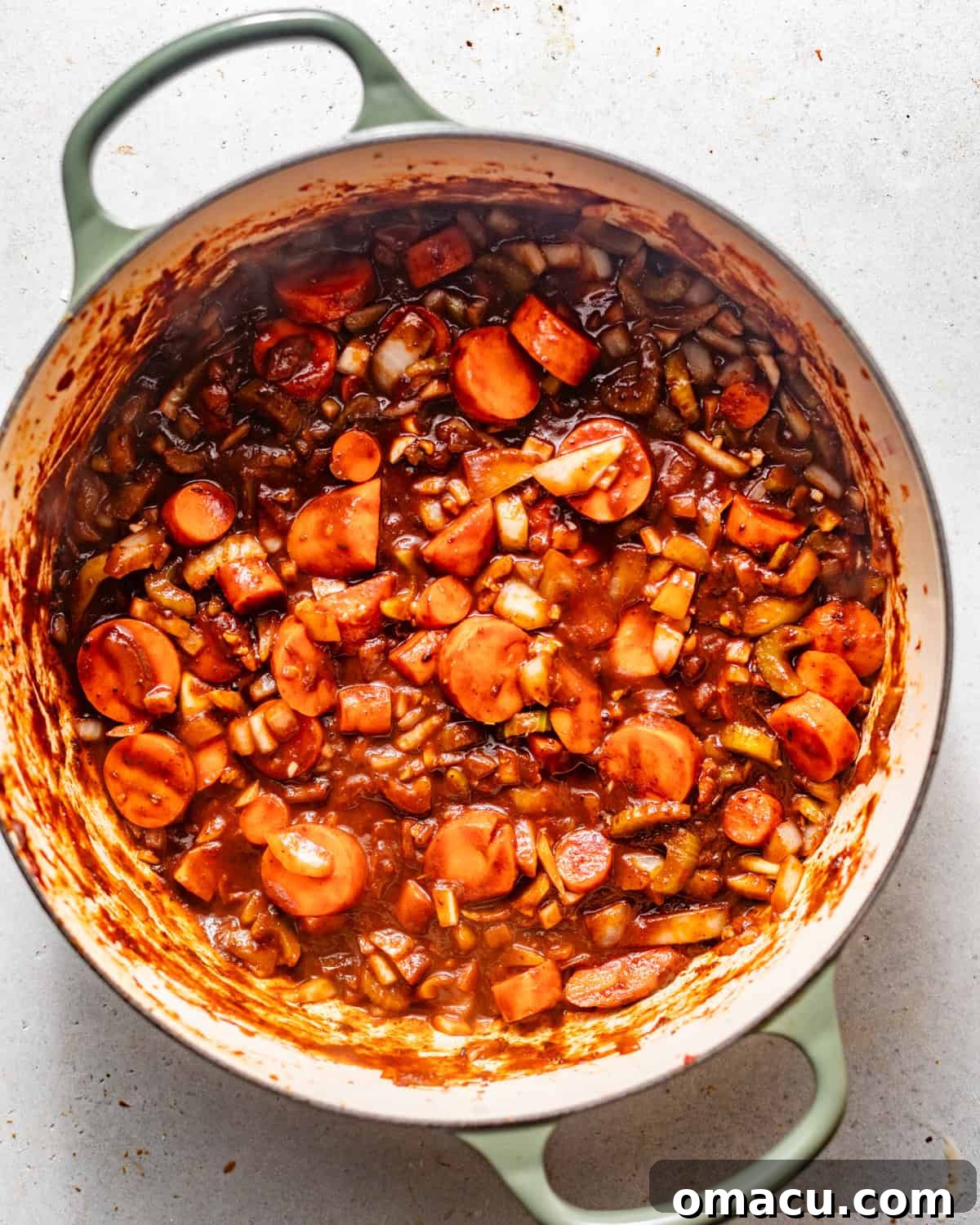
Step 3: Build the Flavor Base. Add celery, onions, and carrots to the same pot, along with the butter. Sauté for 5-7 minutes, stirring occasionally, until the vegetables begin to soften and slightly brown. Next, add the minced garlic, garlic powder, smoked paprika, herbs de Provence, bay leaves, fresh rosemary, fresh thyme, tomato paste, and beef bouillon paste. Stir continuously for about 3 minutes until the spices are fragrant and the tomato paste has deepened in color. Pour in the red wine and use a wooden spoon to vigorously scrape all the flavorful browned bits (fond) from the bottom of the pot. This deglazing step captures all the delicious concentrated flavors left by the seared beef and sautéed vegetables.
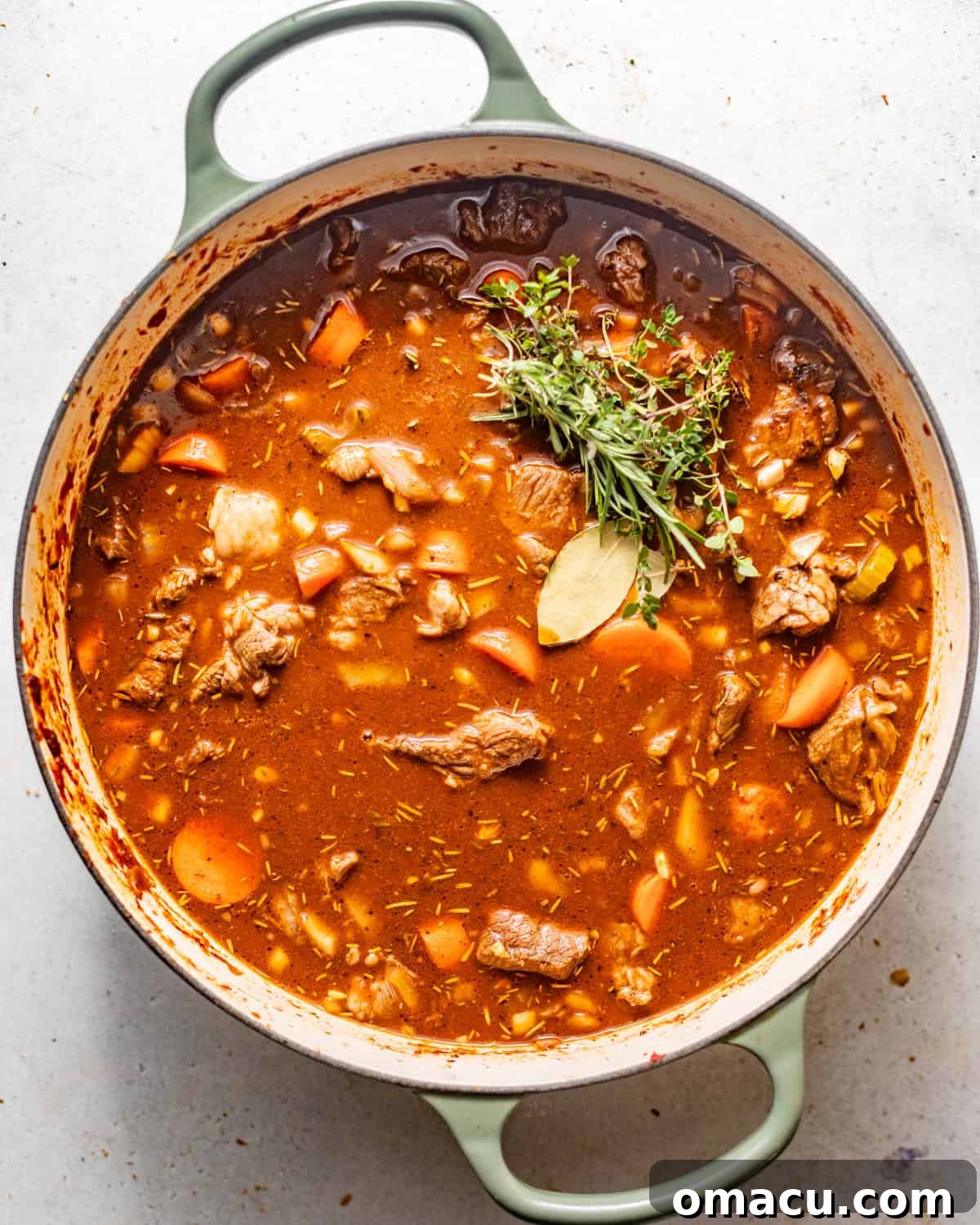
Step 4: Simmer to Perfection. Return the seared beef cubes to the pot, along with the Worcestershire sauce and beef broth. Bring the mixture to a gentle boil, then immediately reduce the heat to low, cover the pot with a lid, and let it simmer for 2 1/2 to 3 hours. This slow, low simmer is crucial for tenderizing the beef until it’s fork-tender. After the beef is tender, add the peeled and chunked russet potatoes and the brown gravy mix. Stir well to combine, cover again, and continue to cook for another 30 minutes, or until the potatoes are perfectly fork-tender and the stew has thickened to your desired consistency. Taste and adjust seasonings as needed before serving. Garnish with fresh parsley for a touch of freshness and color.
Perfect Pairings: How to Serve Your Hearty Beef Stew
A glorious bowl of stovetop beef stew is a meal in itself, but choosing the right accompaniment can elevate the experience even further. Here are some perfect pairings to complete your comforting meal:
- Crusty Bread or Rolls: This is a classic for a reason! A warm, crusty baguette, a slice of sourdough, or my homemade buttermilk biscuits or brioche dinner rolls are essential for soaking up every last drop of that rich, savory broth.
- Creamy Mashed Potatoes or Polenta: For an extra layer of comfort and heartiness, serve your stew over a bed of fluffy mashed potatoes, like my brown butter garlic and herb mashed potatoes, or a bowl of creamy polenta. The stew’s gravy will meld beautifully with the smooth texture.
- Light Green Salad: To balance the richness of the stew, a crisp and refreshing fresh green salad with a light vinaigrette makes an excellent counterpoint.
- Roasted Vegetables: While the stew is packed with vegetables, an additional side of roasted greens like roasted green beans, asparagus, or Brussels sprouts can add texture and a fresh flavor contrast.
- Rice or Noodles: For a different kind of carbohydrate base, consider serving the stew over a bed of steamed white rice or wide egg noodles.
Expert Tips for an Unforgettable Beef Stew
- Don’t Skip the Searing: Browning the beef thoroughly before simmering is non-negotiable! The rich, caramelized crust created during searing, known as the Maillard reaction, develops a deep, complex flavor that forms the foundation of your stew. Make sure to sear in batches to avoid overcrowding the pot, which can lead to steaming instead of browning.
- Scrape the Fond: After searing the beef and sautéing the aromatics, you’ll notice browned bits sticking to the bottom of the pot. This is called “fond,” and it’s bursting with flavor! When you add the red wine (or broth), use a wooden spoon to vigorously scrape up all that delicious fond. It will dissolve into the liquid, enriching your stew with incredible depth.
- Choose the Right Cut of Meat: For the most tender, flavorful chunks of beef that truly melt in your mouth, always opt for well-marbled cuts like chuck roast. Its intramuscular fat and connective tissues break down beautifully during the long, slow cooking process, keeping the meat moist and adding richness to the broth.
- Patience is Key: Beef stew is a dish that rewards patience. The long, slow simmer is essential for tenderizing the beef and allowing all the flavors to meld and deepen. Don’t rush this process; let it gently bubble away on low heat.
- Layer Your Flavors: Build your stew’s flavor in stages. Start by searing the beef, then sauté the aromatics, bloom your spices, and deglaze. Each step adds another layer of deliciousness that contributes to the final complex taste.
- Adjust Seasoning at the End: Different broths, wines, and even vegetables can vary in salinity and flavor. Always taste your stew towards the end of the cooking process, before serving, and adjust salt, pepper, or other seasonings as needed.
- Don’t Overcook Potatoes: Add your potatoes later in the cooking process (as instructed) to ensure they become fork-tender without turning mushy. They need less time to cook than the beef.
- Consider Making Ahead: Like many braised dishes, beef stew often tastes even better the next day! The flavors have more time to fully develop and meld, making it an excellent candidate for meal prep.
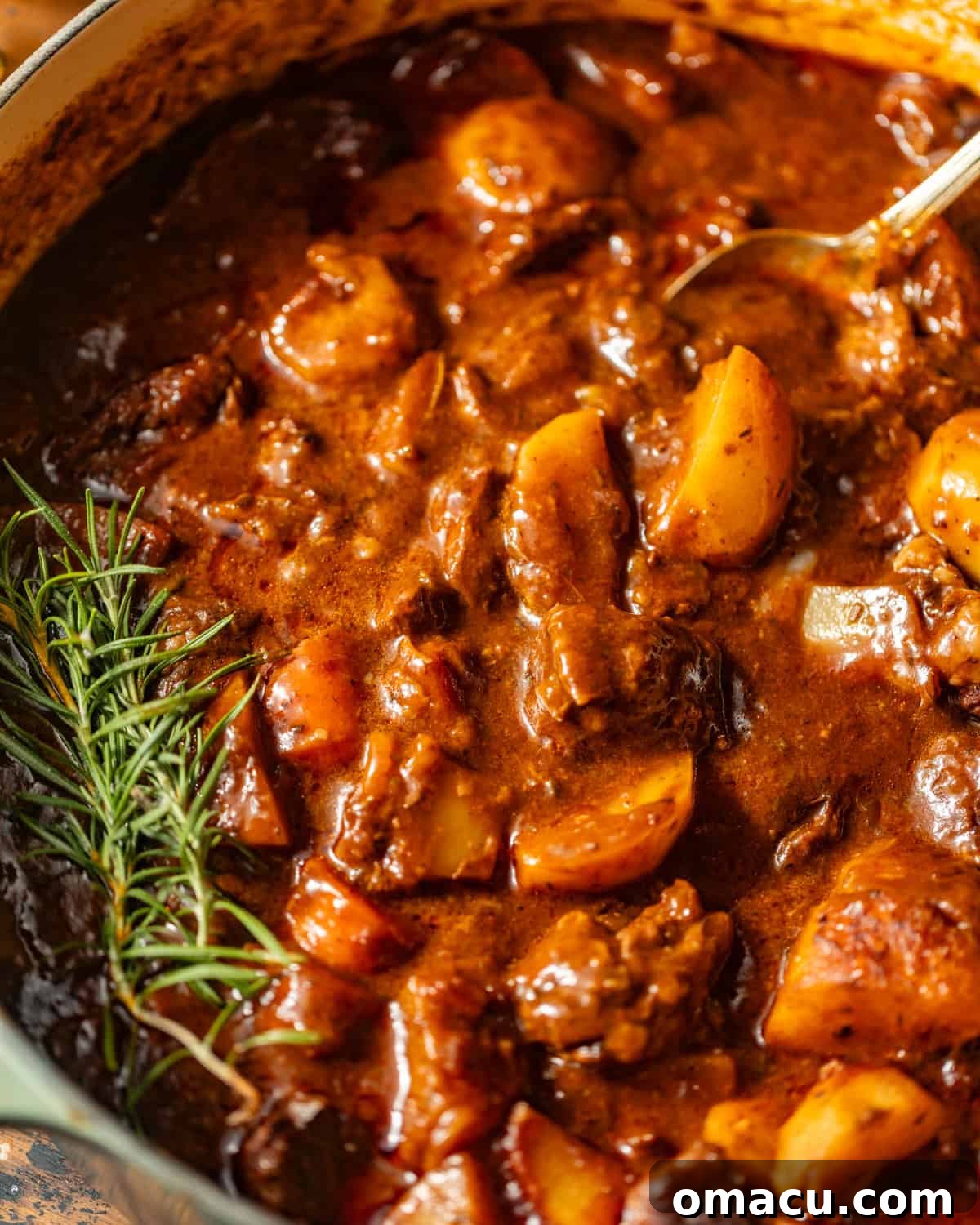
Frequently Asked Questions
Absolutely, yes! Browning the beef before simmering is a crucial step that immensely enhances the flavor of the stew. This process, known as the Maillard reaction, creates a caramelized crust on the meat, developing deep, complex, savory notes that infuse the entire dish.
Yes, beef stew actually benefits significantly from being made in advance! The flavors have more time to meld and deepen, often tasting even better the next day. Prepare the stew, let it cool completely, then store it in an airtight container in the refrigerator for up to 3-4 days. Reheat gently on the stovetop or in the oven.
Traditional and highly recommended choices include root vegetables like potatoes (especially russets for creaminess), carrots (for sweetness and color), and onions (for a foundational savory base). You can also add other hearty vegetables such as celery, parsnips, turnips, or mushrooms.
Yes, beef stew is very freezer-friendly! Ensure the stew is completely cooled before transferring it to freezer-safe containers or heavy-duty freezer bags. Properly stored, it can last for up to 3 months in the freezer. Thaw overnight in the refrigerator and reheat gently on the stovetop.
A heavy-bottomed pot, ideally a Dutch oven, is best. Its excellent heat retention and even heat distribution are perfect for searing beef and slow simmering, preventing scorching and ensuring consistent cooking.
If your stew is too thin, you have a few options: you can let it simmer uncovered for a bit longer to allow some liquid to evaporate. Alternatively, make a slurry by mixing a tablespoon of cornstarch (or flour) with an equal amount of cold water, then slowly stir it into the simmering stew until it reaches your desired thickness. Cook for a few more minutes to ensure the starch is fully incorporated and cooked out.
Explore More Beef Recipes
More Hearty Beef Creations
Main Course
Garlic Butter Steak Bites and Potatoes
Main Course
Beef Osso Buco (Creamy Dijon Braised Beef)
Main Course
Restaurant Style Steak Frites with Béarnaise Sauce
Main Course
Luxurious Short Rib Bolognese
Concluding Thoughts
This stovetop beef stew is more than just a meal; it’s a culinary journey that culminates in a truly unforgettable experience. With its tender beef, rich broth, and wholesome vegetables, it’s the epitome of comfort food, perfect for gathering loved ones around the table. We encourage you to try this recipe and savor the warmth and satisfaction it brings.
Want more delicious and beautiful recipes? Subscribe to my newsletter to receive the latest seasonal creations as soon as they’re released directly to your inbox!
If you make this recipe, please leave a star rating on the recipe card below and share your thoughts in the comments! You can also tag @BritneyBreaksBread on Instagram and use the hashtag #britneybreaksbread so I can celebrate your beautiful culinary creations!
★
★
★
★
Stove Top Beef Stew
Britney
25 minutes
3 hours
30 minutes
3 hours
55 minutes
8
Equipment
-
Large Pot or Dutch Oven (5-6 quart)
-
Mixing Bowls
-
Wooden Spoon
Ingredients
For the Beef
- 3 lbs Chuck Roast, (trimmed and cut into 1.5-2 inch cubes)
- 1 packet Sazon (optional, for seasoning beef)
- 1/2 tsp Black Pepper
- 1 1/2 tsp Kosher Salt
- 1/4 cup All-Purpose Flour
- 2 tbsp Olive Oil
For the Stew
- 2 Celery Stalks, (diced)
- 1 Yellow Onion, (diced)
- 2 Carrots, (peeled and cut into large chunks)
- 3 tbsp Unsalted Butter
- 6 cloves Garlic, (minced)
- 1 1/2 tsp Garlic Powder
- 1 tsp Smoked Paprika
- 2 tsp Herbs de Provence
- 2 Bay Leaves
- 1 tbsp Fresh Rosemary, (finely chopped, stalks removed)
- 2 tsp Fresh Thyme, (stems removed)
- 3 tbsp Tomato Paste
- 1 tbsp Beef Bouillon Paste
- 1 cup Dry Red Wine (e.g., Cabernet Sauvignon, Merlot, or Pinot Noir)
- 2 tbsp Worcestershire Sauce
- 4 cups Beef Broth
- 2 lbs Russet Potatoes, (peeled and cut into large chunks)
- 1 packet Brown Gravy Mix
- Fresh Parsley, (for garnish, optional)
Instructions
-
Pat the chuck roast dry with a paper towel. Cut into bite-sized chunks and add sazón, black pepper, kosher salt, and all-purpose flour. Toss to coat, ensuring all pieces are evenly covered.
-
Drizzle olive oil into a large Dutch oven over medium-high heat. Warm the pan for about 3-5 minutes. Add the beef (cook in batches if needed to avoid overcrowding) and sear on both sides for about 4-5 minutes per side until deeply browned. Remove the seared beef from the pan and set aside. Reduce the heat to medium.
-
Add celery, onions, and carrots to the pot along with the butter. Cook for 5-7 minutes, until slightly softened and browned. Then, add the minced garlic, garlic powder, smoked paprika, herbs de Provence, bay leaves, fresh rosemary, fresh thyme, tomato paste, and beef bouillon paste. Stir together to ensure all ingredients are fully incorporated and cook for about 3 minutes, until fragrant.
-
Pour in the red wine and use a wooden spoon to deglaze the pan, scraping the brown bits (fond) off the bottom of the pot. Return the seared beef cubes to the pot, along with the Worcestershire sauce and beef broth. Bring to a boil. Once boiling, reduce the heat to low, cover with a lid, and simmer for 2 1/2-3 hours, or until the meat is fork-tender.
-
Add in the peeled and chunked potatoes and the brown gravy mix. Stir together to combine. Cover with the lid and continue to cook for 30 minutes, or until the potatoes are fork-tender and the stew has thickened. Taste and adjust seasonings as needed. Top with fresh parsley (optional) and serve hot.
Notes
- Maximizing Flavor (Fond): Always make sure to scrape those browned bits off the bottom of the pan after searing the beef and sautéing the vegetables. This “fond” is packed with incredible flavor that will enrich your stew’s broth.
- Selecting the Best Beef: For consistently tender and flavorful results, use well-marbled cuts like chuck roast. Its composition ensures the meat breaks down beautifully during slow cooking, becoming melt-in-your-mouth soft.
Substitutions and Variations:
- Gluten-Free Option: If you’re avoiding gluten, substitute all-purpose flour with cornstarch or arrowroot powder. You can also use a 1:1 gluten-free flour blend for coating the beef.
- Alternative Beef Cuts: While chuck roast is preferred, cuts like bottom round or beef stew meat are also suitable. They require the same low-and-slow cooking method to become tender and flavorful.
- Add More Vegetables: For added sweetness and nutrients, feel free to incorporate frozen peas or corn. Simply stir them into the pot when you add the potatoes for the final cooking stage.
Nutrition
Calories:
512
kcal
,
Carbohydrates:
31
g
,
Protein:
38
g
,
Fat:
24
g
,
Saturated Fat:
11
g
,
Polyunsaturated Fat:
2
g
,
Monounsaturated Fat:
11
g
,
Trans Fat:
1
g
,
Cholesterol:
129
mg
,
Sodium:
1330
mg
,
Potassium:
1326
mg
,
Fiber:
3
g
,
Sugar:
4
g
,
Vitamin A:
434
IU
,
Vitamin C:
12
mg
,
Calcium:
85
mg
,
Iron:
6
mg
Nutrition information is automatically calculated, so should only be used as an approximation.
Tried this recipe?
Mention @BritneyBreaksBread or tag #BritneyBreaksBread!