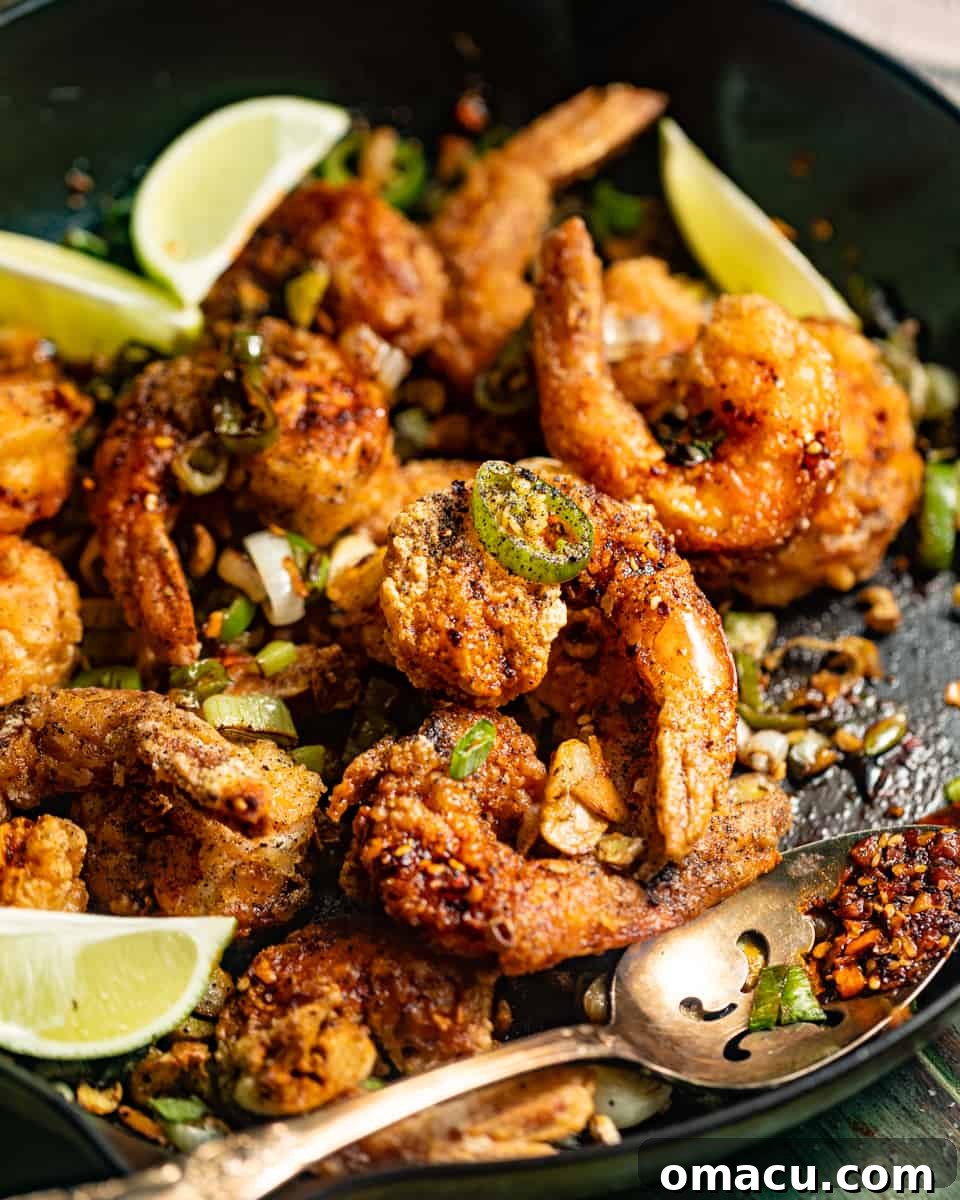
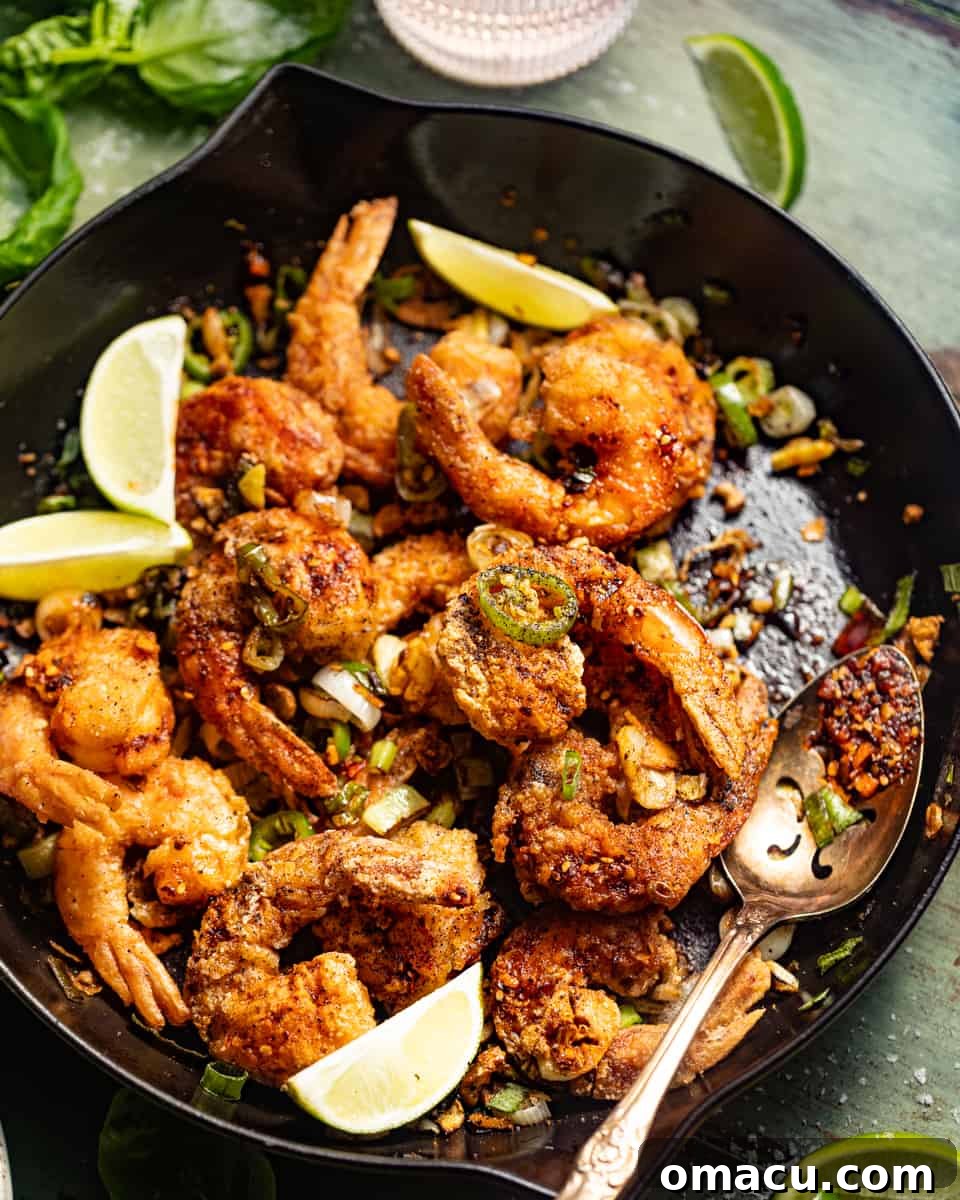
Salt and Pepper Shrimp is an iconic Chinese culinary delight, celebrated for its irresistible combination of perfectly crispy deep-fried shrimp, generously coated in a simple yet profound seasoning blend of salt and freshly ground black pepper, then expertly tossed with a fragrant sautéed mixture of ginger and garlic. This dish masterfully balances a delightful crunch with a succulent, juicy interior, offering a savory experience with a pleasant hint of spice that truly awakens the palate. Whether you’re seeking a show-stopping appetizer to impress guests or a flavorful main course to enjoy with classic accompaniments like fluffy white rice and vibrant stir-fried vegetables, this Salt and Pepper Shrimp recipe delivers an authentic taste of Chinese cuisine right to your kitchen. It’s a versatile and satisfying dish that consistently earns rave reviews and is a staple in Chinese restaurants worldwide.
For more exquisite Chinese-inspired recipes that bring restaurant-quality flavors to your home, be sure to explore my Bang Bang Shrimp, the incredibly Easy Pepper Steak Recipe, and the delightfully crunchy Crispy Chili Beef Recipe.
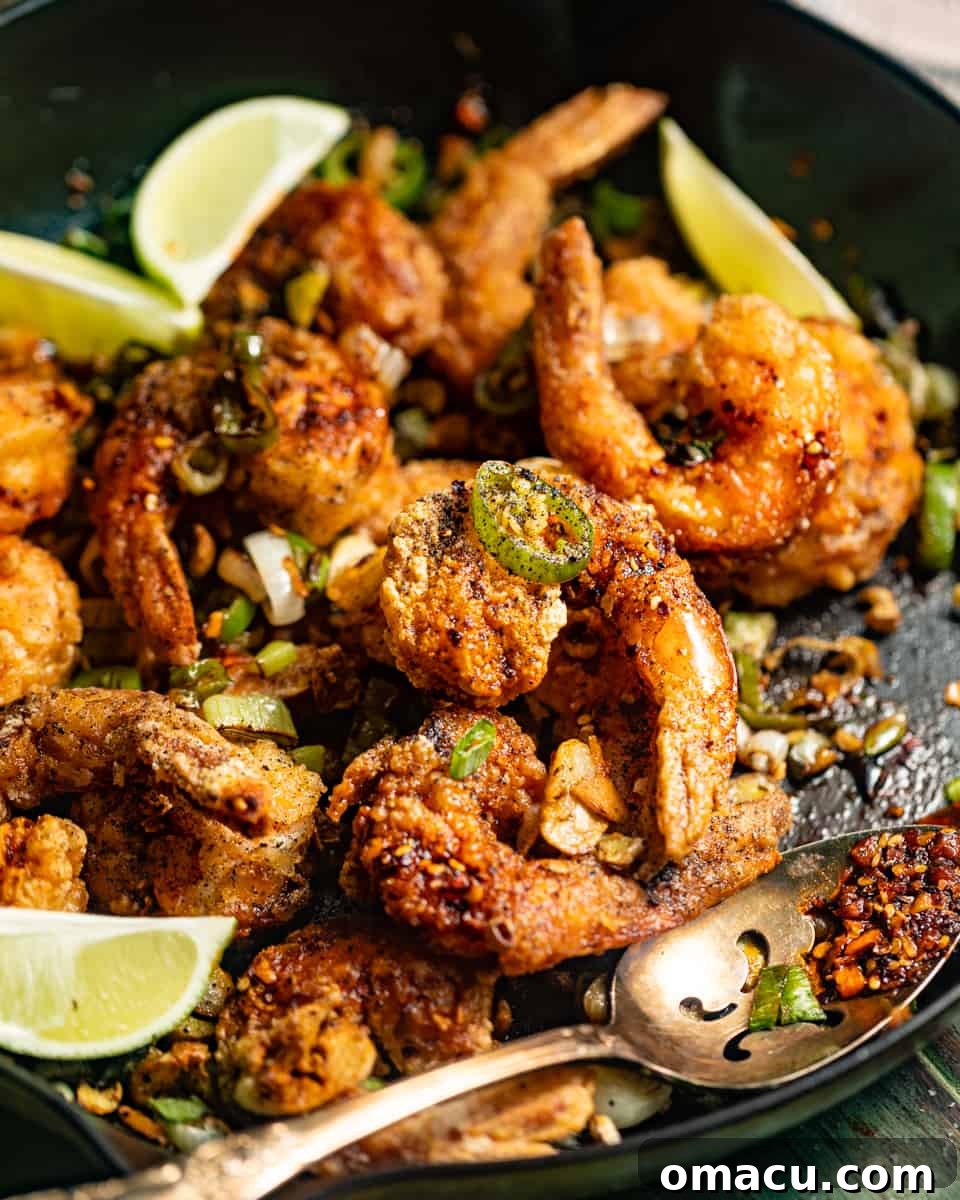
Table of Contents
- An Introduction to Salt and Pepper Shrimp
- Why You’ll Love This Crispy Shrimp Recipe
- Understanding Salt and Pepper Shrimp: A Culinary Overview
- Essential Ingredients for Salt and Pepper Shrimp
- Expert Tips for Perfect Salt and Pepper Shrimp
- Step-by-Step Guide: How to Make Salt and Pepper Shrimp
- Serving Suggestions: What to Pair with Salt and Pepper Shrimp
- Salt and Pepper Shrimp Recipe FAQs
- Discover More Delicious Shrimp Recipes
- Full Salt and Pepper Shrimp Recipe Card
An Introduction to Salt and Pepper Shrimp
There are few culinary experiences as satisfying as biting into a perfectly cooked shrimp – succulent on the inside, with an incredibly crispy exterior. Our Salt and Pepper Shrimp recipe delivers precisely that, and so much more. This dish transforms ordinary shrimp into an extraordinary symphony of textures and flavors. Each plump shrimp is enveloped in a delicate, golden-brown crust, infused with a carefully balanced seasoning of toasted black pepper and fine kosher salt. The magic doesn’t stop there; these flavor-packed shrimp are then tossed in an aromatic blend of freshly sautéed ginger and garlic, creating an unparalleled taste sensation that is both savory and incredibly addictive.
Beyond its incredible taste, what makes this recipe truly stand out is its straightforward cooking process. Despite its restaurant-quality results, preparing Salt and Pepper Shrimp at home is surprisingly simple, making it accessible even for novice home cooks. The simplicity belies the profound depth of flavor you’ll achieve, making it a dish you’ll want to recreate again and again. Get ready to impress your family and friends with this timeless Chinese classic that promises both ease of preparation and unforgettable taste, bridging the gap between beloved takeout and gourmet home cooking.
Why You’ll Love This Crispy Shrimp Recipe
- Incredibly Quick and Easy: Life is busy, but delicious meals shouldn’t be complicated. This recipe comes together in approximately 30 minutes from start to finish, making it an ideal choice for a swift yet impressive weeknight dinner or a last-minute appetizer. Most of the cooking time involves passive frying, freeing you up to prepare other elements of your meal or simply relax. You’ll be amazed at how quickly you can achieve such complex flavors.
- Remarkably Versatile: The beauty of Salt and Pepper Shrimp lies in its adaptability. It shines whether presented as a tantalizing starter to a larger feast, a flavorful side dish complementing other Asian-inspired mains, or as the star attraction of your dinner table. Its universal appeal makes it perfect for casual family meals, elegant dinner parties, or even a fun finger food for game nights.
- Explosion of Flavor: Prepare your taste buds for an unforgettable journey! This recipe is a masterclass in flavor layering, combining the natural sweetness of shrimp with the bold, aromatic punch of freshly toasted peppercorns, savory salt, and the pungent warmth of ginger and garlic. Each bite offers a harmonious balance of crispy texture, juicy tenderness, and a delightful spicy kick that will leave you craving more. It’s the kind of deliciousness that makes home cooks feel like seasoned culinary artists, capable of delivering restaurant-quality dishes effortlessly.
Understanding Salt and Pepper Shrimp: A Culinary Overview
Salt and Pepper Shrimp, known as “Jiao Yan Xia” (椒盐虾) in Mandarin, is a cherished staple of Chinese cuisine, particularly prevalent in Cantonese and Sichuan cooking styles where fresh seafood is often celebrated. At its heart, it’s a straightforward yet incredibly flavorful dish featuring plump shrimp, often lightly coated in a cornstarch mixture to achieve that signature crispy texture, then deep-fried to a beautiful golden perfection. This initial frying step is crucial, creating a delicate, shatteringly crisp crust that contrasts beautifully with the tender, juicy shrimp within.
The true magic of Salt and Pepper Shrimp lies in its distinct seasoning and aromatic finish. Following the frying, the shrimp are immediately tossed with a meticulously crafted blend of salt and freshly ground pepper. Some traditional recipes might also incorporate a dash of Chinese five-spice powder, white pepper, or even a pinch of sugar to enhance the complexity of the “jiao yan” (salt and pepper) mixture. This flavorful coating adheres to the crispy exterior, ensuring every bite is infused with savory, salty, and subtly spicy notes. Further elevating the dish, the seasoned shrimp are then typically stir-fried very briefly with a vibrant mix of aromatics. This blend usually includes finely chopped green onions (scallions), thinly sliced fresh ginger, minced garlic, and often fresh chili peppers like serranos or jalapeños, which contribute a wonderful freshness, color, and an extra layer of heat.
Historically, this dish likely emerged from coastal regions of China where communities had abundant access to fresh seafood. The technique of deep-frying and seasoning with simple yet potent spices was a brilliant way to highlight the natural sweetness and delicate texture of the shrimp without heavy sauces that could mask its essence. Today, Salt and Pepper Shrimp is a beloved menu item in Chinese restaurants across the globe, adored by diners as both an exquisite appetizer and a satisfying main course. It is most commonly served with a side of steamed jasmine rice, which perfectly absorbs the shrimp’s rich flavors and helps to balance the spice. Other popular accompaniments include stir-fried green vegetables or a light dipping sauce such as sweet chili or soy sauce. Its enduring popularity stems from its straightforward preparation, the universally appealing balance of salty and spicy flavors, and the irresistible textural contrast it offers.
Essential Ingredients for Salt and Pepper Shrimp
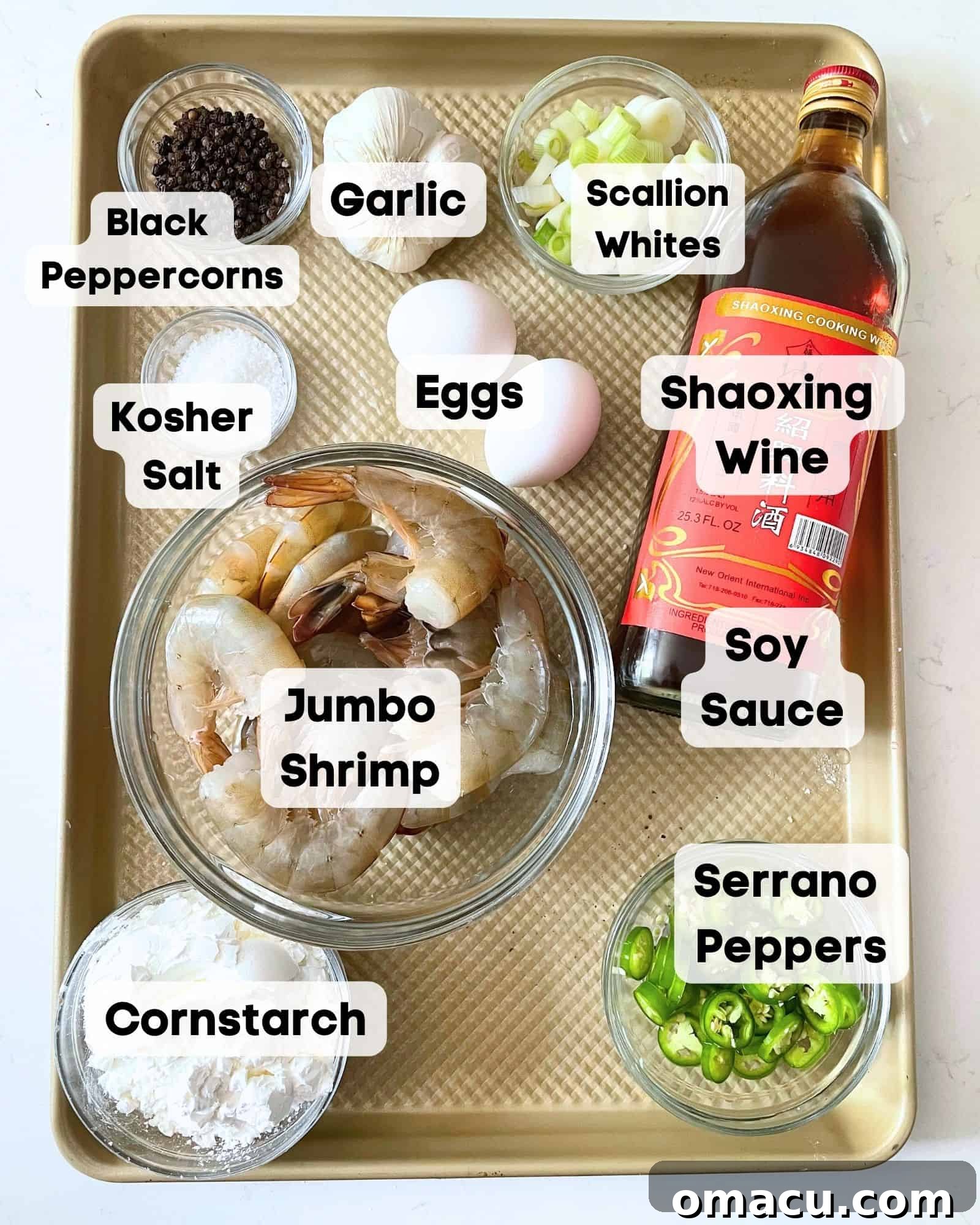
Crafting the perfect Salt and Pepper Shrimp begins with selecting fresh, high-quality ingredients. Each component plays a crucial role in building the dish’s signature flavor and texture:
- Large or Jumbo Shrimp: The foundation of our dish. Opt for fresh or responsibly sourced frozen shrimp. Ensure they are peeled and deveined. While leaving the tail on is optional, it often provides a convenient handle for eating and adds to the dish’s visual appeal. Crucially, always pat the shrimp thoroughly dry with paper towels before marinating and breading; this ensures maximum crispness during frying.
- Black Peppercorns: For the most aromatic and authentic flavor, whole black peppercorns are preferred. While some traditional Chinese restaurants might use white pepper for its distinct, sharper pungency, black peppercorns offer a robust, earthy spice when freshly ground and toasted. You can certainly experiment with Sichuan peppercorns for a unique citrusy and numbing (ma la) sensation. The key is to toast them lightly and grind them yourself; pre-ground pepper significantly loses its vibrant aroma.
- Kosher Salt: This is a fundamental component of the seasoning blend. Kosher salt or sea salt is highly recommended over iodized table salt, which can have a harsher, more metallic taste and a denser salinity. Kosher salt’s larger, flaky crystals provide a more controlled seasoning and a clean, pure salty flavor that beautifully enhances the shrimp without overpowering it.
- Shaoxing Wine: A cornerstone of Chinese cooking, Shaoxing wine is a fermented rice wine that imparts a sweet, tangy, and deeply savory umami depth to the dish. It’s essential for marinating the shrimp, as it tenderizes the meat and infuses it with an authentic, complex flavor. If authentic Shaoxing wine is unavailable, a good quality dry sherry can serve as an acceptable substitute, though the flavor profile will be slightly different. Avoid cooking wines labeled “Shaoxing” that contain added salt, if possible.
- Soy Sauce: Used in the marinade, soy sauce adds a fundamental layer of savory umami and a hint of saltiness, enhancing the overall depth of the shrimp’s flavor even before it hits the hot oil. For this recipe, a light or regular soy sauce is suitable.
- Egg: A single large egg acts as a vital binder in the breading process. It helps the cornstarch adhere evenly and securely to the surface of the shrimp. This adhesion is crucial for forming that delicate, golden, and super crispy crust when fried, ensuring the delicious seasoning has something substantial to cling to.
- Cornstarch: This is the secret ingredient for achieving the shrimp’s irresistible crispy coating. When mixed with the egg and then fried at a high temperature, cornstarch creates a light, airy, and wonderfully crunchy crust that perfectly encases the juicy shrimp. It effectively absorbs surface moisture and prevents the shrimp from becoming soggy or greasy.
- Serrano Peppers: These fresh chilies are included for their vibrant flavor and a pleasant, medium-level spicy kick to the dish. Sliced serranos not only contribute heat but also add a beautiful color contrast to the finished presentation. If you prefer a milder spice, jalapeño peppers are an excellent alternative. For those who crave more intense heat, finely diced bird’s eye chilies can be used sparingly.
- Scallion Whites: The robust, more pungent white and light green parts of green onions (scallions) are utilized in the aromatic stir-fry. When sautéed, they release a concentrated savory flavor that provides a foundational aromatic base for the final dish. The vibrant green tops of the scallions can be reserved for a fresh, decorative garnish.
- Fresh Ginger: Finely sliced or minced fresh ginger is an indispensable aromatic in Chinese cuisine, known for its warm, spicy, and slightly pungent qualities. It contributes a foundational flavor to the stir-fry, helping to cut through the richness of the fried shrimp and adding a bright, zesty note that is both refreshing and complex. Always use fresh ginger for the best results; dried or powdered ginger will not offer the same vibrant taste.
- Garlic Cloves: Freshly diced garlic cloves are another essential aromatic that pairs perfectly with ginger and scallions. When sautéed, garlic contributes a deep, savory, and slightly pungent flavor that is characteristic of authentic Chinese cooking, forming the aromatic backbone of this delightful dish. Use fresh cloves for optimal flavor.
- Vegetable Oil: A high smoke point, neutral-flavored oil is absolutely crucial for deep-frying the shrimp. Vegetable oil, canola oil, or grapeseed oil are excellent choices as they won’t impart unwanted flavors to your shrimp and can safely withstand the high temperatures required for achieving a truly crispy, golden texture. You will need enough oil to allow the shrimp to be adequately submerged during frying.
- Chili Crisp (Optional): For those who enjoy an extra layer of texture, heat, and umami, a generous drizzle of chili crisp at the end is highly recommended. This popular crunchy condiment, typically packed with savory fried chilies, garlic, and other spices in oil, adds a fantastic depth, a pleasing textural contrast, and a welcome spicy kick. It’s a game-changer if you appreciate bold, layered flavors.
Expert Tips for Perfect Salt and Pepper Shrimp
Achieving restaurant-quality Salt and Pepper Shrimp at home is entirely possible with a few key techniques. These expert tips will guide you toward making perfectly crispy, flavorful shrimp every time:
- Thaw Frozen Shrimp Properly: If your recipe calls for frozen shrimp, proper thawing is critical to prevent a soggy outcome. Always place frozen shrimp in a bowl of cold water for approximately 20-30 minutes, or until they are fully thawed. Avoid using hot water, as this can prematurely cook the delicate shrimp and compromise their texture. Once thawed, proceed immediately to the drying step.
- Ensure Shrimp Are Completely Dry: This is arguably the most important tip for achieving that coveted crispy crust. Before applying any breading or marinade, thoroughly pat the shrimp as dry as possible using several layers of paper towels. Any residual moisture on the surface of the shrimp will create steam when it hits the hot oil, leading to a chewy, less crispy breading. Dry shrimp equals superior crispness!
- Fry in Small Batches: To ensure consistent crispiness and even cooking, it is crucial to avoid overcrowding your pan when deep-frying. Adding too many shrimp at once will significantly drop the oil’s temperature, causing the shrimp to absorb excess oil and turn out greasy and soft rather than golden and crispy. Fry the shrimp in small, manageable batches, allowing ample space for each piece to cook evenly and maintain the oil’s optimal heat. Patience here truly pays off.
- Monitor Oil Temperature Closely: A stable oil temperature is paramount for perfect frying. Use a reliable kitchen thermometer to ensure your frying oil maintains a consistent temperature between 360-375°F (180-190°C). If the oil is too cool, the shrimp will become oily and heavy. If it’s too hot, the exterior will brown or even burn before the interior is fully cooked, resulting in an unpleasant texture. Adjust your heat as needed between batches to keep the temperature steady.
- Don’t Overcook the Shrimp: Shrimp cook remarkably quickly. Depending on their size and the oil temperature, they typically need only 2-3 minutes per side. Overcooked shrimp will become tough, rubbery, and lose their delicate sweetness. Remove them from the oil as soon as they turn opaque and achieve a beautiful golden-brown color, then transfer them immediately to a wire rack or paper towel-lined plate to drain excess oil.
- Freshly Grind Peppercorns for Maximum Flavor: While pre-ground pepper is convenient, it simply cannot compare to the aroma and depth of freshly ground peppercorns. For the most potent and flavorful salt and pepper seasoning, always start with whole black (or white) peppercorns. Lightly toast them in a dry skillet for a few minutes before grinding; this step amplifies their natural oils and intensifies their aromatic complexity, creating a much more vibrant and pungent spice blend.
- Prepare Your Breading Station Efficiently: Set up a logical assembly line for breading: shrimp, liquid marinade bowl, cornstarch bowl, then a wire rack for coated shrimp. This streamlined process prevents mess and ensures each shrimp is consistently coated, making frying much smoother.
Step-by-Step Guide: How to Make Salt and Pepper Shrimp
Follow these detailed steps to create perfectly crispy and intensely flavorful Salt and Pepper Shrimp at home. Precision and attention to detail will ensure a restaurant-quality result.
1. Prepare the Aromatic Salt and Pepper Seasoning
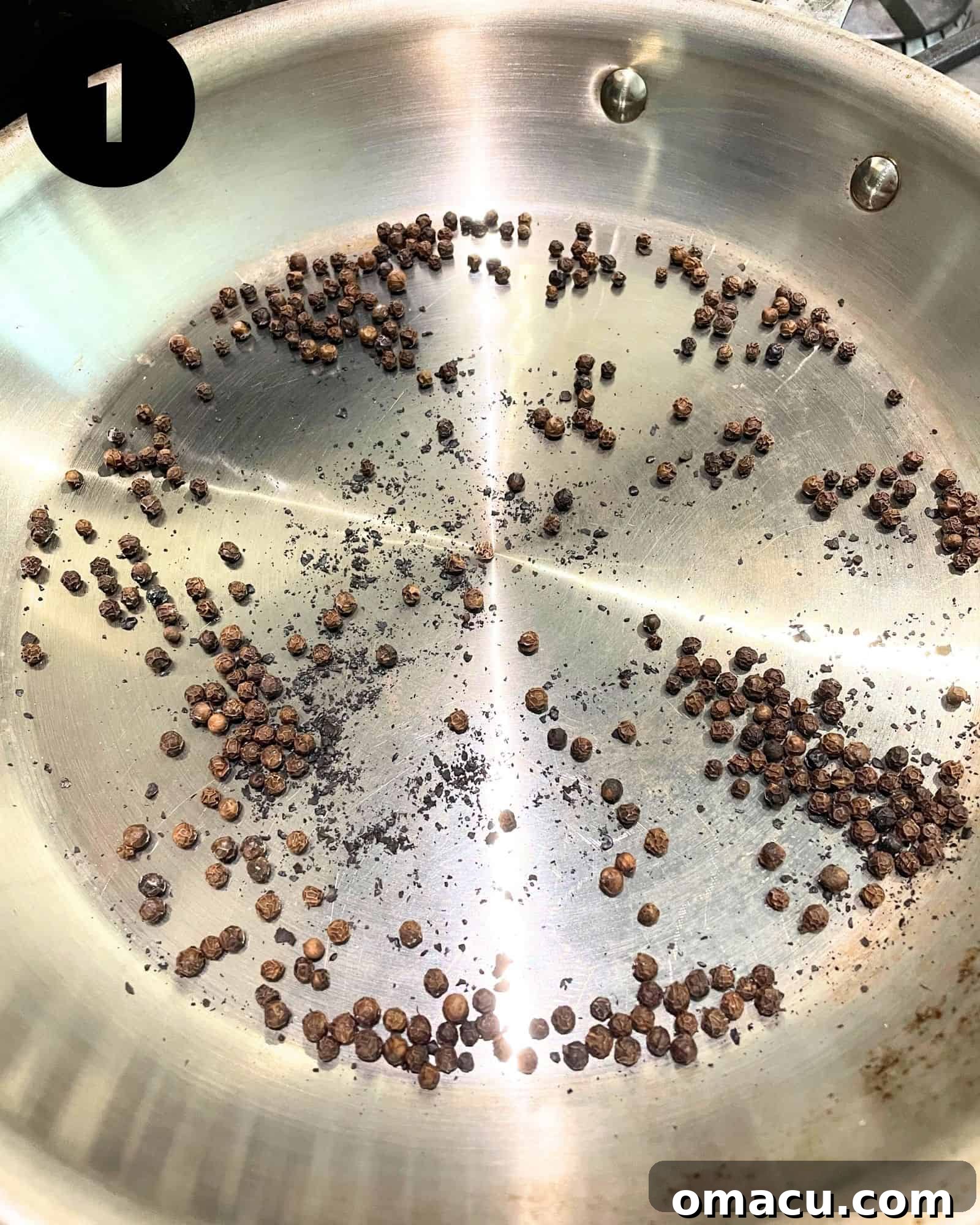
- Begin by toasting the whole black peppercorns in a dry skillet over medium-low heat. Cook for approximately 8-10 minutes, gently shaking or stirring the peppercorns every 2-3 minutes to prevent burning and ensure an even toast. This process activates their essential oils, intensifying their fragrance and flavor. You’ll notice a distinct, pleasant aroma when they are ready. (See Image #1 for a visual of peppercorns toasting)
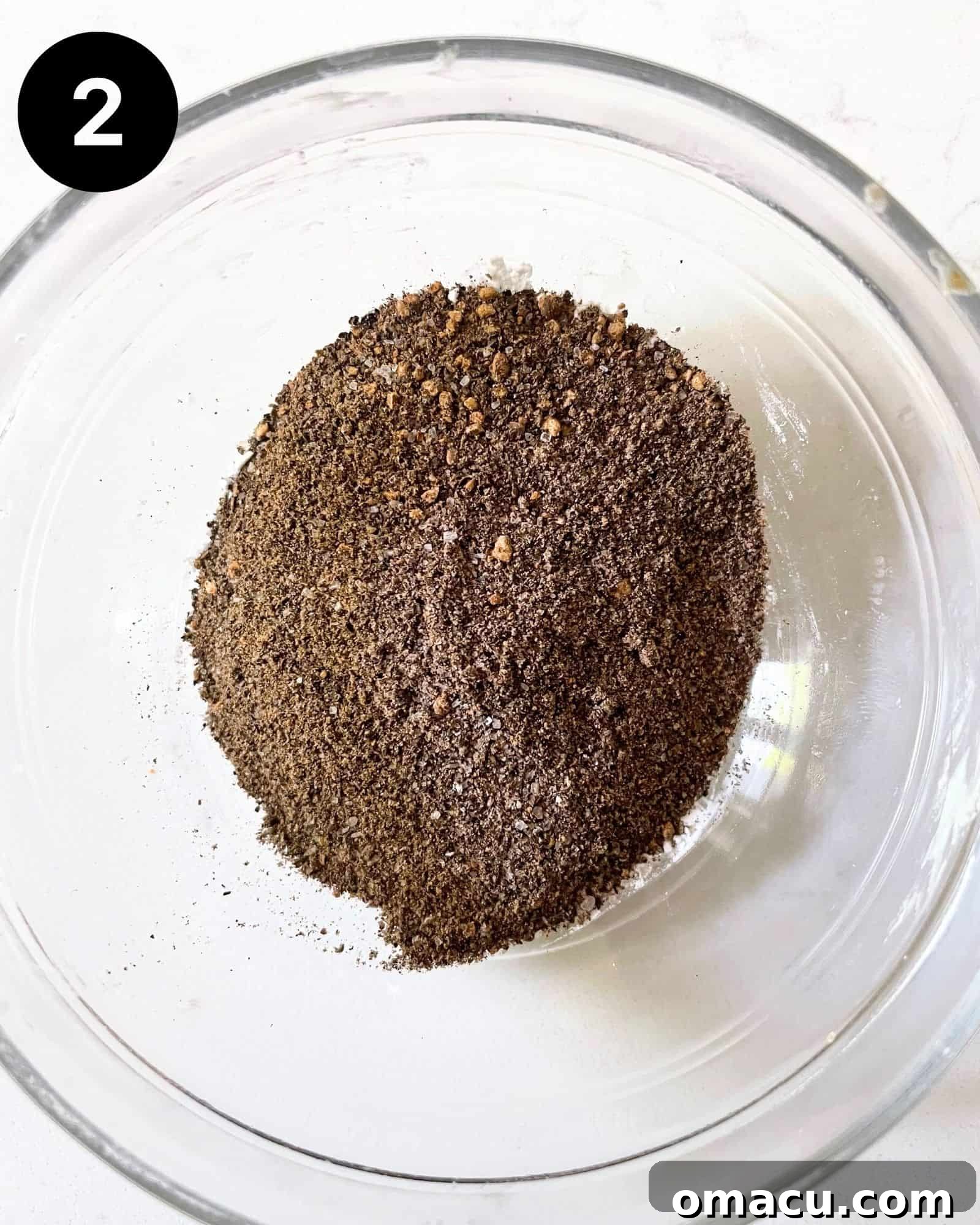
- Once toasted, carefully transfer the warm peppercorns to a mortar and pestle, a small food processor, or a dedicated spice grinder. Blend them until you achieve a fine, smooth powder. The difference in aroma between freshly ground and pre-ground pepper is remarkable. Transfer the freshly ground pepper to a small bowl and thoroughly mix in the kosher salt. Set this vibrant homemade spice blend aside; it will be used as the final seasoning flourish for your shrimp. (Refer to Image #2 for the completed seasoning blend)
2. Prepare and Fry the Crispy Shrimp
- Thoroughly prepare your shrimp. If they aren’t already, carefully remove any shells (leaving the tail on is optional but often preferred for presentation and ease of handling) and devein them. The most crucial step here is to meticulously pat the shrimp completely dry with paper towels. Any residual moisture will hinder the breading from adhering properly and prevent that desired crispy texture.
- In a deep skillet, wok, or a sturdy Dutch oven, pour approximately 2 cups of neutral-flavored vegetable oil. Place the skillet over medium heat and allow the oil to heat up gradually to a temperature of 360-375°F (180-190°C). Use a reliable kitchen thermometer to ensure accuracy; maintaining the correct oil temperature is vital for perfectly fried, non-greasy shrimp.
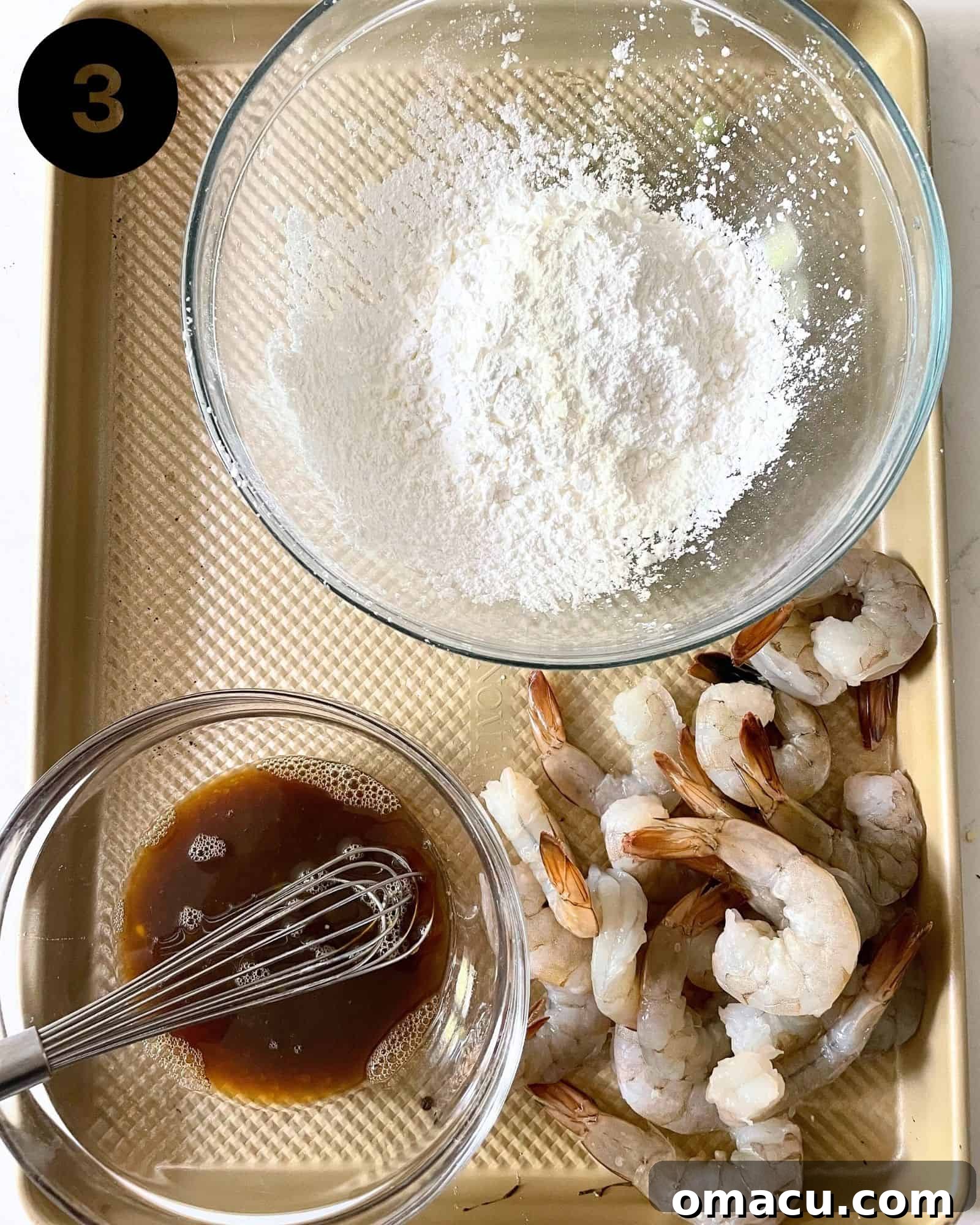
- While the oil heats, prepare your breading station efficiently. In a small mixing bowl, whisk together the Shaoxing wine, soy sauce, and the egg until they are well combined, creating a flavorful liquid marinade. This mixture will tenderize the shrimp and act as the binding agent for the cornstarch. (See Image #3 for the liquid mixture components)
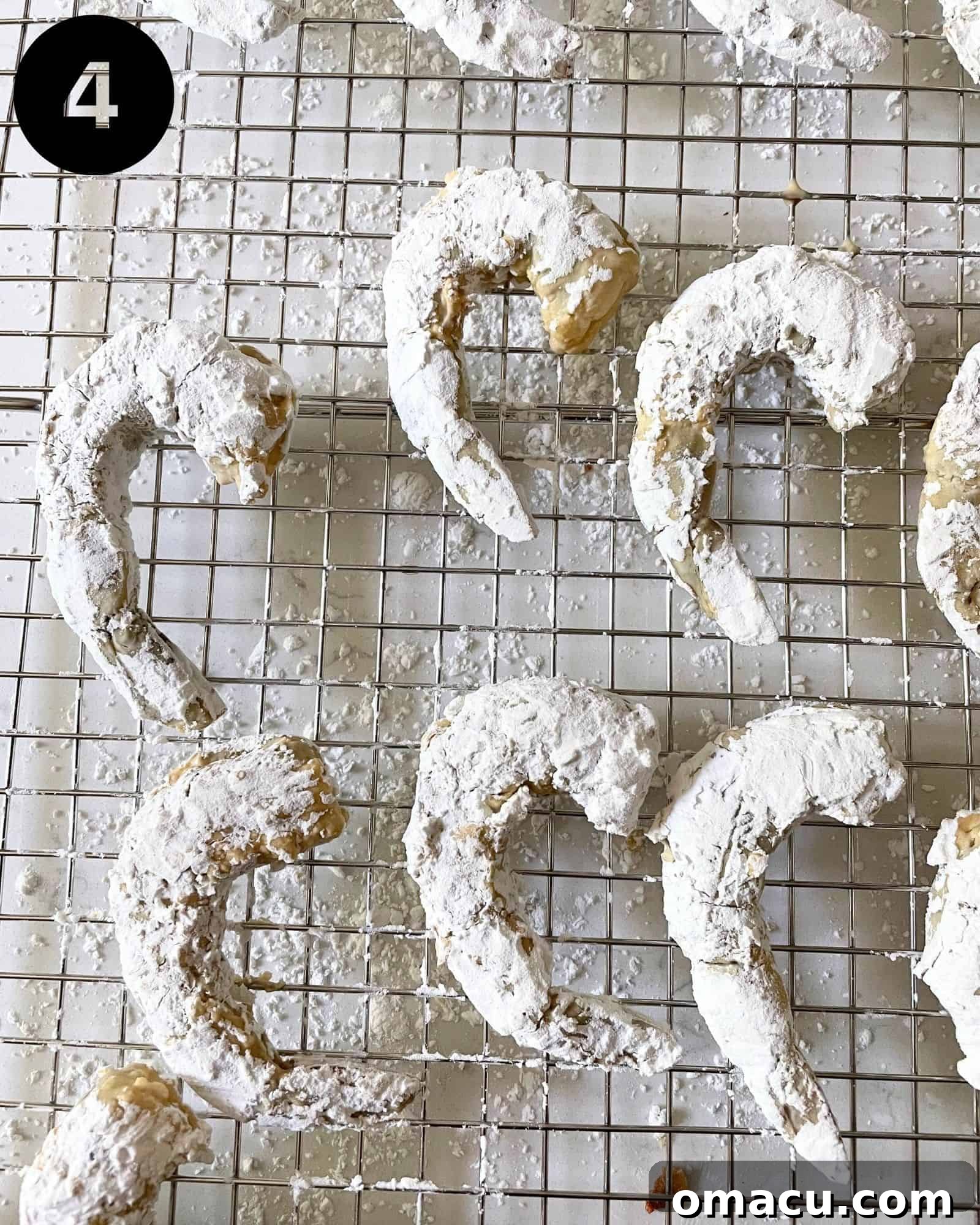
- In a separate, shallow bowl, place the cornstarch. Now, take each thoroughly dried shrimp and first dip it entirely into the Shaoxing wine mixture, ensuring it’s fully coated. Allow any excess liquid to drip off briefly. Then, transfer and dredge the marinated shrimp in the cornstarch, gently turning and pressing to coat completely. Tap off any excess cornstarch to ensure a thin, even layer. Place the coated shrimp on a wire rack as you finish preparing each one; this keeps them from getting soggy on a flat surface. (Image #4 illustrates the shrimp perfectly coated in cornstarch)
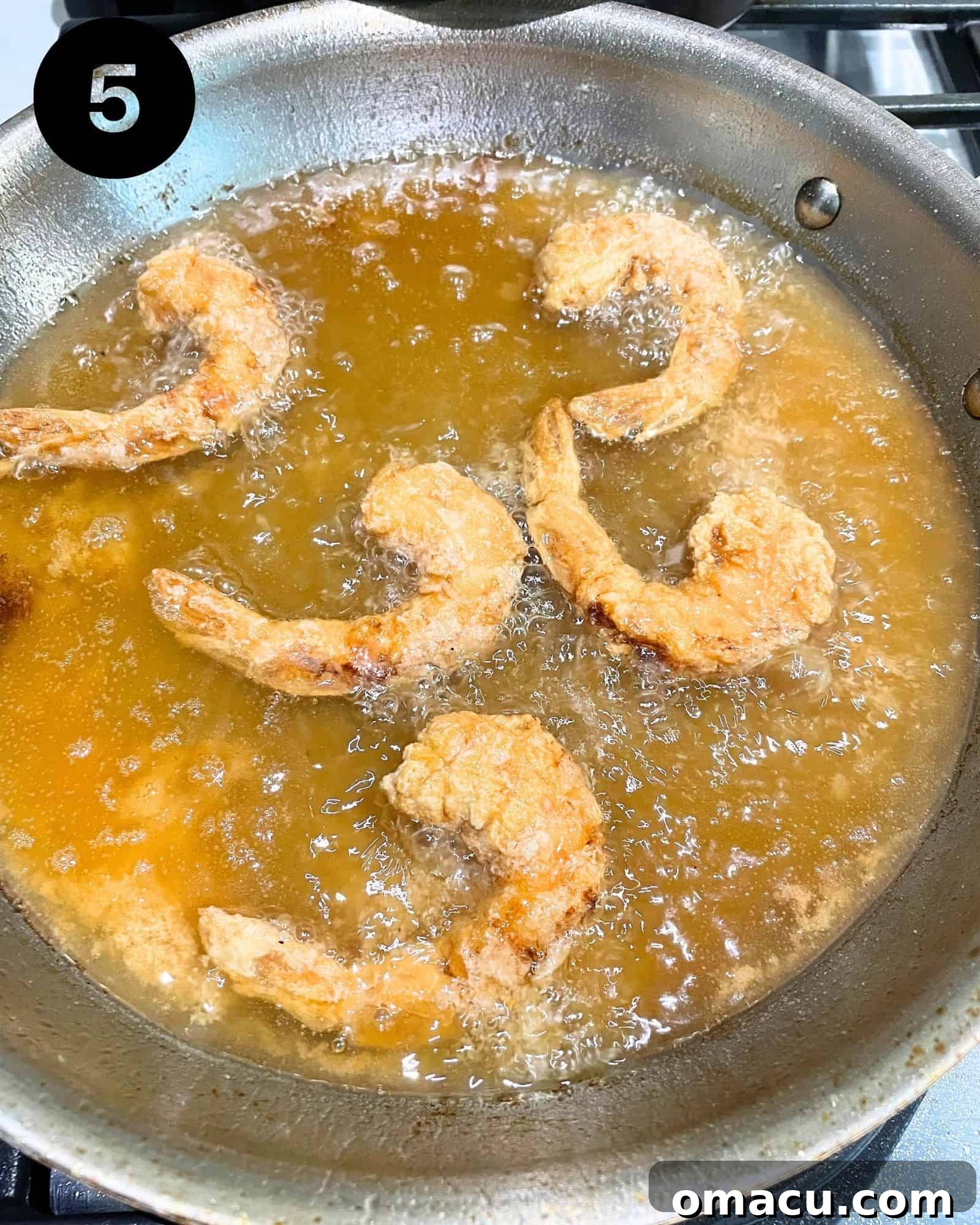
- Carefully place the breaded shrimp into the preheated oil, working in small batches to avoid overcrowding the pan. Overcrowding will lower the oil temperature and result in greasy, less crispy shrimp. Fry the shrimp for approximately 2-3 minutes per side, or until they turn a beautiful golden brown and are fully cooked through. The precise cooking time will vary depending on the size of your shrimp and the oil temperature. Once cooked, use a slotted spoon or spider to efficiently remove the shrimp from the oil. Transfer them to a plate lined with fresh paper towels or a wire rack set over a baking sheet to drain any excess oil; this helps maintain their crispness. (Observe Image #5 showcasing the perfectly fried shrimp)
3. Final Toss and Assembly
- Carefully discard the used frying oil (once it has cooled safely) and thoroughly clean your skillet. Return the now-clean skillet to the stovetop and add 2 tablespoons of fresh vegetable oil. Heat this oil over medium heat. Add the sliced green onion whites, fresh ginger, and sliced serrano peppers to the hot oil. Sauté these aromatics for 3-5 minutes, stirring occasionally, until they become slightly browned and wonderfully fragrant. This step infuses the oil with incredible depth of flavor.
- Next, add the diced garlic to the pan and continue to cook for another 1-2 minutes. Be vigilant during this stage, as garlic can burn quickly and turn bitter. You want it fragrant and slightly golden, not deeply browned.
- Remove the skillet from the heat to prevent overcooking the delicate aromatics. Immediately add the crispy fried shrimp back into the pan. Toss everything together gently yet thoroughly to ensure the shrimp are evenly coated with the fragrant ginger-garlic-chili mixture.
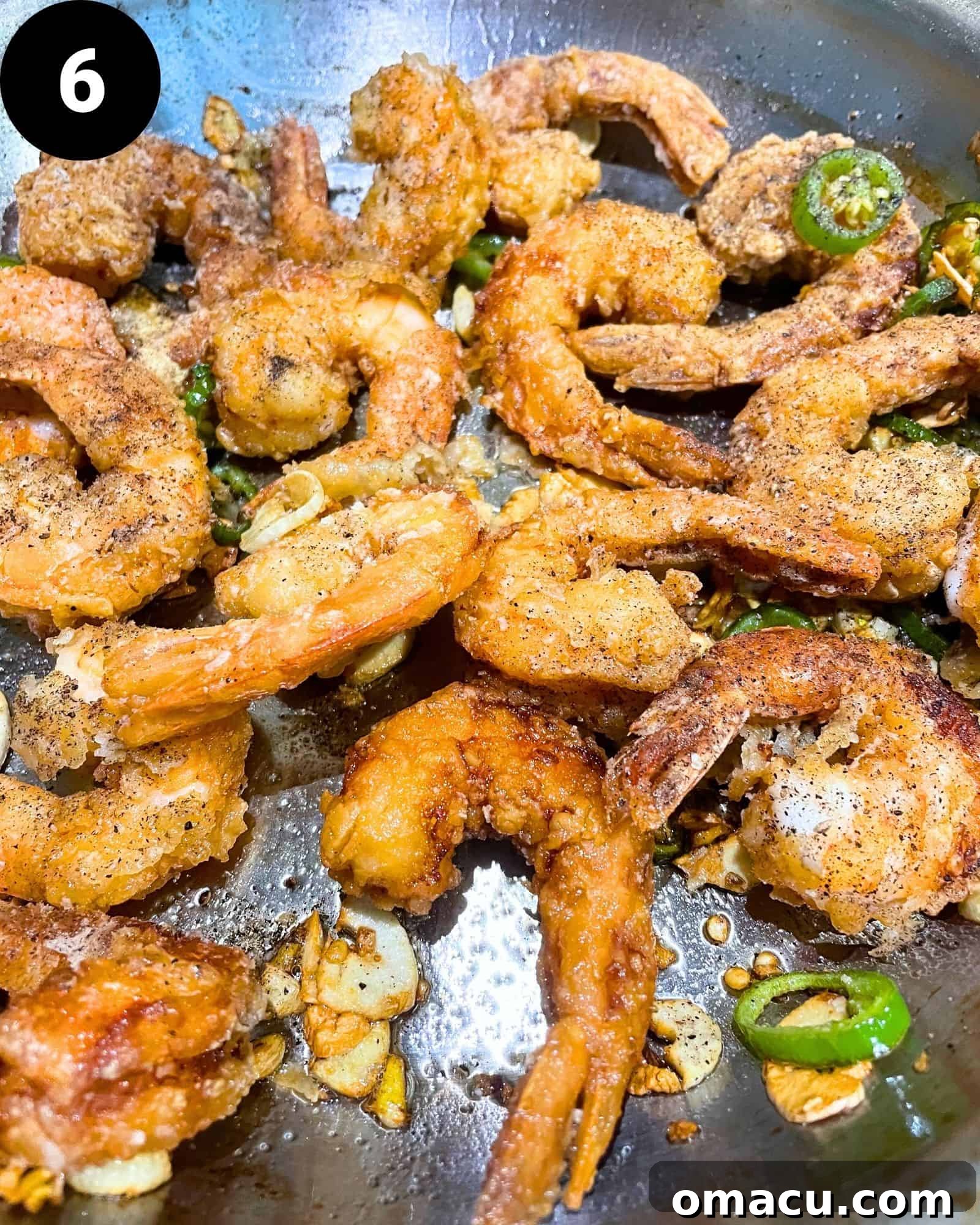
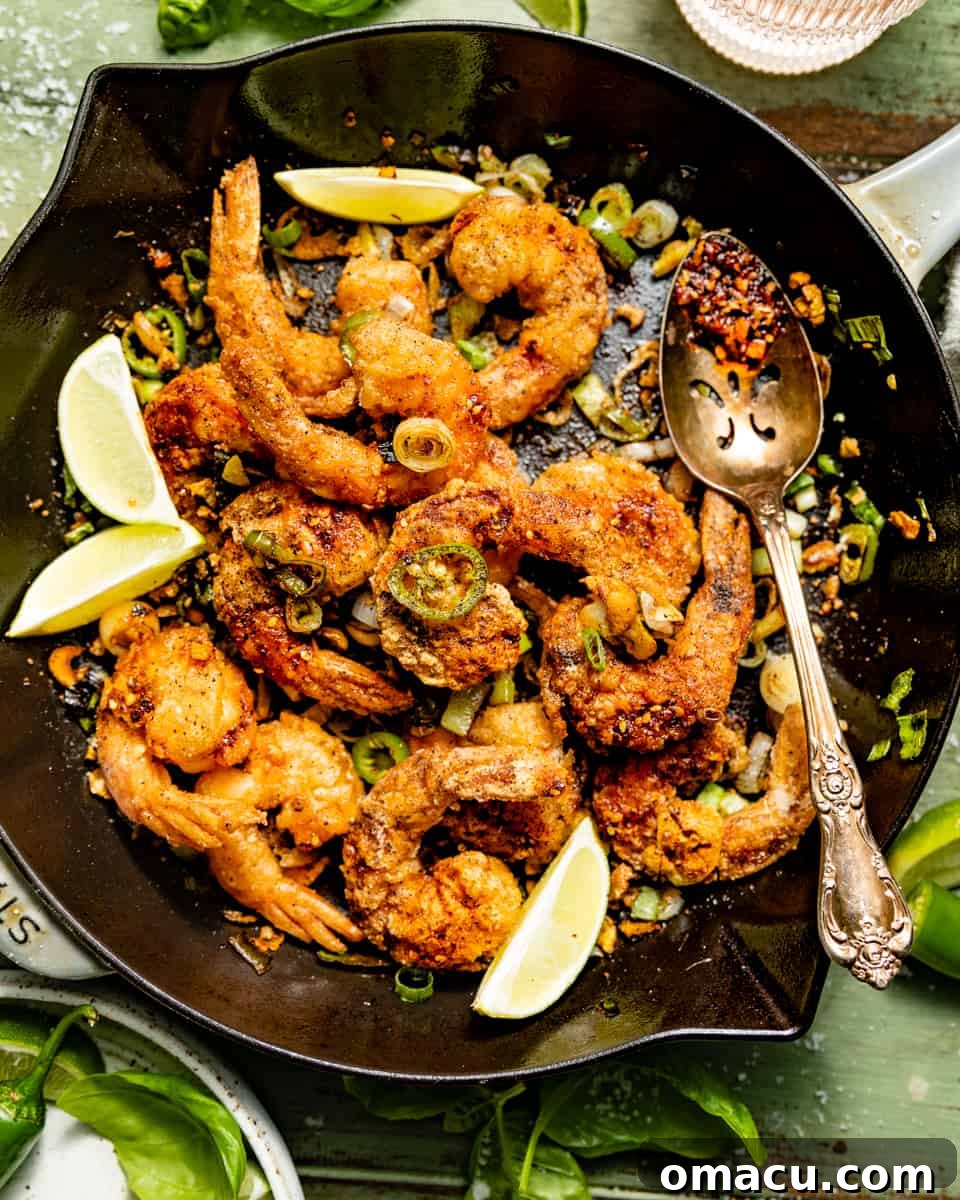
- Finally, generously sprinkle your prepared salt and pepper seasoning blend evenly over the shrimp. Toss once more to distribute the seasoning uniformly across all the shrimp. Serve your sensational Salt and Pepper Shrimp immediately, ideally garnished with fresh scallion greens for color and a drizzle of chili crisp for an extra layer of savory crunch and heat. This dish is truly best enjoyed hot and fresh to appreciate its optimal texture and flavor. (Refer to Image #6 for the final assembled dish, ready for seasoning)
Serving Suggestions: What to Pair with Salt and Pepper Shrimp
Salt and Pepper Shrimp is a powerhouse of flavor, making it incredibly versatile when it comes to pairings. Its savory, spicy, and aromatic profile means you’ll want side dishes that either complement its bold taste or offer a refreshing contrast. Here are some fantastic options to create a complete and unforgettable meal:
- Classic Steamed Rice: A simple yet absolutely essential accompaniment. Fluffy, hot steamed jasmine or white rice provides a neutral canvas that perfectly absorbs the rich flavors of the shrimp and helps to balance any spiciness. It’s the traditional pairing for a reason – it provides comfort and satisfaction every time! You can find a great guide for achieving perfect steamed rice here.
- Vibrant Stir-fried Vegetables: To add freshness, color, and a healthy component to your meal, a medley of crisp-tender stir-fried vegetables is an excellent choice. Think bright broccoli florets, colorful bell peppers, tender snow peas, or crunchy carrots, lightly seasoned with garlic and a touch of soy sauce to let the shrimp shine. A popular and delicious option is Garlic Broccoli Stir-Fry.
- Sautéed Bok Choy: Lightly sautéed baby bok choy with a hint of garlic and soy sauce offers a tender, slightly bitter contrast that is both delicious and visually appealing. It’s a classic Chinese vegetable pairing that adds an elegant touch to the meal. Try this Stir-Fried Baby Bok Choy recipe for a perfect side.
- Spicy Peanut Noodles: For a heartier side dish that still packs a flavorful punch, spicy peanut noodles offer a creamy, savory, and spicy counterpoint to the crispy shrimp. The rich, nutty sauce and tender noodles create a satisfying textural harmony that complements the main dish beautifully.
- Light Asian-Inspired Soups: A delicate, clear broth-based soup, such as a simple egg drop soup or a subtly flavored hot and sour soup, can be a wonderful starter, preparing the palate for the main event without being too heavy.
- Complementary Dipping Sauces: While the Salt and Pepper Shrimp are incredibly flavorful on their own, a small dish of sweet chili sauce, a light soy-ginger dipping sauce, or even a tangy vinegar sauce can provide an extra layer of flavor and moisture for those who desire it. These sauces allow guests to customize their experience.
- Appetizer Pairings for Feasts: If serving the shrimp as part of a larger dim sum-style spread or an extensive appetizer platter, consider pairing them with other delicious finger foods. Crab Rangoon Egg Rolls, especially when served with a complementary sweet and savory sauce like my Boom Boom Sauce, make for an exciting combination of textures and flavors alongside the crispy shrimp.
Salt and Pepper Shrimp Recipe FAQs
Shrimp itself is a highly nutritious seafood, lean in protein, and rich in essential vitamins (like B12) and minerals (such as selenium and iron). These nutrients support various bodily functions, including brain health, immune strength, and the formation of healthy red blood cells. However, this particular recipe involves deep-frying, which adds calories and fat from the cooking oil. While incredibly delicious and generally consumed in moderation, it’s not typically categorized as a ‘health food’ in the strictest sense. As with most fried dishes, it’s best enjoyed as an occasional treat as part of a balanced diet.
This is largely a matter of personal preference! Many people, myself included, prefer to peel and devein the shrimp before breading and frying. This makes for easier eating and a cleaner texture, as shrimp shells can sometimes be tough or fibrous. However, leaving the shells on can contribute to an even crispier exterior and, some argue, a deeper shrimp flavor during the frying process, as the shells contain much of the shrimp’s natural essence. If you choose to leave them on, ensure they are thoroughly cleaned and patted very dry.
Yes, absolutely! The shells of shrimp are entirely edible, especially when they are deep-fried until very crispy. In many Asian cuisines, leaving the shell on is a common practice, as it provides an additional layer of crunch and flavor, and also reduces food waste. If you opt for this method, just be sure to use fresh, high-quality shrimp and fry them until the shells are thin, light, and shatteringly crisp, not tough or chewy. It’s a great way to experience the dish with a more intense textural dimension.
While Salt and Pepper Shrimp is undeniably best enjoyed immediately after preparation for optimal crispness, you can prepare some components in advance. The salt and pepper seasoning blend can be made days ahead and stored in an airtight container. You can also marinate the shrimp (up to the egg/soy/Shaoxing wine step) for about 30 minutes before frying. However, avoid breading the shrimp too far in advance, as the cornstarch will absorb moisture from the shrimp and the marinade, losing its crisping ability. If you have leftovers, they can be gently reheated in an air fryer or oven to regain some crispness, but expect a slight texture difference compared to freshly made.
Shaoxing wine is highly recommended for its unique depth of flavor and tenderizing properties in Chinese cooking. If you can’t find it, a good quality dry sherry is the best substitute, offering a similar flavor profile. In a pinch, white wine vinegar or even a dash of rice vinegar with a pinch of sugar can provide some of the acidity, but they won’t replicate the complex umami notes as effectively. For true authenticity and flavor, it’s worth seeking out Shaoxing wine at an Asian grocery store or a well-stocked supermarket.
Several factors contribute to truly crispy shrimp. First, ensure your shrimp are impeccably dry before breading. Second, use cornstarch as your primary coating. Third, maintain the oil temperature between 360-375°F (180-190°C) with a kitchen thermometer. Fourth, fry in small batches to prevent the oil temperature from dropping. Lastly, don’t overcook the shrimp; remove them as soon as they’re golden and opaque, and drain immediately on a wire rack.
Discover More Delicious Shrimp Recipes
If you’re a fan of the versatile and delicious shrimp, you’re in luck! There’s a world of incredible shrimp recipes waiting to be explored. From spicy appetizers to hearty main courses, shrimp offers endless possibilities. Expand your culinary repertoire with these other fantastic shrimp dishes that are sure to impress:
Expand Your Seafood Repertoire
Seafood Recipes
Boom Boom Shrimp
Main Course
Pan Seared Shrimp
Appetizers
Bang Bang Shrimp
Main Course
Fried Buffalo Shrimp
Want more delicious and beautiful recipes delivered straight to your inbox? Subscribe to my newsletter to receive the latest seasonal creations, cooking tips, and culinary inspiration as soon as they’re released!
If you’ve made this incredible Salt and Pepper Shrimp recipe, I’d love to hear about your experience! Please consider leaving a star rating on the recipe card below and sharing your thoughts in the comments section. Your feedback is invaluable! You can also tag @BritneyBreaksBread on Instagram and use the hashtag #britneybreaksbread so I can celebrate your beautiful culinary creations!
Salt and Pepper Shrimp Recipe
Pin
Equipment
-
Skillet or Wok
-
Mixing Bowls
-
Paper Towels
-
Kitchen Thermometer (recommended for frying)
-
Mortar and Pestle or Spice Grinder
Ingredients
- 1 tbsp Black Peppercorns
- 1/2 tbsp Kosher Salt
- 2 cups Vegetable Oil, (for frying, plus 2 tbsps for stir-fry)
- 3 tbsp Shaoxing Wine
- 2 tbsps Soy Sauce
- 1 large Egg
- 1 lb Large or Jumbo Shrimp, (peeled, deveined, tail on optional)
- 1/2 cup Cornstarch
- 2 Serrano Peppers, (sliced, adjust to taste)
- 1/4 cup Scallion Whites, (from green onions, sliced)
- Thumb-sized piece Fresh Ginger, (sliced thinly or minced)
- 5 cloves Garlic, (diced)
- Chili Crisp, (optional, for serving)
Instructions
-
Toast peppercorns in a dry skillet over medium-low heat for 8-10 minutes, stirring occasionally. Transfer to a mortar and pestle, food processor, or spice grinder and blend until smooth. In a small bowl, combine with kosher salt and set aside.
-
Prepare the shrimp: remove shells (if desired) and devein. Pat shrimp completely dry with paper towels.
-
Add 2 cups of neutral oil to a deep skillet or wok. Heat over medium heat to 360-375°F (180-190°C). Use a kitchen thermometer to monitor.
-
In a small mixing bowl, whisk together Shaoxing wine, egg, and soy sauce. Place cornstarch in another bowl. Dip each shrimp into the liquid mixture, then dredge in cornstarch, tapping off any excess.
-
Carefully place breaded shrimp into the hot oil in small batches. Fry for 2-3 minutes per side, or until golden brown and cooked through. Remove with a slotted spoon and place on paper towels or a wire rack to drain. Repeat with remaining shrimp.
-
Discard the frying oil (once cooled) and clean the skillet. Add 2 tablespoons of fresh oil back into the pan. Sauté sliced scallion whites, ginger, and peppers over medium heat for 3-5 minutes, until fragrant and lightly browned. Add diced garlic and cook for another 1-2 minutes, being careful not to burn it.
-
Remove the skillet from the heat. Return the crispy fried shrimp to the pan. Toss gently to coat with the aromatic mixture. Sprinkle generously with the prepared salt and pepper seasoning. Toss once more. Serve immediately, optionally with chili crisp.
Notes
Tips for Success:
- Thawing: If using frozen shrimp, thaw completely in cold water for 30 minutes, then pat dry.
- Batch Cooking: Avoid overcrowding the pan when frying to ensure even cooking and maximum crispness.
- Dry Shrimp: Always pat shrimp very dry before breading for the best crispy crust.
- Oil Temperature: Maintain 360-375°F (180-190°C) oil temperature for perfect frying.
- Don’t Overcook: Shrimp cook quickly; remove as soon as they are opaque and golden.
- Freshly Ground Pepper: Toasting and grinding whole peppercorns significantly enhances flavor.
Nutrition
Nutrition information is automatically calculated and should be used as an approximation only. Actual values may vary based on specific ingredients and preparation methods.
Tried this recipe?
Mention @BritneyBreaksBread or tag #BritneyBreaksBread!