
Cajun Crawfish Étouffée is more than just a dish; it’s a culinary journey to the heart of Louisiana. This iconic Southern comfort food features succulent, tender crawfish tails smothered in a velvety, intensely savory, roux-based sauce. Every spoonful delivers a harmonious blend of rich butter, aromatic spices, and the unique sweetness of fresh crawfish, creating a flavor profile that is both deeply satisfying and utterly irresistible. Finished with a touch of cream for an unparalleled luscious texture, this étouffée is designed to be generously spooned over a bed of fluffy white rice, transforming it into the ultimate soul-warming meal that embodies the spirit of Cajun hospitality.
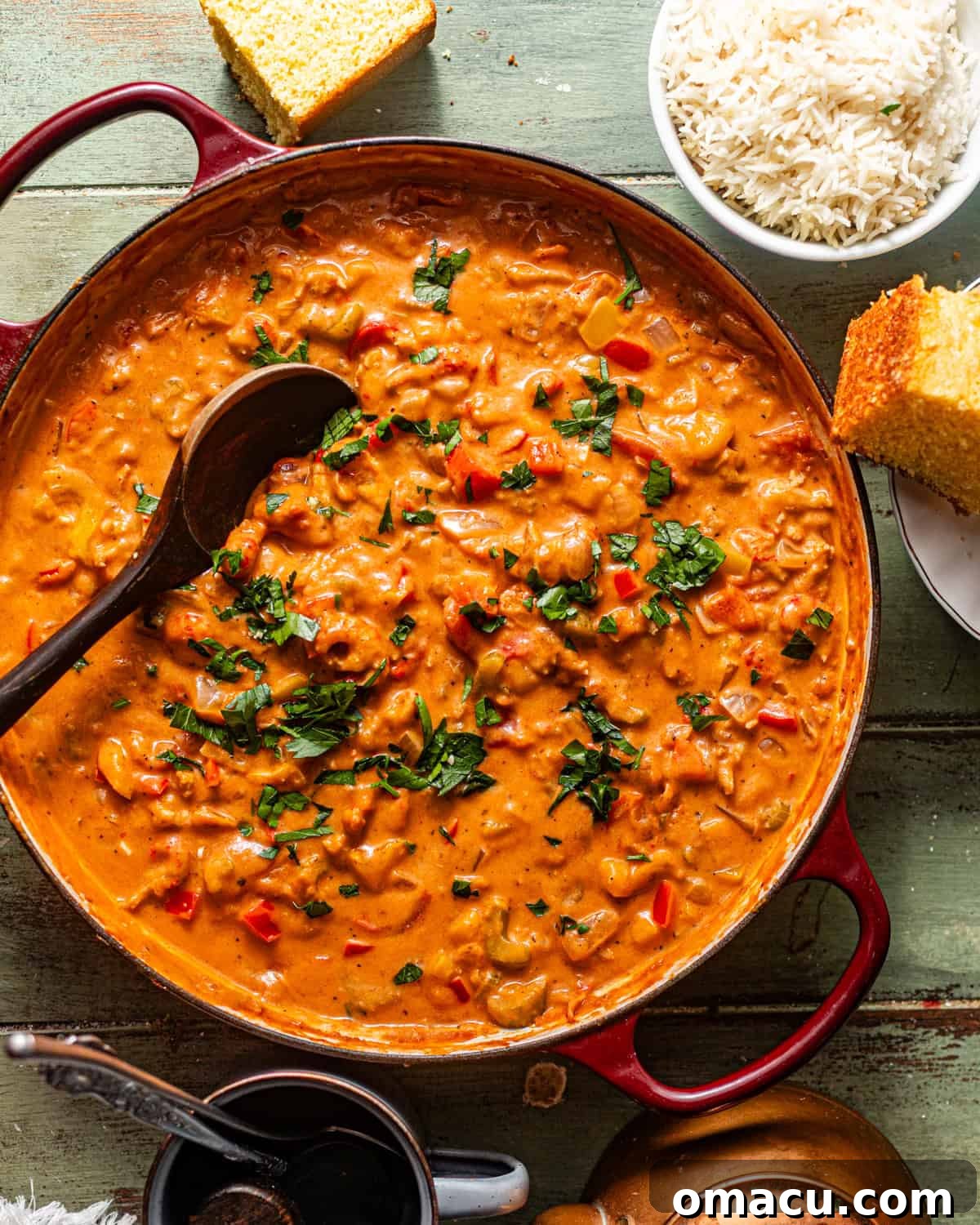
My first unforgettable encounter with authentic crawfish étouffée took place during a memorable trip to New Orleans for my mom’s 60th birthday. We stumbled upon a quaint, unassuming eatery, and the moment that dish was placed before us, I knew it was special. The aroma alone was captivating, and the taste was everything Louisiana cuisine promises: rich, comforting, and bursting with bold, complex Cajun flavors. It seemed like a dish reserved for expert Southern chefs, but I soon discovered that with the right techniques and a passion for flavor, this incredible étouffée could be recreated right in my own kitchen. Ever since that trip, perfecting this recipe has been a delicious mission.
Crawfish Etouffee: A Cozy Louisiana Classic
When embarking on the development of this specific étouffée recipe, my primary goal was to faithfully replicate that profound, deeply savory Louisiana flavor. This distinctive taste arises when the foundational roux, a medley of vibrant spices, and the iconic “holy trinity” of vegetables (onion, celery, and bell pepper) meticulously meld into one seamless, silky sauce. Achieving this balance is crucial for an authentic experience.
To ensure every element was perfectly calibrated, I meticulously tested the recipe multiple times. Each iteration involved careful adjustments to the seasoning blend and the broth base, striving for a sauce that was not only silky smooth in texture but also incredibly flavorful and harmoniously balanced. This iterative process allowed me to fine-tune the ratios, ensuring the rich, spicy, and aromatic notes were present without overwhelming the delicate sweetness of the crawfish.
The culmination of this extensive testing resulted in a dish featuring tender, plump crawfish tails sumptuously enveloped in a buttery Cajun gravy. This gravy boasts just the right amount of spice and an impressive depth of flavor that is truly characteristic of traditional étouffée. The term “étouffée” itself is French for “smothered,” a fitting description given how the rich sauce lovingly coats every piece of crawfish, creating an irresistible blend of textures and tastes. Honestly, after experiencing the sheer deliciousness of this flavorful gravy, you’ll likely want to generously pour it over nearly everything you eat!
If you’re eager to explore more classic Louisiana flavors, I highly recommend trying my Cajun Crawfish Boil next. It’s another quintessential Southern experience that perfectly complements the étouffée.
Recipe Snapshot: Your Guide to Perfect Crawfish Étouffée
- 🥒Prep Time: 20 minutes – Quick and easy preparation for a gourmet meal.
- 🍳Cook Time: 1 hour 30 minutes – Allowing flavors to fully develop and meld.
- 🕛Ready In: Approximately 2 hours – A rewarding culinary endeavor.
- 👥Serves: 6-8 people – Perfect for family dinners or entertaining guests.
- 🔥Cook Method: Starts with a classic roux, then a simple simmer in one pot for maximum flavor and ease.
- 🥣Flavor Profile: Savory, bold, smoky, with a subtle underlying sweetness and a gentle kick of spice.
- ⭐Difficulty: Easy to Moderate – Accessible for home cooks with stunning results.
Expert Notes from My Kitchen: The Secrets to This Recipe’s Success
Through extensive testing and a deep dive into traditional Cajun cooking, I’ve uncovered key elements that elevate this crawfish étouffée from good to truly exceptional. Here are the insights and tricks that make this recipe shine:
- The Roux is Paramount: Without a doubt, the roux is the soul of this dish. It’s not just a thickener; it’s the flavor foundation that sets the entire tone. For this Cajun crawfish étouffée, I’ve opted for a butter and all-purpose flour roux, yielding a rich, silky base. Unlike the dark, lengthy cooked roux found in gumbo, our étouffée calls for a beautiful, light golden, peanut-butter-colored roux. This requires less cooking time (around 25-30 minutes), significantly reducing the risk of burning while still building incredible depth of flavor. A lighter roux contributes to the étouffée’s characteristic golden hue and delicate texture.
- Avoid Overcooking the Crawfish: This is a common pitfall. Pre-cooked crawfish tails only need a few minutes to gently warm through in the sauce, typically no more than 5 minutes. Overcooking them will result in a rubbery, tough texture, diminishing their natural sweetness and tenderness. Adding them towards the very end of the cooking process preserves their delicate structure.
- Patience Pays Off: The Resting Period: One simple yet transformative trick for the best results is allowing the étouffée to rest for at least 30 minutes before serving. Ideally, letting it rest for a few hours, or even overnight in the refrigerator, allows all the complex flavors to fully meld and deepen. This waiting period transforms the individual components into a cohesive, harmonious, and intensely flavorful experience, making it an ideal make-ahead meal for gatherings.
- Embrace the “Holy Trinity” Properly: The combination of diced yellow onion, celery, and bell pepper (the holy trinity) is non-negotiable in Cajun cooking. Ensure they are finely diced to release their aromatics efficiently and cook them until truly softened and fragrant before adding other liquids. This step builds a critical layer of flavor.
- Use a Heavy-Bottomed Pot: A quality Dutch oven or heavy-bottomed skillet is essential, especially when making the roux. Its even heat distribution prevents scorching and allows the roux to cook slowly and consistently, developing that perfect golden color without burning.
Essential Ingredients for Your Authentic Étouffée
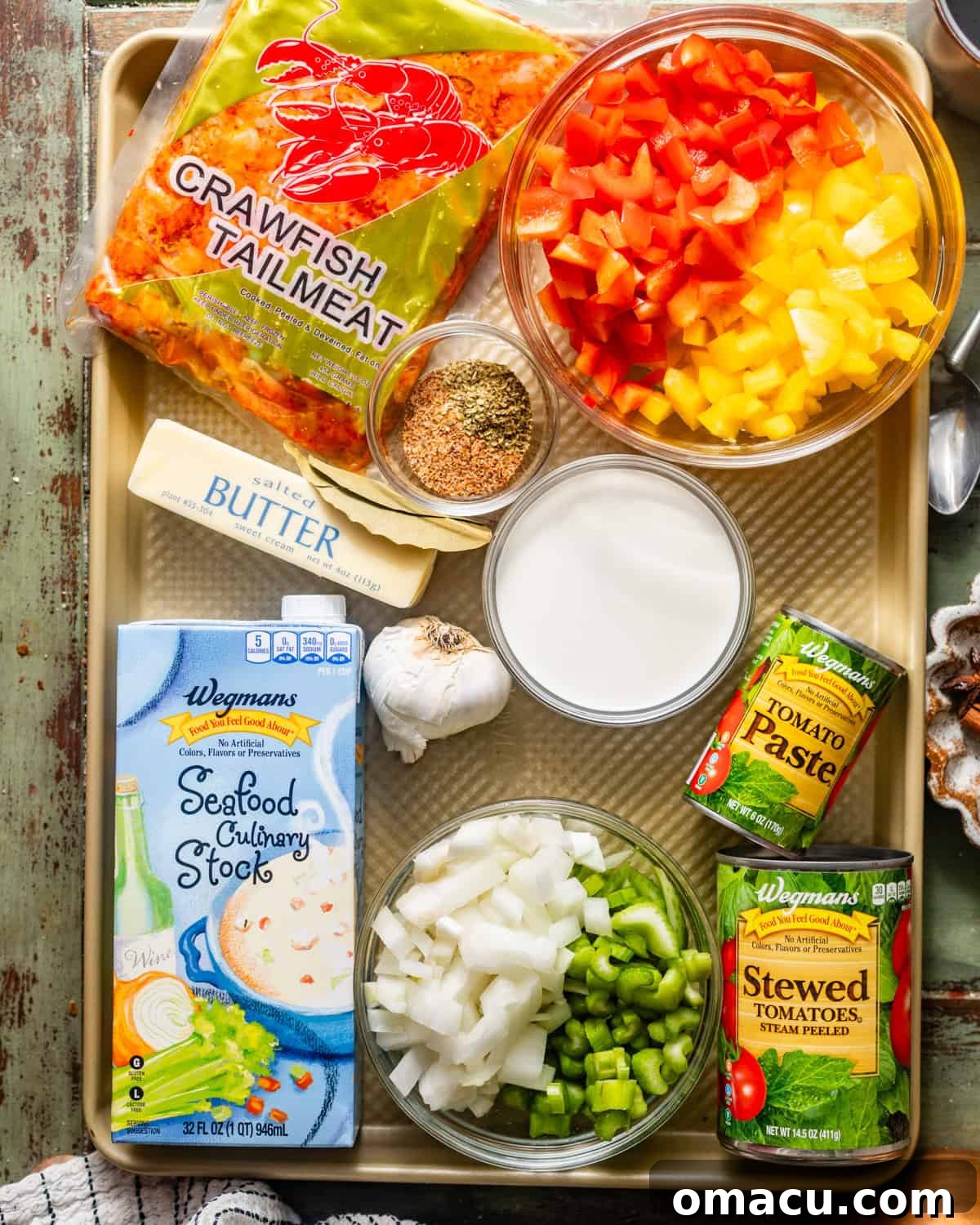
Crafting the perfect Cajun Crawfish Étouffée relies on a few key ingredients, each playing a vital role in building its signature flavor and texture. (The full, detailed ingredient list can be found in the recipe card below.)
- Pre-cooked Crawfish Tails (with the fat on): While fresh, live crawfish are a joy, the convenience of high-quality pre-cooked Louisiana crawfish tails (readily available in most grocery stores or specialty seafood markets) is unmatched for this recipe. They offer the same authentic flavor without the lengthy process of soaking and washing. A crucial tip: if you can find tails with the flavorful crawfish fat still attached, absolutely opt for those! The fat significantly enhances the sauce’s richness, imparting a deeper, more authentic taste and ensuring the tails remain juicy and tender. Any leftover crawfish tails are fantastic in my Cajun Seafood Gumbo!
- Butter and All-Purpose Flour: These two humble ingredients are the foundation of our blonde roux, creating the essential thickener and a nutty flavor base that defines the étouffée’s character. Unsalted butter allows for better control over the dish’s overall saltiness.
- The Cajun Trinity (Yellow Onion, Celery, and Bell Pepper): This iconic trio forms the aromatic heart of virtually all Louisiana cooking, including our étouffée. Diced finely and sautéed until tender, they infuse the sauce with a robust, earthy sweetness and depth that is unmistakably Cajun.
- Cajun Seasoning, Onion Powder, Garlic Powder, and Oregano: This blend of spices is paramount for achieving that signature smoky, herbaceous, and subtly spicy flavor profile. A good Cajun seasoning should offer a balanced heat without being overpowering. If using a blend that contains salt, remember to taste and adjust additional salt carefully. Creole Seasoning can also be used as a delicious alternative.
- Tomato Paste: A small amount of tomato paste adds a concentrated umami depth and a lovely reddish hue to the sauce, contributing to its complex flavor profile without making it tomato-heavy.
- Seafood Stock or Chicken Broth: This liquid forms the savory base of the étouffée, allowing the flavors to meld and thicken into a luscious sauce. While seafood stock is more traditional and enhances the oceanic notes, good quality chicken broth works beautifully as a substitute if seafood stock isn’t available.
- Heavy Cream: Just a modest splash of heavy cream, stirred in at the very end, lends an exquisite silkiness and a touch of luxurious richness to the finished sauce, rounding out all the flavors.
- Lemon Juice: A finishing touch of fresh lemon juice brightens the entire dish, cutting through the richness and enhancing the overall flavor without making it taste overtly lemony.
- Worcestershire Sauce: A secret weapon for adding a subtle savory depth and complexity to the étouffée, enhancing its umami profile.
- Bay Leaves: These fragrant leaves impart a subtle, herbaceous note that adds another layer to the sauce’s complexity, to be removed before serving.
Step-by-Step Guide: Crafting Your Cajun Crawfish Étouffée
Follow these detailed steps to create a truly authentic and flavorful Cajun Crawfish Étouffée that will transport your taste buds straight to Louisiana.
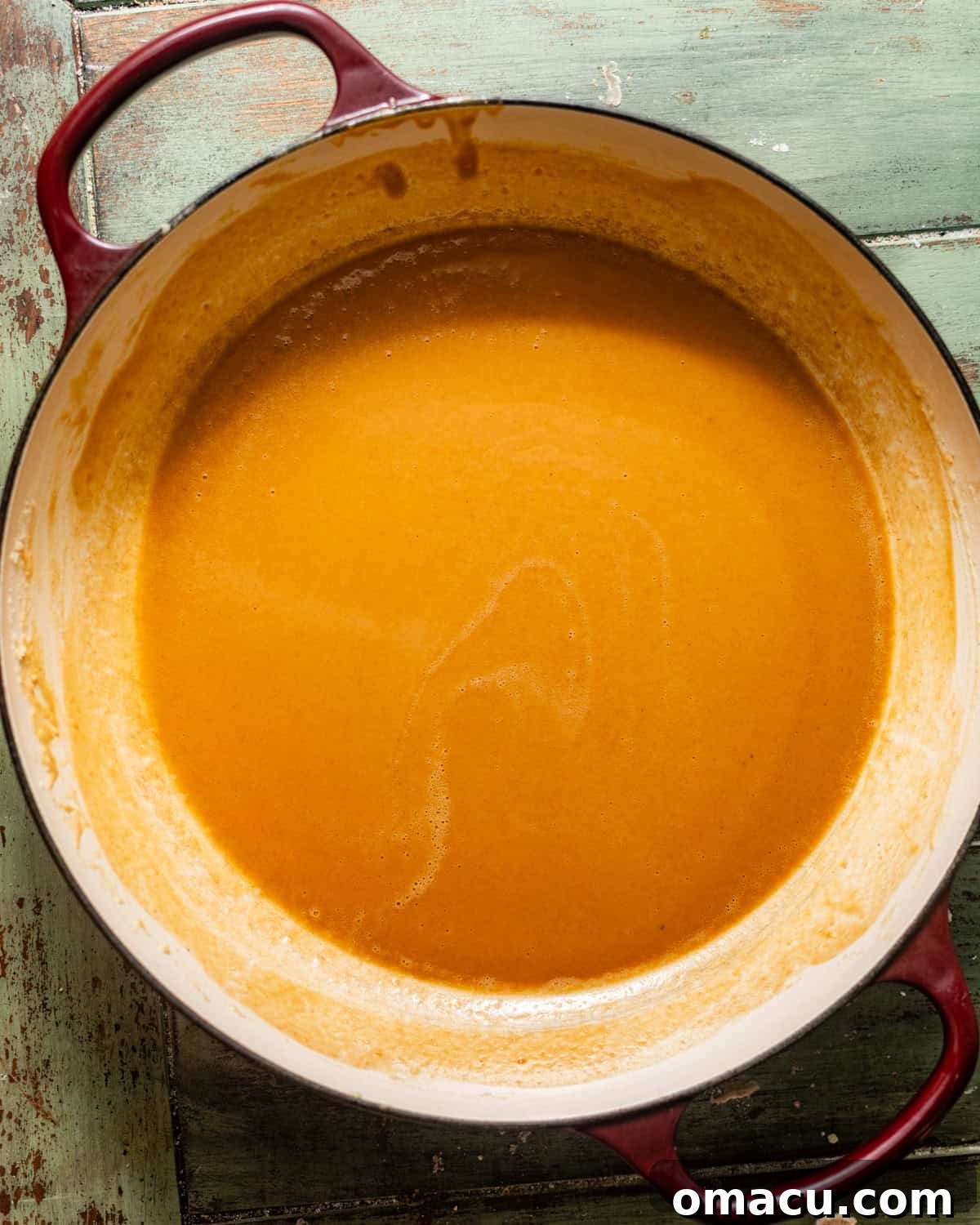
Step 1: Master the Roux.
Begin by thoroughly rinsing your thawed pre-cooked crawfish tails under cool water in a bowl to remove any residual debris, then drain and set aside. In a heavy-bottomed Dutch oven or large skillet, melt 8 tablespoons of salted butter over medium-low heat. Once fully melted, gradually whisk in 1/2 cup of all-purpose flour. Continue to cook, stirring constantly with a wooden spoon, for approximately 25-30 minutes. Your goal is to achieve a beautiful, light golden blonde color, similar to peanut butter. This attentive stirring is crucial to prevent burning, as a burnt roux cannot be salvaged and would require you to start over. If you notice any spots browning faster, rotate your pot to ensure even cooking.
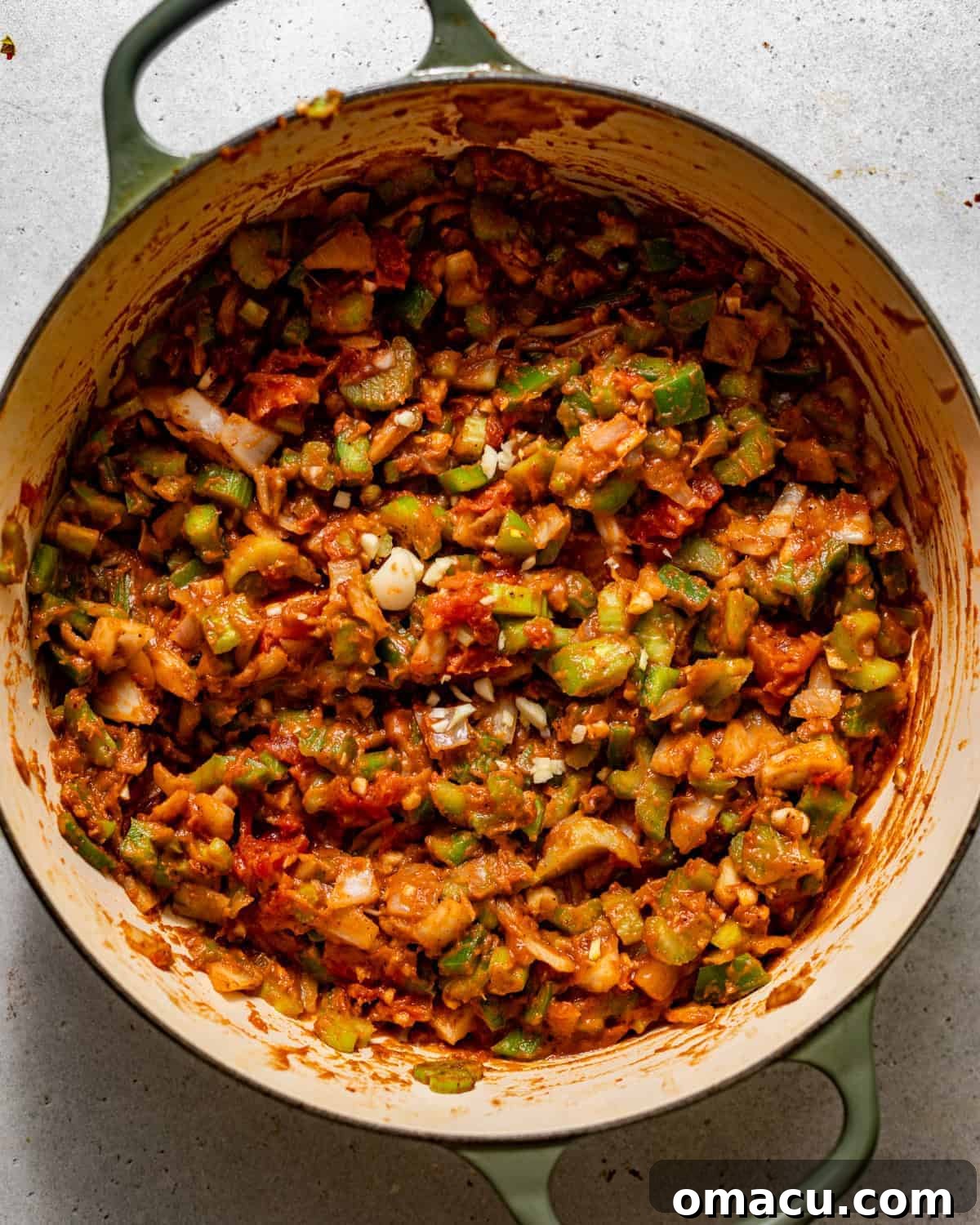
Step 2: Sauté the Holy Trinity and Aromatics.
Once your roux reaches the desired light golden hue, increase the stove heat to medium. Add the diced yellow onion, bell peppers (any color works, but a mix of orange and red adds visual appeal), and celery to the pot. Cook these vegetables, known as the “holy trinity,” for 5-7 minutes, stirring frequently, until they are noticeably softened and wonderfully fragrant. Next, stir in the minced garlic, Cajun seasoning (remember to adjust for salt if your blend contains it), onion powder, garlic powder, oregano, and tomato paste. Continue cooking for another 5 minutes, stirring continuously until all ingredients are well combined and the tomato paste has deepened slightly in color, releasing its rich, concentrated flavor. If using a salt-free Cajun seasoning, now is a good time to add salt and pepper to taste.
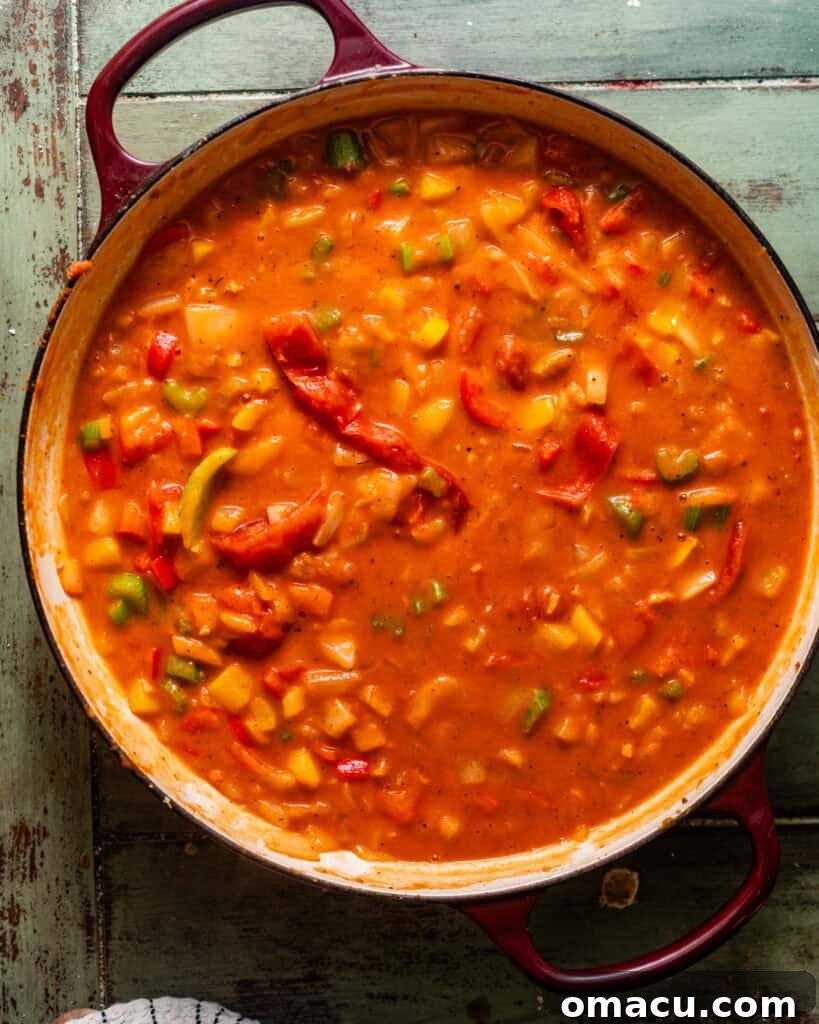
Step 3: Build and Simmer the Flavorful Sauce.
Pour in the can of stewed tomatoes, seafood stock (or chicken stock), and add the bay leaves along with 1 tablespoon of Worcestershire sauce and 1 teaspoon of chicken bouillon paste (if using, for extra depth). Stir everything together thoroughly to ensure all ingredients are well integrated. Bring the mixture to a gentle simmer, then reduce the stove heat to low, cover the pot with a lid, and let it simmer for 25-30 minutes. During this time, the vegetables will become incredibly tender, and the sauce will gradually thicken to a consistency that beautifully coats the back of a spoon. It should still be silky enough to pour effortlessly over rice. After simmering, stir in 1/2 cup of heavy cream and 1 tablespoon of fresh lemon juice. Taste the sauce and adjust seasonings with salt and freshly ground black pepper as needed to achieve your desired flavor balance.
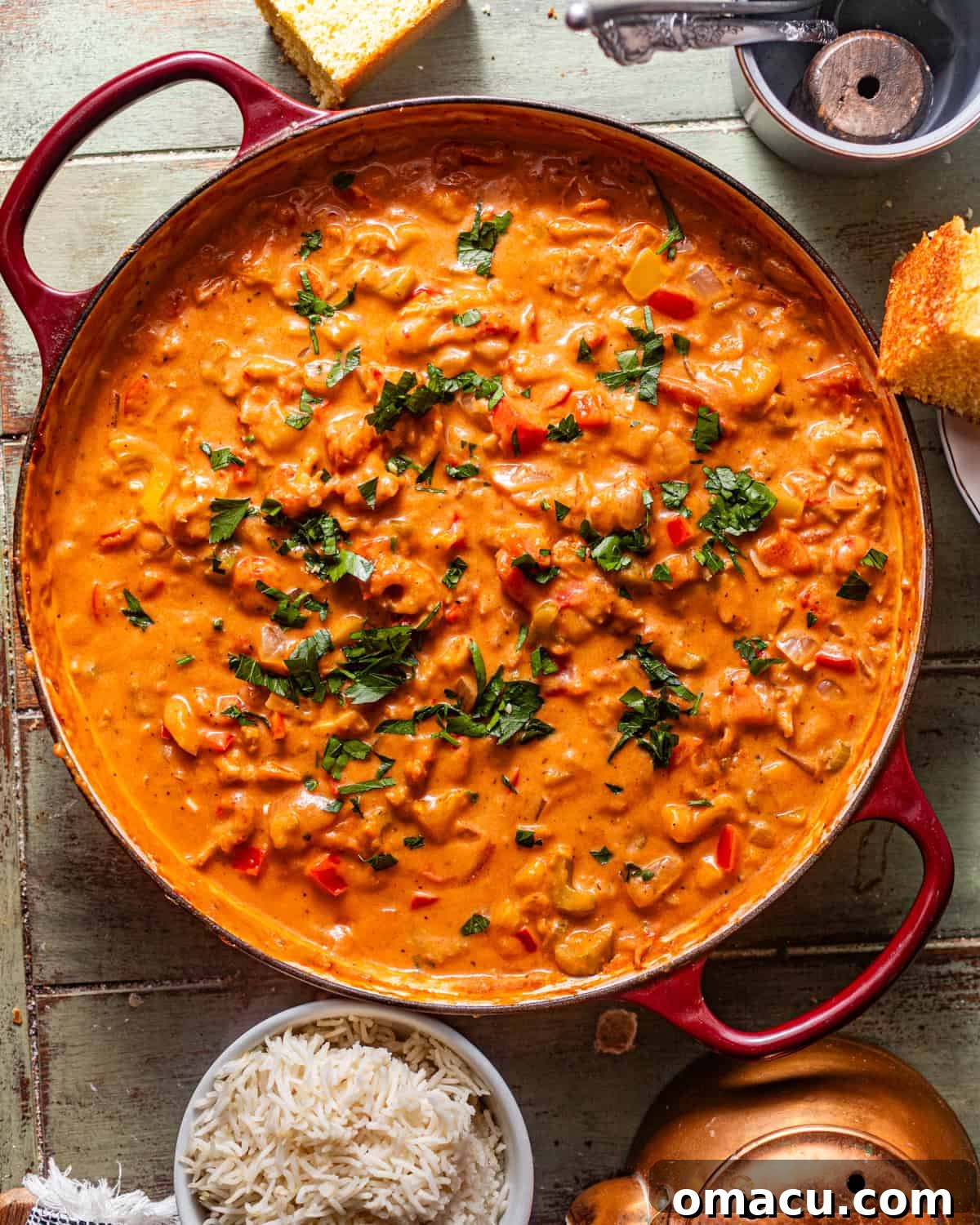
Step 4: Incorporate Crawfish and Serve.
Once the sauce has reached its desired thickness and flavor, gently fold in the rinsed and drained crawfish tails. Stir them into the warm sauce and cook for only about 5-7 minutes, just until the crawfish are thoroughly heated through. Remember, overcooking will make them rubbery. Remove the pot from the heat. For the absolute best results and to allow the complex flavors to truly meld and deepen, let the étouffée rest for at least 30 minutes before serving. Garnish generously with freshly chopped parsley or sliced green onions for a burst of freshness and color, and serve hot over beds of fluffy white rice.
Pro Tips and Common Mistakes to Avoid for Perfect Étouffée
Achieving a restaurant-quality Cajun Crawfish Étouffée is within reach with these expert tips and awareness of common pitfalls:
- Prevent Overcooking the Crawfish: This is the most crucial tip for tender, flavorful crawfish. Since most store-bought crawfish tails are already cooked, they only need to be gently warmed through in the sauce for a maximum of 5-7 minutes. Adding them too early or cooking them too long will inevitably lead to a rubbery, unpleasant texture. Always add the crawfish at the very end of the cooking process.
- Stir Your Roux Continuously: The roux requires your undivided attention. Use a wooden spoon (to protect your pot’s surface) and stir constantly, especially during the 25-30 minutes it takes to achieve a light golden, peanut-butter color. A moment’s distraction can lead to burning, and a burnt roux will impart a bitter flavor that will ruin the entire dish, necessitating a fresh start. This étouffée uses a blonde roux, which cooks faster than the darker roux used in gumbo, making vigilance even more important.
- Invest in a Heavy-Bottomed Pot or Dutch Oven: For consistent and even heat distribution, essential for both the roux and the simmering process, a heavy-bottomed skillet or Dutch oven is indispensable. This prevents hot spots that can cause the roux to burn or the sauce to stick and scorch on the bottom.
- Don’t Rush the “Holy Trinity”: The onion, celery, and bell pepper need to be cooked until they are very soft and fragrant, not just translucent. This allows their natural sugars to caramelize slightly and their flavors to fully release into the base of the sauce, forming a critical flavor layer.
- Taste and Adjust Seasoning: Cajun seasoning blends vary greatly in salt content and spice levels. Always taste your sauce before adding additional salt and pepper. It’s much easier to add more seasoning than to correct an overly salty or spicy dish.
- Allow for Resting Time: As mentioned in our “Why This Recipe Works” section, giving the étouffée at least 30 minutes to rest after cooking allows the flavors to deepen and meld, resulting in a much more harmonious and satisfying dish. If time permits, letting it rest for a few hours or even overnight will yield an even richer flavor.
Perfect Pairings: What to Serve with Crawfish Étouffée

Cajun Crawfish Étouffée is a hearty, flavorful dish that shines brightest when served with complementary sides. Traditionally, it’s always spooned generously over a mound of fluffy, steamy white rice, which soaks up every bit of the exquisite sauce. A sprinkle of freshly sliced green onions or chopped parsley adds a vibrant pop of color and freshness. And for those who love an extra kick, a dash of your favorite hot sauce is a must!
To round out this authentic Southern feast, consider pairing your étouffée with these delightful additions:
- Honey Butter Cornbread: The slightly sweet and crumbly texture of cornbread, especially with a honey butter glaze, offers a wonderful contrast to the savory étouffée, perfect for soaking up any leftover sauce.
- Cheesy Garlic Bread: For a truly indulgent experience, a crispy, cheesy garlic bread provides a delightful textural and flavor counterpoint.
- Slow Cooker Collard Greens: Tender, flavorful collard greens, slow-cooked to perfection, offer a healthy and traditional Southern side that balances the richness of the étouffée.
- Southern Slow Cooker Green Beans: Another classic Southern vegetable dish, these tender green beans cooked with ham hocks or bacon are a comforting and savory accompaniment.
More Soul-Satisfying Southern Comfort Recipes You’ll Love
Main Course
Cajun Shrimp and Grits
Main Course
Seafood Boil Recipe with Garlic Butter Sauce
Main Course
Easy Louisiana Dirty Rice Recipe
Main Course
Louisiana Shrimp Creole Recipe
Want more delicious and beautiful recipes delivered straight to your inbox? Subscribe to my newsletter to receive the latest seasonal creations as soon as they’re released!
If you try this incredible Cajun Crawfish Étouffée recipe, please consider leaving a star rating on the recipe card below and sharing your thoughts in the comments! You can also tag @BritneyBreaksBread on Instagram and use the hashtag #britneybreaksbread so I can celebrate your beautiful culinary creations!
Authentic Cajun Crawfish Étouffée Recipe
Britney
20
1 30
1 50
6

Equipment
-
Dutch Oven (or large heavy-bottom pot)
Ingredients
- 1 lb Pre-cooked Crawfish Tail Meat
- 8 tbsp Salted Butter
- 1/2 cup All Purpose Flour
- 1 large Yellow Onion, (diced)
- 2 Bell Peppers, (diced – I used a mix of orange and red bell peppers but any color works)
- 3 Celery Stalks, (diced)
- 6 cloves Garlic, (diced)
- 1 1/2 tbsp Cajun Seasoning, (if your Cajun seasoning blend has salt, be careful with adding more salt and be sure to taste as you go to prevent the dish from being too salty)
- 2 tsp Onion Powder
- 2 tsp Garlic Powder
- 1/2 tsp Dried Oregano
- 2 tbsp Tomato Paste
- 1 tsp Chicken Bouillon Paste
- 2 Bay Leaves
- 1 can Stewed Tomatoes, (undrained)
- 2 1/2 cups Seafood Stock, (chicken stock also works here)
- 1/2 cup Heavy Cream
- 1 tbsp Fresh Lemon Juice
- 1 tbsp Worcestershire Sauce
- Salt and Pepper, (to taste)
- Fresh Parsley or Green Onions, (for garnish)
Instructions
-
Prep the Crawfish: Place your thawed pre-cooked crawfish tail meat into a bowl and rinse thoroughly with cool water. This essential step removes any dirt or debris, ensuring a clean and fresh flavor. Drain well and set aside. (This step is optional but highly recommended for best results.)
-
Make the Roux: In a large, heavy-bottomed pot or Dutch oven, melt 8 tbsp of salted butter over medium-low heat. Once the butter is fully melted, gradually whisk in 1/2 cup of all-purpose flour. Continue to stir constantly with a wooden spoon for approximately 25-30 minutes, until the roux develops a beautiful, light golden color reminiscent of peanut butter. Do not leave the pan unattended, as the roux can burn quickly. If it burns, it cannot be salvaged, and you’ll need to start fresh. (Pro tip: if you observe certain spots browning faster than others, periodically rotate the pan to ensure even cooking.)
-
Sauté Aromatics and Season: Once your roux is perfectly colored, add the diced yellow onion, bell peppers, and celery to the pot. Increase the stove to medium heat and cook for 5-7 minutes, stirring frequently, until the vegetables are softened and fragrant. Next, stir in the 6 cloves of diced garlic, 1 1/2 tbsp Cajun seasoning, 2 tsp onion powder, 2 tsp garlic powder, 1/2 tsp dried oregano, 2 tbsp tomato paste, and 1 tsp chicken bouillon paste. Continue to cook for another 5 minutes, stirring the pot constantly until all ingredients are thoroughly mixed and the tomato paste has slightly deepened in color, indicating its flavor has become more concentrated. (If you’re using a salt-free Cajun seasoning blend, I recommend adding salt and pepper to taste during this stage.)
-
Simmer the Sauce to Perfection: Add the 1 can of stewed tomatoes (undrained), 2 1/2 cups of seafood stock, 2 bay leaves, and 1 tbsp of Worcestershire sauce to the pot. Stir vigorously to ensure everything is properly mixed and then cover with a lid. Reduce the stove heat to low and allow the sauce to simmer gently for 25-30 minutes, or until the vegetables are very soft and the sauce has thickened sufficiently to coat the back of a spoon. Finally, stir in 1/2 cup of heavy cream and 1 tbsp of fresh lemon juice. Taste the sauce and adjust salt and pepper as needed to achieve your preferred flavor balance. Remove the bay leaves before proceeding.
-
Add Crawfish and Rest: Once the sauce is fully incorporated and seasoned, gently fold in the rinsed crawfish tail meat. Stir them into the warm sauce and cook for only about 5-7 minutes, just until they are heated throughout. Remove the pot from the heat immediately to prevent overcooking the crawfish. For the best possible flavor, let the étouffée rest for at least 30 minutes before serving; this allows the flavors to meld and deepen significantly. Garnish generously with fresh parsley or diced green onions, and serve hot over fluffy white rice.
Nutrition
Carbohydrates: 24g,
Protein: 8g,
Fat: 24g,
Saturated Fat: 14g,
Polyunsaturated Fat: 1g,
Monounsaturated Fat: 6g,
Trans Fat: 1g,
Cholesterol: 75mg,
Sodium: 778mg,
Potassium: 579mg,
Fiber: 3g,
Sugar: 8g,
Vitamin A: 1992IU,
Vitamin C: 44mg,
Calcium: 115mg,
Iron: 3mg
Nutrition information is an approximation based on standard calculations and ingredient data.