
Prepare to fall in love with this **Ultimate Moist Lemon Loaf Recipe**, a truly irresistible baked delight that promises an explosion of vibrant lemon flavor in every bite. This loaf isn’t just moist; it’s ultra-moist, thanks to a thoughtful combination of ingredients and techniques, crowned with a silky, tangy lemon glaze that adds an extra layer of zesty sweetness. The harmonious blend of a super soft cake texture, intensely fresh lemon notes, and the creamy, bright glaze makes this recipe an absolute showstopper. Whether you’re seeking a delightful morning treat, an elegant dessert, or the perfect accompaniment to your afternoon tea, this lemon loaf is guaranteed to impress.
If you’re a true lemon enthusiast, don’t stop here! Explore other exquisite lemon desserts like this Lemon Creme Brulee, the aromatic Lemon Olive Oil Cake, or the delightful Lemon Blackberry Cake for more citrus-infused joy.

Why This Lemon Loaf is the Best You’ll Ever Bake
This easy **Lemon Loaf Cake recipe** has quickly become a cherished obsession, and for good reason. Unlike many recipes that offer a mere whisper of citrus, this cake delivers a powerful, undeniable lemon punch from the very first bite. The cake itself is incredibly **soft, tender, and buttery**, reminiscent of a classic lemon pound cake, but elevated with a dual lemon treatment: a delicate lemon syrup soaked into the warm cake, followed by a vibrant, sweet lemon glaze. This layered approach ensures maximum flavor and unparalleled moisture.
My quest for the ultimate lemon cake led me through countless recipes, many of which left me craving a more pronounced, tangy lemon flavor. This recipe, however, stands in stark contrast. It achieves a perfect equilibrium between bright lemon and comforting vanilla notes, utilizing both **fresh lemon zest** and **lemon extract** to guarantee that sensational citrus explosion in every single mouthful. For all the devoted lemon lovers out there, this recipe is an absolute must-add to your collection – seriously, bookmark it now!
Forget about the Starbucks version; while popular, this homemade lemon loaf is, quite simply, a million times better. I’ve personally experimented with numerous copycat recipes, and I can confidently declare that this is truly the finest lemon loaf you will discover anywhere online. My conviction on this is unwavering. What makes it even more appealing is that this classic lemon loaf calls for nothing more than simple, readily available ingredients that are likely already stocked in your pantry. Let’s embark on this baking journey together to create this exquisitely moist lemon cake, guided by detailed step-by-step instructions and photos, ensuring it becomes your new **foolproof, tried-and-true go-to** lemon loaf recipe.
Table of Contents
- Key Ingredients for an Unforgettable Lemon Loaf
- Substitutions and Creative Variations
- How to Bake the Perfect Lemon Loaf Cake
- Expert Tips for Your Lemon Loaf
- Storing Your Delicious Lemon Loaf
- Lemon Loaf Recipe FAQs
- More Irresistible Cake Recipes
- Full Lemon Loaf Recipe Card
Key Ingredients for an Unforgettable Lemon Loaf
Crafting the perfect lemon loaf begins with understanding the role of each ingredient. Here’s a closer look at the stars of this recipe:
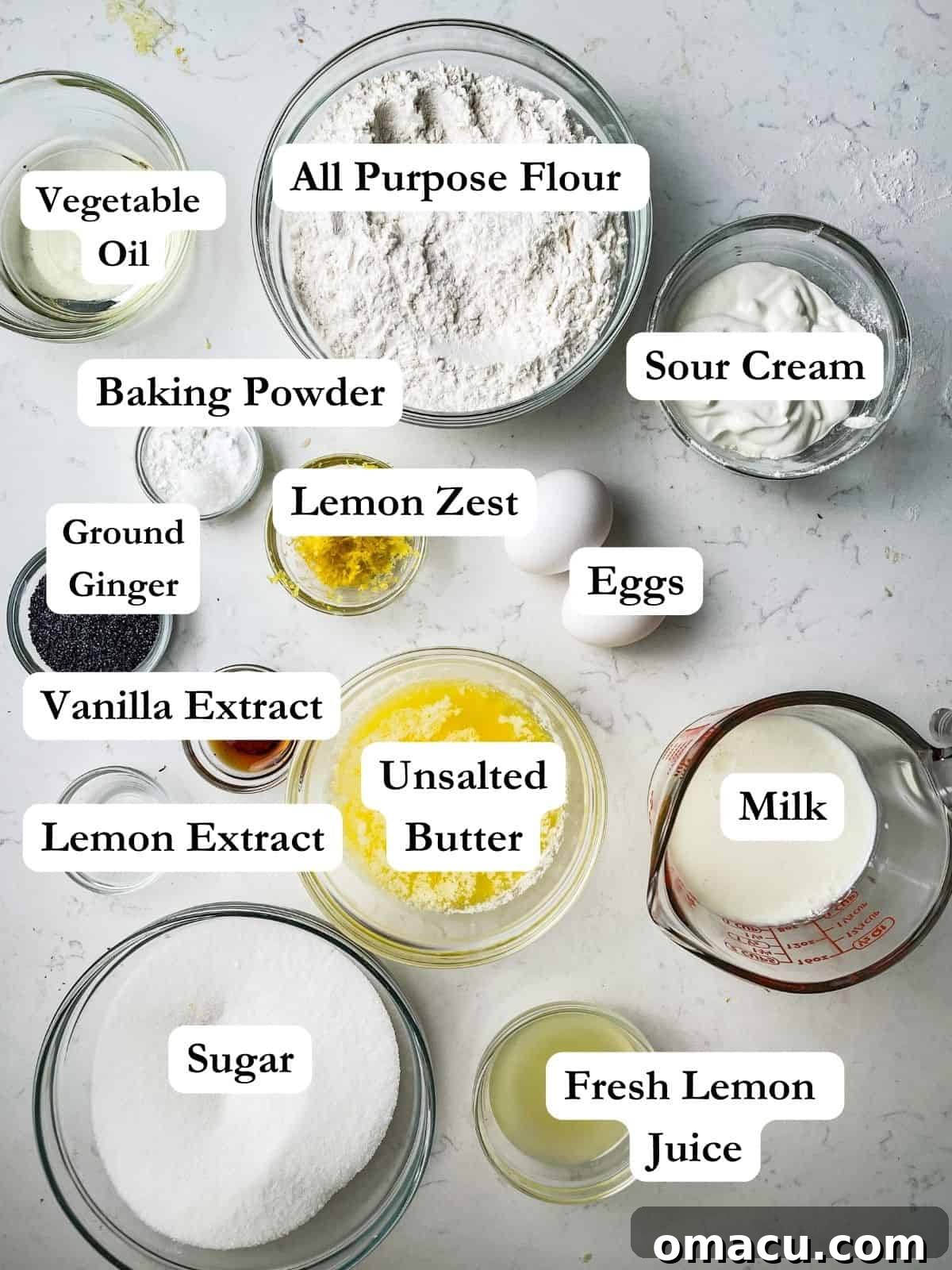
(A full, precise list of ingredients with measurements can be found in the comprehensive recipe card below.)
- Cake Flour: This is our secret weapon for a truly tender, delicate crumb. Its lower protein content, compared to all-purpose flour, prevents the cake from becoming tough, ensuring a supremely soft and moist texture that enhances the overall mouthfeel of the loaf.
- Baking Powder: The primary leavening agent in this recipe, baking powder works its magic by releasing carbon dioxide during baking. This process creates countless tiny air pockets, resulting in that wonderfully light and fluffy texture we all crave in a perfect cake.
- Ground Ginger: Yes, ground ginger! This might seem like an unconventional addition to a lemon cake, but trust me, it’s a game-changer. Ginger subtly enhances and brightens the lemon flavor without being overtly noticeable itself. It’s a trick I also swear by in my lemon cream cheese pound cake.
- Kosher Salt: I prefer using kosher salt due to its larger crystals, which allow for better flavor distribution and a more controlled level of saltiness in the batter, perfectly balancing the sweetness.
- Fresh Lemon Zest: The true essence of lemon comes from its zest. By pinching it into the granulated sugar, we release its fragrant oils, infusing the sugar with a beautiful, intensely fresh lemony aroma and flavor that permeates the entire cake.
- Granulated Sugar: Essential not only for providing delightful sweetness but also crucial for retaining moisture, ensuring your loaf remains tender and delicious for days.
- Unsalted Butter & Butter-Flavored Shortening: Unsalted butter contributes a rich, complex flavor, deep moisture, and promotes a beautiful golden-brown crust. Butter-flavored shortening, on the other hand, is key for a softer, more stable crumb. It adds buttery notes without the extra water content of butter, ensuring a consistently moist and evenly textured loaf that holds its shape beautifully.
- Vegetable Oil: To keep this lemon loaf exceptionally moist and tender, vegetable oil adds a necessary fat component without solidifying when cooled, which helps create a soft crumb that stays fresh longer. Neutral oils like olive oil, canola oil, or grapeseed oil can also be used.
- Eggs: Eggs are multifunctional superheroes in baking. They provide essential structure, incorporate air into the batter for lightness, and contribute significant moisture, resulting in a well-balanced and cohesive cake.
- Lemon Extract: For an intensified citrus experience, lemon extract provides a concentrated burst of lemon flavor, ensuring that bright tang shines through even after baking.
- Vanilla Extract: A touch of vanilla extract is crucial for rounding out the strong citrus profile, adding a warm, sweet undertone that creates a more complex and harmonious flavor.
- Sour Cream: The secret to this cake’s incredible moistness and adds a subtle, pleasant tang that perfectly complements and enhances the lemon flavor. Room temperature sour cream integrates best.
You will also need a **9×5 inch loaf pan** for baking this delightful cake.
Substitutions and Creative Variations
This recipe is wonderfully adaptable! Feel free to experiment with these suggestions to suit your preferences or what you have on hand:
- Lemon Extract Alternative: If you find yourself without lemon extract, don’t fret! You can substitute it with 2 tablespoons of fresh lemon juice for a natural zest. For the most authentic flavor, always opt for fresh lemons over bottled juice.
- No Cake Flour? No Problem! While cake flour yields the most tender results, you can certainly use all-purpose flour in a pinch. Alternatively, you can easily make your own homemade cake flour by blending all-purpose flour with a small amount of cornstarch.
- Gluten-Free Option: To make this loaf gluten-free, simply swap the regular flour for your preferred 1-to-1 gluten-free baking flour blend.
- Shortening Substitute: If butter-flavored shortening isn’t available, you can replace it entirely with unsalted butter for a quick and easy swap. The texture may be slightly different but still delicious.
- Add Poppy Seeds: Transform this iced lemon loaf into a classic lemon poppy seed cake by incorporating 2 tablespoons of poppy seeds into the cake batter. Their subtle crunch and nutty flavor are a fantastic addition.
- Explore Other Citrus Flavors: Don’t limit yourself to just lemon! Mix things up by swapping lemon zest and juice for other delightful citrus fruits like grapefruit, orange, more subtle Meyer lemons, or even zesty limes. Each will lend a unique character to your loaf.
How to Bake the Perfect Lemon Loaf Cake
Follow these simple steps to create a truly irresistible lemon loaf that will become a cherished recipe in your kitchen:
- First, preheat your oven to 325 degrees F (160 degrees C). Prepare a 9×5 inch loaf pan by lining it with parchment paper, leaving an overhang on the long sides to easily lift the cooled loaf. Set aside.
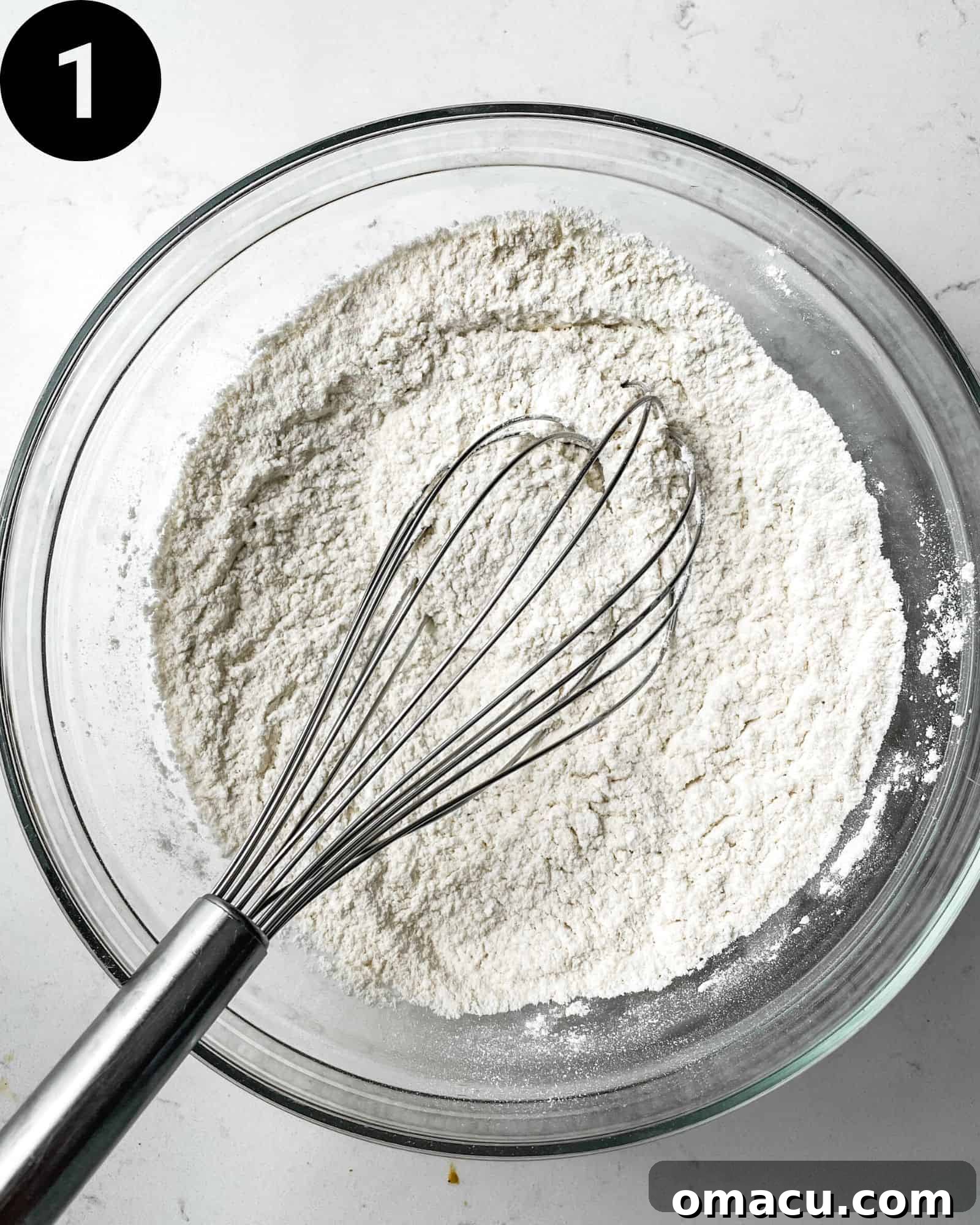
Step 1: Combine Dry Ingredients. In a medium bowl, thoroughly whisk together the cake flour, baking powder, ground ginger, and kosher salt. Ensure they are well combined for even rising and flavor.
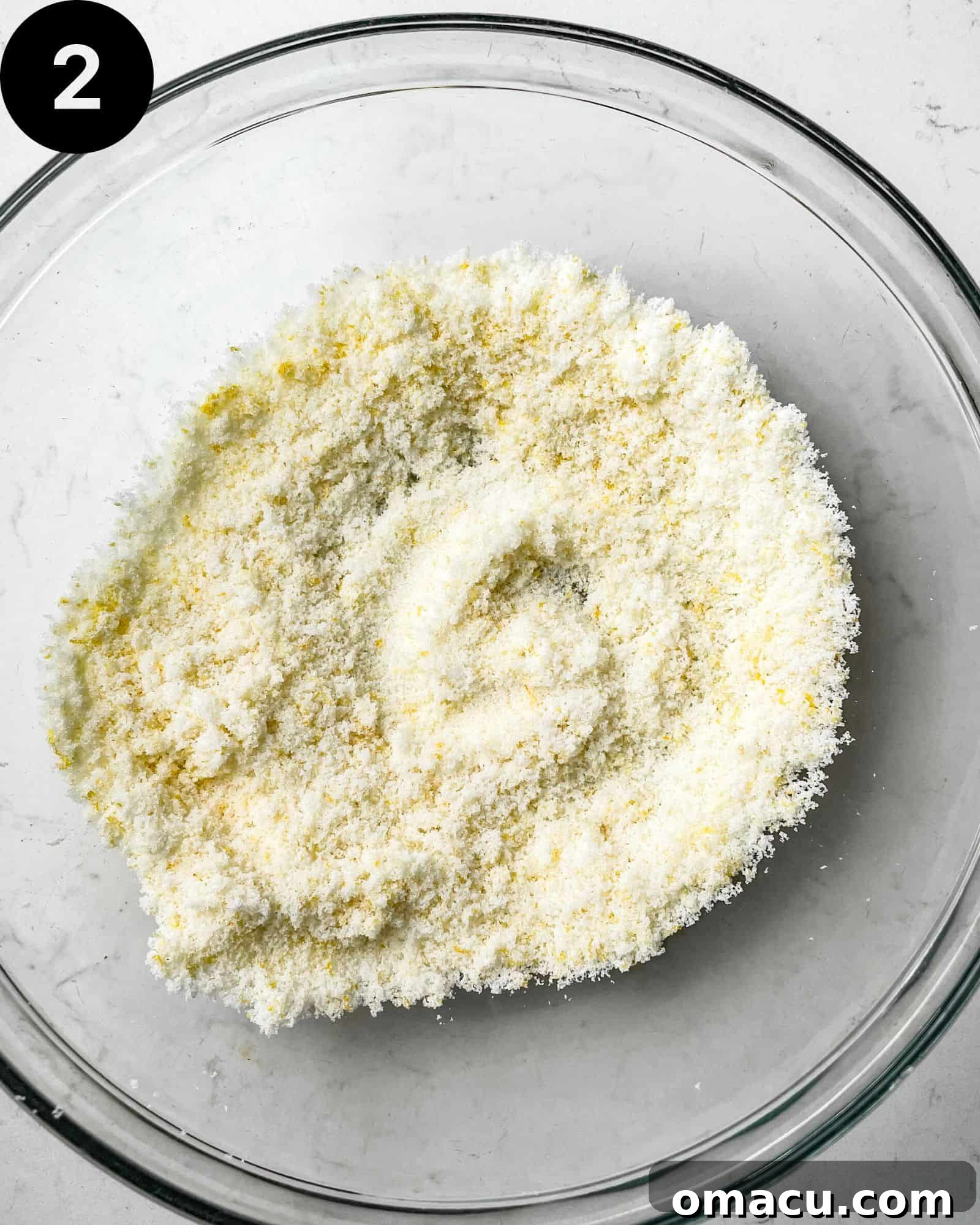
Step 2: Create Lemon Sugar. In a separate, small bowl, combine the fresh lemon zest with the granulated sugar. Using your fingertips, vigorously pinch and rub the zest into the sugar for about 3 minutes. This crucial step releases the vibrant oils from the zest, infusing the sugar with intense lemon flavor, and you’ll notice the sugar turning a pale yellow.
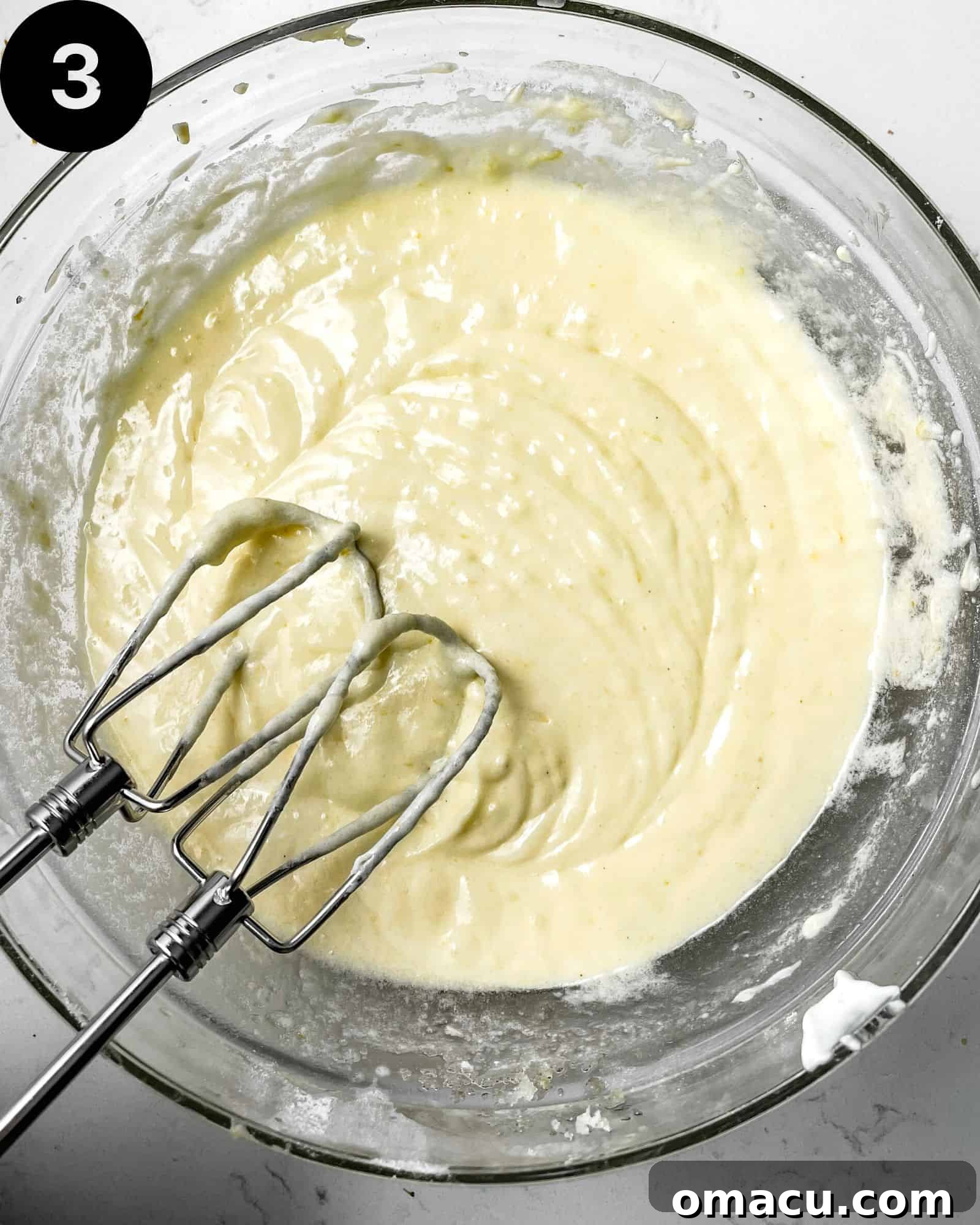
Step 3: Cream Wet Ingredients. In the bowl of a stand mixer fitted with the paddle attachment (or using an electric hand mixer), add the room temperature unsalted butter, butter-flavored shortening, vegetable oil, and the prepared lemon sugar. Cream these ingredients together on medium speed for a full 5 minutes until the mixture is light, fluffy, and noticeably pale yellow. This process incorporates air, which is vital for a light cake. Next, add the eggs one at a time, mixing well after each addition until fully incorporated. Stir in the lemon extract and vanilla extract, continuing to mix until everything is just combined.
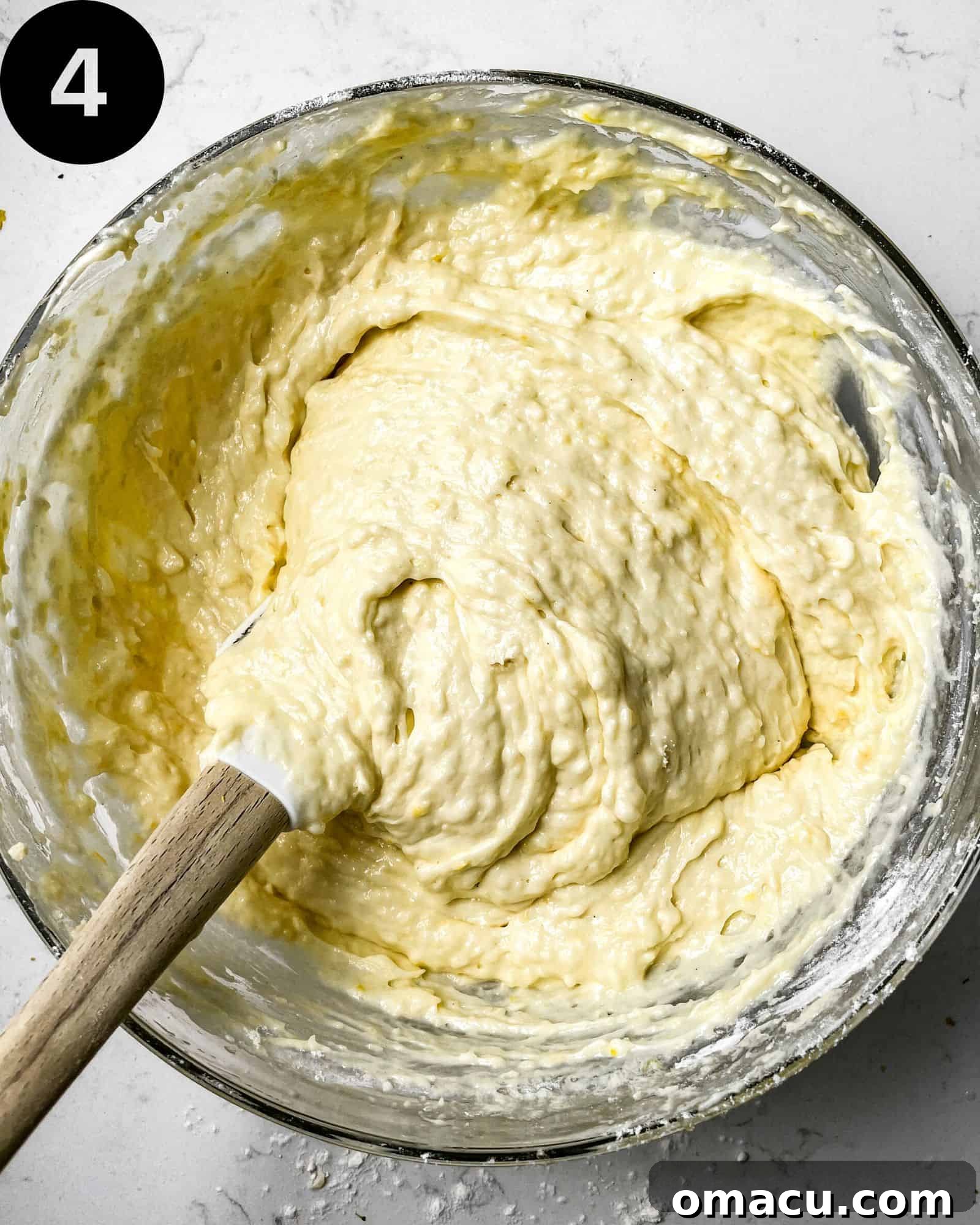
Step 4: Combine Wet and Dry Mixtures. Gradually add half of the whisked dry flour mixture into the wet ingredients in the stand mixer bowl. Mix on low speed until just combined. Then, add the room temperature sour cream and mix until incorporated. Finally, add the remaining dry ingredients, mixing only until the batter is smooth and no streaks of flour remain. Be careful not to overmix, as this can lead to a tough loaf.
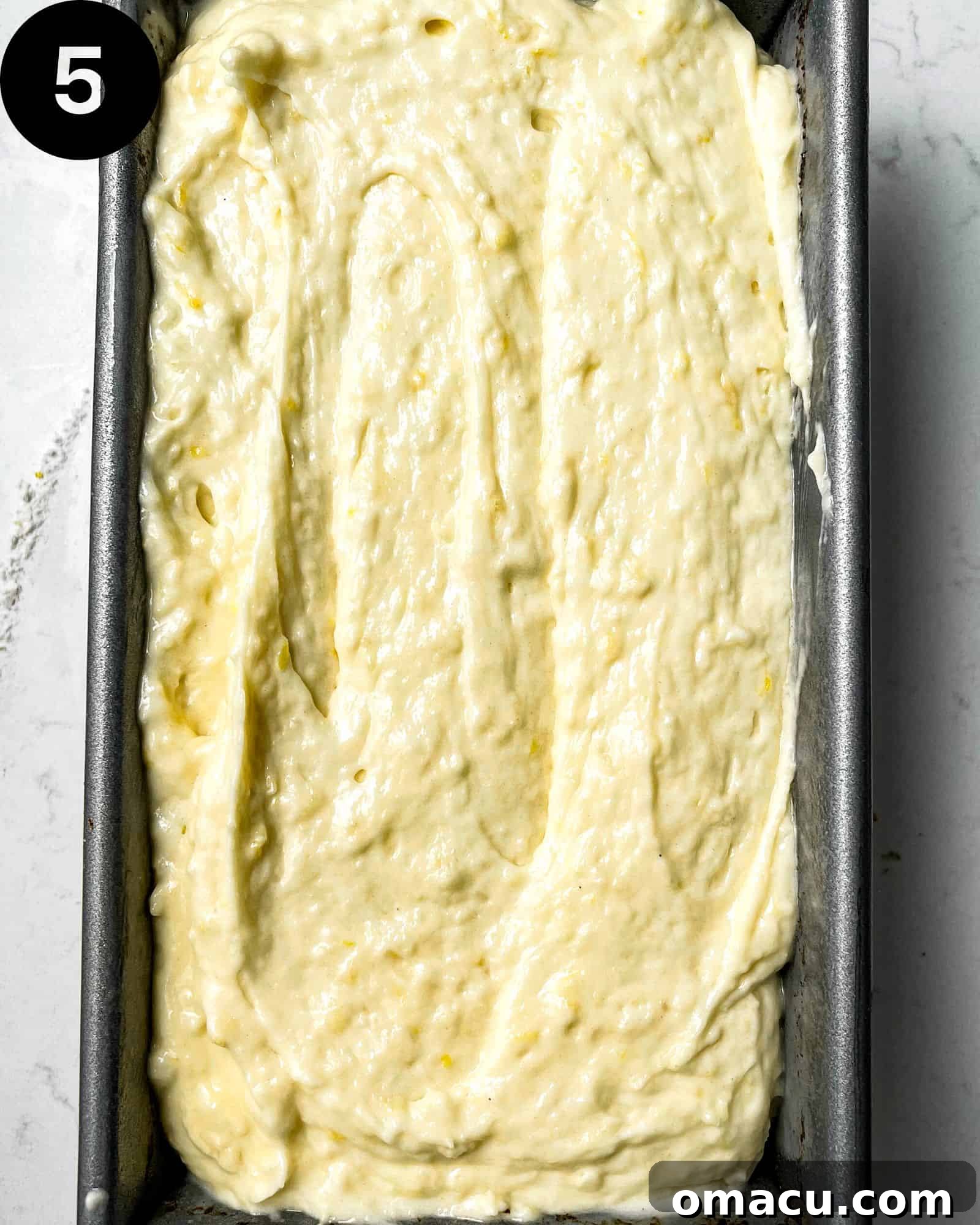
Step 5: Bake the Loaf & Prepare Syrup. Pour the smooth batter evenly into the prepared loaf pan. Bake for 1 hour and 15-20 minutes, or until a wooden skewer or toothpick inserted into the center of the loaf comes out clean. While the cake is baking, prepare the lemon syrup: In a small saucepan, combine sugar and water. Bring the mixture to a boil over medium heat and continue to boil for about 3-5 minutes, stirring until the sugar has completely dissolved. Remove from heat, stir in the lemon juice, and set aside to cool.
Step 6: Syrup Soak. As soon as the cake comes out of the oven, while it’s still hot, gently pour the cooled lemon syrup evenly over the entire surface of the cake. Allow the loaf to cool in the pan for 5 minutes, giving the syrup time to fully absorb. Then, carefully lift the cake out of the pan using the parchment paper overhang and transfer it to a wire rack to cool completely.

Step 7: Glaze and Serve. While the cake is cooling completely on the wire rack, prepare the lemon glaze: In a medium bowl, whisk together the powdered sugar, fresh lemon juice, milk, and sour cream until the mixture is completely smooth and free of lumps. Adjust consistency with more milk or powdered sugar if needed. Once the loaf has cooled completely to room temperature, generously pour the prepared glaze over the top, allowing it to drip down the sides for a rustic, inviting look. Let the glaze set for a few minutes before slicing and serving. Enjoy your homemade masterpiece!
Expert Tips for Your Lemon Loaf
Achieve bakery-quality results every time with these valuable pro tips:
- Creaming is Key: Don’t rush the creaming process! Make sure to cream the butter, shortening, oil, and lemon sugar together for the full 5 minutes. This extended creaming beats plenty of air into the mixture, which is fundamental for a light, fluffy, and tender cake. You’ll know it’s ready when the mixture turns a visibly pale yellow and is very light in texture. Only then should you start adding the eggs.
- Room Temperature Ingredients: For the absolute best results, always ensure all your cold ingredients – butter, eggs, and sour cream – are at room temperature. This is crucial for preventing the batter from curdling or separating, allowing for a smooth, homogenous mixture that bakes evenly and results in a superior texture.
- Maximize Lemon Zest Flavor: When combining the lemon zest with sugar, take your time and truly “pinch” or rub them together for at least 3 minutes. This physical action helps to extract and release all the aromatic essential oils from the zest directly into the sugar, significantly amplifying the fresh lemon flavor throughout your loaf. This simple step makes a huge difference!
- Mixer Preference: While I highly recommend using a stand mixer for its efficiency in creaming, it’s not a strict requirement for this recipe. A good electric hand mixer will also do an excellent job, just ensure you cream for the full recommended time.
- Prevent Over-Browning: If you notice the top of your lemon loaf browning too quickly during the baking process, especially towards the end, simply tent the loaf pan loosely with a piece of aluminum foil. This will protect the top from excessive browning while allowing the inside to continue baking thoroughly.

Storing Your Delicious Lemon Loaf
Proper storage is key to keeping your lemon loaf fresh and delicious for as long as possible:
Room Temperature Storage: Store any leftover slices of your lemon loaf in an airtight container at room temperature. It will remain wonderfully fresh and moist for up to 5 days. I generally do not recommend storing this particular loaf in the refrigerator, as the cold environment can unfortunately cause it to dry out more quickly and diminish its tender texture.
Freezing for Later: This lemon loaf freezes beautifully! Once the cake has completely cooled and the glaze has fully set, carefully wrap the entire loaf or individual slices tightly in plastic wrap. Then, place the wrapped loaf into an airtight freezer-safe container or a heavy-duty freezer bag to protect it from freezer burn. It can be stored in the freezer for up to 3 months. When you’re ready to enjoy, simply thaw it at room temperature, and it will be almost as good as freshly baked!
Lemon Loaf Recipe FAQs
For the most appealing and stable glaze, it’s essential to wait until the loaf has cooled completely to room temperature. Applying glaze to a warm cake will cause it to melt and absorb rather than forming that beautiful, distinct outer layer.
A sinking loaf is a common baking frustration, and several factors can contribute to it. The most frequent culprit is underbaking; if the cake isn’t fully cooked through, its structure won’t be set, causing it to collapse as it cools. Always use a toothpick inserted into the deepest part of the cake – it should come out clean, possibly with a few moist crumbs, but no wet batter. Another often overlooked reason can be expired baking powder. Leavening agents lose their potency over time, so always check their freshness before you begin baking!
The distinctions are primarily in shape and proportion, rather than fundamental ingredients. Loaf cakes are, quite simply, cakes baked in a rectangular loaf pan, giving them their characteristic oblong shape. Regular cakes, in contrast, are typically baked in round, square, or Bundt pans. Due to the different pan sizes and shapes, loaf cake recipes are often formulated with slightly different ingredient quantities and sometimes a denser crumb than traditional layer cakes to accommodate the baking environment and desired texture.
More Irresistible Cake Recipes to Try
If you loved this lemon loaf, you’ll surely enjoy exploring these other delightful cake creations from my kitchen:
- Decadent Chocolate Ganache Cake
- Refreshing Lemon Blueberry Sheet Cake
- Sweet Strawberry Crunch Cake
- Classic Red Velvet Bundt Cake
- Elegant Lemon Cream Cake with Saffron Glaze
- Rich Black Velvet Cake
- Fragrant Cardamom Cake
Want even more delicious and beautiful recipes delivered straight to your inbox? Subscribe to my newsletter to receive the latest seasonal creations as soon as they’re released and never miss a single mouth-watering update!
If you bake this incredible Lemon Loaf, please take a moment to leave a star rating on the recipe card below and share your thoughts in the comments! Your feedback means the world. You can also proudly tag @BritneyBreaksBread on Instagram and use the hashtag #britneybreaksbread so I can celebrate your beautiful baking creations with you!
Lemon Loaf Recipe
By Britney
Prep Time: 25 mins
Cook Time: 1 hr 20 mins
Total Time: 1 hr 45 mins
Servings: 12 slices

This Lemon Loaf Cake is an exquisitely moist cake featuring a bright lemon flavor, generously topped with a sweet, tangy lemon glaze! It’s incredibly easy to make and so bursting with citrus notes that you’ll be completely captivated from your very first bite!
Equipment
- 9×5 inch loaf pan
- Stand mixer (optional, electric hand mixer works too)
- Medium mixing bowls
- Small saucepan
- Wire rack
Ingredients
For the Lemon Loaf:
- 2 1/4 cups (281 g) Cake Flour
- 1 tsp (4 g) Baking Powder
- 1 tsp (6 g) Kosher Salt
- 1/2 tsp (1 g) Ground Ginger
- 2 cups (400 g) Granulated Sugar
- 2 tbsp (12 g) Fresh Lemon Zest
- 1/2 cup (113 g) Unsalted Butter, room temperature
- 1/4 cup (56 g) Butter Flavored Shortening, room temperature
- 1 tbsp (14 g) Vegetable Oil
- 3 large (150 g) Eggs, room temperature
- 1 large (18 g) Egg Yolk, room temperature
- 2 tsp (10 g) Lemon Extract
- 1 tsp (4 g) Vanilla Extract
- 3/4 cup (180 g) Sour Cream, room temperature
For the Lemon Simple Syrup:
- 1/3 cup (80 g) Water
- 1/3 cup (67 g) Granulated Sugar
- 2 tbsp (30 g) Fresh Lemon Juice
For the Lemon Icing:
- 1 1/2 cups (180 g) Powdered Sugar
- 2 tbsp (30 g) Fresh Lemon Juice
- 1-2 tbsp (15 g) Milk (any kind, oat milk, almond milk, etc.)
- 2 tbsp (24 g) Sour Cream
Instructions
- Preheat your oven to 325 degrees F (160°C). Line a 9×5 inch loaf pan with parchment paper, allowing some overhang on the long sides for easy removal.
- In a medium bowl, whisk together the cake flour, baking powder, ground ginger, and kosher salt. Set aside.
- In a separate small bowl, combine the lemon zest and 2 cups of granulated sugar. Use your fingertips to pinch and rub them together for about 3 minutes until the sugar becomes fragrant and pale yellow.
- In the bowl of a stand mixer fitted with the paddle attachment (or using an electric hand mixer), add the room temperature unsalted butter, butter-flavored shortening, vegetable oil, and the lemon sugar. Cream on medium speed for 5 minutes until light, fluffy, and pale.
- Add the eggs, one at a time, mixing well after each addition. Stir in the lemon extract and vanilla extract until just combined.
- Add half of the dry flour mixture to the wet ingredients, mixing on low speed until just combined. Then, add the sour cream and mix until incorporated. Finally, add the remaining dry ingredients, mixing just until the batter is smooth and no flour streaks remain. Do not overmix.
- Pour the batter into the prepared loaf pan and spread evenly. Bake for 1 hour and 15-20 minutes, or until a wooden skewer or toothpick inserted into the center comes out clean.
- While the cake bakes, prepare the lemon simple syrup: In a small saucepan, combine 1/3 cup water and 1/3 cup sugar. Bring to a boil, stirring until sugar dissolves (about 3-5 minutes). Remove from heat, stir in 2 tbsp lemon juice, and let cool completely.
- As soon as the cake is out of the oven, immediately pour the cooled lemon syrup evenly over the hot cake. Allow the cake to cool in the pan for 5 minutes, then remove it onto a wire rack to cool completely to room temperature.
- Once the cake is completely cool, prepare the lemon icing: In a medium bowl, whisk together the powdered sugar, 2 tbsp lemon juice, 1-2 tbsp milk, and 2 tbsp sour cream until smooth and creamy.
- Pour the lemon icing evenly over the top of the cooled loaf, allowing it to drip down the sides for an attractive finish. Let the glaze set before slicing and serving.
Nutrition
Calories: 450 kcal
Carbohydrates: 44 g
Protein: 5 g
Fat: 29 g
Saturated Fat: 16 g
Polyunsaturated Fat: 3 g
Monounsaturated Fat: 7 g
Trans Fat: 1 g
Cholesterol: 131 mg
Sodium: 245 mg
Potassium: 68 mg
Fiber: 1 g
Sugar: 25 g
Vitamin A: 820 IU
Vitamin C: 2 mg
Calcium: 67 mg
Iron: 1 mg
Nutrition information is automatically calculated and should only be used as an approximation.