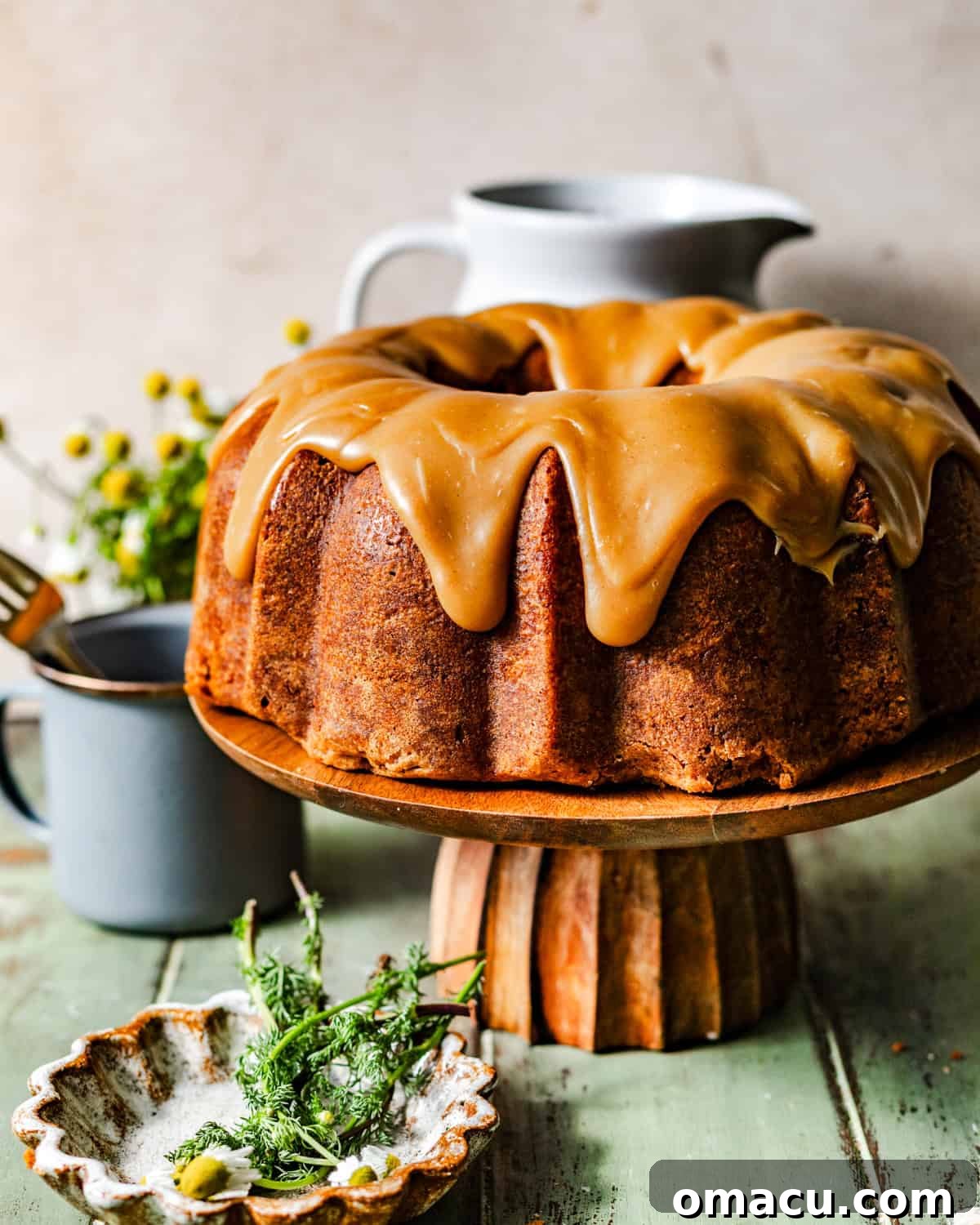
Indulge in the Ultimate Moist Peanut Butter Pound Cake with a Browned Butter Glaze
Prepare your taste buds for an unforgettable treat! This exquisite peanut butter pound cake isn’t just a dessert; it’s a culinary masterpiece. Rich, incredibly soft, and brimming with a deep, nutty peanut butter flavor, this cake is designed to impress. We’ve crafted it with a blend of browned butter, creamy peanut butter, and a touch of buttermilk to ensure an exceptionally moist crumb with a tender, buttery texture that melts in your mouth. To elevate it further, we crown this magnificent creation with a silky peanut butter fudge glaze, transforming every slice into a heavenly experience. It’s a guaranteed showstopper for any occasion!
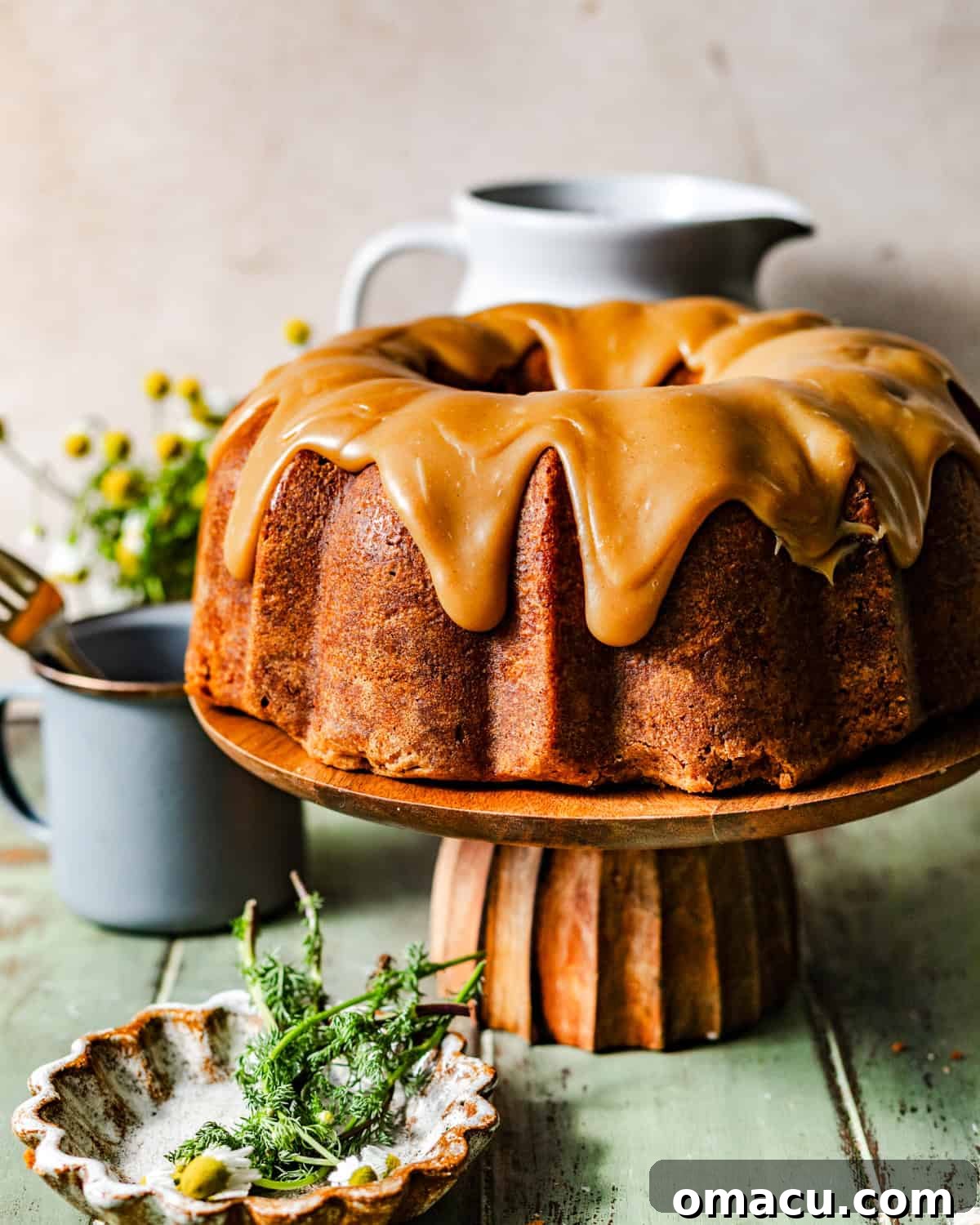
Calling all peanut butter enthusiasts! This delightful pound cake is a true ode to your favorite spread. As someone who cheerfully devoured a peanut butter and jelly sandwich almost daily throughout my school years, this recipe is a heartfelt tribute to those cherished childhood flavors. It’s more than just a cake; it’s a journey back to simple, comforting joys, reimagined with gourmet flair.
The Ultimate Peanut Butter Pound Cake: A Symphony of Flavors and Textures
What sets this peanut butter pound cake apart from the rest? It’s not merely about adding peanut butter to a standard recipe. Our approach involves building complex layers of flavor and texture, ensuring every bite is rich, moist, and utterly satisfying. We’ve meticulously developed this recipe to transcend the ordinary, delivering a dessert that truly stands out.
The secret begins with browned butter, a technique that introduces an incredible depth of caramelized, nutty richness. This process intensifies the natural flavor of the peanut butter, making it sing with a profound complexity. Furthermore, a hint of vegetable oil is incorporated not just for moisture, but to lock in that delightful softness for days, preventing the common woe of a dry pound cake by day two. This thoughtful addition ensures your cake remains fresh and tender, maintaining its bakery-quality texture long after it’s baked.
And for the grand finale, we skip the basic sugary glaze. Instead, we lavish this cake with a warm, velvety peanut butter fudge frosting. This luxurious frosting gently melts into the cake’s surface as it sets, creating a seamless, silky finish that mirrors the elegance of professional bakery confections. Every single ingredient and technique in this recipe serves a specific purpose, contributing to an unparalleled taste and texture. Once you try it, you’ll undoubtedly discern the remarkable difference.
👉 For more irresistible pound cake creations, be sure to explore my other recipes: the amazing coconut pound cake, the decadent butter pecan pound cake, and the delightfully rich cream cheese pound cake!
Ingredients Overview: Crafting the Perfect Crumb
(A full list of ingredients with precise measurements can be found in the detailed recipe card below.)
Achieving the perfect peanut butter pound cake relies on a carefully selected blend of ingredients, each playing a vital role in its flavor and texture. Here’s a closer look at the key components:
- Creamy Peanut Butter: This is the star of the show, imparting its signature rich, nutty flavor, along with essential fat and structure. Using creamy peanut butter ensures a consistently smooth texture throughout the cake, contributing to that desirable dense yet velvety pound cake crumb. Avoid natural peanut butter for this recipe, as its tendency to separate can lead to an oily or dense cake.
- Buttermilk: Far more than just liquid, buttermilk is crucial for adding unparalleled moisture and tenderness. Its inherent acidity works to soften the gluten in the flour, resulting in a lighter, more delicate crumb. It also plays a role in activating the baking powder for optimal lift.
- Vegetable Oil: While butter provides an incredible depth of flavor, a small amount of vegetable oil is a secret weapon for long-lasting moisture. Oil remains liquid at room temperature, keeping the cake soft and palatable for days, effectively combating dryness without compromising the rich buttery taste.
- Salted Butter (Browned & Room Temperature): This recipe employs a dual butter strategy for maximum impact. Half of the butter is browned, cooled, and then used at room temperature. Browned butter undergoes a transformation, developing a complex, toasted, nutty flavor that significantly enhances the cake’s overall profile. The remaining half of the butter is used at standard room temperature, unbrowned. This combination is key because while browned butter brings extraordinary flavor, it doesn’t aerate as well as regular room temperature butter. By including both, we achieve the best of both worlds: deep, caramelized notes from the browned butter and the necessary aeration and structure for a proper pound cake from the unbrowned butter. This technique, also featured in my cookie butter pound cake, ensures a truly balanced and superior result.
- Milk Powder: An optional yet highly recommended ingredient, milk powder is a flavor booster. When browned with the butter, it toasts, adding extra milk solids that deepen the caramelized, nutty notes, creating a richer, more complex taste reminiscent of professional bakery goods, all without introducing additional liquid that could alter the cake’s texture.
- All-Purpose Flour: This forms the foundational structure of the cake. When measured correctly (preferably by weight), all-purpose flour provides the necessary stability to hold the cake together, while still allowing for a soft, tender, and moist crumb that defines a great pound cake.
- Granulated Sugar & Brown Sugar: These sugars contribute not only sweetness but also moisture and tenderness. Granulated sugar aids in creaming with butter for aeration, while brown sugar adds a subtle molasses note and extra moisture, enhancing the cake’s overall softness.
- Large Eggs (Room Temperature): Eggs are essential for structure, richness, and binding the ingredients. Using room temperature eggs helps them incorporate more evenly into the batter, creating a smoother emulsion and a finer crumb.
- Vanilla Extract: A classic flavor enhancer, vanilla complements the peanut butter beautifully, adding a warm, aromatic note that elevates the cake’s overall appeal.
- Baking Powder, Kosher Salt, and Nutmeg: Baking powder provides the leavening, ensuring a slight lift and tender texture. Kosher salt balances the sweetness and enhances all the flavors. A hint of nutmeg adds a subtle spice that wonderfully complements the nutty profile of the peanut butter.
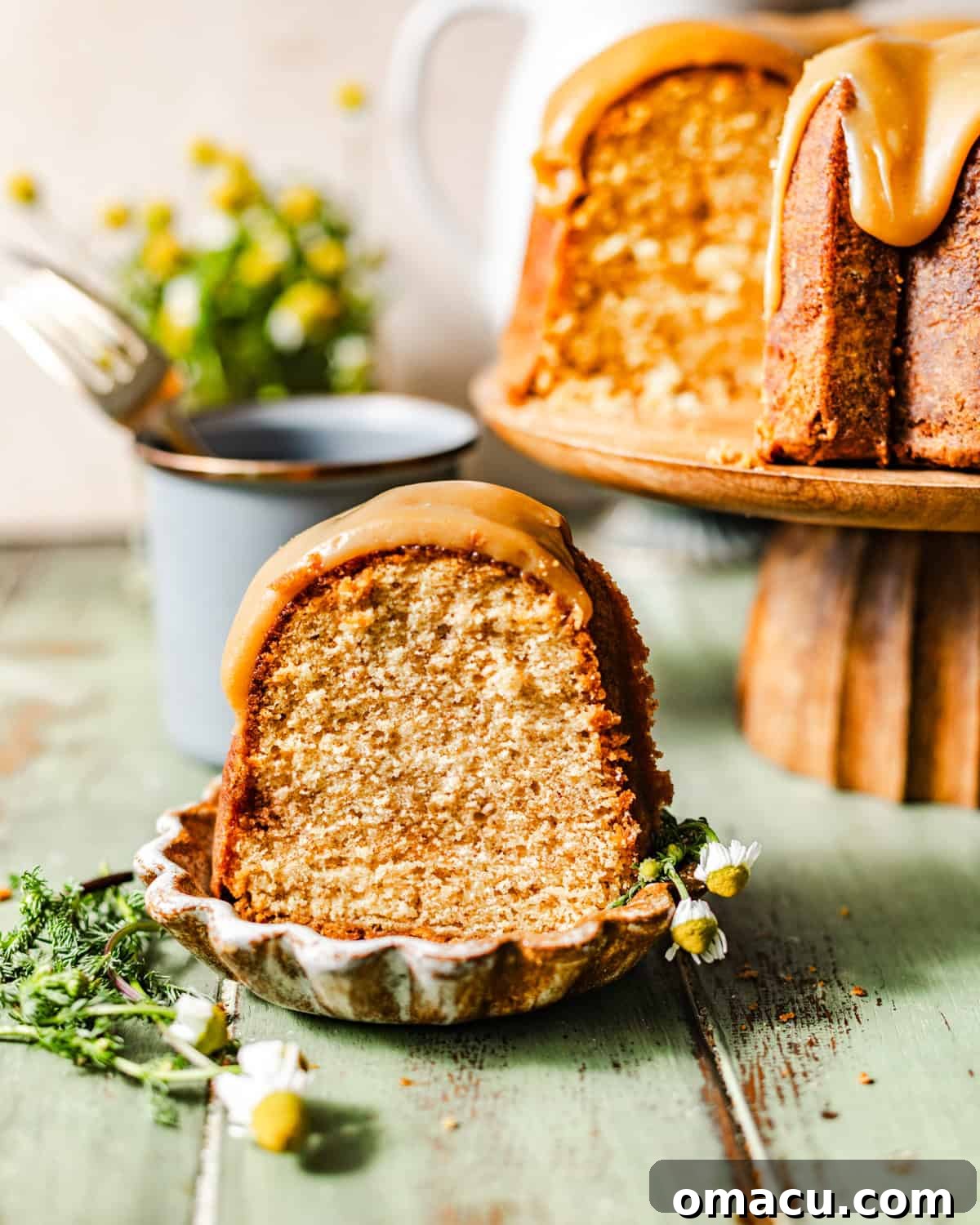
Why This Recipe Works: The Science Behind the Success
This peanut butter pound cake isn’t just delicious by chance; it’s the result of carefully considered techniques that optimize flavor and texture:
- The Magic of Browned Butter: Browning butter transforms its flavor profile from simple to complex, adding deep caramel and nutty notes. When combined with peanut butter, these flavors harmonize beautifully, creating a more sophisticated and intense taste experience that sets this pound cake apart.
- Balanced Moisture with Oil and Buttermilk: While butter provides richness, vegetable oil is added specifically to ensure the cake remains moist and tender for several days. Unlike butter, oil stays liquid at room temperature, keeping the crumb soft and preventing it from drying out. Buttermilk, with its acidity, tenderizes the gluten in the flour and reacts with the baking powder, contributing to a softer, lighter texture.
- The Right Ratio of Fats and Sugars: The precise balance of butter, oil, and both granulated and brown sugars is crucial. This combination not only provides rich flavor but also contributes to the cake’s structure, moisture retention, and characteristic dense-yet-tender crumb. Brown sugar, in particular, adds extra moisture due to its molasses content.
- The Luxurious Fudge Frosting: Moving beyond a simple glaze, our peanut butter fudge frosting melts into the warm cake, creating a luxurious, bakery-quality finish. This frosting adds another layer of rich peanut butter flavor and a creamy texture that perfectly complements the pound cake’s density.
- Room Temperature Ingredients: Using room temperature butter and eggs is vital. It allows them to emulsify properly, creating a smooth, cohesive batter that traps air effectively. This aeration is essential for a pound cake’s rise and tender crumb.
- Careful Mixing: The instructions emphasize creaming butter and sugars thoroughly for aeration, but then mixing in flour just until combined. Overmixing gluten-containing flour can lead to a tough, dense cake. This careful approach ensures a tender, desirable texture.
Creative Variations to Elevate Your Peanut Butter Pound Cake
This peanut butter pound cake is a star on its own, but it also serves as a fantastic canvas for creative additions and flavor variations. Here are a few ideas to customize your next bake:
- Add Mix-ins: For an extra layer of texture and flavor, consider folding in your favorite mix-ins. Peanut butter chips will intensify the peanut butter flavor, while chocolate chips (milk, semi-sweet, or dark) create a classic peanut butter-chocolate combination that’s always a crowd-pleaser. Simply fold them into the batter just before transferring it to your cake pan. Roughly ½ to ¾ cup of chips is usually sufficient.
- Swap the Glaze for Chocolate: If you’re a devoted fan of chocolate and peanut butter, why not replace the peanut butter fudge glaze with a rich chocolate glaze? The decadent chocolate glaze from my chocolate brownie cake recipe would be an absolutely perfect pairing here, adding a beautiful contrast in flavor and color.
- Amp Up the Toppings: Take your already stunning cake completely over the top with additional toppings. Crushed roasted peanuts or roughly chopped peanut butter cups add textural crunch and visual appeal. A sprinkle of sea salt can also beautifully balance the sweetness.
- Swirl in Chocolate or Jam: For a striking visual and flavor surprise, try swirling a ribbon of melted chocolate or your favorite fruit jam (raspberry or grape are classic PB&J companions!) through a portion of the batter before baking. Use a knife or skewer to create elegant swirls.
- Nut Butter Blends: Experiment with different nut butters! While peanut butter is classic, you could try a mixed nut butter or even a touch of almond butter for a slightly different flavor profile, keeping in mind that the texture might vary slightly.
How To Make This Irresistible Peanut Butter Pound Cake: Step-by-Step Guide
Follow these detailed steps to bake a perfectly moist and flavorful peanut butter pound cake:
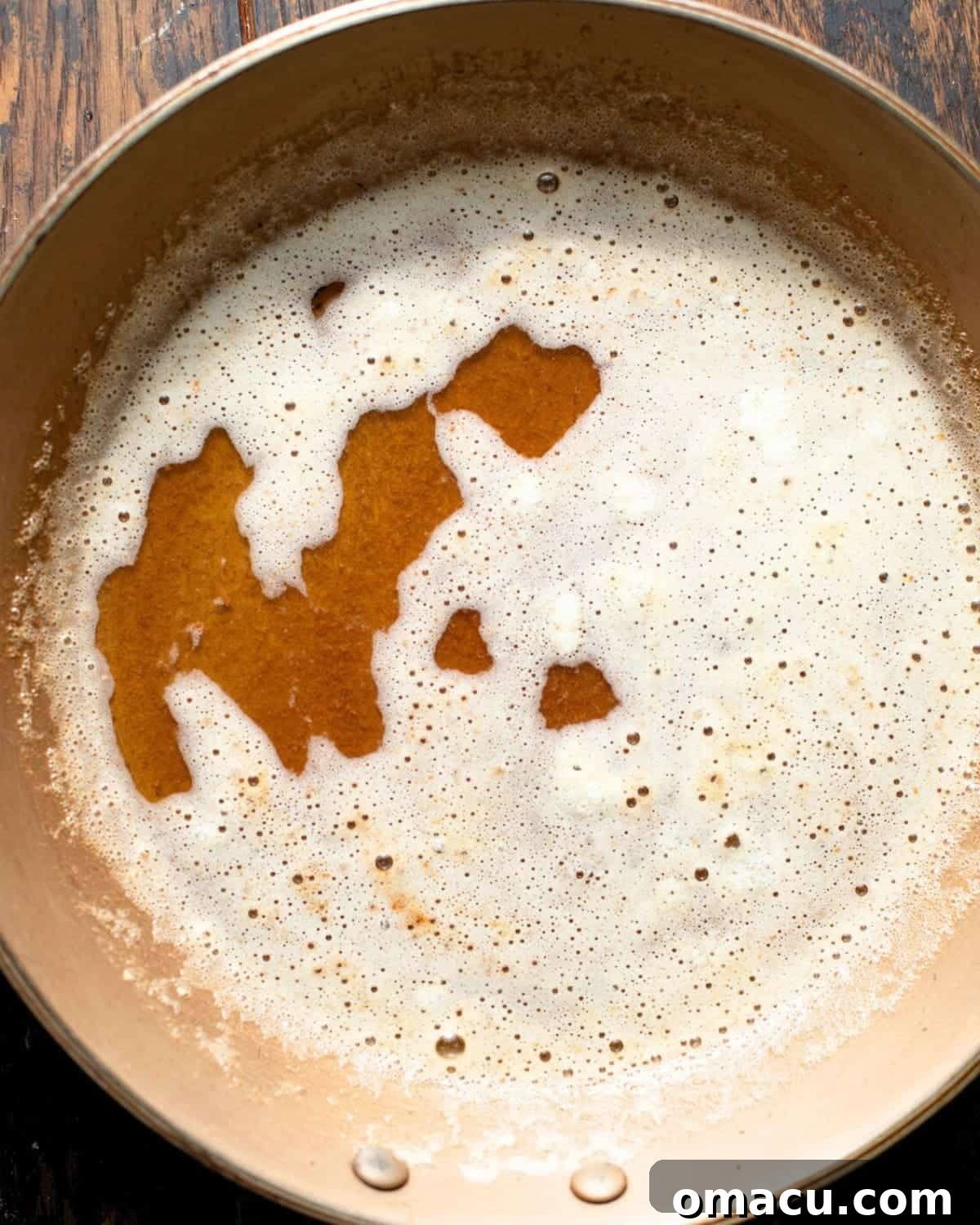
Step 1: Brown the Butter. In a light-colored skillet, melt 1 cup (227g) of salted butter over medium heat, stirring occasionally. Once fully melted, add 2 tablespoons of milk powder (if using) and whisk well to combine, then reduce the heat to medium-low. Continue to cook, stirring frequently, until the butter develops a rich golden-brown color with visible brown specks at the bottom of the pan, and a distinct nutty, caramel-like aroma fills your kitchen (approximately 10 minutes). Immediately transfer the browned butter to a heat-safe bowl and chill in the refrigerator for about 1 hour, or until it has solidified but remains soft enough to resemble room temperature butter. This crucial step develops deep flavor.
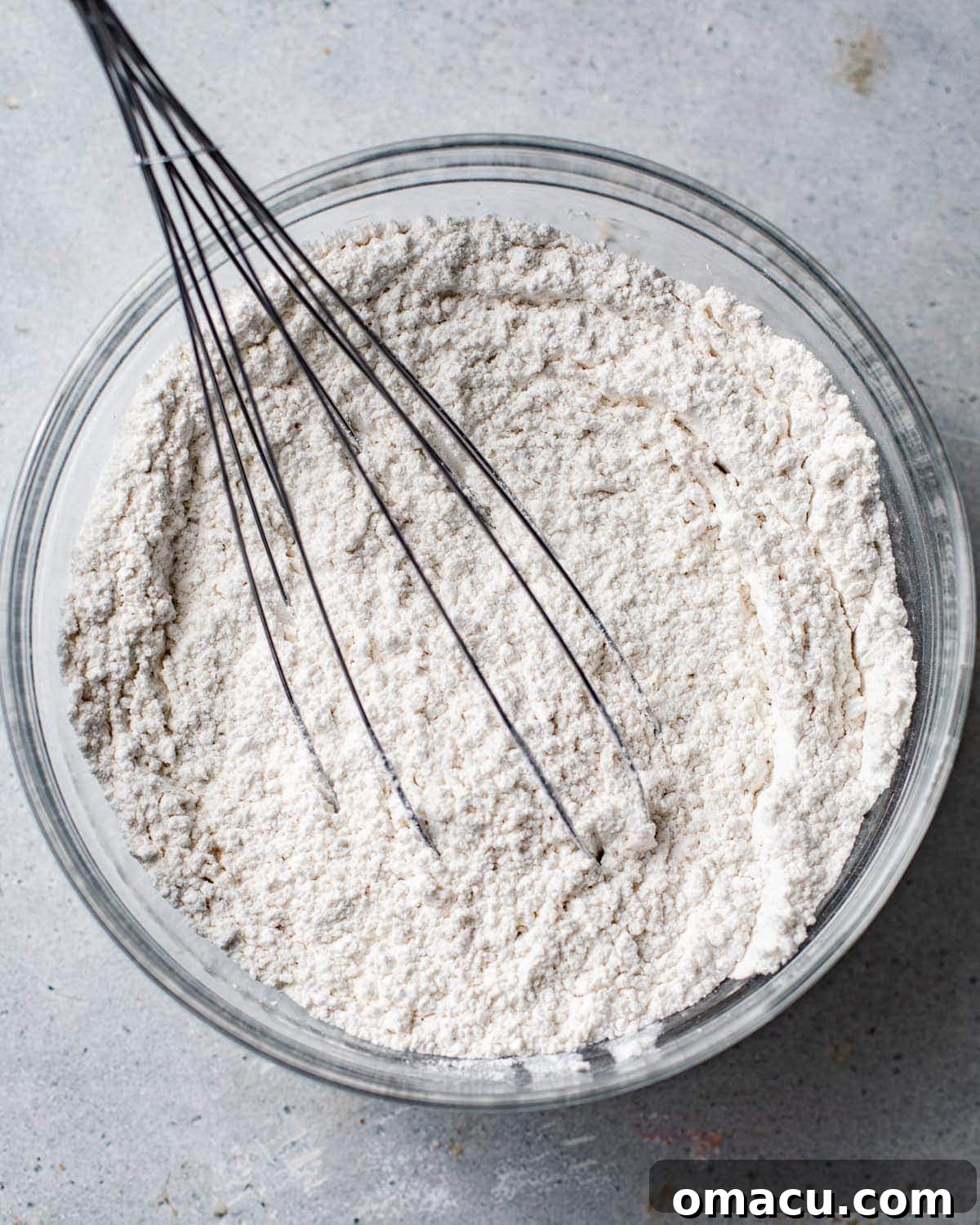
Step 2: Preheat the Oven & Whisk Dry Ingredients. Preheat your oven to 325°F (160°C). In a separate large mixing bowl, thoroughly whisk together the all-purpose flour, baking powder, kosher salt, and nutmeg. Ensuring these dry ingredients are well combined at this stage helps them distribute evenly throughout the batter, preventing pockets of unmixed leavening agents.
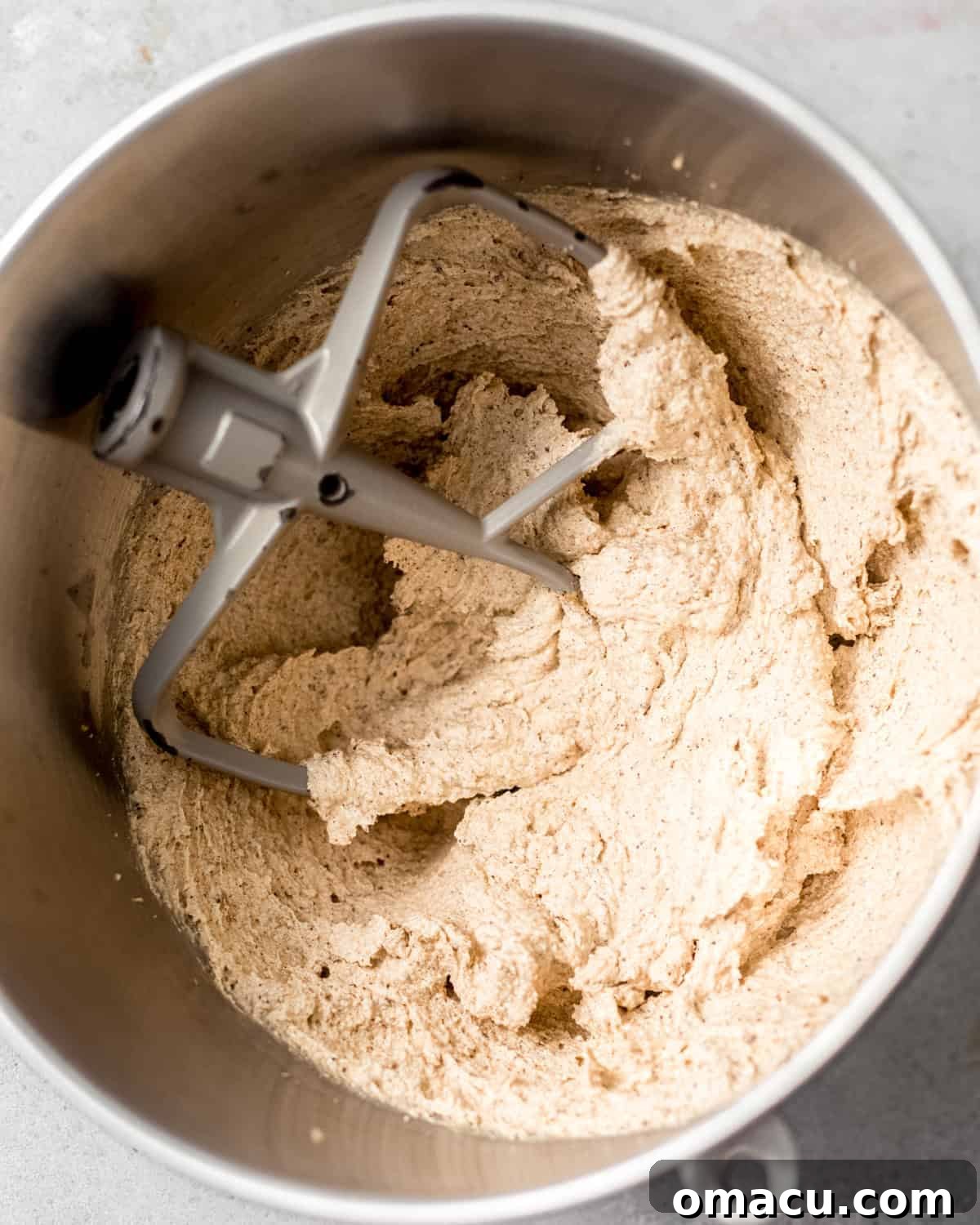
Step 3: Cream the Butters, Oil & Sugars. In the bowl of a stand mixer fitted with the paddle attachment, combine the cooled browned butter (which should now be solid but soft), ½ cup (113g) of room temperature salted butter, 1 tablespoon (14g) vegetable oil, ¾ cup (188g) creamy peanut butter, 1 ½ cups (300g) granulated sugar, and ¾ cup (165g) brown sugar. Beat on medium speed for 5-6 minutes, or until the mixture becomes pale, light, and fluffy. Remember to stop halfway through and scrape down the sides and bottom of the bowl with a spatula to ensure all ingredients are fully incorporated.
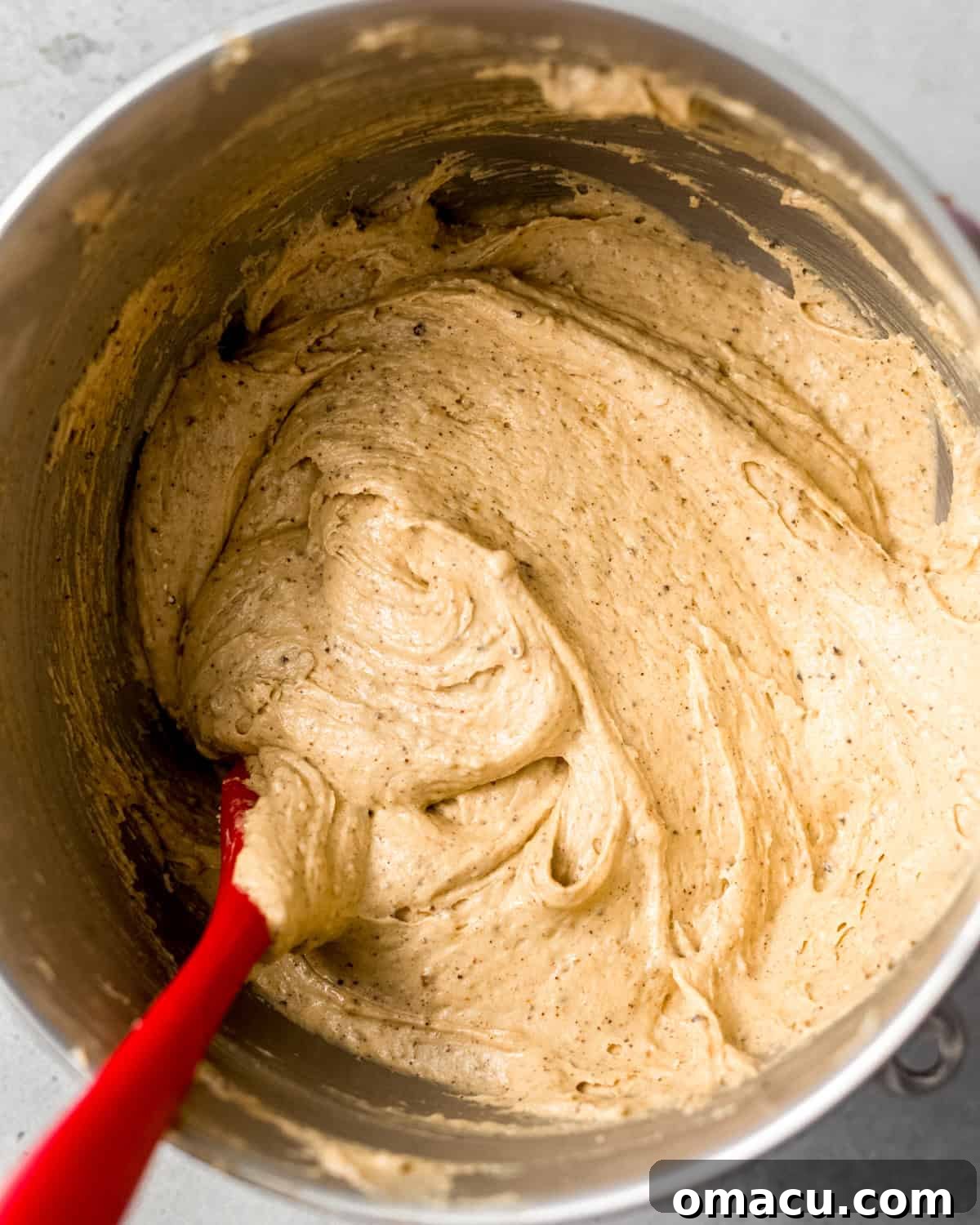
Step 4: Add Eggs & Build the Batter. Reduce the mixer speed to low. Add the 6 large room temperature eggs one at a time, allowing each egg to be fully incorporated into the butter mixture before adding the next. This prevents the batter from curdling. After all eggs are in, increase speed to medium and beat for another minute. Next, with the mixer still on low, add half of the whisked flour mixture and mix just until combined (about 20 seconds). Then, pour in 1 cup (240g) buttermilk and 2 teaspoons of vanilla extract, mixing until just combined (about 15 seconds). Scrape down the sides of the bowl again, then add the remaining flour. Mix just until the last streaks of flour disappear, about 20 seconds. Be careful not to overmix at this stage, as it can lead to a tough cake.
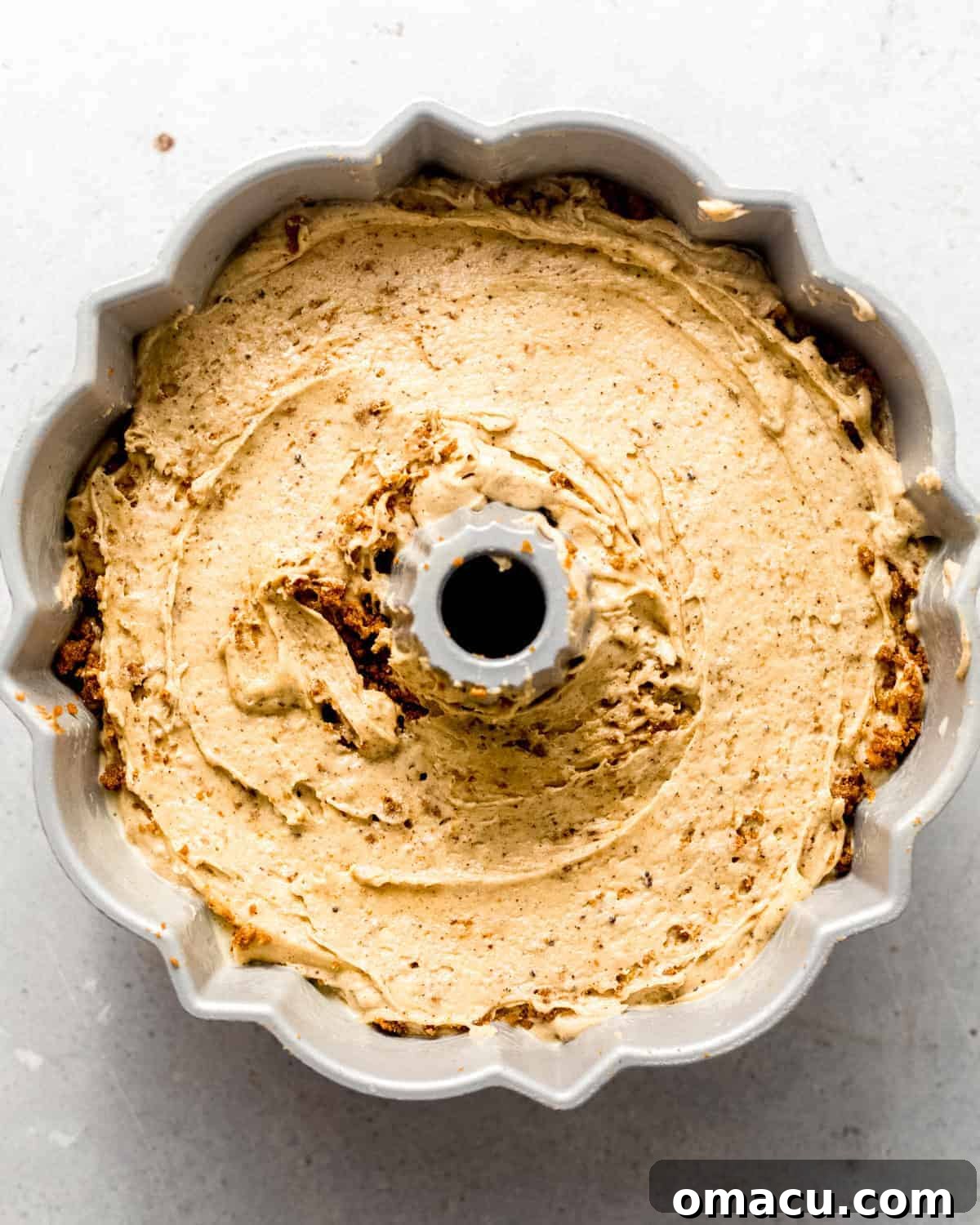
Step 5: Bake the Pound Cake. Thoroughly prepare a 12-cup bundt pan by generously greasing it with nonstick baking spray (or butter and flour), making sure to coat every crevice. Pour the prepared batter evenly into the bundt pan. Bake on the middle oven rack for 70–75 minutes. The cake is done when a wooden skewer or toothpick inserted into the thickest part of the cake comes out with only a few moist crumbs attached, but no wet batter. Avoid overbaking, as this will result in a dry cake. Allow the cake to cool in the bundt pan for 10-15 minutes before carefully inverting it onto a wire rack to cool completely. Cooling thoroughly is essential before glazing.
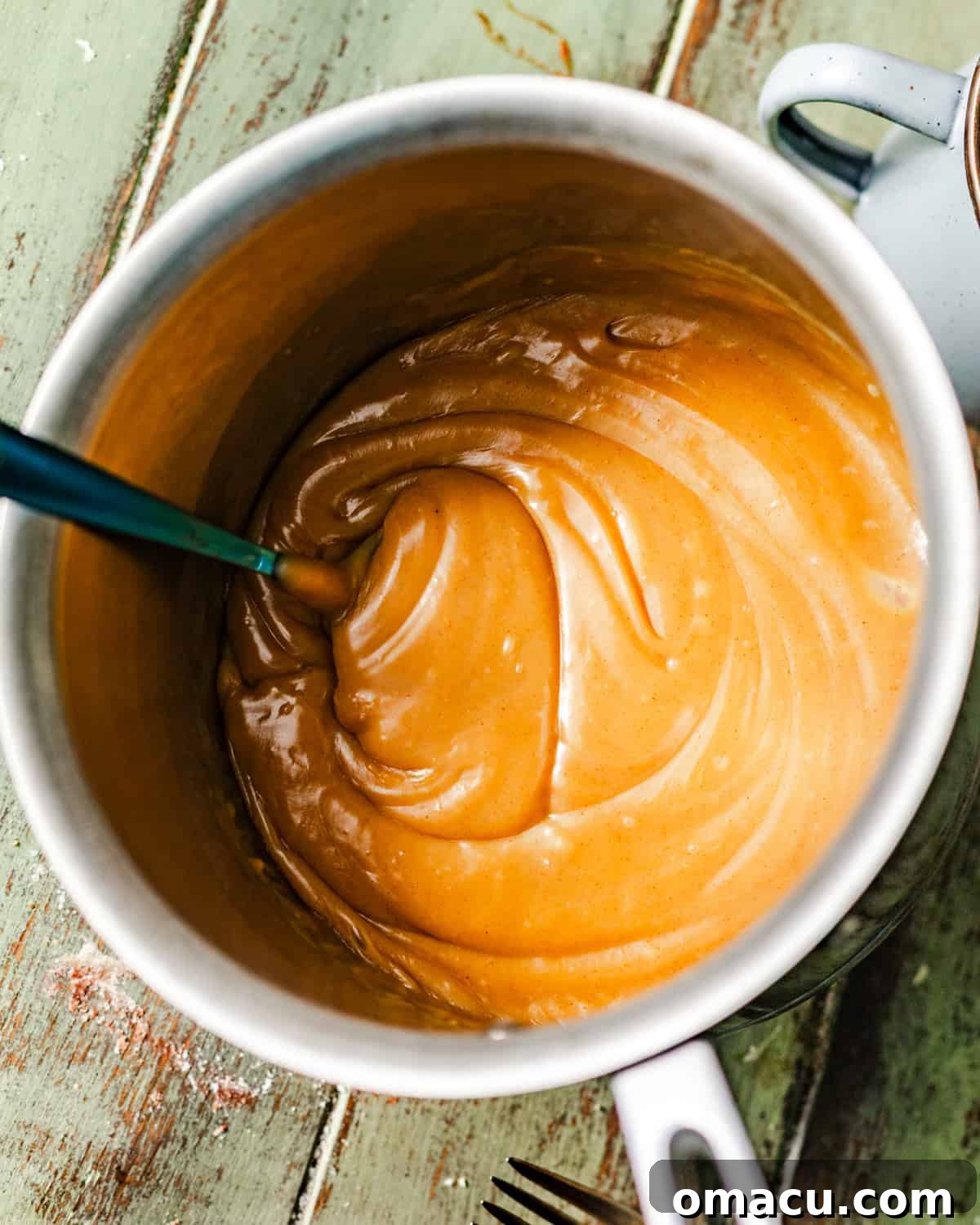
Step 6: Make & Pour the Peanut Butter Fudge Frosting. While the cake cools, prepare the luxurious peanut butter fudge frosting. In a small saucepan over low heat, combine 1 cup (300g) sweetened condensed milk, ⅓ cup (80g) heavy cream, and ⅔ cup (165g) creamy peanut butter. Stir continuously until the peanut butter fully melts into the mixture and a smooth, thick glaze forms (about 5 minutes). Remove from heat and stir in 1 teaspoon of vanilla extract and a tiny pinch of kosher salt to enhance the flavors. If you desire a thinner glaze, add more heavy cream, 1-2 tablespoons at a time, until your preferred consistency is reached. Pour this warm, silky frosting generously over the completely cooled pound cake, allowing it to drizzle down the sides for a beautiful, decadent finish.
Pro Baking Tips for Pound Cake Perfection
Achieving a perfectly moist and flavorful pound cake requires attention to detail. Here are some essential tips to help you bake like a pro:
- Use an Oven Thermometer: Oven temperatures can vary significantly from what the dial indicates, sometimes by as much as 50 degrees Fahrenheit. Even a slight discrepancy can greatly impact how your pound cake bakes, potentially leading to uneven cooking or a dry texture. An oven thermometer ensures your cake bakes at the precise temperature, leading to consistent results and preventing dreaded dryness.
- A Kitchen Scale is Mandatory for Best Results: While cup measurements are common, they can be inconsistent. Measuring ingredients by weight (especially flour, butter, and sugar) is the most accurate way to ensure correct ingredient ratios. This precision is absolutely key for achieving that signature soft, tender, and moist crumb every single time, as it prevents accidental over- or under-measurement.
- Bring Ingredients to Room Temperature: This is a non-negotiable step for pound cakes. Room temperature butter and eggs emulsify much better, creating a smooth, cohesive batter that traps air effectively during the creaming process. This trapped air is vital for the cake’s lift and tender texture.
- Scrape Down the Sides of the Bowl Frequently: During the creaming and mixing stages, ingredients can stick to the sides and bottom of your mixing bowl, leading to an unevenly mixed batter. Regularly stopping to scrape down the bowl with a spatula ensures all ingredients are fully incorporated, preventing pockets of unmixed butter or flour and resulting in a homogenous, smooth batter.
- Don’t Overmix the Batter: Once you add the flour, mix the batter only until just combined – meaning, until the last streaks of flour disappear. Overmixing develops the gluten in the flour too much, which can lead to a dense, tough, and chewy pound cake instead of the desired soft, tender, and velvety crumb.
- Grease Your Bundt Pan Thoroughly: Bundt cakes are notorious for sticking if the pan isn’t prepared properly. Generously grease every nook and cranny of your 12-cup bundt pan with baking spray (the kind with flour in it works best) or softened butter, then dust it lightly with flour. Shake out any excess flour. This meticulous preparation is critical to ensure your beautifully baked cake releases cleanly from the pan.
- Cool the Cake Completely: While it’s tempting to glaze a warm cake, resist the urge! Allow the pound cake to cool almost completely on a wire rack before applying the frosting. If you glaze a hot cake, the frosting will simply melt off and make a mess, rather than setting into a beautiful, smooth coating.
Peanut Butter Pound Cake: Your Questions Answered
To maintain its freshness and moisture, store your peanut butter pound cake tightly wrapped in plastic wrap or in an airtight container at room temperature for up to 3 days. For slightly longer storage, you can refrigerate it for up to 5 days. If you’re planning to enjoy it much later, individual slices can be wrapped securely and frozen for up to 3 months. Thaw frozen slices in the refrigerator or at room temperature before serving.
A dry peanut butter pound cake is usually a result of overbaking or inaccurate flour measurement. To prevent this, always measure your flour by weight using a kitchen scale for precision. Ensure your butter and eggs are at room temperature. Most importantly, remove the cake from the oven as soon as a toothpick inserted into the center comes out with only a few moist crumbs, not wet batter, attached. Overbaking, even by a few minutes, can significantly dry out a pound cake.
For the best texture and consistent flavor in this pound cake, it is highly recommended to use creamy, conventional peanut butter (such as Jif or Skippy). Natural peanut butter, which often separates and has a different oil content, can lead to an oily or overly dense cake with an inconsistent texture. If you prefer a subtle crunch, you can use creamy peanut butter and add a few tablespoons of chopped roasted peanuts to the batter instead.
While you technically *can* use regular milk, it’s not ideal and will significantly change the cake’s outcome. Buttermilk is crucial for two reasons: its acidity tenderizes the cake’s crumb, making it incredibly soft, and it reacts with the baking powder to provide optimal lift and a lighter texture. Regular milk will not provide the same acidity or flavor depth, resulting in a denser and potentially less tender cake. If you don’t have buttermilk, you can make a substitute by adding 1 tablespoon of lemon juice or white vinegar to a measuring cup, then filling the rest with regular milk to make 1 cup. Let it sit for 5-10 minutes until it slightly curdles.
Yes, you can certainly bake this peanut butter pound cake in loaf pans instead of a bundt pan. For even baking and to prevent overflow, it’s best to divide the batter between two 8.5×4.5-inch loaf pans. Baking the entire batter in a single loaf pan can lead to uneven cooking, with the center potentially underbaked. Bake at 325°F (160°C) until a toothpick inserted into the center of each loaf comes out with a few moist crumbs. Keep a close eye on them towards the end of baking, as loaf pans might bake slightly faster or slower than a bundt pan, depending on your oven.
Absolutely! This peanut butter pound cake freezes beautifully. For best results, allow the cake to cool completely, then wrap it tightly in several layers of plastic wrap, followed by a layer of aluminum foil. You can freeze the entire cake or individual slices. It will keep well in the freezer for up to 3 months. When ready to serve, thaw the cake overnight in the refrigerator or at room temperature for a few hours before unwrapping and enjoying.
Serving Suggestions for Your Delicious Pound Cake
This Peanut Butter Pound Cake is delightful on its own, but here are a few ideas to make it even more special:
- Simple & Classic: A slice pairs perfectly with a cup of coffee or tea for a comforting treat any time of day.
- A la Mode: Serve a warm slice with a scoop of vanilla bean ice cream or a complementary flavor like chocolate, coffee, or even banana ice cream.
- Fruit Companions: Fresh berries, sliced bananas, or a dollop of whipped cream can add a lovely freshness and lighten the richness of the cake.
- Chocolate Drizzle: For the ultimate chocolate-peanut butter experience, add an extra drizzle of melted dark chocolate or chocolate syrup over each slice before serving.
- Peanut Butter Sandwich: For a truly indulgent experience, slice the pound cake thinly and use it to make mini peanut butter and jelly sandwiches!
More Pound Cake Recipes to Explore
Desserts
Almond Pound Cake
Desserts
Key Lime Pound Cake with Cream Cheese
Desserts
Mascarpone Pound Cake
Desserts
Tres Leches Pound Cake
Peanut Butter Pound Cake Recipe
Britney
1 hr
1 hr 10 mins
2 hrs 10 mins
15
Equipment
-
12 cup bundt pan
-
Stand Mixer (or hand mixer)
-
Skillet (to brown the butter)
-
Medium Saucepan (to make the frosting)
Ingredients
For the Peanut Butter Pound Cake
- 1 cup (227 g) Salted Butter (browned, see instructions)
- 2 tbsp Milk Powder (optional, for browned butter)
- ½ cup (113 g) Salted Butter (room temperature)
- 1 tbsp (14 g) Vegetable Oil
- ¾ cup (188 g) Peanut Butter (creamy or crunchy both work for this recipe)
- 1 ½ cups (300 g) Granulated Sugar
- ¾ cup (165 g) Brown Sugar (packed)
- 6 large (300 g) Eggs (room temperature)
- 2 tsp Vanilla Extract
- 1 cup (240 g) Buttermilk (room temperature)
- 3 cups (375 g) All-Purpose Flour
- 1 tsp Baking Powder
- ¾ tsp Kosher Salt
- ¼ tsp Nutmeg
For the Peanut Butter Fudge Frosting
- 1 cup (300 g) Sweetened Condensed Milk
- ⅓ cup (80 g) Heavy Cream
- ⅔ cup (165 g) Peanut Butter
- 1 tsp Vanilla Extract
- Pinch of Kosher Salt
Instructions
- Brown the Butter: Add 1 cup of salted butter to a light-colored skillet over medium heat. Let it melt, stirring occasionally. Once melted, stir in 2 tablespoons of milk powder (if using) and reduce heat to medium-low. Continue to cook, stirring frequently, until the butter turns golden brown with speckles at the bottom and has a nutty, caramelized aroma (about 10 minutes).
- Cool the Browned Butter: Remove the browned butter from heat and pour it into a heat-safe bowl. Place it in the refrigerator for about 1 hour, until it solidifies but is still soft and pliable, like room temperature butter.
- Preheat Oven & Prepare Dry Ingredients: While the butter cools, preheat your oven to 325°F (160°C). In a large bowl, whisk together the 3 cups of all-purpose flour, 1 teaspoon of baking powder, ¾ teaspoon of kosher salt, and ¼ teaspoon of nutmeg until well combined.
- Cream the Fats and Sugars: In the bowl of a stand mixer fitted with the paddle attachment, combine the cooled browned butter, ½ cup room temperature salted butter, 1 tablespoon vegetable oil, ¾ cup creamy peanut butter, 1 ½ cups granulated sugar, and ¾ cup brown sugar. Beat on medium speed for 5-6 minutes, until the mixture is light, pale, and fluffy. Scrape down the sides of the bowl halfway through.
- Incorporate Eggs: Reduce mixer speed to low. Add the 6 large eggs one at a time, ensuring each egg is fully incorporated before adding the next. Scrape down the sides of the bowl frequently to ensure even mixing.
- Alternate Wet and Dry: Add half of the flour mixture to the wet ingredients and mix on low speed until just combined (about 20 seconds). Then, pour in the 1 cup buttermilk and 2 teaspoons vanilla extract, mixing until just combined (about 15 seconds). Scrape down the sides of the bowl, then add the remaining flour. Mix just until combined and no streaks of flour remain (about 20 seconds). Do not overmix.
- Bake the Cake: Generously spray a 12-cup bundt pan with nonstick baking spray (or grease with butter and dust with flour). Pour the batter evenly into the prepared pan. Bake on the middle oven rack for 1 hour and 10-15 minutes, or until a wooden skewer inserted into the center comes out with just a few moist crumbs attached.
- Cool the Cake: Allow the cake to cool in the bundt pan for 10-15 minutes, then carefully invert it onto a wire rack to cool completely before glazing.
- Prepare the Fudge Frosting: While the cake cools, combine 1 cup sweetened condensed milk, ⅓ cup heavy cream, and ⅔ cup peanut butter in a small saucepan over low heat. Stir continuously until the peanut butter is fully melted and a smooth, thick glaze forms (about 5 minutes).
- Finish the Frosting: Remove the saucepan from heat and stir in 1 teaspoon vanilla extract and a tiny pinch of kosher salt. If you prefer a thinner glaze, add more heavy cream, starting with 1-2 tablespoons at a time, until desired consistency is reached.
- Glaze the Cake: Pour the warm peanut butter fudge frosting over the completely cooled pound cake, allowing it to drip attractively down the sides.
Nutrition
, Carbohydrates: 73g
, Protein: 10g
, Fat: 30g
, Saturated Fat: 18g
, Polyunsaturated Fat: 2g
, Monounsaturated Fat: 8g
, Trans Fat: 1g
, Cholesterol: 139mg
, Sodium: 405mg
, Potassium: 256mg
, Fiber: 1g
, Sugar: 53g
, Vitamin A: 843IU
, Vitamin C: 1mg
, Calcium: 147mg
, Iron: 2mg
Nutrition information is automatically calculated, so should only be used as an approximation.
Tried this recipe?
Mention @BritneyBreaksBread or tag #BritneyBreaksBread!
Want more delicious and beautiful recipes delivered straight to your inbox? Subscribe to my newsletter to receive the latest seasonal creations and baking inspiration as soon as they’re released!
If you bake this amazing peanut butter pound cake, please take a moment to leave a star rating on the recipe card above and share your thoughts in the comments below! Your feedback is invaluable. You can also tag @BritneyBreaksBread on Instagram and use the hashtag #britneybreaksbread so I can celebrate your beautiful culinary creations!