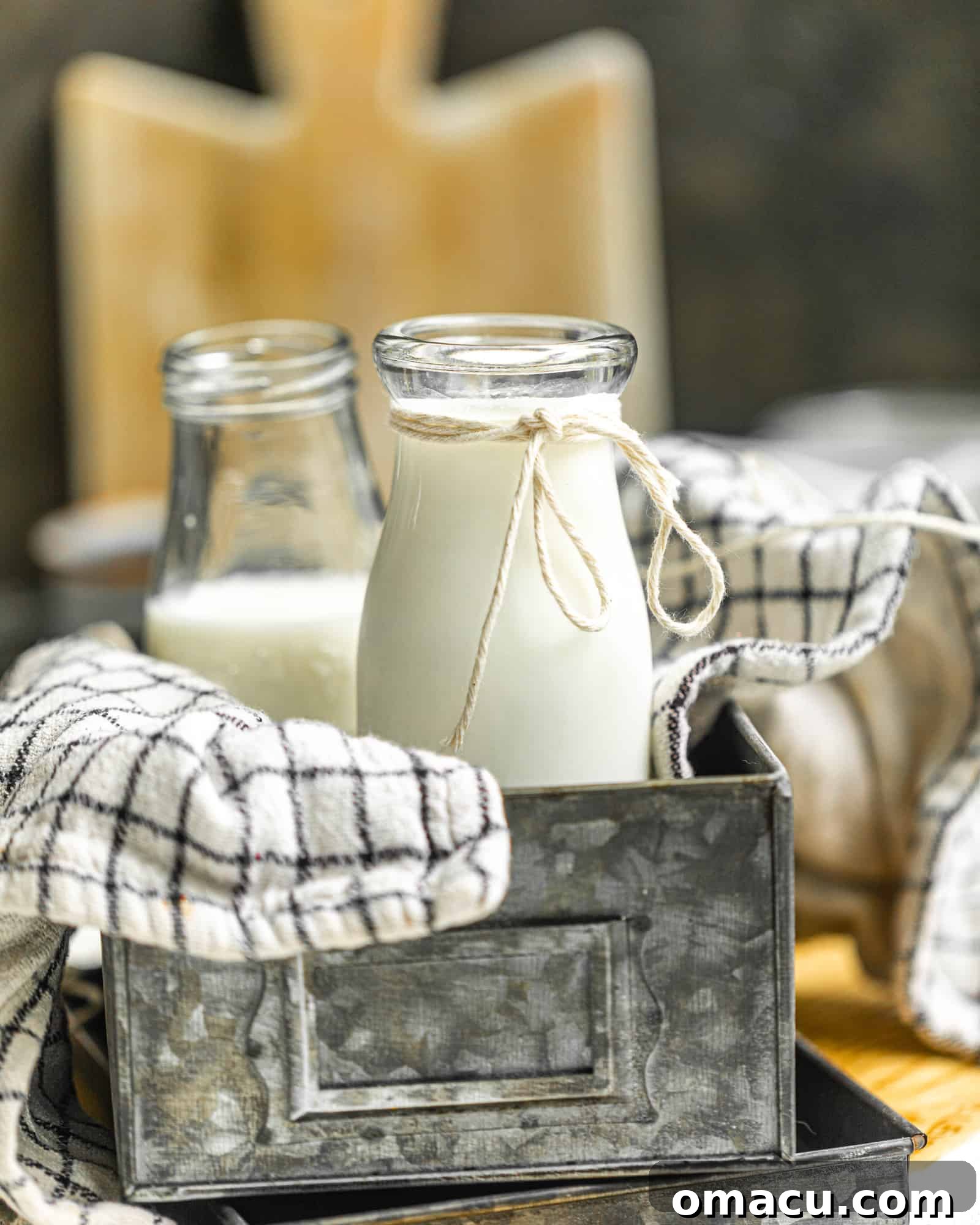
Mastering Homemade Buttermilk: Your Essential Guide to This Versatile Kitchen Staple
If you’ve ever found yourself mid-recipe, only to discover you’re out of buttermilk, you’re not alone. This often-needed ingredient can be elusive, and store-bought versions often expire before you can use the whole carton. The good news? Making fresh buttermilk from scratch is incredibly simple, requiring just two common ingredients and a few minutes of your time. Say goodbye to last-minute grocery runs and embrace the convenience and satisfaction of homemade!
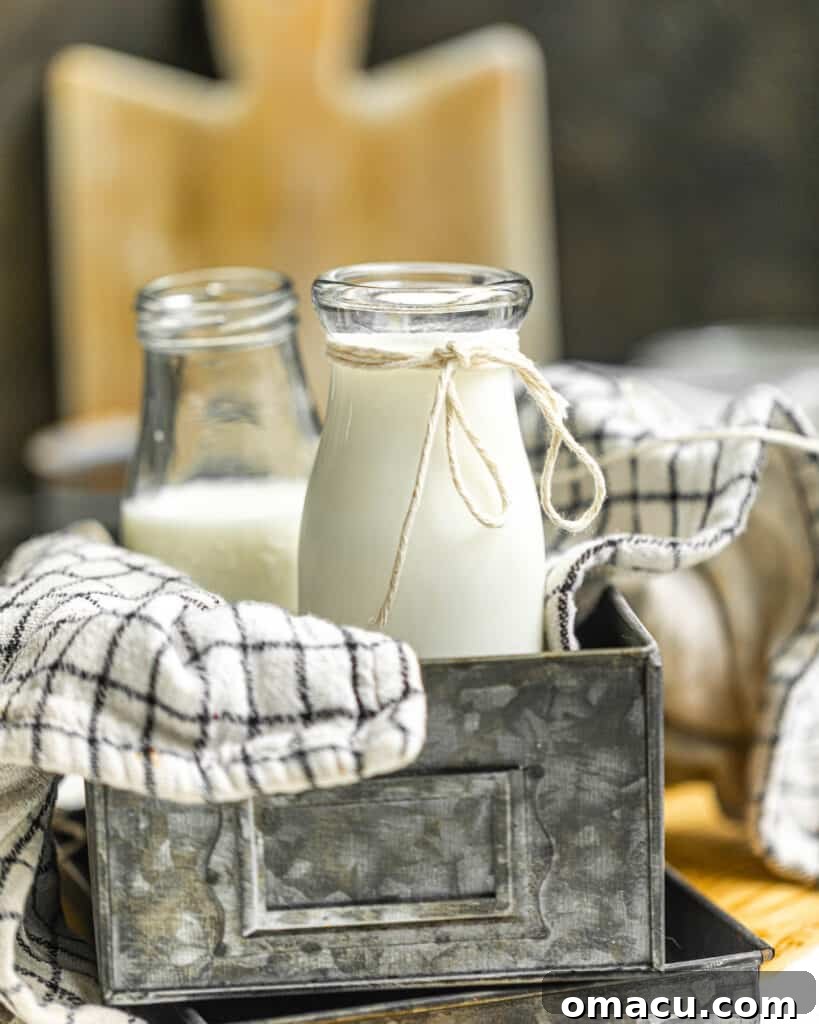
This comprehensive guide will walk you through the entire process of making buttermilk at home, exploring its unique properties, why it’s a must-have in your kitchen, and how to use it in a variety of mouth-watering dishes. We’ll also cover handy vegan substitutions and clever alternatives, ensuring you’re always prepared, no matter your dietary needs or pantry stock.
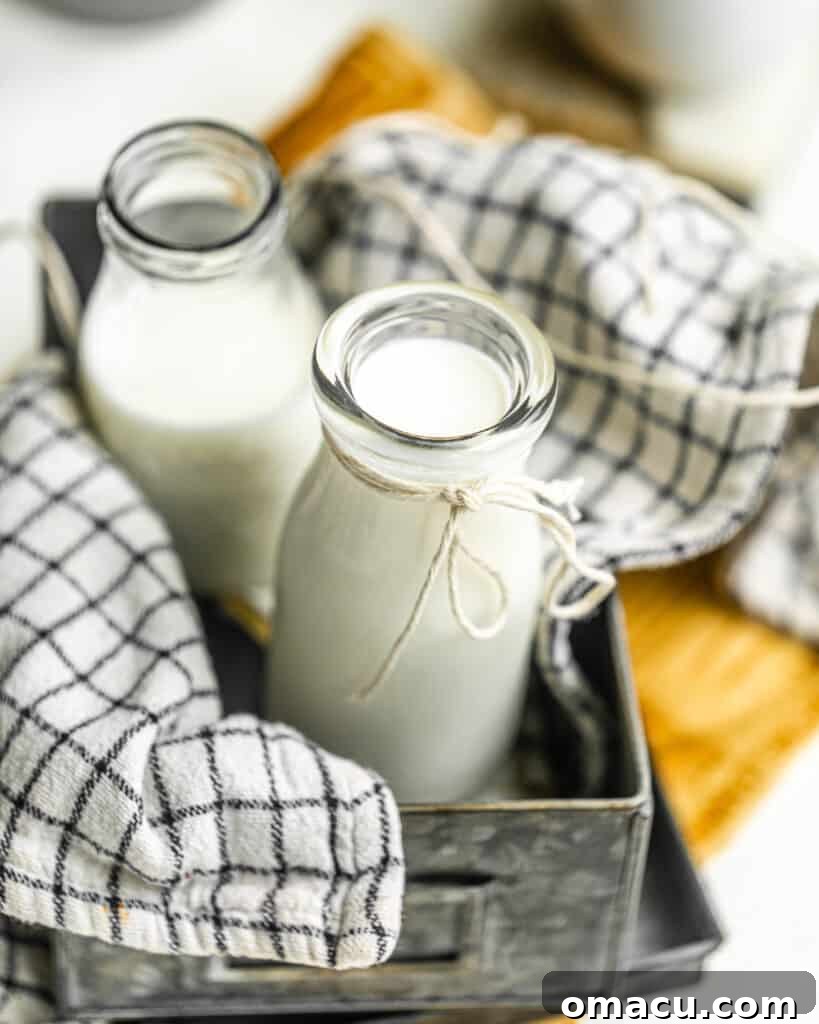
What Exactly Is Buttermilk and Why Is It So Special?
Despite its misleading name, modern buttermilk has very little to do with butter. Traditionally, buttermilk was indeed the slightly sour liquid left behind after churning butter from cream. This “traditional buttermilk” was naturally fermented by lactic acid bacteria present in the cream, giving it its characteristic tangy flavor and thicker texture.
However, the buttermilk you typically find in North American grocery stores today, and the kind we’re making at home, is known as “cultured buttermilk.” This product is made by adding specific strains of lactic acid bacteria to pasteurized milk. These bacteria consume the lactose (milk sugar) and produce lactic acid, which causes the milk proteins to coagulate or “curdle,” giving buttermilk its distinctive thickness and tangy flavor. It’s essentially a fermented dairy product, similar to yogurt but with a thinner consistency.
In the simplest terms: Milk + Acid = Buttermilk
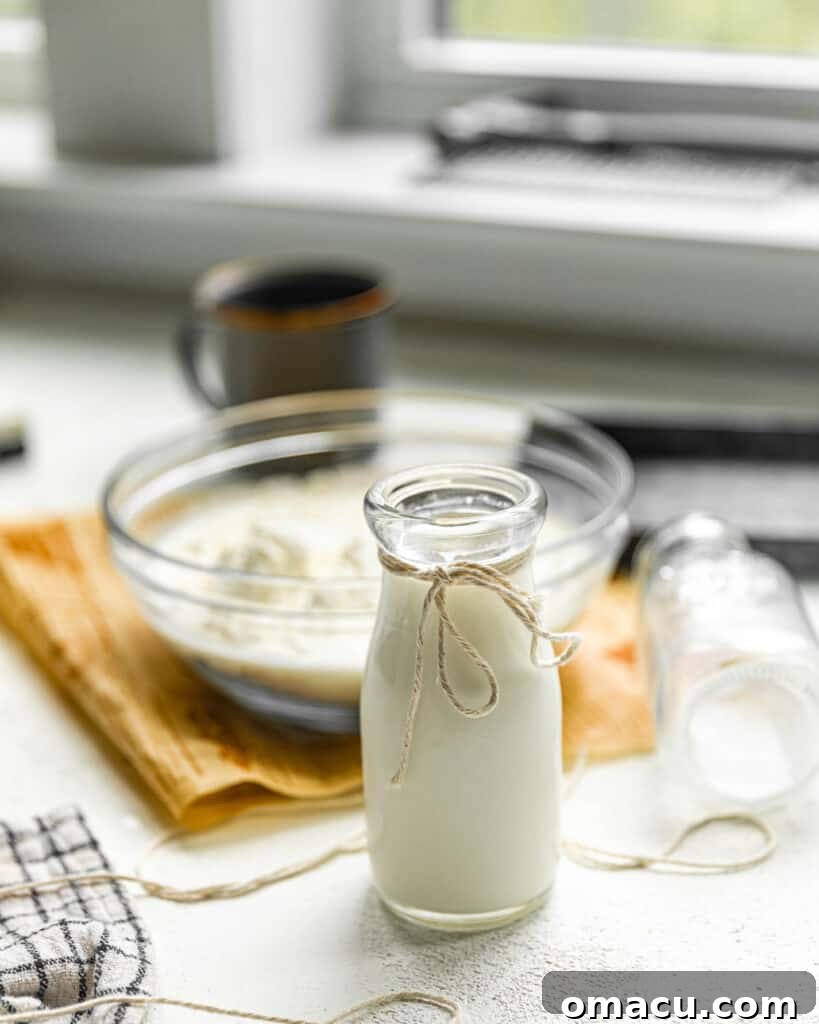
The Unique Taste and Texture of Buttermilk
Buttermilk boasts a refreshing, slightly sour, and tangy flavor profile, often compared to plain yogurt or sour cream, but with a thinner, more pourable consistency. It’s thicker than regular milk but not as dense as yogurt. This unique combination of tanginess and creamy texture makes it an invaluable ingredient in both sweet and savory dishes, imparting a depth of flavor and tenderness that regular milk simply cannot achieve.
Why Choose Buttermilk for Your Recipes Over Regular Milk?
The culinary magic of buttermilk stems primarily from its acidity. This acid plays a crucial role, especially in baking, by reacting with leavening agents such as baking soda. When baking soda (an alkaline ingredient) comes into contact with an acid like buttermilk, it produces carbon dioxide bubbles. These bubbles are trapped within the batter or dough, causing baked goods to rise beautifully, resulting in a light, airy, and incredibly tender texture.
Beyond leavening, buttermilk’s acidity also helps to break down gluten, preventing baked goods from becoming tough and instead promoting a soft, moist crumb. Its tangy flavor also adds complexity and brightness to recipes, balancing sweetness in desserts and adding a zesty kick to savory dishes. For frying, buttermilk tenderizes meats and forms a perfect coating for crispy results. Simply put, buttermilk isn’t just a substitute; it’s an enhancement that elevates the taste and texture of countless recipes.
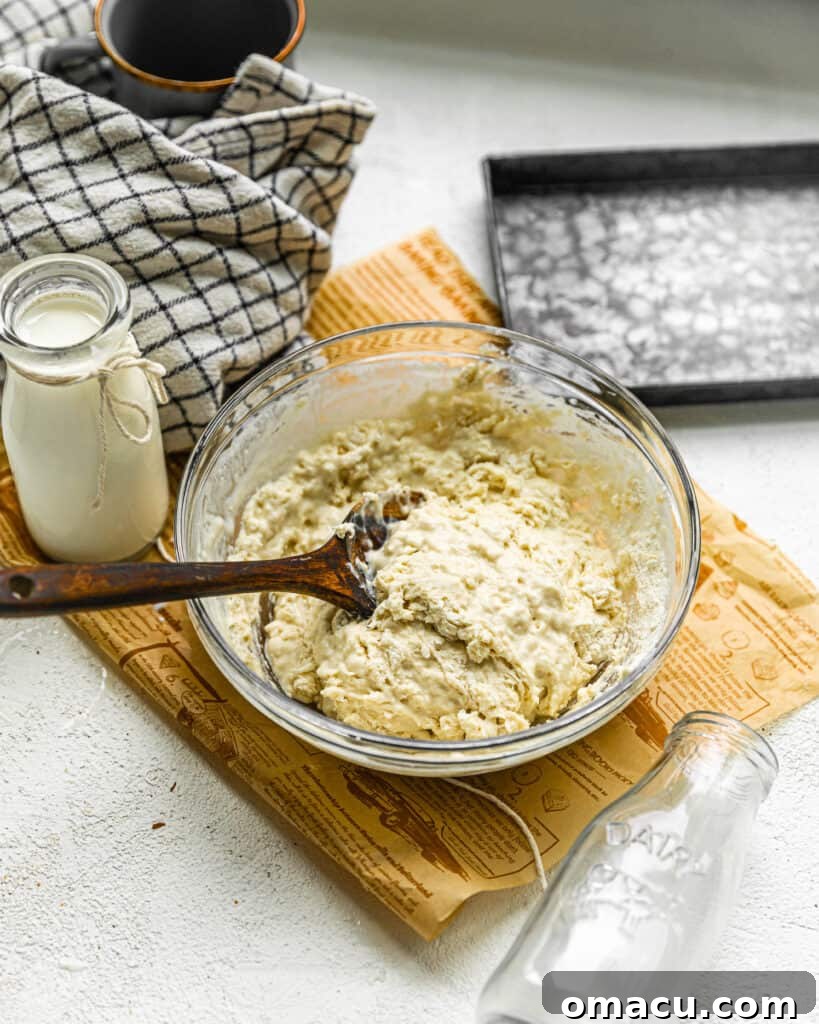
Essential Ingredients for Homemade Buttermilk
Making buttermilk at home is wonderfully straightforward, requiring just two pantry staples. The key is the interaction between milk and an acidic agent, which causes the milk to curdle and transform into buttermilk.
- Milk: While any type of dairy milk can be used, whole milk is often recommended as it provides a richer flavor and a slightly thicker consistency. However, feel free to use skim, 1%, 2%, or even heavy cream for a richer buttermilk. The most important tip for success is to ensure your milk is at room temperature. Cold milk will curdle much slower and less effectively, potentially leading to a weak buttermilk.
- White Vinegar OR Fresh Lemon Juice: These are the most common and effective acidic agents for homemade buttermilk. Both yield similar results, though some bakers prefer white vinegar for its neutral flavor, ensuring it doesn’t impart any distinct taste to the final product. Other neutral-flavored vinegars like apple cider vinegar or rice vinegar can also work. If using lemon juice, always opt for freshly squeezed for the best flavor and acidity. The fresh zest often enhances the overall experience.
Simple Steps to Make Buttermilk at Home
This DIY buttermilk recipe is incredibly quick and easy, taking only a few minutes of active time and a short wait for the magic to happen.
- Prepare Your Ingredients: Gather 1 cup of room-temperature milk and 1 tablespoon of your chosen acidic agent (white vinegar or fresh lemon juice). Using room temperature milk is crucial as it encourages faster and more effective curdling.
- Combine: Pour the milk into a clean glass jar, measuring cup, or small mixing bowl. Add the 1 tablespoon of white vinegar or lemon juice to the milk.
- Gently Stir: Give the mixture a gentle stir to ensure the acid is evenly distributed throughout the milk.
- Let It Rest: Allow the mixture to sit undisturbed at room temperature for approximately 5 to 15 minutes. During this time, the acid will begin to react with the milk proteins, causing them to coagulate.
- Check for Readiness: You’ll know your buttermilk is ready when it visibly thickens and appears slightly curdled, with small clumps forming in the liquid. The consistency will be noticeably thicker than regular milk but still pourable.
- Stir and Use: Give it another quick stir before incorporating it into your recipe. Voila! Fresh, homemade buttermilk ready for use.
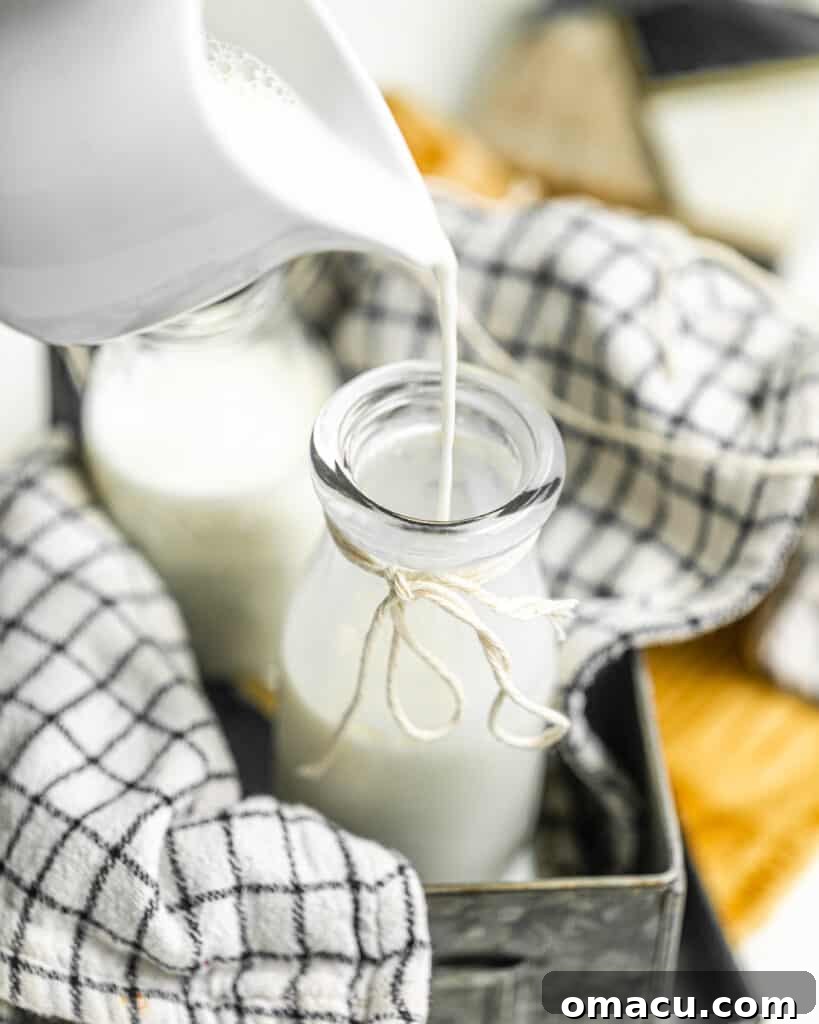
Crafting Vegan Buttermilk Alternatives for Dairy-Free Needs
For those following a dairy-free or vegan diet, making buttermilk is just as simple! The principle remains the same: combining a plant-based milk with an acidic agent. The key is to choose a plant milk that curdles well and has a neutral flavor that won’t overpower your recipe. Here are some excellent non-dairy options and tips for success:
- Soy Milk: Often considered the best option for vegan buttermilk as its protein content reacts very similarly to cow’s milk, resulting in a good curdling effect and a relatively neutral flavor.
- Almond Milk: A popular choice, especially unsweetened. It curdles reasonably well and has a mild flavor.
- Oat Milk: Another excellent option that provides a creamy texture and good curdling, particularly full-fat varieties.
- Coconut Milk (Light): While full-fat coconut milk can be too rich and impart a strong coconut flavor, light coconut milk can work if you don’t mind a subtle coconut hint in your recipe.
Method for Vegan Buttermilk: Use 1 cup of your chosen plant-based milk (unsweetened is best) and combine it with 1 tablespoon of white vinegar or fresh lemon juice. Stir and let it sit for 5-15 minutes, just like with dairy milk, until it slightly curdles and thickens.
Beyond Basics: Other Handy Buttermilk Substitutions
Even if you don’t have white vinegar or lemon juice on hand, there are other creative ways to create a functional buttermilk substitute using ingredients you might already have. These methods are designed to produce a similar acidity and thickening effect required for successful baking and cooking:
- Cream of Tartar Method: For every 1 cup of milk, combine 2 tablespoons of cream of tartar. To prevent lumps, start by mixing the cream of tartar with 2 tablespoons of milk to create a smooth paste. Then, gradually whisk in the remaining milk until fully combined. Let it sit for 5-10 minutes to thicken slightly before using. This method is particularly good when you need a very neutral-flavored acid.
- Yogurt and Milk Combination: This is an excellent alternative if you have plain yogurt. Whisk together 3/4 cup of plain, unsweetened yogurt (dairy or non-dairy) with 1/4 cup of regular milk (dairy or non-dairy) until smooth. This yields approximately 1 cup of a buttermilk-like consistency with a similar tang. Ensure the yogurt is plain, as flavored varieties will alter your recipe’s taste.
Storage and Shelf Life of Homemade Buttermilk
Homemade buttermilk, like its store-bought counterpart, is a perishable product that requires proper storage to maintain its quality and safety. Once prepared, transfer your buttermilk to an airtight container or a clean, sealed bottle. Store it in the refrigerator, where it will remain fresh for up to one week. As it sits, you might notice some separation, which is completely normal. Simply give it a good stir or shake before each use to recombine the liquids and curds.
Freezing Buttermilk for Future Use: A Smart Pro Tip
One of the greatest advantages of making buttermilk at home is the ability to freeze any leftovers, preventing waste and ensuring you always have some on hand. Buttermilk freezes surprisingly well, retaining its flavor and most of its texture after thawing. When properly sealed and stored, frozen buttermilk can last for up to 3 months in the freezer.
Pro Tip for Freezing: For ultimate convenience, freeze buttermilk in measured portions using an ice cube tray. Each cube typically holds 1-2 tablespoons, making it incredibly easy to pop out just the right amount needed for smaller recipes. Once frozen solid, transfer the buttermilk cubes to a freezer-safe bag or container, labeling it with the date. When you’re ready to use it, simply thaw the desired amount in the refrigerator overnight or at room temperature. Remember to stir it thoroughly before adding it to your recipe to ensure a uniform consistency.
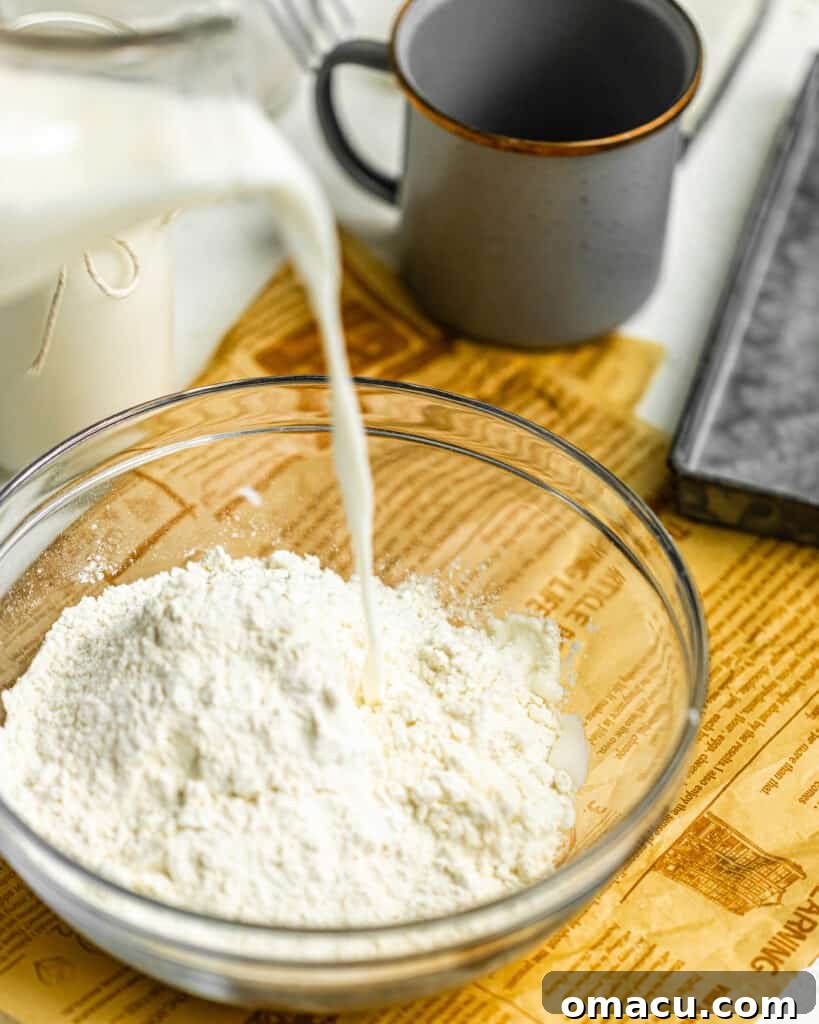
Unleashing the Versatility of Buttermilk in Your Kitchen
Buttermilk is a culinary powerhouse, equally at home in sweet and savory applications. Its tangy flavor and tenderizing properties make it an indispensable ingredient for a wide array of dishes. Here are some delicious ways to incorporate homemade buttermilk into your cooking:
- Salad Dressing: The vibrant tang of buttermilk is the secret ingredient for creating rich, creamy, and flavorful salad dressings like classic ranch, blue cheese, or a refreshing green goddess. Its acidity brightens the other ingredients, creating a perfectly balanced dressing that outshines any store-bought version.
- Baking Marvel: From fluffy muffins and tender cakes to quick breads and biscuits, buttermilk is a baker’s best friend. It reacts with baking soda to create lift and aeration, resulting in incredibly moist, light, and tender baked goods. Think about moist chocolate cake, rich cornbread, or even delicate scones.
- Pancakes & Waffles: Elevate your breakfast game with buttermilk pancakes or waffles. The acidity in buttermilk creates the fluffiest, most tender results imaginable, yielding a stack of golden-brown perfection every time.
- Crispy Frying: Buttermilk is a cornerstone of Southern-style fried dishes. It tenderizes meats, especially chicken, and helps the breading adhere perfectly, resulting in an exceptionally crispy and flavorful crust. Use it for fried chicken, crispy fried green tomatoes, or even delicate fried okra.
- Creamy Mashed Potatoes: Replace some of your regular milk or cream with buttermilk when making mashed potatoes for an added layer of tangy depth and a wonderfully creamy texture. It prevents them from being bland and adds a gourmet touch.
- Homemade Ice Cream: For a uniquely rich and slightly tart homemade ice cream, incorporate buttermilk into your base. It adds a delightful complexity and ensures a smooth, luscious texture that will impress any dessert connoisseur.
- Marinades: The acidity in buttermilk acts as a fantastic tenderizer for various meats, from chicken to pork. A buttermilk marinade can make cuts of meat incredibly succulent and flavorful before grilling or roasting.
Delicious Recipes Featuring Buttermilk
Now that you’re a pro at making buttermilk, it’s time to put your skills to good use! Here are some tried-and-true recipes that celebrate the incredible qualities of buttermilk. These dishes are guaranteed to become new favorites in your kitchen:
- Easy Homemade Biscuits: Flaky, tender, and the perfect accompaniment to any meal.
- Bakery Style Chocolate Chip Muffins: Achieve that professional bakery texture and flavor at home.
- Buttermilk Donuts with Cinnamon Sugar: A delightful treat, soft and perfectly sweet.
- Honey Buttermilk Biscuits with Roasted Strawberries: A sweet twist on a classic, perfect for brunch or dessert.
- Peach Cobbler in a Cast Iron Skillet: The buttermilk ensures a tender, rich topping for this comforting dessert.
- Buttermilk Fried Chicken with Sour Cream and Honey Sauce: Crispy, juicy, and packed with flavor, a true Southern classic.
- Cast Iron Skillet Easy Buttermilk Cornbread: Moist and flavorful cornbread, ideal for soaking up chili or stew.
- Lemon Poppy Seed Pancakes with Raspberry Coulis: Light, fluffy, and bursting with citrusy goodness.
- Bakery Style Blueberry Muffins: Tender, moist, and loaded with juicy blueberries, thanks to buttermilk.
Homemade Buttermilk Quick Recipe Card
A simple, quick recipe for making buttermilk at home, ensuring you’re never without this essential ingredient.
How to Make Buttermilk
By Britney
Prep Time: 5 mins
Cook Time: 5 mins
Total Time: 10 mins
Yields: 1 cup
Equipment
- Mixing bowl or dairy bottle
- Measuring cups and spoons
Ingredients
- 1 cup Milk (whole milk recommended, but any kind works; ensure it’s at room temperature)
- 1 tbsp White Vinegar or Fresh Lemon Juice (neutral-flavored vinegars like apple cider or rice vinegar can also be used)
- Optional Alternative: 2 tsp Cream of Tartar (mixed with a splash of milk to form a paste, then whisked into the rest of the cup of milk)
Instructions
- Gather your ingredients. For best results, ensure your milk is at room temperature.
- Pour 1 cup of milk into a clean mixing bowl or glass jar.
- Add 1 tablespoon of white vinegar or fresh lemon juice to the milk.
- Gently stir the mixture to combine the acid with the milk.
- Let the mixture sit undisturbed at room temperature for 5 to 15 minutes. During this time, the milk will begin to curdle and thicken slightly.
- Once you see light curdling and a slightly separated, thickened appearance, your homemade buttermilk is ready.
- Stir once more before using it in your favorite recipes.
Notes
Homemade buttermilk can be stored in an airtight container in the refrigerator for up to 7 days. If you wish to store it longer, buttermilk freezes well for up to 3 months. When reusing refrigerated or thawed buttermilk, always give it a good stir to recombine any separated curds.
Nutrition (Approximation per 1 cup serving)
Nutrition information is automatically calculated based on whole milk and white vinegar, and should only be used as an approximation. Actual values may vary.
- Calories: 149 kcal
- Carbohydrates: 11g
- Protein: 8g
- Fat: 8g
- Saturated Fat: 5g
- Polyunsaturated Fat: 1g
- Monounsaturated Fat: 2g
- Cholesterol: 29mg
- Sodium: 93mg
- Potassium: 366mg
- Sugar: 12g
- Vitamin A: 395 IU
- Calcium: 301mg
Want more delicious and beautiful recipes? Make sure to subscribe to our newsletter to receive the latest seasonal creations as soon as they’re released, delivered directly to your inbox!
If you make this homemade buttermilk or any of our recipes, we’d love to see your creations! Please leave a star rating on the recipe card above and share your thoughts in the comments below. You can also tag @BritneyBreaksBread on Instagram and use the hashtag #BritneyBreaksBread so we can celebrate your culinary successes!