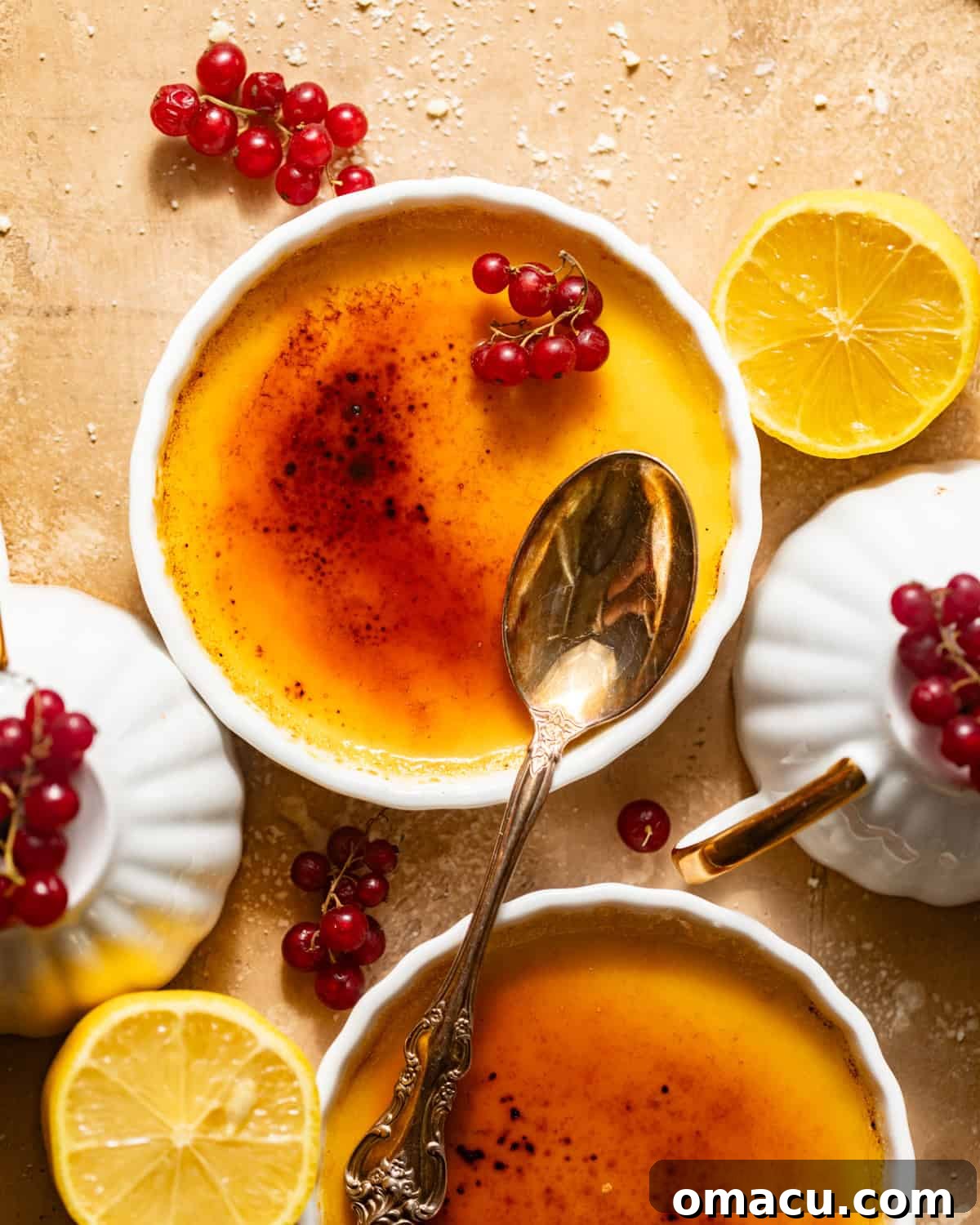
Indulge in the exquisite pleasure of Lemon Creme Brulee, a delightful citrus-infused rendition of the beloved French dessert. This recipe transforms simple ingredients into an elegant, restaurant-quality treat you can effortlessly create in your own kitchen. Prepare to impress with its smooth, creamy custard base, bright lemon flavor, and that signature crisp, caramelized sugar topping that shatters with every spoonful.
For those who adore classic desserts with a creative twist, Lemon Creme Brulee offers a refreshing departure while retaining all the luxurious charm of its traditional counterpart. If you’re keen to explore other crème brûlée variations, be sure to try our Gingerbread Creme Brulee for a festive delight or the decadent Creme Brulee Cheesecake for an ultimate hybrid dessert.
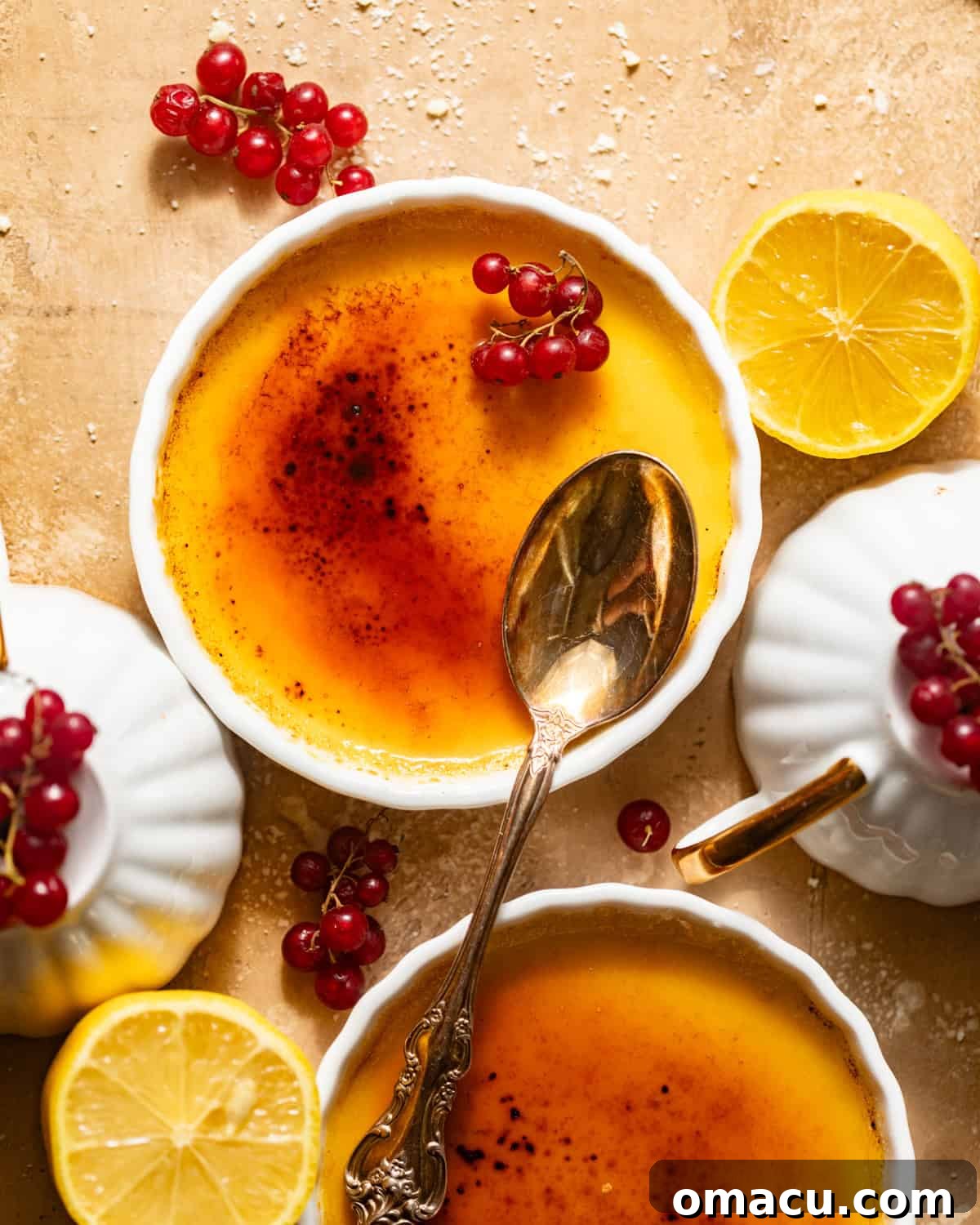
There’s something truly special about mastering a seemingly complex dessert that, in reality, is incredibly simple to execute. Lemon Crème Brûlée perfectly fits this description. It’s a testament to how humble components—cream, eggs, sugar, and lemon—can be elevated into a culinary masterpiece. This classic French dessert, revered for its contrasting textures and rich flavor, receives a vibrant update with the invigorating essence of fresh lemons.
Drawing inspiration from cherished recipes, including my personal favorite, Pomegranate Creme Brulee from my cookbook, I wanted to craft a version specifically for fellow lemon enthusiasts. The goal was to achieve a perfectly smooth and creamy custard, subtly infused with lemon, topped with a glass-like caramelized sugar crust that adds an irresistible crunch to every spoonful.
This dessert isn’t just delicious; it’s versatile. It’s an ideal choice for grand celebrations like Valentine’s Day or Mother’s Day, where its elegant presentation and gourmet appeal are sure to captivate. Yet, it’s also wonderfully approachable for an ordinary evening when you simply crave an upscale treat to elevate your dining experience. Whether for a romantic dinner or a casual indulgence, lemon crème brûlée promises a memorable finish.
Table of Contents
- The Essence of Lemon Creme Brulee
- Main Ingredients for Perfection
- Elevate Your Creme Brulee with Variations
- How to Make Lemon Creme Brulee: A Step-by-Step Guide
- Pro Tips for Flawless Creme Brulee
- How to Serve and Enjoy
- Recipe FAQs: Your Lemon Creme Brulee Questions Answered
- More Zesty Lemon Desserts
- Lemon Creme Brulee Recipe Card
The Essence of Lemon Creme Brulee
Crème brûlée, translating to “burnt cream,” is a quintessentially French dessert renowned for its rich, velvety custard base and its contrasting hard caramel topping. The allure lies in the harmonious blend of textures and temperatures – a cool, smooth interior beneath a warm, brittle crust. Our lemon rendition takes this classic to new heights, infusing it with the bright, aromatic zest of fresh lemons.
Unlike many lemon desserts that rely on the tartness of lemon juice, this recipe strategically uses lemon zest and extract. This approach ensures a vibrant citrus flavor without compromising the custard’s delicate chemistry, preventing curdling that can occur when acidic lemon juice interacts with dairy and eggs. The result is a dessert that is both familiar in its elegance and exciting in its refreshed flavor profile.
The magic happens as the simple custard bakes gently in a water bath, achieving a silky-smooth texture. Once cooled and chilled, a sprinkle of sugar is torched to create that iconic, golden-brown crust. Each spoonful is an experience: the satisfying crack of caramel, followed by the yielding, luscious custard that melts in your mouth, leaving a lingering, zesty sweetness.
Main Ingredients for Perfection
Crafting the perfect Lemon Creme Brulee starts with understanding the role of each key ingredient. Quality matters, as does precise measurement, to achieve that coveted creamy texture and balanced flavor.
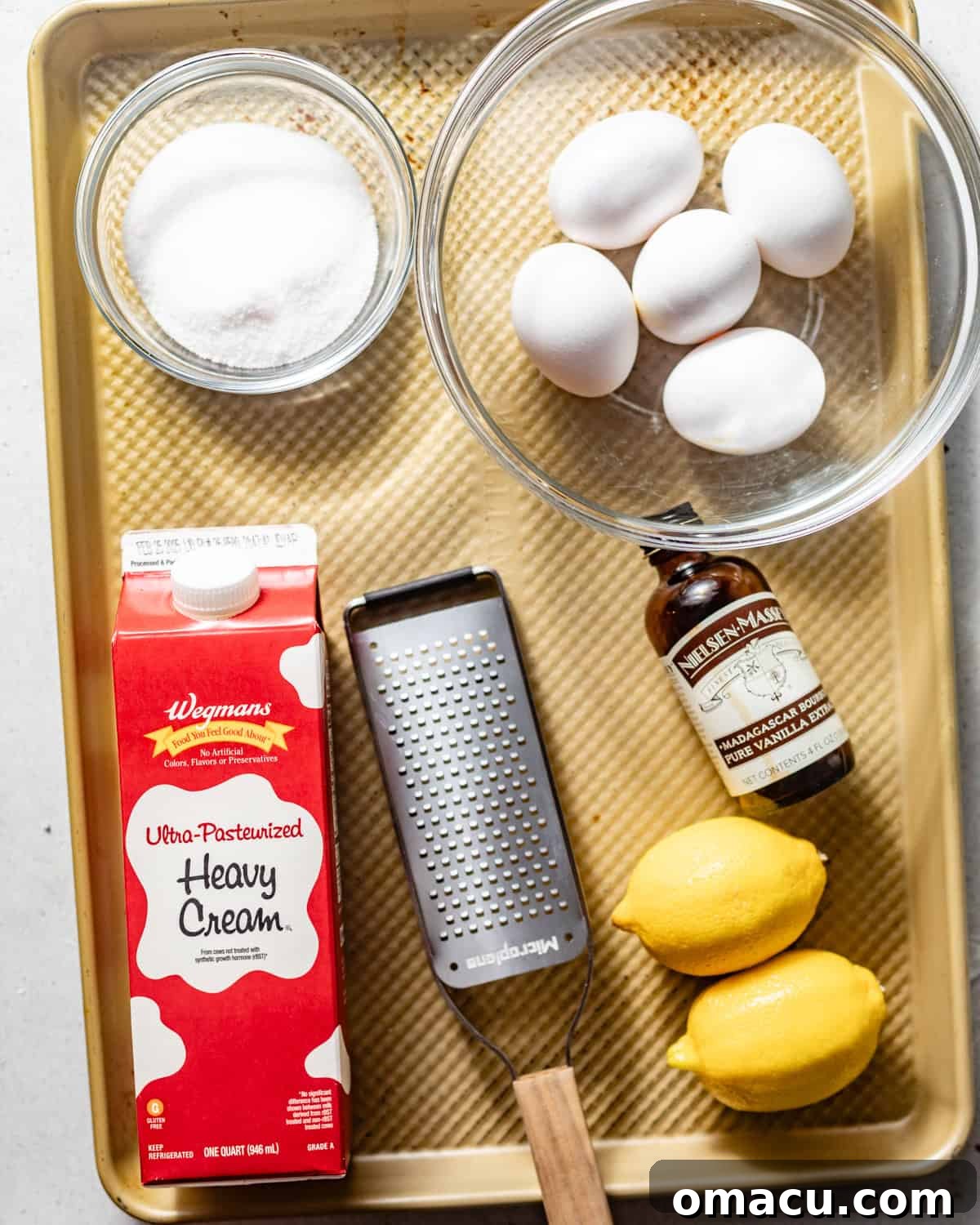
- Heavy Whipping Cream: This is the cornerstone of crème brûlée’s luxuriousness. Heavy cream provides the high fat content necessary for that incredibly rich, velvety texture. It’s what makes each bite feel utterly decadent, delivering a smooth, melt-in-your-mouth sensation that defines this classic dessert.
- Whole Milk (Optional but Recommended): While some recipes use only heavy cream, incorporating a small amount of whole milk slightly lightens the custard. This subtle dilution prevents the dessert from becoming overly dense, contributing to a more balanced and delightfully silky texture that still maintains its opulent richness.
- Lemon Zest & Lemon Extract: These two are your secret weapons for achieving an intense, pure lemon flavor. Lemon zest, derived from the outermost layer of the lemon peel, contains fragrant essential oils that infuse the custard with natural brightness. Lemon extract provides a concentrated burst of citrus without adding any excess liquid. This is critical because fresh lemon juice, being acidic, can curdle the dairy and disrupt the smooth, uniform consistency of the custard, leading to a grainy or separated texture.
- Egg Yolks: The unsung heroes of crème brûlée, egg yolks serve as the primary thickening agent. When gently heated, the proteins in the yolks coagulate, transforming the liquid cream mixture into a luscious, set custard. They also play a crucial role in emulsifying the ingredients, ensuring a stable, homogenous, and irresistibly creamy consistency. Don’t discard those leftover egg whites! They’re perfect for making a light and airy dessert like my Coconut Cake.
- Granulated Sugar: Beyond merely sweetening the custard, sugar performs several vital functions. It helps stabilize the egg yolks during the baking process, preventing them from scrambling. Most importantly, it’s the ingredient that caramelizes on top, forming the iconic, brittle, glass-like crust that gives crème brûlée its name and signature textural contrast.
- Vanilla Bean Paste: For an added layer of gourmet flavor, vanilla bean paste is an excellent choice. It introduces warm, floral, and subtly sweet notes that beautifully complement the bright acidity of the lemon. The tiny black specks from the vanilla beans also add an appealing visual element, signaling a truly artisanal dessert. If unavailable, a high-quality vanilla extract can be used, though it won’t provide the same visual appeal.
- Pinch of Salt: A small amount of kosher salt is essential to balance the sweetness and brighten all the other flavors, making the lemon and vanilla notes pop even more.
Elevate Your Creme Brulee with Variations
While the classic Lemon Creme Brulee is a masterpiece on its own, its versatile nature allows for exciting flavor variations. Here are a few ideas to inspire your culinary creativity:
- Lavender Lemon Creme Brulee: For a sophisticated floral twist, gently infuse your custard with culinary lavender. Add about 1 to 2 teaspoons of dried culinary lavender to the heavy cream and milk mixture while it warms on the stove. Allow it to steep for 10-15 minutes off the heat, then strain out the lavender before proceeding with the recipe. The subtle floral notes will beautifully complement the vibrant lemon.
- Vanilla Pod Infusion: Elevate the vanilla flavor by using a fresh vanilla bean instead of paste. Split a vanilla pod lengthwise, scrape out the fragrant seeds, and add both the seeds and the pod to the cream mixture as it warms. Let it steep for a richer, more profound vanilla essence. Remove the pod before tempering the eggs.
- Rosemary Lemon Creme Brulee: For an herbaceous and aromatic depth, add a sprig or two of fresh rosemary to the warming cream mixture. Allow it to steep for about 10 minutes off the heat before straining. Rosemary pairs surprisingly well with lemon, offering a unique savory-sweet profile.
- Ginger Lemon Creme Brulee: Introduce a hint of warming spice by adding a few slices of fresh ginger or a teaspoon of ground ginger to the cream mixture as it heats. This creates a cozy, invigorating flavor that’s perfect for cooler weather or for those who appreciate a spicy kick.
- Berry Swirl Lemon Creme Brulee: For a visual and flavor pop, gently swirl a teaspoon of fruit puree (like raspberry or blueberry) into each ramekin of custard just before baking. This adds a beautiful marble effect and a complementary fruity note to the lemon.
How to Make Lemon Creme Brulee: A Step-by-Step Guide
Creating this elegant dessert is simpler than you might imagine. Follow these detailed steps to achieve perfect, restaurant-quality Lemon Creme Brulee every time.
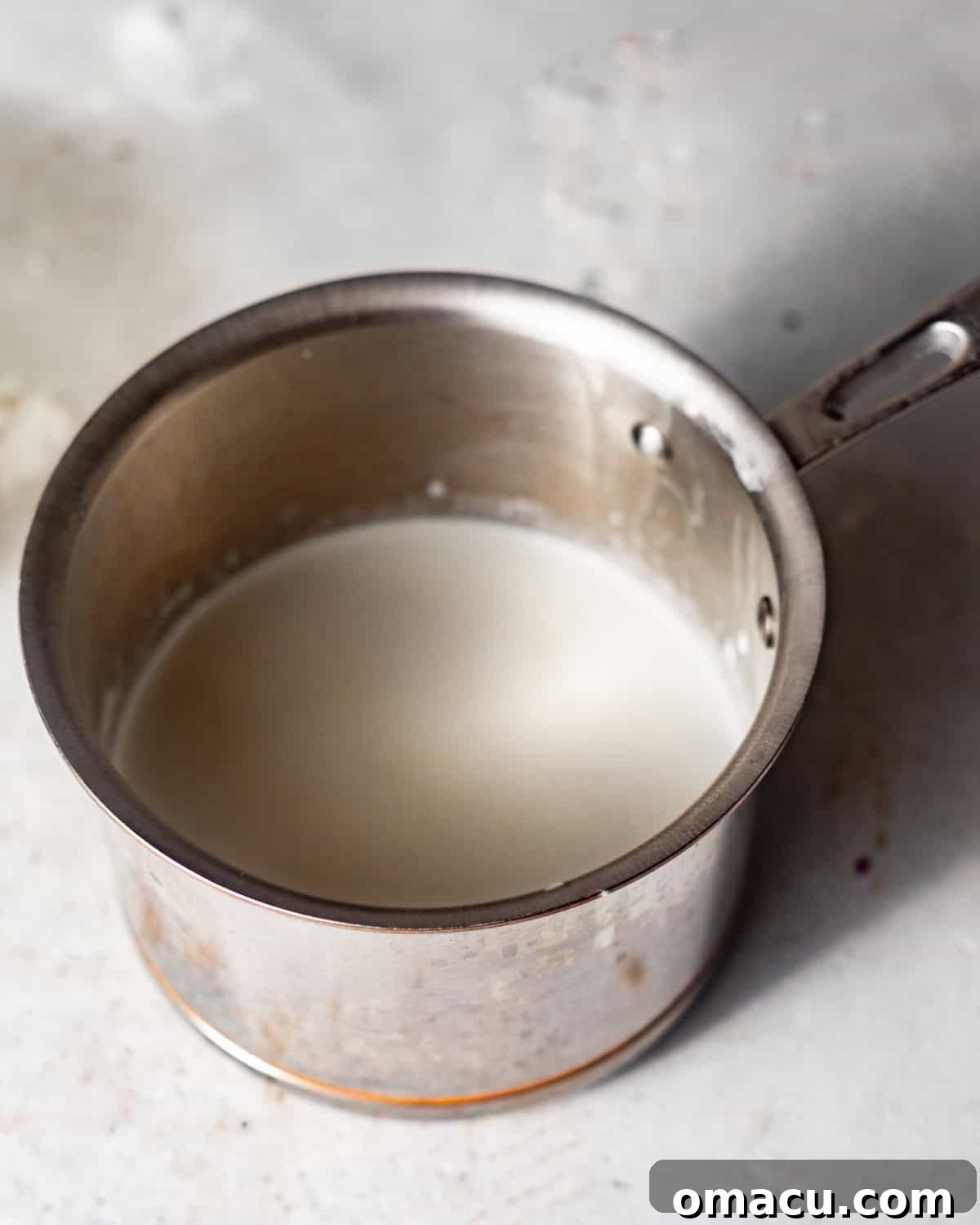
Step 1: Prepare for Baking and Warm the Dairy
Begin by preheating your oven to 300°F (150°C). Crucially, boil about 3 cups of water in a kettle; this will be used for the essential water bath (bain-marie), which ensures even, gentle cooking of the custard. In a small, heavy-bottomed saucepan, combine the heavy cream and whole milk. Place it over low heat and warm the mixture until it’s hot to the touch but not boiling, stirring occasionally. This typically takes about 5 minutes. Remove from heat immediately once warmed.
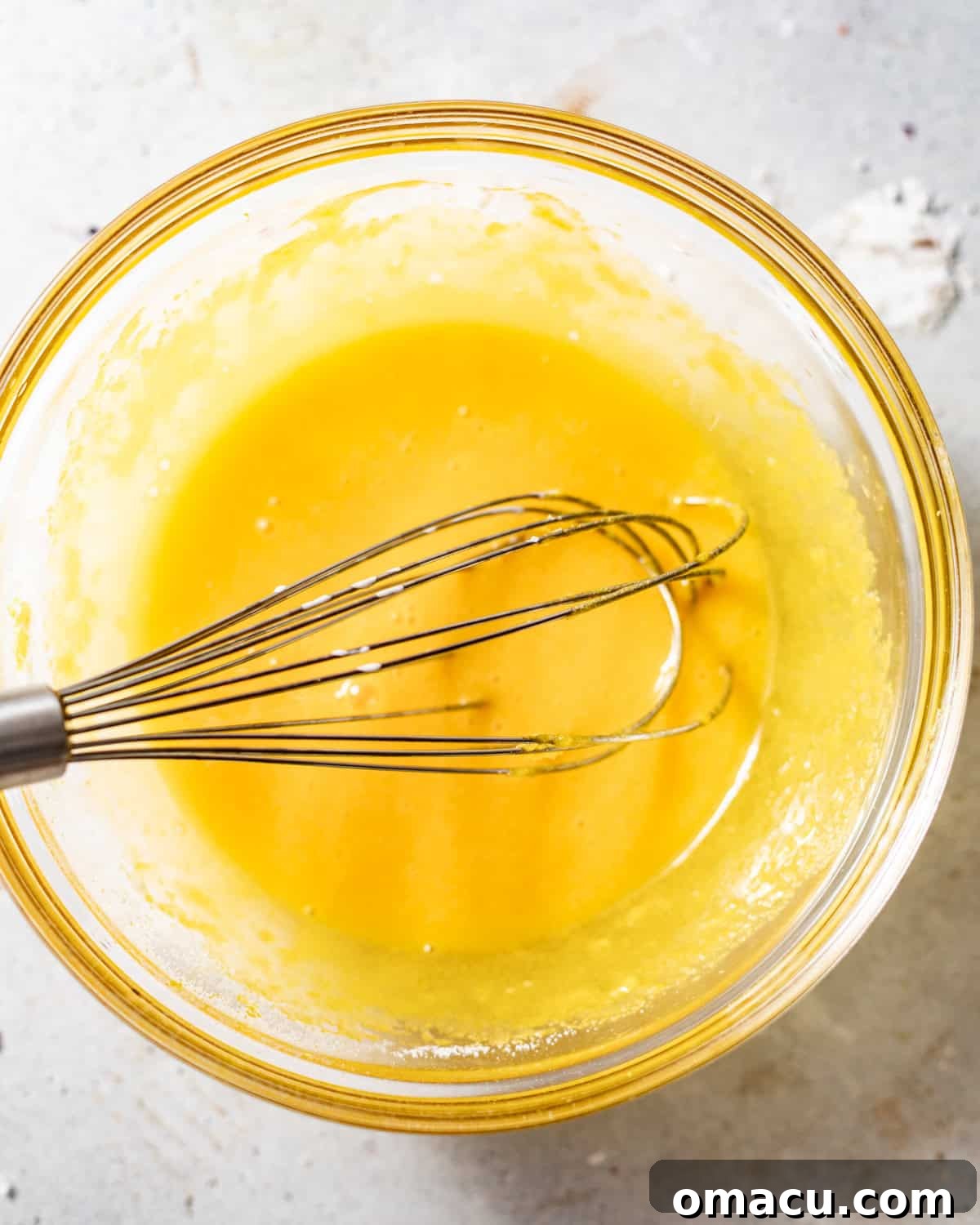
Step 2: Infuse Sugar with Lemon and Whisk Egg Yolks
In a large mixing bowl, combine the granulated sugar and lemon zest. Using your fingertips, vigorously pinch and rub the sugar and zest together for 1-2 minutes. This crucial step releases the aromatic oils from the lemon zest, infusing the sugar with a deeper, more pronounced lemon flavor. Next, add the egg yolks and lemon extract to the lemon-sugar mixture. Whisk everything together thoroughly for about 2-3 minutes until the mixture becomes pale in color, slightly thick, and fluffy. This aeration also contributes to a smoother custard.
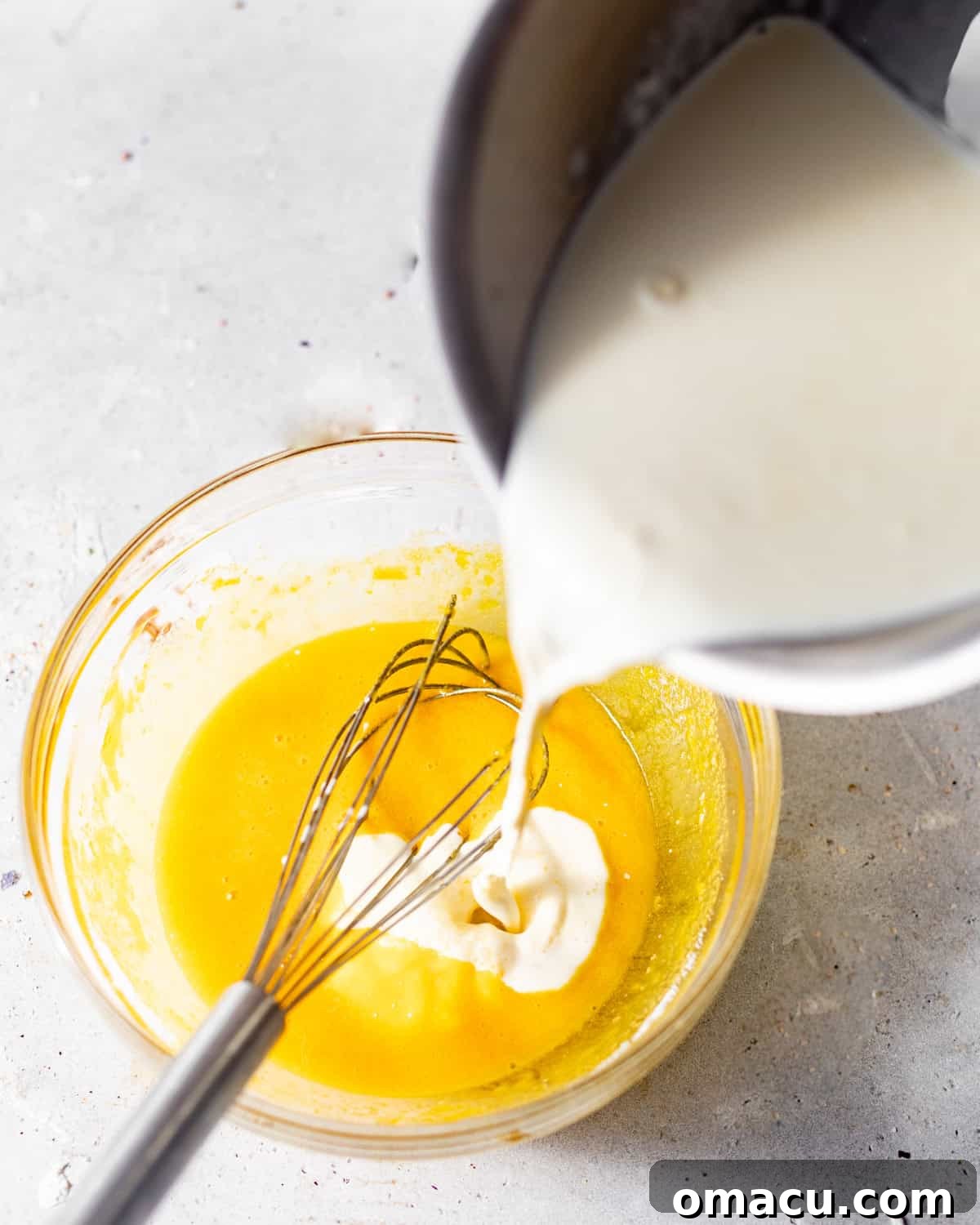
Step 3: Temper the Egg Mixture
This step requires care to prevent the egg yolks from cooking. Slowly, in a thin stream, begin pouring the warmed heavy cream and milk mixture into the egg yolk mixture, about ½ cup at a time. As you pour, continuously whisk the egg mixture vigorously. This process, known as tempering, gradually raises the temperature of the egg yolks, preventing them from scrambling. Once all the warm cream has been incorporated, stir in the vanilla bean paste and a pinch of kosher salt. Whisk briefly to ensure everything is well combined.
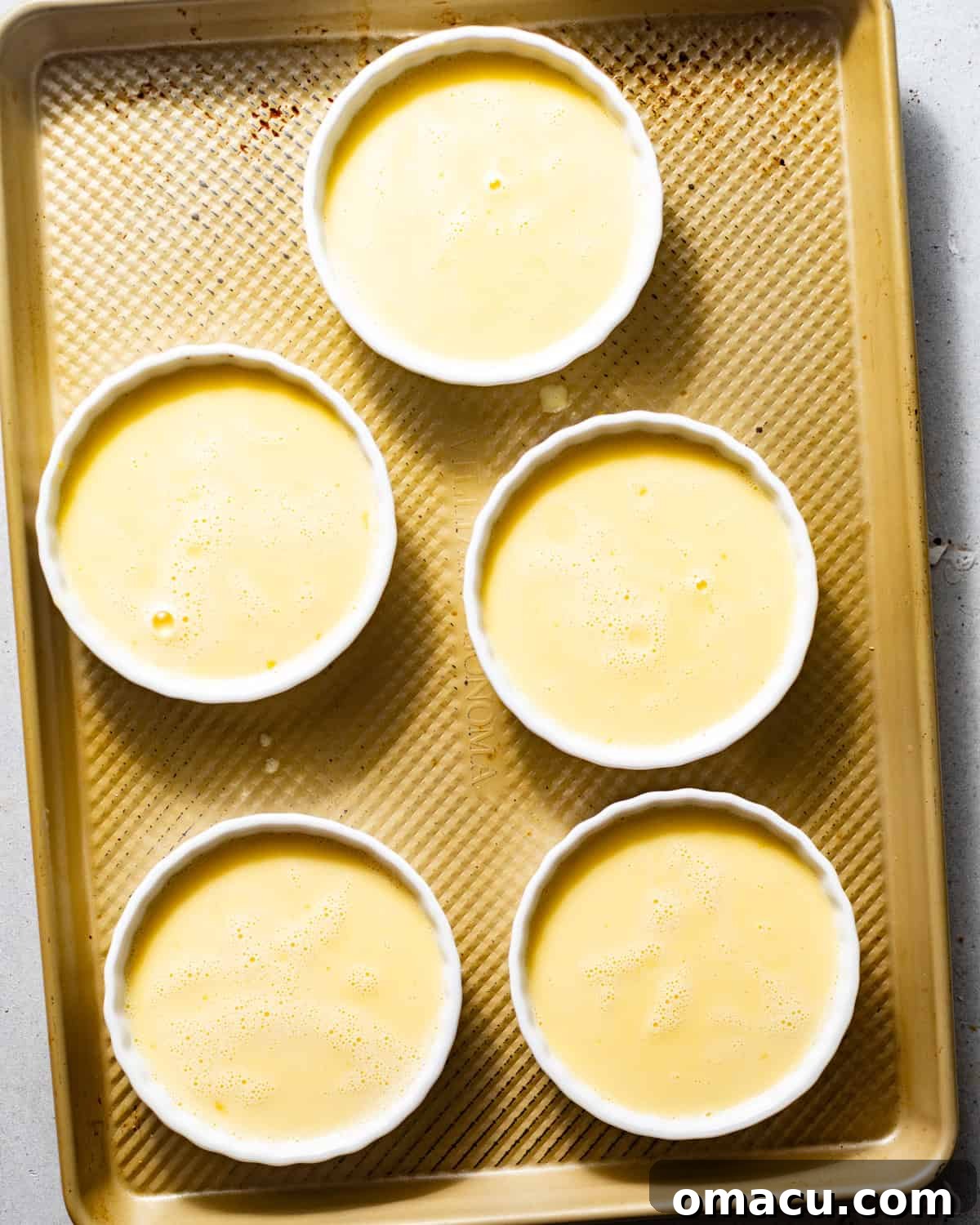
Step 4: Bake in a Water Bath
Arrange your ramekins (typically 6 to 8 oz each) on a sturdy baking sheet with raised sides. Carefully divide the lemon custard mixture evenly among the ramekins, pouring approximately ½ cup into each. Now, carefully pour the hot water (from your kettle) into the baking sheet, ensuring the water level comes about halfway up the sides of the ramekins. This water bath creates a moist, even heat environment, preventing the custards from cracking and ensuring a silky texture. Carefully transfer the baking sheet to the middle rack of your preheated oven. Bake for 32-38 minutes, or until the edges of the custard are set, and the center still has a slight, gentle jiggle, much like gelatin.
Step 5: Cool and Chill Thoroughly
Once baked, carefully remove the baking sheet from the oven. Leave the ramekins in the hot water bath for about 30 minutes to cool down gradually. This gradual cooling prevents sudden temperature changes that can lead to cracks. After 30 minutes, remove the ramekins from the water bath and place them on a wire rack to come to room temperature completely, which usually takes another 30 minutes to an hour. Once cooled, cover each ramekin tightly with plastic wrap and refrigerate for at least 4-6 hours, or preferably overnight, to allow the custards to fully set and chill.
Step 6: Caramelize and Serve
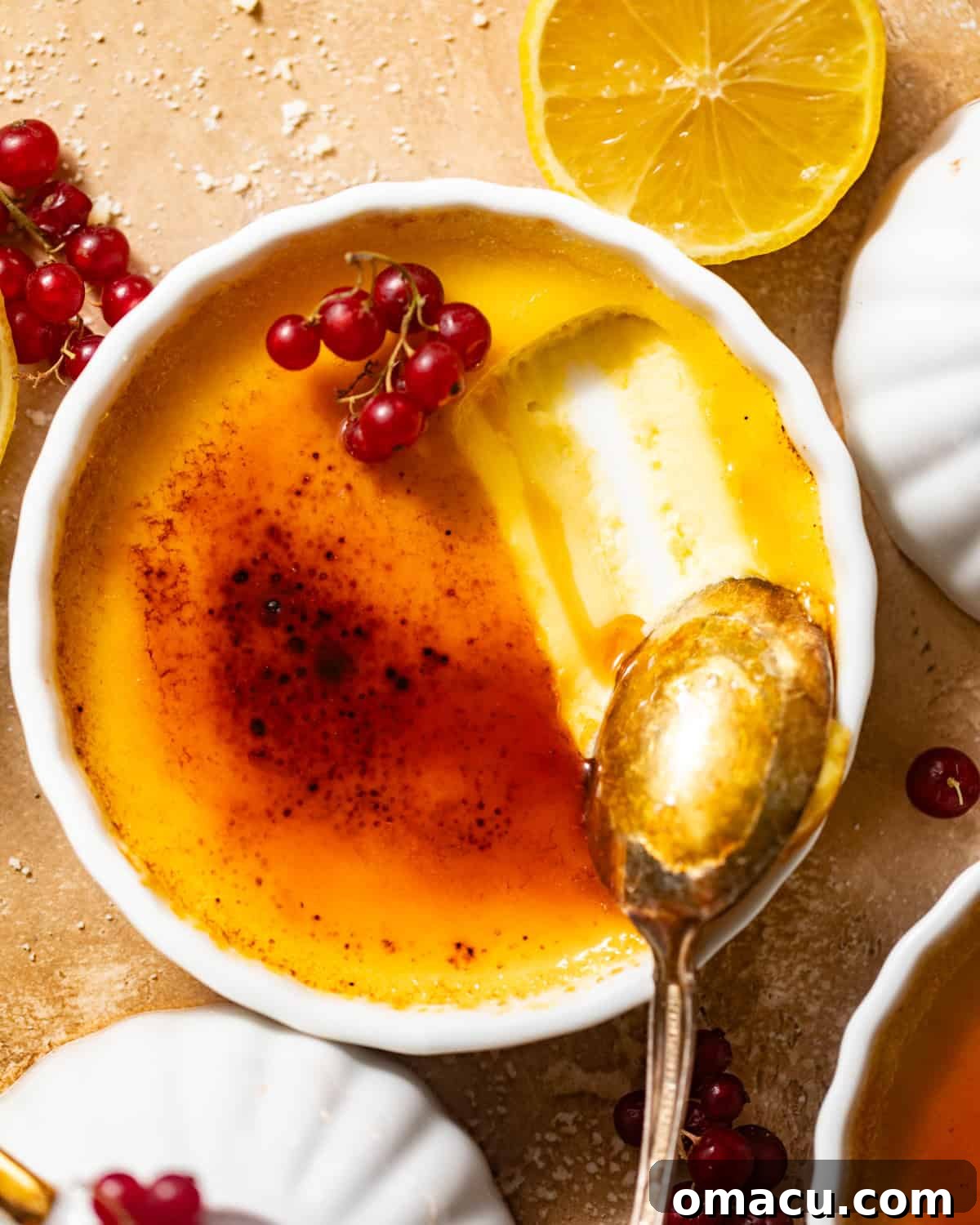
Just before serving, uncover the chilled custards. Sprinkle about 1 teaspoon of granulated sugar evenly over the surface of each custard. Use a kitchen torch to caramelize the sugar. Hold the torch about 2-3 inches away, moving it in a continuous circular motion until the sugar melts, bubbles, and turns a rich golden-brown color. Be careful not to burn it. Let the caramelized topping cool and harden for 1-2 minutes. For an extra thick and crunchy crust, you can repeat this process by adding another teaspoon of sugar and caramelizing it again. Serve immediately with fresh berries and a delicate lemon peel for garnish.
Pro Tips for Flawless Creme Brulee
Achieving a perfect Lemon Creme Brulee is all about technique and attention to detail. These pro tips will help you create a dessert that’s both beautiful and delicious.
- Mastering the Torching Technique: The caramelized crust is the hallmark of crème brûlée. Hold your kitchen torch at a 45° angle, keeping it 2-3 inches away from the sugar. Move the flame continuously in a steady circular motion. This ensures the sugar melts and caramelizes evenly, transforming into a beautiful, crackly golden-brown layer without burning any spots. Avoid holding the flame in one place for too long.
- Grating Lemons: The Zest, Not the Pith: When zesting your lemons, be meticulous. Use a microplane or fine grater and only remove the bright yellow outer layer, which contains all the flavorful essential oils. Stop immediately when you reach the white pith underneath. The pith is intensely bitter and can impart an unpleasant taste to your delicate custard, ruining the overall flavor balance.
- Tempering Egg Yolks is Key: This step is critical to prevent a lumpy, scrambled custard. Whisk the egg yolks and sugar together until the mixture is pale yellow and slightly thickened. This process strengthens the egg proteins. Then, very slowly stream in the warm (but not boiling) cream mixture while continuously whisking the egg yolks. This gradual addition and constant agitation gently brings the eggs up to temperature without cooking them.
- Gradual Cooling Prevents Cracking: Just like a delicate cheesecake, crème brûlée benefits from a slow, gentle cooling process. After baking, leave the ramekins in the water bath for approximately 30 minutes. This prevents sudden temperature changes that can shock the custard and cause unsightly cracks on the surface. After this initial cooling, carefully remove them from the water bath and let them finish cooling completely on a wire rack before refrigerating.
- Choosing the Right Ramekins: For best results, use shallow, wide ramekins (typically 4-5 ounces each). This shape allows for a greater surface area for the caramelized sugar topping, maximizing that satisfying crack in every bite. Deeper ramekins can result in a smaller topping-to-custard ratio.
- Achieving the Perfect Custard Consistency: The custard is done when the edges are set, but the center still has a slight wobble or jiggle, resembling soft-set gelatin. It should not be liquid. Over-baking will result in a rubbery texture, while under-baking will prevent it from setting properly.
- Storage: Once the custards are fully cooled and chilled, they can be stored covered in the refrigerator for up to 2-3 days. Always caramelize the sugar just before serving for the best texture.
How to Serve and Enjoy
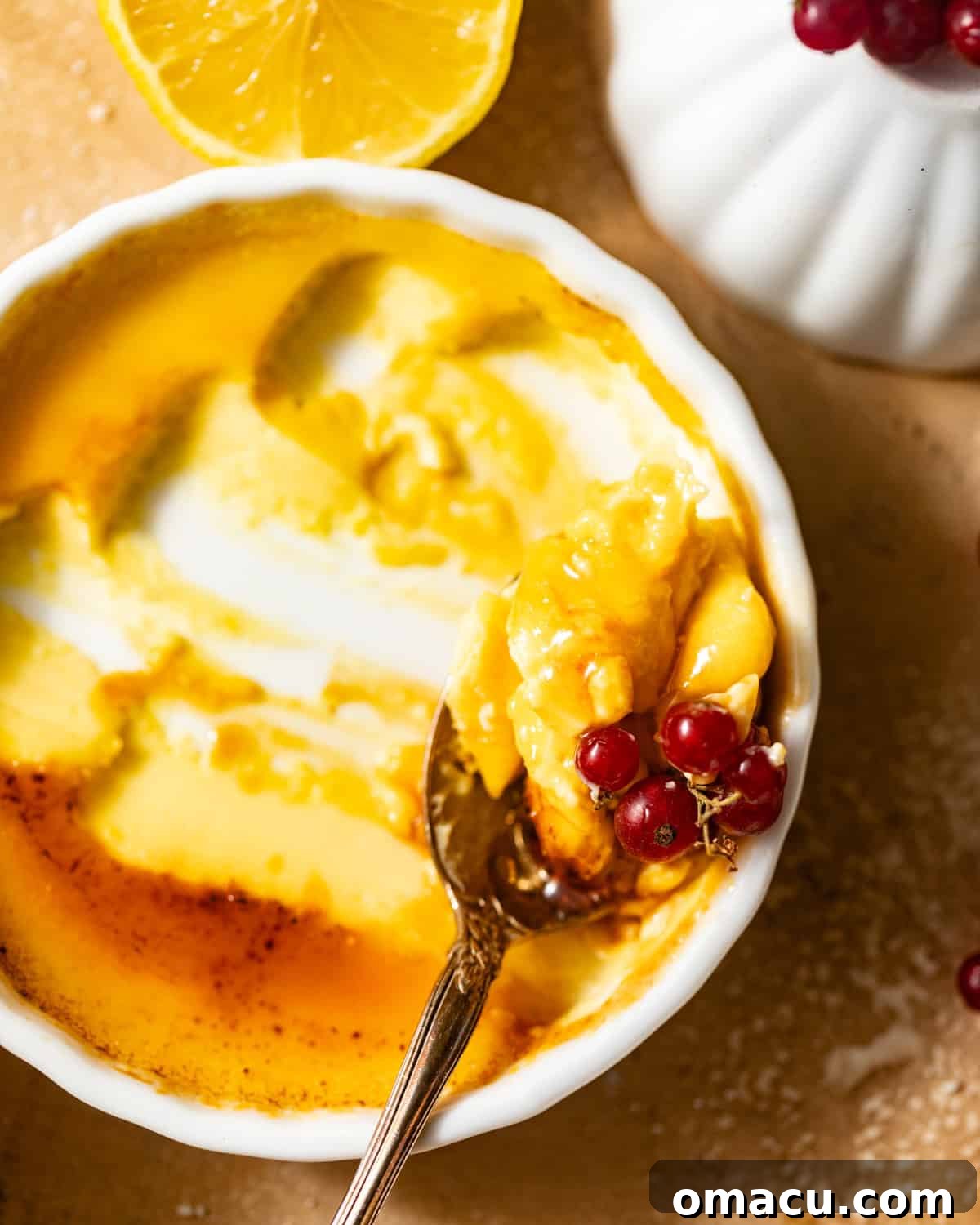
The moment of serving crème brûlée is an experience in itself. The ideal way to present and enjoy this dessert is directly from the refrigerator, ensuring the custard remains perfectly chilled, with its fresh, crisp caramelized sugar topping. This delightful contrast in temperature and texture is what makes crème brûlée so captivating.
After torching the sugar to a beautiful golden sheen, allow it to cool and harden for just about five minutes. This brief resting period ensures the caramel is perfectly brittle. Then, arm yourself with a small spoon and revel in the satisfying “crack!” as you gently break through the glossy crust. The reward is a smooth, rich, and velvety custard that melts on the tongue, followed by the subtle tartness of lemon.
While lemon crème brûlée is truly magnificent on its own, a few simple garnishes can elevate its presentation. Consider topping it with a handful of fresh berries – raspberries, blueberries, or sliced strawberries add a burst of color and a touch of complementary sweetness and acidity. A light dusting of powdered sugar, a delicate mint sprig, or even a few chocolate shavings can also add an elegant touch. However, the most crucial element is to caramelize the sugar *just* before serving. Torching it too far in advance will cause the caramel to soften and lose its delightful crunch, diminishing the signature experience of this classic dessert.
Serve these individual delights in their ramekins for that authentic, classic look, and savor every single rich, zesty, and utterly satisfying bite!
Recipe FAQs: Your Lemon Creme Brulee Questions Answered
Absolutely! Crème brûlée is an excellent make-ahead dessert. After baking and allowing the custards to cool completely, cover the ramekins tightly with plastic wrap and refrigerate them for up to two days. When you’re ready to serve, simply pull them out, sprinkle with sugar, and caramelize the topping just before presentation to ensure that perfect crispness.
Yes, you can! If you don’t own a kitchen torch, your oven’s broiler is a good alternative. Place the chilled ramekins on a baking sheet and sprinkle with sugar. Position them on the top rack under a preheated broiler. Watch them very closely – the sugar will caramelize quickly, usually within 1-3 minutes. Remove immediately once the sugar has melted and turned golden-brown to avoid burning. Be extra cautious as it can go from perfect to burnt in seconds.
Yes, crème brûlée freezes quite well. After baking and cooling completely, wrap each ramekin tightly in plastic wrap and then in aluminum foil. You can freeze them for up to three months. To serve, thaw the frozen custards in the refrigerator overnight. Once thawed, proceed with caramelizing the sugar topping just before you plan to enjoy them.
There are a few common reasons. Overheating the cream mixture to a boil can scorch the dairy. More commonly, if you add the hot cream to the egg yolks too quickly without whisking constantly (not tempering), the eggs can scramble. Also, using fresh lemon juice directly in the custard can curdle the dairy; always stick to zest and extract for flavor without disturbing the emulsion.
Fine granulated sugar is typically the best choice because its small crystals melt and caramelize evenly and quickly. Caster sugar, which is even finer, also works wonderfully. Avoid using coarse sugars as they can take too long to melt and may burn in spots.
This usually indicates under-baking. Oven temperatures can vary, so the baking time is a guideline. The custard should be set around the edges but still have a slight jiggly movement in the center when gently shaken. Ensure it’s also thoroughly chilled for at least 4-6 hours (or overnight) in the refrigerator, as chilling helps it firm up completely.
More Zesty Lemon Desserts
If you have a passion for lemon, there’s a world of delicious desserts waiting to be explored. Here are some of our other favorite lemon-infused creations:
Discover More Lemon Delights
Desserts
Lemon Blueberry Sheet Cake
Desserts
Lemon Rosemary Olive Oil Cake
Desserts
Lemon Loaf Recipe
Desserts
Lemon Drizzle Cupcakes
Want more delicious and beautiful recipes delivered straight to your inbox? Subscribe to our newsletter to receive the latest seasonal creations, baking tips, and culinary inspiration as soon as they’re released!
If you try this delightful Lemon Creme Brulee recipe, we’d love to hear from you! Please consider leaving a star rating and a comment below on the recipe card. You can also share your beautiful creations on Instagram by tagging @BritneyBreaksBread and using the hashtag #britneybreaksbread. We can’t wait to see your culinary triumphs!
Lemon Creme Brulee
Britney
5 mins
30 mins
4 hrs
4 hrs 35 mins
6

Print Recipe
Lemon crème brûlée is a fun twist on a classic French dessert, infused with citrus flavor and caramelized sugar topping—easy and delicious.
Equipment
- 6 (8 oz) Ramekins
- Small Saucepan
- Baking Sheet
- Kettle
- Kitchen Torch
- Large Mixing Bowl
- Whisk
Ingredients
- 2 cups Heavy Cream
- 1/4 cup Whole Milk
- 1/2 cup + 2 tbsps Granulated Sugar, (additional for topping)
- 1 tbsp Lemon Zest
- 6 Large Egg Yolks
- 1/4 tsp Lemon Extract
- 1 tsp Vanilla Bean Paste
- 1/4 tsp Kosher Salt
Instructions
-
Preheat the oven to 300°F (150°C). Bring about 3 cups of water to a boil in a kettle for the water bath. In a small saucepan over low heat, combine heavy cream and whole milk. Cook until warmed throughout (hot to the touch but not boiling), approximately 5 minutes. Remove from heat.
-
In a large bowl, combine granulated sugar and lemon zest. Pinch and rub together for 1-2 minutes until the sugar becomes fragrant. Add the egg yolks and lemon extract. Whisk together for 2-3 minutes until pale, slightly thickened, and fluffy.
-
Slowly pour the warmed heavy cream mixture into the egg yolk mixture, about ½ cup at a time, whisking constantly to temper the eggs and prevent scrambling. Once all the cream is added, stir in the vanilla bean paste and a pinch of kosher salt. Whisk briefly to combine.
-
Place ramekins onto a baking sheet. Pour about ½ cup of the lemon custard mixture into each ramekin. Carefully pour the hot water into the baking sheet, ensuring the water level comes about halfway up the sides of the ramekins. Place into the preheated oven. Bake on the middle rack for 32-38 minutes, until the custard is set on the edges and still slightly jiggly in the center.
-
Remove the baking sheet from the oven and let the ramekins cool in the water bath for about 30 minutes. Then, remove ramekins from the water bath and place them on a wire rack to cool completely to room temperature (about 30-60 minutes). Cover each ramekin tightly with plastic wrap and refrigerate for 4-6 hours, or overnight, to allow the custard to fully set.
-
Before serving, uncover the chilled custards. Sprinkle about 1 teaspoon of sugar evenly over the surface of each custard. Use a kitchen torch to caramelize the sugar, moving the flame in a circular motion until golden-brown. Let cool and harden for 1-2 minutes. For a thicker crust, repeat with another teaspoon of sugar. Serve immediately with fresh berries and a lemon peel for garnish.
Notes
Torching Technique – Hold the torch at a 45° angle and keep it moving in a circular motion to evenly melt and caramelize the sugar without burning it in spots.
When grating the lemons, avoid grating down to the white pith. This can make your custard bitter.
Temper the Egg Yolks – Whisk the egg yolks with sugar until pale and slightly thickened. Slowly stream in warm cream while whisking constantly to prevent scrambling.
Cool Gradually – Let the custards cool in the water bath for about 30 minutes before transferring them to the fridge. This prevents sudden temperature changes that could cause cracking, similar to how cheesecakes are cooled.
Nutrition
Calories: 432kcal,
Carbohydrates: 29g,
Protein: 5g,
Fat: 34g,
Saturated Fat: 20g,
Polyunsaturated Fat: 2g,
Monounsaturated Fat: 9g,
Cholesterol: 285mg,
Sodium: 131mg,
Potassium: 112mg,
Fiber: 0.1g,
Sugar: 28g,
Vitamin A: 1443IU,
Vitamin C: 2mg,
Calcium: 90mg,
Iron: 1mg
Nutrition information is automatically calculated and should be used as an approximation only.