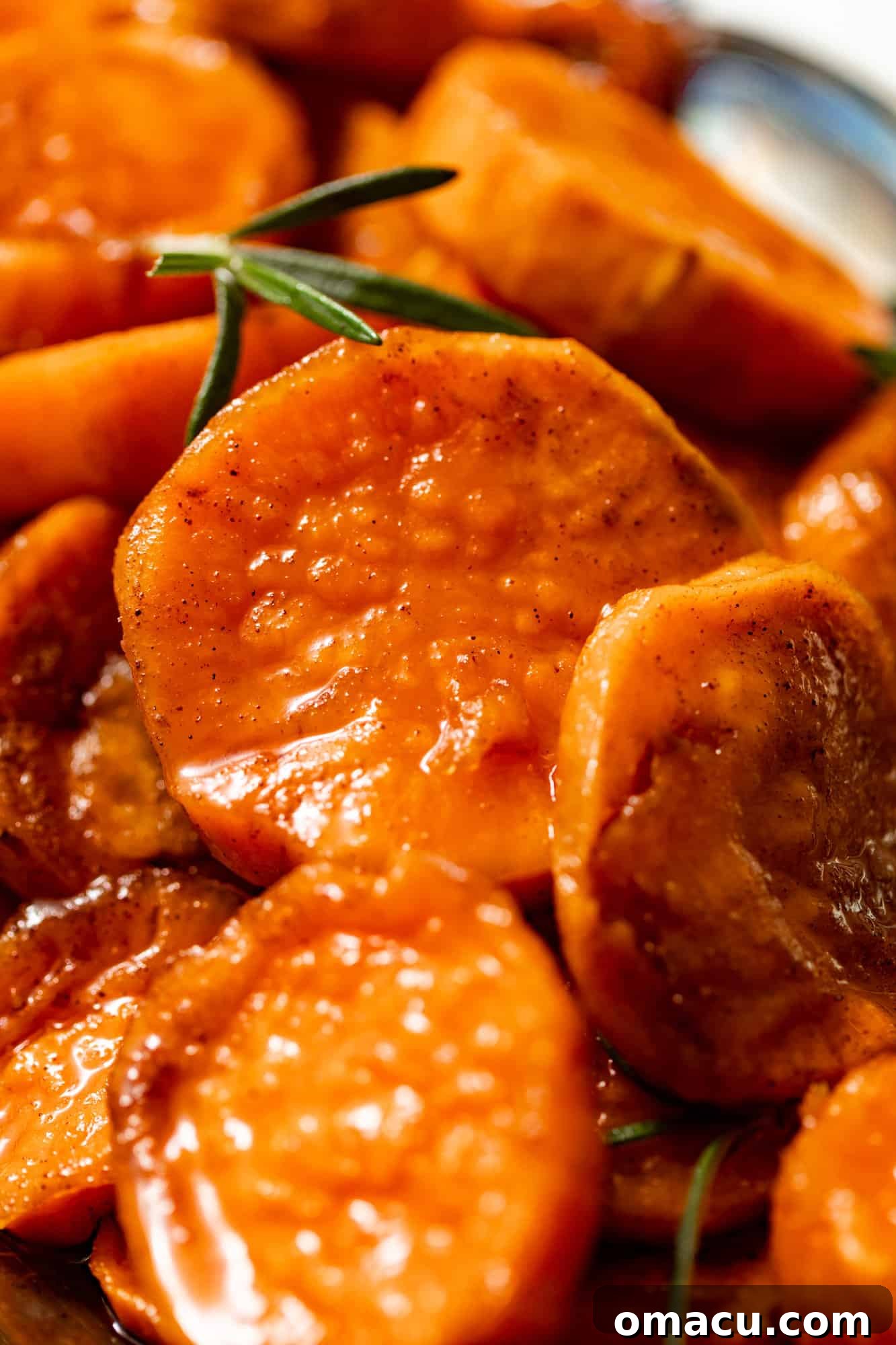
There’s nothing quite like the comforting sweetness of perfectly cooked candied yams, and this stovetop version is truly the ultimate sweet potato recipe! Imagine tender slices of sweet potatoes, slow-simmered in a luxurious, spiced brown sugar glaze, enriched with creamy butter and a blend of warm, inviting spices. It’s the quintessential Sunday dinner side dish, a guaranteed crowd-pleaser for any holiday feast, and surprisingly simple enough for those casual weeknight meals when you crave a touch of soul food tradition.
If you’re looking for more delightful sweet potato creations, be sure to explore our Old Fashioned Candied Sweet Potatoes for a classic baked approach, or dive into the decadent flavors of our Sweet Potato Casserole!
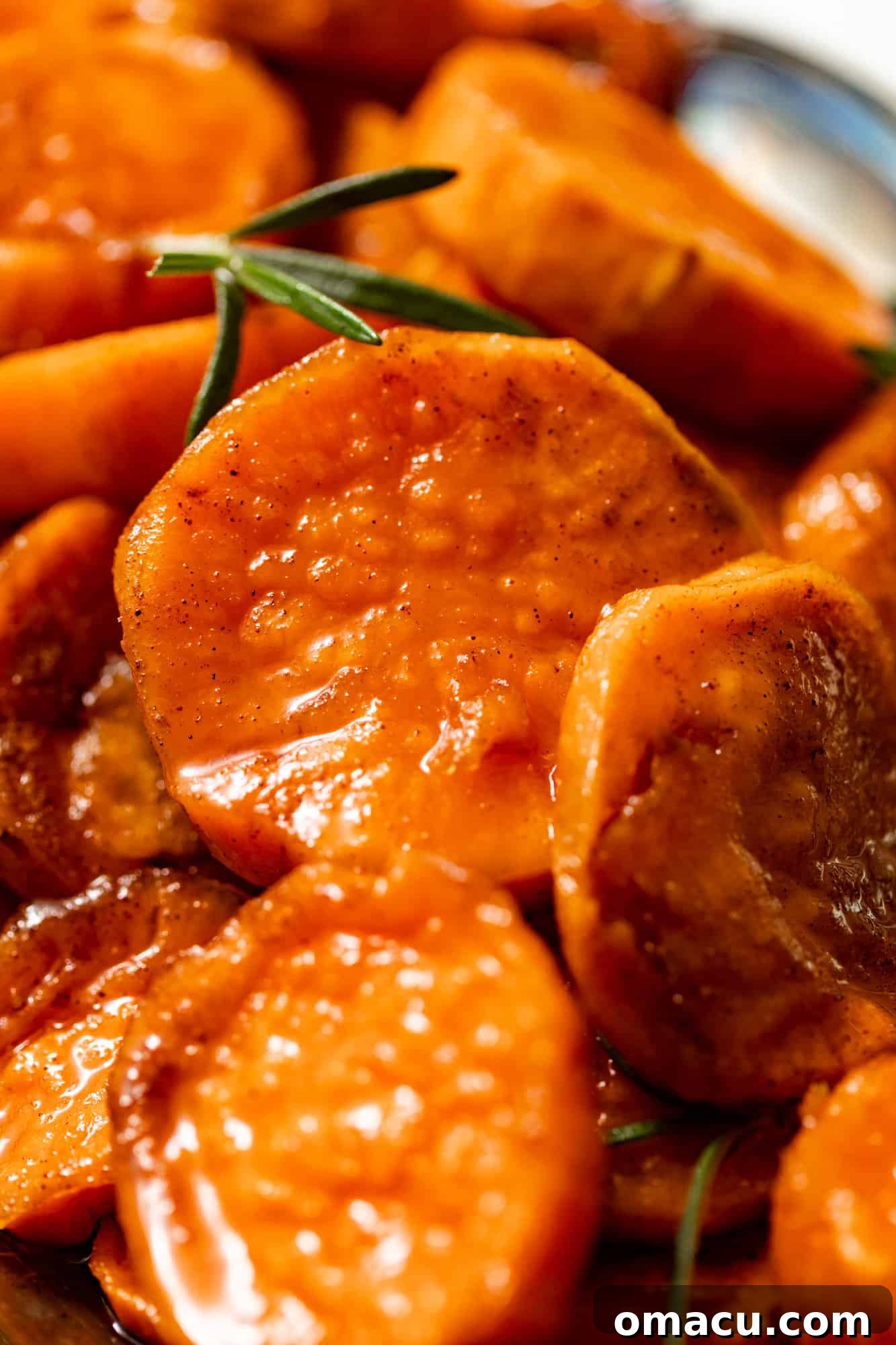
Table of Contents
- Why You’ll Adore This Stovetop Candied Yams Recipe
- What Exactly Are Candied Yams?
- The Great Debate: Candied Yams vs. Sweet Potatoes
- Essential Ingredients for Perfect Candied Yams
- Creative Substitutions & Delicious Variations
- Pro Tips for Flawless Candied Sweet Potatoes
- Step-by-Step: Crafting Your Stovetop Candied Yams
- Serving Suggestions: What Pairs Best with Candied Yams?
- Storing and Reheating Leftover Candied Yams
- Frequently Asked Questions About Candied Yams
- More Irresistible Recipes to Try
- Stovetop Candied Yams Recipe Card
Bringing southern comfort to your table, preparing stovetop candied yams is an incredibly simple and rewarding experience. This sweet potato dish is an absolute staple in my kitchen and holds a cherished spot on my holiday table every single year. Its rich, sweet, and buttery flavors are simply irresistible, making it a beloved soul food classic that perfectly complements any savory meal.
While often associated with Thanksgiving dinner, Christmas feasts, and special occasions, this classic southern candied yams recipe is remarkably versatile. Its ease of preparation means you don’t have to reserve it just for grand celebrations. Cooking these sweet potatoes on the stove saves time and oven space, making it a fantastic option for casual family dinners any night of the week. Get ready to impress your family and friends with this decadent side dish that’s bursting with flavor and tradition.
Let’s embark on this culinary journey together! We’ll go through the delicious recipe step-by-step, ensuring you create the most flavorful and tender candied yams. Whether you’re a seasoned chef or a beginner, these instructions will guide you to perfection.
Why You’ll Adore This Stovetop Candied Yams Recipe
This stovetop candied yams recipe isn’t just another side dish; it’s a culinary gem that brings convenience, superior flavor, and endless customization to your kitchen. Here’s why you’ll fall in love with it:
- Unbeatable Convenience: During busy holidays, oven space is often a precious commodity. This stovetop method frees up your oven for other dishes like turkey or casseroles, making your meal prep significantly smoother. Moreover, cooking on the stove is generally quicker than baking, allowing you to enjoy this delightful dish with less waiting time. No need to heat up your entire house by running the oven for hours – this recipe keeps things cool and efficient!
- Flavor and Texture Beyond Compare: Forget those bland, syrupy canned yams! This homemade candied yams recipe, made from scratch with fresh sweet potatoes, delivers an explosion of authentic flavor and a wonderfully tender texture that store-bought versions simply cannot match. By preparing it yourself, you also have complete control over the amount and type of sugar, allowing you to tailor the sweetness to your preference for a truly personalized culinary experience.
- Endlessly Customizable: One of the greatest joys of cooking is making a dish truly your own. This recipe serves as a fantastic base for creativity. You can easily adjust the spices, experiment with different sweeteners, or add various toppings to create a unique twist every time. From a touch of bourbon to a sprinkle of toasted nuts, the possibilities are limitless!
- A Taste of Nostalgia: For many, candied yams evoke cherished memories of family gatherings, holiday meals, and the warmth of home. This recipe captures that timeless, soulful essence, bringing a comforting sense of tradition and love to your dining table. It’s more than just food; it’s an experience.
What Exactly Are Candied Yams?
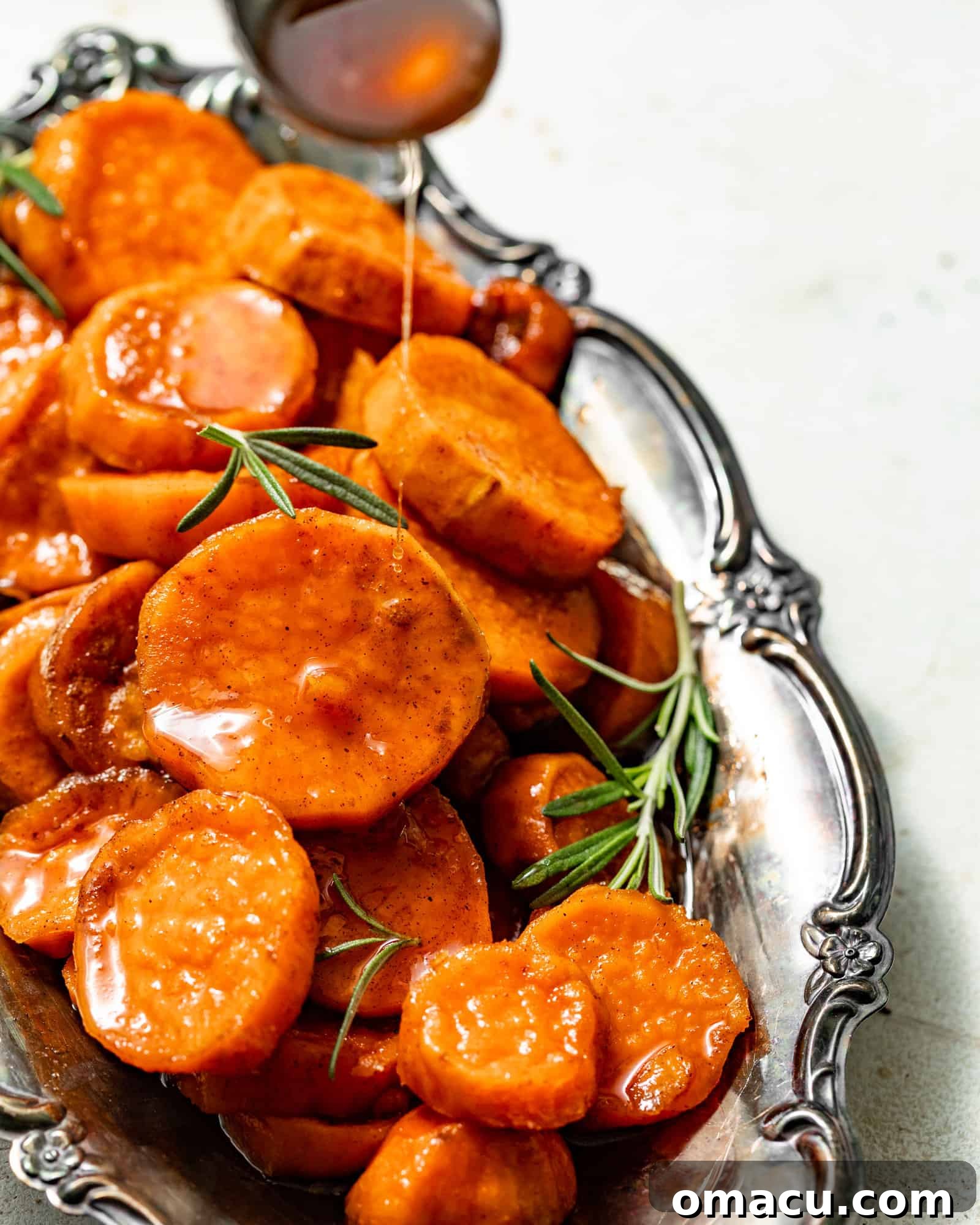
Candied yams, a beloved dish particularly prominent in Southern American cuisine, are essentially sweet potatoes cooked until wonderfully tender, then bathed in a decadent, sweet, and often spiced syrup or glaze. This indulgent side dish serves as a perfect counterbalance to savory main courses, offering a harmonious blend of flavors and textures.
At its heart, candied yams take the natural sweetness of cooked sweet potatoes and elevate it further with a rich infusion of sugars, a medley of aromatic spices, and often a hint of flavorful extracts. The result is a vibrant dish with a glossy, caramelized exterior and a melt-in-your-mouth interior, delivering a comforting sweetness that satisfies the palate. It’s a dish that feels celebratory, yet its core components are humble, making it a testament to simple ingredients transformed into something extraordinary.
The Great Debate: Candied Yams vs. Sweet Potatoes
The terms “candied yams” and “sweet potatoes” are frequently, and often mistakenly, used interchangeably, particularly within the United States. While both are root vegetables, a true yam and a sweet potato are botanically distinct and possess very different characteristics.
True Yams: Authentic yams are starchy tubers native to Africa and Asia. They are generally much larger and have a thick, rough, bark-like skin that can be white, purple, or brownish. Their flesh is typically white or off-white and has a drier, starchier texture, similar to a regular potato, with a milder, more earthy flavor. True yams are rarely found in typical American grocery stores, often requiring a visit to international or specialty markets.
Sweet Potatoes: What we commonly refer to as “yams” in the United States are almost always sweet potatoes. These members of the morning glory family are characterized by their thinner, smoother skin (which can be orange, red, purple, or white) and their moist, sweet flesh. The most common variety used for candied dishes is the orange-fleshed sweet potato, known for its vibrant color and naturally sugary taste. They are rich in beta-carotene and have a soft, creamy texture when cooked.
The confusion largely stems from historical marketing practices in the United States. Around the 1930s, Louisiana growers started calling their orange-fleshed sweet potatoes “yams” to distinguish them from the drier, white-fleshed varieties that were more common at the time. This naming convention stuck, and now even most canned “yams” sold in American supermarkets list “sweet potatoes” as their primary ingredient. So, when a recipe calls for “candied yams,” like this one, it almost certainly refers to preparing the delicious, orange-fleshed sweet potatoes you find in your local grocery store.
Understanding this distinction not only clarifies common culinary terminology but also ensures you’re selecting the correct ingredient to achieve the beloved sweet and tender results of this classic dish.
Essential Ingredients for Perfect Candied Yams
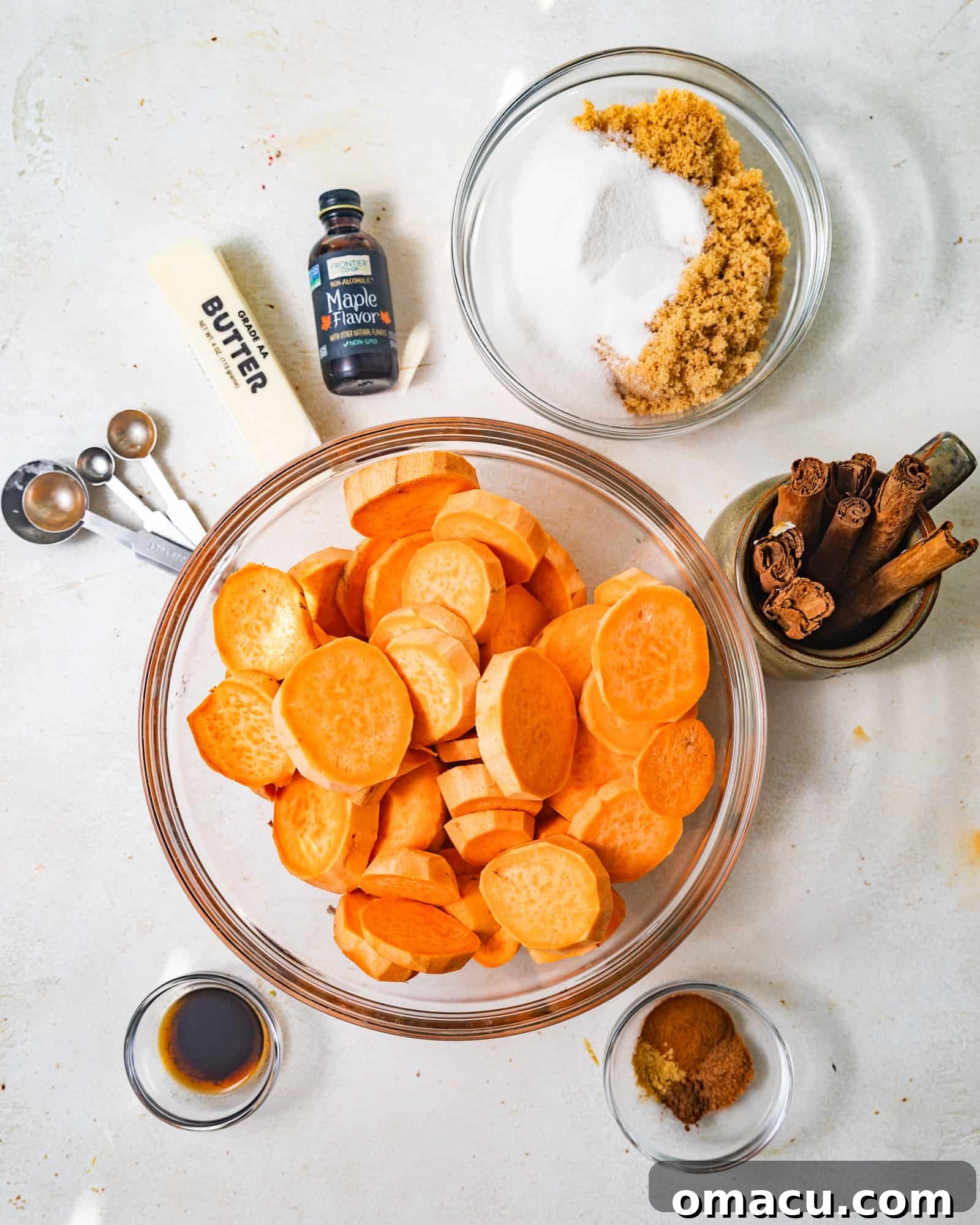
For precise measurements and detailed instructions, please refer to the comprehensive recipe card below.
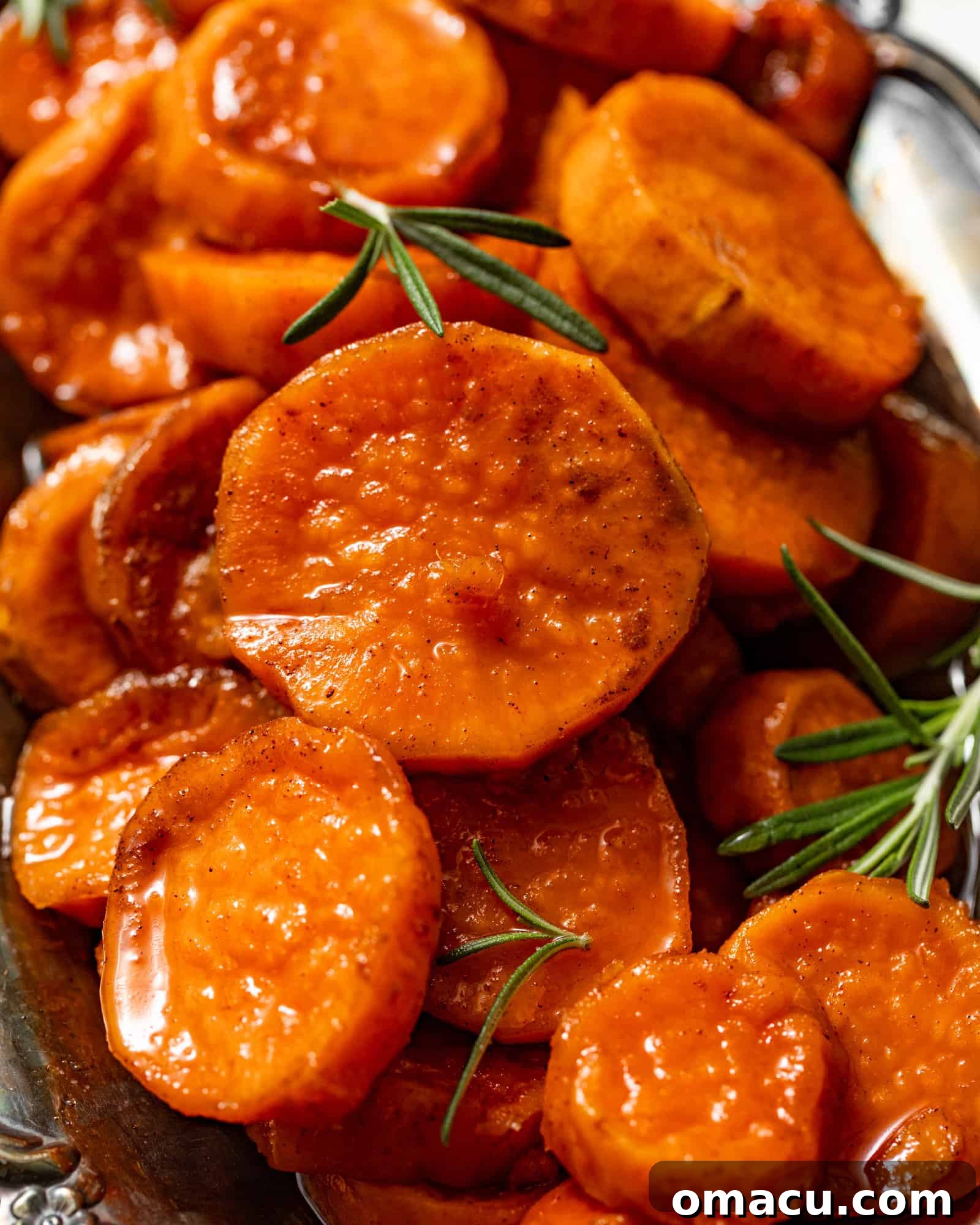
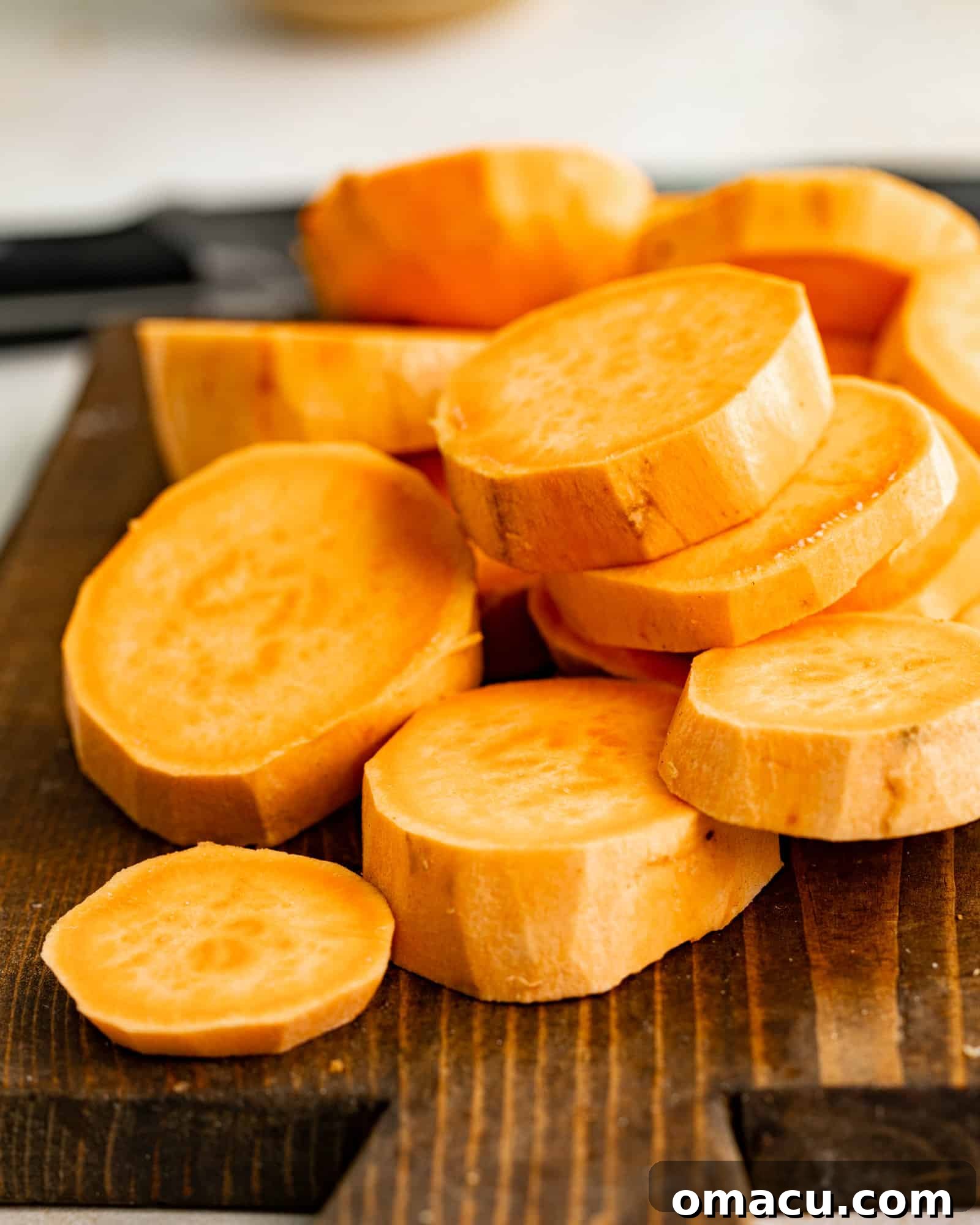
- Sweet Potatoes: The star of our dish! Opt for small to medium-sized sweet potatoes, as they tend to be sweeter and less fibrous than larger ones. Peel them thoroughly and slice them into uniform 1/2-inch rounds. Consistent slices ensure even cooking and a beautiful presentation. Their natural sugars caramelize beautifully in the glaze.
- Butter: Essential for a rich, luscious glaze. Butter adds a creamy mouthfeel and a depth of flavor that complements the sweetness of the potatoes and spices. I prefer using salted butter to subtly enhance all the flavors, but unsalted butter works perfectly fine if that’s what you have on hand; just adjust the added pinch of salt to taste.
- Sugars (Dark Brown Sugar & White Sugar): A harmonious blend of both sugars is key to achieving that perfect balance of sweetness and rich, molasses-like depth. Dark brown sugar contributes a deeper, more complex caramel note, while white granulated sugar ensures the glaze is bright and syrupy.
- Warm Spices (Ground Cinnamon, Nutmeg, Ginger, Allspice): This aromatic quartet creates a cozy, “pumpkin pie spice” blend that is incredibly fragrant and deeply comforting. Cinnamon offers warmth, nutmeg adds a hint of sweet earthiness, ginger provides a gentle zing, and allspice ties them all together with its complex notes, reminiscent of cloves and pepper.
- Lemon Juice: A small but mighty addition! Just a teaspoon of fresh lemon juice cuts through the richness of the butter and sugar, brightening the overall flavor profile. It prevents the dish from being overly sweet, adding a delightful zesty lift that makes the other flavors pop.
- Water: This is the crucial liquid base for our shimmering, thick syrup. It helps dissolve the sugars and butter, allowing them to simmer down and create that perfect glaze consistency.
- Vanilla Extract & Maple Extract: These extracts are the secret weapons for an unparalleled depth of flavor. Vanilla extract adds a classic, sweet aroma, while maple extract introduces a buttery, caramel, and toffee-like dimension that is truly “to die for.” Together, they enhance the natural sweetness of the sweet potatoes, making the dish incredibly indulgent and complex.
- Pinch of Salt: A tiny bit goes a long way! Just a pinch of salt is vital for balancing the sweetness and enhancing all the other flavors, making them more vibrant and well-rounded.
Creative Substitutions & Delicious Variations
This stovetop candied yams recipe is wonderfully adaptable, allowing you to customize it to your taste or what you have available. Here are some fantastic ideas to get you started:
- Candied Yams with Pecans: For a delightful textural contrast, stir in about 1/2 to 1 cup of chopped pecans during the last 10 minutes of cooking, or sprinkle them on top just before serving. The nutty crunch pairs beautifully with the soft sweetness of the yams. You can even toast the pecans beforehand for an intensified flavor.
- Marshmallow Topping: Elevate this classic side to a dessert-like experience! Top individual servings with a handful of mini marshmallows and use a kitchen torch to lightly brown and toast them until golden and gooey. If you don’t have a torch, a quick broiler session (watching carefully!) works too.
- Add Orange Juice: While lemon juice brightens the flavor, some prefer the more pronounced citrus notes of orange. Feel free to substitute the lemon juice with an equal amount of fresh orange juice for a different, equally delicious citrus twist. You can even experiment with a splash of orange liqueur for an adult version!
- Maple Syrup Boost: To add another layer of rich, earthy sweetness, replace some of the white sugar with an equal amount of pure maple syrup in the glaze. This will deepen the caramel notes and provide a distinct, cozy flavor profile, perfect for fall and winter holidays.
- Spice Variations: Adjust the spice blend to your liking. A touch of ground clove can add extra warmth, or a pinch of cardamom for a more exotic note. If you prefer a lighter spice profile, you can reduce the amounts or omit one entirely.
- Dairy-Free Option: To make this recipe dairy-free, simply substitute the butter with your favorite plant-based butter alternative. Ensure it’s one that melts well and can stand up to simmering.
Pro Tips for Flawless Candied Sweet Potatoes
Achieving perfectly tender, glistening candied yams is easier than you think with these expert tips:
- Thorough Cleaning is Key: Before peeling and slicing, always wash and scrub your sweet potatoes diligently under running water. This removes any lingering dirt, debris, or gritty residue that could otherwise affect the texture and taste of your final dish. A clean potato is a happy potato!
- Uniform Slicing for Even Cooking: The secret to perfectly cooked sweet potatoes that are uniformly tender (not mushy in some spots and firm in others) lies in consistent slicing. Aim for 1/2-inch thick slices. Using a mandoline slicer can help achieve this precision, but a sharp chef’s knife and a steady hand work just as well.
- Don’t Overcook: The ideal candied yam is fork-tender, meaning a fork should easily slide into the sweet potato slice with minimal resistance. Keep a close eye on them during the final cooking stage. Overcooking will lead to mushy, unappetizing sweet potatoes that lose their structure and appealing texture.
- The Art of the Glaze: The syrup should be thick enough to coat the back of a spoon, but not so thick that it becomes sticky or hard. If it’s too thin, continue to simmer without the lid for a few more minutes. If it becomes too thick, you can always add a tablespoon or two of hot water to thin it out slightly.
- Make-Ahead Magic: Candied yams are an excellent dish to prepare in advance, making holiday meal planning a breeze. You can cook them 2-3 days ahead of time. Simply store the cooled candied yams in an airtight container in the refrigerator. When ready to serve, gently reheat them on the stove over medium-low heat or in the microwave until warmed through, adding a splash of water if the syrup has become too thick.
- Choose the Right Pot: Use a large, heavy-bottomed pot or Dutch oven. This prevents burning and allows for even heat distribution, ensuring the sweet potatoes cook gently and the syrup doesn’t scorch.
Step-by-Step: Crafting Your Stovetop Candied Yams
Get ready to create a truly unforgettable side dish with these simple, step-by-step instructions. The process is straightforward, ensuring delicious results every time!
- In a spacious, heavy-bottomed pot or Dutch oven, begin by melting the butter over medium-low heat. Once the butter has completely melted and is gently bubbling, add the dark brown sugar, white granulated sugar, ground cinnamon, ground nutmeg, ground ginger, and ground allspice. Whisk all these ingredients together continuously until they are well combined and the sugars begin to dissolve into the butter.
- Next, pour in the fresh lemon juice, water, vanilla extract, and maple extract. Add that crucial pinch of salt to balance the flavors. Continue to cook this mixture, whisking occasionally, for an additional 3-4 minutes. You’ll notice the sauce will start to thicken and become beautifully syrupy, ready to embrace the sweet potatoes.
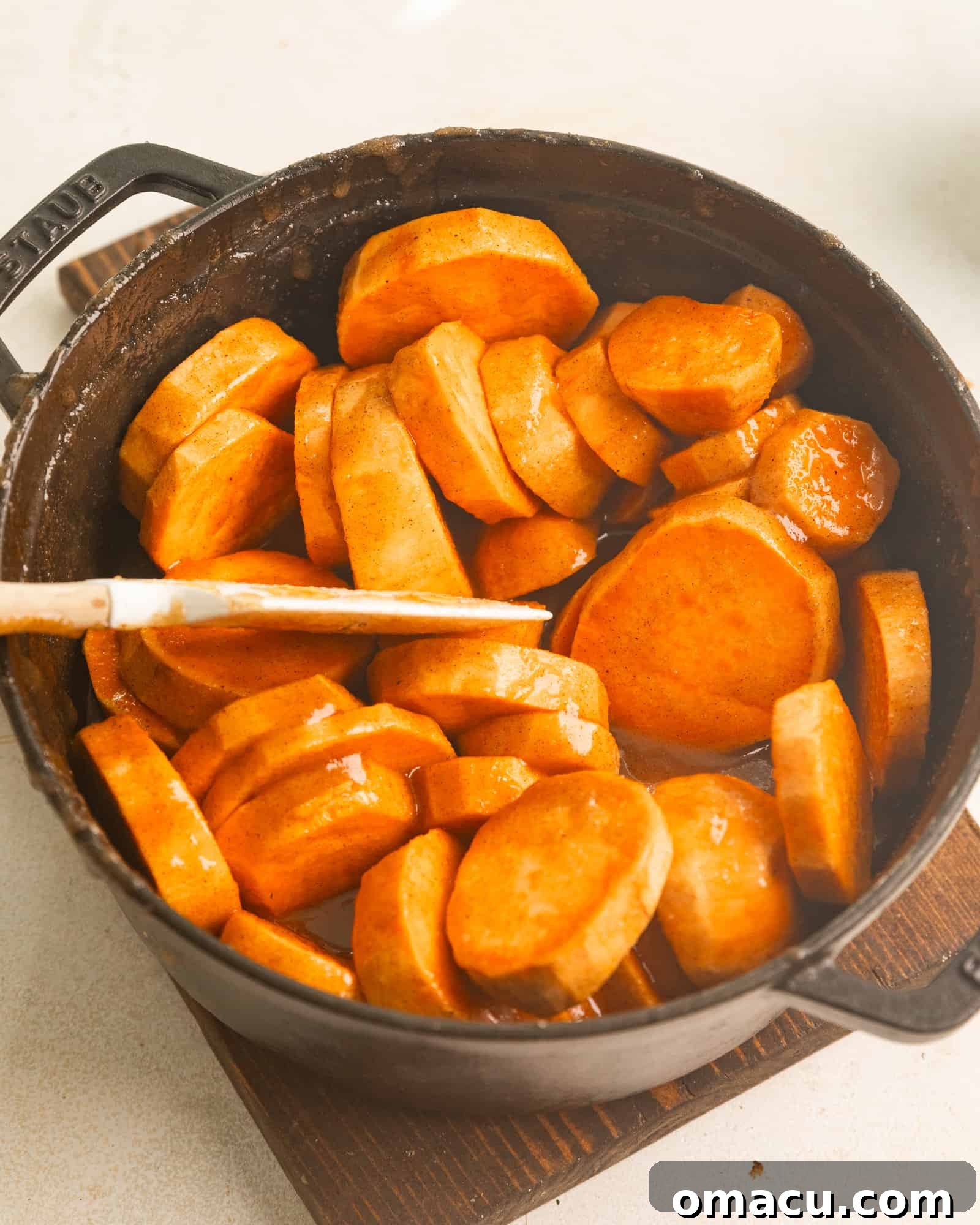
- Gently add the sliced sweet potatoes to the pot. Using a spatula or large spoon, carefully mix them with the prepared syrup, ensuring every single slice is thoroughly coated in the luscious glaze. Place a lid on top of the pot, leaving it slightly ajar or cracked. This allows some steam to escape, preventing the sweet potatoes from becoming waterlogged and ensuring the syrup doesn’t burn. Cook for 20 minutes. After 20 minutes, remove the lid entirely and continue to cook for an additional 15-20 minutes, or until the sweet potatoes are wonderfully fork-tender and the syrup has thickened to a glossy, rich consistency.
- Once cooked, remove the pot from the heat. It’s important to allow the sweet potatoes to sit and cool in the syrup for at least 20 minutes prior to serving. This resting period allows the flavors to meld beautifully and the syrup to further thicken and cling to the potatoes. Before dishing them out, spoon some of that exquisite syrup generously over the top for an extra touch of sweetness and shine. Serve warm and enjoy!
Serving Suggestions: What Pairs Best with Candied Yams?
Candied yams are a versatile side dish that shines alongside a variety of meals, especially classic Southern comfort food. Their sweet and savory profile makes them an excellent companion to rich, hearty dishes. Here are some delectable pairing ideas:
- Southern Comfort Staples: These stovetop candied yams are the ultimate soul food accompaniment. Serve them alongside vibrant Slow Cooker Collard Greens, a creamy Old Fashioned Mac and Cheese, flavorful Black Eyed Peas with Smoked Turkey, and a slice of tender Grandma’s Buttermilk Cornbread or sweet Honey Butter Cornbread. This combination creates a truly authentic and satisfying Southern meal.
- Hearty Meats: The sweetness of the yams perfectly complements robust meat dishes. Try them with crispy Shake and Bake Pork Chops, a tender Oven Baked Chuck Roast, or even a perfectly roasted chicken or turkey.
- Vegetable Companions: For a more balanced meal, pair candied yams with other vegetable sides like savory Fried Cabbage with Onions and Bacon, green beans, or roasted asparagus to add a fresh contrast.
- Don’t Forget the Bread: With all that glorious sweet syrup, you’ll definitely want something to sop it up! Warm dinner rolls, especially homemade Brown and Serve Rolls, are a must. Pop them in the oven when your meal is nearly ready for a warm, fluffy accompaniment.
Whether for a holiday feast or a simple family dinner, candied yams bring a special touch that transforms any meal into a memorable occasion.
Storing and Reheating Leftover Candied Yams
Candied yams often taste even better the next day as the flavors have had more time to meld and deepen. Proper storage ensures you can enjoy them for days to come.
- Refrigeration: Allow any leftover candied yams to cool completely to room temperature before storing. Transfer them to an airtight container. They will keep beautifully in the refrigerator for up to 4 days.
- Freezing: For longer storage, candied yams can be frozen. Once cooled, place them in a freezer-safe airtight container or heavy-duty freezer bag. They can be stored in the freezer for up to 2-3 months. Thaw overnight in the refrigerator before reheating.
- Reheating on the Stovetop: This is often the best method for reheating as it helps to re-liquefy the syrup and restore the texture. Place the candied yams in a saucepan over medium-low heat. Add a tablespoon or two of water or orange juice if the syrup appears too thick. Stir gently and heat until warmed through, about 5-10 minutes, being careful not to let them become mushy.
- Reheating in the Microwave: For a quicker option, place a single serving of candied yams in a microwave-safe dish. Cover loosely and heat on high for 1-2 minutes, stirring halfway through, until hot. Be mindful not to overheat, which can dry them out.
No matter how you reheat them, these leftover candied yams are sure to bring a smile to your face!
Frequently Asked Questions About Candied Yams
While the terms are often used interchangeably in the United States, especially in recipes for “candied yams,” they refer to botanically distinct root vegetables. True yams are starchy, less sweet, and have a rough, bark-like skin, typically found in tropical regions of Africa and Asia. Sweet potatoes, on the other hand, are the moist, sweet tubers with smooth, thinner skin (often orange, but also purple or white) that are widely available in American grocery stores. When you’re making “candied yams” in the U.S., you are almost certainly using sweet potatoes.
You can certainly cook sweet potatoes using methods traditionally applied to true yams, such as roasting, boiling, mashing, or frying. However, because sweet potatoes are naturally sweeter and have a different texture (moister and less starchy), the taste, consistency, and cooking times will vary. For instance, sweet potatoes will generally cook faster and become much creamier than true yams. This candied dish specifically leverages the sweet potato’s inherent qualities for its signature deliciousness.
Mushy candied yams are usually a sign of overcooking. Sweet potatoes become tender relatively quickly, and if they simmer in the syrup for too long, they will lose their structure and break down. Ensure you cook them only until they are fork-tender and then remove them from the heat. Consistent slicing (1/2-inch thickness) also helps in achieving even cooking and preventing some pieces from becoming mushy while others are still firm.
While this recipe is designed for fresh sweet potatoes to achieve the best flavor and texture, you can use canned sweet potatoes as a shortcut. If using canned, drain them thoroughly. Since canned sweet potatoes are already cooked, you’ll need to reduce the simmering time significantly. Add them to the prepared glaze and gently heat until they are warmed through and coated, about 5-10 minutes, being careful not to overcook them.
More Irresistible Recipes to Try
You Might Also Love These Sweet Treats
Desserts
Eggnog Pound Cake with Spiced Eggnog Glaze
Desserts
Cranberry and Orange Loaf Cake with Buttermilk Glaze
Desserts
Red Velvet Cake with Cream Cheese Frosting
Desserts
Almond Shortbread Cookies
Hungry for more delicious and beautiful recipes? Don’t miss out! Subscribe to my newsletter, where you’ll be the FIRST to hear about new recipes and gain access to tantalizing, exclusive perks!
Let’s stay connected on social media and continue to cook up amazing dishes together! Also, if you decide to make this incredible stovetop candied yams recipe, please do me a favor: leave a star rating on the recipe card below and share your thoughts in the comments section! Don’t forget to tag @BritneyBreaksBread on Instagram and use the hashtag #britneybreaksbread so I can admire your beautiful creations! I sincerely hope that you and your loved ones cherish this recipe as much as we do!
Stovetop Candied Yams
Britney
15 minutes
40 minutes
6
Ingredients
-
3 lbs
sweet potatoes, peeled and sliced into 1/2 inch slices -
3/4 cup
butter -
1 cup
brown sugar -
1 cup
sugar -
4 tsp
cinnamon -
1 tsp
nutmeg -
1/2 tsp
ginger -
1/2 tsp
allspice -
1 tsp
lemon juice -
1 tbsp
water -
1 1/2 tbsp
vanilla extract -
1/2 tsp
maple extract -
Pinch
of salt
Instructions
-
In a large pot over medium-low heat, melt butter. Once melted, add sugar, brown sugar, cinnamon, nutmeg, ginger, and allspice. Whisk together, then add lemon juice, water, vanilla extract, and maple extract. Add a pinch of salt. Continue to cook for an additional 3-4 minutes until combined and syrupy.
-
Add sweet potatoes to the pot and carefully mix together to ensure all of the sweet potatoes are coated. Place a lid on top, leaving it slightly open so that the sweet potatoes don’t burn. Cook for 20 minutes, then remove the lid and continue to cook for an additional 15-20 minutes until the sweet potatoes are fork-tender and the syrup has thickened.
-
Allow the sweet potatoes to sit in the syrup and cool for at least 20 minutes prior to serving. Spoon some of the syrup on top.
Nutrition
Carbohydrates: 117g,
Protein: 4g,
Fat: 23g,
Saturated Fat: 15g,
Polyunsaturated Fat: 1g,
Monounsaturated Fat: 6g,
Trans Fat: 1g,
Cholesterol: 61mg,
Sodium: 319mg,
Potassium: 836mg,
Fiber: 8g,
Sugar: 79g,
Vitamin A: 32890IU,
Vitamin C: 6mg,
Calcium: 121mg,
Iron: 2mg
Nutrition information is automatically calculated and should only be used as an approximation.
Tried this recipe?
Mention @BritneyBreaksBread or tag #BritneyBreaksBread!