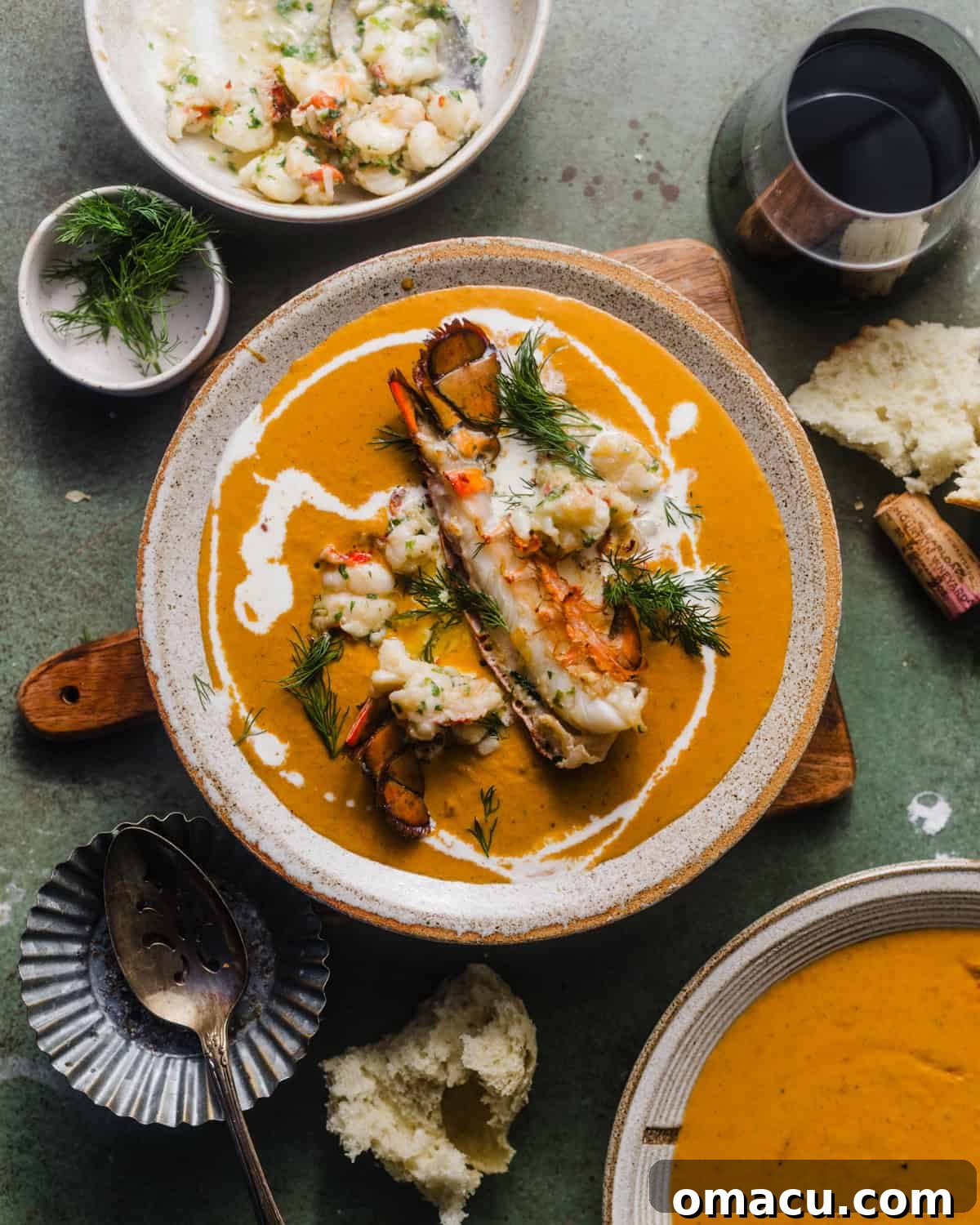
Indulge in the unparalleled luxury of our Homemade Creamy Lobster Bisque Recipe. This exquisite soup is everything you’d expect from a five-star restaurant – rich, velvety smooth, and deeply flavorful, with succulent pieces of lobster at its heart. Forget the notion that such elegance is only found outside your kitchen; we promise you can achieve this culinary masterpiece right at home. With a foundational sauté of fresh lobster in fragrant garlic butter, layered with aromatic vegetables, fine wine, and decadent cream, this bisque transforms simple ingredients into an extraordinary dining experience. It’s the kind of dish that garners compliments and makes any meal feel like a special occasion.
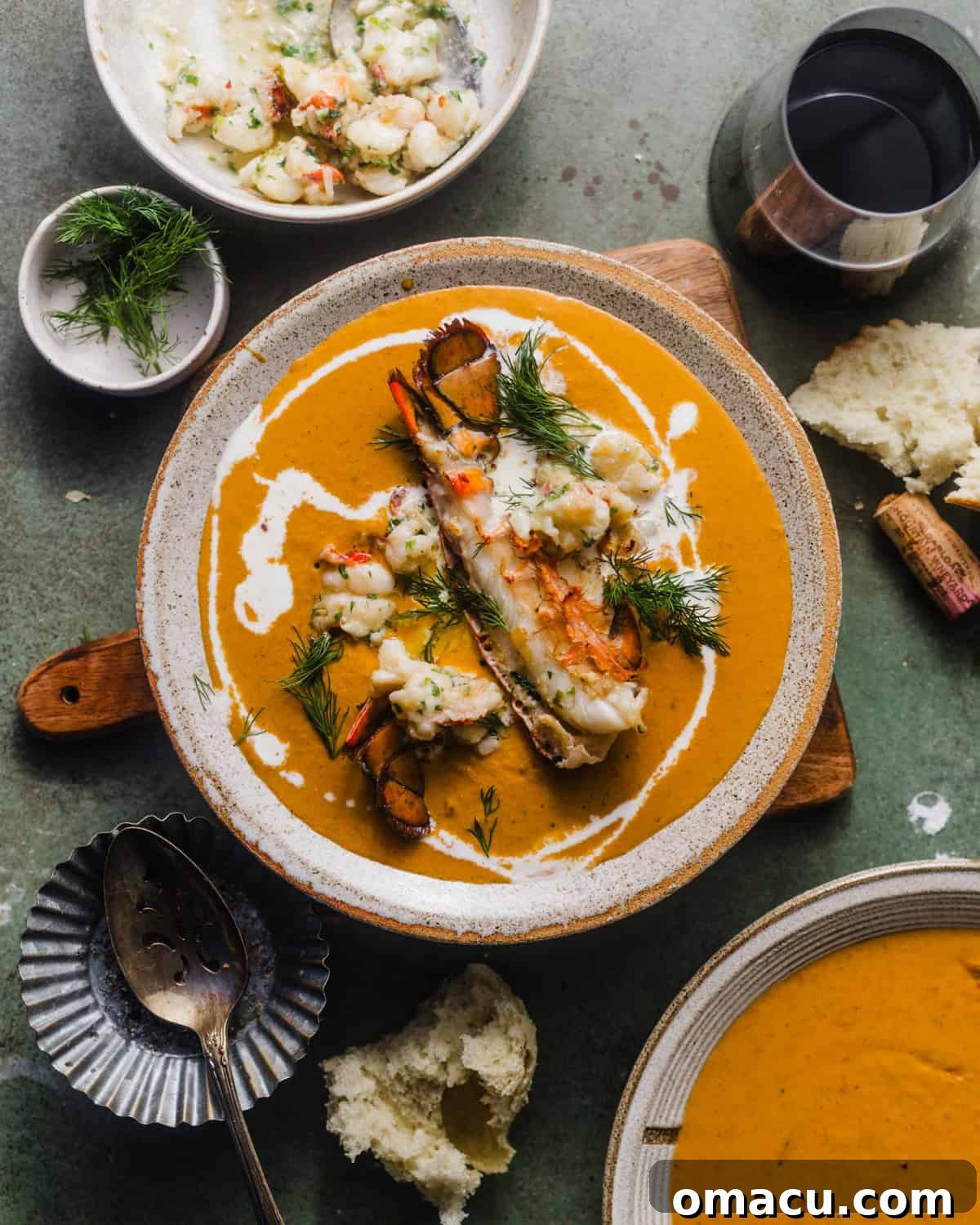
Many of us have savored a spoonful of lobster bisque at a fancy eatery and resigned ourselves to thinking, “There’s no way I could ever recreate this at home.” This recipe is here to prove that thought utterly wrong. Making homemade lobster bisque is not only achievable but incredibly rewarding. It allows you to control the quality of ingredients, personalize the flavors to your preference, and enjoy the freshest possible taste. The process of building this soup from scratch, starting with carefully sautéed lobster and infusing every layer with rich aromatics, elevates it beyond just a meal into a true culinary adventure. The result is a bisque so silken and luxurious, yet so comforting, that it will become a proud staple in your special occasion repertoire.
This exquisite soup is ideally suited for romantic dinners like Valentine’s Day, festive holiday gatherings, or simply when you wish to impress your guests (or yourself!) with a truly magnificent dish. The depth of flavor only intensifies overnight, making it a fantastic make-ahead option that tastes even better the next day. Imagine the delight of serving this stunning bisque, knowing you crafted every buttery, creamy spoonful. It’s more than just food; it’s an experience.
Lobster Bisque At A Glance
- 🥒 Prep Time: 20 mins
- 🦞 Cook Time: 1 hour
- 🕛 Ready In: 1 hour 20 mins
- 👥 Serves: 6
- 🔥 Cook Method: Sauté, Simmer, Blend, Cream, Serve
- 🥣 Flavor Profile: Buttery, Silky, Rich, Delicate, Savory with hints of sweetness
- ⭐ Difficulty: Moderate
- 🍽️ Cuisine: French, Seafood
- 🎉 Occasion: Dinner Parties, Holidays, Special Occasions, Romantic Dinners
Beyond this incredible bisque, if you find yourself captivated by the allure of fresh seafood, I highly recommend exploring my butter poached lobster for another melt-in-your-mouth experience, or dive into the robust flavors of my cajun seafood gumbo. Each recipe offers a unique journey into the world of elevated seafood cuisine.
Table of Contents
- Lobster Bisque At A Glance
- The Essence of Exquisite Ingredients
- Mastering the Technique: Step-by-Step
- Expert Chef’s Tips for Perfection
- Elevating Your Dining Experience: Serving Suggestions
- Frequently Asked Questions About Lobster Bisque
- More Seafood Dishes
- Creamy Lobster Bisque Recipe Card
The Essence of Exquisite Ingredients
Creating a truly magnificent lobster bisque begins with selecting the finest ingredients. Each component plays a vital role in building the complex and harmonious flavor profile that defines this classic dish.
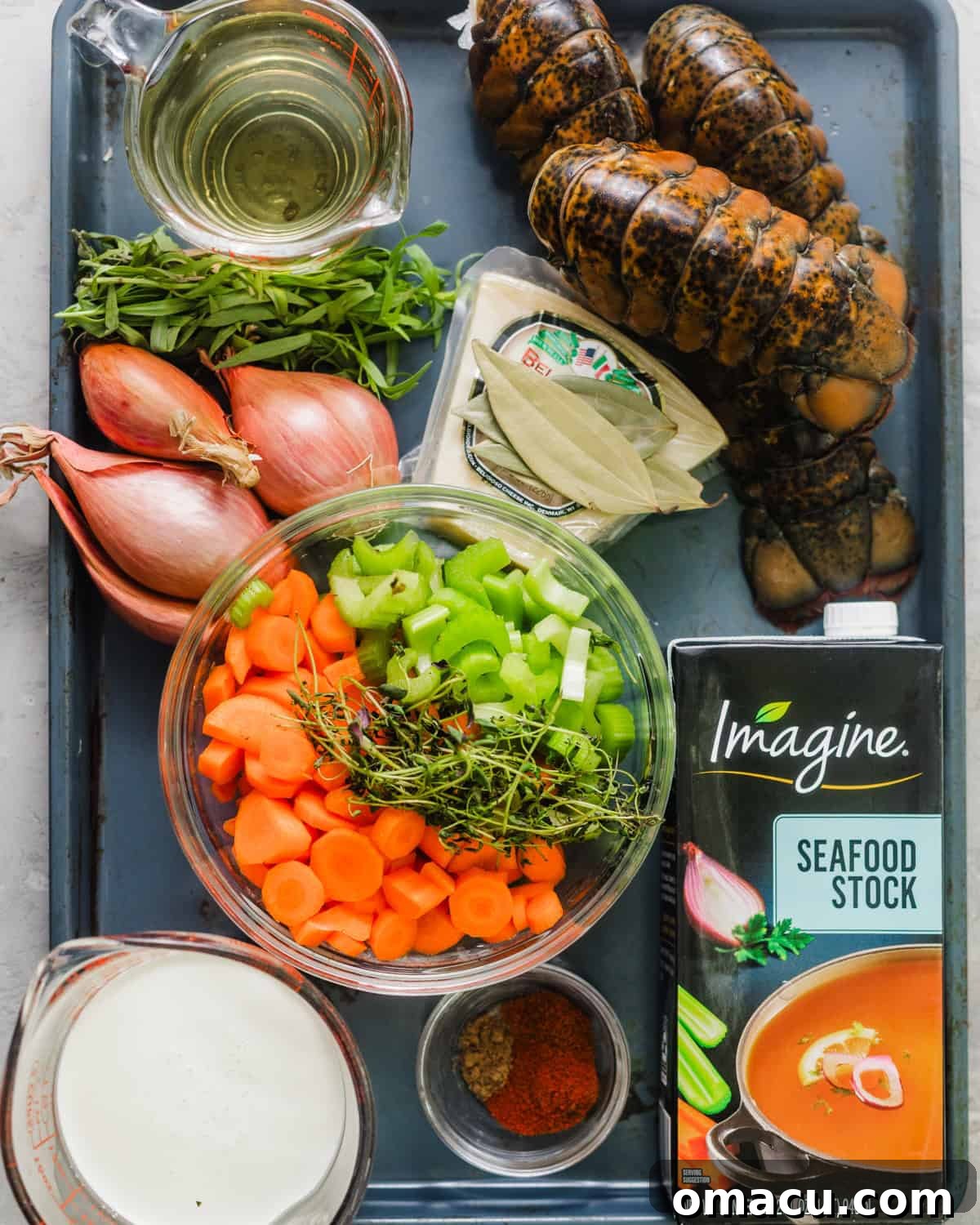
(A comprehensive list of exact measurements can be found in the detailed recipe card below.)
- Lobster Tails: While whole live lobsters offer a robust flavor, using frozen or fresh lobster tails significantly simplifies the preparation without compromising on taste. They are easier to handle and drastically reduce your prep time.
- Pro Tip: For an even deeper lobster essence, don’t discard those shells! Save them to craft your own rich homemade lobster stock. This stock can be used not only in this bisque but in any seafood recipe, such as boiling noodles for lobster mac and cheese, truly infusing every bite with that authentic lobster flavor.
- Seafood Stock: This is the backbone of your bisque, providing a savory depth that highlights the shellfish notes. While seafood stock is highly recommended for its authentic flavor, a good quality chicken stock can also be used as a worthy alternative, contributing a similar richness without making the soup taste overtly “fishy.”
- Heavy Cream: The secret to the bisque’s signature silky, smooth texture and opulent richness. Heavy cream also plays a crucial role in balancing the acidity introduced by the wine and brandy, resulting in a perfectly harmonious flavor.
- Mirepoix (Carrots, Shallots, and Celery): This classic aromatic base is fundamental to French cuisine. The combination of sweet carrots, pungent shallots (a milder, more refined cousin to onions), and earthy celery creates a foundational layer of flavor that provides complexity and sweetness to the bisque.
- Fresh Thyme and Tarragon: Fresh herbs are non-negotiable for vibrant flavor. Thyme offers an earthy, peppery note, while tarragon introduces a subtle anise-like essence that beautifully complements seafood. These herbs infuse the bisque with a delicate yet distinct aroma.
- Dry White Wine and Brandy: These spirits are culinary workhorses in bisque. The dry white wine (such as Pinot Grigio or an unoaked Chardonnay) deglazes the pot, lifting caramelized bits of flavor from the bottom, and its acidity brightens the overall profile. Brandy adds a layer of warmth, complexity, and a sophisticated richness, contributing to the bisque’s layered and refined taste. Always choose a wine you’d enjoy drinking.
- Seasonings: Our carefully chosen blend includes:
- Smoked Paprika: For a subtle, smoky undertone and beautiful color.
- Cayenne Pepper: Just a touch provides a gentle warmth that awakens the palate without overwhelming the delicate lobster.
- Nutmeg: This is my secret ingredient! A small pinch of nutmeg elevates the broth, adding a mysterious depth and a traditional European touch that makes the bisque truly unforgettable.
- Of course, don’t forget essential Salt and Black Pepper to taste, adjusting for perfect balance.
Thoughtful Substitutions
While the classic recipe is divine, here are a few substitutions to accommodate different dietary needs or ingredient availability:
- Dairy-Free Option: For those avoiding dairy, full-fat coconut milk can be used in place of heavy cream. It will impart a slightly different flavor profile, but still deliver a rich, creamy texture.
- Alcohol-Free Version: If you prefer to omit alcohol, simply replace the white wine and brandy with an equal amount of additional seafood stock, chicken stock, or even vegetable stock. You’ll still achieve a flavorful bisque, just without the subtle nuances imparted by the spirits.
- Seafood Stock Alternatives: If seafood stock is hard to find, good quality clam juice is an excellent substitute that will maintain a strong seafood flavor. Alternatively, a fish stock can work in a pinch.
Mastering the Technique: Step-by-Step
Crafting this elegant lobster bisque involves a few key stages, each essential for building its incredible depth of flavor and signature silky texture. Follow these steps for a perfect result:
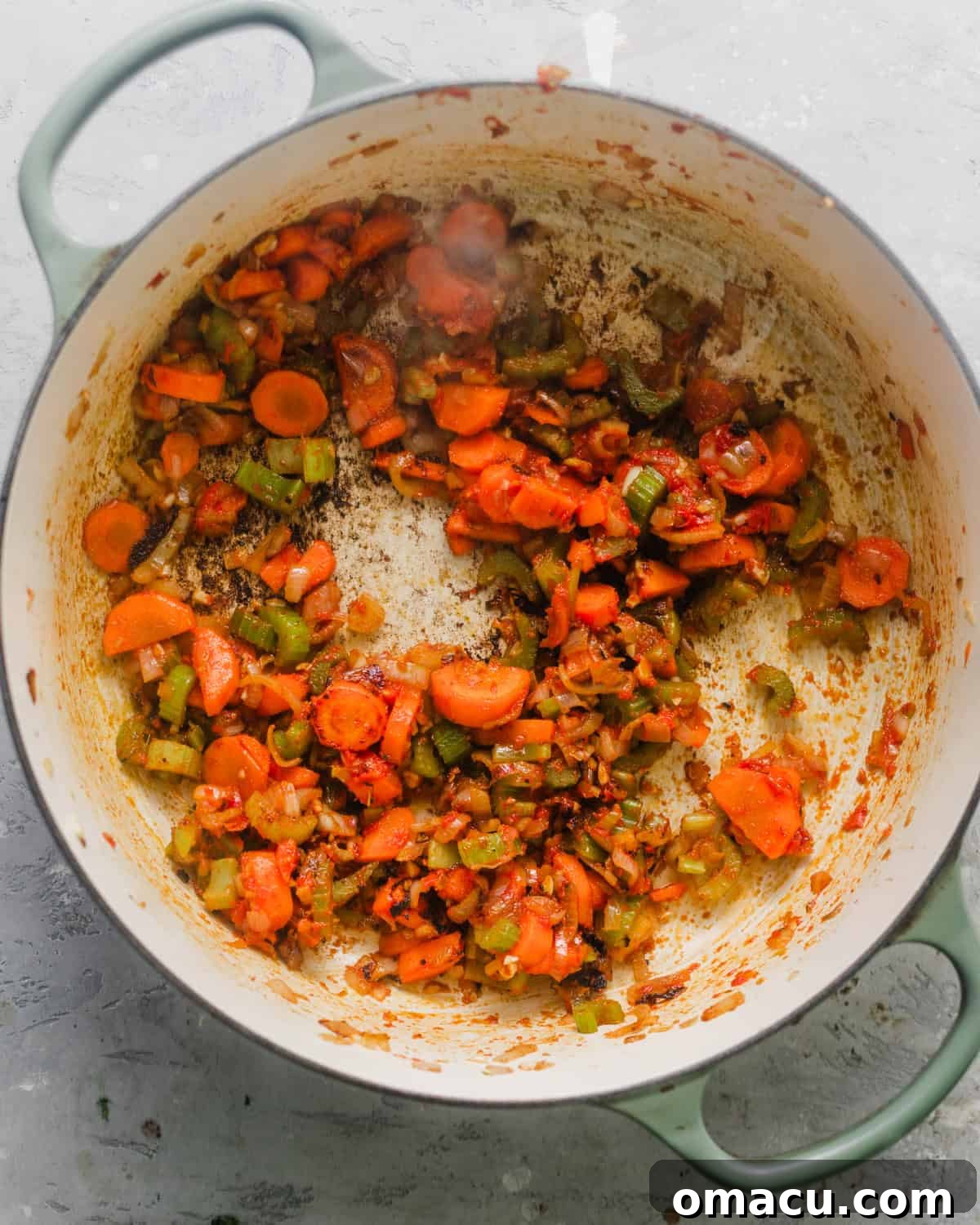
Step 1: Build the Aromatic Base: Begin by heating olive oil in a large, heavy-bottomed pot over medium heat. Add the diced shallots, carrots, and celery. Sauté gently for about 5 minutes until they are softened and fragrant but not browned. This “sweating” process allows their natural sweetness to develop without creating a bitter, savory flavor. Next, stir in the tomato paste, minced garlic, chicken bouillon, smoked paprika, cayenne pepper, and nutmeg. Cook for another 3-4 minutes, stirring constantly, until the tomato paste darkens slightly in color, indicating its flavors have deepened. This creates a rich, complex foundation for your bisque.
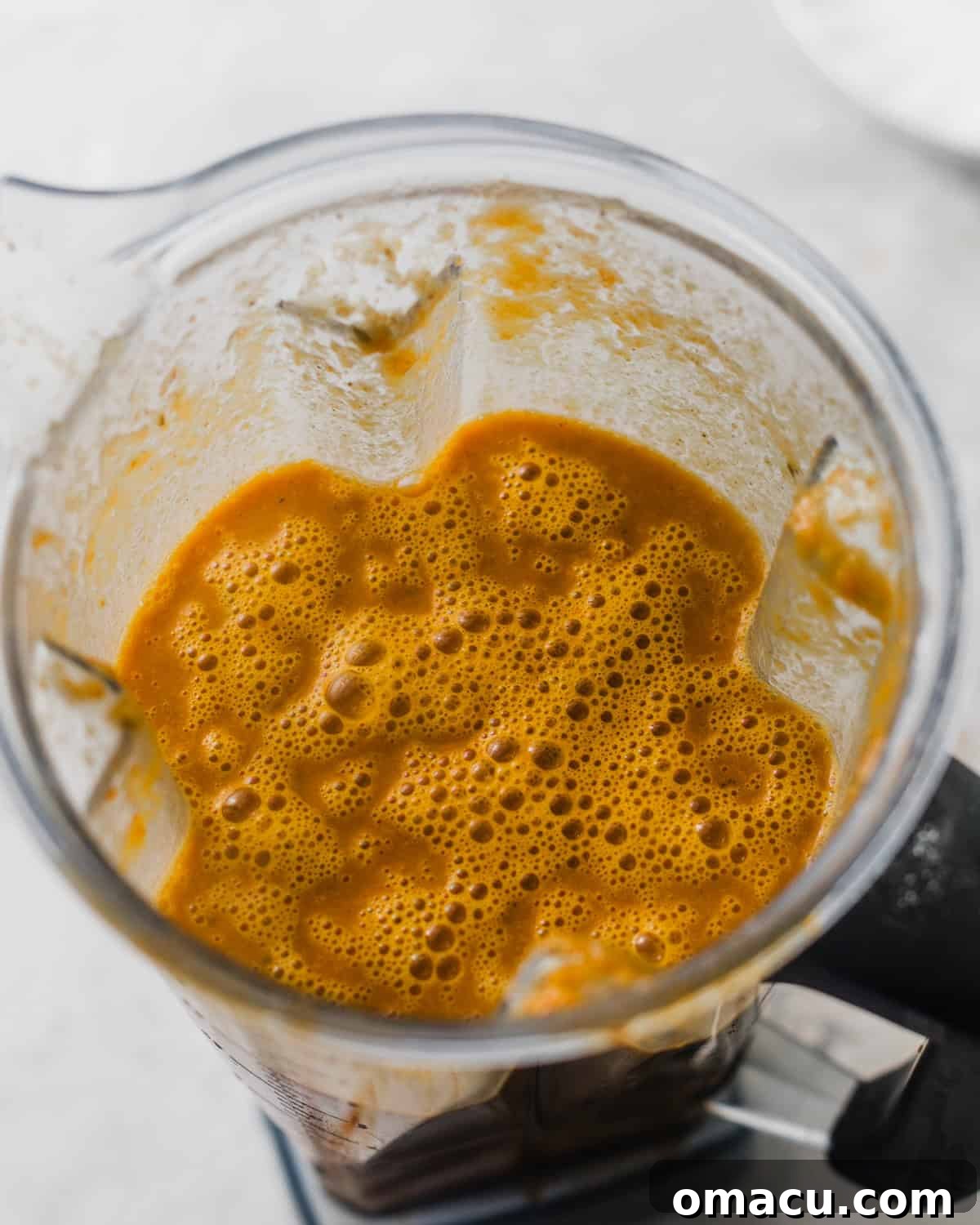
Step 2: Deglaze and Simmer for Depth: Pour in the dry white wine and brandy. Use a wooden spoon to vigorously scrape up any flavorful browned bits stuck to the bottom of the pot—this crucial step is called deglazing and extracts immense flavor. Allow the mixture to cook for 5 minutes to reduce the alcohol. Then, add the seafood stock, bay leaves, fresh thyme, tarragon, and a Parmesan rind (if using, for extra umami). Bring the mixture to a boil, then reduce the heat to low, cover, and simmer for 20 minutes. Uncover and continue to simmer for an additional 15 minutes to further concentrate the flavors. Once simmered, remove the herbs and bay leaves from the pot.
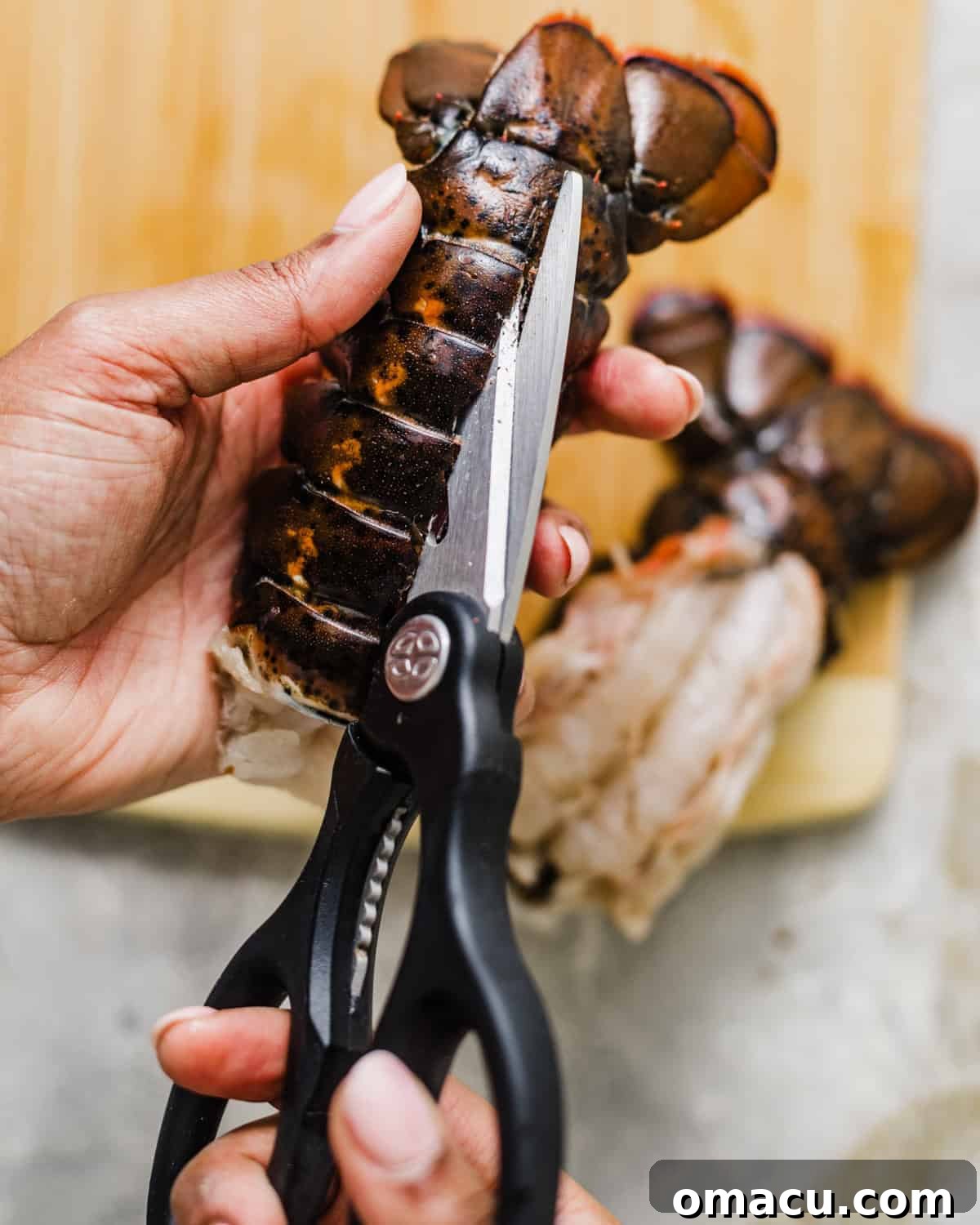
Step 3: Prepare and Sauté the Lobster: While the bisque base simmers, prepare your lobster. Using kitchen shears, carefully cut along the top and underside of the lobster tail shell. Gently crack open the shell and remove the tender meat. If you notice a dark vein running through the center, make a small slit and remove it. Pat the lobster meat thoroughly dry with a paper towel and chop it into bite-sized 1-inch pieces. Season lightly with a pinch of salt. In a separate medium skillet, melt butter over medium heat. Sauté the minced garlic until fragrant, then add the chopped lobster. Cook for just 3-4 minutes until the lobster meat turns opaque and the pigmented parts of the shell (if any remain attached) take on a vibrant orange color. Remove the lobster immediately to a plate to prevent overcooking, keeping it tender. Stir in fresh parsley with the cooked lobster.
Step 4: Blend and Strain for Silkiness: Once the bisque base has simmered and cooled slightly, carefully pour it into a blender (or use an immersion blender directly in the pot). Blend until it reaches a perfectly smooth consistency. Then, critically, press the blended bisque through a fine-mesh sieve or strainer back into the clean pot set over medium-low heat. This straining step is paramount for achieving that signature restaurant-quality silky, velvety texture, removing any fibrous bits from the vegetables and herbs. Ensure you press all the liquid through the sieve to extract maximum flavor. Don’t forget to scrape any remaining liquids from the lobster sauté pan into the bisque for an extra boost of sweet lobster flavor.
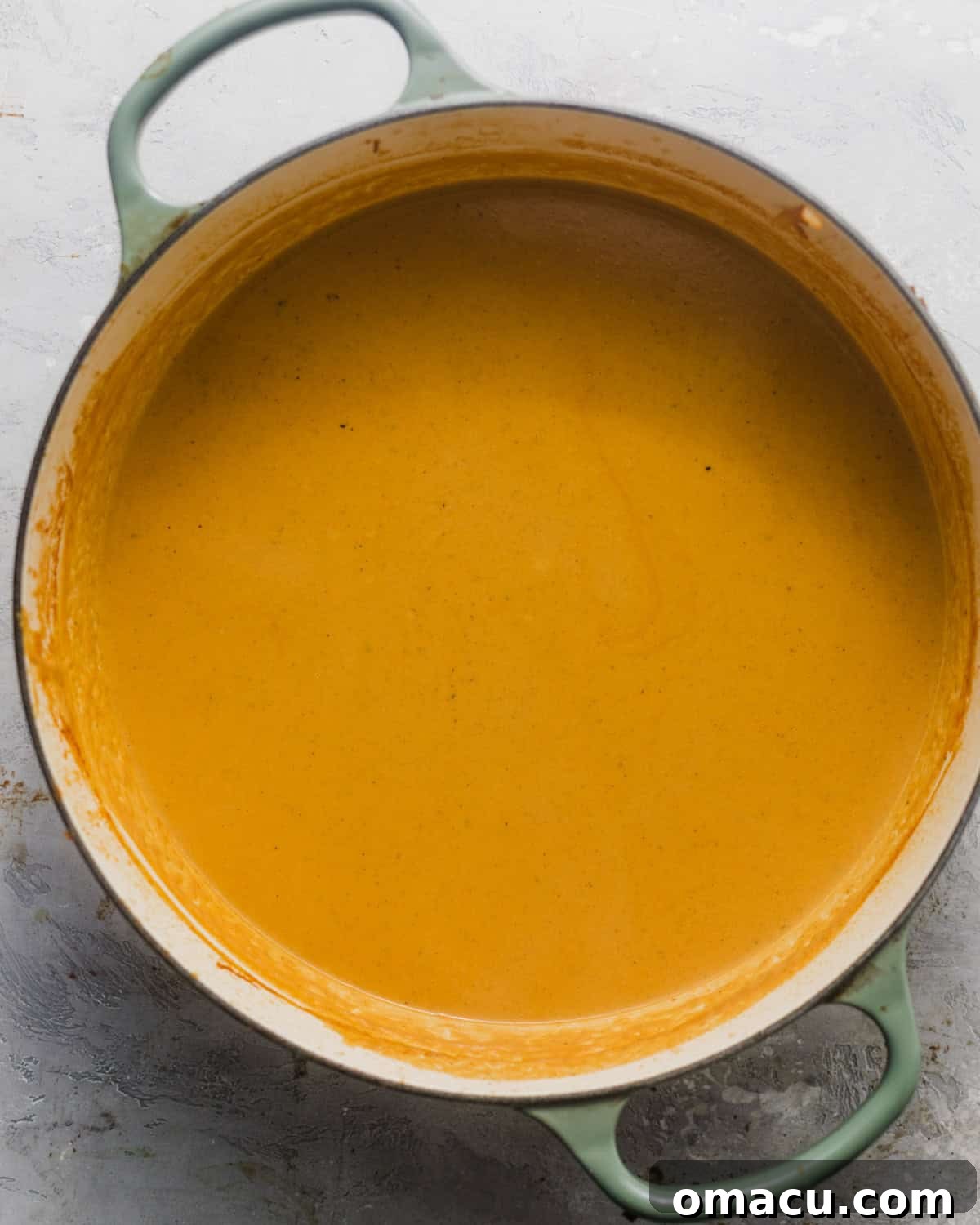
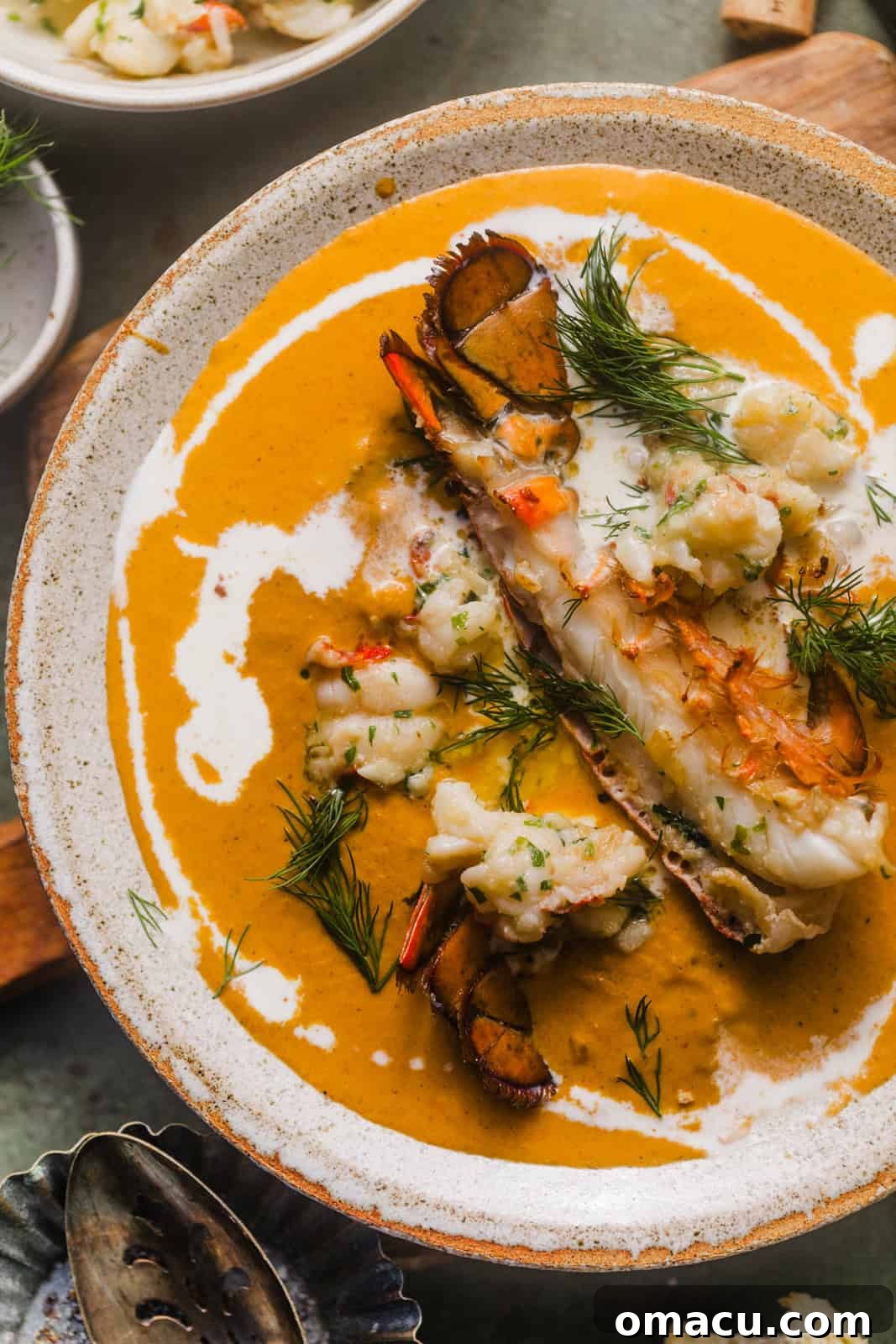
Step 5: Finish and Serve: Stir the heavy cream into the strained bisque. If you desire a thicker consistency, create a cornstarch slurry (mix 1 tablespoon cornstarch with 2 tablespoons cold water) and whisk it into the simmering bisque, cooking until it thickens to your desired preference. Return about half of the tender, sautéed lobster meat to the pot to warm through. Taste and adjust the seasoning with salt, black pepper, and a squeeze of fresh lemon juice or a dash of dry sherry vinegar. The acidity brightens all the flavors. Serve the bisque warm, garnished with the remaining lobster chunks, a drizzle of extra cream, and fresh dill for an elegant presentation.
Expert Chef’s Tips for Perfection
- Don’t Overcook the Lobster: This is perhaps the most crucial tip. Lobster meat turns rubbery very quickly when overcooked. Sauté it just until it turns opaque (about 3-4 minutes), then promptly remove it from the heat. It will gently warm through when you add it back to the hot bisque later. Precision here ensures tender, succulent lobster.
- Sweat, Don’t Brown, the Aromatics: When cooking the shallots, carrots, and celery, maintain a moderate heat. The goal is to soften them and release their sweet, aromatic compounds, not to caramelize or brown them. Browning will lead to a deeper, more savory, and potentially “muddy” flavor profile that can overpower the delicate lobster.
- Deglaze Thoroughly: When you add the white wine and brandy, take your time to scrape every single browned bit from the bottom of the pot with a wooden spoon. These fond bits are concentrated flavor gold. Leaving them behind is like leaving money on the table – they are essential for building the bisque’s profound depth.
- Strain for Ultimate Silkiness: After blending, straining the bisque through a fine-mesh sieve is non-negotiable for that signature, luxurious texture. It removes any fibrous vegetable pieces or herb fragments, resulting in a perfectly smooth and elegant soup. Don’t skip this step!
- Adjust Consistency Thoughtfully: If your bisque turns out too thin, gently simmer it for a longer period to allow it to reduce and thicken naturally. If it becomes too thick, thin it down with warm seafood or chicken stock (never water, as it will dilute the flavor) until you achieve your desired consistency.
- Let It Rest Before Serving: Like many complex dishes, lobster bisque benefits immensely from a brief rest. After cooking, let it sit off the heat for 20-30 minutes before serving. This allows the flavors to meld, deepen, and fully develop, and the texture will also thicken slightly into that perfect velvety consistency.
- Finishing with Acidity: A squeeze of fresh lemon juice or a dash of dry sherry vinegar at the very end is a game-changer. It brightens and lifts all the rich flavors, providing a perfect balance and preventing the bisque from tasting too heavy.
Elevating Your Dining Experience: Serving Suggestions
Lobster bisque is a star on its own, but pairing it with the right accompaniments can truly elevate your dining experience. Its inherent richness and velvety texture call for something that provides a delightful contrast:
- For Dipping: A warm, crusty baguette or a buttery garlic bread is absolutely essential. These are perfect for soaking up every last drop of the decadent bisque. Consider serving toasted brioche croutons for an added touch of indulgence and crunch.
- For Lightness: To balance the bisque’s creaminess, a simple, crisp green salad with a light vinaigrette is a refreshing choice. The acidity and freshness cut through the richness beautifully.
- As a Starter: This bisque makes an impressive appetizer before a grand main course. Imagine serving it before a perfectly cooked steak au poivre, a succulent roasted chicken, or an elegant seafood pasta for a truly fancy restaurant-style meal right at home.
- Wine Pairing: Complement the rich flavors with a crisp, dry white wine. An unoaked Chardonnay, Sauvignon Blanc, or a dry Rosé would pair wonderfully, offering a refreshing counterpoint to the bisque’s creaminess.
- Garnishes: Beyond the reserved lobster meat, consider a sprinkle of fresh chives or finely chopped parsley, a swirl of crème fraîche or additional heavy cream, or even a tiny dash of Old Bay seasoning for a hint of spice and color.
Frequently Asked Questions About Lobster Bisque
Absolutely! Using pre-cooked lobster is a fantastic shortcut that saves time and effort, especially if you’re not keen on handling raw lobster shells. When using pre-cooked lobster, chop it into bite-sized pieces and gently warm it in garlic butter for just 1-2 minutes. The goal is merely to heat it through and infuse it with flavor, not to cook it further, as it’s already done. Overcooking pre-cooked lobster will make it tough and rubbery.
The terms “lobster soup” and “lobster bisque” are often used interchangeably, but there’s a traditional distinction. Lobster soup is a broader category that can encompass anything from a light, broth-based soup with lobster pieces to a heartier, chunky stew. Lobster bisque, however, refers to a very specific type of rich, creamy soup that is traditionally puréed until ultra-smooth and then often strained through a fine-mesh sieve. It’s almost always enriched with cream or butter, giving it that luxurious, velvety texture. In essence, bisque is the more refined, elegant, and intensely flavored version of a lobster soup.
Yes, and it’s highly recommended! Lobster bisque, like many complex soups, often tastes even better the next day as the flavors have more time to meld and deepen. You can prepare the entire bisque (excluding adding the lobster meat) up to 2-3 days in advance. Store it in an airtight container in the refrigerator. When ready to serve, gently reheat it on the stovetop over low heat, stirring occasionally. Add the freshly sautéed lobster meat and heavy cream during the final reheating stages to ensure the lobster remains tender and the cream doesn’t separate.
You can freeze lobster bisque, but be aware that cream-based soups can sometimes separate slightly or become grainy when thawed due to the fat content. To minimize this, freeze the bisque *before* adding the heavy cream. Once thawed, reheat gently on the stovetop, then whisk in the heavy cream and finish the recipe as usual. If you must freeze the bisque with cream already added, pour it into a freezer-safe container, leaving some headspace, and store for up to 3 months. Thaw overnight in the refrigerator, then reheat very slowly over low heat, whisking constantly to help re-emulsify the cream and restore its smooth texture.
A heavy-bottomed pot, such as a Dutch oven or a thick-walled stockpot, is ideal for making bisque. Its even heat distribution prevents scorching, especially during the sautéing of aromatics and simmering stages. The heavy bottom also helps in developing the fond (browned bits) on the bottom, which is crucial for deglazing and building deep flavor.
More Seafood Dishes
Seafood Recipes
Butter Poached Lobster
Seafood Recipes
Baked Lobster Tails with Garlic Butter Sauce
Main Course
Seafood Boil Recipe with Garlic Butter Sauce
Main Course
Cajun Seafood Gumbo
Want more delicious and beautiful recipes delivered straight to your inbox? Subscribe to my newsletter to receive the latest seasonal creations as soon as they’re released!
If you try this incredible Lobster Bisque recipe, please consider leaving a star rating on the recipe card below and share your thoughts in the comments. You can also tag @BritneyBreaksBread on Instagram and use the hashtag #britneybreaksbread so I can celebrate your beautiful creations!
Creamy Lobster Bisque Recipe
Prep: 20 mins | Cook: 1 hour | Total: 1 hr 20 mins
Servings: 6
A truly indulgent creamy garlic-butter lobster bisque, blended to silky smoothness and enriched with cream for a luxurious, restaurant-quality soup experience.

Equipment
- Skillet
- Large Pot (Dutch oven recommended)
- Kitchen Shears
- Blender or Immersion Blender
- Fine Mesh Sieve/Strainer
Ingredients
- 2 lbs Lobster Tails (frozen or fresh)
- 4 tbsp Salted Butter
- 6 cloves Garlic, diced
- 1 tbsp Fresh Parsley, diced
- 2 tbsp Olive Oil
- 2 Whole Shallots, diced
- 2 Carrots, peeled and diced
- 2 Celery Stalks, diced
- 1 tbsp Tomato Paste
- 1 tsp Chicken Bouillon (or seafood bouillon)
- 1 tsp Smoked Paprika
- 1/4 tsp Cayenne Pepper
- 1/8 tsp Nutmeg
- 1 tsp Black Pepper
- 1 cup (240 ml) Dry White Wine (e.g., Pinot Grigio, unoaked Chardonnay)
- 1/2 cup (120 ml) Brandy
- 4 cups Seafood Stock (or chicken stock)
- 2 Bay Leaves
- 3 sprigs Fresh Thyme
- 3 sprigs Fresh Tarragon (optional, but recommended for authentic flavor)
- Parmesan Rind (optional, for added umami)
- 1 1/2 cups (360 ml) Heavy Cream
- 2 tbsp (30 ml) Lemon Juice
- Optional toppings: fresh dill, additional drizzle of cream, a dash of Old Bay Seasoning
Instructions
- Prepare Aromatics: Heat 2 tbsp olive oil in a large pot over medium heat. Add diced shallots, carrots, and celery. Sauté for 5 minutes until softened and fragrant; do not brown.
- Build Flavor Base: Season with salt and pepper to taste. Add tomato paste, minced garlic, chicken bouillon, smoked paprika, cayenne pepper, and nutmeg. Cook for 3-4 minutes, stirring frequently, until the tomato paste deepens in color.
- Deglaze and Simmer: Pour in white wine and brandy. Use a wooden spoon to scrape all browned bits from the bottom of the pan. Cook for 5 minutes to reduce alcohol. Add seafood stock, bay leaves, fresh thyme, tarragon, and Parmesan rind (if using). Bring to a boil, then reduce heat to low, cover, and simmer for 20 minutes. Uncover and simmer for another 15 minutes.
- Prepare Lobster: While bisque simmers, prepare lobster. Use kitchen shears to cut along the top and underside of lobster tails. Crack open shells and gently remove meat. Remove any dark veins. Pat lobster dry and cut into 1-inch pieces. Season with a pinch of salt.
- Sauté Lobster: In a medium skillet, melt 4 tbsp butter over medium heat. Add diced garlic and lobster chunks. Cook for 3-4 minutes until lobster is opaque and turns a deep orange color. Stir in 1 tbsp fresh parsley. Remove lobster from heat and place on a plate. Pour any remaining pan liquids from the skillet into the bisque pot.
- Blend and Strain: Remove thyme, bay leaves, and tarragon from the bisque pot. Pour the bisque base into a blender (or use an immersion blender) and blend until perfectly smooth. Strain the blended bisque through a fine-mesh sieve back into the clean pot over medium-low heat, pressing firmly to extract all liquid.
- Finish with Cream: Stir in the heavy cream. Continue to cook, stirring occasionally, until the bisque reaches your desired thickness (about 10-15 minutes for a thicker consistency).
- Final Seasoning: Stir in lemon juice. Taste and adjust salt and pepper as needed. Add about half of the sautéed lobster chunks to the pot to warm through.
- Serve: Ladle the creamy bisque into serving bowls. Garnish with the remaining lobster chunks, a drizzle of extra cream, fresh dill, and a dash of Old Bay Seasoning (all optional, but highly recommended for presentation and flavor). Serve warm.
Notes
- Don’t Overcook the Lobster: Sauté it just until opaque, then remove it. It will finish warming in the cream later. Overcooked lobster becomes rubbery.
- Sweat, Don’t Brown, Aromatics: Keep heat moderate for shallots, carrots, and celery. You want them soft and sweet, not browned, which can muddy the flavor.
- Deglaze Properly: Scrape every browned bit from the bottom of the pot when adding wine and brandy; this is pure flavor.
- Consistency Adjustment: If too thin, simmer gently to reduce. If too thick, thin with warm stock (never water) to maintain flavor integrity.
- Resting Period: Bisque tastes even better after resting for 20-30 minutes off heat, allowing flavors to settle and deepen.
Nutrition
(Approximate values per serving)
- Calories: 469 kcal
- Carbohydrates: 8g
- Protein: 13g
- Fat: 35g
- Saturated Fat: 19g
- Polyunsaturated Fat: 2g
- Monounsaturated Fat: 11g
- Trans Fat: 0.3g
- Cholesterol: 141mg
- Sodium: 880mg
- Potassium: 440mg
- Fiber: 1g
- Sugar: 4g
- Vitamin A: 1505 IU
- Vitamin C: 7mg
- Calcium: 158mg
- Iron: 1mg
Nutrition information is automatically calculated and should only be used as an approximation.
Tried this recipe? Mention @BritneyBreaksBread or tag #BritneyBreaksBread!