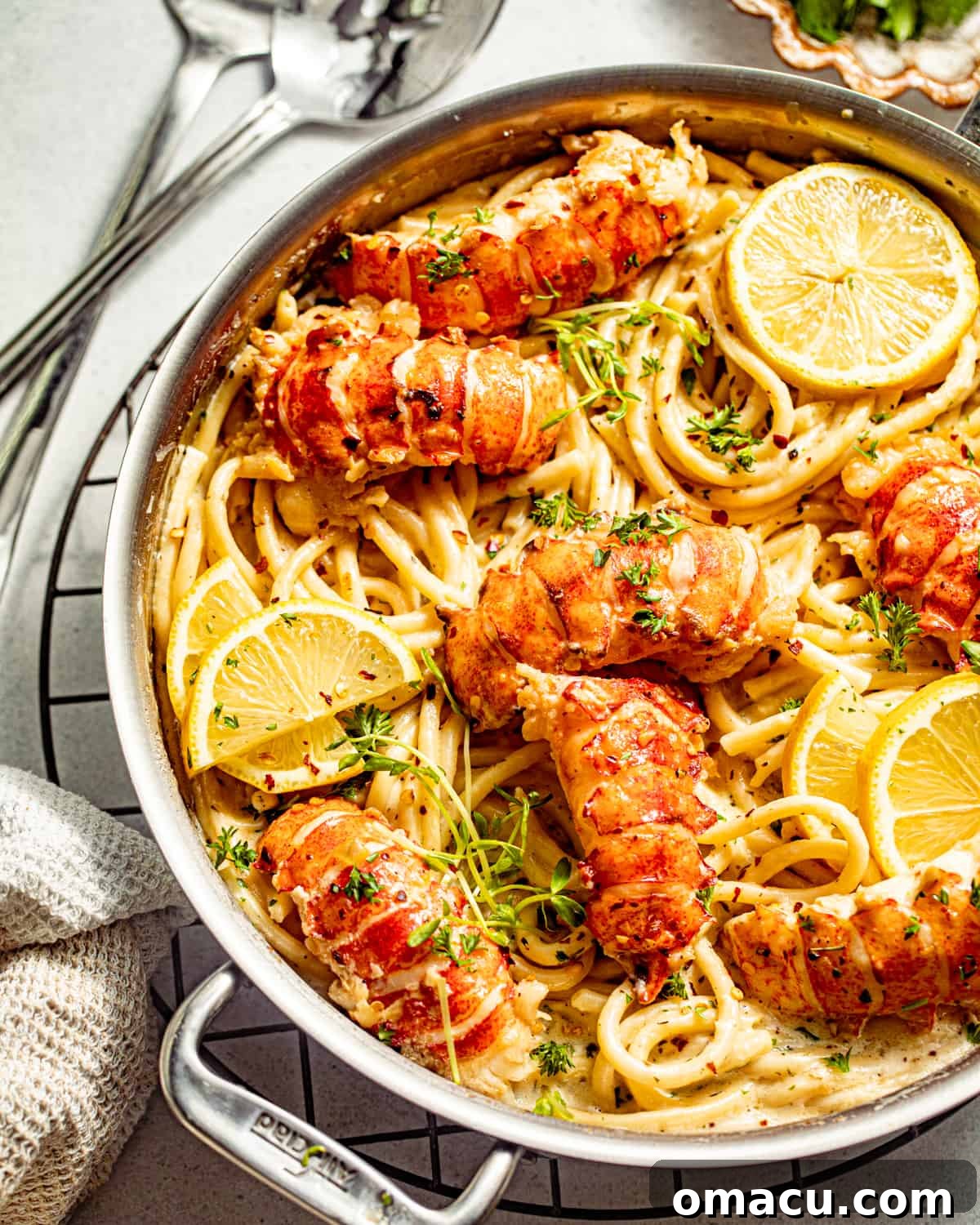
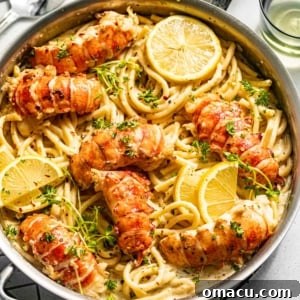
Indulge in the ultimate seafood luxury with this exquisite Butter Poached Lobster recipe. Imagine perfectly tender lobster tails, gently simmered in a rich garlic butter sauce infused with fresh herbs, served atop a bed of creamy white wine pasta. This dish isn’t just a meal; it’s an experience, transforming any dinner into a truly special occasion. In less than an hour, you’ll create juicy, succulent lobster tails bursting with incredible flavor, rivaling any high-end restaurant.
For those who adore seafood, be sure to explore more of our irresistible recipes like Maryland Style Crab Cakes, Lobster Mac and Cheese, and Pan Seared Shrimp.
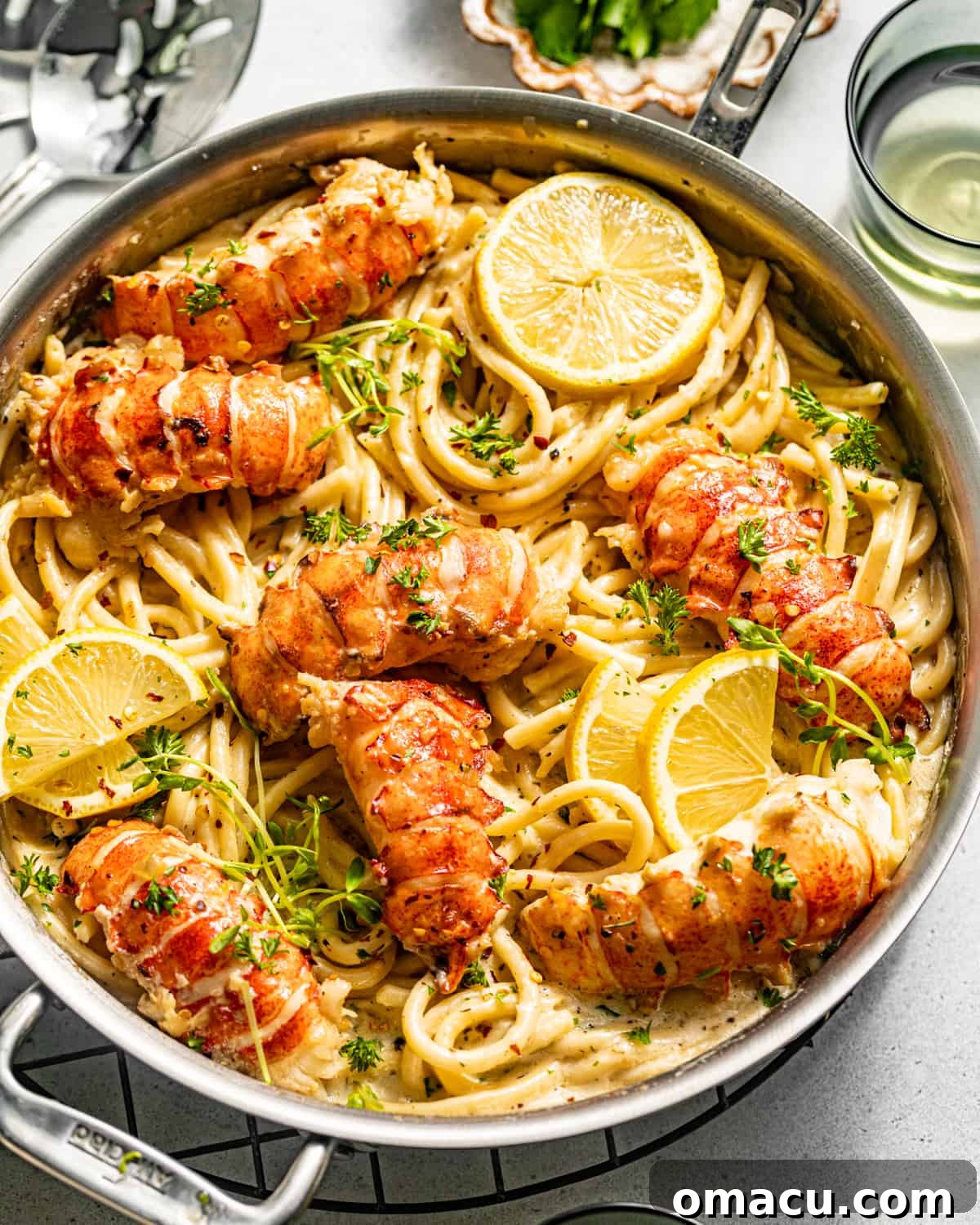
Table of Contents
- What is Butter Poaching?
- Ingredients to Make Butter Poached Lobster
- Expert Tips for Perfect Lobster
- How Do You Know When Lobster is Done Cooking?
- How to Butter Poach Lobster
- How to Serve Butter Poached Lobster
- Storing Leftovers and Reheating
- Recipe FAQs
- More Seafood Recipes
- Butter Poached Lobster Recipe Card
This butter-poached lobster tails recipe is a revelation in simple sophistication. Cooking lobster over low heat in a luscious garlic butter sauce, also known as beurre monté, ensures the lobster tail meat becomes incredibly tender, profoundly juicy, and intensely flavorful. It’s a surprisingly straightforward recipe that comes together in under an hour, yielding the most succulent lobster tails you’ve ever tasted!
As the lobster slowly cooks, the delicate meat meticulously absorbs all the rich, aromatic buttery flavor, transforming into an exceptional dish that commands attention and becomes the undisputed star of any elegant dinner spread. Forget typical lobster preparations – this method elevates the experience to an entirely new level. Even if you’ve never ventured into cooking lobster tails before, this recipe is designed for success.
Reserve this show-stopping recipe for those truly memorable moments: a romantic date night, a festive Christmas dinner, a heartfelt Valentine’s Day celebration, or any special occasion where you aspire to impress your guests with a meal that will undoubtedly “wow” them. It’s a testament to how simple techniques can yield extraordinary results.
What is Butter Poaching?
Butter poaching is a classic culinary technique where food, typically delicate proteins like fish or lobster, is gently submerged and cooked in melted butter, rather than traditional water or stock. This method involves cooking at a low temperature, often a gentle simmer, which is crucial for achieving its signature results.
Poaching lobster in butter is an exceptional choice because it imparts a magnificent richness and velvety texture to the meat, while simultaneously making it incredibly difficult to overcook – though not entirely impossible, so vigilance is still key! The fat in the butter acts as a gentle insulator, helping to cook the lobster evenly and preventing the proteins from seizing up, which often happens with high-heat cooking. This process ensures the lobster meat remains exquisitely tender, juicy, and infused with a deep, buttery flavor that can’t be achieved through boiling or steaming.
Key Ingredients for a Sublime Butter Poached Lobster
Crafting the perfect butter-poached lobster begins with selecting the finest ingredients. Each component plays a vital role in building the layered flavors of this luxurious dish.
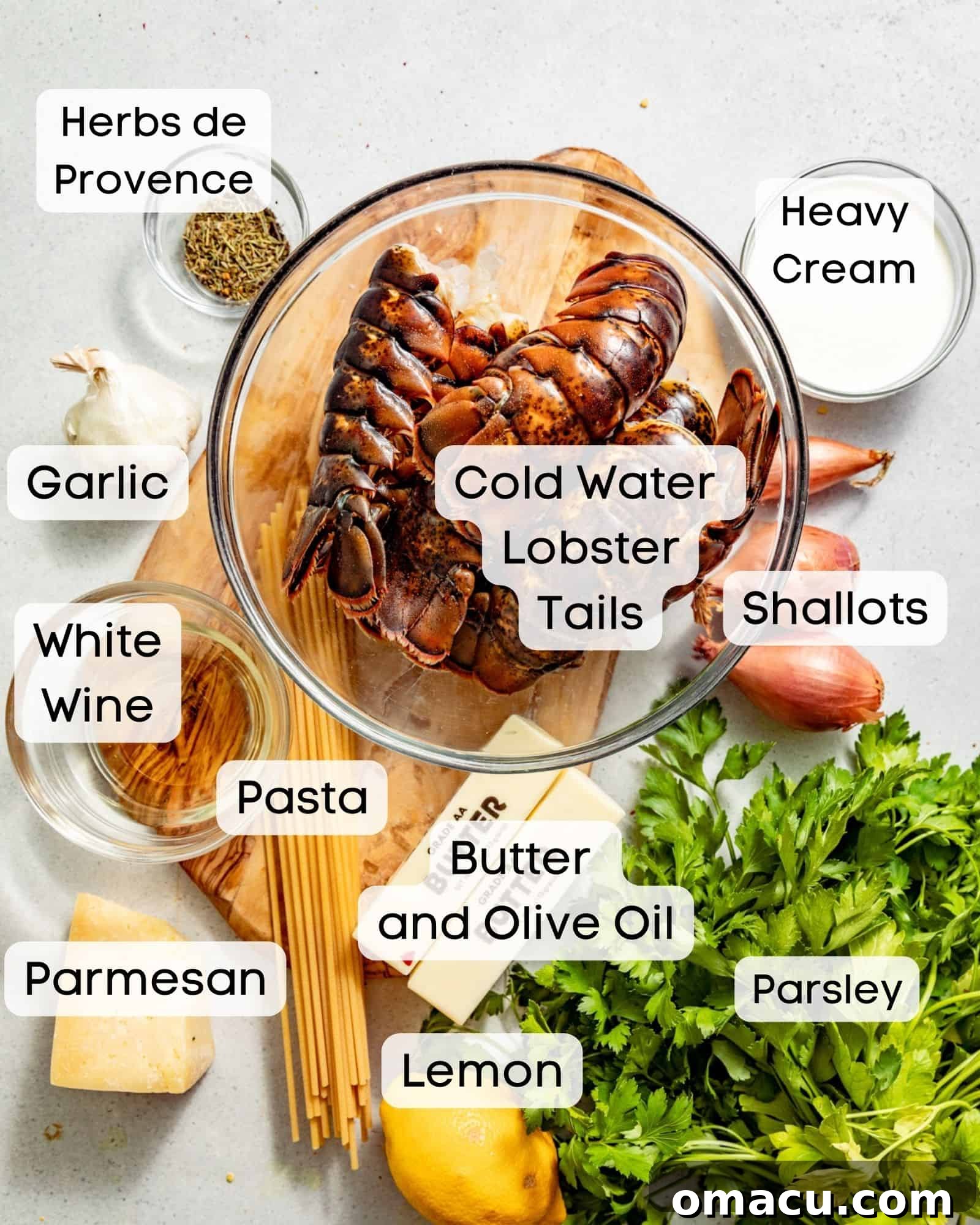
Refer to the recipe card below for precise measurements and quantities.
- Lobster Tails: For the most superior results, we highly recommend using frozen North Atlantic cold water lobster tails. These tails are renowned for their larger size, exquisitely creamy texture, and delicately sweet flavor. Frozen lobster is often processed and flash-frozen at its peak freshness, ensuring optimal quality. If you opt for fresh lobster tails, be sure to cook them within 1-2 days of purchase to maintain their pristine taste and texture. Avoid warm water lobster tails, as they can sometimes have a fishier taste and a mushier texture.
- Salted Butter and Olive Oil: This dynamic duo is essential. The olive oil helps to elevate the smoke point of the butter, effectively preventing it from burning while providing a smooth base for poaching. For an unparalleled depth of flavor, invest in high-quality butter such as Kerrygold Butter or Vital Farms Butter. If you are mindful of your sodium intake, unsalted butter can be used, allowing you to control the seasoning more precisely.
- Shallots: Shallots offer a refined flavor profile that beautifully bridges the gap between a mild onion and pungent garlic. Their subtle sweetness and delicate aroma infuse the poaching liquid with a sophisticated, irresistible depth.
- Fresh Garlic Cloves: There’s no substitute for fresh garlic in this recipe. Minced fresh garlic delivers a vibrant, pungent aroma and flavor that granulated garlic simply cannot replicate, forming the heart of your savory butter sauce.
- Seasonings (Herbs de Provence and Red Pepper Flakes): Herbs de Provence, a fragrant blend typically including savory, marjoram, rosemary, thyme, and oregano, imparts an earthy, aromatic bouquet. Red pepper flakes add a gentle warmth and subtle kick, creating a perfect balance in the poaching liquid. If Herbs de Provence isn’t readily available, a good quality Italian seasoning blend makes an excellent substitute.
Crafting the Creamy White Wine Sauce
The luscious pasta sauce is the perfect complement to the rich lobster, adding another layer of indulgence to this dish.
- Pasta: The choice of pasta is entirely yours! We used bucatini for its delightful chewiness and ability to hold sauce, but any sturdy pasta shape like fettuccine, linguine, or even rigatoni would be delicious.
- White Wine: A dry white wine is ideal for this sauce, as its acidity cuts through the richness and adds a bright, complex note. Pinot Grigio or Sauvignon Blanc are excellent choices. For a non-alcoholic option, quality chicken broth or seafood stock can be used without compromising flavor.
- Heavy Cream: This is the secret to achieving that wonderfully velvety, super-creamy texture that coats every strand of pasta beautifully.
- Parmigiano Reggiano Cheese: For the ultimate flavor and melt, avoid pre-grated parmesan. Grate a block of authentic Parmigiano Reggiano just before incorporating it into the sauce. Its nutty, salty notes are unparalleled.
- Fresh Parsley: Used both for its fresh, vibrant flavor within the sauce and as a beautiful, aromatic garnish.
- Lemons: Fresh lemon juice is a critical component, offering a burst of brightness and acidity that perfectly balances the richness of the butter and cream. A final squeeze over the lobster and pasta before serving truly awakens the flavors.
Expert Tips for Perfect Butter Poached Lobster
Achieve gourmet results with these essential tips designed to ensure your butter poached lobster is nothing short of perfection:
- Select Cold Water Lobster Tails: As mentioned, steer clear of warm water lobster tails. They often possess a less desirable, sometimes fishy flavor and can have a mushy texture. Cold water varieties, particularly North Atlantic, offer superior taste and firmness.
- Do Not Overcook the Lobster: This is perhaps the most crucial tip! Lobster, much like shrimp, cooks very quickly. Overcooking will result in tough, rubbery meat, diminishing the luxurious experience. Keep a close eye on it and remove it from the heat as soon as it’s done.
- Choose the Right Cookware: For optimal poaching, use a sauté pan or a deep skillet that is at least 2 inches deep. This depth allows the lobster tails to be adequately submerged in the butter poaching liquid, ensuring even cooking and maximum flavor infusion.
- Properly Defrost Frozen Lobster: If you are using frozen lobster tails, proper thawing is essential for the best texture. Defrost them in a bowl of cold water for approximately 30 minutes just before you plan to cook them. Avoid thawing at room temperature or in warm water, which can affect texture and safety.
- Butterfly for Even Cooking: For an even more elegant presentation and consistent cooking, you can butterfly your lobster tails. After cutting the shell, gently lift the meat partially out, resting it on top of the shell. This exposes more surface area to the butter.
How Do You Know When Lobster is Done Cooking?
Ensuring your lobster is cooked to perfection is key to its tender, delicate texture. There are a few reliable indicators to look for:
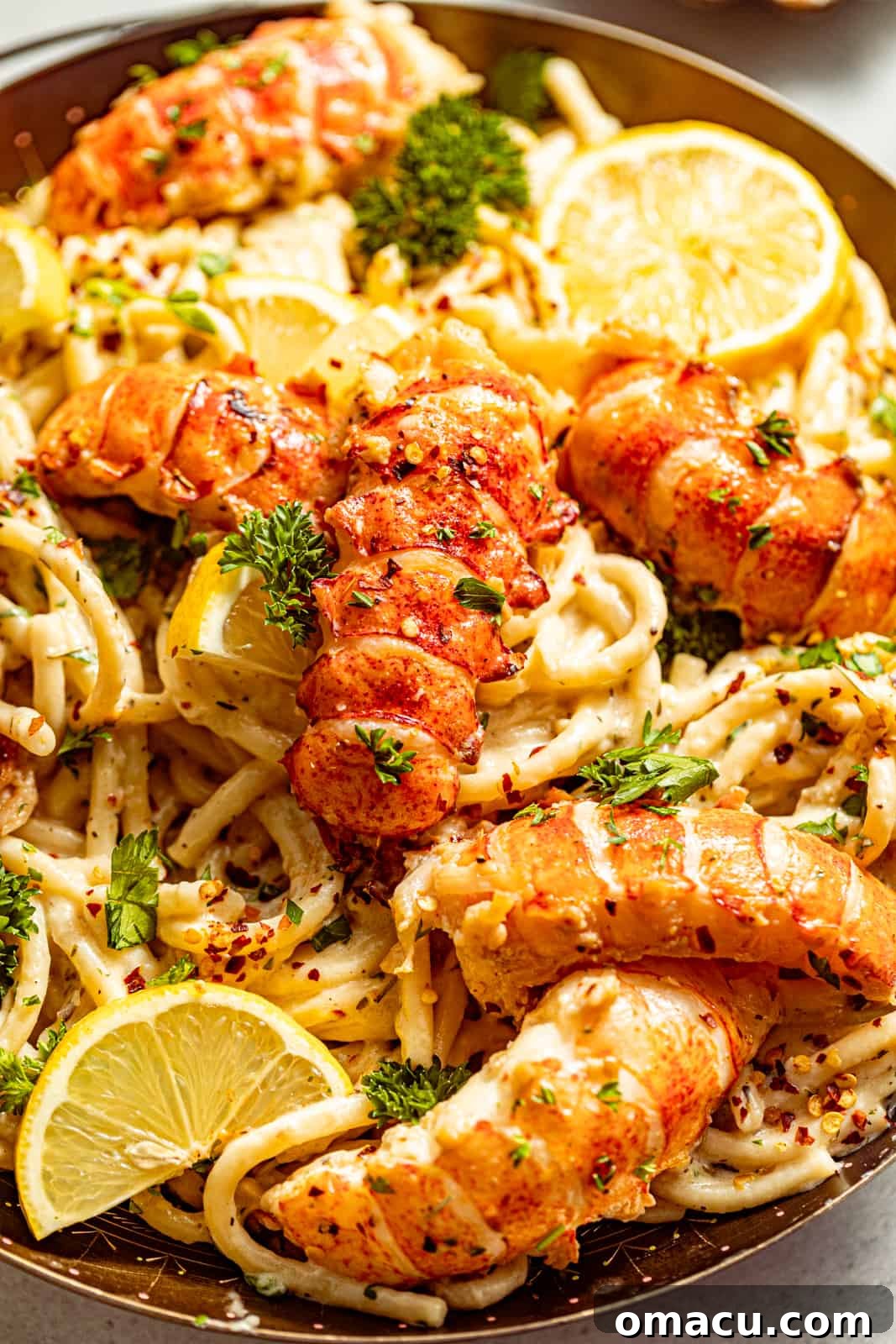
- Visual Cues: The most obvious sign is when the lobster meat transitions from translucent to opaque white. You’ll also notice it becoming slightly curled and firm to the touch. The shells will typically turn a vibrant red.
- Internal Temperature: For absolute certainty, use a kitchen thermometer. Insert it into the thickest part of the lobster meat. The ideal internal temperature for cooked lobster is between 135°F and 140°F (57°C and 60°C). This range guarantees a tender, juicy result without overcooking.
- Texture Test: If you don’t have a thermometer, a small piece can be cut from the thickest part of a tail. It should be opaque all the way through and have a delicate, slightly springy texture, not rubbery.
How to Butter Poach Lobster: Step-by-Step Guide
Follow these detailed steps to prepare your magnificent butter-poached lobster with creamy pasta.
Step 1: Prepare the Lobster Tails
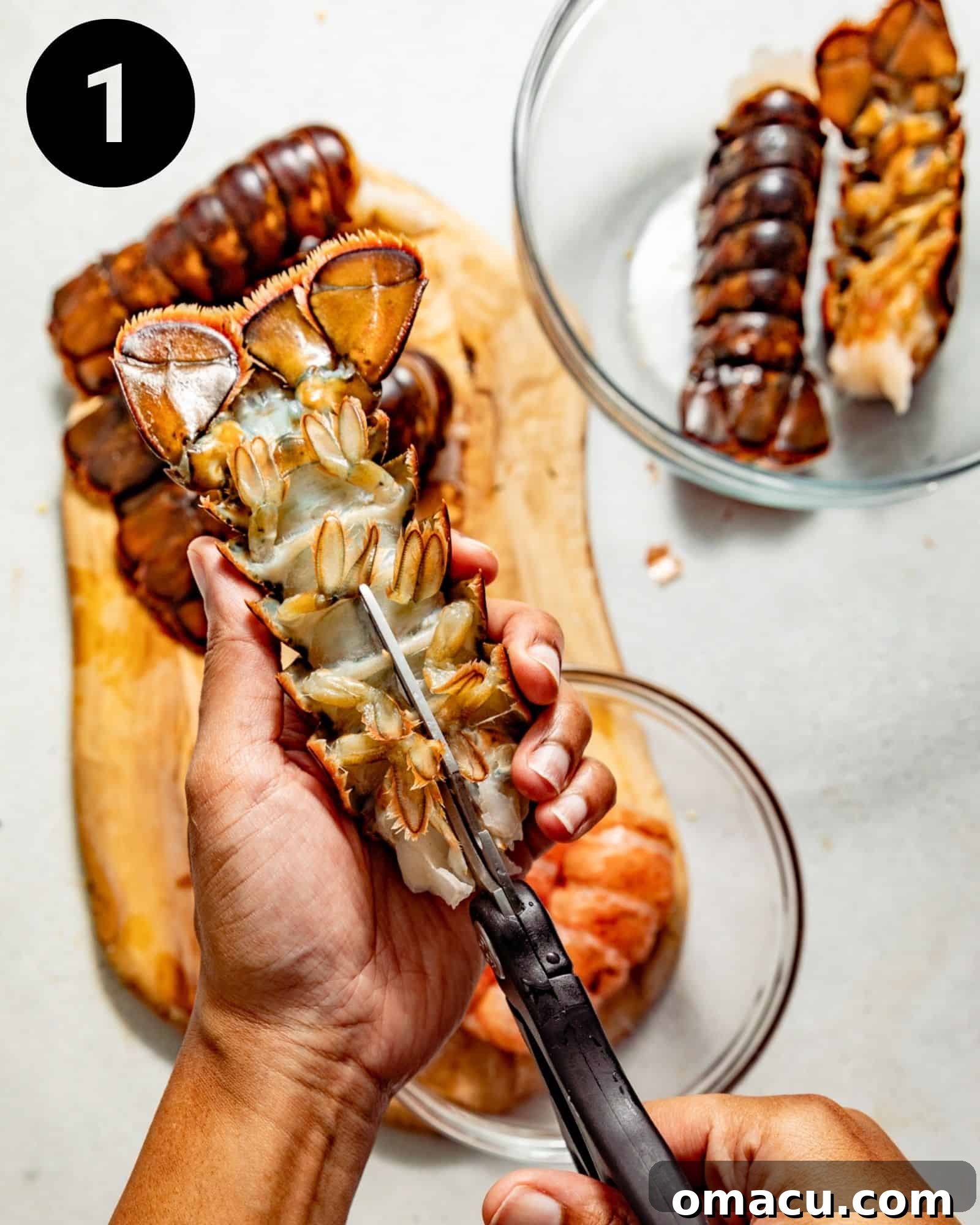
- Begin by carefully removing the lobster meat from its shell. Using sturdy kitchen shears, make a straight cut down the middle of the underside of the lobster shell, extending all the way to the tail fins. Next, make another cut along the middle of the top of the shell. (See Image 1)
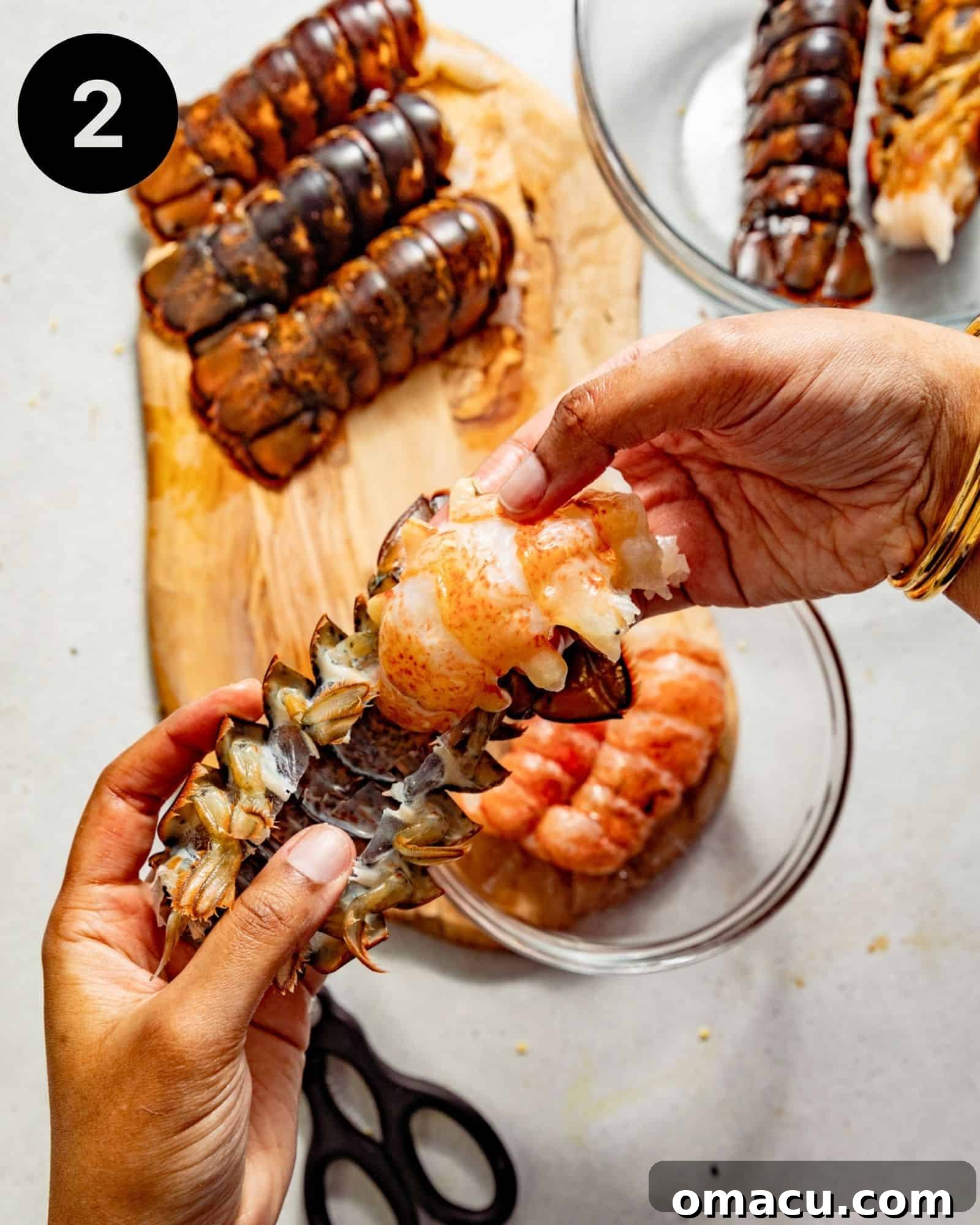
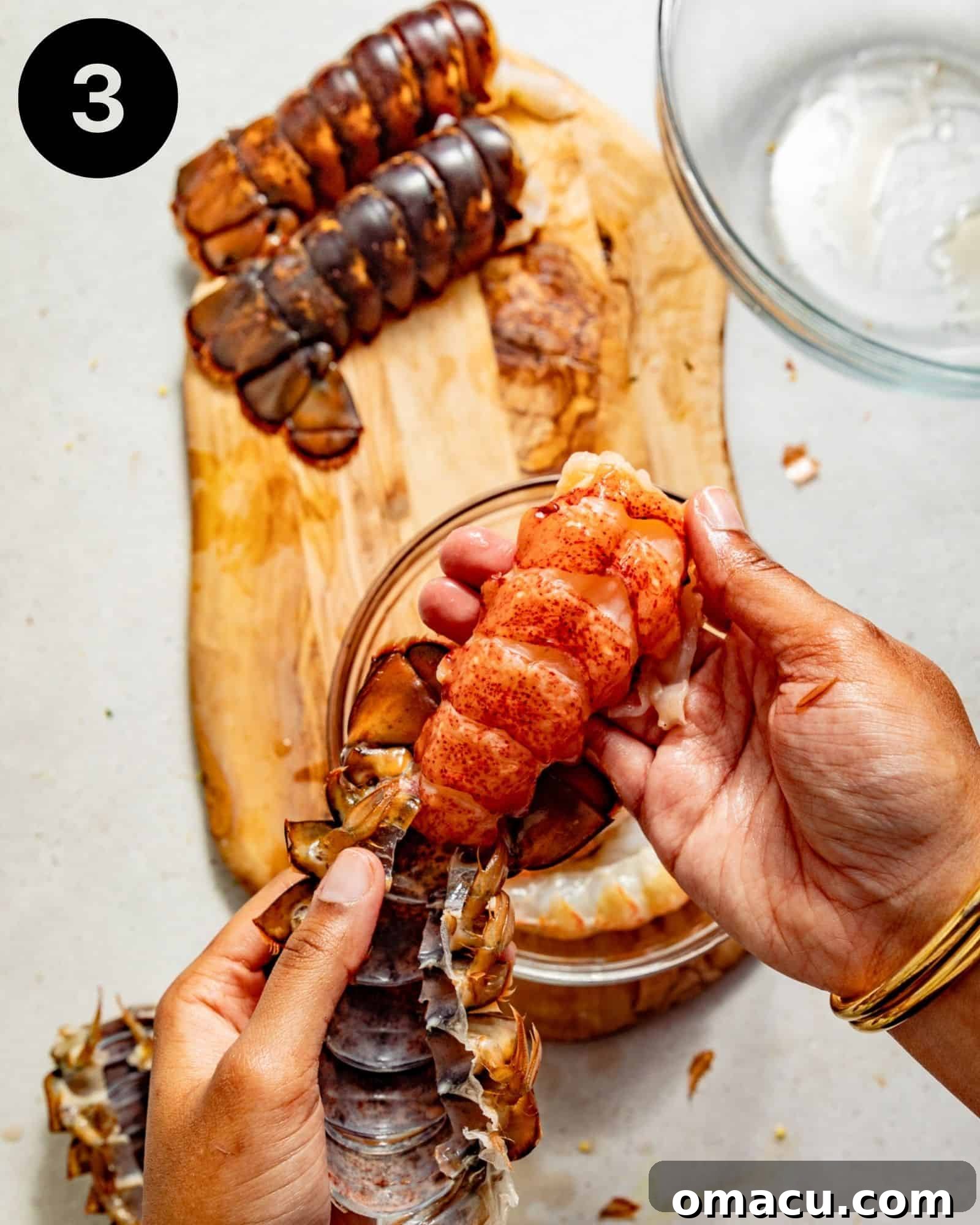
- Gently crack open the shell from where you’ve cut it, and carefully ease out the lobster meat. Inspect the meat for a black vein running through its center; if present, make a small, shallow slit and pull it out to devein. Pat the lobster meat thoroughly dry with a paper towel and set it aside. This ensures a clean cooking process. (See Images 2 and 3)
- Separately, boil your chosen pasta according to package directions until al dente. Before draining, reserve approximately 2 cups of the starchy pasta water – this will be essential for adjusting the consistency of your sauce. Drain the pasta and set it aside.
Step 2: Create the Poaching Liquid and Poach the Lobster
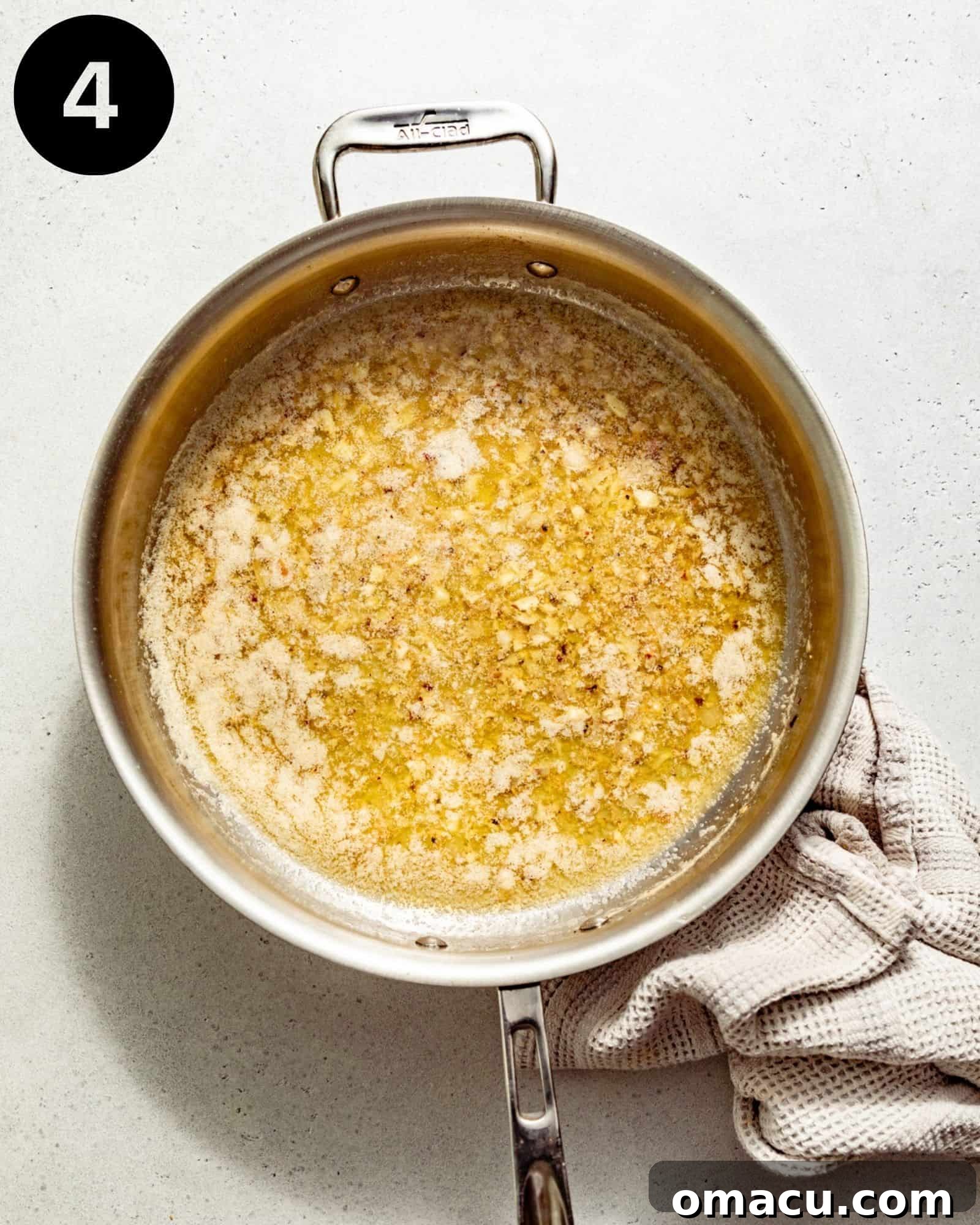
- Prepare the aromatic poaching liquid. In a large skillet over medium heat, melt 4 tablespoons of butter with 2 tablespoons of olive oil. Once the oil is warm and shimmering, add the diced shallots. Sauté for about 5 minutes until they become fragrant and translucent. Then, stir in the minced fresh garlic, red pepper flakes, kosher salt, and black pepper. Continue to cook for another 2 minutes, allowing the flavors to meld beautifully. Add the remaining butter and let it melt completely. Once melted, reduce the heat to medium-low – maintaining a gentle simmer is crucial for successful poaching. (See Image 4)
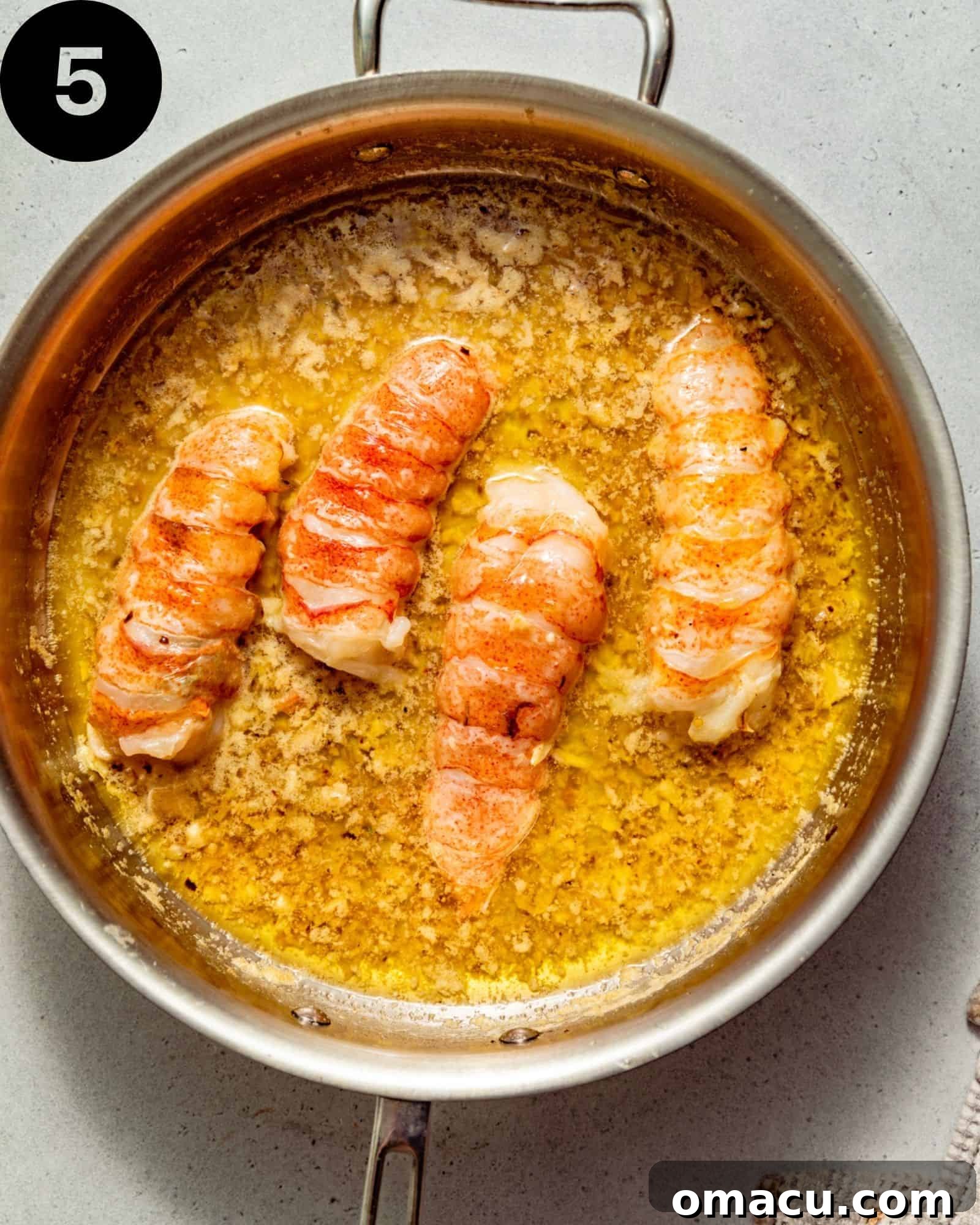
- Carefully place 4 lobster tails into the gently simmering poaching liquid at a time, ensuring they are partially submerged. Poach for 6-8 minutes in total, flipping the tails every 2 minutes to ensure even cooking and thorough flavor absorption. Once cooked (meat is opaque and slightly curled), remove the lobster from the pan and set aside. Loosely cover them with aluminum foil to keep them warm while you repeat the process with any remaining lobster tails. (See Image 5)
Step 3: Craft the Creamy White Wine Sauce
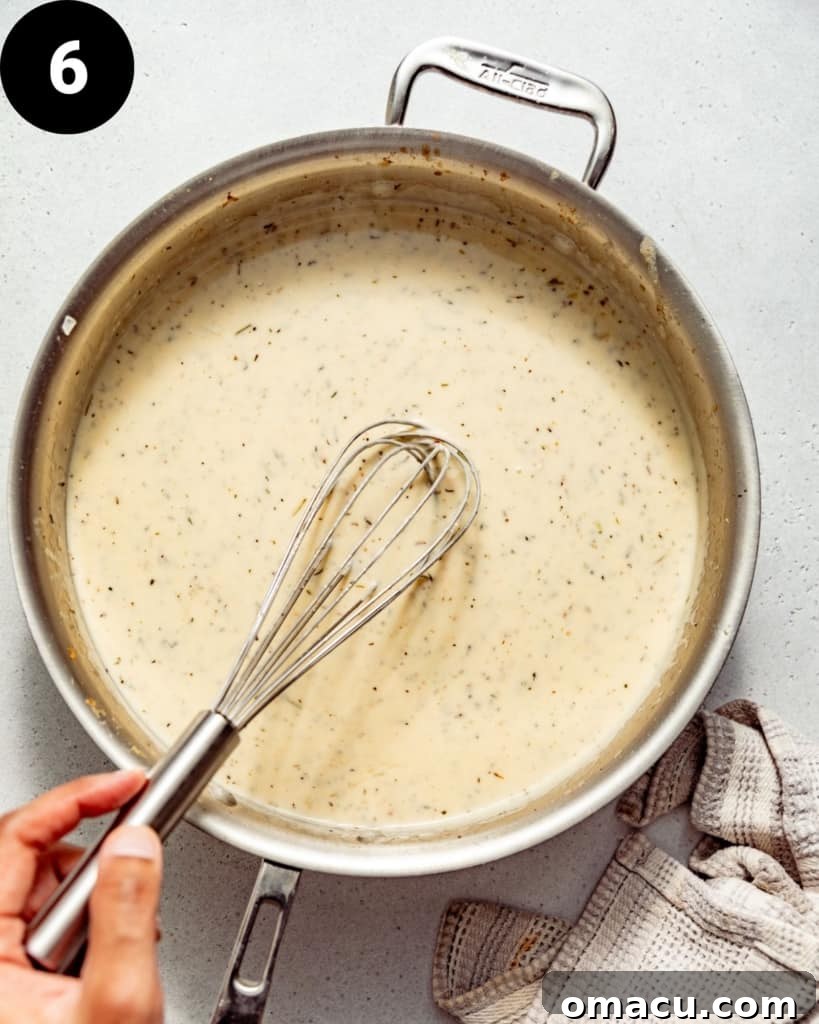
- To the remaining poaching liquid in the skillet, add the all-purpose flour. Whisk constantly over medium heat for about 4 minutes, allowing it to cook out the raw flour taste and form a thick, aromatic paste (a roux). Stir in the Herbs de Provence and continue to whisk, incorporating the fragrant herbs.
- Gradually whisk in the white wine, followed by the heavy cream, and 1 cup of your reserved pasta water. Bring the mixture to a gentle simmer and cook for 5-7 minutes, stirring occasionally, until the sauce thickens to your desired consistency. If you prefer a looser sauce, incrementally add more reserved pasta water until it reaches perfection. (See Image 6)
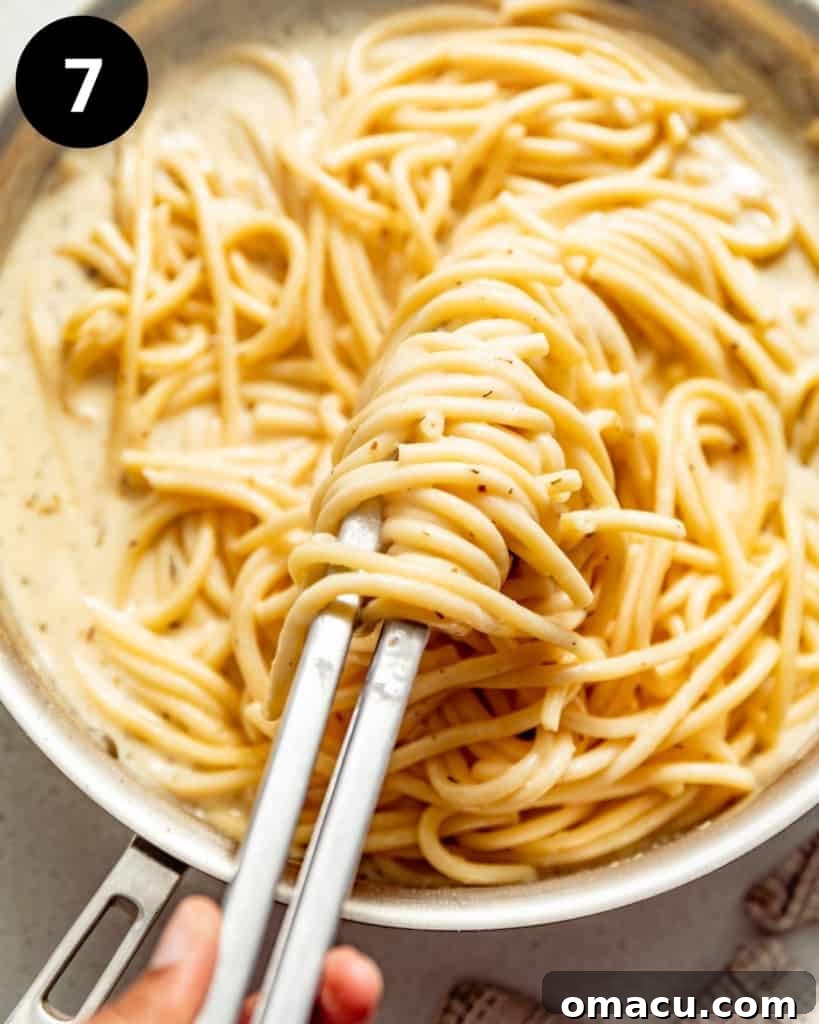
- Remove the skillet from the heat. Stir in the fresh lemon juice, grated Parmigiano Reggiano, and most of the fresh chopped parsley (reserve some for garnish). Taste the sauce and adjust seasoning with additional salt and pepper as needed. Add the cooked pasta directly into the sauce and toss gently to ensure every strand is beautifully coated. (See Image 7)
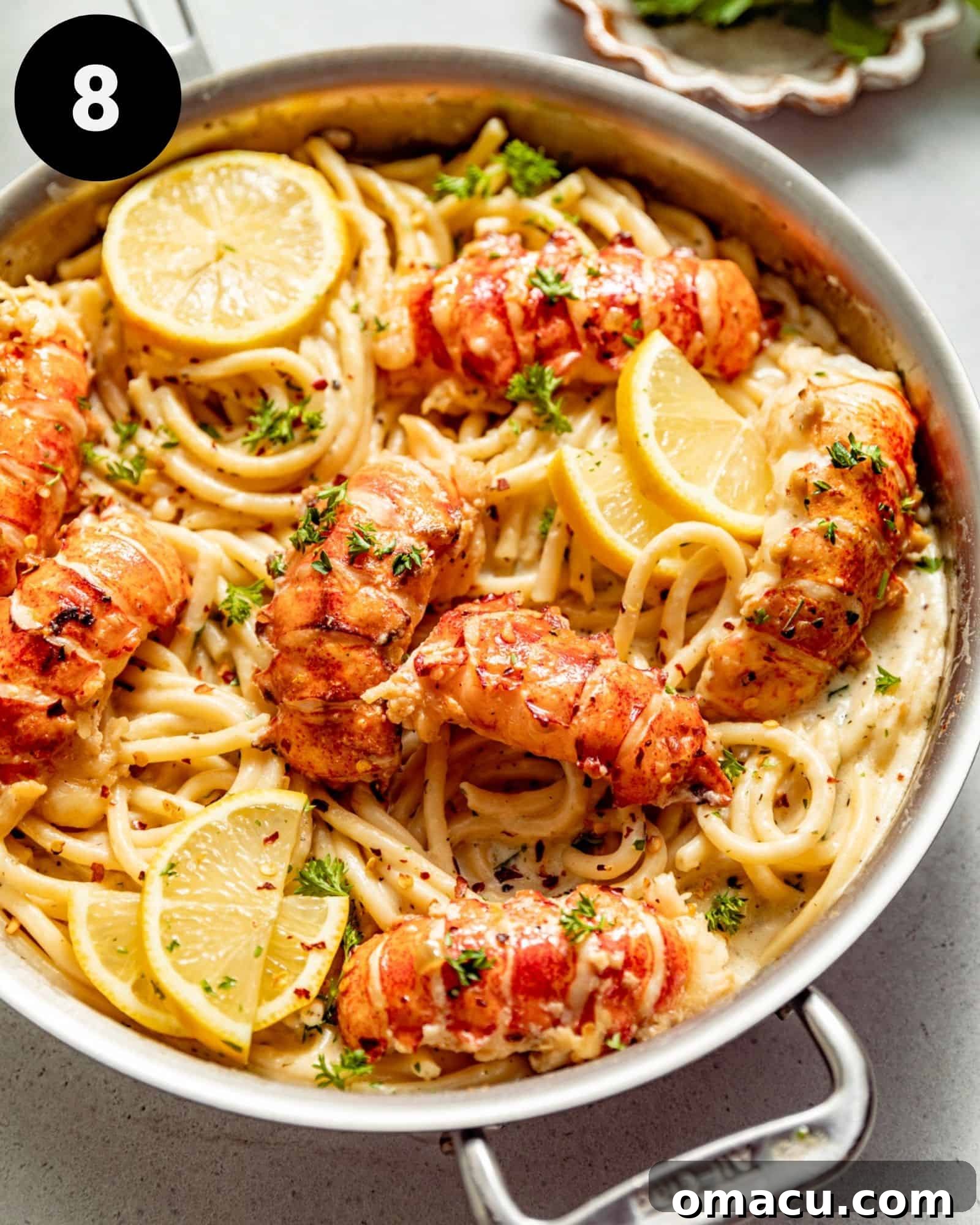
- To serve, elegantly arrange the warm, butter-poached lobster tails on top of the creamy pasta. Garnish generously with fresh lemon zest, a few lemon wedges, a sprinkle of additional fresh parsley, and a final dusting of grated parmesan cheese. Serve immediately and savor every luxurious bite! (See Image 8)
How to Serve Your Gourmet Butter Poached Lobster
This exquisite butter poached lobster with creamy white wine pasta is a meal in itself, but it can be beautifully complemented by a variety of side dishes to create an even grander feast. Here are some elegant pairings:
- Fresh Green Salad: A crisp house salad with a light vinaigrette offers a refreshing counterpoint to the richness of the lobster and pasta.
- Artisan Bread: Soak up every last drop of the delectable sauce with warm, crusty bread. Our homemade cheesy garlic bread or fluffy brioche dinner rolls are perfect choices.
- Roasted Vegetables: For a balanced meal, consider vibrant vegetable sides like honey sriracha brussels sprouts or asparagus roasted with lemon and garlic.
- Risotto Alternative: If you prefer to skip the pasta, the butter-poached lobster pairs incredibly well with a simple, creamy mushroom risotto, creating a truly upscale dining experience.
- Beverage Pairings: A crisp, chilled glass of the same dry white wine used in the sauce (Pinot Grigio or Sauvignon Blanc) is an ideal match. For something more festive, a refreshing white wine sangria can elevate the occasion.
- Ultimate Seafood Spread: To truly celebrate seafood, begin your meal with an appetizer like this rich hot crab dip recipe before presenting the main course.
Storing Leftovers and Reheating for Best Results
While this dish is undoubtedly best enjoyed fresh, you can store any leftovers to savor later. Place the lobster and pasta in separate airtight containers in the refrigerator for up to three days.
When you’re ready to reheat, it’s crucial to treat the lobster and pasta individually to preserve their quality:
- Reheating Lobster: To prevent the lobster from becoming rubbery, avoid high heat. Cover the lobster tails loosely with aluminum foil and place them in an oven preheated to 350°F (175°C). Heat for just 5 to 10 minutes, or until warmed through. The goal is to gently reheat, not to recook.
- Reheating Pasta: The pasta with its creamy sauce can be gently reheated in the microwave for 1-2 minutes, stirring halfway through, until it is warm. Alternatively, reheat it in a saucepan over low heat, adding a splash of milk, cream, or reserved pasta water to restore its creamy consistency if it has thickened too much.
Can I Make Lobster in Advance?
For the freshest flavor and most tender texture, we highly recommend preparing and serving this butter-poached lobster dish immediately. Seafood, especially delicate lobster, truly shines when enjoyed right after cooking. However, if advance preparation is necessary, you can cook the lobster a day ahead and reheat it following the instructions above. Be mindful that the texture might be slightly different than when freshly cooked.
Frequently Asked Questions About Butter Poached Lobster
Butter poached lobster refers to lobster tails that are slowly cooked at a low temperature, completely or partially submerged in melted butter. This gentle cooking method tenderizes the meat, infuses it with rich buttery flavor, and helps prevent it from becoming tough or dry, resulting in an incredibly juicy and succulent finish.
Broadly, two primary methods of poaching are deep poaching and shallow poaching. In deep poaching, the food item (like our lobster tails) is fully submerged in the poaching liquid. Shallow poaching, on the other hand, involves cooking food in a smaller amount of liquid, where the food is only about one-third submerged, and the liquid is often brought to a simmer while covered.
Poaching in butter is an exceptional technique for delicate seafood because butter’s fat adds a luxurious, rich flavor and a silken mouthfeel that water cannot provide. Cooking at a lower temperature in fat also means the protein cooks more gently, significantly reducing the risk of overcooking and yielding seafood that is consistently tender, juicy, and incredibly flavorful, with a beautiful shine.
While it’s technically possible, it is strongly recommended to thaw frozen lobster tails before cooking. Thawing ensures even cooking and prevents the outer layers from overcooking while the center remains raw. For best results, thaw them in cold water for about 30 minutes, or overnight in the refrigerator.
If you prefer to avoid alcohol, excellent non-alcoholic substitutes for white wine include good quality chicken broth, vegetable broth, or seafood stock. A splash of white grape juice with a tiny bit of white vinegar or lemon juice can also mimic the acidity of wine without the alcohol.
More Seafood Recipes You’ll Love
- Hamachi Crudo: A Refreshing Japanese Delicacy
- Irresistible Seafood Boil with Garlic Butter Sauce
- Classic New England Lobster Rolls
- The Best Creamy Salmon Pasta Recipe
- Crispy Coconut Shrimp with Sweet Dipping Sauce
- Zesty Shrimp Remoulade
Want more delicious and beautiful recipes sent straight to your inbox? Subscribe to our newsletter to receive the latest seasonal creations as soon as they’re released!
If you make this luxurious butter poached lobster recipe, we’d absolutely love to see your creations! Please leave a star rating on the recipe card below and share your thoughts in the comments section. You can also tag @BritneyBreaksBread on Instagram and use the hashtag #britneybreaksbread so we can celebrate your beautiful culinary achievements!
Butter Poached Lobster Recipe
Rating: 5 out of 5 stars (based on 12 votes)
Butter Poached Lobster
By Britney
Prep Time: 20 mins
Cook Time: 25 mins
Total Time: 45 mins
Servings: 8
Print Recipe
Summary: Butter Poached Lobster features tender lobster tails gently poached in a rich garlic butter sauce, served magnificently with pasta in a creamy white wine sauce. An unforgettable dish for any special gathering.
Equipment
- Kitchen Shears
- 12-inch Deep Skillet
Ingredients
Adjust servings for 1x, 2x, or 3x portions as desired.
- 8 Lobster Tails (about 4 oz each)
- 1 cup Salted Butter
- 2 tbsps Olive Oil
- 2 Shallots (diced)
- 4 cloves Garlic (minced)
- 1/2 tsp Red Pepper Flakes
- 1 tsp Kosher Salt
- 1/2 tsp Black Pepper
- 1/4 cup All Purpose Flour
- 1 lb Pasta (e.g., Bucatini)
- 1 tbsp Herbs de Provence
- 1/2 cup Dry White Wine (e.g., Pinot Grigio, Sauvignon Blanc)
- 1 cup Heavy Cream
- 1 cup Pasta Water (reserved from boiling pasta)
- 2 tbsps Lemon Juice (freshly squeezed)
- 1/4 cup Grated Parmigiano Reggiano Cheese
- 3 tbsps Fresh Parsley (chopped, plus more for garnish)
Instructions
- Prepare the Lobster Tails: Use kitchen shears to cut straight down the middle of the underside of each lobster shell, extending to the tail fins. Then, cut down the middle of the top of the shell. Gently crack open the shell and carefully remove the lobster meat. If a black vein is present, make a small slit and remove it. Pat the lobster meat dry with a paper towel and set aside.
- Cook the Pasta: Boil your chosen pasta according to package instructions until al dente. Before draining, reserve 2 cups of the pasta cooking water. Drain the pasta and set it aside.
- Make the Poaching Liquid: In a large, deep skillet over medium heat, melt 4 tablespoons of butter with 2 tablespoons of olive oil. Once warm, add the diced shallots and cook for 5 minutes until fragrant and translucent. Stir in the minced garlic, red pepper flakes, black pepper, and kosher salt. Cook for another 2 minutes. Add the remaining butter and allow it to melt. Reduce the heat to medium-low to maintain a gentle simmer.
- Poach the Lobster: Place 4 lobster tails at a time into the simmering poaching liquid. Cook for 6-8 minutes, flipping the tails every 2 minutes, until the meat is opaque and slightly curled. Remove the cooked lobster from the pan and set it aside, covering loosely with aluminum foil to keep warm. Repeat with any remaining lobster tails.
- Prepare the Sauce Base: To the remaining poaching liquid in the skillet, add the all-purpose flour. Whisk constantly for about 4 minutes until a thick paste (roux) forms and the raw flour taste is cooked out. Stir in the Herbs de Provence.
- Finish the Sauce: Gradually whisk in the white wine, followed by the heavy cream, and 1 cup of the reserved pasta water. Bring the mixture to a gentle simmer and cook for 5-7 minutes, stirring occasionally, until the sauce thickens to your desired consistency. Add more reserved pasta water if a thinner sauce is preferred.
- Add Final Flavors to Sauce: Remove the skillet from the heat. Stir in the fresh lemon juice, grated Parmigiano Reggiano, and most of the chopped fresh parsley. Taste and adjust seasoning with salt and pepper as needed. Add the cooked pasta into the sauce and toss gently to coat thoroughly.
- Serve and Garnish: Arrange the warm, butter-poached lobster tails elegantly on top of the creamy pasta. Garnish with fresh lemon zest, lemon wedges, additional fresh parsley, and a final sprinkle of grated parmesan cheese. Serve immediately.
Nutrition Information (Approximate per serving)
Calories: 616 kcal
Carbohydrates: 49g
Protein: 21g
Fat: 36g
Saturated Fat: 22g
Polyunsaturated Fat: 2g
Monounsaturated Fat: 9g
Trans Fat: 1g
Cholesterol: 178mg
Sodium: 845mg
Potassium: 357mg
Fiber: 3g
Sugar: 3g
Vitamin A: 1368 IU
Vitamin C: 5mg
Calcium: 141mg
Iron: 2mg
Nutrition information is automatically calculated and should be used as an approximation.
Tried this recipe?
Mention @BritneyBreaksBread or tag #BritneyBreaksBread!