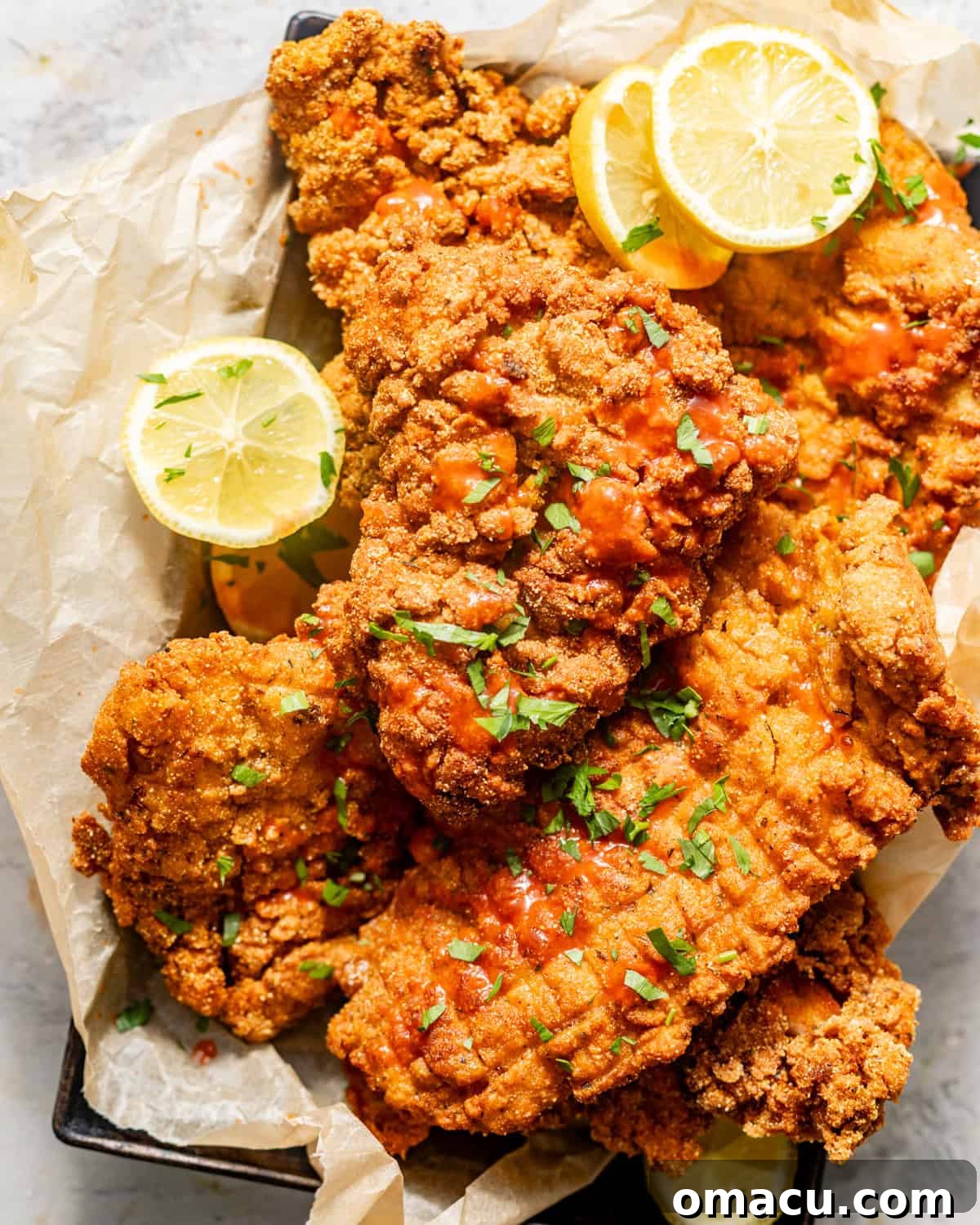
Embark on a culinary journey to the heart of Southern hospitality with this exceptional Southern fried catfish recipe. Each fillet is transformed into a golden masterpiece, boasting an irresistibly crispy crust that crackles with every bite, perfectly complementing the succulent, tender, and juicy fish within. This isn’t just a dish; it’s a comforting, soul-satisfying experience that brings the warmth of home-cooked tradition straight to your table. Bid farewell to bland, soggy fish – our method guarantees a flavor-packed crunch that will make this your go-to fried catfish recipe.
Looking to complete your Southern-inspired feast? Don’t miss our other beloved classics like the perfect buttermilk fried chicken and our delightful hush puppies – the ideal companions to your crispy catfish!
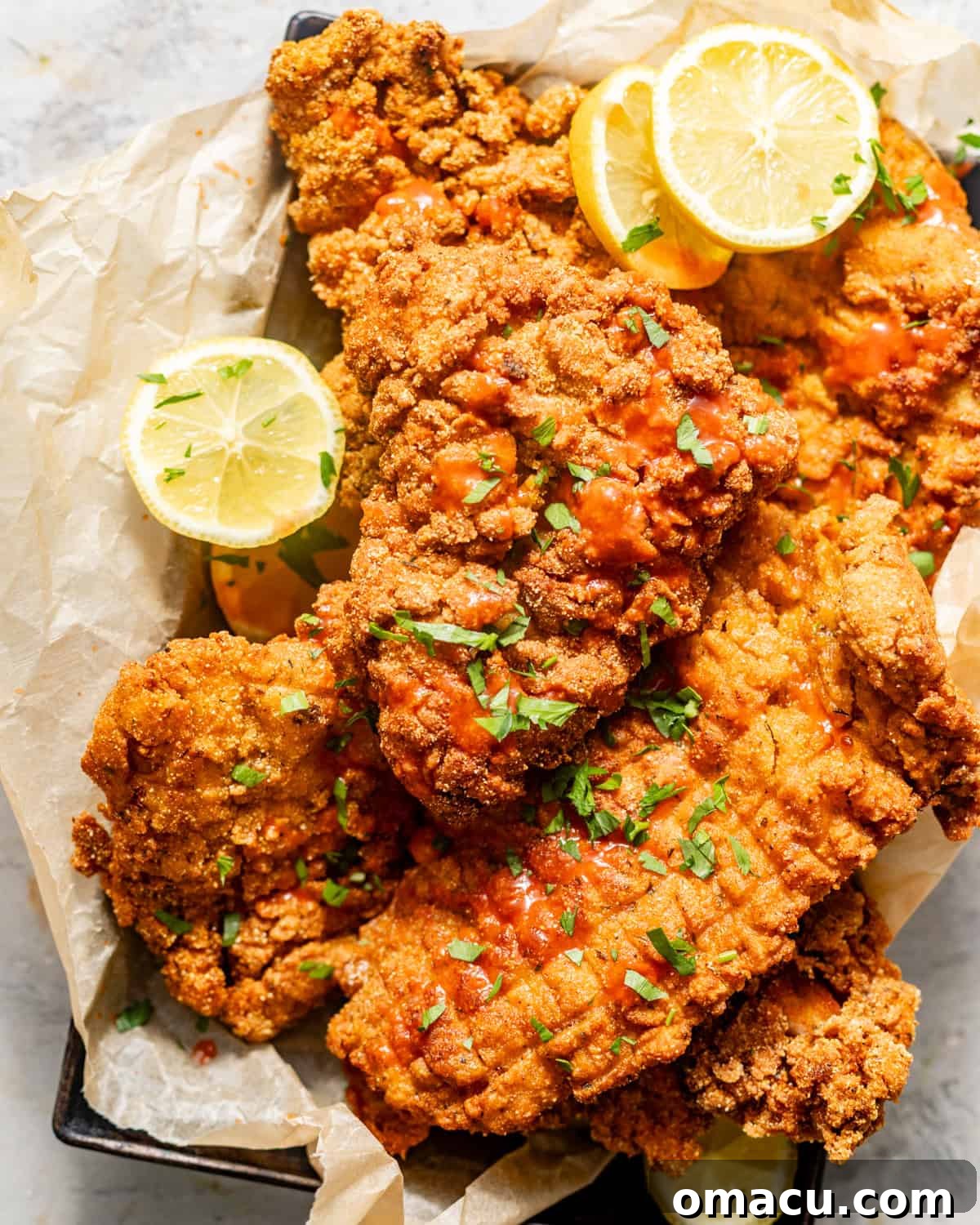
For anyone who has yet to experience truly authentic Southern fried catfish, prepare for an unforgettable culinary revelation. We’re talking about more than just a meal; it’s a sensory delight, featuring a crispy, golden cornmeal crust that shatters beautifully, giving way to an interior of incredibly tender, flaky, and moist fish. This is the kind of fried fish that makes you pause, close your eyes, and savor every single bite, whispering “Oh, yes!” before you’ve even finished chewing.
In the South, catfish isn’t merely dinner; it’s often the center of a beloved tradition—the quintessential Friday fish fry or a relaxed family gathering. Imagine serving these golden, crispy fillets hot off the skillet, paired with classic Southern accompaniments like light and fluffy hush puppies, a tangy coleslaw, and perhaps a dash of your favorite hot sauce for an added zing. This dish is far more than “just fried fish”; it’s a celebration, a moment of joy, a taste of porch-sitting evenings, sweet tea-sipping, and laughter-filled conversations. Whether you’re making it for the first time or reviving a cherished family tradition, our detailed recipe will guide you to create Southern fried catfish so utterly delicious, your family and friends will be licking their fingers and clamoring for more.
Table of Contents
- Key Ingredients for Perfect Fried Catfish
- Flavorful Variations to Try
- Step-by-Step Guide: How To Make Southern Fried Catfish
- Expert Cooking Tips for Crispy Catfish
- What To Serve With Southern Fried Catfish
- Recipe FAQs
- More Southern-Inspired Recipes
- Southern Fried Catfish Full Recipe Card
Key Ingredients for Perfect Fried Catfish
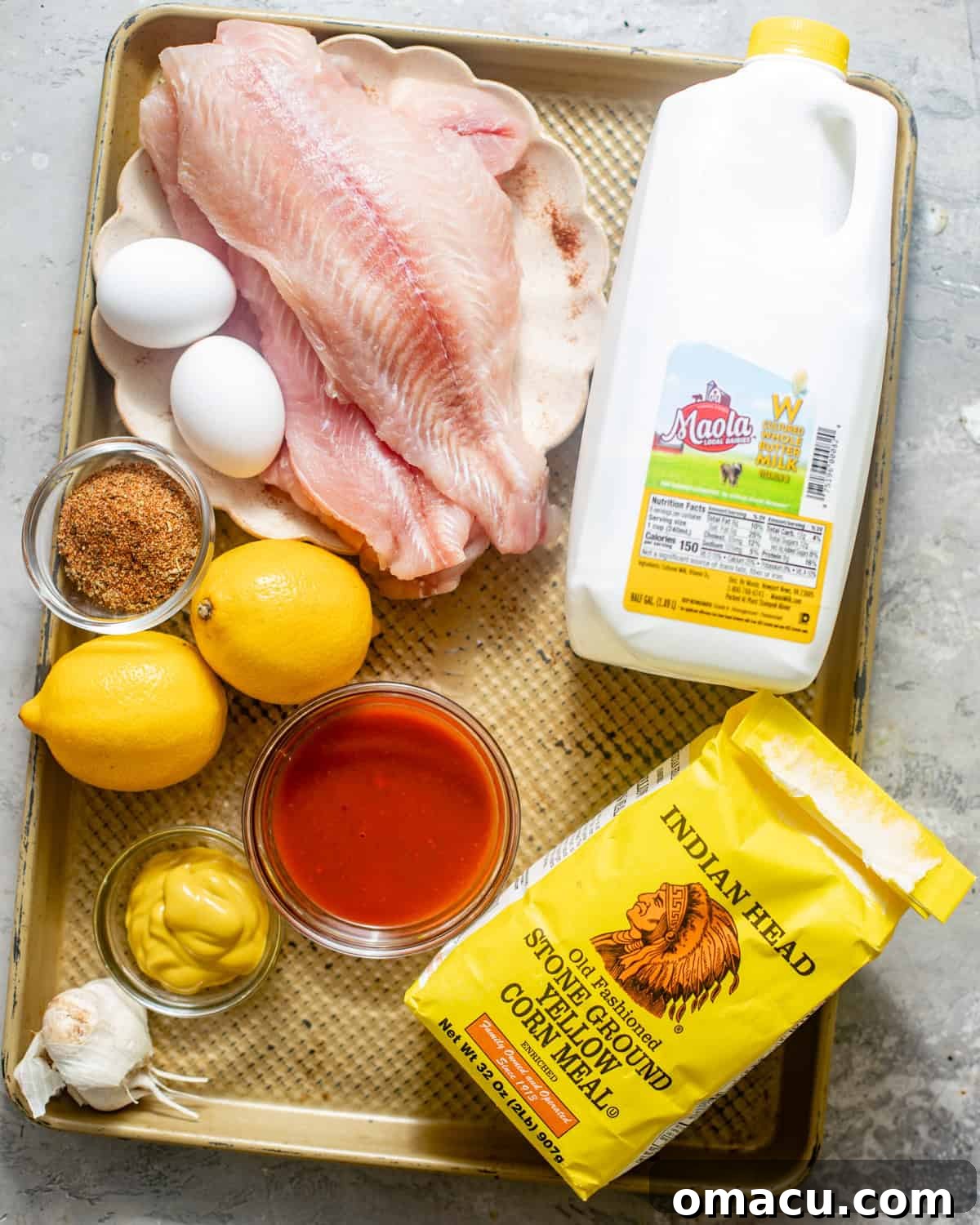
(For a complete list of ingredients with precise measurements, please refer to the detailed recipe card at the bottom of this page.)
Choosing the Best Catfish
The foundation of this incredible dish is, of course, fresh catfish. Known for its distinct mild flavor and naturally flaky, tender texture, catfish is a favorite in Southern cuisine. When purchasing your fillets from the grocery store or a local fishmonger, always prioritize freshness. Look for fillets that are firm to the touch, appear translucent, and have a clean, subtle scent of the ocean. Avoid any fish that feels mushy, looks discolored, or emits a strong, overly “fishy” aroma, as these are clear indicators of spoilage. While farm-raised catfish is widely available and performs wonderfully for frying, wild-caught options can also be used, often offering a slightly earthier taste profile.
Crafting the Signature Seasoning Blend
Our carefully curated seasoning blend is what infuses the catfish with its deep, authentic Southern essence. This blend goes beyond simple salt and pepper, incorporating layers of flavor to create a memorable taste. We utilize classic spices such as all-purpose Old Bay seasoning, a seafood staple known for its complex savory notes, alongside robust Cajun seasoning to introduce a delightful spicy warmth. Fragrant dried parsley adds a fresh herbal touch, while zesty lemon pepper, aromatic garlic powder, savory onion powder, and balanced seasoned salt complete this harmonious symphony of flavors. This comprehensive blend ensures every bite of fried catfish is rich and satisfying.
The Secret to an Ultra-Crispy Coating
Achieving that coveted, shatteringly crispy coating is paramount for the best Southern fried catfish. Here’s a breakdown of the key components:
- All-Purpose Flour: This forms the essential base of our dry dredge, providing a consistent and even texture for the coating.
- Cornstarch: A true game-changer! Incorporating cornstarch into the breading mixture is crucial. It works diligently to absorb excess moisture from the fish, directly preventing a soggy crust and actively promoting an extra-crispy, beautifully golden-brown exterior.
- Yellow Cornmeal: The iconic ingredient for Southern fried fish, yellow cornmeal is the backbone of that unmistakable crunch. For superior texture, we highly recommend using a medium-ground cornmeal over a fine grind. The slightly coarser granules deliver a far more satisfying and substantial crunch, differing from the finer texture typically found in recipes like honey butter cornbread.
- Baking Powder: A small but mighty addition, baking powder in the dry dredge contributes to a lighter, airier, and even crispier coating by creating tiny bubbles as the fish fries.
The Essential Buttermilk Brine & Wet Batter
Buttermilk serves a vital dual purpose in this recipe, acting both as a brine and a component of our wet batter. First, its gentle acidity efficiently helps to neutralize any undesirable “muddy” or earthy flavors that can sometimes be present in catfish, ensuring a clean and fresh taste. Second, it tenderizes the fish proteins, resulting in that wonderfully flaky, moist, and tender texture we all crave. For the wet batter, a harmonious blend of buttermilk, beaten eggs, a touch of hot sauce for subtle heat, and Worcestershire sauce creates the perfect adhesive for the dry dredge while simultaneously contributing another layer of rich flavor and moisture to the overall profile.
Choosing the Right Frying Oil
When it comes to frying, the choice of oil is crucial for taste and texture. Always select a neutral-flavored cooking oil with a high smoke point. Excellent options include common vegetable oil, canola oil, peanut oil, avocado oil, or grapeseed oil. A high smoke point is absolutely essential because it allows the oil to reach the necessary high temperatures for proper crispiness without breaking down, smoking excessively, or imparting off-flavors to your delicious fried catfish. This ensures a clean, perfectly cooked finish.
Flavorful Variations to Try
While this classic Southern fried catfish recipe is a masterpiece on its own, it also provides a fantastic canvas for culinary creativity. Feel free to experiment with these exciting variations to tailor the dish to your personal taste:
- Turn Up the Heat: For those who crave an extra fiery kick, simply increase the quantity of Cajun seasoning in your blend. You can also incorporate a generous pinch of cayenne pepper into the dry dredge for an intensified spice level. Alternatively, a drizzle of your favorite hot sauce over the finished fried catfish will add a vibrant burst of heat.
- Amp Up the Crunch with Panko: For an even more dramatic and satisfying crispy exterior, consider adding up to half a cup of panko breadcrumbs to your dry dredge mixture. Panko flakes are larger, lighter, and crispier than traditional breadcrumbs, providing an unparalleled textural contrast.
- Create Catfish Tacos: Reimagine your fried catfish by transforming it into delicious tacos! Slice the crispy fillets into convenient strips, then nestle them into warm tortillas. Top with a vibrant, crunchy cabbage slaw, a squeeze of fresh lime juice, and a generous drizzle of creamy remoulade or a spicy crema for an unforgettable Tex-Mex fusion.
- Nashville Hot Inspired: Take a cue from our popular Nashville Hot Chicken recipe. Immediately after frying, generously brush or spoon a homemade Nashville hot sauce over the hot catfish fillets. This infuses the fish with a bold, spicy, and slightly sweet flavor profile that is utterly addictive.
- Add Fresh Herbs: While dried parsley is included in the dredge, you can introduce an additional layer of herbaceous freshness. Finely chopped fresh dill, chives, or even a touch of thyme can be added to the buttermilk brine. These fresh herbs beautifully complement the mild flavor of the catfish.
- Smoky Paprika Infusion: For a deeper, smoky flavor profile, add a tablespoon of smoked paprika to your catfish seasoning blend. This will give the crust a beautiful rich color and a wonderfully aromatic quality.
Step-by-Step Guide: How To Make Southern Fried Catfish
Follow these meticulously detailed steps to achieve perfectly golden, crispy, and incredibly flavorful Southern fried catfish every single time. Paying close attention to each stage is paramount for achieving optimal results!
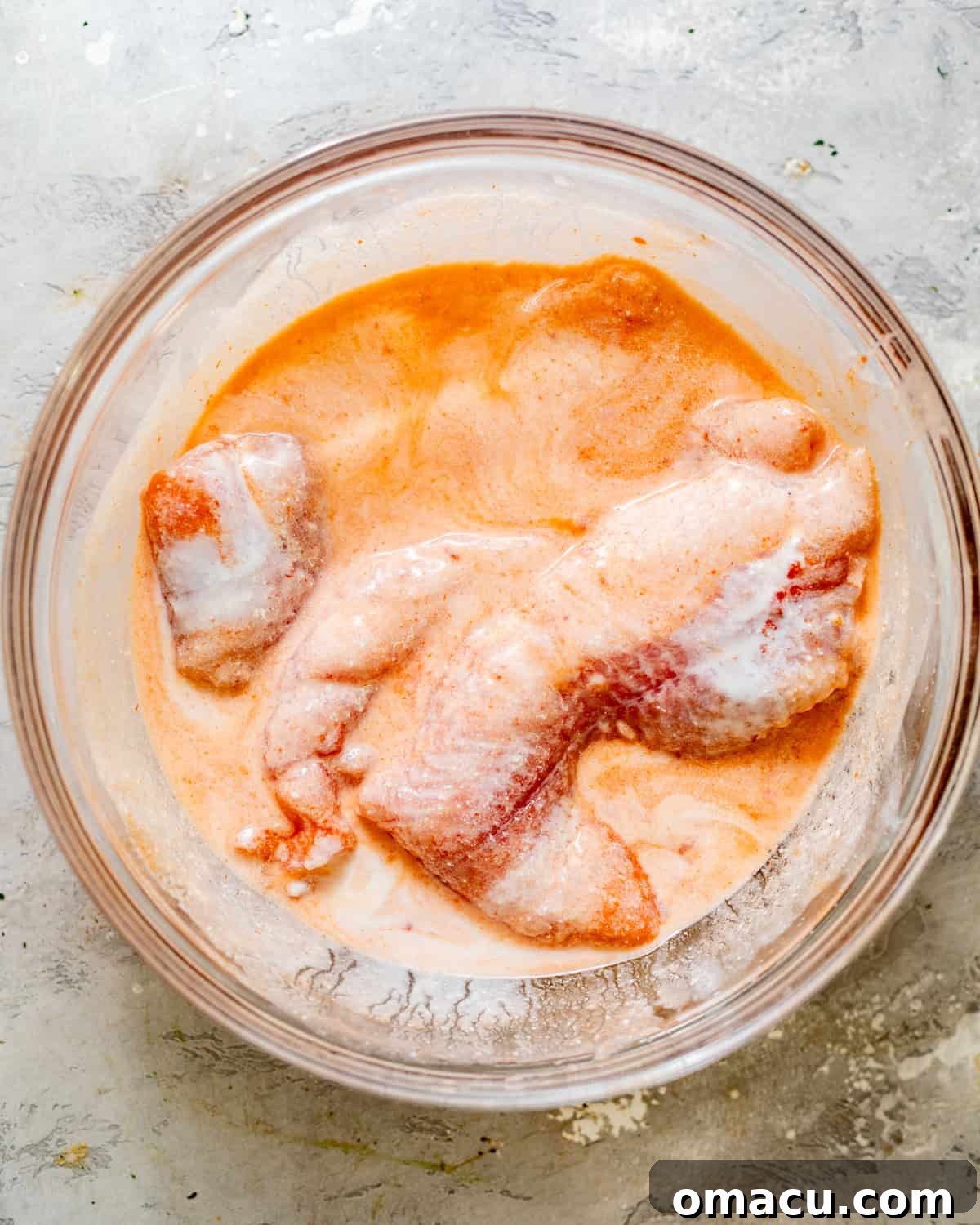
Step 1: Prepare the Buttermilk Brine. Begin by combining the buttermilk, hot sauce, fresh lemon juice, and finely minced garlic in a large mixing bowl. Stir all ingredients thoroughly until well incorporated. Carefully submerge your catfish fillets completely in this flavorful brine. Cover the bowl tightly with plastic wrap and place it in the refrigerator to marinate for a minimum of 30 minutes, but no longer than 2 hours. The buttermilk’s acidity gently tenderizes the fish and effectively helps to eliminate any potential ‘muddy’ flavors. Once the brining time is complete, remove the fish from the liquid, rinse each fillet thoroughly under cold running water to wash away any excess marinade, and then, crucially, pat each piece exceptionally dry with paper towels. Any lingering moisture will hinder the crisping process.
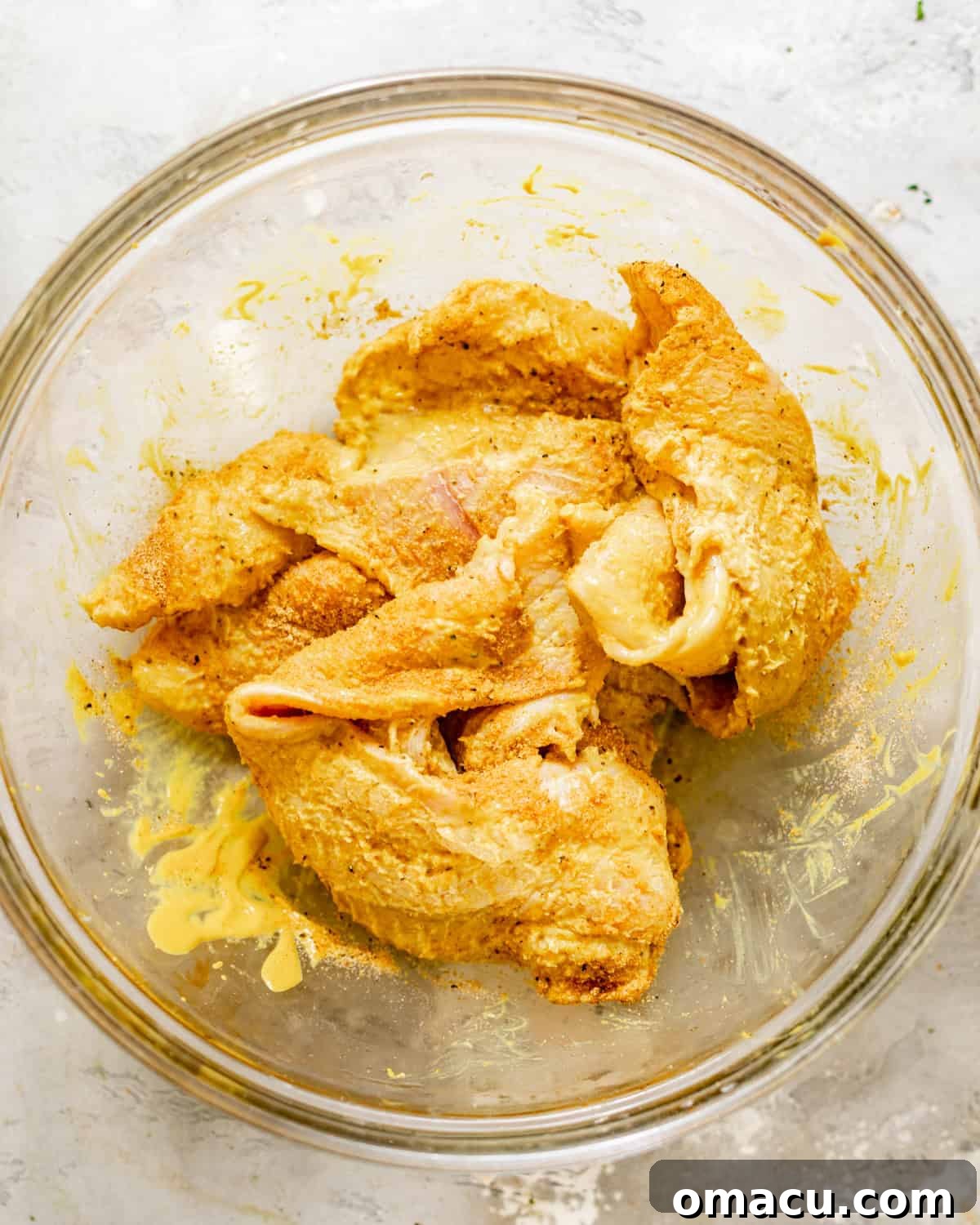
Step 2: Season the Catfish. After thoroughly drying, cut your catfish fillets into your preferred serving sizes; bite-sized pieces or larger portions both work well. In a clean bowl, generously coat the catfish pieces with yellow mustard. The mustard serves a dual purpose: it acts as an excellent binder, helping the dry seasonings adhere effectively, and it contributes a subtle, tangy depth of flavor. Now, liberally sprinkle the fish with Old Bay seasoning, lemon pepper, garlic powder, onion powder, seasoned salt, and freshly ground black pepper. Toss everything together gently using your hands or tongs, ensuring that every surface of each catfish piece is uniformly coated with this rich spice mixture. Allow the seasoned fish to rest for a few minutes while you prepare the dredging stations.
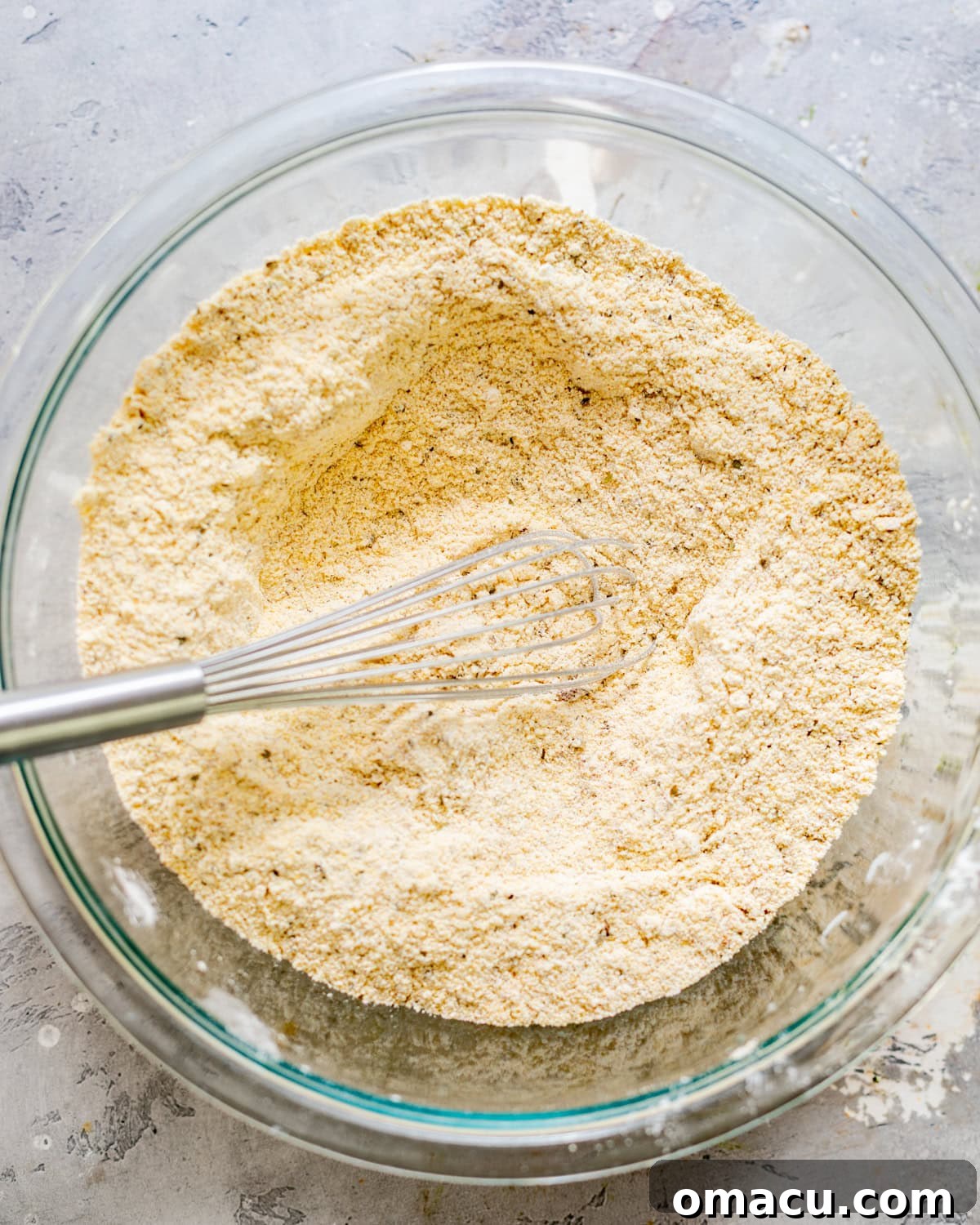
Step 3: Prepare the Dry Dredge. In a wide, shallow bowl – ideally one large enough to easily coat the catfish fillets – combine the yellow cornmeal, all-purpose flour, cornstarch, dried parsley, Cajun seasoning, and baking powder. Whisk all these ingredients together thoroughly until they are perfectly blended and there are no visible lumps. This meticulously prepared mixture will form the ultra-crispy and flavorful exterior of your fried catfish, so an even distribution of ingredients is absolutely essential for consistent taste and texture across all pieces.
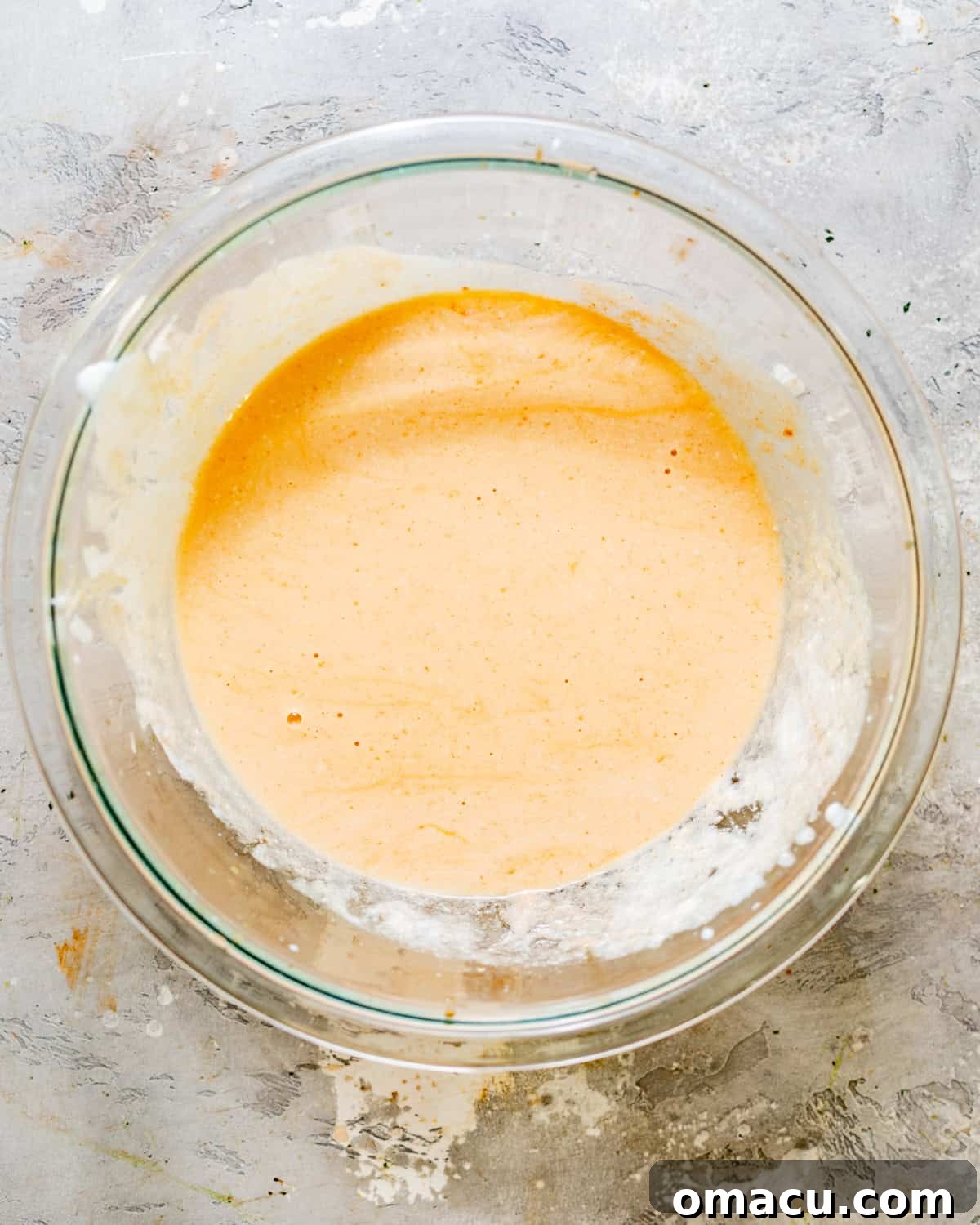
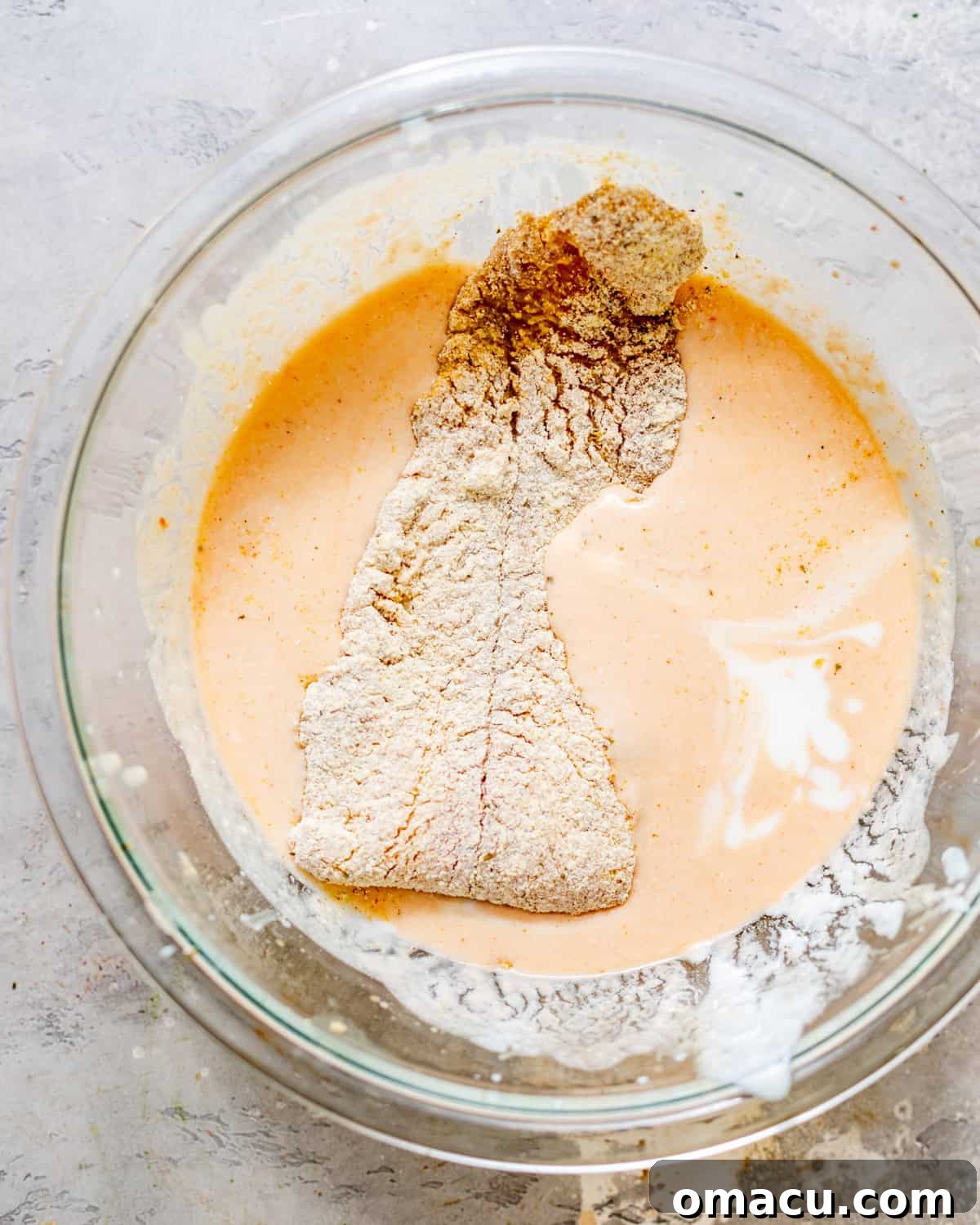
Step 4: Prepare the Wet Batter. In a third separate bowl, whisk together the eggs, the remaining buttermilk (as specified for the wet batter), hot sauce, and Worcestershire sauce. Continue whisking until the mixture is completely smooth and all ingredients are fully integrated. This wet mixture plays a crucial role: it acts as the adhesive, allowing the dry dredge to stick firmly to the fish. Furthermore, it contributes an additional layer of moisture and complex flavors, helping to create a robust, multi-layered coating that locks in the fish’s natural juices and maximizes the overall crispiness.
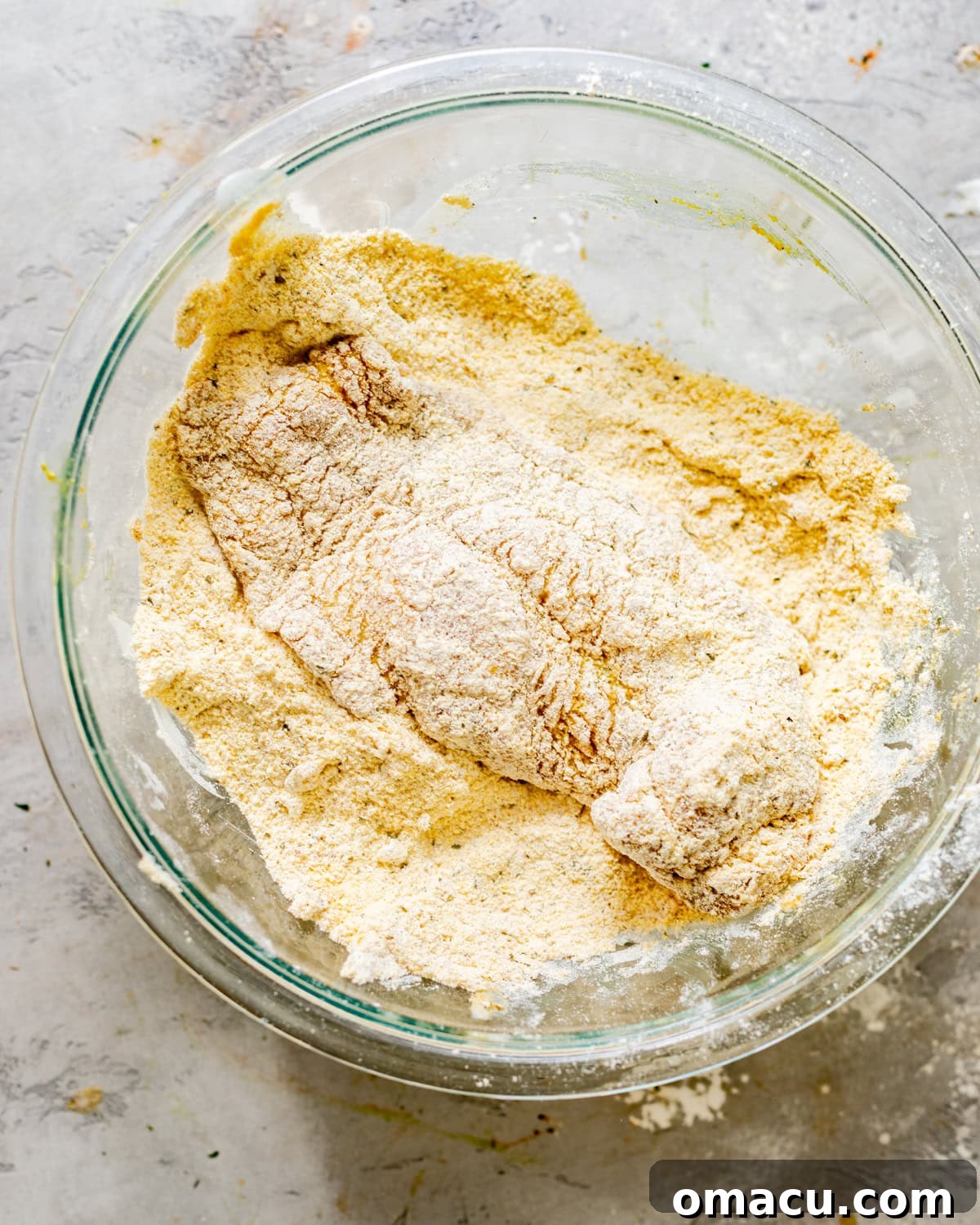
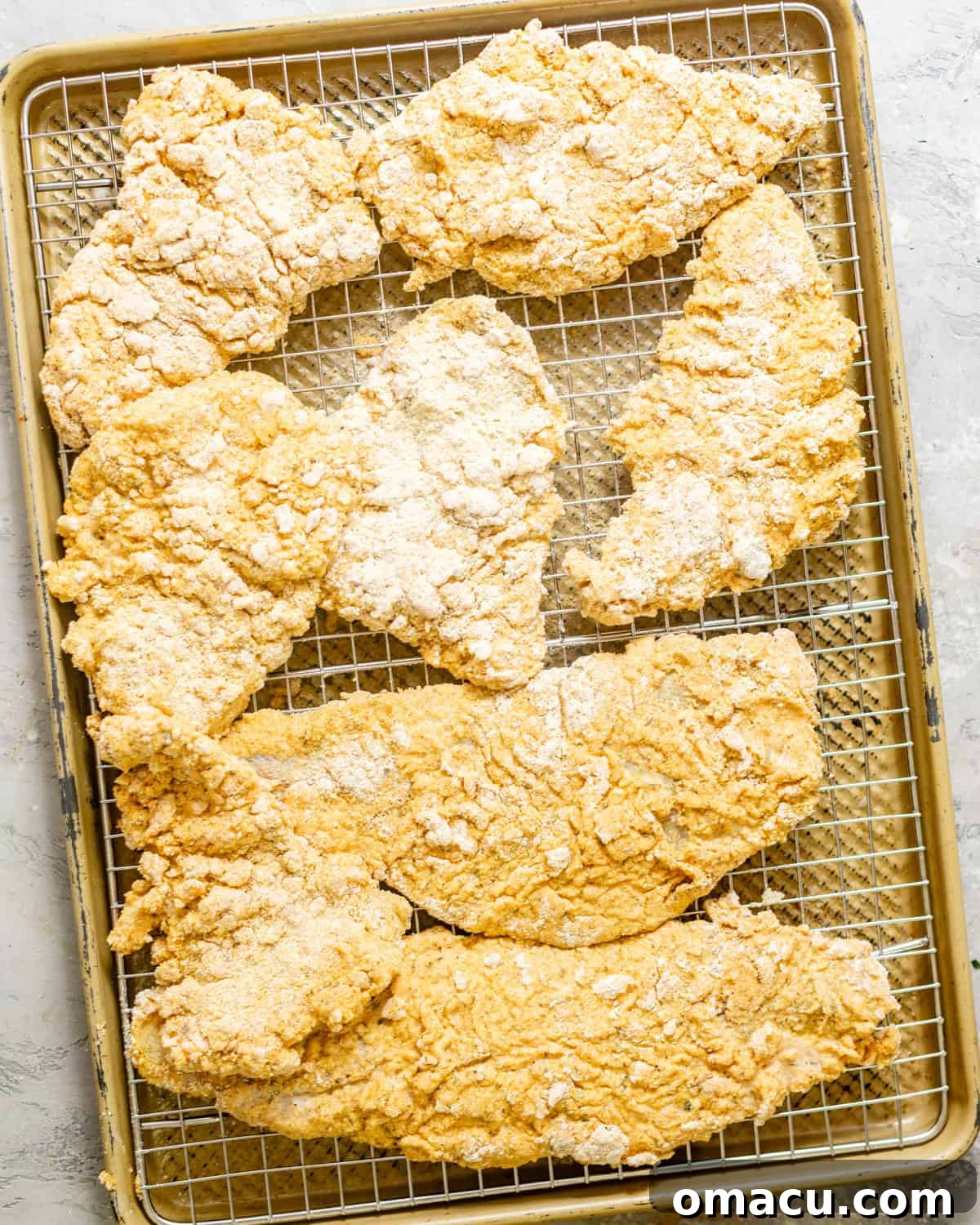
Step 5: Double Dredge the Catfish. This critical step is the secret to an extra-crispy, perfectly textured crust. First, take each seasoned catfish fillet and dip it thoroughly into the dry cornmeal mixture, pressing gently but firmly to ensure every surface is completely coated. Shake off any excess. Next, transfer the fillet to the wet egg mixture, allowing any excess to drip off briefly. Finally, return the fish to the dry cornmeal mixture for a second, even more generous coating, again pressing firmly to ensure it’s fully covered. The double dredge creates a thick, flavorful, and incredibly crunchy shell. Once coated, place the fillets on a wire rack set over a baking sheet. Allow them to rest undisturbed for 10-15 minutes while you prepare your frying oil. This resting period is essential as it allows the breading to hydrate and adhere more firmly to the fish, significantly reducing the chance of it falling off during frying.
Step 6: Heat the Frying Oil. Pour 4-5 cups of your chosen neutral vegetable oil (or other high smoke point oil) into a large cast-iron skillet, a heavy-bottomed Dutch oven, or a deep pot. Ensure the oil depth is sufficient to at least partially submerge the fish. Place the pan over medium-high heat and allow the oil to gradually heat until it reaches an optimal temperature range of 350-375 degrees F (175-190 degrees C). This specific temperature window is absolutely vital for achieving that perfectly crispy exterior without overcooking or burning the delicate fish inside. It is highly recommended to use a reliable candy thermometer or a deep-fry thermometer to accurately monitor and maintain the oil’s temperature throughout the entire frying process. Consistency in oil temperature is a key factor for evenly cooked, gloriously golden-brown catfish.
Step 7: Fry the Catfish to Golden Perfection. Once the oil has reached the correct temperature, carefully lower 1-2 coated catfish fillets into the hot oil at a time. It is crucial to avoid overcrowding the pan, as this will drastically lower the oil temperature, leading to greasy, less crispy fish. Fry the catfish for approximately 3-5 minutes per side, or until each piece develops a beautiful, rich golden-brown color and the crust is visibly crispy and firm. The exact cooking time may vary slightly depending on the thickness of your fillets. When perfectly cooked, the fish should flake easily with a fork. Using tongs, carefully remove the fried catfish from the oil and immediately transfer it to a paper towel-lined plate or a clean wire rack set over a baking sheet. This allows any excess oil to drain away, helping to preserve its exceptional crispiness. Repeat this process with the remaining fillets, ensuring the oil returns to the optimal temperature range between each batch.
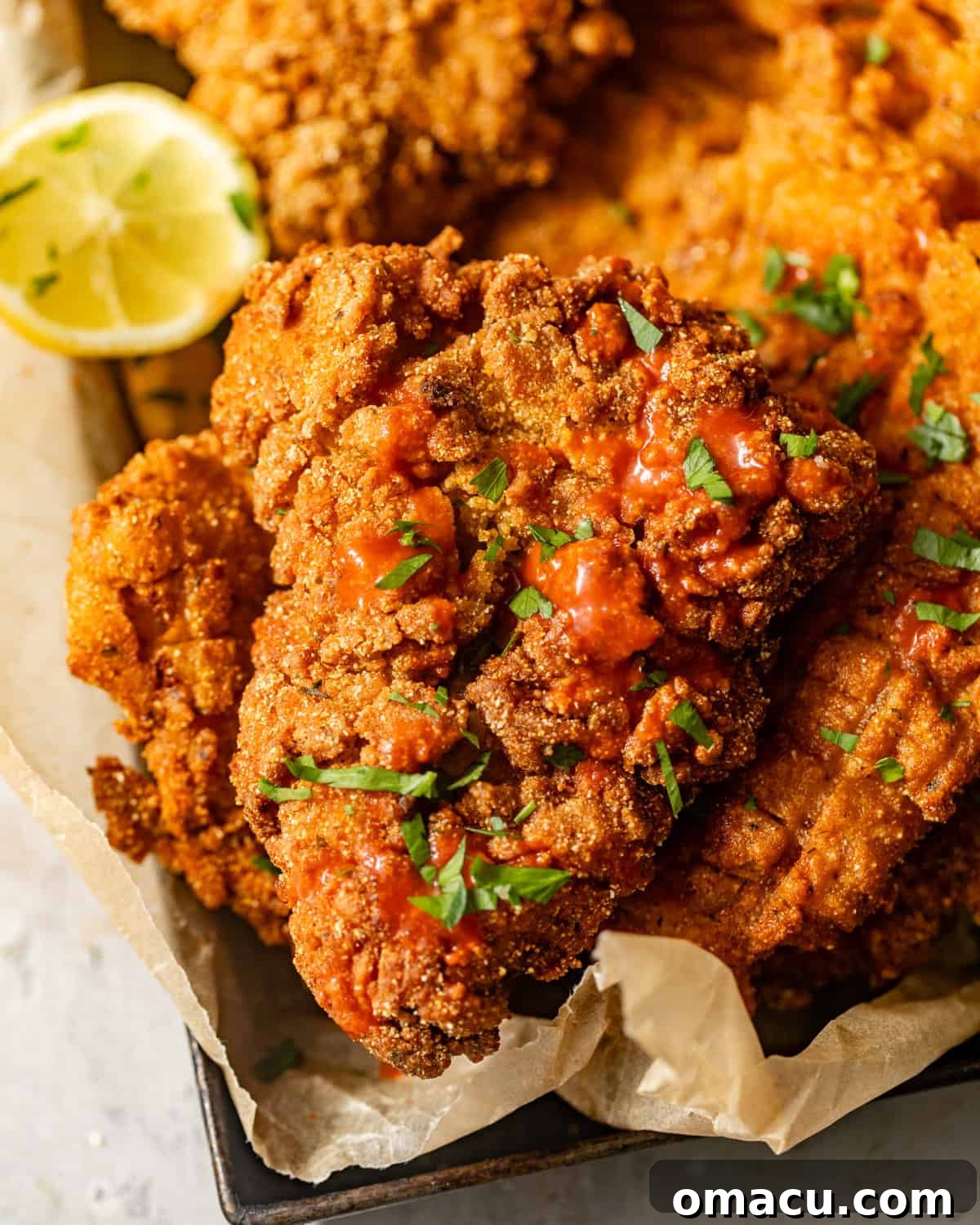
Step 8: Garnish and Serve Immediately. Once all the catfish fillets have been fried to golden perfection, arrange them on a warm serving platter. For a touch of freshness and visual appeal, sprinkle with freshly chopped parsley and arrange a few lemon wedges alongside. The bright acidity of the lemon is a fantastic complement to the rich, fried fish. Serve your Southern fried catfish immediately while it is at its absolute peak of crispiness and warmth. Pair it with your favorite classic Southern sides or a selection of delicious dipping sauces for a truly unforgettable meal experience.
Expert Cooking Tips for Consistently Crispy Catfish
Master the art of frying catfish with these invaluable professional tips, ensuring consistently delicious and perfectly crispy results every time:
- Respect the Marinating Time: While the buttermilk brine is transformative for tenderizing and infusing flavor, it’s crucial not to let the catfish marinate for longer than 2 hours. The natural acids in the buttermilk, if allowed to act for too long, can begin to break down the delicate proteins of the fish, leading to an undesirable mushy texture instead of the desired flaky tenderness.
- Pat the Fish Bone Dry: After its buttermilk soak and thorough rinse, it is an absolutely critical step to vigorously pat the fish fillets bone-dry with paper towels. Any residual moisture on the surface of the fish will instantly convert to steam when it encounters the hot oil, preventing the coating from crisping up properly. This moisture can also cause the breading to prematurely separate and fall off during the frying process.
- Precisely Monitor Oil Temperature: The temperature of your frying oil is arguably the single most important factor for achieving perfectly crispy, non-greasy fried fish. Always use a reliable candy thermometer or a deep-fry thermometer to consistently maintain the oil’s temperature between 350-375 degrees F (175-190 degrees C). If the oil is too cool, the fish will absorb excessive oil and become greasy and heavy. Conversely, if the oil is too hot, the exterior will brown or even burn prematurely before the interior of the fish has a chance to cook through properly.
- Avoid Overcrowding the Pan: Resist the temptation to fry too many fillets at once. Overcrowding the pan causes a significant and immediate drop in the oil temperature. This temperature drop leads to a longer cooking time, allowing the fish to absorb more oil, resulting in a less crispy, often greasy, and unevenly cooked product. Fry in small, manageable batches, typically 1-2 fillets at a time, to ensure the oil temperature remains stable and each piece cooks evenly to golden perfection.
- Allow the Coated Fish to Rest: After you’ve finished dredging the catfish fillets, place the coated pieces on a wire rack set over a baking sheet and allow them to rest undisturbed for 10-15 minutes before introducing them to the hot oil. This resting period is incredibly beneficial as it allows the moisture from the fish to be absorbed by the breading, helping the coating to “set” and adhere more firmly to the fish. This significantly reduces the likelihood of the breading flaking or falling off during the frying process, ensuring a complete and crispy crust.
- Utilize a Heavy-Bottomed Skillet: Investing in a good quality cast-iron skillet or a heavy-bottomed Dutch oven is highly recommended for frying. Their robust construction ensures superior heat retention and incredibly even heat distribution, both of which are absolutely crucial for maintaining a stable oil temperature and achieving consistent, perfectly fried results across all your batches of catfish.
What To Serve With Southern Fried Catfish
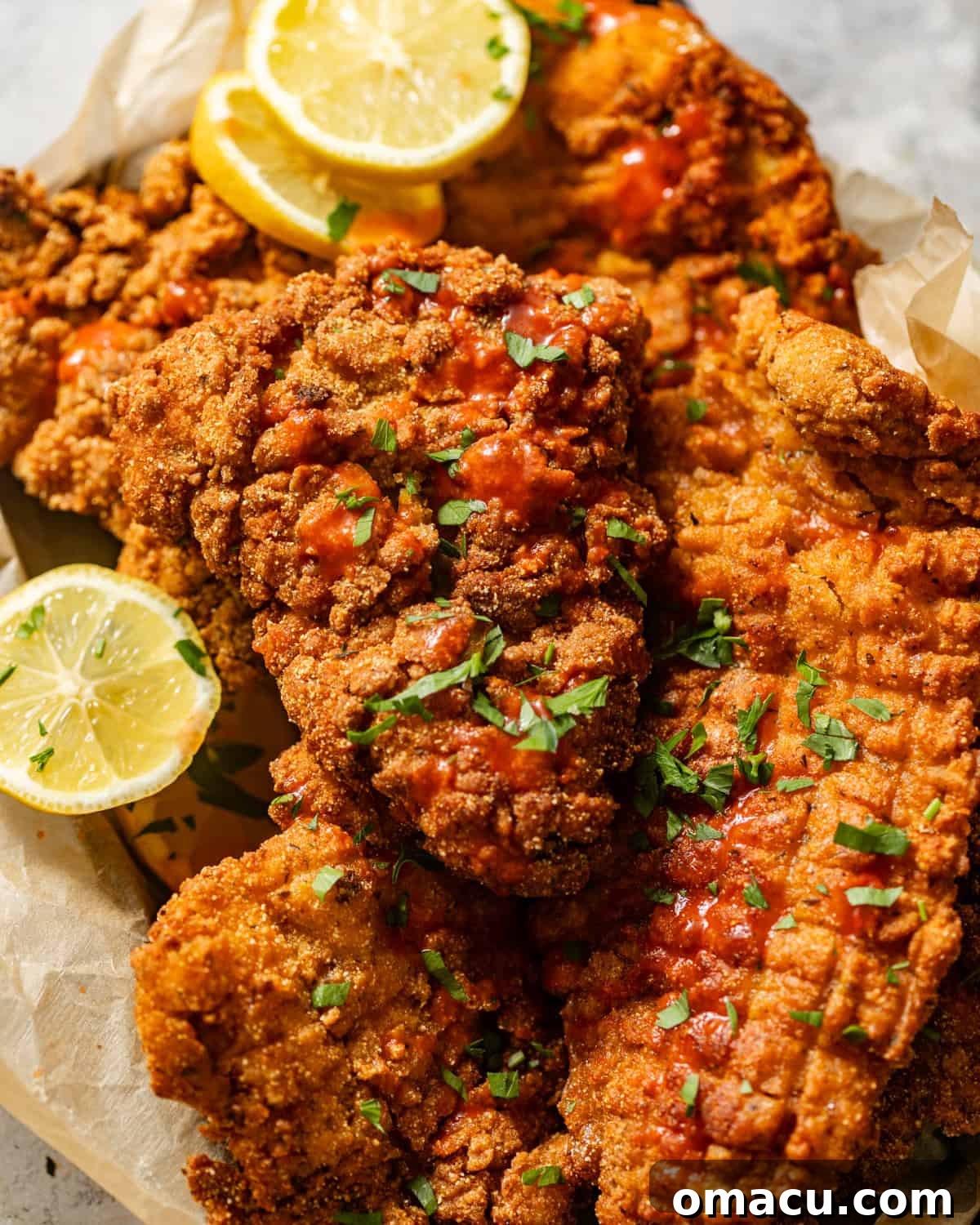
This exquisite Southern fried catfish pairs beautifully with an impressive array of classic side dishes, elevating any meal into a true Southern feast. For an authentic, soul food experience that tantalizes the taste buds, consider serving it alongside a generous portion of tender, slow-cooked collard greens, warm slices of moist and flavorful buttermilk cornbread, rich and creamy baked mac and cheese, a tangy and satisfying potato salad, and sweet, caramelized candied yams. These pairings create a harmony of flavors and textures that define Southern comfort food.
If you prefer a simpler yet equally satisfying approach, fried catfish is wonderfully delightful when accompanied by a hearty serving of crispy french fries, a refreshing and crunchy coleslaw, and a side of zesty remoulade sauce or a homemade tartar sauce – a combination that’s reminiscent of a gourmet fish and chips experience. Above all, do not forget to include plenty of fresh lemon wedges; a squeeze of bright, acidic lemon juice over the hot fish magnificently cuts through the richness of the fried coating and significantly enhances the overall flavor profile. To complete the ultimate Southern meal, a tall glass of sweet iced tea or a refreshing lemonade is the perfect accompaniment, tying all the flavors together.
Recipe FAQs
Yes, you absolutely can use frozen catfish for this recipe, but proper preparation is crucial for achieving the best results. Ensure the catfish fillets are completely thawed before you begin, ideally overnight in the refrigerator. Once thawed, it is paramount to pat them exceptionally dry with paper towels. Any residual moisture will create steam when the fish hits the hot oil, leading to a soggy coating that won’t crisp up properly and may even cause the breading to detach during frying.
Soaking the catfish in buttermilk for a minimum of 30 minutes, and up to 2 hours, is a highly recommended and traditional step for Southern-style fried catfish. This beneficial process helps to tenderize the fish, ensuring it becomes incredibly flaky and moist when cooked. More importantly, the buttermilk’s mild acidity effectively works to neutralize any potential “fishy” or muddy flavors that catfish can sometimes possess, resulting in a cleaner, more pleasant taste. It also significantly aids the coating in adhering better, leading to a superior and crispier crust.
While you could technically use an all-purpose flour-only coating, cornmeal is an indispensable ingredient for achieving the iconic crunchy texture and beautiful golden color that defines authentic Southern fried catfish. Using only flour will yield a softer, less crispy crust, lacking the distinctive bite and rustic charm that medium-ground cornmeal provides. For the most genuine and satisfying results, we strongly advise sticking with the cornmeal as specified in our recipe.
For perfectly fried catfish that boasts an incredibly crispy crust and a thoroughly cooked, juicy interior, the oil temperature is paramount and should ideally be maintained between 350°F and 375°F (175-190°C). Utilizing a deep-fry thermometer is highly recommended to ensure precise accuracy. This specific temperature range is critical as it prevents the fish from becoming greasy (which happens if the oil is too cool) or from burning on the outside while remaining raw or undercooked on the inside (if the oil is too hot).
Yes, you can certainly enjoy delicious catfish using alternative cooking methods without traditional deep frying, though the resulting texture will naturally vary slightly. For a lighter crispy coating, you can shallow-fry the catfish in about ½ inch of oil, achieving a pleasant crispness with significantly less oil. Alternatively, baking the catfish on a wire rack at a high temperature (around 425°F or 220°C) or preparing it in an air fryer can yield a wonderfully flavorful, healthier version. While these methods might not replicate the exact crunch of a deep-fried fillet, the rich, seasoned flavor of the catfish will still shine through beautifully.
More Southern-Inspired Recipes to Explore
Main Course
Buttermilk Fried Chicken
Main Course
Cajun Seafood Boil Recipe with Garlic Butter Sauce
Main Course
Authentic Crawfish Boil Recipe
Main Course
Nashville Hot Chicken Recipe
Want to stay updated with more delicious and beautiful recipes? Subscribe to our newsletter to receive the latest seasonal creations and expert cooking tips directly in your inbox as soon as they’re released!
If you try this incredible Southern fried catfish recipe, we would absolutely love to hear from you! Please take a moment to leave a star rating on the recipe card below and share your thoughts and experiences in the comments section. You can also tag us @BritneyBreaksBread on Instagram and use the hashtag #britneybreaksbread so we can celebrate your beautiful culinary creations with our community!
Southern Fried Catfish Full Recipe Card
Fried Catfish
Britney
40 mins
25 mins
1 hr
5 mins
6
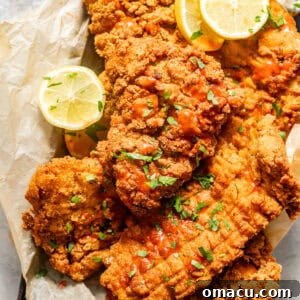
Crispy, golden Southern fried catfish with tender, flaky meat and bold flavor. This easy-to-follow recipe is perfect for your next fish fry or a comforting family meal!
Equipment
- Mixing Bowls (at least 3-4 for dredging)
- Dutch Oven or Large Cast Iron Skillet (for frying)
- Wire Rack (for draining and resting fish)
- Deep-Fry Thermometer or Candy Thermometer (essential for oil temperature)
- Tongs (for handling fish safely)
- Paper Towels (for draining excess oil)
Ingredients
- 3 lbs Catfish Fillets (fresh or thoroughly thawed)
Buttermilk Brine (for soaking)
- 1 1/2 cups Buttermilk
- 1/4 cup Hot Sauce (e.g., Frank’s RedHot)
- 2 tbsp Lemon Juice (freshly squeezed)
- 2 cloves Garlic, minced
Catfish Seasoning
- 3 tbsp Yellow Mustard
- 2 tsp Old Bay Seasoning
- 2 tsp Lemon Pepper Seasoning
- 2 tsp Garlic Powder
- 2 tsp Onion Powder
- 1 1/2 tsp Seasoning Salt (e.g., Lawry’s)
- 1/2 tsp Black Pepper (freshly ground, optional)
Dry Batter / Dredge
- 2 cups Yellow Cornmeal (medium ground for best crunch)
- 3/4 cup All-Purpose Flour
- 1/4 cup Cornstarch
- 2 tsp Dried Parsley
- 1 1/2 tbsp Cajun Seasoning
- 1 tsp Baking Powder
Wet Batter
- 1 cup Buttermilk
- 2 tbsp Hot Sauce
- 1 tbsp Worcestershire Sauce
- 2 large Eggs
For Frying
- 4-5 cups Vegetable Oil (or other high smoke point oil like canola, peanut, or grapeseed)
Instructions
-
Prepare the Brine: In a large bowl, combine 1 1/2 cups buttermilk, 1/4 cup hot sauce, lemon juice, and minced garlic. Submerge the catfish fillets completely in this brine. Cover the bowl with plastic wrap and refrigerate for 30 minutes to 2 hours. After brining, remove the catfish, rinse thoroughly under cold water, and pat each fillet bone-dry with paper towels.
-
Season the Fish: Cut the dried catfish into your desired serving pieces. In a separate clean bowl, coat the catfish pieces evenly with yellow mustard. Sprinkle generously with Old Bay seasoning, lemon pepper, garlic powder, onion powder, seasoning salt, and black pepper. Toss gently to ensure all pieces are thoroughly coated in the spice blend.
-
Make Dry Dredge: In a wide, shallow bowl, whisk together 2 cups yellow cornmeal, all-purpose flour, cornstarch, dried parsley, Cajun seasoning, and baking powder until well combined and lump-free.
-
Make Wet Batter: In another separate bowl, whisk together 1 cup buttermilk, 2 tbsp hot sauce, Worcestershire sauce, and 2 large eggs until the mixture is smooth and thoroughly combined.
-
Dredge Catfish (Double Coat): Begin by dipping each seasoned catfish fillet into the dry cornmeal mixture, pressing gently to ensure a thorough and even first coating. Shake off any excess. Next, dip the fillet into the wet egg mixture, allowing any excess liquid to drip off. Finally, return the fish to the dry cornmeal mixture for a second, generous coating, pressing firmly to ensure it is completely covered. Place the fully coated fillets onto a wire rack set over a baking sheet to rest for 10-15 minutes while you prepare the frying oil. This resting period helps the breading adhere better.
-
Heat Oil: Pour 4-5 cups of vegetable oil into a large cast-iron skillet or deep pot. Heat the oil over medium-high heat until it reaches a consistent temperature of 350-375°F (175-190°C). Use a candy thermometer or deep-fry thermometer to accurately monitor the oil’s temperature.
-
Fry Catfish: Carefully lower 1-2 coated catfish fillets into the hot oil at a time, being careful not to overcrowd the pan (this helps maintain oil temperature and crispiness). Fry for 3-5 minutes per side, or until the catfish is beautifully golden brown and the crust is visibly crispy. The exact cooking time may vary based on fillet thickness. Remove the fried catfish from the oil and immediately transfer it to a paper towel-lined plate or a clean wire rack to drain any excess oil. Repeat with the remaining fillets, ensuring the oil returns to the correct temperature between each batch.
-
Serve: Garnish your perfectly fried catfish with fresh parsley and lemon wedges. Serve immediately while hot and crispy with your favorite Southern sides and dipping sauces.
Recipe Notes
- Don’t Over-Marinate: Limit buttermilk brining to a maximum of 2 hours. Over-marinating can cause the catfish to become mushy due to the acid in the buttermilk.
- Pat Fish Thoroughly Dry: This step is crucial! After rinsing the catfish from the brine, pat it exceptionally dry with paper towels. Excess moisture is the enemy of crispiness and can cause the breading to fall off during frying.
- Monitor Oil Temperature Closely: Use a thermometer to maintain the oil temperature consistently between 350-375°F. This is the key to achieving a crispy crust without making the fish greasy or burning it.
- Avoid Crowding the Pan: Fry the catfish in small batches (1-2 fillets at a time) to prevent the oil temperature from dropping too much. Crowding leads to soggy, greasy fish.
- Rest the Breaded Fish: Allow the coated catfish to rest on a wire rack for 10-15 minutes before frying. This allows the breading to adhere better and helps prevent it from flaking off during cooking.
- Use a Heavy-Bottomed Pan: A cast-iron skillet or Dutch oven is ideal as it provides even heat distribution and helps maintain a stable oil temperature, crucial for consistent frying results.
Nutrition Information (Approximate Per Serving)
Calories: 598 kcal | Carbohydrates: 69g | Protein: 50g | Fat: 14g | Saturated Fat: 4g | Polyunsaturated Fat: 4g | Monounsaturated Fat: 4g | Trans Fat: 0.01g | Cholesterol: 197mg | Sodium: 2125mg | Potassium: 1238mg | Fiber: 5g | Sugar: 6g | Vitamin A: 1435IU | Vitamin C: 15mg | Calcium: 395mg | Iron: 6mg
Nutrition information is automatically calculated and should be considered an approximation. Individual results may vary based on ingredients used, specific brands, and preparation methods.
Tried this recipe? Mention @BritneyBreaksBread or tag #BritneyBreaksBread!